Background Scholarly productivity and research output vary among different subspecialties. The h-index was developed as a more wholesome metric that measures an author's contribution to literature. Objective Through a web-based cross-sectional analysis, we investigated the differences in scholarly impact and influence of both fellowship and nonfellowship-trained academic otolaryngologists in the United States. A secondary objective was to further understand the output among the larger fellowship fields. Methods A cross-sectional analysis was performed for active faculty otolaryngologists. A total of 1704 otolaryngologists were identified as faculty in residency training programs across the United States. Their h-index and publication data were gathered using the Scopus database. The data were obtained in August 2019 and analysis occurred in January 2020. Results Head and neck surgical faculty (25.5%) had the highest representation with fellowship experience. Among all faculty, there was no statistical difference in the overall average h-index scores when comparing faculty that had fellowship training with those who did not (12.6 and 12.1, respectively, P = .498). Rhinologists had the highest publication output per year at 3.90. Among fellowship-trained faculty, the highest average h-index and total publications were seen in head & neck surgery, while facial plastics had the lowest averages (P < .001). Conclusions In this study, fellowship-trained faculty had a greater but not significant scholarly impact than nonfellowship faculty. Furthermore, there were significant variations in output among the various subspecialties of otolaryngology. Growing fields, as academic rhinology, are continuing to flourish in robust research productivity and output. This study further demonstrates the potential, growing influence of fellowship training on research involvement and academic advancement within the otolaryngology subspecialties.
Objectives The h-index is a measure of research output and contribution that shows strong correlation with academic promotion in medicine. The purpose of this article is to clearly explain how h-index scores are calculated and how otolaryngologists can effectively and advantageously use these scores for their career development. Data Sources PubMed. Review Methods We performed an up-to-date PubMed literature review describing the design of the h-index and how to use it effectively along with its role in academic medicine, including otolaryngology. Conclusions H-index scores are used as a metric for scientific output that considers the number of publications and the number of times each is cited. Search engines can automatically calculate h-index scores for one's work. Studies also revealed significant positive correlations that the h-index has from fellowship involvement, which could be beneficial for career advancement in academic medicine. Implications for Practice Aspiring academic otolaryngologists should create a research profile to link and calculate the h-index for publications, submit to well-read high-impact journals for increased viewership and citations, and expand on foundational and personal research topics. Future studies should evaluate faculty and resident awareness of h-indices in the otolaryngology department to see how we can further address any underlying barriers. Otolaryngologists with the knowledge and tools necessary to maximize h-index scores and produce high-quality research in modern-day medicine not only provide potential advantages in career development but also bring significant contribution to the field of otolaryngology and patient care.
OBJECTIVE:The objective of this study is to explore the sinopulmonary outcomes of aspirin desensitization through a systematic review and meta-analysis.DATA SOURCES:Embase and OVID Medline databases.REVIEW METHODS:A systematic review of published articles on outcomes following aspirin desensitization in any language for relevant articles was performed in February 2019. Outcomes included sinonasal quality-of-life assessment, sense-of-smell scores, FEV-1 (forced expiratory volume in 1 second), and medication/steroid use.RESULTS:Thirteen studies met the inclusion criteria out of 6055 articles screened. Aspirin desensitization resulted in significant improvement in FEV-1 and reduction in asthma medication/steroid use (P < .05). There was no significant improvement in the sinonasal quality of life of patients who underwent aspirin desensitization (P = .098).CONCLUSION:Aspirin desensitization appears to be effective in improving pulmonary outcomes and should be considered in the treatment of patients with aspirin-exacerbated respiratory disease. However, good-quality studies are still needed to determine the ideal protocol tailored to individual patients.
Background. The use of physical activity tracker devices has increased within the general population. However, there is limited medical literature studying the efficacy of such devices in adolescents with obesity. In this study, we explored the feasibility of using wearable activity tracking devices as an adjunct intervention on adolescents with obesity. Methods. Randomized controlled pilot trial evaluated the feasibility (attrition ≤50%) of an activity tracking intervention (ATI) and its effects on weight loss in adolescents with obesity enrolled in an adolescent weight management clinic (AWMC). Outcomes included feasibility (attrition rate) and absolute change in BMI. Differences between groups at 6, 12, and 18 weeks were examined. Results. Forty-eight participants were enrolled in the study. Eighteen subjects were randomly assigned to the ATI group and 30 to control. The average age was 14.5 years. Overall, the majority of participants were Hispanic (56%). Sexes were equally distributed. The average baseline BMI was 37.5 kg/m2. At the study conclusion, the overall attrition rate was 52.1%, 44.4% in the ATI group versus 56.6% in the control group, with a differential attrition of 12.2%. The ATI and control groups each showed an absolute decrease in BMI of −0.25 and −2.77, respectively, with no significant differences between the groups. Conclusion. The attrition rate in our study was >50%. Participation in the AWMC by the ATI and control groups resulted in maintenance of BMI and body weight for the study duration. However, the use of an activity tracking device was not associated with greater weight loss. This trial is registered with NCT03004378.
Background Previous studies and meta analyses have led to incongruent and incomplete results respectively when total intravenous anesthesia (TIVA) and inhalational anesthesia (IA) are compared in endoscopic sinus surgeries in regards to intraoperative bleeding and visibility. Objective To perform a more comprehensive meta-analysis on randomized controlled trial (RCTs) comparing TIVA with IA in endoscopic sinus surgery to evaluate their effects on intraoperative bleeding and visibility. Methods A systematic review and meta-analysis of studies comparing TIVA and IA in endoscopic sinus surgery for chronic rhinosinusitis was completed in May 2020. Utilizing databases, articles were systematically screened for analysis and 19 studies met our inclusion criteria. The primary outcome included intraoperative visibility scores combining Boezaart, Wormald and Visual Analogue Scale (VAS). Secondary outcomes included rate of blood loss (mL/kg/min), estimated total blood loss (mL), Boezaart, Wormald scores, VAS, heart rate, and mean arterial pressure (MAP). Results 19 RCTs with 1,010 patients were analyzed. TIVA had a significantly lower intraoperative bleeding score indicating better endoscopic visibility (Boezaart, VAS, and Wormald) than IA (−0.514, p = 0.020). IA had a significantly higher average rate of blood loss than TIVA by 0.563 mL/kg/min (p = 0.016). Estimated total blood loss was significantly lower in TIVA than IA (−0.853 mL, p = 0.002). There were no significant differences between TIVA and IA in the mean heart rate (−0.225, p = 0.63) and MAP values (−0.126, p = 0.634). The subgroup analyses revealed no significant difference between TIVA and IA when remifentanil was not utilized and whenever desflurane was the IA agent. Conclusion TIVA seemed to have superior intraoperative visibility scores and blood loss during endoscopic sinus surgery when compared to IA. However, the results are not consistent when stratifying the results based on the use of remifentanil and different inhaled anesthetics. Therefore, the conclusion cannot be made that one approach is superior to the other.
Background Balloon sinuplasty (BSP) has become a common, minimally invasive treatment for chronic sinusitis. Like any surgical procedure, there are definite risks when using it as a stand-alone procedure or in conjunction with other revision procedures. Objective To explore the adverse events of BSP using the openFDA cloud with regard to malfunction and injury following surgery. Methods Between January 2015 and December 2018, the Food and Drug Administration's (FDA) openFDA database was queried for adverse event use. Reports were further categorized by procedure location, injury type, device malfunction, procedure (stand-alone BSP vs hybrid), and source of complication (anatomical or surgeon related). Results Seventy-eight events were reported to the FDA in the study period. Majority of cases consisted of device malfunctions (64.1%), while patient injuries consisted of 43.5%. Frontal sinus procedures had the greatest presence of adverse events (47.4%) with the majority reporting significant cerebrospinal fluid (CSF) leaks (P < .001) and device retention (P = .021). Orbital complications (P = .004) were found to be significantly associated with dilation of the maxillary sinus. Skull-based injuries were the only factor incident in which surgeon-reported anatomical complications were significant (P = .018). Conclusions As balloon dilation procedure continues to rise in the United States, significant adverse events continue to occur. Frontal sinus BSP leads to the highest number of complications and a 4.75 reported CSF leaks yearly. Based on real data, surgeons performing the procedure should be acquainted with common BSP-related injuries so they can prepare for those circumstances and share informed consent with their patients.
BACKGROUND:Obstructive sleep apnea (OSA) is a source of significant morbidity in children. Polysomnography (PSG), the gold standard diagnostic tool for OSA, is often unavailable due to patient financial and geographic constraints. Our objective is to analyze the relationship between a patient's subjective complaints and the results from their PSG to determine the diagnostic value of the Pediatric Sleep Questionnaire (PSQ) for detecting OSA in children. METHODS:A retrospective chart review was conducted for pediatric patients with suspected OSA from March 2012 to January 2014. Preoperative PSQ scores were compared with the results from PSG in the form of Apnea-Hypopnea Index (AHI) and Respiratory Disturbance Index (RDI) values. AHI and RDI values ranging from 1 to 5 were classified as mild OSA while values ranging from 5 to 10 were classified as moderate OSA. RESULTS:A total of 161 patients were recruited for this study with 63 patients (39%) both completing the PSQ and undergoing PSG. Sensitivity of the positive questionnaire was higher in patients with AHI and RDI values indicative of moderate OSA (95% and 100% respectively) versus values indicative of mild OSA (83% and 86% respectively). Conversely, the positive predictive value of the positive questionnaire (n=49) was lower in patients with AHI and RDI values indicative of moderate OSA (39% and 46% respectively) versus values indicative of mild OSA (70% and 80% respectively). CONCLUSION:The PSQ has high diagnostic value for screening patients with suspected OSA. We recommend the use of the PSQ in the primary care setting for children with suspected OSA.
Successful lifestyle changes for weight reduction are heavily dependent on recognizing the importance of societal and cultural factors. Patients 13–19 years of age with a BMI ≥95th percentile are eligible for our multidisciplinary adolescent weight loss clinic. A behavioral questionnaire was administered at the initial visit. Patients were seen every 4–6 weeks. Bivariate analysis was used to identify sociodemographic factors associated with differences in weight loss. Overall, receiving reduced cost meals was associated with a lower likelihood of losing weight (kg) (p < 0.01). When stratified by race, White adolescents were more likely to lose weight if caretakers reported having enough money to buy healthy food (p < 0.05); in contrast, Black adolescents were less likely to lose weight (p < 0.05). However, Black patients were more likely to lose weight if they reported eating fruits and vegetables (p < 0.05). Female adolescents were more likely to lose weight if they felt unhappy about their appearance (p < 0.05). Interestingly, male adolescents were less likely to lose weight if they felt unhappy about their appearance (p < 0.05). Social and cultural norms influence weight loss in adolescents in unique and differing ways. Culturally competent individualized interventions could increase weight loss in diverse groups of adolescents with obesity.
BackgroundTo our knowledge, no national studies have investigated the epidemiology of hereditary hemorrhagic telangiectasia (HHT) in the United States since the incorporation of the International Statistical Classification of Diseases and Related Health Problems, 10th Revision, Clinical Modification (ICD-10 CM).ObjectiveOur objective is to analyze the epidemiology of HHT from 2013 to 2017 and to determine the relationships between epistaxis and other associated complications of this rare disease.MethodsWe analyzed the epidemiology of HHT between 2013 and 2017 by accessing data of 87 709 738 patients from the Clinformatics Data Mart using ICD-9 CM and ICD-10 CM codes. Variables analyzed included age, gender, region, clinical setting of diagnosis, hospitalizations, and complications. Bivariate analyses using generalized linear models were conducted to determine the likelihood of HHT patients with epistaxis enduring associated life-threatening complications such as cerebral hemorrhage, thrombosis, and pulmonary hemorrhage compared to HHT patients without epistaxis during the study period.ResultsThe prevalence of HHT increased from 6.1 to 12.1 per 100 000 persons, with patients of ages 18 to 29 years and those older than 60 years seeing the greatest percent increase. The prevalence of HHT in the Southern United States saw a 147% increase. Compared to HHT patients without epistaxis, HHT patients with epistaxis were 3.4 times more likely to experience pulmonary hemorrhage, 3.3 times more likely to have pulmonary emboli, 2.8 times more likely to experience cerebral hemorrhage, and 2.0 times more likely to have thrombosis during the study period.ConclusionOur national study has provided the first incidence and prevalence rates of HHT in the United States since the incorporation of the ICD-10 CM. HHT patients with epistaxis require prompt multidisciplinary treatment of their condition due to their increased risk of life-threatening complications.
 Chaaban Mohamad R合作论文数Departments of Surgery/Division of Otolaryngology, University of Alabama at Birmingham5
 David Moffatt合作论文数4
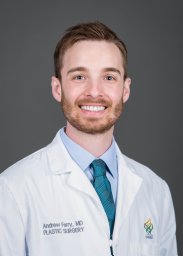 Andrew M Ferry合作论文数Div Plast Surg, Texas Childrens Hosp3
 Kanika A Bowen-Jallow合作论文数Corresponding author. 3.220G, Department of Surgery, 301 University Blvd, Galveston, TX, 77550, United States.3
 Ravi S. Radhakrishnan合作论文数Trauma Research Center, University of Texas-Houston Medical School3
 Oscar E. Suman合作论文数3Andrea M. Glaser合作论文数2Erik D Davis合作论文数2
 Claire Cummins合作论文数2
 Omar Nunez Lopez合作论文数Dept Surg, Univ Texas Med Branch2
 Harold S Pine合作论文数2Yong-Fang Kuo合作论文数2Debbe Thompson合作论文数2Daniel Jupiter合作论文数College of Medicine, Texas A & M Health Science Center2
 John Prochaska合作论文数Medical Branch Center for the Elimination of Health Disparities, University of Texas2
 Elizabeth J Lyons合作论文数2En Shuo Hsu合作论文数1Jesse D Supernaw合作论文数1Joseph McFarland合作论文数1
 Sadia Tasnim合作论文数1Robert A McQuitty合作论文数1Jared Stuart合作论文数1Mashfee Khan合作论文数1Mollie Ahn合作论文数1
 Puja Shah合作论文数1
 Byron D. Hughes合作论文数1
 Deborah Thompson合作论文数1Ohlstein Jason F合作论文数Center for Stem Cell Research and Regenerative Medicine, Tulane University School of Medicine1
 Fuchs Erika L合作论文数1Gwen Baillargeon合作论文数1




