Background To describe the retroperitoneoscopic donor nephrectomy learning curve differences between a high volume (training) hospital in Basel, Switzerland, and a low volume (trainee) hospital in Cape Town, South Africa, after knowledge transfer. The South African hospital is resource constraint in hospital and training equipment. Techniques for performing the surgery were near identical. Methods Both units maintained prospective databases. Comparisons were made of the first 74 cases in each database: Basel’s series were from 19 January 2001 until 28 June 2004, while the Cape Town Hospital were from 8 April 2008 until 15 July 2008. Four surgeons operated in the Basel group, while only one surgeon operated in the Cape Town group. Variables compared include operating time (first skin incision until kidney was extracted), warm ischaemic time (renal arterial occlusion until cold bench reperfusion), blood loss, graft function, and hospital stay. We also analysed the first and last 25 cases of each series. Subgroup analysis of a single Basel surgeon was conducted. Results Donor age (means: Basel vs. Cape Town 54 vs. 33 p < 0.0001) and gender (males vs. females Cape Town 57% male and Basel 31% male) differed widely. The Basel group did more left-sided operations (72% vs. 58%). Operative times, blood loss and donor creatinine did not differ. Warm ischaemic time was significantly shorter in the Basel group (Cape Town mean 204 s Basel mean 130 s P = 0.0023). There was double the number of early graft failures in the South African group (six vs. three)—not related to donor surgery. Both groups showed a decline in operating times, plateauing at 30–34 cases. Conclusions There are statistically significant differences in some aspects of the learning curves of the Swiss (training) and South African (trainee) hospitals. These differences are clinically not pronounced, and the knowledge transfer was worth the effort.
Aquablation of the prostate using the AquaBeam™ system promises equivalent functional outcomes, reduced learning curve, and improved sexual function compared to transurethral prostate resection as shown in prospective randomized trials. This prospective cohort study aims to evaluate if published results can be transferred into the clinical routine in a non-selected patient collective.
Interventional treatment of stones essentially consists of three treatment modalities. Extracorporeal shockwave lithotripsy (ESWL), in addition to uterorenoscopy (URS) and percutaneous nephrolitholapaxy (PCNL) is an essential treatment pillar and is the only noninvasive therapy option for the treatment of urinary stones. After a long period of ESWL being the leading choice in stone treatment, the number of SWL interventions diminished in recent years in favor of the other two treatment modalities (URS and PCNL). This article describes the indications, surgical technique and management of complications of SWL.
Ureterorenoscopy (URS) is a minimally invasive treatment option for removal of kidney stones, which has gained importance in this field over the past two decades. This technique has replaced extracorporeal shock wave lithotripsy (ESWL) stone surgery for many indications. It is also particularly important in the diagnostics and treatment for tumors of the upper urinary tract. This article describes the indications, surgical technique and management of complications of URS.
Die richtige Lagerung von Patienten zur Operation ist von zentraler Bedeutung für einen optimalen Zugang zum Operationsgebiet und damit wichtig für den Erfolg des Eingriffs. Durch die passende Lagerung (und deren optimale Ausführung) werden Komplikationen vermieden, und es wird zum reibungslosen Ablauf der chirurgischen Intervention wesentlich beigetragen. Besonders in der Urologie ist die korrekte Lagerung essenziell, da die dem urologischen Fachgebiet zugeordneten Organe für den Operateur anatomisch meist ungünstig zu erreichen sind. Eine weitere wichtige Funktion der richtigen Lagerungstechnik ist die Verhinderung von Verletzungen des Patienten. Im Folgenden soll ein Überblick über die häufigsten Lagerungstechniken bei urologischen Eingriffen gegeben werden. Zusätzlich zur genauen Beschreibung wird ein Hauptaugenmerk auf praktische Ratschläge, hilfreiche Tipps und mögliche Komplikationen gelegt, die es auch dem Anfänger ermöglichen sollen, die jeweilige Lagerungstechnik korrekt auszuführen.
Correct positioning of patients during preoperative preparations is essential for success of the intervention to avoid any positioning trauma and to provide the best access to the targeted structures. The appropriate positioning (and optimal performance) means that complications are avoided and also makes an essential contribution to the smooth course of the surgical intervention. A correct position is essential particularly in urology because the organs assigned to the discipline of urology are anatomically mostly difficult to reach. A further important function of the correct positioning technique is the avoidance of injuries to the patient. This article summarizes the most common positioning techniques in urological interventions with special emphasis on the explanation of practical advice, helpful tips and possible complications that can enable even junior surgeons to correctly perform the appropriate positioning technique.
Various minimally invasive techniques are available for the surgical treatment of benign prostatic obstruction. Besides resection and enucleation, vaporization of the prostate is an attractive alternative.The aim of the present article is to provide a comprehensive literature review on long-term results of GreenLight (TM) laser vaporisation and electrovaporisation of the prostate.A literature search on long-term (aeyen5 years) results of GreenLight (TM) laser vaporization of the prostate and electrovaporisation of the prostate.Laser vaporization of the prostate with the GreenLight (TM) laser leads to an immediate and long-lasting improvement of voiding symptoms beyond 5 years. Currently, no long-term data of the 180 W laser model are available. With the former 80 W laser, an increased rate of reoperation due to recurrent obstruction has been described. As reoperation mainly occurs within the first 2 postoperative years, this suggests insufficient tissue ablation. Electrovaporisation of the prostate also leads to an improvement of voiding symptoms. However, only few studies on long-term results are available which report a relatively high rate of treatment failure. In addition, these studies have limitations in study design.Laser vaporisation of the prostate with the GreenLight (TM) laser seems to be an effective minimally invasive treatment alternative for BPO. However, long-term results of the current 180 W laser are still awaited. Based on limited data, electrovaporisation of the prostate currently cannot be recommended as an established treatment alternative.
Zur operativen Therapie einer benignen Prostataobstruktion stehen verschiedene minimal-invasive Verfahren zur Verfügung. Neben der Resektion und der Enukleation hat sich die Vaporisation als Alternative etabliert.
BackgroundInduction treatment with rabbit polyclonal antithymocyte globulins (ATGs) is frequent used in kidney transplant recipients with donorspecific HLA antibodies and shows acceptable outcomes. The two commonly used ATGs, Thymoglobulin and ATG-F have slightly different antigen profile and antibody concentrations. The two compounds have never been directly compared in a prospective trial in immunological high-risk recipients. Therefore we performed a prospective randomized controlled study comparing the two compounds in immunological high-risk kidney recipients in terms of safety and efficacy.MethodsImmunological high-risk kidney recipients, defined as the presence of HLA DSA but negative CDC-B and T-cell crossmatches were randomized 1: 1 to receive ATG-F or Thymoglobulin. Maintenance immunosuppressive therapy consisted of tacrolimus, mycophenolate mofetil and steroids.ResultsThe per-protocol analysis included 35 patients. There was no immediate infusion reaction observed with both compounds. No PTLD or malignancy occurred during the follow-up in both groups. The incidence of viral and bacterial infections was similar in both groups (p = 0.62). The cumulative incidence of clinical and subclinical antibody mediated allograft rejection as well as T-cell mediated allograft rejection during the first year between ATG-F and Thymoglobulin was similar (35% versus 19%; p = 0.30 and 11% versus 18%; 0.54 respectively). The two-year graft function was similar with a median eGFR of 56 ml/min/1.73m(2) (range 21-128) (ATG-F-group) and 51 ml/min/1.73m(2) (range 22-132) (Thymo-group) (p = 0.69).ConclusionWe found no significant differences between the compared study drugs for induction treatment in immunological high-risk patients regarding safety and efficacy during follow-up with good allograft function at 2 years after transplantation.
Bei 4–10% der Patienten mit einem Nierenzellkarzinom lässt sich eine intrakavale Ausbreitung des Karzinoms im Sinne eines sog. Tumorthrombus nachweisen, der den Operateur je nach kranialer Extension vor eine operative Herausforderung stellt. Oftmals bedarf es hier einer interdisziplinären Kooperation. Bis zu 2% der Patienten zeigen eine Ausdehnung des Tumorthrombus bis in den Bereich des rechten Vorhofs. Die onkologische Rationale für ein aggressives chirurgisches Management dieser besonderen Patientengruppe liegt darin begründet, dass effektive systemische medikamentöse Therapieverfahren wie Chemotherapie oder Immunchemotherapie fehlen und dass tumorspezifische 5-Jahres-Überlebensraten von ca. 60% bei kompletter Resektion erzielt werden können. Mit zunehmender chirurgischer Erfahrung auf dem Gebiet der Thorax-, Leber- und Herzchirurgie ist eine vollständige chirurgische Entfernung auch großer supradiaphragmaler oder intraatrialer Tumorthromben möglich.
Mit der perkutanen Nephrolithotomie (PCNL) steht ein etabliertes minimal-invasives Verfahren zur Entfernung von Harnsteinen zur Verfügung. Sie hat für nahezu alle Indikationen die offene Steinchirurgie abgelöst.In diesem Beitrag werden die Indikationen, die Operationstechnik sowie das Komplikationsmanagement beschrieben.
Urine culture (UC) confirms the diagnosis of urinary tract infection (UTI) and is still considered the diagnostic 'gold standard' for pathogen identification, quantification and resistance testing. However, up to 80% of samples will not yield bacterial growth. Different techniques are currently approved for resistance testing. However, all of them are culture based and have the disadvantage of being very slow. In the field of urology, the development of drug resistance of uropathogens complicates the optimal administration of antimicrobial agents not only in the treatment, but also in the prevention of UTI before endourological and open surgical procedures. In this context, rapid identification of microbiological agents, including timely antimicrobial resistance testing (ART) is desirable. This overview presents alternative techniques (flow cytometry, PCR-based techniques, MALDI-TOF MS and microcalorimetry) to urine culture and discusses their advantages and disadvantages.
Objective: To identify risk factors for perioperative complications and morbidity in renal cell cancer (RCC) surgery with tumor thrombus invasion (171).Patients and methods: Retrospective single-center analysis of 128 patients who underwent open (n = 97) or laparoscopic (n = 31) radical nephrectomy (NT) for RCC between 1999 and 2010. TTI was at Mayo-Level 0, I, II, HI, IV in 88, 7, 10, 4, and 19 cases, respectively. Cavotomy was performed in 27, liver mobilisation in 20, and cardiovascular bypass in 17 patients.Results: The rate of any early postoperative complication (PC) by Clavien-Dindo classification was 58.6%, while the severe early PC rate was 29.7%. There was a statistically significant difference in multivariate analysis in the incidence of any early PC and of severe early PC by Charlson score (OR:1.584 (95%CI:1.141-2.199), p = 0.006; OR:3.065 (95%CI:1.218-7.714), p = 0.017) and by tumor thrombus level TNM-UICC 2010 T3a/T3c (OR:10.668 (95%CI:1.266-89.871), p = 0.029; OR:10.502 (95%CI:2.981-36.992), p < 0.001). In pT3a cases open NT was associated with a higher early (57.9% vs. 25.8%) and severe (24.6% vs. 9.7%) PC rate compared to laparoscopic NT. The 30-day mortality rate was 0%. The 90-day mortality rate was 6.3% but 100% cancer-related. In Cox regression analysis tumor thrombus level was not predictive for overall survival.Conclusions: The strongest risk factor for early and severe PC in patients with TTI is a supradiaphragmatic tumor thrombus. In cases with severe PC, this fact persists when comparing Mayo-Levels II-III and Level IV. In pT3a cases open NT shows a 2-fold higher early PC rate compared to laparoscopic NT. (C) 2015 Elsevier Ltd. All rights reserved.
 Stephen Frederic Wyler合作论文数69
 Tullio Sulser合作论文数Faculty of Medicine, University of Zurich;Zentrum für Urologie Zürich – Klinik Hirslanden57
 Malte Rieken合作论文数54Robin Ruszat合作论文数52
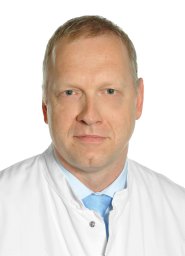 Gernot Bonkat合作论文数Basel50Thomas C Gasser合作论文数36TC Gasser合作论文数30Oliver Reich合作论文数27
 Cyrill A. Rentsch合作论文数Basel24
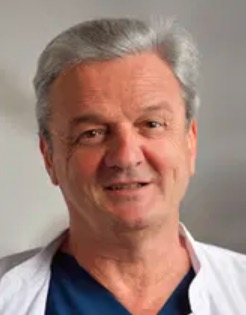 Christian Stief合作论文数Department of Urology, Faculty of Medicine, Ludwig-Maximilians-Universität München;Urologische Klinik und Poliklinik, LMU Klinikum21Roberto Casella合作论文数19
 Jurg Steiger合作论文数19
 Tamsin Forster合作论文数16Helge H Seifert合作论文数15
 Michael Dickenmann合作论文数Transplant Immunology & Nephrology, University Hospital Basel15
 Andreas F. Widmer (Andreas Widmer)合作论文数Universitatsspital Basel13
 Olivier Braissant合作论文数Microcalorimetry Unit, Univ Basel11Michael Seitz合作论文数University Hospital Grosshadern, Ludwig-Maximilians University11
 Georg Muller合作论文数10R Frei合作论文数10
 Gordon H Muir合作论文数10
 Shahrokh F. Shariat合作论文数Department of Urology, Medical University of Vienna, Vienna General Hospital;University of Texas Southwestern Medical Center;Weill Cornell Medicine, Cornell University9
 Lukas Bubendorf合作论文数Institute for Pathology, University of Basel9A Descazeaud合作论文数8
 Mark Emberton合作论文数Faculty of Medical Sciences, University College London;Division of Surgery and Interventional Science, Royal Free and University College London School of Medicine, University College London;University College London Hospitals8
 Christian Gratzke合作论文数Department of Urology, Center for Surgery, Medical Center, University of Freiburg;Faculty of Medicine, University of Freiburg8Matthias Oelke合作论文数8
 Lorenz Gurke合作论文数8Stavros Gravas合作论文数Department of Urology, University of Thessaly School of Medicine8O Giannini合作论文数7
 Evanguelos Xylinas合作论文数Department of Urology, Bichat-Claude Bernard Hospital, Assistance Publique – Hôpitaux de Paris, Paris University7
 Alberto Briganti合作论文数Faculty of Medicine, Vita-Salute San Raffaele University;Department of Urology, IRCCS San Raffaele Hospital7
 Giulio C. Spagnoli合作论文数National Research Council of Italy7
 Martin C. Michel合作论文数Institut für Pharmakologie, Johannes Gutenberg Universität;Department of Pharmacology, Johannes Gutenberg University Mainz7Christopher Netsch合作论文数Department of Urology, Asklepios Hospital Barmbek6Henry Woo合作论文数School of Medicine, Faculty of Medicine and Health, The University of Sydney6
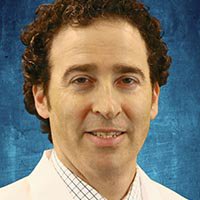 Yair Lotan合作论文数Department of Urology, The University of Texas Southwestern Medical Center6Guerke L合作论文数6
 Pierre Karakiewicz合作论文数Department of Surgery, Universite de Montreal;Cancer Prognostics and Health Outcomes Unit, CHUM6
 Christian Seitz合作论文数6N. Ebinger Mundorff合作论文数6
 Adrian Egli合作论文数Swiss Intercooperation6
 Harun Fajkovic合作论文数6
 Wolfgang Loidl合作论文数Krankenhaus der Barmherzige Schwestern6Shahin Tabatabaei合作论文数6
 Fernando Gomez Sancha合作论文数Madrid6Michael Heberer合作论文数6
 Thomas R. W. Herrmann合作论文数Springer Nature Group;Spital Thurgau AG;Hannover Medical School;Urothulium Study Group6




