BACKGROUND:The Resilience Hub was established to coordinate mental health and psychosocial support for anyone affected by the 2017 Manchester Arena terrorist attack. AIMS:To use the Hub's mental health screening data to examine the variation in symptoms reported by children and young persons (CYP) and their parent/guardian and explore any association with time delay in post-event registration or parental distress. METHOD:CYP engaging with Hub services were separated into eight 'admission' groups depending on when they registered post-incident. CYP were screened for trauma, depression, and generalised and separation anxiety. Parents/guardians also completed screening measures for their own and their child's anxiety. Baseline and follow-up scores were compared between admission groups. Parental and CYP assessments of the CYP's anxiety score was compared with the measure of parental distress. RESULTS:Almost half of CYP registered in the first 3 months of service launch, with numbers of new registrations falling during each subsequent screening cycle. Generally, there was an increase in baseline screening scores as Hub registration time increased. The Children's Impact of Event scale score decreased by 0.11 (95% CI: -0.17, -0.05) per month, but the score for depression increased by 0.06 (95% CI: 0.03, 0.10). Longitudinal patterns in anxiety and separation were difficult to discern. Screening scores of CYP registering later reduced at a faster rate than those of the first registrants. Higher levels of parental mental distress were correlated with increased anxiety scores assigned to the CYP in relation to the anxiety score reported by the CYP themselves. CONCLUSION:CYP who registered earlier were less symptomatic, although those registering later did show increased improvement in their symptoms, indicating that the Hub was beneficial. Parental well-being was associated with child mental distress, indicating that shared family trauma should be considered when planning care.
INTRODUCTION:Despite recent clinical and research interest, medical use of psychedelics has not been legalised in most jurisdictions. The Australian Therapeutic Goods Administration rescheduled methylenedioxymethamphetamine (MDMA) in July 2023 to permit authorised prescribing of MDMA for Post-traumatic Stress Disorder (PTSD) outside of the clinical trial setting. OBJECTIVE:This manuscript describes the development of the Australian Clinical Practice Guideline on MDMA-assisted psychotherapy (MDMA-AP) for PTSD. METHODS:The Guideline will be developed using the Grading of Recommendations, Assessment, Development, and Evaluations (GRADE) process. The Guideline will consider the benefits and harms of MDMA-AP compared to other treatments in people with PTSD. High quality systematic reviews identified via an overview of systematic reviews will be used as index and supplementary reviews. Using the GRADE Evidence-to-Decision framework, the multidisciplinary Guideline Development Group (GDG) will consider treatment benefits and harms, certainty of evidence, patient preferences and values, resources, equity, acceptability and feasibility. The GDG will be supported by a Stakeholder Group, Expert Group, Conflict of Interest Oversight Committee, and Evidence Review Team. The Guideline will be developed using an integrated knowledge translation approach, emphasising the co-production of knowledge through active participation and shared decision-making with end-users. CONCLUSION:The Guideline will be published on the digital platform MAGICapp and disseminated in peer-reviewed publications, professional conferences and via specific stakeholder groups. A Companion Guide will be developed for people living with PTSD and their carers, family members, and supports.
Post-traumatic stress disorder (PTSD) genetics are characterized by lower discoverability than most other psychiatric disorders. The contribution to biological understanding from previous genetic studies has thus been limited. We performed a multi-ancestry meta-analysis of genome-wide association studies across 1,222,882 individuals of European ancestry (137,136 cases) and 58,051 admixed individuals with African and Native American ancestry (13,624 cases). We identified 95 genome-wide significant loci (80 new). Convergent multi-omic approaches identified 43 potential causal genes, broadly classified as neurotransmitter and ion channel synaptic modulators (for example, GRIA1, GRM8 and CACNA1E), developmental, axon guidance and transcription factors (for example, FOXP2, EFNA5 and DCC), synaptic structure and function genes (for example, PCLO, NCAM1 and PDE4B) and endocrine or immune regulators (for example, ESR1, TRAF3 and TANK). Additional top genes influence stress, immune, fear and threat-related processes, previously hypothesized to underlie PTSD neurobiology. These findings strengthen our understanding of neurobiological systems relevant to PTSD pathophysiology, while also opening new areas for investigation. Multi-ancestry genome-wide analyses identify 95 loci associated with post-traumatic stress disorder and implicate candidate genes, pathways and neurobiological systems underlying its pathophysiology.
INTRODUCTION:In military populations, the potential for under-reporting of Post-traumatic Stress Disorder (PTSD) symptoms and challenges in recognising early changes can make it difficult to detect an emerging disorder. However, early identification of PTSD symptoms would improve opportunities for intervention, and potentially reduce the likelihood of chronic mental health problems. METHOD:This study explored if changes in levels of inflammation, measured by C reactive protein (CRP) and interleukin 6 (IL-6), were associated with the onset of psychological symptoms associated with PTSD. It also examined if changes in inflammation over time contributed to psychological risk and resilience, which was defined by psychological reactivity to deployment-related combat exposures. Participants were special forces personnel who completed psychological self-report questionnaires and had measures of CRP and IL-6 taken pre and post deployment. Regression analysis was used to examine how psychological symptoms predicted change in inflammation, and Analysis of Variance (ANOVA) were used to examine differences between identified subgroups. RESULTS:Results identify this population as having high levels of combat and trauma exposures, with low-level psychological symptoms. The results also identified a decrease in CRP and an increase in IL-6 over time. A significant difference in inflammation was identified between subgroups (p<0.05). An association between inflammatory markers and subthreshold symptoms related to anger (p<0.01) and sleep (p<0.05) was also identified. CONCLUSION:These preliminary findings suggest inflammatory markers may help to identify adaptive responses post deployment. In addition, low-level increases in inflammatory markers may be associated with subthreshold PTSD symptoms. These findings offer potential insights for prevention, early identification and treatment in military and veteran populations.
Biomarkers have been of considerable interest in military medicine as a strategy to identify objective measures of resilience in the context of the cumulative trauma exposure of combat as well defining the emerging neurobiological dysregulation associated with post-traumatic stress disorder (PTSD). This body of work has been driven by the imperative of developing strategies to optimally manage the long-term health outcomes of personnel and finding novel treatment approaches. However, the challenge of defining the relevant phenotypes of PTSD and in the context of the multiplicity of biological systems of interest has hampered the identification of biomarkers that have clinical utility. One key strategy to improve the utility of precision medicine in military settings is to use a staging approach to define the relevant phenotypes. A staging model of PTSD captures the progression of the disorder and the transitions from being at risk to subsyndromal disorder and the path to chronic disorder.A staging approach addresses the longitudinal course of PTSD and the fluidity of the disorder across time. Staging describes how symptoms evolve into more stable diagnostic syndromes and the stepwise changes in clinical status which is key to the identification of phenotypes that can be tied to relevant biomarkers. When a population is exposed to a trauma, the individuals will be at different stages in the emergence of risk and the development of PTSD. The staging approach provides a method of capturing the matrix of phenotypes that need to be demarcated to study the role of multiple biomarkers. This paper forms part of the Special issue of BMJ Military Health dedicated to personalised digital technology for mental health in the armed forces.
Posttraumatic stress disorder (PTSD) is characterized by exposure to traumatic events and involves symptom domains such as intrusive thoughts, avoidant behaviors, negative mood, and cognitive dysfunction. The disorder can be chronic and debilitating, and the heterogenous nature and varied presentation of PTSD has afforded difficulty in determining efficacious treatment. The ability to identify biomarkers for PTSD risk, prognosis, or for the purposes of treatment, would be highly valuable. There is evidence for peripheral biomarkers related to the hypothalamic-pituitary-adrenal axis, the immune system, neurotransmitters and neurohormones, while genome and epigenome wide association studies have identified genes of interest relating to neurocircuitry, monoaminergic function, and the immune system. Importantly, however, reproducibility is a persistent issue. Considerations for future research include the need for well-powered and well-designed studies to determine directionality, in addition to considering biomarkers as they relate to symptom domains and the spectrum of symptom severity rather than dichotomous diagnostic outcomes. We conclude by recommending the staging of biological processes and PTSD symptoms, from subsyndromal to chronic, which could eventually facilitate selection of personalized treatment interventions for individuals with PTSD, in addition to serving as a future framework for biomarker data.
This narrative state-of-the-art review paper describes the progress in the understanding and treatment of Posttraumatic Stress Disorder (PTSD). Over the last four decades, the scientific landscape has matured, with many interdisciplinary contributions to understanding its diagnosis, etiology, and epidemiology. Advances in genetics, neurobiology, stress pathophysiology, and brain imaging have made it apparent that chronic PTSD is a systemic disorder with high allostatic load. The current state of PTSD treatment includes a wide variety of pharmacological and psychotherapeutic approaches, of which many are evidence-based. However, the myriad challenges inherent in the disorder, such as individual and systemic barriers to good treatment outcome, comorbidity, emotional dysregulation, suicidality, dissociation, substance use, and trauma-related guilt and shame, often render treatment response suboptimal. These challenges are discussed as drivers for emerging novel treatment approaches, including early interventions in the Golden Hours, pharmacological and psychotherapeutic interventions, medication augmentation interventions, the use of psychedelics, as well as interventions targeting the brain and nervous system. All of this aims to improve symptom relief and clinical outcomes. Finally, a phase orientation to treatment is recognized as a tool to strategize treatment of the disorder, and position interventions in step with the progression of the pathophysiology. Revisions to guidelines and systems of care will be needed to incorporate innovative treatments as evidence emerges and they become mainstream. This generation is well-positioned to address the devastating and often chronic disabling impact of traumatic stress events through holistic, cutting-edge clinical efforts and interdisciplinary research.
Alexithymia, psychological distress, and posttraumatic stress disorder (PTSD) are highly related constructs. The ongoing debate about the nature and relationship between these constructs is perpetuated by an overreliance on cross-sectional research. We examined the longitudinal interactive relationship between alexithymia, psychological distress, and PTSD. We hypothesised that there is an interactive relationship between the three constructs. Military personnel (N = 1871) completed the Toronto Alexithymia Scale, the Kessler 10 and a PTSD Checklist (PCL-C) at pre-deployment, post-deployment, and at 3-4 years following the post-deployment assessment. We initially tested whether psychological distress is either a moderator or mediator in the relationship between alexithymia and PTSD across the time points. General psychological distress was a partial mediator of total PTSD severity and hyperarousal symptomology at all three time points. Psychological distress fully mediated re-experiencing and avoidance symptomology at all three time points. Our results suggest that those with alexithymia are at longitudinal risk of developing more severe PTSD symptomology and experiencing hyperarousal irrespective of temporal proximity to traumatic exposure. Further, vulnerability to the emergence of re-experiencing and avoidance symptomology for those with alexithymia is increased when one experiences greater distress. Our results show that alexithymia is a persistent risk factor for PTSD symptomology.
LAY SUMMARY Gaining employment is one of the many challenges Veterans face when transitioning out of the military. Females and males have different experiences while serving, as well as when transitioning to civilian life, that can affect employment after transition. This study explores the factors affecting employment for females and males, finding that some factors differ by sex. Children, housing, age, amount of time since transition, military service type, and education were all shown to affect employment differently for females and males. Similarities between females and males were found for factors such as mental health, trauma, reasons for leaving, and transitioning to the reserves. Results show that different factors affect employment for females and males. Further research is needed to develop more awareness of the female transition experience to ensure services support the unique needs of female Veterans.
Background: Military service is historically a male-dominated occupation, as such, the majority of research examining the development of mental disorder in Australian Defence Force members has had primarily male samples. While there have been mixed findings internationally regarding sex differences in rates of mental disorder and subthreshold symptoms among military personnel, across studies, the evidence tends to suggest that female military members are at least as likely as males to experience subthreshold mental health symptoms and have similar or higher rates of posttraumatic stress disorder despite the differences in roles during service. What is less understood is the impact of sex differences in symptom emergence over time and in predictors of clinical disorder. Method: The sample included a longitudinal cohort of Australian Defence Force members ( N = 8497) surveyed at Time 1 (2010) and followed up at Time 2 (2015) on measures of anger, self-perceived resilience, trauma exposure, deployment exposure, suicidality, help-seeking, relationship satisfaction and mental health disorder symptoms. Outcomes included Subthreshold Disorder (above the optimal screening cut-off on the 10-item Kessler distress scale or posttraumatic stress disorder checklist) and Probable Disorder (above the epidemiological cut-off on the 10-item Kessler distress scale or posttraumatic stress disorder checklist). Results: Results found that while lifetime trauma exposure remained the strongest predictor of later probable disorder emergence among both males and females, for females specifically, self-reported resilience was also a significant protective factor. In contrast, being in a significant relationship at Time 1 was a protective factor against the development of subthreshold disorder in males. Conclusion: For the first time, sex differences in mental health symptom emergence over time have been explored in a large Australian cohort of military members. The capacity to adapt and bounce back after adversity emerged as a proactive factor against poor mental health for females in the military and could be addressed as part of routine skills training. Social support from significant relationship was particularly important for males’ mental health, suggesting that maintaining positive relationships and supporting military spouses and partners are critical for males’ mental health.
Introduction Combat exposure has been associated with the emergence of post-traumatic stress disorder (PTSD) symptoms in military personnel; however, not all veterans are negatively impacted by their operational experience. In many instances, the absence of symptoms following operational service is attributed to resilience. This study explored the construct of resilience by examining the relationship between levels of deployment-related exposures and psychological symptoms, as well as identifying factors that may contribute to resilience and emerging risk. Method Participants were special forces personnel who completed self-report questionnaires 1 month before deployment and 4 months post deployment. Subgroups were created based on psychological reactivity to deployment exposures, representing risk, vulnerability and resilience. Regression analysis assessed the contribution of factors that were predictive of risk or resilience groups specifically. Results Results showed the overall levels of psychological reactivity in this population post deployment were low; however, differences between risk and resilience subgroups were found. Subthreshold indicators of psychological reactivity, as well as deployment factors such as increased deployment frequency and time spent away from home, were found to contribute to differences between risk and resilient trajectories. Conclusion Findings reflect a military population with low psychological symptoms despite high trauma exposure. However, subtle underlying differences between subgroups suggest that the early identification of risk and emerging trajectories is possible. Risk and resilience in military populations needs to consider subthreshold indicators and individual differences over time.
Post-traumatic stress disorder (PTSD) occurs in 5-10% of the population and is twice as common in women as in men. Although trauma exposure is the precipitating event for PTSD to develop, biological and psychosocial risk factors are increasingly viewed as predictors of symptom onset, severity and chronicity. PTSD affects multiple biological systems, such as brain circuitry and neurochemistry, and cellular, immune, endocrine and metabolic function. Treatment approaches involve a combination of medications and psychotherapy, with psychotherapy overall showing greatest efficacy. Studies of PTSD pathophysiology initially focused on the psychophysiology and neurobiology of stress responses, and the acquisition and the extinction of fear memories. However, increasing emphasis is being placed on identifying factors that explain individual differences in responses to trauma and promotion of resilience, such as genetic and social factors, brain developmental processes, cumulative biological and psychological effects of early childhood and other stressful lifetime events. The field of PTSD is currently challenged by fluctuations in diagnostic criteria, which have implications for epidemiological, biological, genetic and treatment studies. However, the advent of new biological methodologies offers the possibility of large-scale approaches to heterogeneous and genetically complex brain disorders, and provides optimism that individualized approaches to diagnosis and treatment will be discovered.
The 2014 Hazelwood coal mine fire in the Latrobe Valley, Australia, distributed toxic smoke into surrounding communities over 45 days. This study investigated risk and protective factors associated with four trajectories of posttraumatic distress (resilient, recovery, delayed-onset, chronic) among exposed adults. Participants (N = 709) completed surveys in 2016-2017 and 2019-2020 assessing mine fire-related particulate matter (PM2.5 ) exposure; sociodemographic, physical, and mental health variables; and exposure to other traumatic and recent stressful events. Mine fire-related posttraumatic distress was measured using the IES-R; trajectories were determined according to established clinical significance thresholds. Relative risk ratios (RRRs) were generated from multivariate multinomial regressions. The resilient trajectory was most common (77.0%). The chronic trajectory (8.5%) was associated with loneliness, RRR = 2.59, 95% CI [1.30, 5.16], and physical health diagnoses, RRR = 2.31, 95% CI [1.32, 4.02]. The delayed-onset trajectory (9.1%) was associated with multiple recent stressful events, RRR = 2.51, 95% CI [1.37, 4.59]; mental health diagnoses, RRR = 2.30, 95% CI [1.25, 4.24]; loneliness, RRR = 2.05, 95% CI [1.09, 3.88]; and male gender, RRR = 2.01, 95% CI [1.18, 3.44]. Socioeconomic advantage protected against chronic, RRR = 0.68, 95% CI [0.53, 0.86], and delayed-onset trajectory membership, RRR = 0.68, 95% CI [0.50, 0.94]; social support protected against chronic trajectory membership, RRR = 0.67, 95% CI [0.49, 0.92]. PM2.5 exposure did not determine trajectory. These findings enhance understanding of longer-term posttraumatic responses to large-scale smoke events and can inform mental health initiatives within at-risk communities.
INTRODUCTION A range of evidence-based treatments are available for PTSD. However, many veterans with PTSD do not engage in these treatments. Concurrently, various novel PTSD treatments with little or no evidence based are increasingly popular among veterans. This qualitative study explored the expectations, experiences, and perceptions of help-seeking veterans with PTSD to improve understanding of how these veterans make treatment decisions. MATERIALS AND METHODS Fifteen treatment-seeking veterans with PTSD participated in the study. Participants took part in semi-structured interviews. Data were analyzed using interpretative phenomenological analysis. RESULTS A number of themes and subthemes emerged from the data, providing a detailed account of the factors that influenced participants' treatment decisions. Most participants were in an acute crisis when they made the initial decision to seek treatment for their PTSD. In choosing a specific treatment, they tended to follow recommendations made by other veterans or health professionals or orders or directions from their superiors, health providers, or employers. Few participants actively considered the scientific evidence supporting different treatments. Participants had a strong preference for treatment provided by or involving other veterans. They reported finding PTSD treatments helpful, although some were not convinced of the value of evidence-based treatments specifically. Many participants reported negative experiences with treatment providers. CONCLUSIONS These findings will inform strategies to improve engagement of veterans in evidence-based PTSD treatments and advance progress toward veteran-centered care.
Posttraumatic stress disorder (PTSD) genetics are characterized by lower discoverability than most other psychiatric disorders. The contribution to biological understanding from previous genetic studies has thus been limited. We performed a multi-ancestry meta-analysis of genome-wide association studies across 1,222,882 individuals of European ancestry (137,136 cases) and 58,051 admixed individuals with African and Native American ancestry (13,624 cases). We identified 95 genome-wide significant loci (80 novel). Convergent multi-omic approaches identified 43 potential causal genes, broadly classified as neurotransmitter and ion channel synaptic modulators (e.g., GRIA1, GRM8, CACNA1E ), developmental, axon guidance, and transcription factors (e.g., FOXP2, EFNA5, DCC ), synaptic structure and function genes (e.g., PCLO, NCAM1, PDE4B ), and endocrine or immune regulators (e.g., ESR1, TRAF3, TANK ). Additional top genes influence stress, immune, fear, and threat-related processes, previously hypothesized to underlie PTSD neurobiology. These findings strengthen our understanding of neurobiological systems relevant to PTSD pathophysiology, while also opening new areas for investigation.
Abstract Introduction Firefighters endure sleep disruption and exposure to traumatic events - inherent occupational stressors that may contribute to insomnia, psychological distress, and PTSD. These factors are interrelated, with around 70% of individuals with PTSD experiencing co-occurring sleep problems but it remains unclear if insomnia has a unique effect on the risk of suicidality. The aim of this study was to investigate if there was an association between insomnia and suicidal ideation, above and beyond PTSD symptom severity and psychological distress. Methods Firefighters (n=578) self-reported their sleep problems, PTSD symptom severity, psychological distress, and suicidal ideation and attempts. Logistic regression was used to estimate the association between insomnia and suicidality and whether insomnia was associated with suicidality, above and beyond PTSD symptom severity and psychological distress. Results Insomnia was positively associated with suicidal ideation; with every one unit increase in insomnia, the odds of suicidal ideation increased by 1.42. However, the significance of the association between insomnia and suicidal ideation did not remain when accounting for PTSD symptom severity and psychological distress. Conclusion These findings suggest an association between insomnia and suicidal ideation in firefighters, as part of the impact of PTSD and psychological distress, rather than unique to these risk factors. Although interventions to target sleep problems in firefighters may have benefits for reducing risk of suicidality, our findings suggest a more holistic mental health approach may be more successful.
Background The mental health impact of the initial years of military service is an under-researched area. This study is the first to explore mental health trajectories and associated predictors in military members across the first 3-4 years of their career to provide evidence to inform early interventions. Methods This prospective cohort study surveyed Australian Defence personnel (n = 5329) at four time-points across their early military career. Core outcomes were psychological distress (K10+) and posttraumatic stress symptoms [four-item PTSD Checklist (PCL-4)] with intra-individual, organizational and event-related trajectory predictors. Latent class growth analyses (LCGAs) identified subgroups within the sample that followed similar longitudinal trajectories for these outcomes, while conditional LCGAs examined the variables that influenced patterns of mental health. Results Three clear trajectories emerged for psychological distress: resilient (84.0%), worsening (9.6%) and recovery (6.5%). Four trajectories emerged for post-traumatic stress, including resilient (82.5%), recovery (9.6%), worsening (5.8%) and chronic subthreshold (2.3%) trajectories. Across both outcomes, prior trauma exposure alongside modifiable factors, such as maladaptive coping styles, and increased anger and sleep difficulties were associated with the worsening and chronic subthreshold trajectories, whilst members in the resilient trajectories were more likely to be male, report increased social support from family/friends and Australian Defence Force (ADF) sources, and use adaptive coping styles. Conclusions The emergence of symptoms of mental health problems occurs early in the military lifecycle for a significant proportion of individuals. Modifiable factors associated with wellbeing identified in this study are ideal targets for intervention, and should be embedded and consolidated throughout the military career.
 Richard Bryant合作论文数School of Psychology, University of New South Wales114
 Meaghan O'Donnell合作论文数Department of General Practice, Melbourne Medical School, Faculty of Medicine, Dentistry and Health Sciences, The University of Melbourne98
 Creamer Mark合作论文数86
 Miranda van Hooff合作论文数The Centre for Military and Veterans' Health, University of Adelaide80Derrick Silove合作论文数University of New South Wales and Centre for Population Mental Health Research, South Western Sydney Area Health Service76David Forbes合作论文数Paediatrics Division, Medical School, The University of Western Australia63Ellie Lawrence-Wood合作论文数Department of Psychiatry, Melbourne Medical School, Faculty of Medicine, Dentistry and Health Sciences, The University of Melbourne40
 Malcolm Sim合作论文数School of Public Health and Preventive Medicine, Monash University28
 C. Richard Clark合作论文数25
 Tracey Varker合作论文数Centre for Posttraumatic Mental Health, Phoenix Australia19
 Amelia Searle合作论文数School of Population Health, University of Adelaide19
 Rachel Yehuda合作论文数Department of Psychiatry, Icahn School of Medicine at Mount Sinai19
 Angela Marissa Nickerson合作论文数School of Psychology, Faculty of Science, The University of New South Wales19
 Kim Felmingham合作论文数School of Psychological Sciences, The University of Melbourne;Neuropsychology East Melbourne19
 Zachary Steel合作论文数School of Psychiatry, Faculty of Medicine, The University of New South Wales18Andrea J. Phelps合作论文数18
 Darren Weber合作论文数Cognitive Neuroscience Laboratory, Flinders University of South Australia18
 Cherrie Galletly合作论文数18
 Helen Kelsall合作论文数17Eric Vermetten合作论文数17Nicole Sadler合作论文数16
 Helen Benassi合作论文数13
 Sean Cowlishaw合作论文数Department of Psychiatry, Melbourne Medical School, Faculty of Medicine, Dentistry and Health Sciences, The University of Melbourne13
 Olivia Metcalf合作论文数Department of Psychiatry, Melbourne Medical School, Faculty of Medicine, Dentistry and Health Sciences, The University of Melbourne13Stephanie Hodson合作论文数12
 Gary Egan合作论文数ARC Centre of Excellence for Integrative Brain Function, Monash University;Turner Institute for Brain and Mental Health, Monash University12Kathryn A. Moores合作论文数12Jillian Ikin合作论文数12Jenelle Baur合作论文数11Brooks Peter合作论文数11Dean P. Mckenzie合作论文数Monash Medical Centre, Monash University11
 Michael Abramson合作论文数School of Public Health & Preventive Medicine, Monash University10
 Annette Dobson合作论文数School of Public Health, Faculty of Medicine, University of Queensland10
 Andrew Forbes合作论文数School of Public Health and Preventive Medicine, Monash University10Susan A. Treloar合作论文数10Philip Morris合作论文数10Mark Hinton合作论文数9Alkemade Nathan合作论文数9Dusan Hadzi-Pavlovic合作论文数9
 Matthew Carroll合作论文数8
 Ursano J Robert合作论文数Center for the Study of Traumatic Stress, Department of Psychiatry, F. Edward Hebert School of Medicine, Uniformed Services University8
 Blair Grace合作论文数Australia and New Zealand Dialysis and Transplant Registry (ANZDATA), Adelaide, South Australia, Australia. blair@anzdata.org.au8
 Caroline Gao合作论文数Australia Eastern Health Clinical School, Monash University8
 Joanna F Dipnall合作论文数School of Medicine, Deakin University;Department of Statistics, Data Science and Epidemiology, Swinburne University of Technology;Deakin University, Swinburne University of Technology8
 Dan Stein合作论文数Neuroscience Institute, University of Cape Town;Department of Psychiatry, University of Cape Town;Department of Psychiatry, Stellenbosch University8
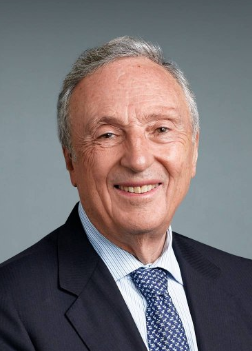 Charles R. Marmar合作论文数Department of Psychiatry, Grossman School of Medicine, New York University8
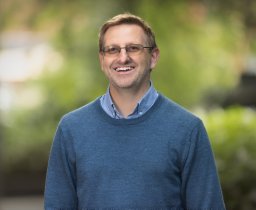 Christopher A. Barton合作论文数Discipline of General Practice, University of Adelaide8
 Darryl Maybery合作论文数School of Humanities;Social Science;Charles Sturt University;School of Humanities, Charles Sturt University8




