An understanding of the mechanisms responsible for controlling the long-term corrosion rate of nuclear waste glass is paramount if reliable glass dissolution models are to be used to calculate the controlled release of radionuclides from nuclear waste glass under geologic disposal conditions. Understanding the mechanism that controls silicate glass dissolution rates is also important for natural glasses to understand the role from the dissolution of these glasses has on the composition of natural aquatic systems. Two general mechanisms appear to be responsible for the elemental release from glass to the surrounding biosphere – ion exchange (release principally of alkalis) and matrix dissolution (release of the structural components of the glass). Key unknowns related to these mechanisms are the impact of surface layers on the altered glass and how these layers participate in corrosion. To better understand the impact of these layers on the long-term glass corrosion rate, we made two glasses of the same elemental composition, but with selected elements enriched in specific isotopes for B (11B), Li (6Li), and Si (29Si). We reacted these glasses for 1 y then the solutions from each were exchanged and the chemistry of the solutions and the solids were followed for another 2 y (a total of 3 y). This allowed us to follow changes in the glasses with respect to these elements and how these elements were transported through the alteration layers with time and, for at least one element, into the glass and to deconvolute some competing kinetic steps, such as matrix dissolution and ion exchange. Results from these experiments demonstrate that the release behavior of different elements is strongly dependent on their structural role in the glass (e.g. network formers and modifiers), but, more importantly, the role of water transport and subsequent ion exchange has in the long-term dissolution of the glass studied here. In this article, we highlight the behavior of four elements: lithium, sodium, silicon, and boron. Lithium and sodium, network modifying elements, have similar chemistries. The behavior of Li could be tracked in more detail by following both 6Li and 7Li; Li penetrates through the gel layer in both directions without hinderance and is released from the glass deeper than Na. Silicon, a network forming element, reacts with the silica-rich alteration layer. Boron, a network forming element, does not accumulate in the gel or the pristine glass and has a very sharp elemental profile between the pristine glass and alteration layer. Boron, lithium, and sodium elemental profiles suggest that there is little if any transport control within the alteration layer. These results are similar to those found for basalt glass. However, the correlation between the Li and Na profiles and that of a water species suggest that the limiting release is not controlled by the formation of the gel but rather is a steady state between the diffusion of a water species and matrix dissolution that results in a low release rate for alkali and this provides a steady driving force for the long-term dissolution of glass.
A method was developed to measure trace noble gas element adsorption to the surfaces of geologic materials in the presence of a background gas that could potentially compete for surface adsorption sites. Adsorption of four noble gas elements (Ne, Ar, Kr, and Xe) at a concentration of 100 ppm in helium and nitrogen were measured on a sample of crushed tuff at 0, 15, 30, and 45 °C. In addition, Ne, Ar, Kr, and Xe at 250 ppm and 500 ppm in nitrogen at 15 °C were measured. Noble gas adsorption was found to increase with increasing atomic mass and decreasing temperature. It was also observed that the relative increase in noble gas element adsorption with decreasing temperature tends to increase with increasing atomic mass. As the noble gas concentrations in nitrogen increased, adsorption increased in a slightly non-linear fashion which could be modeled using a Freundlich isotherm. For noble gas concentrations that were ≤100 ppm Henry's Law constant were calculated.
A set of GC-MS/MS analytical methods was developed to detect and quantify PFCs and PPCPs in five wastewater sludge samples obtained from the Great Lakes Water Authority and in four dry sludge samples after they were HTL treated. Multicollector ICP-MS was used to analyze the heavy metals in the samples. Methylene chloride was used to extract the compounds from sludge samples. For non-GC-able compounds, derivatization was performed before analysis. IBCF was used for derivatizing PPCPs and PFCs. Due to the nature of the samples, the presence of rich organic elements not only complicated the analytical work, but also affected the accuracy of measurements, because of interferences. Nevertheless, a set of PPCPs and PFCs was detected and quantified in the sludge samples in concentrations comparable to those reported in the literature.
Incomplete knowledge of environmental transformation reactions limits our ability to accurately inventory and predictably model the fate of radioiodine. The most prevalent chemical species of iodine include iodate (IO3 -), iodide (I-), and organo-iodine. The emission of gaseous species could be a loss or flux term but these processes have not previously been investigated at radioiodine-impacted sites. We examined iodide methylation and volatilization for Hanford Site sediments from three different locations under native and organic substrate amended conditions at three iodide concentrations. Aqueous and gaseous sampling revealed methyl-iodide to be the only iodinated compound produced under biotic conditions. No abiotic transformations of iodide were measured. Methyl-iodide was produced by 52 out of 54 microcosms, regardless of prior exposure to iodine contamination or the experimental concentration. Interestingly, iodide volatilization activity was consistently higher under native (oligotrophic) Hanford sediment conditions. Carbon and nutrients were not only unnecessary for microbial activation, but supplementation resulted in >three-fold reduction in methyl-iodide formation. This investigation not only demonstrates the potential for iodine volatilization in deep, oligotrophic subsurface sediments at a nuclear waste site, but also emphasizes an important role for biotic methylation pathways to the long-term management and monitoring of radioiodine in the environment.
Currently, there are large dilute 129I groundwater plumes at Hanford, including a groundwater plume in the 200-UP-1 operable unit (OU) located within the Central Plateau of the Hanford Site. The interim record of decision for the 200-UP-1 OU requires that the U.S. Department of Energy evaluate potential treatment options for 129I through further technology evaluation. The approach to the evaluation was defined in the 129I technology evaluation plan and includes an update to the conceptual model (CM) for the plume, as required by the 200 UP 1 remedial design/remedial action work plan. This report describes an updated CM of subsurface processes that affect 129I behavior in the subsurface. This CM was developed to address identified data gaps and to provide input for fate and transport modeling needed to support the remedy evaluation. A significant advancement from previous the CM for the 200-UP-1 OU is recognition of the multiple iodine species in the subsurface and the biogeochemical processes that control their fate and transport.
The Bioenergy Program at Pacific Northwest National Laboratory (PNNL) is evaluating the feasibility of converting wastewater sludge materials to fuels. Wastewater sludge from various municipalities will be used in the evaluation process and as with any municipal waste, there is the potential for residual contaminates to remain in the sludge following wastewater treatment. Many surveys and studies have confirmed the presence of pharmaceuticals in municipal wastewater and effluents (World Health Organization, 2011). Determination of the presence and concentrations of the contaminants is required to define the proper handling of this sludge. A list of targeted compounds was acquired from the literature and an analytical method was developed for the pharmaceutical and personal care compounds. The presence of organics complicated the analytical techniques and, in some cases, the precision of the results. However, residual concentrations of a range of compounds were detected in the wastewater sludge and the presence and concentrations of these compounds will be considered in identifying the appropriate handling of this material in conduct of research.
International Simple Glass – a six oxide borosilicate glass selected by the international nuclear glass community to improve the understanding of glass corrosion mechanisms and kinetics – was altered at 90°C in a solution initially saturated with respect to amorphous 29SiO2. The pH90°C, was fixed at 9 at the start of the experiment and raised to 11.5 after 209d by the addition of KOH. Isotope sensitive analytical techniques were used to analyze the solution and altered glass samples, helping to understand the driving forces and rate limiting processes controlling long-term glass alteration. At pH 9, the corrosion rate continuously drops and the glass slowly transforms into a uniform, homogeneous amorphous alteration layer. The mechanisms responsible for this transformation are water penetration through the growing alteration layer and ion exchange. We demonstrate that this amorphous alteration layer is not a precipitate resulting from the hydrolysis of the silicate network; it is mostly inherited from the glass structure from which the most weakly bonded cations (Na, Ca and B) have been released. At pH 11.5, the alteration process is very different: the high solubility of glass network formers (Si, Al, Zr) triggers the rapid and complete dissolution of the glass (dissolution becomes congruent) and precipitation of amorphous and crystalline phases. Unlike at pH 9 where glass corrosion rate decreased by 3 orders of magnitude likely due to the retroaction of the alteration layer on water dynamics/reactivity at the reaction front, the rate at pH 11.5 is maintained at a value close to the forward rate due to both the hydrolysis of the silicate network promoted by OH− and the precipitation of CSH and zeolites. This study provides key information for a unified model for glass dissolution.
The most time consuming process in uranium or plutonium isotopic analyses is performing the requisite chromatographic separation of the actinides. Filament preparation for thermal ionization (TIMS) adds further delays, but is generally accepted due to the unmatched performance in trace isotopic analyses. Advances in Multi-Collector Inductively Coupled Plasma Mass Spectrometry (MC-ICP-MS) are beginning to rival the performance of TIMS. Methods, such as Electrochemically Modulated Separations (EMS) can efficiently pre-concentrate U or Pu quite selectively from small solution volumes in a matrix of 0.5 M nitric acid. When performed in-line with ICP-MS, the rapid analyte release from the electrode is fast, and large transient analyte signal enhancements of >100 fold can be achieved as compared to more conventional continuous nebulization of the original starting solution. This makes the approach ideal for very low level isotope ratio measurements. In this paper, some aspects of EMS performance are described. These include low level Pu isotope ratio behavior versus concentration by MC-ICP-MS and uranium rejection characteristics that are also important for reliable low level Pu isotope ratio determinations.
The overall goal of the of the Tank Farm Vadose Zone Project, led by CH2M HILL Hanford Group, Inc., is to define risks from past and future single-shell tank farm activities. To meet this goal, CH2M HILL Hanford Group, Inc. asked scientists from Pacific Northwest National Laboratory to perform detailed analyses on vadose zone sediment from within the S-SX Waste Management Area. This report is the first in a series of four reports to present the results of these analyses. Specifically, this report contains all the geologic, geochemical, and selected physical characterization data collected on vadose zone sediment recovered from RCRA borehole bore samples and composite samples. Intact cores from two RCRA boreholes (299-W22-48 and 299-W22-50) near the SX Tank Farm and four, large-quantity grab samples from outcrop sediment on and off the Hanford Site were sampled to better understand the fate of contaminants in the vadose zone beneath underground storage tanks at the Hanford Site. Borehole and outcrop samples analyzed for this report are located outside the tank farms, and therefore may be considered standard or background samples from which to compare contaminated sediments within the tank farms themselves. This report presents our interpretation of the physical, chemical, and mineralogical properties of the uncontaminated vadose zone sediments, and variations in the vertical distribution of these properties. The information presented in this report is intended to support preparation of the S-SX Field Investigation Report to be prepared by CH2M Hill Hanford Group, Inc. as well as future remediation actions at the S-SX Tank Farm.
Kd values obtained on sediment samples from 200-UP-1 and 10-ZP-1 contribute to a larger Kd database that exists for other Hanford sediments, and contains significant desorption data for CCl4. Adsorption results presented here validate the use of a linear adsorption isotherm (Kd) to predict short contact time CCl4 adsorption to sediments in 200-UP-1 groundwater plume for a distinct ranges in CCl4 concentration. However, this does not imply that values of Kd will be constant if the groundwater chemical composition at 200-UP-1 changes with space or time. Additionally, results presented here suggest the potential significance of slower intraparticle diffusion on the long-term fate of CCl4 within the subsurface Hanford environment. Such behavior could afford prolonged desorption of CCl4 and serve as a long-term source of contaminant CCl4 to the aquifer. Further evaluation of possible bimodal sorption behavior for CCl4 and the mechanism of CCl¬4 sequestration should be the subject of future investigations to provide a thorough, mechanistic understanding of the retention and long-term fate of CCl4. Comparison of previous data with new results (e.g., from this study) will allow inferences to be made on how the 200-UP-1 Kd values for CCl4 may compare with sediments from other Hanford locations. This site-specific sorption data, when complemented by the chemical, geologic, mineralogic, hydrologic, and physical characterization data that are also being collected (see Sampling and Analysis Plan for the 200-UP-1 Groundwater Monitoring Well Network, DOE 2002) can be used to develop a robust, scientifically defensible data base to allow risk predictions to be generated and to aid in future remediation decisions for the 200-UP-1 and 200-ZP-1 operable units.
The DOE Savannah River Site (SRS) is evaluating the potential applicability of the monitored natural attenuation (MNA) process as a contributor to the understanding of the restoration of its unconfined groundwater aquifer known to be contaminated with the chlorinated hydrocarbon compounds trichloroethylene (TCE) and tetrachloroethylene (PCE). This report discusses the results from aqueous desorption experiments on SRS aquifer sediments from two different locations at the SRS (A/M Area; P-Area) with the objective of providing technically defensible TCE/PCE distribution coefficient (Kd) data and data on TCE/PCE reversible and irreversible sorption behavior needed for further MNA evaluation.
Numerous analytes have been categorized as tentatively identified compounds (TICs) in air samples from the headspaces of the Hanford Site high-level radioactive waste tanks. The tentative identification of these compounds was based mainly on the agreement between the observed mass spectra and a library of published mass spectra with consideration given to the gas chromatographic conditions and retention times. Many of the TICs were found in a limited number of tanks, were identified by only one laboratory or by one method, and/or were thought to be unlikely components of the waste or its degradation products. Consequently, the mass spectra of selected analytes have been reviewed to determine if their tentative identifications were correct. From our current review of 49 TICs, we found 25 that were misidentified and recommend that 54 of the associated results be flagged as suspect and 22 of the associated results be assigned a different compound name.
In 2004, Fluor Hanford, Inc. (FHI) drilled several groundwater wells within the 200-UP-1 operable unit to monitor plumes that have been the focus of past remediation activities. Thirteen cores taken from three wells (C4298, C4299, and C4300) were sent to Pacific Northwest National Laboratory for characterization and quantification of contaminant retardation. These cores were 4-inches in diameter by 6-inches in length and were taken from depths near the unconfined aquifer surface (water table) to locations approximately 150 to 180 ft below the water table. Prior to this work, no 200-UP-1 site-specific adsorption data (i.e., values of distribution coefficient [Kd ]) were available for the sediments or key contaminants present in the 200-UP-1 operable unit groundwater plume. Site-specific sorption data for carbon tetrachloride (CCl4) was obtained with the <2 mm size fractions of uncontaminated 200-UP-1 sediments taken from two of these boreholes (C4299 and C4300) and distribution coefficients determined. Each fraction exhibited bimodal CCl4 adsorption isotherms over the concentration range (15 – 2500 μg L-1) for total CCl4 in solution. Sorption of CCl4 was linear over the concentration ranges of 15 to 400 μg L-1 and 400 to 2500 μg L-1. The Kd values measured for the three 200-UP-1 sediments exhibited bimodal sorption with initial Kd values ranging from 0.0002 to 0.0005, and phase 2 values approximately 0.003 for all sediments. The measure Kd values are lower than the range calculated for CCl4 in a Hanford soil (0.016 to 0.83 L/Kg) containing an average organic carbon content of 0.2% (Truex et al., 2001). The best estimate value of Truex et al. (2001) is 0.06 L/Kg based on a 0.1% sediment organic carbon content. However, this estimate is based on an organic carbon content up to an order of magnitude greater than the organic carbon content of the sediments tested herein. Prolonged contact may increase adsorption of CCl4 as a result of mineral driven sorption and intraparticle diffusion. Kd values obtained on sediment samples from 200-UP-1 contributes to a larger Kd database that exists for other Hanford sediments, and contains significant desorption data for CCl4. Comparison of previous data with new results (e.g., from this study) will allow inferences to be made on how the 200-UP-1 Kd values for CCl4 may compare with sediments from other Hanford locations. Adsorption results presented here validate the use of a linear adsorption isotherm (Kd) to predict short contact time CCl4 adsorption to sediments in 200-UP-1 groundwater plume for a distinct ranges in CCl4 concentration. However, this does not imply that values of Kd will be constant if the groundwater chemical composition at 200-UP-1 changes with space or time. This site-specific sorption data, when complemented by the chemical, geologic, mineralogic, hydrologic, and physical characterization data that are also being collected (see Sampling and Analysis Plan for the 200-UP-1 Groundwater Monitoring Well Network, DOE 2002) can be used to develop a robust, scientifically defensible data base to allow risk predictions to be generated and to aid in future remediation decisions for the 200-UP-1 operable unit.
Researchers at PNNL determined CCl4 and CHCl3 groundwater/sediment partition coefficients (Kd values) for contaminated aquifer sediments collected from borehole C3246 (299-W15-46) located in the 200 West Area adjacent to the Z-9 trench. Having realistic values for this parameter is critical to predict future movement of CCl4 in groundwater from the 200 West Area.
This report was revised in September 2008 to remove acid-extractable sodium data from Tables 4. 14, 4.16, 5.20, 5.22, 5.43, and 5.45.The sodium data was removed due to potential contamination introduced during the acid extraction process.The rest of the text remains unchanged from the original report issued in February 2002.The overall goal of the of the Tank Farm Vadose Zone Project, led by CH2M HILL Hanford Group, Inc., is to define risks from past and future single-shell tank farm activities.To meet this goal, CH2M HILL Hanford Group, Inc. asked scientists from Pacific Northwest National Laboratory to perform detailed analyses on vadose zone sediment from within the S-SX Waste Management Area.This report is one in a series of four reports to present the results of these analyses.Specifically, this report contains all the geologic, geochemical, and selected physical characterization data collected on vadose zone sediment recovered
 Rongzhong Li合作论文数Pacific Northwest National Laboratory4
 Robert G. Riley合作论文数4
 Nikolla P. Qafoku合作论文数Department of Civil & Environmental Engineering, University of Washington4Kent E. Parker合作论文数3
 Christopher E. Bagwell合作论文数Department of Biological Sciences, University of South Carolina3Debbie S. Sklarew合作论文数2
 Tyler Gilmore合作论文数2Jacqueline R Wells合作论文数2Liezers Martin合作论文数2
 Zihua Zhu (朱子华)合作论文数Environmental Molecular Sciences Laboratory, Pacific Northwest National Laboratory;Environmental Molecular Sciences Division, Pacific Northwest National Laboratory2
 Dawn Wellman合作论文数2
 Christopher J Brown合作论文数Pacific Northwest National Laboratory2Deborah S. Sklarew合作论文数2
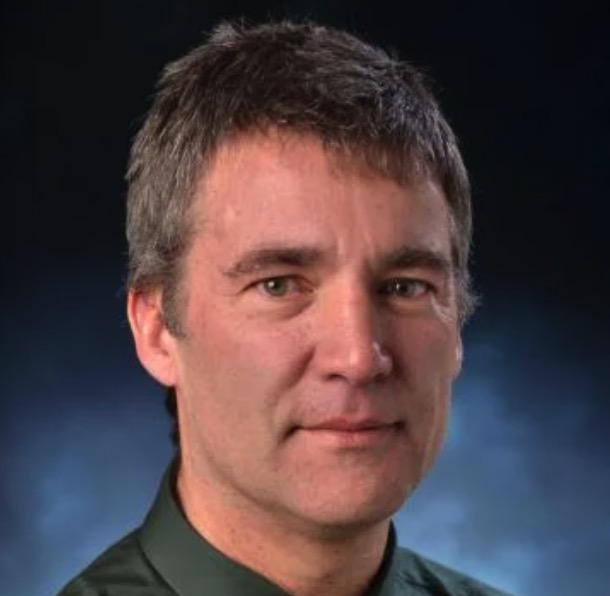 Joseph N. Ryan合作论文数Department of Environmental Studies, College of Arts and Sciences, University of Colorado Boulder;Department of Civil, Environmental, and Architectural Engineering, College of Engineering and Applied Science, University of Colorado Boulder2Michael J. Truex合作论文数2
 Douglas Charles Duckworth合作论文数2Kirk J. Cantrell合作论文数2Jim E. Szecsody合作论文数2Claude Berthon合作论文数1
 George V. Last合作论文数1John C. Evans合作论文数1Igor V Kutnyakov合作论文数1Ray E. Clayton合作论文数1David C. Lanigan合作论文数1Bruce N. Bjornstad合作论文数1Bruce A. Williams合作论文数1Deborah Sd Burke合作论文数1virginia l legore合作论文数1clark w lindenmeier合作论文数1Duane G Horton合作论文数1Edward C Thornton合作论文数1Donaldo P. Mendoza合作论文数1Vincent R. Vermeul合作论文数1Christian D. Johnson合作论文数1
 Roger Jeffrey Serne合作论文数1JL Julya合作论文数1
 Amanda R. Lawter合作论文数Government of the United States of America1
 Libor Kovarik合作论文数Physical Sciences Division, Pacific Northwest National Laboratory1
 Steven J. Smith合作论文数Joint Global Change Research Institute, Pacific Northwest National Laboratory1
 John Zachara合作论文数Pacific Northwest National Laboratory1Strachan Denis M合作论文数1
 Jim Neeway合作论文数1
 Zhaoying Wang (王朝英)合作论文数College of Life and Environmental Sciences, Minzu University of China1
 Maxime Fournier合作论文数SECM, CEA1Newcomer Darrell合作论文数1
 Schreiber Daniel K合作论文数Energy & Environm Directorate, Pacific Northwest Natl Lab1
 Zhong Lei合作论文数School of Earth and Space Sciences, University of Science and Technology of China1Wang Guohui合作论文数Pacific Northwest National Laboratory1
 Christopher J. Thompson合作论文数Department of Chemistry;University of Massachusetts1




