Background The association between cannabis use and suicidality has been established, but details on impacts of legalisation, as well as long-term service use, have had limited attention. Aims To examine if changes are present in suicide presentations with access to legal cannabis. Method This study employed administrative database and medical record reviews to identify two cohorts of patients presenting with suicidal ideation/attempts and cannabis use to emergency departments, for two periods: 17 October 2018 to 30 April 2019, and 17 October 2020 to 30 April 2021. Demographic and clinical outcome data were obtained, and emergency department healthcare usage for 2 years before and 2 years after index encounter were compared, to further understand emergency department presentations for the same complaint. Results Number of emergency department encounters following the index visit and number of emergency department encounters specifically relating to suicidality following the index visit were significantly different between cohorts (t = 2.05, P = 0.042; t = 2.23, P = 0.027, respectively), with the immediate post-cannabis legalisation period demonstrating greater numbers of subsequent emergency department visits for suicidality. Additional associations were found between personality disorders and repeat emergency department visits related to cannabis use. Conclusions There appears to be stability in the patient profile of those presenting to the emergency department with a complaint relating to suicide while reporting cannabis use from the period directly following legalisation in Canada, to a similar time frame 2 years later despite reported increased use of cannabis in the general population over this period. Despite the rising potency and access to legal cannabis, suicide risk remains stable, although concerning.
Background Sports-related (Sr-) sudden cardiac arrest (SCA) is widely recognized in young competitive athletes, yet occurs more frequently in middle-aged, recreational athletes. Our objective was to describe the epidemiology and characteristics of Sr-SCA in 5 Canadian Provinces (population: 10.9 million). Methods We conducted a retrospective cohort study using emergency medical services records from consecutive out of hospital SCAs, for patients aged 18-85 years, who were treated, and whose SCA was from a presumed cardiac cause, during or ≤ 1 hour after sports activity. Results A total of 18,769 SCAs occurred between January 1, 2016 and December 31, 2020, of which 339 (1.8%) were sport-related. Most patients were male (93.8%; 318/339), with an average age of 58.1 ± 14.3 years old. The incidence of Sr-SCA was 1.2 per 100,000 person-years (95% confidence interval [CI], 1.1-1.4). Men had an almost 16-fold greater incidence than women (2.3 [95% CI, 2.1-2.6] vs 0.2 [95% CI, 0.1-0.2] per 100,000 person-years). Sr-SCAs occurred during 52 unique sports. Almost two-thirds occurred in recreational facilities (60.2%; 204/339), with high rates of bystander witnessed (75.6%; 256/339) and bystander cardiopulmonary resuscitation (73.6%; 248/337). Bystanders delivered automated external defibrillator shocks in 121 of 335 (36.1%) cases. Median emergency medical services response time was 6.2 (interquartile range, 4.8-8.9) minutes, with an initial shockable rhythm reported in 76.9% (249/324). More than half of those with known final vital status (52.0%; 167/321) survived to hospital discharge, which varied on the basis of sport. Conclusions Sr-SCA occurs infrequently, attracts high rates of bystander intervention, and has high survivability.
National sepsis strategy to improve knowledge, prevention and treatment Discover what you need to know about sepsis from a top group of experts, including their call for a national sepsis strategy to improve its knowledge, prevention, and treatment to save lives. The rapidly evolving health information ecosystem describes how the public, healthcare professionals, scientists and policymakers exchange knowledge that influences decisions. Our research team at Sepsis Canada studies how knowledge about the body’s response to infection permeates these groups. Sepsis is a costly severe response to infection that is a leading preventable cause of death in Canada.
Paramedics and Palliative Care is an example of a promising practice (“pilot”) that underwent successful spread and scale across Canada. Through the support of two pan-Canadian health organizations and concurrent evolution of the profession of paramedicine, this innovation has become integrated into practice. Evaluation of the innovation sites showed positive impact in all elements of the quintuple aim, and data from the expansion sites mirrors this success. Paramedic comfort and confidence is improved. Patient and family satisfaction is high. Quality indicators such as time spent at home, and home deaths, improved after program launch. There are time and cost savings with the program in place. The framework that enabled this spread and scale is presented and elaborated, to support further uptake of this innovation and provide a blueprint for successful expansion of other promising practices to support healthcare improvement across Canada.
Background Palliative care aims to alleviate pain and distressing symptoms, affirm life, and offer support to patients and their caregivers. For many, the expressed preference is to die at home. As a result, there is growing recognition that paramedics can play an integral role at the end of life for symptom relief. Paramedic comfort with symptom management in the palliative care context is suspected, based on past work, to be higher for cancer as opposed to non-cancer life advanced disease. The objective of this study was to explore the paramedic management of patients with cancer and non-cancer advanced disease, using pain and breathlessness as key symptoms. Methods A retrospective cohort study was conducted. Paramedic electronic patient care records were queried for calls with palliative goals of care between July 1, 2015, and June 30, 2016, in Nova Scotia, Canada, which was the first year of the Paramedics Providing Palliative Care program. A manual chart review of a subgroup of 100 consecutive charts was completed to gain deeper insight. A descriptive analysis was conducted to understand practice variation within this population. Results The electronic query returned 1909 calls with a palliative approach. A total of 765 (40.1%) had cancer. The most common non-cancer disease category was respiratory. The top chief complaint was respiratory distress in both cancer and non-cancer populations. Medication was administered more often for pain (80%) compared to breathlessness (46.5%). Paramedics were more likely to call Medical Oversight Physicians for pain control advice. Post-treatment pain scores were documented infrequently. In the chart review, symptom management using the patient's own medications occurred in 17% of cases while an additional 5% of cases involved a combination of the patient's medications and paramedic service formulary. Conclusion The non-cancer population was less likely to have a non-transport outcome. Opportunities for improvement of symptom management were noted for pain and particularly so for breathlessness. Increased comfort with a palliative approach in the non-cancer disease cohort as well as with this key symptom will be a key to the success of the program.
In recent years, 911 call volumes have increased, and emergency medical services (EMS) are routinely stretched beyond capacity. To better match resources with patient needs, some EMS systems have integrated clinician roles into the emergency medical communications centre (MCC). Our objective was to explore the nature and scope of clinical roles in emergency MCCs. Using a rapid scoping review methodology, we searched PubMed for studies related to any clinical role employed within an emergency MCC. We accepted reviews, experimental and observational designs, as well as expert opinions. Studies reporting on dispatcher recognition and pre-arrival instructions were excluded. Title and abstract screening were conducted by a single reviewer, included studies were verified by two reviewers, and data extraction was completed in duplicate, all using Covidence review software. The level of evidence was assessed using the prehospital evidence-based practice (PEP) scale. The protocol was registered in Open Science Framework (10.17605/OSF.IO/NX4T8). Our search yielded 1071 titles, and four were added from other sources; 44 studies were reviewed at the full-text stage and 31 were included. The included studies were published from 2002 to 2022 and represent 17 countries. Studies meeting inclusion criteria consisted of level I (n=4, 11%), II (n=13, 37%), and III (N=6, 17%) methodologies, as well as 12 other studies (34%) with qualitative or other designs. Most of the included studies reported systems that employ nurses in the MCC (n=29, 83%). Twelve (34%) studies reported on the inclusion of paramedics in the MCC, and five (14%) reported physician involvement. The roles of these clinicians chiefly consisted of triage (n=25, 71%), advice (n=20, 57%), referral to non-emergency care (n=14, 40%), and peer-to-peer consulting (n=2, 4%). Alternative dispositions (as opposed to emergency ambulance transport) for low acuity callers included self-care, as well as referral to a general practitioner, pharmacist, or other outreach programs. There is a wide range of literature reporting on clinical roles integrated within MCCs. Our findings revealed that MCC nurses, physicians, and paramedics assist substantively with triage, advice, and referrals to better match resources to patient needs, with or without the requirement for ambulance dispatch.
IntroductionDischarging older adults with frailty home from the emergency department (ED) poses unique challenges due to multiple interacting physical and social problems. Paramedic supportive discharge services help overcome these challenges by adding in-home assessment and/or interventions. Our objective is to describe existing paramedic programmes designed to support discharge from the ED or hospital to avoid unnecessary hospital admissions. A comprehensive description of paramedic supportive discharge services will be conducted by mapping the literature to describe: (1) why such programmes are needed; (2) who is being targeted, making referrals and delivering the services and (3) what assessments and interventions are offered.Methods and analysisWe will include studies that focus on expanded paramedic roles (community paramedicine) and extended scope postdischarge from the ED or hospital. All study designs will be included with no limit by language. We will include peer-reviewed articles and preprints and a targeted search of grey literature from January 2000 to June 2022. The proposed scoping review will be conducted in accordance with the Joanna Briggs Institute methodology. We will use a search strategy designed by a health science librarian to search MEDLINE All (Ovid), CINAHL Full Text (EBSCO), Embase (Elsevier) and Scopus (Elsevier) for eligible studies from 2000 to present. Two independent reviewers will conduct screening and full-text review. Data extraction will be conducted by one reviewer and verified by another. We will report our findings descriptively by charting trends in the research.Ethics and disseminationResearch ethics review is not required as this is a scoping review comprised published studies. The results of this research will be published in a manuscript and presented at national and international geriatric and emergency medicine conferences. This research will inform future implementation studies on community paramedic supportive discharge services.RegistrationThis scoping review protocol was registered in Open Science Framework and can be found here:https://doi.org/10.17605/OSF.IO/X52P7.
Introduction: Hospitalization due to ambulatory care sensitive conditions (ACSC) is a proxy measure for access to primary care. Emergency medical services (EMS) are increasingly called when primary care cannot be accessed. A novel paramedic-nurse EMS Mobile Care Team (MCT) was implemented in an under-serviced community. The MCT responds in a non-transport unit to bookings from EMS, emergency and primary care and to low-acuity 911 calls in a defined geographic region. Our objective was to compare the prevalence of ACSC in ground ambulance (GA) responses before and after the introduction of the MCT. Methods: A cross-sectional analysis of GA and MCT patients with ACSC (determined by chief complaint, clinical impression, treatment protocol and medical history) one year pre- and one year post-MCT implementation was conducted for the period Oct. 1, 2012 to Sept. 30, 2014. Demographics were described. Predictors of ACSC were identified via logistic regression. Prevalence was compared with chi-squared analysis. Results: There were 975 calls pre- and 1208 GA/95 MCT calls post-MCT. ACSC in GA patients pre- and post-MCT was similar: n=122, 12.5% vs. n=185, 15.3%; p=0.06. ACSC in patients seen by EMS (GA plus MCT) increased in the post-period: 122 (12.5%) vs. 204 (15.7%) p=0.04. Pre vs post, GA calls differed by sex (p=0.007) but not age (65.38 ± 15.12 vs. 62.51 ± 20.48; p=0.16). Post-MCT, prevalence of specific ACSC increased for GA: hypertension (p<0.001) and congestive heart failure (p=0.04). MCT patients with ACSC were less likely to have a primary care provider compared to GA (90.2% and 87.6% vs. 63.2%; p=0.003, p=0.004). Conclusion: The prevalence of ACSC did not decrease for GA with the introduction of the MCT, but ACSC in the overall patient population served by EMS increased. It is possible more patients with ACSC call or are referred to EMS for the new MCT service. Given that MCT patients were less likely to have a primary care provider this may represent an increase in access to care, or a shift away from other emergency/episodic care. These associations must be further studied to inform the ideal utility of adding such services to EMS and healthcare systems.
Research in emergency medicine (EM) guides improvements in emergency patient care.Research helps to identify and standardize the best care to optimize patient outcomes.Fostering a rich research environment requires funding, education, and a rigorous peer-review process.
Introduction Advanced airway management by paramedics is potentially life-saving, but carries a significant risk to patient safety and can be associated with poor clinical outcome if performed incorrectly. Previously, our team had found that an intensive education intervention demonstrated an improvement in paramedic performance on a written exam and increased confidence in airway skills. This study measured intubation success and the number of attempts per patient before and after intensive paramedic airway management education intervention. Methods A 10-hour mandatory course was taken by all advanced life support (ALS) paramedics in a provincial system (2009/04-07, n=~395). The course was done during semi-annual continuing education Emergency Health Services (EHS) in-services. These day-long courses were held in person over four months. The electronic charting database was queried for intubation attempts and successful placements 12 months before the training, during the four months of training, and 12 months post-training. The primary outcome is the difference in success rates between the before (pre-intervention) and after (post-intervention) periods. The secondary outcome is the number of attempts per patient. Stationarity of success in pre- and post-periods was tested. The model was fit tested using Maximum Likelihood regression, and variables were tested using the Wald test. Results A sample size of 476 intubation attempts in each of the pre- and post-periods was required to detect a 10% improvement with the pre-intervention success of 60%. A total of 1421 intubation attempts occurred; 674 pre-intervention, 604 post-intervention, and 143 during teaching. Seven attempts were excluded (success unknown). Intubation success rates improved, from 0.68 (95% CI 0.64-0.71) to 0.75 (95% CI 0.72-0.78); a difference of 0.076 (95% CI 0.03-0.12) (p = 0.001). Intubation success rates in the pre-intervention and post-intervention periods were found to be static. A significant decrease was found in the number of attempts per patient in the post-period (p = 0.005). Conclusion Intubation success increased from 68% to 75% and was maintained over the 12-month post-period. There is a potential that judgment may also have improved, based on the decreased number of attempts per patient. Limitations include missing values, paramedics’ self-reported number of attempts, and the definition of what is considered to be an attempt. In addition to previously demonstrated improvements in paramedic exam and scenario performance, this airway education intervention appears to have made a significant improvement to patient outcomes. These findings support the value of such education interventions to improve performance.
The efficacy of adoptive cell therapies against solid tumors has been limited by the immune-suppressive TME, which aids immune escape. WU-NK-101, manufactured using the MONETATM platform, is an NK product derived from healthy donor NK cells that addresses challenges of adoptive cell therapy in the setting of an adverse TME. Cell phenotypes were evaluated by mass cytometry. Cytotoxicity was assessed in vitro in 2 culture conditions: IMDM-20 and TME-aligned media. Multi-omic studies were performed by mass spectrometry. Cell trafficking/penetration to the TME was measured in NSG mice by tracking labeled WU-NK-101 cells ± mAb. WU-NK-101 has a unique phenotype vs. conventional NK cells (cNK), with higher expression of activating receptors, which enable rapid activation and improved activity. The latter was confirmed by cytotoxicity assays, with lower Effector:Target (E:T) ratio required to kill 50% of target cells (EC50) for WU-NK-101 vs. cNK, mEC50 1.7 vs. 5.2 (p= 0.032). Importantly, TME-aligned media had a strong impact on cNK killing but negligible impact on WU-NK-101 cytotoxicity, mEC50 16.3 vs. 2.0 (p= 0.018). Potentially explaining this improved killing, WU-NK-101 has metabolic profile consistent with aerobic glycolysis, which may counteract the inhibition of the TME. In IMDM-20, WU-NK-101 uses glucose as its main nutritional source; while in hypoglycemic TME-aligned media, amino acid metabolic pathways were upregulated: this metabolic adaptability augurs improved in vivo efficacy in solid tumor microenvironments. To confirm anti-tumor activity in mouse models, WU-NK-101 was able to infiltrate tumors with robust persistence and anti-tumor activity, which was enhanced with mAb pre-dosing (p = 0.016). WU-NK-101 has potent cytotoxicity against tumor cells and enhanced/adaptive metabolic fitness contributing to resilience toward the immunosuppressive TME, relative to cNK cells. mAb addition further enhances anti-tumor activity by improved NK trafficking and tumor penetration, taking advantage of these enhanced metabolic features of WU-NK-101. These data suggest that WU-NK-101 may overcome the limitations of adoptive cellular therapy and supports clinical development in the setting of solid tumor.
Research in emergency medicine (EM) guides improvements in emergency patient care.Research helps to identify and standardize the best care to optimize patient outcomes.Fostering a rich research environment requires
Background An innovative program, 'Paramedics Providing Palliative Care at Home,' was implemented in Nova Scotia, Canada in 2015. Roles like this are part of an evolving professional identity; role discordance or lack of clarity not only hinders professionalization but may impair the wellbeing, and career longevity of paramedics. This study explored the alignment of providing palliative support at home with paramedic professional identity. Methods Qualitative description was employed, with thematic analysis of focus groups with paramedics and palliative health care providers. Recruitment posters were sent through the professional college (paramedics) and program managers (health care providers). Focus groups followed a semi-structured guide, discussing understanding of and experiences with the role and its alignment with professional identity. Challenges to paramedic palliative support and fit with professional identify were explored. Thematic content analysis was ongoing while focus groups were being conducted, until no new codes were found. Codes were combined, sorted into categories, and ultimately, agreed-upon themes. Saturation of themes was reached. Results Eleven paramedics and twenty palliative health care providers participated. Four themes reflected paramedic's expanded role: (1) patient centeredness and job satisfaction with provision of palliative support, (2) a bridging role, (3) paramedic as advocate and educator, (4) provision of psychosocial support. Four themes reflected paramedic's professional identity: (1) evolution of paramedicine as a skilled clinical profession, (2) helping people and communities, (3) paramedic skill set aligns with work in palliative care, and (4) changing paramedic mindset. Conclusion Paramedics and palliative health care providers highlighted the provision of palliative care as part of a positive growth of paramedicine as a health profession, and a good fit with professional identity. Novel roles like this are important in the evolution of our health care system faced with increasing pressures to get the right care with the right provider at the right time.
Background: Emergency Medical Services (EMS) provide patients with out-of-hospital care, but not all patients are transported to the hospital. Non-transport represents an often undefined yet potentially significant risk for poor clinical outcomes. Few North American studies have quantified this risk. Objective: The objectives of this study were to determine the prevalence of non-transport and 48-h adverse event (composite of relapse responses that resulted in transport or death) and to identify characteristics associated with either outcome. Methods: An analysis of pooled cross-sectional, population-based administrative data from the provincial EMS electronic charting system in 2014 was conducted. Determination of non-transport was based on recorded call outcome. The data were searched by patient identifiers to determine the 48-h adverse event rate. Paramedic-documented patient, operational, and environmental characteristics were included in the logistic regression models. Results: Of 74,293 emergency responses, 14,072 (18.9%) were non-transport and, of those, 798 (5.6%) resulted in a 48-h adverse event. The characteristics statistically significantly and independently associated with non-transport and 48-h adverse event were younger age (odds ratio [OR] 1.72; 99.9% confidence interval [CI] 1.46-2.02), nonspecific paramedic clinical impression (OR 5; 99.9% CI 4.48-5.57), more than 7 comorbidities (OR 0.47; 99.9% CI 0.42-0.53), and incident location (jail) (OR 2.88; 99.9% CI 2.22-3.74). Conclusions: This study provides an estimate of prevalence of non-transports and 48-h adverse event in a provincial mixed rural-urban EMS system. The results of this study describe the scope of non-transport and present several characteristics associated with non-transport. Future study should examine the appropriateness of EMS responses and methods to mitigate risk of adverse event after non-transport. (C) 2021 Elsevier Inc. All rights reserved.
Introduction Ischemic stroke is treatable with thrombolysis and/or endovascular treatment. Both treatments are highly time dependent, as faster treatment results in better outcomes. Utilization of both of these treatments is less than optimal, and treatment times continue to exceed the recommended benchmarks. An improvement intervention was launched across Atlantic Canada, which has four provinces: Nova Scotia (NS), New Brunswick (NB), Prince Edward Island (PEI), and Newfoundland and Labrador (NL). The intervention was conducted through the ACTEAST (Atlantic Canada Together Enhancing Acute Stroke Treatment) Project, which aimed to improve access and efficiency of treatment for acute ischemic stroke patients. Intervention and methods The improvement intervention was a 6-month virtual Improvement Collaborative that consisted of each stroke center assembling an interdisciplinary team, 2 full-day Learning Sessions, five to six 1-h webinars, and a site visit for each team. The Improvement Collaborative intervention was implemented using a stepped-wedge trial design, where the intervention was delivered in 3 phases. The Improvement Collaborative was initially conducted with NS, followed by NB and PEI, and the final phase was with NL. The number of participants enrolled across all 34 hospitals were 98, 86, and 72 for NS, NB-PEI, and NL, respectively. The attendance at the Learning Sessions ranged from 43 to 81 across all 3 clusters. The attendance at webinars had a mean of 29.0 (SD 6.8), 26.0 (SD 6.3), and 19.0 (SD 8.5) for the NS, NB-PEI, and NL clusters respectively. (Anticipated) Results We anticipate that an additional 3–5% of ischemic stroke patients will receive thrombolysis, EVT, or both. Additionally, we anticipate a reduction of 10–15 min in door-to-needle times across the region. This will translate to an increase in the proportion of ischemic stroke patients that will be discharged home from acute care. Discussion High level of engagement is possible in an Improvement Collaborative Intervention when implemented using a stepped-wedge trial design. The highest level of engagement was observed in the NS cluster, which maybe because this province has the most established provincial stroke system. Physician engagement, a critical aspect of improvement, was high. COVID-19 restrictions likely led to lower attendance at site visits.
BackgroundApproximately 10% of people who suffer an out-of-hospital cardiac arrest (OHCA) treated by paramedics survive to hospital discharge. Survival differs by up to 19.2% between urban centres and rural areas. Our goal was to investigate the differences in OHCA survival between urban centres and rural areas.MethodsThis was a retrospective cohort study of OHCA patients treated by Nova Scotia Emergency Medical Services (EMS) in 2017. Cases of traumatic, expected, and noncardiac OHCA were excluded. Data were collected from the Emergency Health Service electronic patient care record system and the discharge abstract database. Geographic information system analysis classified cases as being in urban centres (population > 1000 people) or rural areas, using 2016 Canadian Census boundaries. The primary outcome was survival to hospital discharge. Multivariable logistic regression covariates were age, sex, bystander resuscitation, whether the arrest was witnessed, public location, and preceding symptoms.ResultsA total of 510 OHCAs treated by Nova Scotia Emergency Medical Services were included for analysis. A total of 12% (n = 62) survived to discharge. Patients with OHCAs in urban centres were 107% more likely to survive than those with OHCAs in rural areas (adjusted odds ratio = 2.1; 95% confidence interval = 1.1 to 3.8; P = 0.028). OHCAs in urban centres had a significantly shorter mean time to defibrillation of shockable rhythm (11.2 minutes ± 6.2) vs those in rural areas (17.5 minutes ± 17.3).ConclusionsNova Scotia has an urban vs rural disparity in OHCA care that is also seen in densely populated OHCA centres. Survival is improved in urban centres. Further improvements in overall survival, especially in rural areas, may arise from community engagement in OHCA recognition and optimized healthcare delivery.
 Judah Goldstein合作论文数Division of EMS, Department of Emergency Medicine, Dalhousie University38
 Jan L Jensen合作论文数30
 Andrew Travers合作论文数20Janel Swain合作论文数9
 Ryan Linn Brown合作论文数RAND Corp, Santa Monica, CA USA9Cook Jolene合作论文数9
 Paul Atkinson合作论文数8
 Peter T Vanberkel合作论文数Department of Industrial Engineering, Dalhousie University8Ed Cain合作论文数8Leroux Yves合作论文数7Dana Fidgen合作论文数6Jennifer Greene合作论文数6
 Laurie Morrison合作论文数Sunnybrook Health Science Centre, Institute of Medical Science, Department of Emergency, Temerty Faculty of Medicine, University of Toronto6Bigham Blair L合作论文数6
 Magee Kirk D合作论文数6McVey Jennifer合作论文数6Marianne Arab合作论文数5Jan Jensen合作论文数5Michelle Harrison合作论文数5J. Swain合作论文数5
 Mete Erdogan合作论文数5David A. Petrie合作论文数5
 Jeffrey J. Perry合作论文数Department of Emergency Medicine, University of Ottawa;School of Epidemiology and Public Health, Faculty of Medicine, University of Ottawa5
 Morad Hameed合作论文数Division of Critical Care Medicine, Department of Medicine, Faculty of Medicine, The University of British Columbia4Steinhart Brian合作论文数4
 David Barbic合作论文数Department of Emergency Medicine, Sunnybrook Health Sciences Centre4Walker Mark合作论文数4
 Peter Cameron合作论文数School of Public Health and Preventive Medicine, Monash University4
 David Christopher Cone合作论文数North Madison Volunteer Fire Company;Yale School of Medicine4
 Eddy Lang合作论文数Cumming School of Medicine, University of Calgary;Alberta Health Services;Candian Society for International Health;Canadian Medical Protective Association4
 Christian Vaillancourt合作论文数Ottawa Health Research Institute, Clinical Epidemiology Program/Department of Emergency Medicine, University of Ottawa4Andrew H. Travers合作论文数4Rosalind S. Brown合作论文数4
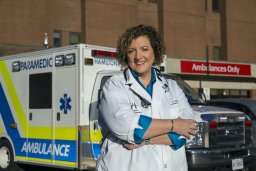 Michelle Welsford合作论文数Department of Emergency Medicine, Hamilton Paramedic Base Hospital Program4
 Grace Warner合作论文数School of Occupational Therapy, Dalhousie University4Susan Benjamin合作论文数3Nasira Lakha合作论文数3Allison Chisholm合作论文数3Erika Schmitz合作论文数3Tim Chaplin合作论文数3Sonshire Figueira合作论文数3Doug Socha合作论文数3Robert Green合作论文数3Sandy Widder合作论文数3Andrea Phillips合作论文数3Deanna Fong合作论文数3Tushar Pishe合作论文数3
 Emilie Joos合作论文数3Maher Matar合作论文数3




