BACKGROUND:Closing the gap between evidence-supported antibiotic use and real-world prescribing among clinicians is vital for curbing excessive antibiotic use, which fosters antimicrobial resistance and exposes patients to antimicrobial side effects. Providing prescribing information via scorecard improves clinician adherence to quality metrics. OBJECTIVE:We aimed to delineate actionable, relevant antimicrobial prescribing metrics extractable from the electronic health record in an automated way. DESIGN:We used a modified Delphi consensus-building approach. SETTINGS AND PARTICIPANTS:Our study entailed two iterations of an electronic survey disseminated to hospital medicine physicians at 10 academic medical centers nationwide. MAIN OUTCOMES AND MEASURES:Main outcomes comprised consensus metrics describing the quality of antibiotic prescribing to hospital medicine physicians. RESULTS:Twenty-eight participants from 10 United States institutions completed the first survey version containing 38 measures. Sixteen respondents completed the second survey, which contained 37 metrics. Sixteen metrics, which were modified based on qualitative survey feedback, met criteria for inclusion in the final scorecard. Metrics considered most relevant by hospitalists focused on the appropriate de-escalation of antimicrobial therapy, selection of guideline-concordant antibiotics, and appropriate duration of treatment for common infectious syndromes. Next steps involve prioritization and implementation of these metrics based on quality gaps at our institution, focus groups exploring impressions of clinicians who receive a scorecard, and analysis of antibiotic prescribing patterns before and after metric implementation. Other institutions may be able to implement metrics from this scorecard based on their own quality gaps to provide hospitalists with automated feedback related to antibiotic prescribing.
Background:Patients experiencing homelessness have higher rates of substance use and related mortality, often driven by opioid overdose. Conversely, opioid use disorder (OUD) is a leading risk factor for homelessness. Our goal was to test the efficacy of an electronic health record (EHR) screen in identifying this vulnerable population during hospitalization and to assess the feasibility of a bundled intervention in improving opioid safety. Methods:We assessed patients' housing status, substance use, previous MOUD treatment, barriers to MOUD treatment and readiness to take MOUD in and out of the hospital. For each post discharge follow up call, patients were asked about their MOUD status, barriers accessing treatment, current substance use, and housing status. We also assessed team members perceptions and experiences of the study. Results:We enrolled 32 patients with housing insecurity and OUD. The mean age was 44, the majority self-identified as male (78%), and mostly as White (56%) or Black (38%). At each follow up within the 6-months post-discharge, reach rates were low: 40% of enrollees answered at least 1 call and the highest reach rate (31% of patients) occurred at week 4. At the third and sixth-month follow ups, >50% of subjects still taking MOUD were also using opioids. Conclusion:Our clinician augmented EHR screen accurately identified inpatients experiencing OUD and PEH. This intervention showed high rates of attrition among enrolled patients, even after providing cellphones. The majority of patients who were reached remained adherent to MOUD though they reported significant barriers.
We report a liver transplant patient with disseminated Legionella micdadei infection with pulmonary, laryngeal, and suspected muscle involvement. This organism, which stains weakly acid-fast, primarily affects immunocompromised patients. The diagnosis is difficult to make; in this case, the organism was identified via molecular diagnostics on laryngeal and pulmonary biopsy tissue.
In this narrative medicine essay, an infectious disease fellow describes her discomfort treating patients behind masks and glass doors, laments the distance it creates, and hopes when the COVID-19 pandemic ends that face-to-face medicine resumes.
The coronavirus disease 2019 (COVID-19) pandemic caused by SARS coronavirus 2 (SARS-CoV-2) has caused significant morbidity and mortality for patients and stressed healthcare systems worldwide. The clinical features, disease course, and serologic response of COVID-19 among immunosuppressed patients such as solid organ transplant (SOT) recipients, who are at presumed risk for more severe disease, are not well characterized. We describe our institutional experience with COVID-19 among 10 SOT patients, including the clinical presentation, treatment modalities, and outcomes of 7 renal transplant recipients, 1 liver transplant recipient, 1 heart transplant recipient, and 1 lung transplant recipient. In addition, we report the serologic response in SOT recipients, documenting a positive IgG response in all 7 hospitalized patients. We also review the existing literature on COVID-19 in SOT recipients to consolidate the current knowledge on COVID-19 in the SOT population for the transplant community.
 Doernberg Sarah B合作论文数3Sandra Oreper合作论文数2Monica Fung合作论文数2Emma Bainbridge合作论文数2Jennifer M. Babik合作论文数2John C Prostko合作论文数1Sujatha Sankaran合作论文数1Marilyn Ann Bazinski合作论文数1Russell Taylor合作论文数1
 Emily Abdoler合作论文数1Courtney B Sherman合作论文数1Matthew Tierney合作论文数1Catherine DeVoe合作论文数Univ Calif San Francisco, Dept Med, Div Infect Dis, San Francisco, CA 94143 USA1
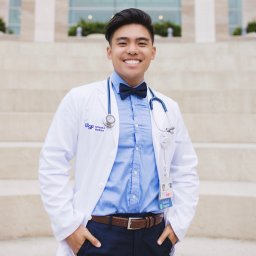 Kevin Reyes合作论文数Univ Calif San Francisco, Dept Lab Med, San Francisco, CA 94143 USA1Abel P David合作论文数Department of Otolaryngology–Head and Neck Surgery, University of California1
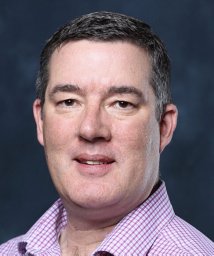 John Douglas Davis合作论文数Regeneron Pharmaceut Inc1Deborah Yokoe合作论文数Division of Infectious Diseases, Department of Medicine, School of Medicine, University of California, San Francisco1
 Danielle Brandman合作论文数Department of Medicine, University of California San Francisco1Kukreja Jasleen合作论文数1Chandran Sindhu合作论文数1
 Rambachan Aksharananda合作论文数Feinberg School of Medicine, Northwestern University1
 Yungkang Yao合作论文数Departments of Medicine and Surgery, University of California San Francisco;Division of Transplant Surgery, Department of Surgery, School of Medicine, University of California, San Francisco;Division of Gastroenterology, Department of Medicine, University of California, San Francisco 1
 Priya Prasad合作论文数ford motor company1Russell Matthew合作论文数1
 Steve Miller合作论文数School of Medicine, University of California, San Francisco1Ng Dianna合作论文数1Brian S. Schwartz合作论文数1
 Margaret Fang合作论文数Division of Hospital Medicine, University of California San Francisco;Department of Medicine, School of Medicine, University of California San Francisco1
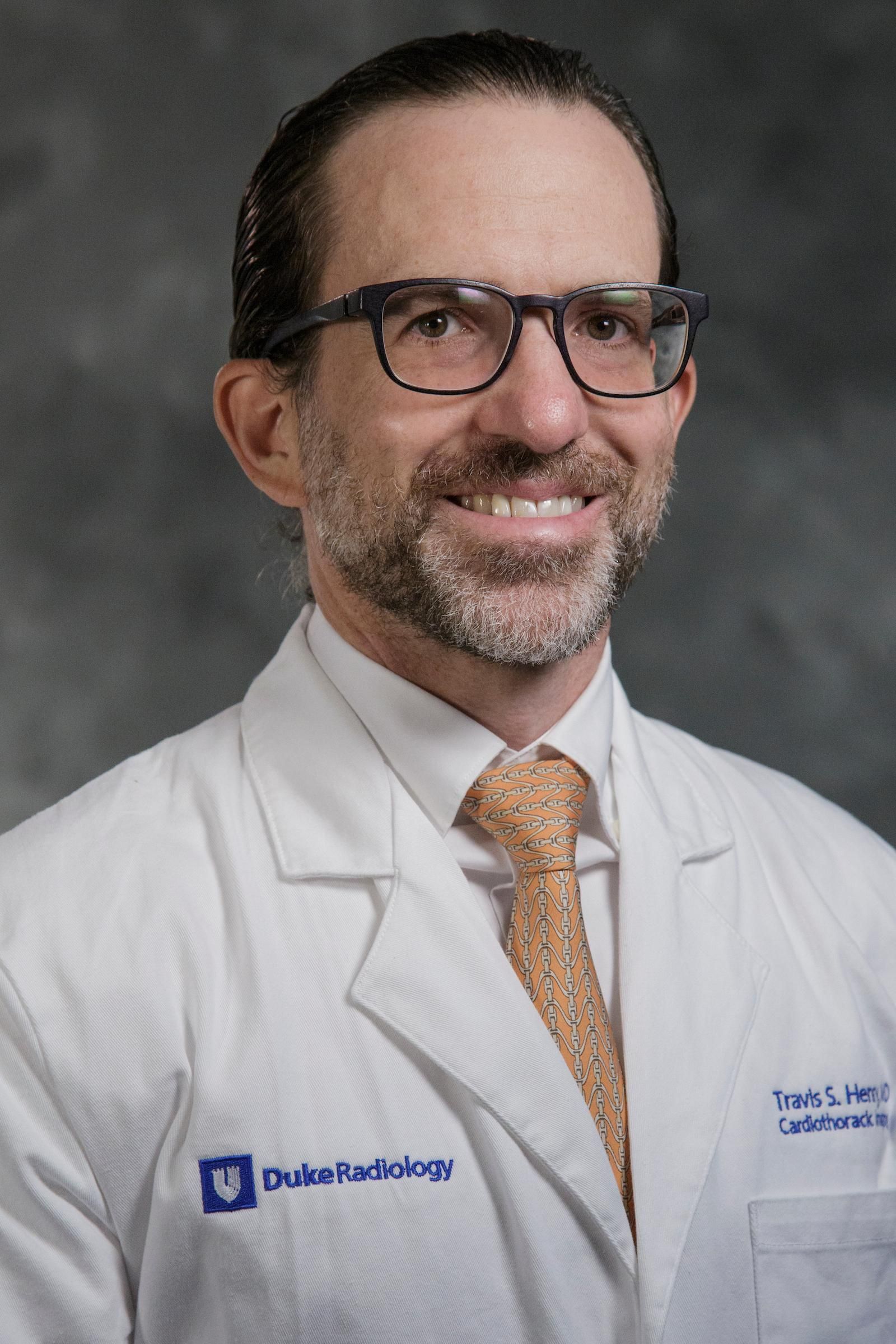 Travis Scott Henry合作论文数Division of Cardiothoracic Imaging, Department Of Radiology, School of Medicine, Duke University1
 Chaz Langelier合作论文数Department of Medicine, School of Medicine, University of California, San Francisco1Timothy J Henrich合作论文数Brigham and Women’s Hospital Department of Internal Medicine 75 Francis Street Boston MA 02115 USA1Elham Khanafshar合作论文数UCSF Comprehensive Cancer Center at Mount Zion, University of California San Francisco1Peter V. Chin-Hong合作论文数University of California San Francisco1
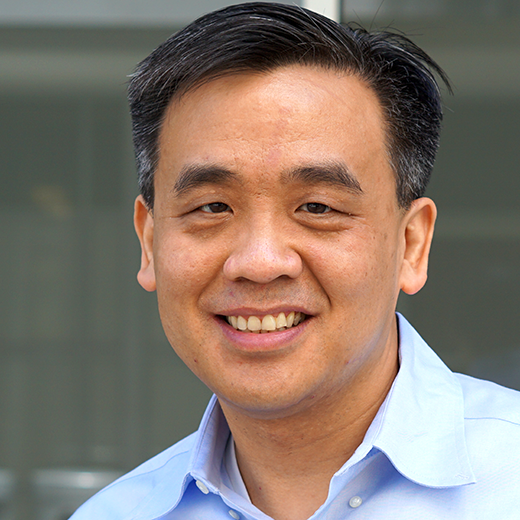 Charles Chiu合作论文数Laboratory Medicine and Medicine, Division of Infectious Diseases, School of Medicine, University of California, San Francisco;Abbott Viral Diagnostics and Discovery Center, University of California, San Francisco;Clinical Microbiology Laboratory, University of California, San Francisco1Steven R. Hays合作论文数1




