Alzheimer’s disease (AD) is a brain disorder that causes memory loss and behavioral and thinking problems. The symptoms of Alzheimer’s are similar throughout its development stages, which makes it difficult to diagnose manually. Therefore, artificial intelligence (AI) techniques address the limitations of manual diagnosis. In this study, the images were enhanced and the active contour algorithm (ACA) was used to extract regions of interest (ROI) such as soft tissue and white matter. Strategies have been developed to diagnose AD and differentiate its stages. The first strategy is using XGBoost and ANN networks with the features of MobileNet, DenseNet, and GoogLeNet models. The second strategy is by XGBoost and ANN networks with combined features of MobileNet-DenseNet121, DenseNet121-GoogLeNet and MobileNet-GoogLeNet. The third strategy combines XGBoost and ANN networks with combined features of MobileNet-DenseNet121-Handcrafted, DenseNet121-GoogLeNet-Handcrafted, and MobileNet-GoogLeNet-Handcrafted leading to improved accuracy of the strategies and improved efficiency. XGBoost with hybrid features of DenseNet-GoogLeNet-Handcrafted achieved an AUC of 98.82%, accuracy of 98.8%, sensitivity of 98.9%, accuracy of 97.08%, and specificity of 99.5%.
With the goal of enhancing traffic flow and decreasing road accidents, fifth-generation (5G)-assisted vehicular fog computing was developed through innovative studies in wireless network connection technologies. But, with such high speeds and open wireless networks built into the system, privacy and security are major issues. To ensure the safety of vehicular fog computing with 5G assistance, it is essential to verify vehicle-to-vehicle traffic communication. Numerous conditional privacy-preserving authentications (CPPA) solutions have been created to safeguard communications connected to traffic in systems. Nevertheless, utilising these CPPA approaches to validate signatures is computationally costly. Elliptic curve cryptography provides authentication and conditional privacy in this certificateless authentication method for 5G-assisted vehicular fog computing, which streamlines the process of verifying vehicle signatures. In contrast, the certificateless CPPA method rapidly authenticates a signature using blockchain technology, eliminating the need for any prior identification or validation of its legitimacy. According to our experiment carried out the AVISPA tool, there are no vulnerabilities in the system that could be exploited by a Doley-Yao threat. In comparison to older approaches, the proposed solution significantly reduces the computational, communication, and energy consumption expenses.
Vehicular Ad-hoc Networks (VANETs) are evolving rapidly with the advent of fog computing, which enhances their capabilities by bringing computational resources closer to the network’s edge. This paper presents a comprehensive review and novel taxonomy of fog computing integration within VANETs, highlighting its potential to significantly improve latency, reliability, and security. We explore various architectures, communication protocols, and services that utilize fog computing to meet the unique challenges of VANETs. Notably, the introduction of a ’Distributed Results’ section provides empirical evidence supporting the practical viability and scalability of fog-enhanced VANET architectures, thereby bridging the gap between theoretical research and real-world applicability. Additionally, a comparative analysis with existing surveys delineates this paper’s unique contributions, particularly its focused examination of security and privacy issues tailored for vehicular environments. By identifying current research gaps and suggesting future directions, this work serves as a crucial resource for both researchers and practitioners aiming to implement and optimize fog computing solutions in vehicular networks.
The quick progress of 5G networks has allowed for intelligent driving. The primary environment for intelligent driving is provided by vehicular ad hoc networks (VANETs), which relay real-time data and communications between moving vehicles and fixed infrastructure. Since the communication is open-access, the message exchanged is vulnerable to privacy and security attacks. To address with this challenge, several authentication schemes have proposed. Nevertheless, the complexity of current these schemes means that re-authenticating vehicle identities every time they reach a new area of infrastructure coverage significantly hampers the overall network’s efficiency. This paper has proposed a handover authentication, called HAFC scheme based on fog computing to achieve fastly re-authentication of vehicles via secure property transfer among infrastructures (fog servers) for 5G-assisted vehicular blockchain networks. The proposed HAFC scheme consists of both stages namely, initial-authentication stage and handover-authentication stage. In security analysis shows that the proposed HAFC scheme’s vehicle to fog server-for both stages is Computational Diffie-Hellma (CDH)-secure. According to the simulation results, the novel handover authentication stage takes only a fraction of the time required for the first one.
Human centric computing is a technique that is gaining more attention nowadays and integrates innovative processing methods for analyzing extensive data collection. Human centric intelligent systems focus on handling the interactions between customers, companies, communities and systems of computing to represent social and institutional concepts effectively. However, this interaction between the companies and customers will lead to various privacy challenges in human centric intelligent systems. This paper briefly studies cyber-physical systems and various privacy challenges in human centric intelligent systems. In parallel, this article enunciates the human-centric pipe water monitoring system framework in detail. It also discusses the smart body area network (SBAN) as a typical example of space cooperation. SBAN employs low-power wireless devices in a compact form that can be incorporated inside the human body for health monitoring. This study examines the challenges of privacy, propagation, and trust assessment that human-centric systems face.
Several researchers have proposed secure authentication techniques for addressing privacy and security concerns in the fifth-generation (5G)-enabled vehicle networks. To verify vehicles, however, these conditional privacy-preserving authentication (CPPA) systems required a roadside unit, an expensive component of vehicular networks. Moreover, these CPPA systems incur exceptionally high communication and processing costs. This study proposes a CPPA method based on fog computing (FC), as a solution for these issues in 5G-enabled vehicle networks. In our proposed FC-CPPA method, a fog server is used to establish a set of public anonymity identities and their corresponding signature keys, which are then preloaded into each authentic vehicle. We guarantee the security of the proposed FC-CPPA method in the context of a random oracle. Our solutions are not only compliant with confidentiality and security standards, but also resistant to a variety of threats. The communication costs of the proposal are only 84 bytes, while the computation costs are 0.0031, 2.0185 to sign and verify messages. Comparing our strategy to similar ones reveals that it saves time and money on communication and computing during the performance evaluation phase.
Gastrointestinal (GI) diseases, particularly tumours, are considered one of the most widespread and dangerous diseases and thus need timely health care for early detection to reduce deaths. Endoscopy technology is an effective technique for diagnosing GI diseases, thus producing a video containing thousands of frames. However, it is difficult to analyse all the images by a gastroenterologist, and it takes a long time to keep track of all the frames. Thus, artificial intelligence systems provide solutions to this challenge by analysing thousands of images with high speed and effective accuracy. Hence, systems with different methodologies are developed in this work. The first methodology for diagnosing endoscopy images of GI diseases is by using VGG-16 + SVM and DenseNet-121 + SVM. The second methodology for diagnosing endoscopy images of gastrointestinal diseases by artificial neural network (ANN) is based on fused features between VGG-16 and DenseNet-121 before and after high-dimensionality reduction by the principal component analysis (PCA). The third methodology is by ANN and is based on the fused features between VGG-16 and handcrafted features and features fused between DenseNet-121 and the handcrafted features. Herein, handcrafted features combine the features of gray level cooccurrence matrix (GLCM), discrete wavelet transform (DWT), fuzzy colour histogram (FCH), and local binary pattern (LBP) methods. All systems achieved promising results for diagnosing endoscopy images of the gastroenterology data set. The ANN network reached an accuracy, sensitivity, precision, specificity, and an AUC of 98.9%, 98.70%, 98.94%, 99.69%, and 99.51%, respectively, based on fused features of the VGG-16 and the handcrafted.
The privacy and security of the information exchanged between automobiles in 5G-enabled vehicular networks is at risk. Several academics have offered a solution to these problems in the form of an authentication technique that uses an elliptic curve or bilinear pair to sign messages and verify the signature. The problem is that these tasks are lengthy and difficult to execute effectively. Further, the needs for revoking a pseudonym in a vehicular network are not met by these approaches. Thus, this research offers a fog computing strategy for 5G-enabled automotive networks that is based on the Chebyshev polynomial and allows for the revocation of pseudonyms. Our solution eliminates the threat of an insider attack by making use of fog computing. In particular, the fog server does not renew the signature key when the validity period of a pseudonym-ID is about to end. In addition to meeting privacy and security requirements, our proposal is also resistant to a wide range of potential security breaches. Finally, the Chebyshev polynomial is used in our work to sign the message and verify the signature, resulting in a greater performance cost efficiency than would otherwise be possible if an elliptic curve or bilinear pair operation had been employed.
Internet of things (IoT) is one of the leading technologies that have been used in many fields, such as environmental monitoring, healthcare, and smart cities. The core of IoT technologies is sensors; sensors in IoT form an autonomous network that is able to route messages from one place to another to the base station or the sink. Recently, due to the rapid technological development of sensors, wireless sensor networks (WSNs) have become an important part of IoT. However, in applications such as smart cities, WSNs with one sink might not be suitable due to the limited communication range of sensors and the wide area to be covered. Therefore, multi-sink WSN solutions seem to be suitable for such applications. The multi-sink WSNs are gaining popularity because they increase network throughput, network lifetime, and energy usage. At the same time, multi-hop routing is essential for the WSNS to collect data from sensor nodes and route it to the sink node for decision-making. Many routing algorithms developed for multi-sink WSNs focus on being energy efficient to extend the network lifetime, but the delay was not the main concern. However, these algorithms are unable to deal with such applications in which the data packets have to reach sink nodes within predefined real-time information. On the other hand, in the most existing routing schemes, the effects of the external environmental factors such as temperature and humidity and the reliability of real-time data delivery have largely been ignored. These issues can dramatically influence the network performance. Therefore, this paper designs a routing algorithm that satisfies three critical conditions: energy-efficient, real-time, environment-aware, and reliable routing. Therefore, the routing decisions are made according to different parameters. Such parameters include environmental impact metrics, energy balance metrics to balance the energy consumption among sensor nodes and sink nodes, desired deadline time (required delivery time), and wireless link quality. The problem is formed in integer linear programming (ILP) for optimal solution. The problem formulation is designed to fully understand the problem with its major constraints by the sensor networks research community. In addition, the optimal solution for small-scale problems could be used to measure the quality of any given heuristic that might be used to solve the same problem. Then, the paper proposes swarm intelligence to solve the optimization problem for large-scale multi-sink WSNs as a heuristic algorithm. The proposed algorithm is evaluated and analyzed compared with two recent algorithms, which are the most related to our proposal, SMRP and EERP protocols using an extensive set of experiments. The obtained results prove the superiority of the proposed algorithm over the compared algorithms in terms of packet delivery ratio, deadline miss ratio, average end-to-end delay, network lifetime, and energy imbalance factor under different aspects. In particular, the proposed algorithm requires more computational energy compared to comparison algorithms.
The fifth-generation (5G) technology-enabled vehicular network has been widely used in intelligent transportation in recent years. Since messages shared among vehicles are always broadcasted by openness environment’ nature, which is vulnerable to several privacy and security problems. To cope with this issue, several researchers have proposed pseudonym authentication schemes for the 5G-enabled vehicular network. Nevertheless, these schemes applied complected and time-consumed operations. Therefore, this paper proposes a fog computing-based pseudonym authentication (FC-PA) scheme to decrease the overhead of performance in 5G-enabled vehicular networks. The FC-PA scheme applies only one scalar multiplication operation of elliptic curve cryptography to prove information. A security analysis of our work explains that our scheme satisfies privacy-preserving and pseudonym authentication, which are resilient against common security attacks. With performance efficiency, our work can obtain better trade-offs between efficiency and security than the well-known recent works.
To improve XML query processing, it is necessary to label XML documents efficiently for the indexing process because it allows the structural relationships between the XML nodes to be preserved without having to access the original document. However, XML data on the Web is updated as time passes, which means that the dynamic updating of XML data is an issue that may need to be handled by a XML labeling scheme specifically designed for dynamic updates. Previous XML labeling schemes have limitations when updates take place. For example, a lot of node labels need to be relabeled, a lot of duplicate labels occur during this relabeling process, and the size and time costs of the updated labels are high. Therefore, this paper proposes an efficient prefix-based labeling scheme that uses a hexagonal pattern. The proposed labeling scheme has three main advantages: (i) it avoids the need for node relabeling when XML documents are updated at random locations, (ii) it avoids duplicated labels by creating a new label for every inserted node, and (iii) it reduces the size and time costs of the updated labels. The proposed scheme is evaluated against the three most recent prefix-based labeling schemes in terms of the size and time costs of the updated labels. In addition, the ability of the proposed labeling scheme to handle several updates (such as insertions) in XML documents is also evaluated. The evaluations show that the proposed labeling scheme outperforms previously developed prefix-based labeling schemes in terms of both size and time costs, particularly for large-scale XML datasets, resulting in improved query processing performance. Moreover, the proposed scheme efficiently supports frequent updates at arbitrary positions. The paper concludes with several suggestions for further research.
Computer vision-based methods play a significant role in the recognition of cancerous tissue from histopathological images. Therefore, computer-assisted diagnosis systems provide an effective system for medical diagnosis. At the same time, conventional medical image processing methods rely on feature extraction algorithms suited for a particular problem. However, deep learning-based methods are becoming vital alternatives with new developments in the machine learning area to reduce the complications of the feature-based methods. Therefore, a Convolutional Neural Network-based model has been proposed to categorize colon cancer histopathological images having multiple classes of cancerous tissues. Eight different classes of cancer have been examined, namely tumor epithelium, simple stroma, immune cells, complex stroma, normal mucosal glands, debris, adipose tissue, and background. The Convolution Neural Network (ConvNet) classification model is evaluated with four distinct activation layers, namely Rectified Linear Unit (ReLU), Leaky Rectified Linear Unit (LReLU), Parametrized Rectified Linear Unit (PReLU), and Exponential Linear Unit (ELU). Based on the produced results, the ELU activation function has shown the highest classification accuracy with on average 98% and in some cases 99%.
In stratosphere cellular networks (SCNs) relying on control-and user-plane separation (CUPS), control base stations (CBSs) located on high altitude platforms (HAPs) form the control plane (CP) and provide control coverage for a large area on the ground. In contrast, traffic base stations (TBSs) on the ground forming the user plane (UP) are used for transmitting high-speed data under the blanket of the CP. To study the performance of SCN based on CUPS, especially CP's coverage, we present an analytical model in this paper. Based on stochastic geometry, we derive the CP's coverage probability under Rician fading, and UP's energy efficiency (UP-EE) under Rayleigh fading. Moreover, the letter is dependent on the successful coverage of CP. Numerical results show that when the traffic load is high, the CP's coverage probability increases with the increasing density of the CBSs. We also found that the maximal CP's coverage probability can be achieved by optimizing the height of the CBSs while achieving a high UP-EE within CP's coverage.
Melanoma skin cancer is a fatal illness. However, most melanomas can be treated with minimal surgery if found early. In this regard, the addition of image analysis techniques that automate skin cancer diagnosis would support and increase dermatologists' diagnosis accuracy. As a result, enhanced melanoma detection can benefit patients who are showing indicators of the disease. Convolutional neural networks can learn from features hierarchically. Since the implementation of a neural network requires a large volume of images to achieve high accuracy rates, an insufficient number of skin cancer images represent an additional challenge in the detection of skin lesions; the current work aims to develop an intelligent system that allows, based on the analysis of images of skin lesions and contextual information of the patient, to accurately determine if it represents a case of melanoma-type skin cancer. The TensorFlow library was used to execute models in the constructed app. The Mobilenet V2 model was used with a collection of 305 pictures retrieved from the Internet. Diagnoses included melanoma, plaque and psoriatic skin conditions, and Kaposi's sarcoma and atopic dermatitis. There were two separate machines used to conduct the application tests. There was more than 75% acceptable performance in predicting Kaposi's sarcoma-like illnesses for melanoma-like lesions, as well as plaque psoriasis and atopic dermatitis, respectively. Despite the low amount of images used in training, the constructed mobile application performed well.
Social network influence dissemination focuses on employing a small number of seed sets to generate the most significant possible influence in social networks and considers forwarding to be the only technique of information transmission, ignoring all other ways. Users, for example, can post a message via this mode of distribution (called para), which is difficult to trace, posing a danger of privacy leakage. This research tries to address the aforementioned issues by developing a social network information transmission model that supports the paranormal relationship. It suggests a way of disseminating information called Local Greedy, which aids in the protection of user privacy. Its effect helps to reconcile the conflict between privacy protection and information distribution. Aiming at the enumeration problem of seed set selection, an incremental strategy that supports privacy protection is proposed to construct seed sets to reduce time overhead; a local influence subgraph method of computing nodes is given to estimate the influence of seed set propagation quickly; the group satisfies the constraints of privacy protection, and a plan is proposed to deduce the upper limit of the probability of node leakage state, avoiding the time cost of using the Monte Carlo method using the crawled Sina Weibo dataset. Experimental verification and example analysis are carried out, and the results show the effectiveness of the proposed method.
Disease detection, diagnosis, and treatment can all be done with the help of digitalized medical images. Macroscopic medical images are images obtained using ionizing radiation or magnetism that identify organs and body structures. In recent years, various computational tools such as databases, distributed processing, digital image processing, and pattern recognition in digital medical images have contributed to the development of Computer-Aided Diagnosis (CAD), which serves as an auxiliary tool in health care. The use of various architectures based on convolutional neural networks (CNNs) for the automatic detection of diseases in medical images is proposed in this work. Different types of medical images are used in this work, such as chest tomography for identifying types of tuberculosis and chest X-rays for detecting pneumonia to solve the same number of classification problems or detect patterns associated with diseases. Finally, an algorithm for automatic registration of thoracic regions is proposed, which intrinsically identifies the translation, scale, and rotation that align the thoracic regions in X-ray images.
Recently, the demand for reliable and high-speed wireless communication has rapidly increased. Orthogonal frequency division multiplexing (OFDM) is a modulation scheme that is the newest competitor against other modulation schemes used for this purpose. OFDM is mostly used for wireless data transfer, although it may also be used for cable and fiber optic connections. However, in many applications, OFDM suffers from burst errors and high bit error rates. This paper presents the utilization of a helical interleaver with OFDM systems to efficiently handle burst channel errors and allow for Bit Error Rate (BER) reduction. The paper also presents a new interleaver, FRF, the initial letters of the authors' names, for the same purpose. This newly proposed interleaver summarizes our previous experience with many recent interleavers. Fast Fourier transform OFDM (FFT-OFDM) and Discrete Wavelet Transform OFDM (DWT-OFDM) systems are used to test the efficiency of the suggested scheme in terms of burst channel error removal and BER reduction. Finally, the general complexity of the FRF interleaver is different from that of the helical interleaver in terms of hardware requirements. The performance of the proposed scheme was studied over different channel models. The obtained simulation results show a noticeable performance improvement over the conventional FFT-OFDM and the FFT-OFDM systems with the helical interleaver. Finally, the disadvantage of the proposed FRF interleaver is that it is more complex than the helical interleaver.
Artificial intelligence (AI) is a subfield of computer science concerned with developing intelligent machines capable of performing tasks similar to those performed by humans. This human-created intelligence began more than 60 years ago. The goal of previous generations of applications was to demonstrate generic human-like behaviour. The goal has expanded with the advancement and increased compliance of this technology. It includes areas such as healthcare, gaming, and smart devices. The COVID-19 epidemic has posed a significant barrier to maintaining a sustainable strategy for mental health support clients with major mental illnesses and clinicians who have had to shift delivery modes quickly. In this study, we have conducted a systematic literature review (SLR) to provide an overview of the current state of the literature related to software measurement of healthcare using artificial intelligence. The study followed a secondary research strategy. The systematic literature review aim was to analyze software measurement of mental health illness in terms of previous literature. This study screened out of 28 research papers out of 1076 initial searches. We used Science Direct, IEEE Xplore, Springer Link, ACM, and Hindawi as database search engines. The research objective was to explore the needs of software applications and automation in the healthcare sector to bring efficiency to the systems. The research concluded that the healthcare setting crucially requires the implementation of software automation.
The weapon target assignment (WTA) problem is an important task to tactical arrangements in military commitment operations. It describes the optimal method to allocate defense in opposition to threats in fighting situations. It is an NP-complete issue in which no accurate outcome for all conceivable situations is known. The time performance of created algorithms is a major challenge in modeling the WTA problem, which has only been lately considered in related papers. This article improves the recently developed algorithm called improved Tunicate Swarm Algorithm (iTSA) which is inspired by the natural behavior of tunicates to solve the WTA problem. The suggested method is compared with well-known metaheuristic approaches. The experimental findings show that the method presented works better than previous competing metaheuristic approaches.
Healthcare in the current day must be sophisticated and interactive. Several issues need to be addressed when creating a complete healthcare environment, including accurate diagnoses, inexpensive modeling, simple design, reliable data transfer, and enough storage capacity. This research article proposes an efficient approach focusing on speech recognition using soft margin formulation and kernel trick to provide a simple and easily accessible monitoring system to elderly and impaired people. The objective is to develop a low-cost speech recognition system that enables easy access to the deployed Internet of Things devices in the smart assisted living facilities (smart hospital or home) through distributive supervisory mode. The suggested work utilized a Banana Pi M3 and a BPI-AI-Voice (Microsemi) module to enable remote connectivity of home appliances through mobile phones. This framework is developed to help elderly/disabled people communicate with home appliances using voice commands. The suggested platform intervention strengthens the speech recognition procedure by including advanced Support Vector Machines principles such as soft margin formulation and kernel trick with a Globally Optimal Reparameterization Algorithm. The suggested approach is indeed a Machine learning—based technology that uses voice commands to manage smart medical devices with 96.09% accuracy. The nominated speech recognition technology is flexible enough to use with scalability and ensures the privacy of the deployed devices. Thus, the proposed work helps to integrate our scheme of medical facilities to assist the senior citizens and others who are sick (physically disabled) in a most effective way.
 Zeyad Ghaleb Al-Mekhlafi合作论文数11
 Badiea Abdulkarem Mohammed Al-Shaibani合作论文数School of Computer Sciences, Universiti Sains Malaysia10
 Khalid Twarish Alhamazani合作论文数7Saud Aljaloud合作论文数6Zelalem Meraf合作论文数5Talal Saad Alharbi合作论文数4
 Selvakumar Manickam合作论文数4
 Kusum Yadav合作论文数4
 Abdulrahman Alreshidi合作论文数Univ Hail, Coll Comp Sci & Engn, Hail 2440, Saudi Arabia4
 Peter Ball合作论文数4
 Shumao Ou合作论文数4
 Mohammad Alsaffar合作论文数College of Computer Science and Engineering, Uni-versity of Ha’il3Abdulsattar Abdullah Hamad合作论文数Tikrit Univ, Coll Sci, Tikrit, Iraq3
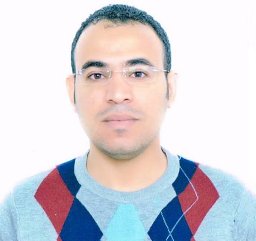 Mnaouer Kachout合作论文数Innov'COM, Carthage Univ.;c;Innov'COM, Carthage Univ.3
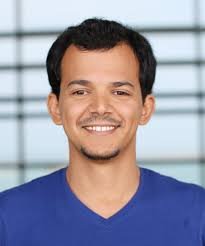 Alazmi Meshari合作论文数3Rabie Ramadan合作论文数Department of Computer Science and Engineering, Southern Methodist University, Dallas, TX3Solomon Abebaw合作论文数2
 Ebrahim Senan合作论文数2
 Yasser Alharbi合作论文数Dept Comp Engn, Univ Hail2
 Abdullah J. Alzahrani合作论文数Coll Comp Sci & Engn, Univ Hail2
 Prof.M.LELLIS THIVAGAR合作论文数Faculty of Sciences;University of Nis;Faculty of Sciences, University of Nis2
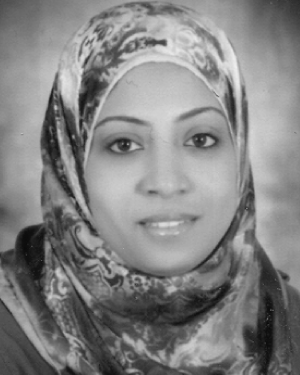 Fatma H. Elfouly合作论文数2
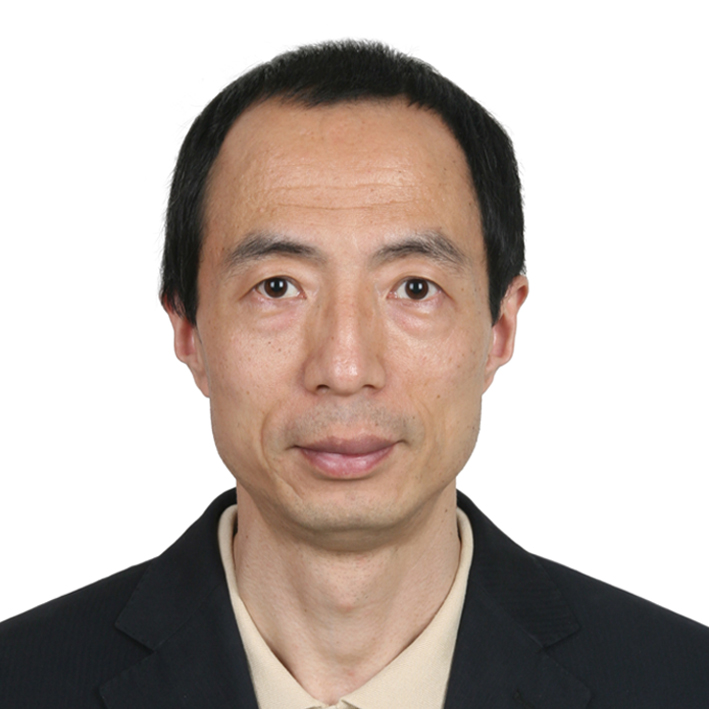 Liqiang Zhao (赵力强)合作论文数College of Communication Engineering, Xidian University;State Key Laboratory of Integrated Service Networks, Xidian University2
 Kawther A. Aldhlan合作论文数2
 Haithm M. Al-Gunid合作论文数1
 Assaye Belay Gelaw合作论文数1
 Abed Alanazi合作论文数1Shuchun Li合作论文数1Ali Alferaidi合作论文数1
 Bassam Wasfi Aboshosha合作论文数Higher Inst Engn, El Shorouk Acad1Khalil Almekhlafi合作论文数1
 Abdulaziz M. Alayba合作论文数Coll Comp Sci & Engn, Univ Hail1
 Eissa Alreshidi合作论文数Cardiff Univ, Sch Engn, 14-17 Parade, Cardiff CF24 3AA, S Glam, Wales1Mohammad Alshammari合作论文数University of Hail1Anurag Jain合作论文数University of Petroleum and Energy Studies1Zhigang Wang合作论文数1
 Mahmood A. Al-Shareeda合作论文数Natl Adv IPv6 Ctr NAv6, Univ Sains Malaysia1
 Mazhar Javed Awan合作论文数Univ Management & Technol, Dept Software Engn, Lahore 54770, Pakistan1
 Talha Mahboob Alam合作论文数Virtual Univ Pakistan, Dept Comp Sci & Informat Technol, Lahore, Pakistan1
 Mohamed M. Dessouky合作论文数Menoufia Univ, Fac Elect Engn, Dept Comp Sci & Engn, Menoufia, Egypt1
 Amjad Qtaish合作论文数Comp Sci & Software Engn Dept, Univ Hail1
 Saima Anwar Lashari合作论文数Fac. of Comput. Sci. & Inf. Technol., Univ. Tun Hussein Onn Malaysia;c;Fac. of Comput. Sci. & Inf. Technol., Univ. Tun Hussein Onn Malaysia1
 Waleed Al-Azzawi合作论文数1
 Fathi E. Abd El-Samie合作论文数Department of Electronics and Communication Engineering, Faculty of Electronic Engineering, Menoufia University1
 Shamik Tiwari合作论文数1
 Md. Haidar Sharif合作论文数University of Sciences and Technologies of Lille (USTL),1
 Abdulrahman A. Al-Sewari合作论文数School of Electrical and Electronic Engineering, Universiti Sains Malaysia1
 Ayman El-Sayed合作论文数Asso. Prof. Dr. Eng. Ayman EL-SAYED,
IEEE Senior Member (#41446996), ACM Professional Member (#7852183), and IAENG Member (#118671)1
Ayman El-Sayed合作论文数Asso. Prof. Dr. Eng. Ayman EL-SAYED,
IEEE Senior Member (#41446996), ACM Professional Member (#7852183), and IAENG Member (#118671)1




