BACKGROUND:Hospital medicine is the fastest growing medical specialty in the USA, with more than 50,000 hospitalists currently practicing. As academic hospitalist groups face increasing clinical demands, these obligations may impede faculty engagement with traditional academic pursuits such as scholarly productivity, mentorship, and career advancement. Despite the field's growth, rates of promotion and academic output among hospitalist faculty remain lower than other fields within internal medicine. OBJECTIVE:This study aims to assess the landscape of mentorship, scholarly productivity, and promotion within academic hospital medicine. DESIGN:A cross-sectional survey was conducted across academic hospital medicine programs in the USA. The survey instrument was adapted from the 2008 study and expanded to address current perceptions of promotion, mentorship, and associated barriers. PARTICIPANTS:Faculty development leaders and academic hospitalist faculty from 17 academic hospital medicine groups participated, representing a broad geographic distribution in the USA. In total, 319 out of 1160 invited hospitalists responded (27.5%). Gender and rank data for non-respondents were collected from participating sites to ensure representativeness. MAIN MEASURES:The survey assessed mentoring availability and satisfaction, work satisfaction, barriers to academic promotion, intent to leave, academic background, and demographics. Additional measures included perceptions of the promotion process, mentoring relationships, and obstacles to mentorship. KEY RESULTS:A small minority of academic hospitalists have attained the rank of professor, and nearly half lack any publications. Hospitalists who identified as Clinicians were least likely to have scholarly productivity and least likely to understand or feel supported in the promotion process. Respondents frequently reported insufficient time or personal responsibilities as barriers to participating in academic endeavors. CONCLUSIONS:Academic productivity and advancement remain significant challenges within hospital medicine, compounded by high clinical demands. Utilizing innovative mentorship models and increasing support surrounding promotion are critical to fostering academic success in this rapidly evolving specialty.
Although gender-affirming hormone therapy (GAHT) can be safely prescribed in primary care settings, many primary care providers (PCPs) feel unprepared to do so for transgender and gender-diverse (trans) patients. To evaluate and compare two brief educational interventions for changing attitudes, knowledge, and likelihood to prescribe GAHT for trans patients. Randomized controlled trial Internal Medicine residents with a primary care clinic Surveys measuring attitudes pertaining to care for trans patients (e.g., Transphobia scale, range of 1–7), 20-item knowledge assessment, six-item clinical self-assessment, and two-item self-reported likelihood to prescribe GAHT (1–7 scale). Of 1596 eligible residents, 623 (39.0
Empathy is pivotal in healthcare with implications for patient outcomes and provider wellness. While the importance of empathy is widely accepted, there are no current best practices in how to develop medical trainees’ empathy. This study assessed the outcomes of a novel drama-based workshop – Relational Empathy And Communication Training (REACT) – in developing medical students’ empathy. A cohort of 10 first-year medical students elected to participate in a 1.5-hour workshop that was led by a theatre professional and used non-clinical drama-based acting and improvisation exercises. Learner satisfaction was assessed with a post-intervention survey. Learners self-assessed any change in their awareness of their physicality or confidence in their communication skills post-intervention. Leaner empathy was assessed pre- and post-intervention with a version of the Jefferson Scale of Empathy. While those that elected to participate in REACT were generally satisfied with the intervention, 92
Background: Few studies have examined internal medicine residents’ performance using cardiovascular point of care ultrasound (POCUS). Methods: From 2019 to 2022, first-year residents from two academic medical centers in Baltimore participated in the Assessment of Examination and Communication Skills (APECS). Interns examined a single patient with aortic insufficiency and were assessed on physical exam and POCUS technique, identifying physical exam and POCUS findings, generating a differential diagnosis, clinical judgment, and maintaining patient welfare. Spearman's correlation test was used to describe associations between clinical domains. Preceptor comments were examined to identify common errors in physical exam and POCUS exam technique and in identifying correct findings. Results: Fifty-three first-year residents (interns) performed a cardiovascular POCUS exam. Of these, 44 (83%) scored either “unsatisfactory” or “borderline” on their POCUS technique with a mean score of 29.5 (out of 100). Seventeen (32%) interns were able to correctly obtain a parasternal-long axis (PLAX) view with only 26 (52%) attempting an apical four-chamber (AP4) or subcostal (SUBC) view. Of the 11 participants who correctly obtained both PLAX and parasternal-short views (PSAX), 10 were able to properly identify a normal ejection fraction and the absence of a pericardial effusion. POCUS technique was statistically significantly associated with physical exam technique, identifying the correct POCUS findings, and generating a correct differential diagnosis (r=0.46, p<0.01; r=0.41, p=<0.01; r=0.60, p=<0.01, respectively). Conclusion: Internal medicine interns showed variable skill in performing and interpreting a cardiovascular POCUS exam. Further emphasis on teaching cardiovascular POCUS skills would likely increase ability to identify relevant cardiovascular findings and improve patient care.
Background:Most residency programs lack formal curricula on obesity care leaving physicians unprepared to treat obesity. After conducting a targeted needs assessment, we refined a previously developed online obesity care curriculum and determined its effect on resident physicians' outcomes. Methods:This study employed a prospective, non-randomized, pre-post design to evaluate the impact of an online obesity care curriculum on resident physicians' obesity care self-efficacy and frequency of self-reported clinical practice habits. Participants included internal medicine, family medicine, preventive medicine, and internal medicine-pediatrics residents. The curriculum was offered as a standalone experience ('curriculum only') or part of a 10-day obesity medicine elective ('curriculum + elective'). We recruited 45 residents - 33 selected the 'curriculum only' and 12 selected the 'curriculum + elective' option. We evaluated changes pre/post across 10 obesity care self-efficacy domains (1-not at all confident; 4-very confident) and self-reported frequency of 10 clinical practice habits (1-never; 5-always) among all residents. We used paired t-tests to calculate mean pre/post changes and compared outcomes between the 'curriculum only' and 'curriculum + elective' groups using unpaired t-tests. Given the multiple comparisons, we considered a statistically significant result if p-value <0.005 (Bonferroni correction). Results:Overall, residents completed a mean of 9.5 (SD 2.7) of 11 core e-modules. Residents significantly increased self-efficacy and frequency across obesity care domains (p < 0.005); largest increases in frequency were in discussing metabolic-bariatric surgery (mean change 0.8, SD 1.0), behavioral counseling (0.8, SD 1.2), referring to weight management programs (0.7, SD 0.7), and discussing obesity medications (0.6, SD 0.9). No significant differences in pre/post changes were found comparing 'curriculum only' to 'curriculum + elective.' Conclusion:This curriculum's positive impact on clinical practice habits is an important precursor that may lead to changes in treatment outcomes for patients with obesity.
BACKGROUND:Onboarding physicians into a new organization occurs frequently in Hospital Medicine, but variations in structure and content lead to challenges in optimizing effective onboarding processes. OBJECTIVE:To capture current onboarding practices in Hospital Medicine groups by surveying academic institutions across the United States to highlight similarities, differences, and opportunities. METHODS:A cross-sectional survey distributed through REDCap over a 3-month period to hospitalist division directors through the Hospital Medicine Reengineering Network (HOMERuN). Survey questions were drafted and refined initially through the Medical Education Affinity Group in HOMERuN. Quantitative data were analyzed using IBM SPSS Statistics (Version 29). Descriptive statistics were calculated for demographic variables. Chi-square tests were conducted to explore relationships between variables. RESULTS:Out of 68 institutions surveyed, 30 (44%) responded, most of the institutions' new hires transitioned directly from residency or fellowship programs without prior experience practicing as hospitalists. More than half (53%) of institutions conclude their onboarding program before the start of work for new hires. The majority of hospitals shared common topics in onboarding, such as clinical workflow, billing and documentation, logistics and geography, electronic health record, hospital policies, admission and discharge processes, sign-out, and cross-coverage. CONCLUSION:Variations exist in our nation's Hospital Medicine onboarding programs, but common practice is found in content topics. Understanding these practices, as delineated in our study, is the first step toward collaborations to create standardized strategies in hospitalist onboarding to strengthen this important practice in the field.
OBJECTIVES: A large academic medical center piloted a pharmacist-driven charitable medication access program. The financial and health outcomes of the program were evaluated and compared with existing benchmarks. STUDY DESIGN: This retrospective cohort study analyzed electronic health records for study participants and pharmacy dispensing information. The study period was January 1, 2023, through August 31, 2024. METHODS: A pre-post analysis was performed to determine the impacts of the program. First, characterizations of the number, type, and cost of medications provided to charitable care patients via the Streamlined Medication Access for High-Risk Patients (SMART) formulary were compared with existing benchmarks. Second, emergency department (ED) and hospital utilization data were reviewed for charitable care patients after implementation of the SMART formulary and compared with utilization priorto implementation. RESULTS: From January 1, 2023, through August 31, 2024, the SMART formulary provided 6791 medications to 418 unique patients, totaling more than 4.5 times more prescriptions to nearly 3 times more unique patients than the benchmark charitable care spending (March 1, 2019, to June 30, 2021). Drug costs per patient and costs per prescription were reduced by 62% and 72%, respectively. Reductions in ED visits (10%) and hospitalizations (34%) occurred, reducing the total health care spend by $6163 per month. The SMART formulary team facilitated the completion of 74 patient assistance program applications and connected patients to manufacturer insulin savings programs, estimating an additional indirect cost savings of $310,168. CONCLUSIONS: The SMART formulary reduced the total cost of care fora cohort of charitable care patients enrolled in a primary care clinic at a large urban academic medical center in Baltimore, Maryland.
Download This Paper Open PDF in Browser Add Paper to My Library Share: Permalink Using these links will ensure access to this page indefinitely Copy URL Copy DOI
BACKGROUND:Few studies have assessed the ability of internal medicine residents to perform a cardiovascular physical examination using real patients. METHODS:First year internal medicine interns from 2 large academic medical centers in Maryland examined the same patient with aortic insufficiency as part of the Assessment of Physical Examination and Communication Skills (APECS). Interns were assessed on 5 clinical domains: physical exam technique, identifying physical signs, generating a differential diagnosis, clinical judgment, and maintaining patient welfare. Spearman's correlation test was used to describe associations between clinical domains. Preceptor comments were examined to identify common errors in physical exam technique and identifying physical signs. RESULTS:One hundred nine interns examined the same patient with aortic insufficiency across 14 APECS sessions. Only 58 interns (53.2%) correctly identified the presence of a diastolic murmur, and only 52 interns (47.7%) included aortic insufficiency on their differential diagnosis. There was a significant and positive correlation between physical exam technique and identification of the correct physical findings (r = 0.42, P < .001). Both technique (r = 0.34, P = .003) and identifying findings (r = 0.42, P < .001) were significantly associated with generating an appropriate differential diagnosis. Common errors in technique included auscultating over the gown, timing the cardiac cycle with the radial pulse, and failing to palpate for the apical impulse. CONCLUSIONS:Internal medicine interns had variable skills in performing and interpreting the cardiovascular physical exam. Improving cardiovascular exam skills would likely lead to increased identification of relevant cardiovascular findings, inform clinical decision making and improve overall patient care.
Objective To assess the association between provider type (primary care provider [PCP] or perioperative provider) and excessive preoperative testing. Study Design Cross-sectional study. Setting Academic medical center. Methods Electronic medical records of adult patients who obtained an outpatient preoperative assessment and underwent surgery in the Department of Otolaryngology-Head and Neck Surgery during the first 2 weeks of January 2019 (n = 94) were reviewed. Patients receiving preoperative tests beyond those recommended by the guidelines were deemed to have had excessive testing. Descriptive statistics were used to characterize the study population. Simple and multivariate logistic regression were used to analyze the association between the outcome and the predictor variables. Results Overall, 44.7% of preoperative evaluations had excessive testing. Patients who had their preoperative evaluation performed by a perioperative provider had 89% lower odds of having excessive preoperative testing compared to those evaluated by a PCP (odds ratio = 0.11, 95% confidence interval: [0.03, 0.37], P < .001). Female sex, younger age, and higher risk of major adverse cardiac events were associated with greater odds of excessive testing. Conclusion Excessive preoperative testing is more commonly performed by PCPs compared to perioperative providers. These results give preliminary evidence in support of a potential shift in the clinical responsibility of preoperative evaluation from PCPs to perioperative providers in order to reduce excessive testing and promote high-value health care. The next steps include validating these findings, identifying reasons for differential guideline concordance, and intervening accordingly.
Background: The introduction of direct-acting antivirals (DAA) has revolutionized hepatitis C virus (HCV) treatment but has not translated into an appreciable decline in HCV prevalence, which is estimated to be 2.4 million in the United States. Efforts are thought to be limited by the lack of experience among nonspecialist providers in managing HCV. However, there have been no comprehensive surveys assessing HCV knowledge among medical trainees to determine if trends have shifted since the discovery of DAAs. Methods: We performed a retrospective observational study of internal medicine (IM) residents in the United States (n = 1763) who completed the Physician Education and Assessment Center HCV learning module between 2021 and 2022. Participant pre- and post-test performance was compared with further stratified analysis by training year, geography, training program type, and local HCV prevalence using ANOVA and Chi-squared tests of proportions, respectively. Results: IM residents universally lacked baseline HCV knowledge (average score ± standard deviation, 43% ± 19%); less than 50% of participants answered correctly in the majority of tested domains. There were no consistent trends in performance regardless of resident characteristic used to stratify the participants. Knowledge gaps improved after completing an online educational training module (P < .001). Conclusions: HCV knowledge remains limited among IM residents despite expansion of treatment options. Addressing these gaps during clinical training may substantially increase the availability of HCV treatment in the community, and online modules may be one means by which to integrate these efforts into medical training.
Prescription rates of pre-exposure prophylaxis (PrEP) have remained low among noninfectious disease providers in the United States despite almost a decade since their introduction. For future primary care doctors, residency is the optimal time to build practice patterns around HIV prevention. We assessed baseline knowledge of PrEP in specific pre- and post-exposure prophylaxis content areas among internal medicine trainees who completed the Physician Education and Assessment Center HIV learning module between 2013 to 2020 (N = 12,060). Resident baseline PrEP knowledge was universally low; despite rising awareness of antiretroviral therapy for PrEP in successive years following the nadir of 41% in 2014, still only 56% of residents affirmed this means of HIV prevention by 2020. Knowledge remained limited regardless of academic year, local HIV prevalence, or training program type. Online module completion increased competence across all content areas. There is still a deficit in HIV prevention knowledge across U.S. internal medicine residents, suggesting insufficient education and exposure to HIV-related care.
OBJECTIVES:We primarily assessed differences in differential diagnosis (DDx) efficacy of initial and refined top diagnoses (tDDx) and "can't miss" DDx (CMDx) between 3 MMTs (Constellations, Mental CT, and VINDICATES). METHODS:Pediatric clerkship students participated in two 1-h case-based sessions. The case was presented in three aliquots. Students were randomly assigned to MMT groups. Assigned MMTs were used to generate the initial tDDx and CMDx following aliquot 1. tDDx and CMDx were refined following both aliquots 2 and 3. Group DDx responses and student affective data were collected via survey. DDx efficacy was defined using pooled faculty responses and scoring was done by consensus. RESULTS:There was no significant difference in scores between MMT groups, except the second iteration of CMDx in Case A (Constellations 50 % [interquartile range, IQR, 50-100], Mental CT 50 % [50-100], VINDICATES 0 % [0-50], p=0.02). Students' self-reported confidence in generating (p<0.001) and refining (p<0.001) their DDx significantly increased after the curriculum. CONCLUSIONS:Although prior studies identified a differential effect of MMTs on DDx generation, we did not observe a difference in initial or refined DDx efficacy between MMTs. .
OBJECTIVES:As a result of the coronavirus disease 2019 pandemic, many Internal Medicine (IM) residency programs converted to telehealth for primary care. Our objectives in this study were to better understand resident past and present telehealth education, their perceived barriers to telehealth practice, and their perceived solutions to improving telehealth use and education.METHODS:We performed a cross-sectional needs assessment survey between November 2020 and February 2021 among residents at 10 IM residency programs across the United States. Our primary measures were telehealth use in resident continuity clinics before and during the coronavirus disease 2019 pandemic, telehealth training, and confidence and barriers in using telehealth.RESULTS:Of 857 residents contacted, 314 (36.6%) responded. Residents reported low rates of education in telehealth prepandemic with significant improvements after the start of the pandemic across all visit domains (range of 10.7%-19.6% prepandemic compared with 25.6%-55.7% postpandemic, all P < 0.001). Resident confidence levels were significantly lower (P < 0.001) for video visits and telephone visits compared with in-person visiting across domains of communication, history taking, using an interpreter, making a diagnosis, counseling patients, providing psychosocial support, performing medical management, and coordinating after-visit care. Reported barriers included patient resources, clinic resources, lack of preceptor feedback, and lack of observation. Reported resources for improvement included tutorials on physical examination techniques, clinical space for telehealth, and patient resources for telehealth.CONCLUSIONS:To effectively address the educational needs for telehealth practice by IM residents, educators must consider not only curricular needs but also clinical, preceptor, and patient barriers to the high-quality use of telehealth for primary care.
Background: This study aims to characterize patients with patient-directed discharge (PDD) and substance use disorders (SUD) and to summarize involvement of an Addiction Consult Service (ACS) in encounters resulting in PDD in an urban academic medical center. Methods: This single-center, retrospective, pre-and post-implementation study included patient encounters for hospitalized adults with at least one documented SUD and a PDD. The pre-and post-implementation periods were defined as July 2018–June 2019 and July 2020–June 2022, respectively. The primary outcome was a comparison of PDD rates between cohorts. Secondary outcomes were hospital length of stay (LOS) and 30-day read-mission rates. In the post-implementation cohort, ordering of and completion of an ACS consult and time to order and time to completion of the consult were assessed. For the subgroup with OUD, severity of withdrawal symptoms, utilization of methadone and/or buprenorphine in the first 24 h of admission, and rate of buprenorphine discharge prescribing were described. Differences in categorical variables between cohorts were analyzed using Chi-square or Fisher’s exact test and continuous variables were analyzed using the Student T -test or the Wilcoxon Rank Sum, as appropriate. Results: A total of 346 encounters (pre n = 101 and post n = 245) comprised of 252 unique patients were included. Patients were median 41 years old (IQR 33–54), 65.9% male, and 49.1% white. OUD (57.5%) was the most common SUD diagnosis among encounters and 40.8% were associated with more
 Stephen D. Sisson合作论文数12
 Amit Pahwa合作论文数The Johns Hopkins Hospital11
 Hsin-Chieh Yeh合作论文数Division of General Internal Medicine, School of Medicine, Johns Hopkins University;Bloomberg School of Public Health, Johns Hopkins University11
 Joseph Cofrancesco合作论文数Division of General Internal Medicine, Department of Medicine, Johns Hopkins University11Stewart Rosalyn W合作论文数From the Department of Medicine, Johns Hopkins University11
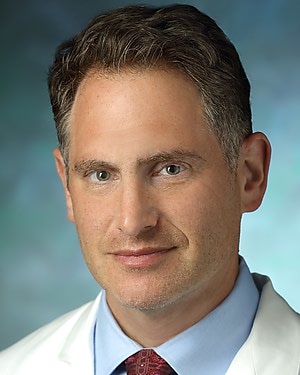 Daniel Joseph Brotman合作论文数Division of Hospital Medicine, Johns Hopkins University School of Medicine8Ariella Apfel合作论文数7
 Sean Tackett合作论文数Bayview Division of General Internal Medicine, Department of Medicine, Johns Hopkins University7Siddiqui Zishan K合作论文数Department of Medicine, Johns Hopkins University7Lisa Allen合作论文数6
 David M. Levine合作论文数Division of General Internal Medicine, Department of Medicine, Johns Hopkins University6Caitlin Dowd-Green合作论文数Johns Hopkins Hospital, Johns Hopkins University School of Medicine5Ashwini Niranjan-Azadi合作论文数4Megan E. Buresh合作论文数Epidemiology, Bloomberg School of Public Health, Johns Hopkins University4
 Stephen Berry合作论文数University of South Australia4Durkin Nowella合作论文数4
 Timothy Niessen合作论文数4Sattari Maryam合作论文数4Ashwini Davison合作论文数3Helene F. Hedian合作论文数3
 Carrie Herzke合作论文数The Johns Hopkins Hospital3Rastegar Darius A合作论文数3
 Stewart C Matthew合作论文数Department of Otolaryngology-Head and Neck Surgery, Johns Hopkins Hospital3Cayea Danelle合作论文数Department of Medicine, Johns Hopkins University School of Medicine3
 Albert Wu合作论文数Division of Health Systems, Bloomberg School of Public Health, Johns Hopkins University;Center for Global Health, Johns Hopkins University;Center for Health Services and Outcomes Research, Johns Hopkins University3
 Feldman Leonard合作论文数3Frederick L. Brancati合作论文数3
 Rehan Qayyum合作论文数Department of Medicine, Johns Hopkins University School of Medicine3
 Brian T. Garibaldi合作论文数Department of Medicine, Johns Hopkins University School of Medicine3
 Peter J. Pronovost合作论文数University Hospitals;Armstrong Institute for Patient Safety and Quality, Johns Hopkins Medicine;Havencrest Healthcare Partners;HLM Venture Partners;Doctella.com3Holley Farley合作论文数2Olivia Floyd合作论文数2Jessie Kimbrough Marshall合作论文数2Niloofar Latifi合作论文数2Dannielle Brown合作论文数2David Wolinsky合作论文数2Jessica Lin合作论文数2Alia Bodnar合作论文数2Heba Mahjoub合作论文数2
 Carl G Streed合作论文数Boston Med Ctr, Ctr Transgender Med & Surg2Dylan Balter合作论文数2
 Christopher Chew合作论文数University of North Carolina at Chapel Hill2Jeremy A Epstein合作论文数2
 Mohammed S Abusamaan合作论文数Division of Endocrinology, Diabetes, and Metabolism, Johns Hopkins University School of Medicine2
 Zackary D. Berger合作论文数Health, Behavior and Society, Bloomberg School of Public Health, Johns Hopkins University2
 Stephen Sozio合作论文数Epidemiology, Bloomberg School of Public Health, Johns Hopkins University2
 Michael A. Rosen合作论文数Department of Otolaryngology-Head and Neck Surgery, School of Medicine, Johns Hopkins University2
 Padmini D Ranasinghe合作论文数Department of Otolaryngology-Head and Neck Surgery, School of Medicine, Johns Hopkins University2
 Bimal H Ashar合作论文数Department of Otolaryngology-Head and Neck Surgery, School of Medicine, Johns Hopkins University2




