Abstract Accurate interpretation of genomic alterations is essential for precision oncology, yet variant information remains dispersed across heterogeneous resources. To streamline access to high-quality annotations, we present recent advancements to Genome Nexus (genomenexus.org) and reVUE (cancerrevue.org), two complementary open-source web services that together provide an integrated ecosystem for interpreting both canonical and atypical cancer variants. Genome Nexus aggregates functional, structural, population, and clinical evidence from a broad collection of cancer- and genome-focused databases. Through a unified API and intuitive interface, it harmonizes variant effect predictions, protein annotations, variant population frequencies, mutational hotspot and driver information, and clinical actionability from resources such as VEP, UniProt, Pfam, gnomAD, Cancer Hotspots, CIViC, OncoKB, and ClinVar. Recent enhancements include improved selection of canonical transcripts for routine clinical cancer care, expanded handling of transcript versioning, and optimized annotation performance. Genome Nexus enables high-throughput variant annotation, supports interactive browsing, and is integrated into cBioPortal and used by AACR Project GENIE. A subset of genomic alterations exhibit variants with unexpected effects (VUEs), whose molecular consequences diverge from those predicted by standard annotation rules. These variants are frequently mis-annotated despite documented functional evidence in the literature. To address this gap, we developed reVUE, an open-source curated repository and API cataloging experimentally validated VUEs, including therapeutically relevant alterations in genes such as KIT, MET, ATM, EGFR, and BRCA1/2. The resource continues to expand, with several newly curated VUEs added across multiple cancer-associated genes. reVUE is fully integrated into Genome Nexus, ensuring that both predictable and atypical variant effects are captured within a unified interpretation workflow. Together, Genome Nexus and reVUE advance the accuracy and completeness of cancer variant interpretation by consolidating diverse evidence sources, incorporating expert-curated annotations for complex variant classes, and providing scalable programmatic access. As open-source resources, they support transparent, reproducible, and extensible workflows that enhance precision oncology research and clinical reporting. Citation Format: Xiang Li, Alexandria Dymun, Benjamin Preiser, Reshma Ramaiah, Allison Richards, Walid Chatila, Moriah Nissan, Amanda Dhaneshwar, Sara E. DiNapoli, Erika Gedvilaite, Thomas Y. Cong, Hongxin Zhang, Bryan Lai, Selcuk Onur Sumer, Aditi Gopalan, Tonatiuh Gonzalez, Madelaine Rangel, Trevor J. Pugh, Rose Brannon, Michael Berger, Debyani Chakravarty, Nikolaus Schultz, Jianjiong Gao, Ino de Bruijn. Variant interpretation web services for precision oncology: Genome Nexus and reVUE [abstract]. In: Proceedings of the American Association for Cancer Research Annual Meeting 2026; Part 1 (Regular Abstracts); 2026 Apr 17-22; San Diego, CA. Philadelphia (PA): AACR; Cancer Res 2026;86(7 Suppl):Abstract nr 2.
Clinical sequencing of tumor samples is now a component of routine cancer care. By identifying genomic alterations that contribute to tumor initiation or progression, clinical cancer genomic sequencing may be used to identify predictive biomarkers of drug response, refine patient cancer diagnoses, assess heritable cancer risk, or inform patient prognosis. Most genomic alterations are accurately annotated with tools such as the Variant Effect Predictor (VEP) that infer the effects of these alterations on the mRNA and protein by following basic rules of transcription, mRNA post-transcriptional processing, and translation. However, a select subset of variants’ effects cannot be predicted as easily by these rules. While many of these “variants with unexpected effects (VUE)” are functionally characterized and documented in the literature, these VUEs are often mis-annotated during routine clinical cancer genomic sequencing. Importantly, certain VUEs may have therapeutic implications, which, if mis-annotated may lead to suboptimal treatment decisions for individual patients with cancer. To address this unmet clinical need, we created a centralized database resource, the repository for Variants with Unexpected Effects (reVUE - cancerrevue.org), which curates and programmatically stores VUEs to enable the annotation of these variants during routine clinical cancer genomic sequencing. The reVUE resource consists of (1) an intuitive website listing curated VUEs with their observed effects as demonstrated by functional characterization in peer-reviewed literature and (2) an application programming interface (API) for programmatic annotation of variants. We successfully curated 109 VUEs spanning 22 genes from 31 articles, and continue to expand this database. Several curated VUEs were associated with clinical treatment implications, including KIT, MET, ATM, EGFR, and BRCA1/2. The reVUE database has also been integrated into the publicly available bioinformatic ecosystem of cancer variant annotation and interpretation tools that currently includes Genome Nexus, OncoKB, and cBioPortal. By addressing the critical challenge of the accurate annotation of genomic variants with unanticipated protein effects, reVUE enhances our understanding of complex variant interpretation and contributes directly to improved patient care. Notably, the software and all annotated variants are publicly available, allowing for community contributions, and enabling seamless integration into other genomics tools, clinical workflows, and research pipelines. Xiang Li, Ino de Bruijn, Thomas Y. Cong, Walid Chatila, Hongxin Zhang, Moriah Nissan, Amanda Dhaneshwar, Sara E. DiNapoli, Erika Gedvilaite, Bryan Lai, Selcuk Onur Sumer, Aditi Gopalan, Tonatiuh Gonzalez, Madelaine Rangel, Trevor J. Pugh, Rose Brannon, Michael F. Berger, Jianjiong Gao, Nikolaus Schultz, Debyani Chakravarty. reVUE: repository for variants with unexpected effects [abstract]. In: Proceedings of the American Association for Cancer Research Annual Meeting 2025; Part 1 (Regular Abstracts); 2025 Apr 25-30; Chicago, IL. Philadelphia (PA): AACR; Cancer Res 2025;85(8_Suppl_1):Abstract nr 5043.
e22604 Background: The success of PARP inhibitors in BRCA1/2 mutant tumors represents the convergence of germline and somatic molecular profiling as part of routine management of clinical cancer care. Other predictive molecular alterations with matched precision oncology drugs in the germline setting have also emerged. The expansion of germline genetic testing to guide therapy selection has increasingly shifted the burden of germline cancer risk assessment to the point-of-care oncologists who now have the additional challenge of ensuring appropriate interpretation of genetic test results. We therefore sought to expand OncoKB, MSK’s FDA-recognized precision oncology knowledge base, to incorporate annotations for germline variants by partnering with MSK’s Clinical Genetics and Diagnostic Molecular Genetics (DMG) services to provide clinicians and researchers worldwide with an automated, evidence-based tool for interpreting the pathogenicity and clinical actionability of germline variants. Methods: We reviewed data compiled by MSK’s DMG for over 2,600 unique germline variants in known cancer susceptibility genes. For each variant, we standardized information on pathogenicity, penetrance, mechanism of inheritance, and associated inherited syndromes to enable integration into OncoKB. Using the OncoKB therapeutic levels of evidence framework, we assigned clinical actionability to individual germline variants based on supporting evidence as to whether the variant is predictive of response to standard care or investigational targeted therapy. Additionally, we expanded the OncoKB API to include endpoints for germline variants, enabling the programmatic annotation of germline sequencing reports and research cohorts. Results: To date, OncoKB has incorporated information on 2631 unique germline variants across 91 genes implicated in germline cancer predisposition and detected by MSK-IMPACT. 24 genes across >10 cancer types are considered Level 1 standard care biomarkers in the germline setting. To date, more than 3400 patients in the MSK-IMPACT cohort have germline alterations that can be annotated with germline OncoKB. Conclusions: OncoKB’s new annotation of germline variants provides a novel and easily accessible tool for clinicians who utilize germline genetic testing to programmatically determine the effect of the variant based on MSK clinical expertise. Public release of this data is expected in 2025.
OncoKB, Memorial Sloan Kettering Cancer Center’s (MSK) precision oncology knowledge base, contains evidence-based information about the oncogenic effect and therapeutic implications of somatic alterations in cancer. OncoKB currently includes annotation for >8000 alterations in 900 cancer-associated genes and is the only somatic cancer variant database partially recognized by the US-FDA. OncoKB supports variant interpretation in the cBioPortal for Cancer Genomics, is used to annotate >17,000 MSK patient sequencing reports annually and is publicly available through its website (www.oncokb.org). Access to OncoKB, including its web-based API, is freely available to users in an academic setting, while users from commercial and hospital settings require a fee-based license. OncoKB’s Therapeutic Levels of Evidence system classifies variants based on tumor type-specific sensitivity or resistance to targeted therapies. To date, OncoKB includes 53 Level 1 genes as well as MSI-H and TMB-H (included in the FDA drug label), 7 Level 2 genes (included in professional guidelines), 14 Level 3A genes (predictive of response in well-powered clinical studies), 10 Level 4 genes (predictive of response based on compelling biological evidence), and 12 R1/R2 resistance genes. In 2024, OncoKB updated its content to include notable precision oncology drug development changes. OncoKB promoted BRAF fusions to Level 1 following inclusion as patient eligibility criteria in the FDA drug label for tovorafenib (low-grade glioma). Additionally, OncoKB included KRAS G12C in colorectal cancer and IDH1 mutations in myelodysplastic syndromes as Level 1 following FDA approval of adagrasib + cetuximab and ivosidenib, respectively. NCCN guidelines for colorectal cancer and small bowel cancer listed immune-checkpoint inhibitors for tumors harboring POLE or POLD1 oncogenic exonuclease domain missense mutations, making them Level 2 in these indications. Lastly, novel biomarkers including FBXW7 and PPP2R1A alterations (endometrial and ovarian cancer), SMARCA4 mutations (non-small cell lung cancer and esophageal adenocarcinoma) and MTAP deletions (all solid tumors) were included in OncoKB based on compelling preclinical and emerging clinical evidence in association with lunresertib + camonsertib, PRT3789, and AMG193 and MRTX1719, respectively. In sum, 17 novel clinically actionable biomarkers (Levels 1-4) and 26 follow-on precision oncology therapies for existing leveled biomarkers were added to OncoKB in 2024. Additionally in 2024, OncoKB prepared to incorporate germline variants into the knowledge base, a feature expected to be publicly available in 2025. OncoKB also implemented major software updates to support data integration into the EPIC platform. Future OncoKB efforts are focused on whole genome/exome curation, inclusion of biomarkers for non-NGS-based precision oncology therapies, and the development of a clinical trial matching system. Moriah H. Nissan, Sarah P. Suehnholz, Hongxin Zhang, Ritika Kundra, Calvin Lu, Amanda Dhaneshwar, Nicole Fernandez, Kelly Cavender, Benjamin Preiser, John Konecny, Kseniya Petrova, Mark Ewalt, Maria E. Arcila, Marc Ladanyi, Michael F. Berger, Anoop Balakrishnan-Rema, Aijazuddin Syed, A. Rose Brannon, Ahmet Dogan, Diana Mandelker, Zsofia Stadler, Alexander Drilon, David B. Solit, Ross Levine, Nikolaus Schultz, Debyani Chakravarty. OncoKBTM, MSK’s precision oncology knowledge base: 2024 updates [abstract]. In: Proceedings of the American Association for Cancer Research Annual Meeting 2025; Part 1 (Regular Abstracts); 2025 Apr 25-30; Chicago, IL. Philadelphia (PA): AACR; Cancer Res 2025;85(8_Suppl_1):Abstract nr 1066.
Highest OncoKB level of evidence per (a) tumor type and per (b) tumor type and gene for a subset of solid tumor samples from the MSK-IMPACT cohort with n≥100.
Among genes found to have limited to no clinical actionability (OncoKB Levels 3B or 4 as the highest level of clinical actionability, or no alteration with an OncoKB level) and altered in >1% of samples in the MSK-IMPACT subset of the AACR Project GENIE dataset, left: the breakdown of genes into different gene-function categories and right: the breakdown of genes as oncogenes, tumor suppressors, both or neither per www.oncokb.org.
Table S6: Gene-alteration-tumor types associated with an OncoKB Therapeutic Level of Evidence (Levels 1-4) in March 2017, and changes made to the dataset to ensure 2017 OncoKB clinically actionable variants are consistent with the OncoKB Standard Operating Procedure v2.2.
A list of precision oncology therapies (per the definition provided in the manuscript) approved by the US FDA between January 1998 and November 2022, as well as the year each drug was first FDA approved, the FDA-recognized biomarker(s), the method of biomarker detection, and classification of each drug as first-in-class, mechanistically-distinct, follow-on, or resistance (per definitions provided in the manuscript).
Supplementary Note 1: The Methods on FDA-drug curation taken directly from Olivier T, Haslam A, Prasad V. Anticancer drugs approved by the US food and drug administration from 2009 to 2020 according to their mechanism of action. JAMA Netw Open. 2021;4:e2138793. Supplementary Note 2: The Methods and References on FDA-drug curation taken directly from Sun J, Wei Q, Zhou Y, Wang J, Liu Q, Xu H. A systematic analysis of FDA-approved anticancer drugs. BMC Syst Biol. 2017;11:87.
A breakdown of the number and percentage of tumor type-specific samples included in the MSK-IMPACT subset of the AACR Project GENIE dataset.
For solid tumor samples from the MSK-IMPACT subset of the AACR Project GENIE dataset with n≥100, (a) the median number of oncogenic and actionable (gray), oncogenic and non-actionable (light blue), or total (orange) mutations per sample per cancer type, and (b) the percentage of samples that carry zero, one, two, or three or more actionable mutations (as defined by OncoKB version October 2022) per sample.
Table S5: Genes associated with an OncoKB Therapeutic Level of Evidence (1, 2 or 3A) in March of 2017
e13507 Background: OncoKB ( www.oncokb.org ), Memorial Sloan Kettering's (MSK) precision oncology knowledge base, is a comprehensive database that provides curated information about the oncogenic effect and clinical implications of genomic alterations in cancer. OncoKB assigns evidence-based levels of clinical actionability to individual mutational events in a tumor type-specific context and is the first somatic variant database to be partially recognized by the US-FDA. As of February 2024, OncoKB contains annotations for >7600 alterations in >840 cancer-associated genes, including 59 level-1 or 2 genes (standard care, specified in the FDA-drug label or professional guidelines), 8 level-3A and 12 level-4 genes (predictive of drug response based on well-powered clinical studies or compelling biological evidence respectively). As the field of precision oncology continues to evolve with the identification of new molecular targets and development of novel drug/drug combinations, we sought to provide OncoKB users with a resource that quantitates the landscape of FDA-approved precision oncology therapies in real-time. Methods: To provide clinicians with an easily accessible and transparent list of FDA-approved drugs that require molecular biomarker testing to determine patient eligibility for use of the drug, we curated and categorized all FDA-approved oncology drugs from the FDA’s Oncology / Hematologic Malignancies Approval Notifications webpage from 1998 to present. For each drug we recorded its mechanism of action and whether it qualifies as a targeted therapy (a cancer drug that binds to or inhibits a specific protein target) or a precision oncology therapy (a drug that is most effective in a molecularly defined subset of patients and for which pre-treatment molecular profiling is required for optimal patient selection). For all precision oncology therapies we further listed the FDA-recognized biomarker(s) from the FDA-drug label and determined whether a DNA-based method could be used for biomarker detection. The data are publicly available via an interactive and downloadable table on OncoKB’s Oncology Therapies page , which is updated on a bi-monthly basis. Results: Between June 1998 and January 2024, 217 novel oncology drugs were FDA-approved, 83.4% (n=181) of which were classified as targeted therapies. Greater than half (51.9%, n=94) of targeted therapies were classified as precision oncology therapies. Currently, 52 genes as well as MSI-H and TMB-H status are FDA-recognized biomarkers of treatment response. Over the past five years, 75 novel oncology drugs were FDA-approved, 46 (61.3%) of which were precision oncology therapies. Conclusions: OncoKB’s publicly available Oncology Therapies page provides insight into the pace of growth of the precision oncology drug landscape and serves as a complementary tool for clinicians who utilize OncoKB to determine whether a patient with cancer should receive biomarker testing.
Table S4: Genes found to have limited to no clinical actionability (OncoKB Levels 3B or 4 as the highest level of clinical actionability, or no alteration with an OncoKB level) were categorized by 1. the gene/protein function and 2. assignment as an oncogene, tumor suppressor, both or neither per www.oncokb.org.
A list of oncology drugs first approved by the US FDA between January 1998 and November 2022, as well as the year each drug was first FDA approved, the class of agent and mechanism of action, and categorization of each drug as a targeted therapy (Y/N) and precision oncology therapy (Y/N) per definitions provided in the manuscript.
Abstract There is a continuing debate about the proportion of cancer patients that benefit from precision oncology, attributable in part to conflicting views as to which molecular alterations are clinically actionable. To quantify the expansion of clinical actionability since 2017, we annotated 47,271 solid tumors sequenced with the MSK-IMPACT clinical assay using two temporally distinct versions of the OncoKB knowledge base deployed 5 years apart. Between 2017 and 2022, we observed an increase from 8.9% to 31.6% in the fraction of tumors harboring a standard care (level 1 or 2) predictive biomarker of therapy response and an almost halving of tumors carrying nonactionable drivers (44.2% to 22.8%). In tumors with limited or no clinical actionability, TP53 (43.2%), KRAS (19.2%), and CDKN2A (12.2%) were the most frequently altered genes. Significance: Although clear progress has been made in expanding the availability of precision oncology-based treatment paradigms, our results suggest a continued unmet need for innovative therapeutic strategies, particularly for cancers with currently undruggable oncogenic drivers. See related commentary by Horak and Fröhling, p. 18. This article is featured in Selected Articles from This Issue, p. 5
Abstract OncoKBTM is Memorial Sloan Kettering Cancer Center’s (MSK) FDA-recognized precision oncology knowledge base that contains detailed, evidence-based information about the oncogenic effect and therapeutic implications of individual somatic mutations and structural alterations present in patient tumors. Since its public release in 2016, OncoKBTM has expanded to include annotation for >7,500 alterations in ~820 cancer-associated genes. OncoKB supports variant interpretation by the cBioPortal for Cancer Genomics, is used to annotate >15,000 MSK patient sequencing reports annually and its data is publicly available through the website (www.oncokb.org). Programmatic access to OncoKBTM data via its web-based API is freely available to users in an academic setting while users from commercial and hospital settings require a fee-based license. OncoKBTM utilizes its Therapeutic Levels of Evidence system to classify variants based on their tumor type-specific sensitivity or resistance to matched standard care or investigational targeted therapies. To date, OncoKB includes 49 Level 1 genes as well as MSI-H and TMB-H (included in the FDA drug label), 24 Level 2 genes (included in professional guidelines), 35 Level 3A genes (predictive of drug response in well-powered clinical studies), 27 Level 4 genes (predictive of drug response based on compelling biological evidence), and 11 R1/R2 resistance genes. In 2023, OncoKBTM captured the following notable changes in precision oncology drug development: Level 1 annotation of ESR1 ligand-binding domain mutations in breast cancer and promotion from Level 2 to Level 1 of ERBB2 amplification in colorectal cancer following the FDA drug approvals of elacestrant and tucatinib + trastuzumab, respectively. Additionally, KRAS G12C became a Level 2 biomarker in pancreatic and colon cancers with the listing of adagrasib and sotorasib as systemic therapy options for KRAS G12C-mutant disease in the NCCN pancreatic and colon cancer guidelines. IDH1/2 mutations in low grade glioma were annotated as Level 3A based on compelling clinical evidence demonstrating response to the IDH-specific inhibitor vorasidenib. Lastly, noting emerging data with the KRAS G12X-specific inhibitor, RMC-6236, OncoKBTM included all alleles at KRAS position G12 as Level 4. In sum, six novel clinically actionable biomarkers (all Level 1) and 14 follow-on precision oncology therapies for existing leveled biomarkers were added to OncoKBTM in the past year. OncoKBTM’s current focus includes coverage of additional cancer-associated genes, annotation of germline alterations and incorporation of OncoKBTM data into an electronic health record system. Citation Format: Sarah P. Suehnholz, Moriah Nissan, Hongxin Zhang, Ritika Kundra, Calvin Lu, Amanda Dhaneshwar, Nicole Fernandez, Benjamin Preiser, Maria E. Arcila, Marc Ladanyi, Michael F. Berger, Aijazuddin Syed, A. Rose Brannon, Ross Levine, Ahmet Dogan, Alexander Drilon, David B. Solit, Nikolaus Schultz, Debyani Chakravarty. OncoKB™, MSK’s precision oncology knowledge base: 2023 updates [abstract]. In: Proceedings of the American Association for Cancer Research Annual Meeting 2024; Part 1 (Regular Abstracts); 2024 Apr 5-10; San Diego, CA. Philadelphia (PA): AACR; Cancer Res 2024;84(6_Suppl):Abstract nr 3544.
1577 Background: OncoKB ( www.oncokb.org ), Memorial Sloan Kettering's (MSK) precision oncology knowledge base, contains curated information about the oncogenic effect and therapeutic implications of somatic alterations in cancer and is the first cancer variant database to be partially recognized by the US-FDA. Individual mutations and structural alterations in OncoKB are assigned a level of evidence based on whether the alteration is a predictive biomarker of response or resistance to a genomically matched standard care or investigational drug in a specific cancer subtype. As of February 2023, OncoKB includes annotations for >6200 alterations in >700 cancer-associated genes, including 50 level 1 or 2 standard care genes (specified in the FDA drug label or professional guidelines) as well as 9 level 3A and 12 level 4 genes (predictive of drug response based on well-powered clinical studies or compelling biological evidence, respectively). OncoKB data is used internally to annotate >15,000 MSK patient sequencing reports annually, and its content is integrated into the cBioPortal for Cancer Genomics. Methods: To quantitate the expansion of the clinical actionability landscape in precision oncology, we annotated the clinical sequencing results of 47,271 solid tumor samples from the AACR Project GENIE cohort (GENIE 11.0 - public) using two versions of OncoKB, the first from March 2017 and the second from November 2022. Results: From 2017 to 2022, we observed a 22.7% increase in the fraction of samples with a standard care biomarker (levels 1 and 2), and a 21.4% decrease in the fraction of samples with a driver alteration that was not clinically actionable. The tumor agnostic approvals of the anti-PD1 antibody pembrolizumab in microsatellite instability high (MSI-H) and tumor mutational burden high (TMB-H) solid tumors resulted in a 11.1%increase of samples with a level 1 biomarker. In sum, of the 38,722 samples across 66 cancer types with limited to no actionability in 2017 (levels 3B, 4 or no level), 21.7% became clinically actionable (levels 1, 2 or 3A) by November 2022. This is an upper bound estimate as it includes samples that may have been eligible for an FDA-approved precision oncology therapy based on cancer subtype alone. Conclusions: Our analysis highlights the significant expansion of precision oncology-based therapeutic options for patients with cancer over the past 5 years, as well as the ongoing unmet need for novel precision oncology approaches designed to address oncogenic but not currently actionable drug targets. [Table: see text]
OncoKB, Memorial Sloan Kettering Cancer Center’s (MSK) precision oncology knowledge base (www.oncokb.org), is an FDA-recognized* somatic variant database that contains information about the oncogenic effect and clinical implications of genomic alterations in cancer. Since its 2016 public release, OncoKB has grown to include annotation for >5,770 alterations in ~700 cancer-associated genes. OncoKB data is integrated into the cBioPortal for Cancer Genomics and used to annotate >12,000 MSK patient sequencing reports annually, encompassing both solid tumor and hematological malignancies. Users in academic, commercial and hospital settings outside MSK can programmatically access OncoKB data via its web API with an OncoKB license, which is free for academic research. To date, users from ~ 1400 institutions across >70 countries have licensed access to OncoKB annotations. The OncoKB Therapeutic (Tx) Levels of Evidence assign tumor-type specific clinical actionability to individual mutational events based on data supporting whether an alteration is predictive of response to matched targeted therapies. To date, OncoKB includes 44 Level 1 genes (included in the FDA drug label), 23 Level 2 genes (included in professional guidelines), 33 Level 3A genes (predictive of drug response in well-powered clinical studies), 27 Level 4 genes (predictive of drug response based on compelling biological evidence), and 11 R1/R2 resistance genes. In 2022, several major content additions were made to OncoKB based on key shifts in the precision oncology landscape. For example, OncoKB included 2 new tumor-agnostic FDA drug approvals, dabrafenib + trametinib and selpercatinib for BRAF V600E and RET fusion-positive solid tumors respectively (Level 1), capturing 5 tumor-agnostic FDA drug approvals to date. OncoKB promoted ERBB2 oncogenic mutations and FGFR1 fusions to Level 1 following their inclusion as patient eligibility criteria in FDA drug labels for trastuzumab deruxtecan (NSCLC) and pemigatinib (myeloid/lymphoid neoplasms) respectively. NCCN guidelines for uterine sarcoma and pancreatic cancer listed PARP-inhibition for BRCA-mutant disease, making them Level 2 in these indications. Lastly, previously considered undruggable targets, TP53 Y220C and KRAS G12D, were included in OncoKB based on compelling evidence demonstrating response to allele-targeting drugs, PC14586 and RMC-6263, respectively. In sum, 7 novel clinically actionable biomarkers (Levels 1-4) and 11 follow-on precision oncology therapies for existing leveled biomarkers were added to OncoKB in 2022. Current OncoKB efforts are focused on prioritized high-volume cancer gene curation for annotation of whole exome/genome data, annotation of germline alterations and development of a clinical trials matching system. *FDA recognition of OncoKB is partial and limited to the information clearly marked on www.oncokb.org. Citation Format: Sarah P. Suehnholz, Moriah Nissan, Hongxin Zhang, Ritika Kundra, Calvin Lu, Amanda Dhaneshwar, Nicole Fernandez, Stephanie Carrero, Maria E. Arcila, Marc Ladanyi, Michael F. Berger, Aijazuddin Syed, Rose Brannon, Ross Levine, Ahmet Dogan, Ezra Rosen, Alexander Drilon, David B. Solit, Nikolaus Schultz, Debyani Chakravarty. OncoKB, MSK’s precision oncology knowledge base. [abstract]. In: Proceedings of the American Association for Cancer Research Annual Meeting 2023; Part 1 (Regular and Invited Abstracts); 2023 Apr 14-19; Orlando, FL. Philadelphia (PA): AACR; Cancer Res 2023;83(7_Suppl):Abstract nr 6585.
OncoKB, Memorial Sloan Kettering Cancer Center’s (MSK) precision oncology knowledge base (www.oncokb.org), is an FDA-recognized* somatic variant database that contains information about the oncogenic effect and clinical implications of genomic alterations in cancer. Since its 2016 public release, OncoKB has grown to include annotation for >5,770 alterations in ~700 cancer-associated genes. OncoKB data is integrated into the cBioPortal for Cancer Genomics and used to annotate >12,000 MSK patient sequencing reports annually, encompassing both solid tumor and hematological malignancies. Users in academic, commercial and hospital settings outside MSK can programmatically access OncoKB data via its web API with an OncoKB license, which is free for academic research. To date, users from ~ 1400 institutions across >70 countries have licensed access to OncoKB annotations. The OncoKB Therapeutic (Tx) Levels of Evidence assign tumor-type specific clinical actionability to individual mutational events based on data supporting whether an alteration is predictive of response to matched targeted therapies. To date, OncoKB includes 44 Level 1 genes (included in the FDA drug label), 23 Level 2 genes (included in professional guidelines), 33 Level 3A genes (predictive of drug response in well-powered clinical studies), 27 Level 4 genes (predictive of drug response based on compelling biological evidence), and 11 R1/R2 resistance genes. In 2022, several major content additions were made to OncoKB based on key shifts in the precision oncology landscape. For example, OncoKB included 2 new tumor-agnostic FDA drug approvals, dabrafenib + trametinib and selpercatinib for BRAF V600E and RET fusion-positive solid tumors respectively (Level 1), capturing 5 tumor-agnostic FDA drug approvals to date. OncoKB promoted ERBB2 oncogenic mutations and FGFR1 fusions to Level 1 following their inclusion as patient eligibility criteria in FDA drug labels for trastuzumab deruxtecan (NSCLC) and pemigatinib (myeloid/lymphoid neoplasms) respectively. NCCN guidelines for uterine sarcoma and pancreatic cancer listed PARP-inhibition for BRCA-mutant disease, making them Level 2 in these indications. Lastly, previously considered undruggable targets, TP53 Y220C and KRAS G12D, were included in OncoKB based on compelling evidence demonstrating response to allele-targeting drugs, PC14586 and RMC-6263, respectively. In sum, 7 novel clinically actionable biomarkers (Levels 1-4) and 11 follow-on precision oncology therapies for existing leveled biomarkers were added to OncoKB in 2022. Current OncoKB efforts are focused on prioritized high-volume cancer gene curation for annotation of whole exome/genome data, annotation of germline alterations and development of a clinical trials matching system. *FDA recognition of OncoKB is partial and limited to the information clearly marked on www.oncokb.org. Citation Format: Sarah P. Suehnholz, Moriah Nissan, Hongxin Zhang, Ritika Kundra, Calvin Lu, Amanda Dhaneshwar, Nicole Fernandez, Stephanie Carrero, Maria E. Arcila, Marc Ladanyi, Michael F. Berger, Aijazuddin Syed, Rose Brannon, Ross Levine, Ahmet Dogan, Ezra Rosen, Alexander Drilon, David B. Solit, Nikolaus Schultz, Debyani Chakravarty. OncoKB, MSK’s precision oncology knowledge base. [abstract]. In: Proceedings of the American Association for Cancer Research Annual Meeting 2023; Part 1 (Regular and Invited Abstracts); 2023 Apr 14-19; Orlando, FL. Philadelphia (PA): AACR; Cancer Res 2023;83(7_Suppl):Abstract nr 6585.
 Hongxin Zhang合作论文数Marie Josee & Henry R Kravis Ctr Mol Oncol, Mem Sloan Kettering Canc Ctr20
 Debyani Chakravarty合作论文数Human Oncology and Pathogenesis Program,20
 Nikolaus Schultz合作论文数Department of Biostatistics and Epidemiology, Memorial Sloan Kettering Cancer Center;Center for Molecular Oncology, Memorial Sloan Kettering Cancer Center19
 Calvin Lu合作论文数18Moriah Nissan合作论文数18
 Michael Berger合作论文数Computational Biology, Weill Cornell Graduate School of Medical Sciences, Cornell University18
 David B. Solit合作论文数Marie-Josée and Henry R. Kravis Center for Molecular Oncology, Memorial Sloan Kettering Cancer Center;Sloan Kettering Institute, Memorial Sloan Kettering Cancer Center18
 Ritika Kundra合作论文数Human Oncol & Pathogenesis Program, Mem Sloan Kettering Canc Ctr17Syed Aijazuddin合作论文数Department of Pathology, Memorial Sloan-Kettering Cancer Center17
 Marc Ladanyi合作论文数Memorial Sloan Kettering Cancer Center17A Rose Brannon合作论文数16
 Maria E. Arcila合作论文数Memorial Sloan Kettering Cancer Center16
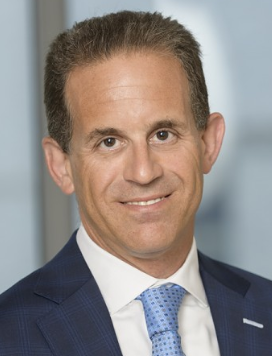 Ross L. Levine合作论文数Memorial Sloan Kettering Cancer Center;Ajax Therapeutics;QIAGEN16Nicole Fernandez合作论文数15Sarah Suehnholz合作论文数15
 Alexander Drilon合作论文数Memorial Sloan Kettering Cancer Center14Stephanie Carrero合作论文数13
 Subhiksha Nandakumar合作论文数Center for Molecular Oncology, Memorial Sloan Kettering Cancer Center13
 Jianjiong Gao合作论文数Mem Sloan Kettering Canc Ctr, 1275 York Ave, New York, NY 10021 USA13Benjamin W. Xu合作论文数11Eder Paraiso合作论文数11Julia E. Rudolph合作论文数11
 Zehir Ahmet合作论文数AstraZeneca11Paul Sabbatini合作论文数Department of Medicine, Memorial Sloan-Kettering Cancer Center11
 Ahmet Dogan合作论文数Memorial Sloan Kettering Cancer Center5
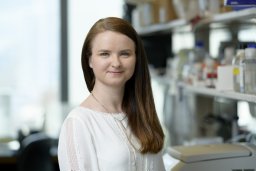 Erika Gedvilaite合作论文数Mem Sloan Kettering Canc Ctr, 1275 York Ave, New York, NY 10021 USA2
 Ino de Bruijn合作论文数School of Biotechnology, KTH Royal Institute of Technology2
 Diana Mandelker合作论文数Diagnostic Molecular Genetics Laboratory, Memorial Sloan Kettering Cancer Center2
 Zsofia K. Stadler合作论文数Niehaus Center, Memorial Sloan-Kettering Cancer Center2Ezra Rosen合作论文数1Allison L. Richards合作论文数1Ciyu Yang合作论文数1
 Anoop Balakrishnan Rema合作论文数Mem Sloan Kettering Canc Ctr, Dept Pathol, 1275 York Ave, New York, NY 10021 USA1
 Walid K Chatila合作论文数Mem Sloan Kettering Canc Ctr, Marie Josee & Henry R Kravis Ctr Mol Oncol, 1275 York Ave, New York, NY 10021 USA1Yirong Li合作论文数1
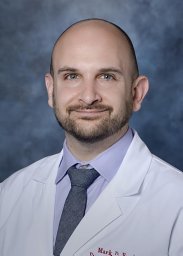 Mark Ewalt合作论文数Dept Pathol & Lab Med, Hematopathol Serv1
 Trevor Pugh合作论文数Department of Medical Biophysics, Temerty Faculty of Medicine, University of Toronto;Princess Margaret Cancer Centre, University Health Network;Translational Genomics Laboratory, Ontario Institute for Cancer Research1
 Michael F. Berger合作论文数Department of Pathology, Memorial Sloan Kettering Cancer Center1Sheehan Margaret合作论文数1Yelena Kemel合作论文数1




