Supplementary Data from An In Vivo CRISPR Screening Platform for Prioritizing Therapeutic Targets in AML
Computational analysis methods for RNAseq, WES, synergy analyse, Masspec information used for phosphoproteomic studies.
AbstractAberrant RAS/MAPK signaling is a common driver of oncogenesis that can be therapeutically targeted with clinically approved MEK inhibitors. Disease progression on single-agent MEK inhibitors is common, however, and combination therapies are typically required to achieve significant clinical benefit in advanced cancers. Here we focused on identifying MEK inhibitor-based combination therapies in neuroblastoma with mutations that activate the RAS/MAPK signaling pathway, which are rare at diagnosis but frequent in relapsed neuroblastoma. A genome-scale CRISPR-Cas9 functional genomic screen was deployed to identify genes that when knocked out sensitize RAS-mutant neuroblastoma to MEK inhibition. Loss of either CCNC or CDK8, two members of the mediator kinase module, sensitized neuroblastoma to MEK inhibition. Furthermore, small-molecule kinase inhibitors of CDK8 improved response to MEK inhibitors in vitro and in vivo in RAS-mutant neuroblastoma and other adult solid tumors. Transcriptional profiling revealed that loss of CDK8 or CCNC antagonized the transcriptional signature induced by MEK inhibition. When combined, loss of CDK8 or CCNC prevented the compensatory upregulation of progrowth gene expression induced by MEK inhibition. These findings propose a new therapeutic combination for RAS-mutant neuroblastoma and may have clinical relevance for other RAS-driven malignancies.Significance:Transcriptional adaptation to MEK inhibition is mediated by CDK8 and can be blocked by the addition of CDK8 inhibitors to improve response to MEK inhibitors in RAS-mutant neuroblastoma, a clinically challenging disease.
Supplementary Data from EP300 Selectively Controls the Enhancer Landscape of MYCN-Amplified Neuroblastoma
Description of the overall representativeness of study participants compared with previously reported studies.
AbstractPurpose: Patients with relapsed or refractory T-cell acute lymphoblastic leukemia (T-ALL) or lymphoblastic lymphoma (T-LBL) have limited therapeutic options. Clinical use of genomic profiling provides an opportunity to identify targetable alterations to inform therapy. Experimental Design: We describe a cohort of 14 pediatric patients with relapsed or refractory T-ALL enrolled on the Leukemia Precision-based Therapy (LEAP) Consortium trial (NCT02670525) and a patient with T-LBL, discovering alterations in platelet-derived growth factor receptor-α (PDGFRA) in 3 of these patients. We identified a novel mutation in PDGFRA, p.D842N, and used an integrated structural modeling and molecular biology approach to characterize mutations at D842 to guide therapeutic targeting. We conducted a preclinical study of avapritinib in a mouse patient-derived xenograft (PDX) model of FIP1L1-PDGFRA and PDGFRA p.D842N leukemia. Results: Two patients with T-ALL in the LEAP cohort (14%) had targetable genomic alterations affecting PDGFRA, a FIP1-like 1 protein/PDGFRA (FIP1L1-PDGFRA) fusion and a novel mutation in PDGFRA, p.D842N. The D842N mutation resulted in PDGFRA activation and sensitivity to tested PDGFRA inhibitors. In a T-ALL PDX model, avapritinib treatment led to decreased leukemia burden, significantly prolonged survival, and even cured a subset of mice. Avapritinib treatment was well tolerated and yielded clinical benefit in a patient with refractory T-ALL. Conclusions: Refractory T-ALL has not been fully characterized. Alterations in PDGFRA or other targetable kinases may inform therapy for patients with refractory T-ALL who otherwise have limited treatment options. Clinical genomic profiling, in real time, is needed for fully informed therapeutic decision making.
Abstract Spleen tyrosine kinase (SYK) is a nonmutated therapeutic target in acute myeloid leukemia (AML). Attempts to exploit SYK therapeutically in AML have shown promising results in combination with chemotherapy, likely reflecting induced mechanisms of resistance to single-agent treatment in vivo. We conducted a genome-scale open reading frame (ORF) resistance screen and identified activation of the RAS–MAPK–ERK pathway as one major mechanism of resistance to SYK inhibitors. This finding was validated in AML cell lines with innate and acquired resistance to SYK inhibitors. Furthermore, patients with AML with select mutations activating these pathways displayed early resistance to SYK inhibition. To circumvent SYK inhibitor therapy resistance in AML, we demonstrate that a MEK and SYK inhibitor combination is synergistic in vitro and in vivo. Our data provide justification for use of ORF screening to identify resistance mechanisms to kinase inhibitor therapy in AML lacking distinct mutations and to direct novel combination-based strategies to abrogate these. Significance: The integration of functional genomic screening with the study of mechanisms of intrinsic and acquired resistance in model systems and human patients identified resistance to SYK inhibitors through MAPK signaling in AML. The dual targeting of SYK and the MAPK pathway offers a combinatorial strategy to overcome this resistance. This article is highlighted in the In This Issue feature, p. 161
Supplementary Figure from Unleashing Cell-Intrinsic Inflammation as a Strategy to Kill AML Blasts
 Kimberly Stegmaier合作论文数Department of Pediatric Oncology, Dana-Farber Cancer Institute and Boston Children's Hospital/Broad Institute55Amy S Conway合作论文数30
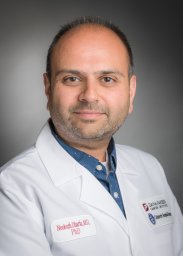 Dharia Neekesh V合作论文数Dept Cell Biol, Scripps Res Inst30Gabriela Alexe合作论文数Department of Pediatric Oncology, Dana-Farber Cancer Institute;Department of Pediatrics, Boston Children's Hospital;Boston University24
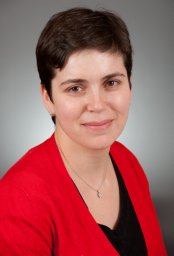 Yana Pikman合作论文数School of Medicine, Harvard University23Piccioni Federica合作论文数21Delan Khalid合作论文数17Nicole Ocasio-Martinez合作论文数16Marian H. Harris合作论文数16Beth Apsel Winger合作论文数15Asmani A Adhav合作论文数15Amy Goodale合作论文数Broad Inst MIT & Harvard, Cambridge, MA 02142 USA15Linda Ross合作论文数15
 Sarah K Tasian合作论文数Div Oncol, Childrens Hosp Philadelphia15
 Giacomo Gotti合作论文数15Cooper Todd M合作论文数15
 Matt Jacobson合作论文数School of Pharmacy, University of California, San Francisco;Nereid Therapeutics;Initial Therapeutics;Nine Square Therapeutics;Apple Tree Partners;Circle Pharma, Inc.;Deep Apple Therapeutics;Apertor Pharmaceuticals;Terremoto Biosciences;Maze Therapeutics;Relay Therapeutics15Magee Jeffrey C合作论文数15Place Andrew E合作论文数15
 Shan Lin合作论文数Cincinnati Children's Hospital Medical Center, Cincinnati Children's Hospital Medical Center15
 Annette S Kim合作论文数Department of Chemistry & Chemical Biology, Harvard University15Neerav Shukla合作论文数15Maria Luisa Sulis合作论文数15
 Michael Burke合作论文数Freeman School of Business, Tulane University;Department of Psychology, School of Science and Engineering, Tulane University14Alexandra B Forman合作论文数13Malone Clare F合作论文数13
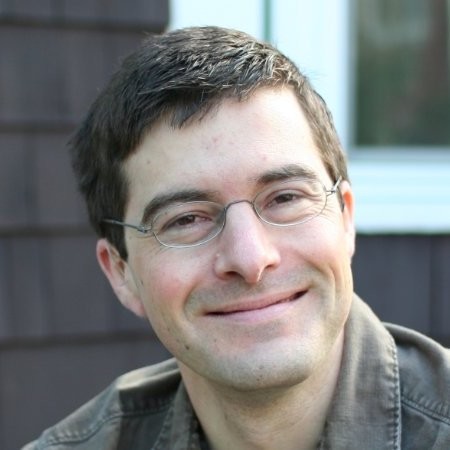 Nathanael S. Gray合作论文数Stanford University;Dana-Farber Cancer Institute;Harvard Medical School12
 Anjali Cremer合作论文数11Boris Dimitrov合作论文数10Miljan Kuljanin合作论文数Dept Radiat Oncol, Dana Farber Canc Inst10
 Francisca Vazquez合作论文数Broad Institute10
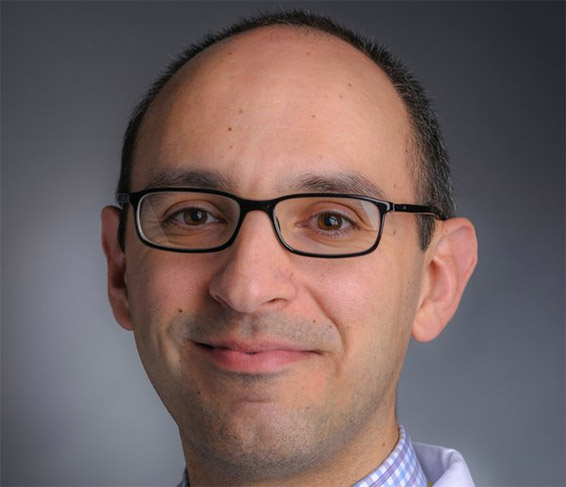 Joseph D. Mancias合作论文数Dana-Farber Cancer Institute;Harvard Medical School10Yen Der Li合作论文数9Amith Vikram Rangarajan合作论文数9Harrison K Tsai合作论文数9Anthony Dilig合作论文数9Angelica Sandoval合作论文数Department of Pharmaceutical Chemistry, University of California9Guillaume Kugener合作论文数9
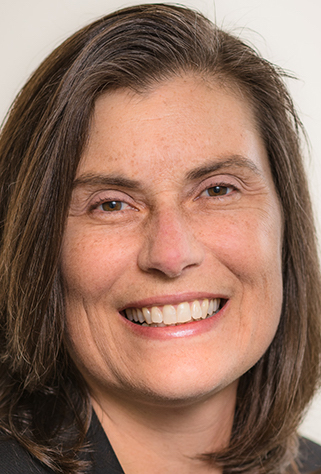 Katherine A. Janeway合作论文数Dana-Farber Cancer Institute;Harvard Medical School9Gillani Riaz合作论文数Division of Engineering and Department of Orthopaedics, Brown University9
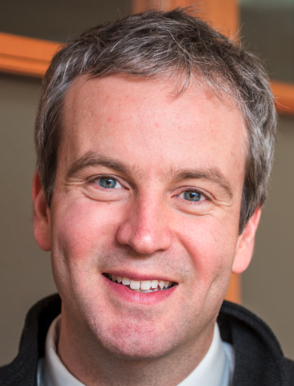 Eliezer Van Allen合作论文数Division of Population Sciences, Dana-Farber Cancer Institute;Harvard Medical School9Cooper Stacy合作论文数9Bledsoe Jacob R合作论文数9
 Petri Polonen合作论文数A.I. Virtanen Institute for Molecular Sciences, University of Eastern Finland;School of Medicine, University of Eastern Finland;University of Eastern Finland, University of Eastern Finland9Tsai Jonathan M合作论文数9Paolino Jonathan合作论文数Division of Cardiovascular Medicine, University of Massachusetts Medical Center9Marlise R. Luskin合作论文数9
 Brenton G. Mar合作论文数Division of Hematology/Oncology, Children’s Hospital9
 Scott T. Younger合作论文数Departments of Pharmacology and Biochemistry, UT Southwestern Medical Center at Dallas9




