This work of creative nonfiction begins with the last days of George Psalmanazar, an eighteenth-century fraud who claimed to be the first native of Formosa (present-day Taiwan) ever to visit Europe. Scholars believe that Psalmanazar's fraudulent account, published in 1705, formed the birth of Taiwan studies in Europe, leading to an explosive scientific, commercial and evangelical interest in the island. The essay traces the entwined histories of camphor, Christianity, and indigeneity on the island in the centuries following Psalmanazar's hoax.
The mitosis to meiosis transition requires dynamic changes in gene expression, but whether and how the mitotic transcriptional machinery is regulated during this transition is unknown. In budding yeast, SBF and MBF transcription factors initiate the mitotic gene expression program. Here, we report two mechanisms that work together to restrict SBF activity during meiotic entry: repression of the SBF-specific Swi4 subunit through LUTI-based regulation and inhibition of SBF by Whi5, a functional homolog of the Rb tumor suppressor. We find that untimely SBF activation causes downregulation of early meiotic genes and delays meiotic entry. These defects are largely driven by the SBF-target G1 cyclins, which block the interaction between the central meiotic regulator Ime1 and its cofactor Ume6. Our study provides insight into the role of SWI4LUTI in establishing the meiotic transcriptional program and demonstrates how the LUTI-based regulation is integrated into a larger regulatory network to ensure timely SBF activity.
Eukaryotic messenger RNAs are extensively decorated with modified nucleotides and the resulting epitranscriptome plays important regulatory roles in cells 1 . Pseudouridine (Ψ) is a modified nucleotide that is prevalent in human mRNAs and can be dynamically regulated 2–5 . However, it is unclear when in their life cycle RNAs become pseudouridylated and what the endogenous functions of mRNA pseudouridylation are. To determine if pseudouridine is added co-transcriptionally, we conducted pseudouridine profiling 2 on chromatin-associated RNA to reveal thousands of intronic pseudouridines in nascent pre-mRNA at locations that are significantly associated with alternatively spliced exons, enriched near splice sites, and overlap hundreds of binding sites for regulatory RNA binding proteins. Multiple distinct pseudouridine synthases with tissue-specific expression pseudouridylate pre-mRNA sites, and genetic manipulation of the predominant pre-mRNA modifying pseudouridine synthases PUS1, PUS7 and RPUSD4 induced widespread changes in alternative splicing in cells, supporting a role for pre-mRNA pseudouridylation in alternative splicing regulation. Consistently, we find that individual pseudouridines identified in cells are sufficient to directly affect splicing in vitro . Together with previously observed effects of artificial pseudouridylation on RNA-RNA 6–8 and RNA-protein 9–11 interactions that are relevant for splicing, our results demonstrate widespread co-transcriptional pre-mRNA pseudouridylation and establish the enormous potential for this RNA modification to control human gene expression.
Many proteins regulate the expression of genes by binding to specific regions encoded in the genome 1 . Here we introduce a new data set of RNA elements in the human genome that are recognized by RNA-binding proteins (RBPs), generated as part of the Encyclopedia of DNA Elements (ENCODE) project phase III. This class of regulatory elements functions only when transcribed into RNA, as they serve as the binding sites for RBPs that control post-transcriptional processes such as splicing, cleavage and polyadenylation, and the editing, localization, stability and translation of mRNAs. We describe the mapping and characterization of RNA elements recognized by a large collection of human RBPs in K562 and HepG2 cells. Integrative analyses using five assays identify RBP binding sites on RNA and chromatin in vivo, the in vitro binding preferences of RBPs, the function of RBP binding sites and the subcellular localization of RBPs, producing 1,223 replicated data sets for 356 RBPs. We describe the spectrum of RBP binding throughout the transcriptome and the connections between these interactions and various aspects of RNA biology, including RNA stability, splicing regulation and RNA localization. These data expand the catalogue of functional elements encoded in the human genome by the addition of a large set of elements that function at the RNA level by interacting with RBPs.
Pseudouridine (Ψ) is a post-transcriptional RNA modification that alters RNA–RNA and RNA–protein interactions that affect gene expression. Messenger RNA pseudouridylation was recently discovered as a widespread and conserved phenomenon, but the mechanisms responsible for selective, regulated pseudouridylation of specific sequences within mRNAs were unknown. Here, we have revealed mRNA targets for five pseudouridine synthases and probed the determinants of mRNA target recognition by the predominant mRNA pseudouridylating enzyme, Pus1, by developing high-throughput kinetic analysis of pseudouridylation in vitro. Combining computational prediction and rational mutational analysis revealed an RNA structural motif that is both necessary and sufficient for mRNA pseudouridylation. Applying this structural context information predicted hundreds of additional mRNA targets that were pseudouridylated in vivo. These results demonstrate a structure-dependent mode of mRNA target recognition by a conserved pseudouridine synthase and implicate modulation of RNA structure as the probable mechanism to regulate mRNA pseudouridylation. An in vitro method was developed to screen mRNA sites for psedouridine modification by specific pseudouridylating enzymes and identify an RNA structural motif for Pus1, which can be used to predict new pseudouridylated mRNA targets in vivo.
RNA binding proteins (RBPs) orchestrate the production, processing, and function of mRNAs. Here, we present the affinity landscapes of 78 human RBPs using an unbiased assay that determines the sequence, structure, and context preferences of these proteins in vitro by deep sequencing of bound RNAs. These data enable construction of "RNA maps" of RBP activity without requiring crosslinking-based assays. We found an unexpectedly low diversity of RNA motifs, implying frequent convergence of binding specificity toward a relatively small set of RNA motifs, many with low compositional complexity. Offsetting this trend, however, we observed extensive preferences for contextual features distinct from short linear RNA motifs, including spaced "bipartite" motifs, biased flanking nucleotide composition, and bias away from or toward RNA structure. Our results emphasize the importance of contextual features in RNA recognition, which likely enable targeting of distinct subsets of transcripts by different RBPs that recognize the same linear motif.
In Caenorhabditis elegans, the dosage compensation complex (DCC) specifically binds to and represses transcription from both X chromosomes in hermaphrodites. The DCC is composed of an X-specific condensin complex that interacts with several proteins. During embryogenesis, DCC starts localizing to the X chromosomes around the 40-cell stage, and is followed by X-enrichment of H4K20me1 between 100-cell to comma stage. Here, we analyzed dosage compensation of the X chromosome between sexes, and the roles of dpy-27 (condensin subunit), dpy-21 (non-condensin DCC member), set-1 (H4K20 monomethylase) and set-4 (H4K20 di-/tri-methylase) in X chromosome repression using mRNA-seq and ChIP-seq analyses across several developmental time points. We found that the DCC starts repressing the X chromosomes by the 40-cell stage, but X-linked transcript levels remain significantly higher in hermaphrodites compared to males through the comma stage of embryogenesis. Dpy-27 and dpy-21 are required for X chromosome repression throughout development, but particularly in early embryos dpy-27 and dpy-21 mutations produced distinct expression changes, suggesting a DCC independent role for dpy-21. We previously hypothesized that the DCC increases H4K20me1 by reducing set-4 activity on the X chromosomes. Accordingly, in the set-4 mutant, H4K20me1 increased more from the autosomes compared to the X, equalizing H4K20me1 level between X and autosomes. H4K20me1 increase on the autosomes led to a slight repression, resulting in a relative effect of X derepression. H4K20me1 depletion in the set-1 mutant showed greater X derepression compared to equalization of H4K20me1 levels between X and autosomes in the set-4 mutant, indicating that H4K20me1 level is important, but X to autosomal balance of H4K20me1 contributes only slightly to X-repression. Thus H4K20me1 by itself is not a downstream effector of the DCC. In summary, X chromosome dosage compensation starts in early embryos as the DCC localizes to the X, and is strengthened in later embryogenesis by H4K20me1.
 Nicole J Lambert合作论文数3
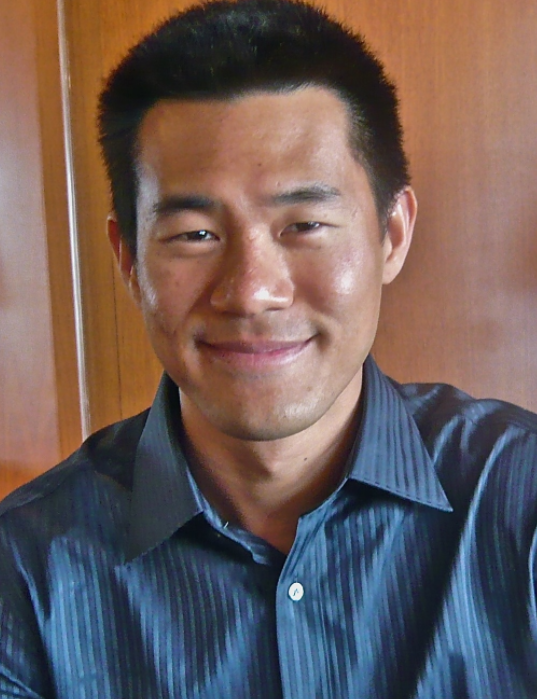 Gene Yeo合作论文数Department of Cellular and Molecular Medicine, University of California San Diego;Department of Bioengineering, University of California San Diego3
 Dominguez Daniel合作论文数University of North Carolina at Chapel Hill3Nicole M. Martinez合作论文数2Myles Hochman合作论文数2Ines Rabano合作论文数2
 Cassandra Schaening Burgos合作论文数2
 Cassandra Bazile合作论文数Department of Biology, Massachusetts Institute of Technology2Tsultrim Palden合作论文数2Peter Freese合作论文数2Shashank Sathe合作论文数Univ Calif San Diego, Dept Cellular & Mol Med, La Jolla, CA 92093 USA2Ruth Wang合作论文数2
 Xiaofeng Wang合作论文数Dana Farber Canc Inst, Dept Pediat Oncol, Boston, MA 02115 USA2Brian A Yee合作论文数2
 Wendy V Gilbert合作论文数Biochemistry, Quantitative Biology, Biophysics, and Structural Biology, Biological & Biomedical Sciences, Yale University2
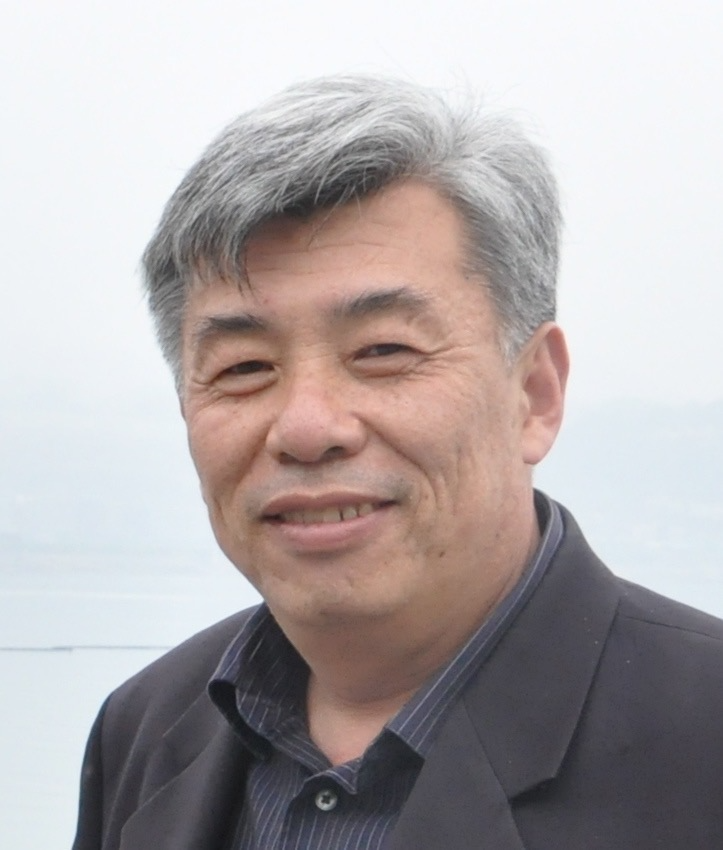 Xiang-Dong Fu (付向东)合作论文数School of Life Sciences, Westlake University2
 Eric L Van Nostrand合作论文数Department of Genetics, Stanford University Medical Center2
 Rui Xiao (肖锐)合作论文数Frontier Science Center for Immunology and Metabolism, Wuhan University2
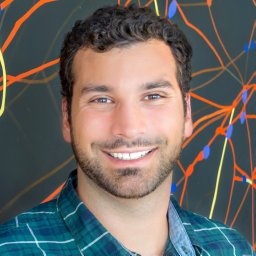 Pratt Gabriel A合作论文数Dept Cellular & Mol Med, Univ Calif San Diego2Lécuyer Eric合作论文数2
 Jiayu Chen (陈嘉瑜)合作论文数School of Life Sciences and Technology, Tongji University2Nguyen Thai B合作论文数From Gene Expression Laboratory (, Salk Institute for Biological Studies;Institute for Genomic Medicine, University of California San Diego;and Hospital Clinic, University of Barcelona;University of Barcelona, University of California San Diego2
 Hai-Ri Li合作论文数2
 Brenton Graveley合作论文数Department of Genetics and Genome Sciences, UConn Health;Institute for Systems Genomics, UConn Health2
 Christopher B. Burge合作论文数Department of Biology, Massachusetts Institute of Technology2Anne N. Harrington合作论文数1
 Jesus Vazquez合作论文数1Yoko Fukuda-Yuzawa合作论文数1Daniel R Chee合作论文数1
 Brian Scott Roberts合作论文数1Shinny Vong合作论文数1Margaret C. Burns合作论文数1Michael Pagan合作论文数1Quan T. Pham合作论文数1Lara Winterkorn合作论文数1Rebecca Stanton合作论文数1Ashley L. Louie合作论文数1Sora Chee合作论文数1
 Stephen Fitzgerald合作论文数1Garcia Keri合作论文数1Ulugbek K Baymuradov合作论文数1Julien Lagarde合作论文数1
 Momoe Kato合作论文数1
 Hao Chen (陈浩)合作论文数Department of Human Cell Biology and Genetics, School of Medicine, Southern University of Science and Technology1
 Michael Robert McGurk合作论文数1Louis Philip Benoit Bouvrette合作论文数1Cassidy Danyko合作论文数1K. Johnson合作论文数1Tyler Garvin合作论文数Cold Spring Harbor Lab1




