ABSTRACTObjectivesThe primary aim of this pragmatic stepped‐wedge cluster RCT was to determine the efficacy of a co‐designed dementia specialist training program (the PITCH program) for home care workers (HCWs) to improve their confidence and knowledge when providing care for clients living with dementia.MethodsHCWs who provided care to clients with dementia were recruited from seven home care service provider organisations in Australia between July 2019 and May 2022, and randomised into one of 18 clusters. The primary outcome was HCW's sense of self‐competence in providing care services to people living with dementia at 6 months post PITCH training measured by the Sense of Competence in Dementia Care Staff (SCIDS) Scale.ResultsTwo hundred and thirteen HCWS completed baseline assessment and almost half (48.4%) completed all three study assessments. HCWs in clusters that received PITCH training had significantly higher sense of competence (measured by SCIDS) than those who had not received PITCH training. Post hoc analysis revealed that face‐to‐face PITCH training consistently resulted in improvements in the HCWs sense of competence, dementia attitudes and knowledge when compared to online training and when compared to no training. PITCH training had no effect on the sense of strain HCWs felt in delivering dementia care.ConclusionsGiven the majority of care for people living with dementia is provided at home by family carers supported by HCWs, it is essential that HCWs receive training that improves their skills in dementia care. This study is an important step towards better care at home for people living with dementia.
OBJECTIVES:Physical activity (PA) can reduce depressive symptoms but has not been tested amongst depressed older caregivers and their care-recipients. The aim of this single-blind randomized controlled trial was to investigate the effect of a 6-month tailored PA program on depressive symptoms in older caregivers. METHOD:Caregivers were included if they had scores of ≥5 on the 15-item geriatric depression scale (GDS-15). Care-recipients could have any type of physical, mental or cognitive condition requiring support. The PA intervention group completed an individualized program based on the Otago-Plus Exercise Program. The primary outcome was improvement in depressive symptoms in caregivers measured at six and 12 months. RESULTS:Two hundred and twelve participants (91 dyads and 30 caregivers only) were randomized using a 3:3:1 ratio to PA intervention, social-control, and usual-care control groups. There were no significant differences in depressive symptoms of the caregivers between the three groups at 6 months or 12 months. However, more than 50% of caregivers in all three groups no longer had a GDS-15 score ≥5 at 6 months. Further analysis revealed that caregivers in the PA group caring for someone with a standardised mini-mental state examination (SMMSE) score ≥24 had significantly less depressive symptoms than those caring for someone with a SMMSE score <24 compared with social-control (p < 0.02) and usual-care groups (p < 0.02). CONCLUSIONS:A PA intervention may be beneficial for some caregivers in reducing symptoms of depression but may not be as beneficial to caregivers of people living with cognitive impairment.
The contributions of genetic variation and the environment to gene expression may change across the lifespan. However, few studies have investigated the heritability of blood gene expression in older adults. The current study therefore aimed to investigate this question in a community sample of older adults. A total of 246 adults (71 MZ and 52 DZ twins, 69.91% females; mean age—75.79 ± 5.44) were studied. Peripheral blood gene expression was assessed using Illumina microarrays. A heritability analysis was performed using structural equation modelling. There were 5269 probes (19.9%) from 4603 unique genes (23.9%) (total 26,537 probes from 19,256 genes) that were significantly heritable (mean h2 = 0.40). A pathway analysis of the top 10% of significant genes showed enrichment for the immune response and ageing-associated genes. In a comparison with two other gene expression twin heritability studies using adults from across the lifespan, there were 38 out of 9479 overlapping genes that were significantly heritable. In conclusion, our study found ~24% of the available genes for analysis were heritable in older adults, with only a small number common across studies that used samples from across adulthood, indicating the importance of examining gene expression in older age groups.
Background: Astrocyte reactivity is an early event along the Alzheimer’s disease (AD) continuum. Plasma glial fibrillary acidic protein (GFAP), posited to reflect astrocyte reactivity, is elevated across the AD continuum from preclinical to dementia stages. Monoamine oxidase-B (MAO-B) is also elevated in reactive astrocytes observed using 18F-SMBT-1 PET in AD. Objective: The objective of this study was to evaluate the association between the abovementioned astrocyte reactivity biomarkers. Methods: Plasma GFAP and Aβ were measured using the Simoa® platform in participants who underwent brain 18F-SMBT-1 and Aβ–PET imaging, comprising 54 healthy control (13 Aβ–PET+ and 41 Aβ–PET–), 11 mild cognitively impaired (3 Aβ–PET+ and 8 Aβ–PET–) and 6 probable AD (5 Aβ–PET+ and 1 Aβ–PET–) individuals. Linear regressions were used to assess associations of interest. Results: Plasma GFAP was associated with 18F-SMBT-1 signal in brain regions prone to early Aβ deposition in AD, such as the supramarginal gyrus (SG), posterior cingulate (PC), lateral temporal (LT) and lateral occipital cortex (LO). After adjusting for age, sex, APOE ɛ4 genotype, and soluble Aβ (plasma Aβ42/40 ratio), plasma GFAP was associated with 18F-SMBT-1 signal in the SG, PC, LT, LO, and superior parietal cortex (SP). On adjusting for age, sex, APOE ɛ4 genotype and insoluble Aβ (Aβ–PET), plasma GFAP was associated with 18F-SMBT-1 signal in the SG. Conclusion: There is an association between plasma GFAP and regional 18F-SMBT-1 PET, and this association appears to be dependent on brain Aβ load.
Objectives Apathy is a common symptom in mild cognitive impairment (MCI) and may predict progression to dementia. Little research, however, has investigated the longitudinal trajectory of apathy in patients with MCI or controlled for depression, which can mimic apathy, when examining its clinical correlates. The current study sought to address these issues. Design A prospective longitudinal study was conducted over 3 years. Setting Nine memory clinics around Australia Participants One hundred and eighty-five patients with MCI at baseline. Measurements Measures of cognition, function, neuropsychiatric symptoms, caregiver burden, and medication use were completed annually with additional assessments at 3 and 6 months. Patients were also assessed for dementia by expert clinicians at these time points. Results Of 164 patients who completed measures of neuropsychiatric symptoms, 59 (36.0%) had apathy and 61 (37.2%) had depression. The proportion affected by apathy and overall apathy scores increased over time, in contrast to measures of depression, which remained relatively stable. Apathy was associated with incident dementia and worse cognition, function, neuropsychiatric symptoms, and caregiver burden independent of both depression and incident dementia. Depression was associated with worse function, albeit to lesser degree than apathy, and neuropsychiatric symptoms. Conclusions Apathy increases in MCI and is associated with worse clinical outcomes. These findings provide further evidence for apathy as a marker of clinical decline in older people and poorer outcomes across neurocognitive disorders.
Background Prior work suggests that higher fruit and vegetable consumption may protect against depression in older adults. Better understanding of the influence of genetic and environmental factors on fruit and vegetable intakes may lead to the design of more effective dietary strategies to increase intakes. In turn this may reduce the occurrence of depression in older adults. Objectives The primary aim of this study is to estimate the genetic and environmental influences on the consumption of fruit and vegetables in older adults. The secondary aim is an exploratory analysis into possible shared genetic influences on fruit and vegetable intakes and depression. Methods Analysis of observational data from 374 twins (67.1% female; 208 monozygotic (MZ); 166 dizygotic (DZ)) aged ≥ 65 years drawn from the Older Australian Twins Study. Dietary data were obtained using a validated food frequency questionnaire and depressive symptoms were measured using the 15-item short form Geriatric Depression Scale. The contribution of genetic and environmental influences on fruit and vegetable intake were estimated by comparing MZ and DZ twin intakes using structural equation modelling. A tri-variate twin model was used to estimate the genetic and environmental correlation between total fruit and vegetable intakes and depression. Results In this study, vegetable intake was moderately influenced by genetics (0.39 95%CI 0.22, 0.54). Heritability was highest for brassica vegetables (0.40 95%CI 0.24, 0.54). Overall fruit intake was not significantly heritable. No significant genetic correlations were detected between fruit and vegetable intake and depressive symptoms. Conclusions Vegetable consumption, particularly bitter tasting brassica vegetables, was significantly influenced by genetics, although environmental influences were also apparent. Consumption of fruit was only influenced by the environment, with no genetic influence detected, suggesting strategies targeting the food environment may be particularly effective for encouraging fruit consumption.
INTRODUCTION:The current study evaluated the relationship between habitual physical activity (PA) levels and brain amyloid beta (Aβ) over 15 years in a cohort of cognitively unimpaired older adults. METHODS:PA and Aβ measures were collected over multiple timepoints from 731 cognitively unimpaired older adults participating in the Australian Imaging, Biomarkers and Lifestyle (AIBL) Study of Aging. Regression modeling examined cross-sectional and longitudinal relationships between PA and brain Aβ. Moderation analyses examined apolipoprotein E (APOE) ε4 carriage impact on the PA-Aβ relationship. RESULTS:PA was not associated with brain Aβ at baseline (β = -0.001, p = 0.72) or over time (β = -0.26, p = 0.24). APOE ε4 status did not moderate the PA-Aβ relationship over time (β = 0.12, p = 0.73). Brain Aβ levels did not predict PA trajectory (β = -54.26, p = 0.59). DISCUSSION:Our study did not identify a relationship between habitual PA and brain Aβ levels. HIGHLIGHTS:Physical activity levels did not predict brain amyloid beta (Aβ) levels over time in cognitively unimpaired older adults (≥60 years of age). Apolipoprotein E (APOE) ε4 carrier status did not moderate the physical activity-brain Aβ relationship over time. Physical activity trajectories were not impacted by brain Aβ levels.
The NHMRC-funded Promoting Independence Through quality Care at Home (PITCH) project aimed to improve outcomes for people living with dementia and their paid and family carers via an evidence-based dementia specialist training program for home care workers (HCWs). PITCH training was co-designed with HCWs, family carers and people with dementia, consisting of 2×3.5 hour sessions, delivered face to face (F2F) or on-line. Stepped-wedge cluster RCT including 18 home care services in rural and urban VIC, NSW, and SA cluster-randomised into one of two arms. Data collection from 18 July 2019 to 12 May 2022. Analyses included linear mixed models with intention to treat. N = 213 HCWs completed baseline measures, N = 144 completed 6-month follow-ups, and N = 120 completed 12-month follow-ups. 172 HCWs completed the training program. N = 148 (86%) completed all training sessions; N = 81 F2F and 67 online. HCWs' Sense of Competency in Dementia Care Staff (SCIDS) was higher after training (p = 0.04). This was driven by F2F training: SCIDS for HCWs completing F2F training was higher vs no training (p = 0.003) and online training (p = 0.015). There was no difference between online training and no training (control condition). Overall, HCW scores on the Dementia Attitudes Scale (DAS) showed no difference between training and no training. However, F2F training was associated with higher DAS compared to no training (p = 0.05) and online training (p = 0.05). Training improved scores on the Dementia Knowledge Assessment Scale (DKAS, p = 0.03). This was also driven by F2F training (F2F vs no training p = 0.024; F2F vs online p = 0.026). There was no difference between online training and no training for DAS and DKAS. Training had no effect on Strain in Dementia Care Scale (SDCS) scores. Receiving F2F PITCH training improved dementia attitudes, dementia knowledge, and sense of competence in delivering dementia care for HCWs versus no training and online training. The HCW workforce has unique challenges to accessing and completing training and education to deliver evidence-based dementia care. Minimising these challenges is critical to the delivery of quality home care. PITCH training now has evidence for its efficacy but only when delivered face-to-face.
Plasma amyloid-β (Aβ) 1-42/Aβ1-40 ratio, phosphorylated-tau181 (p-tau181), glial fibrillary acidic protein (GFAP) and neurofilament light (NFL) are putative blood-based biomarkers for Alzheimer’s disease (AD). However, head-to-head comparisons of the afore-mentioned biomarkers across the AD continuum are lacking. Plasma Aβ1-42, Aβ1-40, p-tau181, GFAP and NFL were measured using the Single Molecule Array platform and compared cross-sectionally in models with and without AD risk factors (age, sex and APOE ε4 status) across the AD continuum in Aβ PET positive confirmed participants (CU Aβ+, n = 39; MCI Aβ+, n = 33; AD Aβ+, n = 46) and Aβ PET negative confirmed participants (CU Aβ-, n = 81; MCI Aβ-, n = 26) from the Australian Imaging, Biomarker & Lifestyle Flagship Study of Ageing (AIBL) cohort. Area under the receiver operating characteristic curves (AUCs) for predicting Aβ PET-/+ status were compared using DeLong test. Associations between plasma biomarker levels at baseline and prospective cognitive decline (CDR-SOB) and brain Aβ load were also assessed. Lower plasma Aβ1-42/Aβ1-40 ratio and higher p-tau181 and GFAP were observed in preclinical AD (Aβ1-42/Aβ1-40 ratio: ∼19%; p-tau181: ∼70%; GFAP: ∼52%), prodromal AD (Aβ1-42/Aβ1-40 ratio: ∼14%; p-tau181: ∼69%; GFAP: ∼45%) and AD (Aβ1-42/Aβ1-40 ratio: ∼16%; p-tau181: ∼91%; GFAP: ∼85%), and higher plasma NFL was observed in prodromal AD (∼27%) and AD (∼45%) (Figure 1). Based on the AUCs, p-tau181 performed equivalent to or better than (≥) other biomarkers, in predicting Aβ PET-/+ status across the AD continuum (p-tau AUCs for CU Aβ- vs CU Aβ+ ∼81%/ MCI Aβ+ ∼86%/ AD ∼92%). A biomarker panel of Aβ1-42/Aβ1-40 ratio, p-tau181 and GFAP performed ≥ the biomarkers alone in predicting Aβ PET-/+ status across the AD continuum (biomarker panel AUCs for CU Aβ- vs CU Aβ+ 90%/ MCI Aβ+ 89%/ AD 96%). Higher p-tau181 (β = 0.531, p = 3.18E-08), GFAP (β = 0.530, p = 5.07E-08) and NFL (β = 0.487, p = 4.76E-06) were associated with cognitive decline prospectively and lower plasma Aβ1-42/Aβ1-40 ratio (β = -6.035, p = 1.56E-04) and higher p-tau181 (β = 2.823, p = 4.72E-05) and GFAP (β = 2.075, p = 0.003) were associated with increased Aβ PET load prospectively. These findings suggest that plasma biomarkers are altered across the AD continuum and are associated with cognitive decline and increased brain Aβ load prospectively.
Background & aims: Dietary nitrate improves cardiovascular health via a nitric oxide (NO) pathway. NO is key to both cardiovascular and brain health. There is also a strong association between vascular risk factors and brain health. Dietary nitrate intake could therefore be associated with better cognitive function and reduced risk of cognitive decline. This is yet to be investigated. The aim of this study was to investigate the association between habitual intake of dietary nitrate from sources where nitrate is naturally present, and cognitive function, and cognitive decline, in the presence or absence of the apolipoprotein E (APOE) & epsilon;4 allele.Methods: The study included 1254 older adult participants of the Australian Imaging, Biomarkers and Lifestyle Study of Ageing who were cognitively normal at baseline. Plant-derived, vegetable-derived, animal derived nitrate (not including meat where nitrate is an allowed additive), and total nitrate intakes were calculated from baseline food frequency questionnaires using comprehensive nitrate databases. Cognition was assessed at baseline and every 18 months over a follow-up period of 126 months using a comprehensive neuropsychological test battery. Multivariable-adjusted linear mixed effect models were used to examine the association between baseline nitrate intake and cognition over the 126 months (median [IQR] follow-up time of 36 [18-72] months), stratified by APOE & epsilon;4 carrier status.Results: In non APOE & epsilon;4 carriers, for every 60 mg/day higher intake of plant-derived nitrate at baseline there was an associated higher language score [b (95% CI): 0.10 (0.01, 0.19)] over 126 months, after multivariable adjustments. In APOE e4 carriers, there was an associated better episodic recall memory [0.24 (0.08, 0.41)] and recognition memory [0.15 (0.01, 0.30)] scores. Similar associations were seen for the intakes of vegetable-derived and total nitrate. Additionally, in APOE e4 carriers, for every 6 mg/day higher intake of animal-derived nitrate (excluding meat with nitrate as an allowed additive) at baseline there was an associated higher executive function score [b (95% CI): 1.41 (0.42, 2.39)]. We did not find any evidence of an association between dietary nitrate intake and rate of cognitive decline.Conclusion: Our results suggest that habitual intake of dietary nitrate from sources where nitrate is naturally present impacts cognitive performance in an APOE genotype contingent manner. Further work is needed to validate our findings and understand potential mechanisms underlying the observed effects.& COPY; 2023 The Author(s). Published by Elsevier Ltd. This is an open access article under the CC BY-NC-ND license (http://creativecommons.org/licenses/by-nc-nd/4.0/).
Mid-life obesity is linked with increased risk for late-life dementia, however relationships between later-life body composition and dementia are less clear. Using a combined cohort from two major observational studies (AIBL and ADNI) and categorising Body Mass Index (BMI) according to WHO criteria, we computed multivariable linear mixed-effects models to determine association between BMI category and outcomes: brain beta-amyloid PET quantification (centiloid); MRI (global, hippocampal and white matter hyperintensity volume); and cognition (PACC [preclinical Alzheimer cognitive composite], composite scores for attention, executive function and episodic memory). All models were adjusted by covariables age, gender, education, APOE ε4, and study (AIBL/ADNI). The cohort included 4,668 observations from 2,828 individuals (49.4% male, mean age 73.8 years, 38.2% APOE ε4 carriage, 61.8% normal cognition [NC], 25.6% Mild Cognitive Impairment [MCI], 12.6% dementia due to Alzheimer’s disease). The average BMI was 26.8 kg/m 2 (0.6% underweight, 37.7% normal-range, 41.7% overweight, 20.0% obese [BMI <18, 18-25, 25-30 and >30 kg/m 2 , respectively]). Relative to normal-range BMI, those with overweight-or-obese range BMI had a significant negative association with PET centiloid level, beta = -0.150 (0.037 se) and -0.309 (0.042), respectively (i.e. greater BMI had lower amyloid level). This remained significant for obese-range BMI in fully-adjusted models when restricted to only NC participants. Also, obesity was associated with greater hippocampal volume, beta = 0.192 (0.046), but this was not significant when restricted to NC only. Associations with total grey matter/cortical volume and white matter hyperintensities were not significant. Obese-range BMI was associated with stronger performance on attention and episodic memory composites, but not for PACC and executive function. For NC-only, there was only significant negative association between obesity and attention performance. In multivariate analyses, neither obesity category nor BMI were associated with longitudinal change in cognitive scores. Presence of obesity in later life was associated with lower brain amyloid levels and less hippocampal atrophy in a mixed cohort including older adults with dementia, mild cognitive impairment and normal cognition. While mid-life obesity is associated greater risk for AD, later life associations appear influenced by weight loss with emerging dementia.
BACKGROUND:Carriers of the 1q21.1 distal and 15q11.2 BP1-BP2 copy number variants exhibit regional and global brain differences compared with noncarriers. However, interpreting regional differences is challenging if a global difference drives the regional brain differences. Intraindividual variability measures can be used to test for regional differences beyond global differences in brain structure. METHODS:Magnetic resonance imaging data were used to obtain regional brain values for 1q21.1 distal deletion (n = 30) and duplication (n = 27) and 15q11.2 BP1-BP2 deletion (n = 170) and duplication (n = 243) carriers and matched noncarriers (n = 2350). Regional intra-deviation scores, i.e., the standardized difference between an individual's regional difference and global difference, were used to test for regional differences that diverge from the global difference. RESULTS:For the 1q21.1 distal deletion carriers, cortical surface area for regions in the medial visual cortex, posterior cingulate, and temporal pole differed less and regions in the prefrontal and superior temporal cortex differed more than the global difference in cortical surface area. For the 15q11.2 BP1-BP2 deletion carriers, cortical thickness in regions in the medial visual cortex, auditory cortex, and temporal pole differed less and the prefrontal and somatosensory cortex differed more than the global difference in cortical thickness. CONCLUSIONS:We find evidence for regional effects beyond differences in global brain measures in 1q21.1 distal and 15q11.2 BP1-BP2 copy number variants. The results provide new insight into brain profiling of the 1q21.1 distal and 15q11.2 BP1-BP2 copy number variants, with the potential to increase understanding of the mechanisms involved in altered neurodevelopment.
INTRODUCTION:The current study investigated the association between objectively measured physical activity and cognition in older adults over approximately 8 years.METHODS:We utilized data from 199 cognitively unimpaired individuals from the Australian Imaging, Biomarkers and Lifestyle (AIBL) study, aged ≥60. Actigraphy was used to measure physical activity (intensity, total activity, and energy expenditure) at baseline. Cognition was assessed using a comprehensive cognitive battery every 18-months.RESULTS:Higher baseline energy expenditure predicted better episodic recall memory and global cognition over the follow-up period (p = 0.031; p = 0.047, respectively). Those with higher physical activity intensity and greater total activity also had better global cognition over time (both p = 0.005). Finally, higher total physical activity predicted improved episodic recall memory over time (p = 0.022).DISCUSSION:These results suggest that physical activity can preserve cognition and that activity intensity may play an important role in this association.HIGHLIGHTS:Greater total physical activity predicts preserved episodic memory and global cognition. Moderate intensity physical activity (>3.7 metabolic equivalents of task [MET]) predicts preserved global cognition. Expending > 373 kilocalories per day may benefit episodic memory and global cognition.
Background: Lifestyle factors such as physical activity and optimal sleep are associated with better cognition and lower levels of Alzheimer's disease (AD) biomarkers, including brain beta-amyloid (A beta) burden. Objective: We utilised cross-sectional data from the Australian Imaging, Biomarkers and Lifestyle (AIBL) study to determine whether self-reported physical activity (measured via the International Physical Activity Question-naire) moderates the relationship between self-reported sleep (measured via the Pittsburgh Sleep Quality Index), cognition, and brain A beta. Methods: Participants were 349 community-dwelling cognitively normal older adults (75.3 +/- 5.7 years), all of whom underwent comprehensive cognitive assessment. Data from a subset of participants (n = 201) were used for analyses with brain A beta burden (measured by positron emission tomography) as the outcome. Result: Physical activity moderated the relationship between sleep duration and episodic memory (beta =-0.10, SE =0.03, p = .005), and sleep efficiency and episodic memory (beta =-0.09, SE =0.04, p = .011), such that greater amounts of physical activity mitigated the impact of suboptimal sleep duration and efficiency on episodic memory. Physical activity also moderated the relationship between sleep duration and brain A beta (beta =-0.13, SE =0.06, p = .031), and overall sleep quality and brain A beta (beta = 0.13, SE =0.06, p = .027). Conclusion: Our findings suggest that physical activity may play an important role in the relationship between sleep and cognitive function, and brain A beta.
The apolipoprotein E gene (APOE) genotype is the first and strongest genetic risk factor for late-onset Alzheimer’s disease and has emerged as a novel therapeutic target for AD. The encoded protein (Apolipoprotein E, APOE) is well-known to be involved in lipoprotein transport and metabolism, but its effect on lipid metabolic pathways and the potential mediating effect of these on disease risk have not been fully defined. We performed lipidomic analysis on three independent cohorts (AIBL, n = 693; ADNI, n=207; BHS, n=4,384) and defined the association between APOE polymorphisms (ε4 and ε2) and plasma lipid species. To identify associations independent of lipoprotein metabolism, the analyses was performed with adjustment for clinical lipids (total cholesterol, HDL-C and triglycerides). Causal mediation analysis was performed to estimate the proportion of risk in the outcome model explained by a direct effect of APOE genotype on prevalent AD — the average direct effect (ADE) — and the proportion that was mediated by lipid species or lipidomic risk models — the average causal mediation effect (ACME). We identified multiple associations of species from lipid classes such as ceramide, hexosylceramide, sphingomyelin, plasmalogens, alkyldiacylglycerol and cholesteryl esters with APOE polymorphisms (ε4 and ε2) that were independent of clinical lipoprotein measurements. There were 104 and 237 lipid species associated with APOE ε4 and ε2 respectively which were largely discordant. Of these 116 were also associated with Alzheimer’s disease. Individual lipid species (notably the alkyldiacylglycerol subspecies) or lipidomic risk models of APOE genotypes mediated up to 10% and 30% of APOE ε4 and ε2 treatment effect on AD risks respectively. We demonstrate a strong relationship between APOE polymorphisms and peripheral lipid species. Lipids species mediate a proportion of the effects of APOE genotypes in risk of AD, particularly resilience with e2. Our results highlight the involvement of lipids in how APOE e2 mediates its resilience to AD and solidify their involvement with the disease pathway.
The Australian Imaging, Biomarkers and Lifestyle (AIBL) Study is a prospective study collecting extensive cognitive, clinical, fluid, and imaging biomarkers data from older adults living in Australia. Integration of outcomes between large prospective studies of AD will provide greater precision in models of AD brain-behavior relationships, so it is important to align composite scores for cognitive domains between such studies. Detailed methods for AIBL, the Alzheimer’s Disease Neuroimaging Initiative (ADNI) and the National Alzheimer’s Coordinating Center (NACC) have been published. Briefly, AIBL participants had cognition assessed with an extensive neuropsychological test battery alongside health and biomarker assessments at entry and each 18-months thereafter. Granular-level cognitive data were obtained and an expert panel of two neuropsychologists and a behavioral neurologist categorized each element as assessing memory, executive functioning, language, visuospatial, or none of these, exactly as we have done previously. We also identified elements we had previously calibrated from other studies; after careful quality control and confirmation these served as anchors enabling co-calibration. We used confirmatory factor analysis bi-factor models to calibrate the AIBL battery with other studies. We used those calibrations to obtain co-calibrated scores for all AIBL participants at every study visit. Here we show descriptive statistics for baseline visits, separately by diagnosis (normal cognition, mild cognitive impairment (MCI), dementia) for two enrollment waves for AIBL as well as for each phase of ADNI and across the Uniform Data Set (UDS) 1 & 2 (UDS1/2) and UDS3 time periods for NACC. Box plots for memory, executive functioning, language, and visuospatial for people with normal cognition are in Figure 1, MCI in Figure 2 , and dementia in Figure 3 . These figures show there is substantial cognitive variation across waves within these disease stage groups and across studies. Co-calibrated neuropsychological domain scores provide a common metric for integrating cognitive data across studies. Co-calibrated scores aggregated across large prospective AD studies such as AIBL, ADNI, and NACC provide a foundation for large-scale models of the development of AD and can serve as phenotypes for genetics studies. Co-calibrated scores are available from AIBL, ADNI, and from NACC.
Healthy metabolic measures in humans are associated with longevity. Dysregulation leads to metabolic syndrome (MetS) and negative health outcomes. Recent exceptional longevity (EL) genome wide association studies have facilitated estimation of an individual’s polygenic risk score (PRS) for EL. We tested the hypothesis that individuals with high ELPRS have a low prevalence of MetS. Participants were from five cohorts of middle-aged to older adults. The primary analyses were performed in the UK Biobank (UKBB) (n = 407,800, 40–69 years). Replication analyses were undertaken using three Australian studies: Hunter Community Study (n = 2122, 55–85 years), Older Australian Twins Study (n = 539, 65–90 years) and Sydney Memory and Ageing Study (n = 925, 70–90 years), as well as the Swedish Gothenburg H70 Birth Cohort Studies (n = 2273, 70–93 years). MetS was defined using established criteria. Regressions and meta-analyses were performed with the ELPRS and MetS and its components. Generally, MetS prevalence (22–30
IntroductionFatty acid-binding protein 3 (FABP3) is a biomarker of neuronal membrane disruption, associated with lipid dyshomeostasis-a notable Alzheimer's disease (AD) pathophysiological change. We assessed the association of cerebrospinal fluid (CSF) FABP3 levels with brain amyloidosis and the likelihood/risk of developing amyloidopathy in cognitively healthy individuals. MethodsFABP3 levels were measured in CSF samples of cognitively healthy participants, > 60 years of age (n = 142), from the Australian Imaging, Biomarkers & Lifestyle Flagship Study of Ageing (AIBL). ResultsFABP3 levels were positively associated with baseline brain amyloid beta (A beta) load as measured by standardized uptake value ratio (SUVR, standardized beta = 0.22, P = .009) and predicted the change in brain A beta load (standardized beta = 0.32, P = .004). Higher levels of CSF FABP3 (above median) were associated with a likelihood of amyloidopathy (odds ratio [OR] 2.28, 95% confidence interval [CI] 1.12 to 4.65, P = .023). DiscussionThese results support inclusion of CSF FABP3 as a biomarker in risk-prediction models of AD.
Reactive astrogliosis is an early event along the Alzheimer’s disease (AD) continuum. We have shown that plasma glial fibrillary acidic protein (GFAP), reflecting reactive astrogliosis, is elevated in cognitively unimpaired individuals with preclinical AD (Chatterjee et al., 2021). We reported similar findings using 18F‐SMBT‐1, a PET tracer for monoamine oxidase B (MAO‐B) (Villemagne et al., 2022). To provide further evidence of their relationship with reactive astrogliosis we investigated the association between GFAP and 18F‐SMBT‐1 in the same participants.
INTRODUCTION:The apolipoprotein E (APOE) genotype is the strongest genetic risk factor for late-onset Alzheimer's disease. However, its effect on lipid metabolic pathways, and their mediating effect on disease risk, is poorly understood.METHODS:We performed lipidomic analysis on three independent cohorts (the Australian Imaging, Biomarkers and Lifestyle [AIBL] flagship study, n = 1087; the Alzheimer's Disease Neuroimaging Initiative [ADNI] 1 study, n = 819; and the Busselton Health Study [BHS], n = 4384), and we defined associations between APOE ε2 and ε4 and 569 plasma/serum lipid species. Mediation analysis defined the proportion of the treatment effect of the APOE genotype mediated by plasma/serum lipid species.RESULTS:A total of 237 and 104 lipid species were associated with APOE ε2 and ε4, respectively. Of these 68 (ε2) and 24 (ε4) were associated with prevalent Alzheimer's disease. Individual lipid species or lipidomic models of APOE genotypes mediated up to 30% and 10% of APOE ε2 and ε4 treatment effect, respectively.DISCUSSION:Plasma lipid species mediate the treatment effect of APOE genotypes on Alzheimer's disease and as such represent a potential therapeutic target.
 Colin Masters合作论文数Florey Institute of Neuroscience and Mental Health364
 Christopher Rowe合作论文数Florey Department of Neuroscience and Mental Health, University of Melbourne328
 Ralph Martins合作论文数Centre of Excellence for Alzheimer's Disease Research and Care, School of Medical and Health Sciences, Edith Cowan University;Centre for Ageing,Cognition,and Wellbeing, Macquarie Medical School, Macquarie University288
 Victor L Villemagne合作论文数Department of Psychiatry, University of Pittsburgh274
 Kathryn Ellis合作论文数Department of Psychiatry, The University of Melbourne229
 Paul Maruff合作论文数Division of Medicine, Dentistry and Health Sciences, University of Melbourne;Florey Institute of Neuroscience and Mental Health;Cogstate153
 Olivier Salvado合作论文数141
 Cassandra Szoeke合作论文数Monash Centre for Health Research & Implementation, Faculty of Medicine, Nursing and Health Sciences, School of Clinical Sciences at Monash Health, Monash University;Australasian Institute of Digital Health;Victoria University;Platinum Medicolegal;Medical Panels130
 Pierrick Bourgeat合作论文数Biomedical Informatics Group, CSIRO eHealth Research Centre119
 Stephanie Rainey-Smith合作论文数Centre for Healthy Ageing, Health Futures Institute, Murdoch University;Alzheimers Research Australia111
 Simon M Laws合作论文数Sir James McCusker Alzheimer's Disease Research Unit, Hollywood Private Hospital105
 Ashley Bush合作论文数Florey Department of Neuroscience and Mental Health, Faculty of Medicine, Dentistry and Health Sciences, University of Melbourne;Oxidation Biology Unit, Florey Institute of Neuroscience and Mental Health, University of Melbourne;Massachusetts General Hospital;HealthSpan Therapeutics LLC;Delmont Memory Clinic90
 S. Lance Macaulay合作论文数Preventative Health Flagship CSIRO Molecular and Health Technologies87
 Yen Ying Lim合作论文数Turner Institute for Brain and Mental Health, School of Psychological Sciences, Monash University75
 Vincent Dore合作论文数69
 Henry Brodaty合作论文数School of Psychiatry, University of New South Wales;Prince of Wales Hospital68
 Jurgen Fripp合作论文数CSIRO;The Australian E-Health Research Centre68
 Greg Savage合作论文数Macquarie University68
 Nicola Lautenschlager合作论文数Faculty of Medicine, University of Melbourne66Kevin Taddei合作论文数Edith Cowan University63
 Samantha Burnham合作论文数Eli Lilly and Company54
 Doecke James D合作论文数Australian E Hlth Res Ctr, CSIRO Hlth & Biosecur48
 Brown Belinda M合作论文数School of Medical Sciences, Edith Cowan University;The McCusker Alzheimer's Research Foundation Nedlands;School of Medical Sciences, Edith Cowan University47
 Christopher Fowler合作论文数Umea Universitet46
 Harrington Karra合作论文数The Florey Institute of Neuroscience and Mental Health, The University of Melbourne45Rembach Alan合作论文数43
 Perminder Sachdev合作论文数Centre for Healthy Brain Ageing, Faculty of Medicine & Health, The University of New South Wales;School of Psychology, The University of Queensland;Garvan Institute of Medical Research42Patricia Desmond合作论文数Department of Radiology, Melbourne Medical School, Faculty of Medicine, Dentistry and Health Sciences, The University of Melbourne39Michael C Woodward合作论文数37
 Margie Wright合作论文数Queensland Brain Institute, The University of Queensland36
 Robert Pietrzak合作论文数Department of Psychiatry, Yale School of Medicine36
 Veer Bala Gupta合作论文数School of Exercise, Edith Cowan University34
 Kerryn E Pike合作论文数The Mental Health Research Institute of Victoria34Anbu Thalamuthu合作论文数School of Psychiatry, Faculty of Medicine, The University of New South Wales33
 Julian Norman Trollor合作论文数School of Psychiatry, Faculty of Medicine, The University of New South Wales32
 Karen A. Mather合作论文数School of Psychiatry, University New South Wales31
 Elizabeth V Cyarto合作论文数29
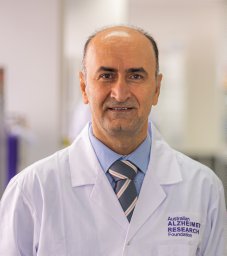 Hamid R. Sohrabi合作论文数School of Psychiatry and Clinical Neuroscience, University of Western Australia29
 Parnesh Raniga合作论文数CSIRO ICT Centre28
 Kay L Cox合作论文数28
 Leon Flicker合作论文数Medical School, University of Western Australia;Western Australian Centre for Health and Ageing, University of Western Australia27
 Wei Wen合作论文数Centre for Healthy Brain Ageing, School of Psychiatry, University of New South Wales27
 Faux Noel G合作论文数Mental Hlth Res Inst, Univ Melbourne26
 Tenielle Porter合作论文数26
 Nicola J Armstrong合作论文数Division of Molecular Biology, Netherlands Cancer Institute26David Darby合作论文数24Robertson Joanne合作论文数24
 Peter R Schofield合作论文数National Drug & Alcohol Research Centre, School of Medicine & Health, University of New South Wales;Neuroscience Research Australia24
 Paul A. Yates合作论文数From the Department of Nuclear Medicine and Centre for PET (P.A.Y., V.L.V., C.C.R.),, Austin Health;The University of Melbourne;Department of Radiology, Royal Melbourne Hospital;National Ageing Research Institute (D.A.), Parkville;CSIRO Preventative Health Flagship (O.S.),;Florey Institute of Neuroscience and Mental Health (K.A.E., C.L.M., V.L.V.),, The University of Melbourne;Department of Psychiatry, The University of Melbourne;School of Exercise, Biomedical and Health Sciences, Edith Cowan University;The University of Melbourne, Edith Cowan University23




