Posttraumatic stress disorder (PTSD) and generalized anxiety disorder (GAD) are debilitating psychiatric disorders. While treatments are often effective, many patients do not adequately respond or experience significant side effects. Transcranial magnetic stimulation (TMS) is an emerging approach for treating PTSD and GAD. Several randomized clinical trials have demonstrated that TMS over the dorsolateral prefrontal cortex may be efficacious in reducing psychiatric symptoms; however, results are inconsistent regarding whether any parameter or treatment paradigm is superior. Other RCTs have targeted novel brain regions using newer TMS modalities. Combining TMS with psychotherapy may augment response in patients with PTSD, yet results are inconclusive. Little research has been done on TMS in combination with psychotherapy for GAD, indicating a need for further investigation. Future studies may assess TMS parameter optimization for enhancing effectiveness and improving therapeutic response duration. Identifying response biomarkers through functional magnetic resonance imaging and electroencephalography may offer a means to predict and monitor clinical response as precision methods to improve treatment response.
Inappropriate inhibitory responses heighten impulsivity, detrimentally impacting social, affective, and cognitive performance. Stimulants, though addressing impulsivity, present challenges like tachyphylaxis and side effects, like dependence and abuse risks. Intermittent Theta Burst Stimulation (iTBS) is a promising strategy for modulating inhibitory neuronal networks. However, the optimal target remains unclear, with right IFG and left DLPFC being the most studied without clear evidence of a predominant response between them. Given widespread inhibitory control deficits in neuropsychiatric disorders and their therapeutic challenges, our pilot study explores potential ideal cortical targets for enhancing inhibitory control.
Repetitive transcranial magnetic stimulation (rTMS) is an established treatment for major depressive disorder (MDD) and shows promise for posttraumatic stress disorder (PTSD), yet effectiveness varies. Electroencephalography (EEG) can identify rTMS-associated brain changes. EEG oscillations are often examined using averaging approaches that mask finer time-scale dynamics. Recent advances show some brain oscillations emerge as transient increases in power, a phenomenon termed "Spectral Events," and that event characteristics correspond with cognitive functions. We applied Spectral Event analyses to identify potential EEG biomarkers of effective rTMS treatment. Resting 8-electrode EEG was collected from 23 patients with MDD and PTSD before and after 5Hz rTMS targeting the left dorsolateral prefrontal cortex. Using an open-source toolbox ( https://github.com/jonescompneurolab/SpectralEvents ), we quantified event features and tested for treatment associated changes. Spectral Events in delta/theta (1-6 Hz), alpha (7-14 Hz), and beta (15-29 Hz) bands occurred in all patients. rTMS-induced improvement in comorbid MDD PTSD were associated with pre-to post-treatment changes in fronto-central electrode beta event features, including frontal beta event frequency spans and durations, and central beta event maxima power. Furthermore, frontal pre-treatment beta event duration correlated negatively with MDD symptom improvement. Beta events may provide new biomarkers of clinical response and advance the understanding of rTMS.
Identification of brain-based biomarkers of early response is an important and unanswered question for selecting patients to receive therapeutic transcranial magnetic stimulation (TMS). Here we used a novel graph-based analysis method, called Functional Cortical Networks (FCN) and serial electroencephalography (EEG), hypothesizing that FCN and EEG changes would occur early in the rTMS treatment course.
Abstract While the precision effort using transcranial magnetic stimulation (TMS) in major depressive disorder (MDD) has mostly focused on more precise targeting, less progress has occurred in patient stratification. This chapter focuses on dysfunctions in large scale neural networks measured using functional magnetic resonance imaging (MRI) as a means of identifying baseline predictors of TMS response and subtyping depressed individuals. Illustrating this approach, the chapter describes an innovative, large (target n = 100), pragmatic mechanistic TMS study embedded within the national Veterans Administration (VA) TMS Clinical Program involving 4 VA sites and standardized treatment parameters and neuroimaging protocols. The chapter concludes with a description of the promises and pitfalls of big data approaches for patient stratification in TMS in MDD.
Introduction:Previous studies have demonstrated the effectiveness of therapeutic repetitive transcranial magnetic stimulation (rTMS) to treat pharmacoresistant depression. Nevertheless, these trials have primarily focused on the therapeutic and neurophysiological effects of rTMS following a long-term treatment course. Identifying brain-based biomarkers of early rTMS therapeutic response remains an important unanswered question. In this pilot study, we examined the effects of rTMS on individuals with pharmacoresistant depression using a graph-based method, called Functional Cortical Networks (FCN), and serial electroencephalography (EEG). We hypothesized that changes in brain activity would occur early in treatment course.Methods:A total of 15 patients with pharmacoresistant depression underwent five rTMS sessions (5Hz over the left dorsolateral prefrontal cortex, 120%MT, up to 4,000 pulses/session). Five participants received additional rTMS treatment, up to 40 sessions. Resting EEG activity was measured at baseline and following every five sessions, using 64-channel EEG, for 10 minutes with eyes closed. An FCN model was constructed using time-varying graphs and motif synchronization. The primary outcome was acute changes in weighted-node degree. Secondary outcomes included serial FFT-based power spectral analysis and changes in depressive symptoms measured by the 9-Item Patient Health Questionnaire (PHQ-9) and the 30-item Inventory of Depressive Symptoms-Self Report (IDS-SR).Results:We found a significant acute effect over the left posterior area after five sessions, as evidenced by an increase in weighted-node degree of 37,824.59 (95% CI, 468.20 to 75,180.98) and a marginal enhancement in the left frontal region (t (14) = 2.0820, p = 0.056). One-way repeated measures ANOVA indicated a significant decrease in absolute beta power over the left prefrontal cortex (F (7, 28) = 2.37, p = 0.048) following ten rTMS sessions. Furthermore, a significant clinical improvement was observed following five rTMS sessions on both PHQ-9 (t (14) = 2.7093, p = 0.017) and IDS-SR (t (14) = 2.5278, p = 0.024) and progressed along the treatment course.Discussion:Our findings suggest that FCN models and serial EEG may contribute to a deeper understanding of mechanisms underlying rTMS treatment. Additional research is required to investigate the acute and serial effects of rTMS in pharmacoresistant depression and assess whether early EEG changes could serve as predictors of therapeutic rTMS response.
Recovery from depression often demonstrates a nonlinear pattern of treatment response, where the largest reduction in symptoms is observed early followed by smaller improvements. This study investigated whether this exponential pattern could model the antidepressant response to repetitive transcranial magnetic stimulation (TMS). Symptom ratings from 97 patients treated with TMS for depression were collected at baseline and after every five sessions. A nonlinear mixed-effects model was constructed using an exponential decay function. This model was also applied to group-level data from several published clinical trials of TMS for treatment-resistant depression. These nonlinear models were compared to corresponding linear models. In our clinical sample, response to TMS was well modeled with the exponential decay function, yielding significant estimates for all parameters and demonstrating superior fit compared to a linear model. Similarly, when applied to multiple studies comparing TMS modalities as well as to previously identified treatment response trajectories, the exponential decay models yielded consistently better fits compared to linear models. These results demonstrate that the antidepressant response to TMS follows a nonlinear pattern of improvement that is well modeled with an exponential decay function. This modeling offers a simple and useful framework to inform clinical decisions and future studies.
Brain function relies on the coordination of activity across multiple, recurrently connected brain areas. For instance, sensory information encoded in early sensory areas is relayed to, and further processed by, higher cortical areas and then fed back. However, the way in which feedforward and feedback signaling interact with one another is incompletely understood. Here we investigate this question by leveraging simultaneous neuronal population recordings in early and midlevel visual areas (V1–V2 and V1–V4). Using a dimensionality reduction approach, we find that population interactions are feedforward-dominated shortly after stimulus onset and feedback-dominated during spontaneous activity. The population activity patterns most correlated across areas were distinct during feedforward- and feedback-dominated periods. These results suggest that feedforward and feedback signaling rely on separate “channels”, which allows feedback signals to not directly affect activity that is fed forward. How cortical areas interact via feedforward and feedback signaling remains unclear. Here, the authors recorded from V1 and V2/V4 in macaque visual cortex and found that feedforward and feedback interactions vary with stimulus drive and involve different neuronal population activity patterns.
Rapid categorization of visual objects is critical for comprehending our complex visual world. The role of individual cortical neurons and neural populations in categorizing visual objects during passive vision has previously been studied. However, it is unclear whether and how perceptually guided behaviors affect the encoding of stimulus categories by neural population activity in the higher visual cortex. Here we studied the activity of the inferior temporal (IT) cortical neurons in macaque monkeys during both passive viewing and categorization of ambiguous body and object images. We found enhanced category information in the IT neural population activity during the correct, but not wrong, trials of the categorization task compared to the passive task. This encoding enhancement was task difficulty dependent with progressively larger values in trials with more ambiguous stimuli. Enhancement of IT neural population information for behaviorally relevant stimulus features suggests IT neural networks' involvement in perceptual decision-making behavior.
Technological advances now allow us to record from large populations of neurons across multiple brain areas. These recordings may illuminate how communication between areas contributes to brain function, yet a substantial barrier remains: how do we disentangle the concurrent, bidirectional flow of signals between populations of neurons? We propose here a dimensionality reduction framework, delayed latents across groups (DLAG), that disentangles signals relayed in each direction, identifies how these signals are represented by each population and characterizes how they evolve within and across trials. We demonstrate that DLAG performs well on synthetic datasets similar in scale to current neurophysiological recordings. Then we study simultaneously recorded populations in primate visual areas V1 and V2, where DLAG reveals signatures of bidirectional yet selective communication. Our framework lays a foundation for dissecting the intricate flow of signals across populations of neurons, and how this signalling contributes to cortical computation.
Repetitive transcranial magnetic stimulation(rTMS) has been available for over a decade for treatment-resistant depression. Nevertheless, its mechanism of action over time still is not fully understood. Prior quantitative electroencephalography (qEEG) studies indicated promising findings on mechanisms of rTMS, however they have relied upon comparing qEEG before versus after treatment. Since clinical improvement is not linear over time, EEG acquisition over a course of rTMS may yield novel observations that can inform our understanding of TMS mechanisms.
There is growing evidence that transcranial magnetic stimulation (TMS) can be an effective treatment for symptoms of posttraumatic stress disorder (PTSD). In this study, we applied the nonlinear exponential decay model of TMS treatment response to individuals with PTSD symptoms undergoing TMS for comorbid depression.
Repetitive transcranial magnetic stimulation (TMS) is a treatment for major depressive disorder (MDD) and post-traumatic stress disorder (PTSD), yet effectiveness varies. Electroencephalography (EEG) examines brain dynamics associated with TMS, often in highly averaged data. In non-averaged signals, EEG oscillations emerge as high-power transients, coined "events". We analyzed events to describe TMS biomarkers and their relationship with clinical outcomes.
 Noah S. Philip合作论文数Warren Alpert Medical School, Brown University30
 Linda L Carpenter合作论文数Department of Psychiatry & Human Behavior, Warren Alpert Medical School, Brown University;Butler Hospital;Kent County Memorial Hospital;Butler Neuromodulation Research Facility14
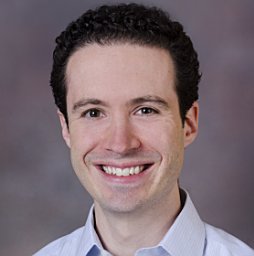 Yosef Berlow合作论文数Providence VA Medical Center11
 Adam Kohn合作论文数Dominick P. Purpura Department of Neuroscience, Albert Einstein College of Medicine, Yeshiva University;Department of Ophthalmology & Visual Sciences, Albert Einstein College of Medicine, Yeshiva University;Department of Systems & Computational Biology, Albert Einstein College of Medicine, Yeshiva University11
 Benjamin D Greenberg合作论文数Brown University9
 Camila Cosmo合作论文数8
 Stephanie Jones合作论文数Department of Neuroscience, Brown University7
 Nicholas J Petrosino合作论文数6João D. Semedo合作论文数Carnegie Mellon Univ, Dept Elect & Comp Engn, Pittsburgh, PA 15213 USA5
 Matthew A. Smith合作论文数Department of Biomedical Engineering, College of Engineering, Carnegie Mellon University;Biomedical Engineering and Neuroscience Institute, Carnegie Mellon University;Center for Neural Basis of Cognition, Carnegie Mellon University5
 Jennifer Barredo合作论文数5
 José Garcia Vivas Miranda合作论文数Instituto de Física, Universidade Federal da Bahia5
 Byron Yu合作论文数Department of Biomedical Engineering, College of Engineering, Carnegie Mellon University5Emily Aiken合作论文数4Xiaoxuan Jia (贾晓轩)合作论文数4
 Christian Machens合作论文数Machens Lab, Champalimaud Foundation4Alexander T. Morris合作论文数3Hannah R Swearingen合作论文数VA RR&D Ctr Neurorestorat & Neurotechnol, Providence VA Med Ctr3
 Audrey R Tyrka合作论文数Department of Psychiatry and Human Behavior, Warren Alpert Medical School, Brown University3
 Simona Temereanca合作论文数Department of Neurobiology;University of Pittsburgh;Department of Neurobiology, University of Pittsburgh3
 Mehdi Aghdaee合作论文数3
 Lawrence H Price合作论文数Butler Hospital;Department of Psychiatry and Human Behavior, The Warren Alpert Medical School, Brown University3Jasper, Anna I.合作论文数2McKenna C Brennan合作论文数2Ryan V. Thorpe合作论文数Department of Neuroscience, Brown University2
 Ezzati Ali合作论文数Albert Einstein College of Medicine, Yeshiva University2
 Danielle D. Sliva合作论文数Fetal-Neonatal Neuroimaging and Developmental Science Center, Boston Children's Hospital Boston;Laboratories of Cognitive Neuroscience, Boston Children's Hospital;Boston Children's Hospital Boston, Boston Children's Hospital2
 Leanne Williams合作论文数Department of Psychiatry and Behavioral Sciences, School of Medicine, Stanford University2
 Farshad Moradi合作论文数Radiology Department, Stanford University2
 Fatemeh (Mehraneh) Khadjevand合作论文数Interdicsiplinary Neuroscience Research Program (INRP),, Tehran University of Medical Sciences2
 Hossein Esteky合作论文数School of Medicine, SBMU2
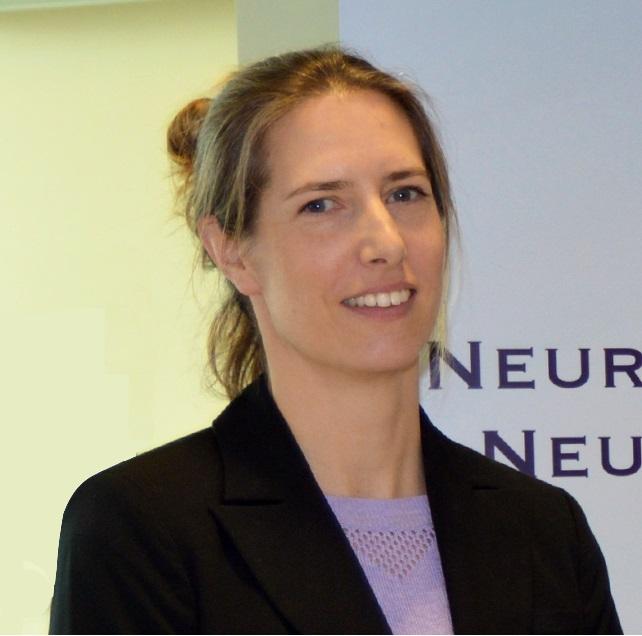 Mascha Van 't Wout合作论文数Department of Cognitive, Linguistic, and Psychological Sciences, Brown University2Shubhodeep Chakrabarti合作论文数1Ben D. Greenberg合作论文数1
 Tim Blanche合作论文数1Sydney Brigido合作论文数1Seema Khutti合作论文数1
 Ian Stevenson合作论文数1Christiana R Faucher合作论文数1LM Kouhsari合作论文数1Simona Temereanca Ibanescu合作论文数1
 Laura Michele Hack合作论文数Department of Psychiatry and Behavioral Sciences, School of Medicine, Stanford University1Adam Gersten合作论文数1Aravind Krishna合作论文数1
 Thaise Toutain合作论文数1
 Evren Gokcen合作论文数Center for the Neural Basis of Cognition, Carnegie Mellon University1
 Mohammad-Reza A Dehaqani合作论文数School of Cognitive Sciences, Institute for Research in Fundamental Sciences (IPM),1Amir Aschner合作论文数Albert Einstein Coll Med, Dominik Purpura Dept Neurosci, Bronx, NY 10461 USA1
 Jared Brent Smith合作论文数Res & Early Dev, REGENXBIO Inc1




