Background:Kidney transplantation (KT) evaluation is a complex, lengthy process; and living donor KT (LDKT) is the optimal treatment for kidney failure. Interventions at the start of evaluation may improve evaluation completion and LDKT rates. This study tested whether (a) an educational booklet and video (the "Talking About Living Kidney donation" [TALK] intervention) increased evaluation completion and LDKT when delivered under a streamlined KT evaluation program; and (b) if no effects found, explore differential effects by psychosocial/sociocultural factors (e.g., healthcare-related discrimination). Methods:We conducted a randomized-controlled trial of the TALK intervention using permuted block randomization at an urban transplant center. Participants were enrolled 05/2015-06/2018; follow-up through 08/2022. Staff were blinded to block size, not allocation. Fine-Gray proportional hazards models examined intent-to-treat and per-protocol approaches. Primary outcomes were the cumulative incidence of evaluation completion and LDKT receipt. We explored interaction analyses by psychosocial/sociocultural factors and TALK-assignment. Results:Among 1108 participants (574 [52%] TALK, 534 [48%] No-TALK; median age: 59.13 [IQR: 48.92-67.10]; 243 [22%] Black, 783 [71%] White, 82 [7%] Other; 695 [63%] male), TALK did not significantly improve evaluation completion (sub-distribution hazard [SHR]=1.06; 95% CI: 0.92-1.22) or LDKT receipt (SHR=0.83; 95% CI: 0.55-1.25) in intent-to-treat and per-protocol analyses. In exploratory per-protocol analyses, discrimination significantly modified the effect of TALK on evaluation completion (SHR=0.42; 95% CI: 0.29-0.61). The "No-Discrimination" TALK participants had greater evaluation completion than No-TALK (SHR=1.32; 95% CI: 1.10-1.58), but the "Discrimination" TALK participants had lower evaluation completion than No-TALK (SHR=0.56; 95% CI: 0.41-0.77). Conclusions:Despite streamlined care, TALK did not improve evaluation completion or LDKT rates. A significant interaction in the per-protocol analyses for evaluation completion suggests prior healthcare-related discrimination may limit educational intervention effectiveness. Future studies should explore approaches that address systemic barriers and complement, rather than rely on, educational strategies to promote LDKT (ClinicalTrials.gov Identifier: NCT02342119).
Physical frailty is a critical determinant of mortality in patients with cirrhosis and can be objectively measured using the Liver Frailty Index (LFI), which is potentially modifiable. We aimed to identify LFI cut-points associated with waitlist mortality. Ambulatory adults with cirrhosis without HCC awaiting liver transplantation from 9 centers from 2012 to 2021 for ≥3 months with ≥2 pre-liver transplantation LFI assessments were included. The primary explanatory variable was the change in LFI from first to second assessments per 3 months (∆LFI); we evaluated clinically relevant ∆LFI cut-points at 0.1, 0.2, 0.3, and 0.5. The primary outcome was waitlist mortality (death or delisting for being too sick), with transplant considered as a competing event. Among 1029 patients, the median (IQR) age was 58 (51-63) years; 42% were female; and the median lab Model for End-Stage Liver Disease-Sodium at first assessment was 18 (15-22). For each 0.1 improvement in ∆LFI, the risk of overall mortality decreased by 6% (cause-specific hazard ratio: 0.94, 95% CI: 0.92-0.97, p < 0.001). ∆LFI was associated with waitlist mortality at cut-points as low as 0.1 (cause-specific hazard ratio: 0.63, 95% CI: 0.46-0.87) and 0.2 (HR: 0.61, 95% CI: 0.42-0.87). An improvement in LFI per 3 months as small as 0.1 in the pre-liver transplantation period is associated with a clinically meaningful reduction in waitlist mortality. These data provide estimates of the reduction in mortality risk associated with improvements in LFI that can be used to assess the effectiveness of interventions targeting physical frailty in patients with cirrhosis.
BACKGROUND:The allocation and acceptance of deceased-donor kidneys in the United States is influenced by theKidney Donor Profile Index (KDPI). We conducted a national analysis of high-KDPI kidney transplants performed from 2014 to 2021 to identify key predictors of post-transplant outcomes beyond those incorporated in KDPI. METHODS:This retrospective cohort study used data extracted from the Scientific Registry of Transplant Recipients (SRTR). Adult, first-time recipients of kidney-only deceased-donor transplants with KDPI greater than 85% were included. Regression models were used to identify independent predictors of delayed graft function (DGF), primary graft nonfunction (PGNF), patient survival, overall graft survival, and death-censored graft survival. RESULTS:Among 4,911 recipients, DGF occurred in 33.8% and PGNF in 4.0%. DGF was independently associated with donation after circulatory death, terminal donor creatinine > 1.5 mg/dL, recipient obesity, dialysis duration > 3 years, and cold ischemia time (CIT) ≥ 24 h, whereas machine perfusion was protective. PGNF was associated with donation after circulatory death, terminal donor creatinine > 2.0 mg/dL, high-risk cytomegalovirus (CMV) serostatus, and donor injury patterns within the high-KDPI range, including younger donor age. Five-year patient and graft survival were 72% and 62%, respectively. Graft loss was independently associated with DGF, elevated intrarenal resistive index (RI), recipient diabetes, prolonged dialysis exposure, and high-risk CMV/EBV serostatus. CONCLUSIONS:Outcomes after high-KDPI kidney transplantation reflect both KDPI-defined donor risk and additional recipient, immunologic, and perioperative factors. A multidomain, offer-time assessment may support more individualized acceptance decisions and improve utilization.
The best treatment for people with end-stage renal disease (ESRD) is to receive a kidney from a living donor, but demand for kidneys far exceeds supply. In typical charitable contexts, charities address donation shortages by appealing directly to donors. With living kidney donations, however, that route is largely closed: most prospective donors will only give to someone they already know. Charities must therefore instead equip prospective recipients---the ESRD patients---to ask prospective donors themselves. This paper studies how these "recipients as marketers" decide whether and how to solicit kidney donations, and what their choices mean for patients, donors, and the organizations that guide them. Two preregistered studies of ESRD patients and prospective donors reveal four findings. (1) Patients vary widely in their asking behavior. (2) The primary barrier they report to asking is the "discomfort of asking." (3) Patients' choices matter: not asking, and less direct forms of asking (hints, intermediaries), seem to be less effective at persuading donors to get tested. (4) Patients overestimate the effectiveness of communications that do not involve direct asks. The results have direct implications for how kidney patient advocacy organizations can guide patients to market their own cause and potentially receive life-saving organs.
One of the most persistent problems in transplantation in the U.S. is the demand for organs outweighs the supply. Sequential living donation may be one strategy to address this problem, however a reluctance to perform these surgeries exists secondary to the lack of research on the medical outcomes and quality of life of sequential post-donation. A medical record review of 34 sequential liver and kidney living donors and matched controls (by sex, age within 7 years, timing of surgery, and last organ donated) was performed. No significant difference between groups were observed on sociodemographic characteristics with the exception of age [p = 0.030] and marital status [p = 0.010] whereas matched controls were older and more likely to be married. One sequential donor started a chain for both organs which resulted in 7 transplant candidates receiving an organ. No statistically significant differences were observed in the number of complications [p = 0.081], emergency room visits [p = 0.573], 30-day [p = 0.573], 90-day readmissions [p < 0.999], or physical [p = 0.09] or mental health domains of quality of life [p = 0.78] at six or more months post-donation. Sequential donors returned to tobacco use more often than controls [p = 0.03] and matched controls were more likely to gain weight [p = 0.02] post donation. While further research is warranted, this study provides early evidence of the short-term safety of sequential donation.
Background:In the United States, streamlining the kidney transplantation (KT) evaluation process may reduce disparities and barriers to KT access. Prior work showed that the Kidney Transplant Fast Track (KTFT) program shortened this process and reduced racial disparities in waitlisting and overall KT. However, within a setting where evaluation-related structural barriers have been addressed, a comprehensive longitudinal evaluation incorporating sociocultural factors (e.g., medical mistrust, healthcare-related discrimination/racism) alongside race/ethnicity as prespecified predictors across multiple KT milestones, including KT type (living [LDKT] and deceased donor KT [DDKT]), has not been performed. Methods:In this secondary analysis, data came from the KTFT study, a prospective KT candidate cohort. Participants were recruited before KT evaluation start (05/2015-06/2018), coinciding with baseline measure collection, then followed via medical record through 08/2022. We used hierarchically-adjusted Fine-Gray proportional hazards models in this exploratory analysis. Results:Among 1108 KT candidates (243 Black, 783 White, 82 Other), medical mistrust was associated with lower cumulative incidence of waitlisting, but no other sociocultural factors were associated with outcomes. Racial and ethnic differences emerged for KT type: Black participants had a greater cumulative incidence of DDKT, and participants categorized as Other race/ethnicity had a lower cumulative incidence of LDKT, relative to White participants. Conclusions:Although KTFT reduced racial/ethnic disparities in waitlisting and overall KT receipt, we identified racial/ethnic differences in LDKT and DDKT. Medical mistrust was a significant barrier to waitlisting. Findings suggest that even when the KT evaluation process is streamlined, sociocultural factors and race/ethnicity may influence KT outcomes.
BACKGROUND & AIMS:Noninvasive variceal risk stratification systems have not been validated in patients with hepatocellular carcinoma (HCC), which presents logistical barriers for patients in the setting of systemic HCC therapy. We aimed to develop and validate a noninvasive algorithm for the prediction of varices in patients with unresectable HCC. METHODS:We performed a retrospective cohort study in 21 centers in the United States including adult patients with unresectable HCC and Child-Pugh A5-B7 cirrhosis diagnosed between 2007 and 2019. We included patients who completed an esophagogastroduodonoscopy (EGD) within 12 months of index imaging but before HCC treatment. We divided the cohort into a 70:30 training set and validation set, with the goal of maximizing negative predictive value (NPV) to avoid EGD in low-risk patients. RESULTS:We included 707 patients (median age, 64.6 years; 80.6% male; 74.0% White). Median time from HCC diagnosis to EGD was 47 (interquartile range, 114) days, with 25.0% of patients having high-risk varices. A model using clinical variables alone achieved an NPV of 86.3% in the validation cohort, whereas a model integrating clinical and imaging variables had an NPV 97.4% in validation. The clinical and imaging model would avoid EGDs in more than half of low-risk patients while misclassifying 7.7% of high-risk patients. CONCLUSIONS:A model incorporating clinical and imaging data can accurately predict the absence of high-risk varices in patients with HCC and avoid EGD in many low-risk patients before the initiation of systemic therapy, thus expediting their care and avoiding treatment delays.
BACKGROUND AND AIMS:Frailty is strongly associated with mortality after liver transplantation. However, national guidelines discourage its use as a sole reason to decline a patient for liver transplantation, as some frail patients have acceptable outcomes. We aimed to develop a composite index, the Liver Transplant Comorbidity Index (LTCI), integrating frailty and other comorbidities, as a risk factor for longer-term (3-year) posttransplant mortality. APPROACH AND RESULTS:This 8-center prospective Functional Assessment in Liver Transplantation (FrAILT) Study included adult recipients of a primary deceased donor liver transplant from 2012 to 2022. Frailty was measured using the Liver Frailty Index (LFI ≥4.5=frail). Other candidate variables included demographics, laboratories, and comorbidities. Cox proportional hazards regression with best subset selection was used to identify risk factors of 3-year posttransplant death. The final model was selected based on Akaike Information Criterion and clinical pragmatism. Of 1472 liver transplant recipients, 290 (20%) were frail. Three-year posttransplant mortality was higher in frail versus non-frail patients (13% vs. 8%; p =0.03). The final LTCI included 5 variables: frailty, coronary artery disease, HCC, renal dysfunction, and diabetes. Three-year posttransplant mortality in low-risk, moderate-risk, and high-risk LTCI groups was 93%, 87%, and 80%, respectively. In multivariable analysis, after adjusting for donor factors (age and donation after circulatory death), both moderate-risk (HR: 2.23, 95% CI: 1.46-3.40; p <0.001) and high-risk (HR: 2.78, 95% CI: 1.67-4.64; p <0.001) status were associated with 3-year posttransplant mortality. CONCLUSIONS:The LTCI, comprising 5 pretransplant clinical parameters, effectively identifies patients at increased risk of posttransplant mortality. By integrating frailty in the context of other comorbidities, the LTCI can help providers better weigh the relative transplant risks and benefits and standardize the selection of transplant candidates.
Introduction: Liver transplantation (LT) provides significant survival benefits to patients with unresectable HCC. In the United States, organ allocation policies for HCCs within the United Network for Organ Sharing criteria do not prioritize patients based on their differences in oncological characteristics. This study assessed whether transplant-associated survival benefits (TASBs) vary among patients with different tumor burden scores (TBS) measured at the time of listing. Methods: We analyzed data from adults applying for HCC MELD exception points between 2002 and 2019, with follow-up until December 2023, using the Scientific Registry of Transplant Recipients. TBS was determined based on the largest tumor diameter and number of HCCs. Patients were categorized into low (≤3), intermediate (3.1–5), and high (>5) TBS groups. TASB was measured as the difference in 5-year survival with and without LT. Results: This study included 36,634 LT candidates. High-TBS patients had higher waitlist dropout rates and marginally lower post-transplant survival, resulting in a significantly greater TASB. The 5-year TASB for the low, intermediate, and high TBS groups were 15.7, 22.1, and 25.0 months, respectively. The adjusted survival benefit expressed in 5-year survival differences was 21.9%, 34.5%, and 39.4% in the low, intermediate, and high TBS groups, respectively (p<0.001). Conclusions: Higher TBS during listing correlates with greater LT benefits for patients with unresectable HCC within UNOS criteria. We conclude that organ allocation policies in the United States should prioritize patients with high TBS due to their increased risk of dropout and comparable post-transplant survival when compared to patients with less advanced tumors.
Donor-recipient mismatches in histocompatibility antigens recognized by lymphoid cells have been demonstrated to adversely affect allograft outcomes. In contrast, it remains unclear whether mismatches sensed by innate myeloid cells have a similar effect. We investigated the consequences of mismatch in the polymorphic gene encoding signal regulatory protein α (SIRPα) on kidney allograft pathology and survival in mice and humans. We found that SIRPα variants elicit monocyte activation by binding to CD47 and that eliminating SIRPα mismatch or recipient CD47 expression prevented chronic allograft pathology in mice receiving major histocompatibility complex (MHC)–mismatched renal allografts. Human genomic analysis identified two haplotype categories, A and B, encoding SIRPα variants with distinct CD47 binding interfaces. In kidney transplant recipients ( N = 455), SIRPα mismatch was associated with increased acute rejection and graft fibrosis in the first posttransplant year, and A recipients of B kidneys had reduced long-term graft survival (hazard ratio, 3.2; 95% confidence interval, 1.5 to 6.9; P = 0.002), a finding that was confirmed in an independent validation cohort ( N = 258). Moreover, monocytes in these graft recipients had an activated phenotype. The effects of SIRPα mismatch were independent of ancestry, human leukocyte antigen mismatch, donor-specific antibodies, and delayed graft function. Therefore, these data demonstrate that a donor-recipient mismatch that causes innate immune activation is a determinant of kidney transplantation outcomes.
Importance:Kidney transplant (KT) is the optimal treatment for end-stage kidney disease (ESKD). The evaluation process for KT is lengthy, time-consuming, and burdensome, and racial and ethnic disparities persist. Objective:To investigate the potential association of the Kidney Transplant Fast Track (KTFT) evaluation approach with the likelihood of waitlisting, KT, and associated disparities compared with standard care. Design, Setting, and Participants:This nonrandomized clinical trial was a prospective comparative cohort trial with a historical control (HC) comparison and equal follow-up duration at a single urban transplant center. Study duration was 2015 to 2018 for KTFT, with follow-up through 2022, and 2010 to 2014 for HC, with follow-up through 2018. Adult, English-speaking patients with ESKD, no history of KT, and a scheduled KT evaluation appointment were included. Among 1472 eligible patients for the KTFT group, 1288 consented and completed the baseline interview and 170 were excluded for not attending an evaluation appointment; among 1337 patients eligible for the HC group, 1152 consented and completed the baseline interview and none were excluded. Data were analyzed from August 2023 through December 2024. Exposure:Streamlined, patient-centered, coordinated-care KT evaluation process. Main Outcomes and Measures:Time to waitlisting for KT and receipt of KT. Results:The study included 1118 participants receiving KTFT (416 female [37.2%]; mean [SD] age, 57.2 [13.2] years; 245 non-Hispanic Black [21.9%], 790 non-Hispanic White [70.7%], and 83 other race or ethnicity [7.4%]) and 1152 participants in the HC group (447 female [38.8%]; mean [SD] age, 55.5 [13.2] years; 267 non-Hispanic Black [23.2%], 789 non-Hispanic White [68.5%], and 96 other race or ethnicity [8.3%]). After adjusting for demographic and clinical factors, the KTFT compared with the HC group had a higher likelihood of being placed on the active waitlist for KT (subdistribution hazard ratio [SHR], 1.40; 95% CI, 1.24-1.59). Among individuals who were waitlisted, patients in the KTFT vs HC group had a higher likelihood of receiving a KT (SHR, 1.21; 95% CI, 1.04-1.41). Black patients (SHR, 1.54; 95% CI, 1.11-2.14) and White patients (SHR, 1.38; 95% CI, 1.16-1.65) receiving KTFT were more likely to be waitlisted for KT than those in the HC group, but no such difference was found for patients with other race or ethnicity. Among Black patients, those with KTFT were more likely than those in the HC group to undergo KT (SHR, 1.52; 95% CI, 1.06-2.16), but no significant differences were found for White patients or those with other race or ethnicity. Conclusions and Relevance:This study found that KTFT was associated with a higher likelihood of waitlisting and KT than standard care. Findings suggest that KTFT may be associated with reduced disparities in KT by race and ethnicity. Trial Registration:ClinicalTrials.gov Identifier: NCT02342119.
ABSTRACTIntroductionSome living organ donors will decide to donate again at a later date. Evidence has indicated that this practice may have increased in recent years. We evaluated the incidence and outcomes of this practice to inform counseling of potential repeat donors.MethodsUsing SRTR data from 1994 to 2023, we identified 220 repeat living donors and their 415 recipients. We constructed donor comparison groups using weighting by the odds. We described clinical and lab results at 6 months, 1 year, and 2 years post‐donation separately for kidney‐second donors and liver‐second donors. We compared all‐cause graft failure for their recipients with those of comparison donors.ResultsThe annual count of repeat living donors increased from 5 in 2018 to 25 in 2019 (p < 0.001). Of 220 donors, 159 were liver‐second donors (72.3%) and 55 were kidney‐second donors (25.0). The percentage of nondirected donations increased from 30.5% at first donation to 53.2% at second donation (p < 0.001). Liver‐second donors had one death approximately 2.5 years post‐donation. Seventeen were re‐admitted and 20 experienced complications requiring an interventional procedure or re‐operation. Among kidney‐second donors, no deaths, re‐admissions, or post‐donation complications were reported. Post‐donation outcomes in both groups were comparable when evaluated against organ‐specific comparison donors. Recipients of repeat living donors experienced graft survival similar to recipients of comparison donors.ConclusionsRepeat living donation may be a safe practice for carefully selected living donors in the short term; however, long term safety is unknown. Outcomes for recipients are similar to recipients of comparison donors.
Background Operative mortality for high-grade liver injury (HGLI) remains 42% to 66%, with near-universal mortality after retrohepatic caval injury. The objective of this study was to evaluate mortality and complications of operative and nonoperative management (OM and NOM) of HGLI at our institution, characterized by a trauma surgery–liver surgery collaborative approach to trauma care.Methods This was an observational cohort study of adult patients (age ≥16) with HGLI (The American Association for Surgery of Trauma (AAST) grades IV and V) admitted to an urban level I trauma center from January 2010 to November 2021. Data were obtained from the electronic medical record and state trauma registry. Patients were categorized by management strategy: immediate OM or planned NOM. The primary outcome was 30-day mortality.Results Our institution treated 179 patients with HGLI (78% blunt, 22% penetrating); 122 grade IV (68%) and 57 grade V (32%) injuries. All abdominal gunshot wounds and 49% of blunt injuries underwent initial OM; 51% of blunt injuries were managed initially by NOM. Procedures at the initial operation included hepatorrhaphy±packing (66.4%), nonanatomic resection (5.6%), segmentectomy (9.3%), and hepatic lobectomy (7.5%). Thirty-day mortality in the OM group was substantially lower than prior reports (23.4%). Operative mortality attributable to the liver injury was 15.7%. 19.4% of patients failed NOM with one death (1.4%).Conclusion We report an operative mortality of 23.4% for HGLI in a trauma care system characterized by a collaborative approach by trauma surgeons and liver surgeons.Level of evidence III
 Abhinav Humar合作论文数96
 Michele Molinari合作论文数Department of Surgery, Dalhousie University;Dalhousie University Hospital;QEII Health Centre;Department of Surgery, University of Pittsburgh51
 Puneet Sood合作论文数Department of Medicine, Medical College of Wisconsin50Chethan Puttarajappa合作论文数Department of Internal Medicine, Michigan State University45R. Mehta合作论文数Div Transplant Nephrol, Univ Pittsburgh38
 Christopher Hughes合作论文数Department of Philosophy, Faculty of Arts & Humanities, King’s College London35S. Hariharan合作论文数26
 D. Jorgensen合作论文数Dept Surg, Univ Pittsburgh26Christopher G. Hughes合作论文数26
 Sundaram Hariharan合作论文数Department of Medicine, School of Medicine, University of Pittsburgh24M. Molinari合作论文数22
 Andres Duarte合作论文数Feinberg School of Medicine, Northwestern University21S. Ganesh合作论文数20
 Michael J. Edwards合作论文数Department of Surgery, College of Medicine, University of Cincinnati;University Hospital, University of Cincinnati19
 Armando Ganoza合作论文数19Ganesh Swaytha合作论文数18
 Martin Wijkstrom合作论文数Diabetes Institute for Immunology and Transplantation, University of Minnesota18Alex B. Lentsch合作论文数17A. Ganoza合作论文数16Nirav G Shah合作论文数16
 Elizabeth C. Verna合作论文数Transplant Clinical Research Center, Columbia University;Center for Liver Disease and Transplantation, Columbia University;Department of Surgery, Columbia University Irving Medical Center16
 Parmjeet S. Randhawa合作论文数Division of Transplantation Pathology, Department of Pathology, University of Pittsburgh;Thomas E. Starzl Transplantation Institute, University of Pittsburgh16
 Chuanyue (Cary) Wu (吴传跃)合作论文数Southern University of Science and Technology;Department of Pathology, School of Medicine, University of Pittsburgh;McGowan Institute for Regenerative Medicine, University of Pittsburgh16V. Gunabushanam合作论文数12
 Christof Kaltenmeier合作论文数Institute for Transfusion Medicine, University of Ulm;Institute for Transfusion Medicine, University of Ulm12Michael A. Dunn合作论文数12
 Ramon Bataller合作论文数Drug Discovery Institute, University of Pittsburgh;Division of Gastroenterology, Department of Medicine, University of Pittsburgh;Institut d’Investigacions Biomèdiques August Pi i Sunyer12Behari Jaideep合作论文数11Mark L Sturdevant合作论文数11
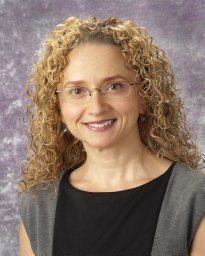 Larissa Myaskovsky合作论文数Center for Health Equity Research and Promotion VA Pittsburgh Healthcare System11
 Mary Amanda Dew合作论文数Department of Psychology, School of Medicine and Medical Center, University of Pittsburgh11R Shapiro合作论文数10
 Douglas Landsittel合作论文数Department of Biomedical Informatics, University of Pittsburgh;Department of Biostatistics, School of Public Health and Health Professions, University at Buffalo10
 Andrea F DiMartini合作论文数Department of Psychiatry, University of Pittsburgh10E. Steve Woodle合作论文数10Sakai Nozomu合作论文数10
 Christine Wu合作论文数10
 Jennifer Steel合作论文数Department of Psychology, University of Pittsburgh;Center for Excellence in Behavioral Medicine, University of Pittsburgh10
 Callisia N. Clarke合作论文数Department of Surgery, University of Cincinnati10Brandy Haydel合作论文数9Vikraman Gunabushanam合作论文数9
 Constance Mobley合作论文数9
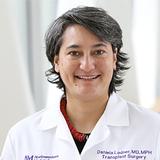 Daniela P Ladner合作论文数Division of Organ Transplantation, Department of Surgery, Feinberg School of Medicine, Northwestern University;Department of Medical Social Sciences, Feinberg School of Medicine, Northwestern University;National Institute of Diabetes and Digestive and Kidney Diseases, National Institutes of Health;Northwestern Medicine9
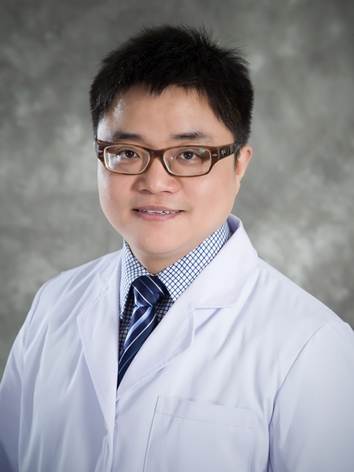 Hao Liu合作论文数Department of General Surgery, Nanfang Hospital, Southern Medical University9Shahid M. Malik合作论文数Division of Gastroenterology, Hepatology and Nutrition, University of Pittsburgh School of Medicine9Carol A Carney合作论文数8Sander Florman合作论文数8
 Maarouf A. Hoteit合作论文数Division of Gastroenterology, Department of Medicine, Perelman School of Medicine, University of Pennsylvania8
 Burcin Taner合作论文数8




