Background We report for the first time the molecular landscape and outcome associations from the prospective CLIMEDIN trial in Greece. Methods Two hundred patients with newly diagnosed advanced NSCLC (March 2022–October 2023) were enrolled and randomized to standard-of-care education versus additional automated, adverse-event–targeted digital interventions. Within this study baseline testing (EGFR, ALK, PD-L1) was performed in all; 165 tumors underwent comprehensive NGS (Oncomine Comprehensive Assay v3). Primary endpoint was improvement in AEs/QoL; secondary endpoints included ORR, PFS and OS. Associations between genomic alterations and outcomes were explored. Results Median age was 68 years; 75% male; 52% current smokers; adenocarcinoma 68.5%. Most received chemo-immunotherapy (66%). At data cut-off (December 2025; reverse-Kaplan–Meier median follow-up 36.3 months), median PFS was 9.6 months and median OS was 15.2 months. Across 200 tumors, 495 pathogenic variants (PVs) were identified in 83 genes. Exploratory outcome analyses showed longer OS in EGFR-mutant disease (preserved under parsimonious multivariable adjustment) and a formal KRAS × smoking interaction for OS (interaction P = 0.011). Conclusions In this cohort, the molecular profile mirrors other Caucasian series, with clinically relevant enrichment patterns for EGFR and KRAS. ECOG performance status and first line treatment were the dominant prognostic factors in this cohort. A novel KRAS and smoking interaction for overall survival warrants prospective validation.
PURPOSEThis trial aims to investigate the effectiveness of online digital intervention in patients with non-small cell lung cancer (NSCLC) in terms of adverse events (AEs) and quality of life (QoL). METHODSThis randomized trial recruited 200 patients with advanced NSCLC (March 2022-October 2023). All patients received standard-of-care precise treatment, predominantly immunochemotherapy. The study was designed to assess AEs and QoL improvement. Through the CareAcross online platform, all patients received information about their disease and treatment and reported any of the 22 predefined AEs at any time. Patients were randomly assigned 1:1 in the intervention (A) and control (B) arm; patients in arm A automatically received, additionally, evidence-based guidance for the reported AEs. EuroQol 5-dimension 5-level responses were collected at baseline and at each treatment cycle. Resulting scores were compared between baseline and after the sixth cycle. In addition, patient case-level hospitalization data were collected and costs were estimated based on reimbursed costs as defined by the Ministry of Health, enabling a post hoc analysis. RESULTSClinical characteristics were well-balanced. More AEs were reported by patients online versus to their clinicians (P < .01). Among the 22 AEs, 17 improved more in arm A, with the improvement in rash and stomatitis being statistically significant. In QoL, there was no improvement in any of the five EuroQol 5-Dimension dimensions. Digital intervention was cost-saving with lower mean costs for hospitalization (P < .001). Overall response rate, progression-free survival, and overall survival were not statistically different between the two arms, ensuring comparable clinical outcome. CONCLUSIONDigital oncology tends to improve selected AEs and is cost saving. Patients report, digitally, more informative AEs. Digital oncology can be a complementary tool to the oncology team and warrants further exploration.
e23271 Background: CLIMEDIN was a randomized controlled trial of digital support for patients with advanced or metastatic non-small cell lung cancer. Patients received either general adverse event (AE) information (control arm), or personalized support depending on their reported AEs (intervention arm). Given the statistically significant difference found between the AEs reported digitally by patients and those captured directly by clinicians, this post-hoc analysis aims to identify patterns of likely co-occurrence of AEs. Methods: Between March 2022 and December 2024, 188 patients submitted 7046 reports among 22 preselected AEs, captured in the CareAcross platform database. For this analysis these reports were de-identified and structured based on the specific AEs they contained. Association rule mining (apriori algorithm with support thresholds) was used to calculate the conditional probability of an AE subset (“Associated AEs”) being reported given that another subset (“Index AEs”) was reported concurrently. Results: The analysis resulted in 7846 pairs of Associated & Index AE subsets, with up to 7 AEs per subset. The conditional probability of co-occurrence (“Confidence”) ranged from 2.5% to 100%.To make the patterns clinically meaningful and practical, analyses were restricted to subsets of 1-2 AEs, resulting in 1870 combinations. Keeping the pairs with probability > = 80% resulted in 110 records (37 of which with > = 90% probability).The majority (78/110 or 71%) of Associated AEs included Fatigue.Among the AEs that are not immediately available upon clinical examination: Anorexia was correlated with combinations containing dyspnea (with any of rash, constipation, dysphagia, dysgeusia, diarrhea) as well as dysphagia & weight loss. Dysgeusia was correlated with combinations containing anorexia (with any of pruritus, diarrhea), diarrhea (with any of cough, anorexia, dry skin), stomatitis (with any of dry skin, cough) and more.The full list of associations is available upon request.The Table contains the most frequently occurring pairs of 1 or 2 AEs that do not include Fatigue. Conclusions: Analysis of Patient-Reported Outcomes can provide relevant Real World Evidence to support clinicians in completing the view of their patients’ journeys. This can be particularly applicable when information is missing, or AEs cannot be readily evaluated clinically.Data Science and Artificial Intelligence can further help derive actionable insights for clinical care and research. Clinical trial information: 05372081 . Index AEs Associated AEs Confidence (%) Peripheral Neuropathy, Chest Pain Dry Skin 94.7 Dyspnea, Rash Anorexia 93.7 Peripheral Neuropathy, Bone Pain Dry Skin 92.1 Anorexia, Pruritus Dysgeusia 88.7 Peripheral Neuropathy, Chest Pain Bone Pain 88.4 Cough, Diarrhea Dysgeusia 88.2 Weight Loss, Dysphagia Anorexia 88.1 Cough, Diarrhea Dry Skin 87.5 Dyspnea, Rash Dysgeusia, Anorexia 86.3
Background/Objectives: The aim of the study was to evaluate the real-world effectiveness of immunotherapy compared to chemotherapy in advanced non-small-cell lung cancer (NSCLC) and assess molecular profiling patterns in a large Greek cohort. Methods: This was a retrospective study of patients with advanced NSCLC from three oncology centers. Clinical, pathological, and/or molecular data were collected from the patient medical records. The primary endpoint was overall survival (OS). Results: Overall, 684 patients with advanced NSCLC were included; median age 67 years (range, 33 to 89). More than half of the patients (406, 59.4%) had been diagnosed with de novo metastatic disease. Overall, 289 of 684 (42.3%) patients underwent tumor molecular profiling. Immunotherapy use, with or without chemotherapy, in the first-line setting increased significantly over time (p < 0.001). Among 610 patients eligible for outcome analysis, immunotherapy at any line of treatment was associated with increased OS compared to chemotherapy alone (17.5 vs. 8.6 months; HR: 0.51, 95% CI: 0.42, 0.61; p < 0.001). The results remained consistent with the primary analysis as well as the landmark analysis using a 3-month cutoff to account for the immortal-time bias. Furthermore, time to next treatment (TTNT) was significantly longer with immunotherapy use in both first- and second-line treatment (TTNT1: 10.0 vs. 6.8 months, HR: 0.45, 95% CI: 0.34, 0.58; p < 0.001; TTNT2: 6.7 vs. 5.9 months, HR: 0.59, 95% CI: 0.40, 0.87; p = 0.009). Immunotherapy use remained an independent predictor of improved survival (HR: 0.50, 95% CI: 0.40, 0.63; p < 0.001). Conclusions: Immunotherapy, with or without chemotherapy, significantly improved clinical outcomes compared to chemotherapy alone in a real-world cohort of patients with advanced NSCLC. While molecular testing rates increased significantly over the study, only a minority of patients underwent PD-L1 testing, while broad molecular profiling was also incomplete, limiting the interpretation of treatment effects. Improvements to guarantee the universal molecular testing of patients with NSCLC are warranted.
Background: Abemaciclib has been approved in combination with endocrine therapy in adult patients with hormone receptor (HR)-positive, human epidermal growth factor receptor 2 (HER2)-negative, early breast cancer (BC) at high risk of recurrence and locally advanced or metastatic BC. We aimed to assess real-world toxicity and efficacy data of patients with BC who received treatment with abemaciclib. Methods: This was a prospective collection of clinicopathological, toxicity and outcome data from patients with early- or advanced- stage HR-positive/HER2-negative BC who received treatment with abemaciclib in combination with endocrine therapy. Treatment combinations of abemaciclib with any endocrine therapy were accepted. Patients needed to have received at least two months of treatment with abemaciclib. The primary end point was toxicity rate in all patients of the study, both with early and advanced BC. Results: From June/2021 to May/2024, 227 women received abemaciclib/endocrine combination therapy; median age was 56 years, and 152 (70.4%) patients were postmenopausal. Hormonal therapies given in combination with abemaciclib in advanced BC were fulvestrant (0.7%), aromatase inhibitors (88.6%) and tamoxifen (10.7%). Abemaciclib was administered as adjuvant treatment in 157 (69.1%) patients. At the time of the data cutoff (May 2024), 4 (2.5%) patients had completed the 2-year treatment period, and 133 (84.7%) patients remained in the 2-year treatment period. The most common adverse events (AEs) were diarrhea (46.5%), fatigue (18.5%), ALT/AST increase (7.0%) and arthralgia (6.4%). Grade 3 diarrhea was reported in 8 (5.1%) patients; no Grade 4 diarrhea was observed. Diarrhea was observed at a median of 6 days from treatment initiation (range 1 to 270 days). No thrombotic event was reported. AEs led to dose modification and treatment discontinuation in 42 (26.8%) and 8 (5.1%) patients, respectively. There was no difference in modification/discontinuation rates between older patients (>65 years) and the remaining patients. Patients who received abemacilib as adjuvant treatment had similar toxicity rates with patients with advanced BC. The median 1-year and 2-year disease-free survival rate for patients who received adjuvant treatment with abemaciclib was 100% and 98.7%, respectively. Almost half (47.1%, 33/70) of the patients were diagnosed with de novo metastatic disease. In patients with advanced cancer (70, 30.8%), a median of one site of metastasis was reported at diagnosis of advanced disease (most commonly bones, 54,3%). With a median follow up of 11.8 months, 14 patients had disease progression; median progression-free survival (PFS) was not reached yet and 12-month PFS rate was 79.3%. Conclusions: This study provides prospectively collected real-world data on abemaciclib in combination with endocrine treatment, confirming the safety and efficacy in an unselected patient population. These results are consistent with the registration trials and no new safety concerns were reported.Clinical trial registration: ClinicalTrials.gov NCT04985058 Citation Format: Elena Fountzilas, Panagiota Economopoulou, Katerina Dadouli, Ioannis Binas, Anastasia Vernadou, Evangelia Moirogiorgou, Eleftherios Vorrias, Adamantia Nikolaidi, Sofia Karageorgopoulou, Anna Koumarianou, Ioannis Boukovinas, Davide Mauri, Stefania Kokkali, Athina Christopoulou, Anastasios Vagionas, Avraam Assi, Achilleas Nikolakopoulos, Zacharenia Saridaki, Nikolaos Spathas, Paris Kosmidis, George Fountzilas, Amanda Psyrri. Real-world study of Abemaciclib in Patients with Hormone Receptor-Positive/Human Epidermal Growth Factor Receptor 2-Negative Breast Cancer: a Multi-Institutional Prospective Study [abstract]. In: Proceedings of the San Antonio Breast Cancer Symposium 2024; 2024 Dec 10-13; San Antonio, TX. Philadelphia (PA): AACR; Clin Cancer Res 2025;31(12 Suppl):Abstract nr P3-10-02.
1515 Background: This trial aims to investigate the feasibility and effectiveness of online digital intervention to NSCLC patients in terms of adverse events (AEs), quality of life (QoL), cost, and the interrelation with clinical and molecular characteristics. Methods: This prospective randomized trial recruited 200 advanced NSCLC patients (3/22-10/23). Final analysis was undertaken in 12/24. All had NGS tissue analysis for 161 genes, and received standard treatment (predominantly immuno-chemotherapy). Through the CareAcross online platform, they received information about their disease and treatment, and periodically reported any of the 22 preplanned AEs. Patients were randomized 1:1 in the Intervention (A) and Control (B) arm; patients in arm A received digitally, additionally, evidence-based guidance for the reported AEs. The study was designed to assess AE improvement (measured per patient as reduction of AEs reported at last contact, compared to those previously reported) and QoL. EQ5D-5L scores were collected. Patient-case level hospitalization data were collected and costs were estimated based on reimbursed cost as defined by the Ministry of Health. Results were correlated with patients’ clinical and molecular characteristics. Results: Clinical and molecular characteristics will be presented during ASCO Congress. Comparing arms A vs B: ORR: 42.1% vs 41.7%; Median PFS: 11m (8.0-15) vs 10m (7.0-13), 1-year PFS: 43% (31%-54%) vs 42% (31%-53%) (p = 0.4). Median OS: 15m (12-20) vs 16m (12-21), 1-year OS: 59% (48%-68%) for both arms (p = 0.9). PFS and OS were improved for those with best responses (p < 0.001). Patients with EGFR mutations had better OS (p = 0.05). The most common AEs reported in both arms were fatigue, cough, anorexia, nausea. More AEs were reported online vs to clinicians (89% vs 68% of patients; p < 0.01). Baseline EQ5D-5L was similar for both arms; when compared with data at best response, Anxiety/Depression showed the biggest difference in improvement for arm A vs B. Among the 22 ΑEs, 17 improved more in arm A, 1 improved equally, and 4 improved more in Arm B. The comparative improvements of rash and stomatitis in arm A vs B were statistically significant (p = 0.0073 & p = 0.0447). The mean hospitalization cost (arm A vs B, in Euros) was 455.4 (95%CI: 91.9-941.5) vs 779.5 (346.6-1328.5) (p < 0.001); the mean diagnostics cost was 20.3 (0.5-50.8) vs 73.3 (1.3-186.1) (p < 0.001). Conclusions: Digital oncology is feasible, cost-effective by reducing hospitalizations and tends to improve QoL (especially anxiety and depression) and most AEs of NSCLC patients regardless of clinical and molecular status. Patients report, digitally, more informative AEs for clinical and research analysis. Through the digital transformation of healthcare, digital oncology can be a complementary tool to the Oncology team and warrants further exploration. Clinical trial information: NCT05372081 .
Introduction: We used CBCT application as one-stop-shop nodule orientated approach in regards to increase DY, reduce complication rate, reduce time on-table and economical costs with classical peripheral instruments including mini-cryoprobe (ERBE 1,1mm), rEBUS (Olympus) and standard RUFBs (Olympus Company) with at least 2mm working channel and 4,2mm outer diameter for the diagnosis of peripheral targets (iSPNs) in a prospective all-comers registry after detailed analysis of pre-interventional CT for vessel- and bronchus sign classes. Materials and Methods: From Jun 2017 until Nov 2019 in 90 all-comers patients between 16 and 95 years fit for bronchoscopy with 101 peripheral lesions in a daily routine scheme after informed consent about this prospective registry were included. For histological proven benign disease in any lesion patients had to adhere FU according radiological guidelines and further on by re-visits for at least 2 years after biopsy resulting into last visit in Feb 2022 without any drop-out. Present HRCT was mandatory to achieve one day before intervention. It had to be decided by the examiner mainly after analysis of the preset HRCT which of the 3 CBCT driven modalities were used for diagnostical approach: A) Pure endobronchial approach (CBCT, rEBUS, TBB), B) Pure transthoracical approach with a 21G core-biopsy needle (BIOPINCE needle) with CBCT only, or C) Combined approach as described below (CBCT, rEBUS, TTNA). As instruments were available common forceps and needles, EWC, curette and various RUFB (Olympus Company) mentioned in the materials section. A second CBCT was only allowed in the combined approach group to plan the 3D transthoracic approach in expiration whereas even a CBCT for tool-in-lesion control (TIL CBCT) was never allowed in all 3 groups. Results: In 100 lesions predefined modalities pure endobiopsy, pure TTNA and combined approaches were performed in 77, 9 and 14 lesions respectively without any pneumothorax or bleeding. In these 3 modalities we found confirmed (mostly specific) benign and malignant cases 47 and 30, 4 and 5, 2 and 12 respectively. Lesion sizes in the 3 different groups were (median, mean) 14 and 17,7mm (of those 41 invisible of 77 under XR (53%) in the pure endobiopsy group), 27 and 31mm (11% invisible under XR in the pure TTNA group), 18,5 and 23mm (35% invisible under XR in the combined group) respectively. In the 3 groups for the malignant cases 25 of 30, 5 of 5 and 12 of 12 were diagnosed correctly rendering a diagnostical yield of 42 in 47 malignant cases for the whole algorithm (89,4%) with sizes (mean, median) for the whole algorithm of 16 and 19,7mm respectively which is comparable to published data for robotic-assisted bronchoscopy yield. In regards to vessel sign analysis it has to be clearly stated that the significance level for outcome prediction is inferior to bronchus sign analysis. In multivariate analysis there was a clear tendency towards higher outcome prediction especially if a pulmonary artery branch leads into such target even when a bronchus sign is missing. For NY when comparing univariate analysis and partition model analysis at a set diameter of >11mm with significance (p=0,0052) the additional advantage of analysing a given vessel sign (especially pulmonary artery branches) seems to add on 19% of valuable outcome prediction. Conclusion: A nodule orientated approach in a manual CBCT-AF environment including typical instruments renders in experienced hands comparable results to robotic assisted bronchoscopy even without UTN bronchoscopes or other specialized, therefore expensive tools. In multivariate analysis only bronchus sign analysis revealed significant (p = 0,05) prediction of navigational yield outcome prediction whereas vessel sign analysis increases highly the odds ratio in favor of positive outcome prediction but without significance at the given level. In a partition model to erase outliers at a set iSPN diameter >11mm vessel sign analysis (especially pulmonary artery branches) renders a significant and ameliorated prediction of NY.
Background/Objectives: This study aimed to assess real-world toxicity and efficacy data of patients with early and advanced breast cancer (BC) who received treatment with abemaciclib. Methods: This was a prospective/retrospective multi-institutional collection of clinicopathological, toxicity, and outcome data from patients with early or metastatic hormone receptor (HR)-positive, human epidermal growth factor receptor 2 (HER2)-negative BC who received treatment with abemaciclib in combination with endocrine therapy in departments of oncology in Greece. Treatment combinations of abemaciclib with any endocrine therapy were accepted. The primary end point was toxicity rate in all patients of the study. Results: From June/2021 to May/2024, 245 women received abemaciclib/endocrine combination therapy; the median age was 57 years. Of these, 169 (69%) received abemaciclib as adjuvant therapy for early-stage disease, while 76 (31%) were treated for advanced BC. At the time of the data cutoff, 133 (84.7%) patients remained in the 2-year treatment period. The most common adverse event (AE) was diarrhea (51%), primarily Grade ≤ 2. Dose modifications due to AEs were required in 19.2% of cases, while treatment discontinuation occurred in 5.1%. There was no difference in dose modification/discontinuation rates between older patients (>65 years) and the remaining patients. For early-stage BC patients, the 2-year DFS and OS rates were 90.8% and 100%, respectively. In patients with advanced cancer (70, 30.8%), 1-year PFS and OS rates were 78% and 96.3%, respectively. Conclusions: This study confirms the safety and effectiveness of abemaciclib in alignment with registrational trials offering valuable insights into toxicity management and clinical outcomes in routine practice without identifying new safety concerns. Clinical Trial Registration: ClinicalTrials.gov NCT04985058
Nowadays we perform synchronous colorectal cancer resection along with synchronous liver metastases.We investigated whether colon resection first is safer than liver resection first and if simultaneous surgeries are in general safe.Patients and Methods: Twenty patients were included in our multicenter study.In our study patients had simultaneous laparoscopic resection of primary colorectal cancer and liver metastases.The patients included were divided into two groups based on their first surgery.Group A had colon resection first (n = 10) and group B had liver resection first (n = 10).All adverse effects and outcomes were compared after the first day of hospitalization.Results: The only difference between the two groups was the operative blood loss.It was observed to be less in group B. Conclusion:In our study we did not observe any significant difference regarding the order of the operation.
Single pulmonary nodules are a difficult to diagnose imagining artifact.Currently novel diagnostic tools such as Radial-EBUS with or not C-ARM flouroscopy, electromagnetic navigation systems, robotic bronchoscopy and cone beam-compuer tomography (CBCT) can assist in the optimal guidance of biopsy equipment.After diagnosis of lung cancer or metastatic disease as pulmonary nodule, then surgery or ablation methods as local treatment can be applied.The percutaneous ablation systems under computed tomography guidance with radiofrequency, microwave, cryo and thermosphere have been used for several years.In the past 10 years extensive research has been made for endobronchial ablation systems and methods.We will present and comment on the two different ablation methods and present up to date data.
1520 Background: The purpose of this trial is to investigate the effectiveness of online digital intervention to NSCLC patients in terms of quality of life (QoL), cost and the interrelation with clinical and molecular characteristics. Methods: This prospective randomized trial recruited 200 advanced NSCLC patients (3/22-10/23). All had NGS tissue analysis for 161 genes and received standard treatment (predominantly immuno-chemotherapy). Through the CareAcross online platform they received information about their disease and treatment, and periodically reported any of 22 preplanned adverse events (AEs). Patients were randomized 1:1 in the intervention (A) and control (B) arm; patients in arm A received digitally, additionally, evidence-based guidance for the reported AEs. The study was designed to assess QoL improvement (measured per patient as reduction of the number of AEs reported at last contact, compared to those previously reported). EQ5D-5L scores were collected. Patient-case level hospitalizations data were collected and costs were estimated based on reimbursed costs as defined by the Ministry of Health. Results were correlated with patients’ clinical and molecular characteristics. Results: Clinical and molecular characteristics will be presented during ASCO Congress. For all patients, responses were: CR: 2%, PR: 35.5%, SD: 35%, PD: 10.5%. Median PFS was 7.0 months (95%CI: 5-8), 1-year 18% (38%-55%). Median OS: 12 months (11-14), 1-year 47% (38%-55%). No difference was found between the two arms in any of the above, nor in OS in relation to clinical and molecular characteristics. The most common AEs that patients reported were fatigue, cough, anorexia, nausea. More patients submitted AE reports online than their clinicians (89% vs 68% of patients, p<0.01); more AEs were reported per submission, compared to their clinicians. Patients in arm Α reported marginally higher improvement compared to B (77.2% vs 75.7%); 15 of 22 AEs were associated with higher (14) or same (1) improvement in arm A vs B (not statistically significant); of the most common: fatigue (61.3% vs 48.6%), anorexia (86.5% vs 70.2%; p<0.05) and nausea (93.0% vs 87.2%). Baseline EQ5D was similar in both arms; comparing post-treatment (6th cycle) results shows higher improvement in all 5 dimensions in arm A vs B, especially in Anxiety/Depression (final values: 1.9 vs 2.2). The mean AE-related costs in Euros in arm A vs B were: hospitalization: 455.4 (95%CI: 91.9-941.5) vs 779.5 (346.6-1328.5) (p<0.001); diagnostics: 20.3 (0.5-50.8) vs 73.3 (1.3-186.1) (p<0.001). Follow up is ongoing. Conclusions: Digital oncology is feasible, cost-effective by reducing hospitalizations, improves certain AEs and tends to improve QoL of NSCLC patients regardless of clinical and molecular status. Patients report digitally more informative AEs for clinical and research analysis. Online platforms can complement the Oncology team. Clinical trial information: NCT05372081 .
Introduction: Lung cancer is still diagnosed at an advanced stage due to lack of early disease symptoms. Areas covered: We have techniques and equipment for rapid on site evaluation of pulmonary lesions. However, with new technology or a combination of technologies in the diagnostic suite the cost of biopsy is rising. Expert opinion: The cost of diagnostic equipment and tools differ between the national health system and private sector. This is due to the economic crisis that our country entered in 2008. The costs for every procedure for lung cancer has not been updated for more than 15 years, and therefore in several cases the reimbursement for the hospitals is lower for both national and private sector.
Objectives: Lung cancer is known to be associated with chronic obstructive pulmonary disease. Moreover; nutritional status is associated with chronic obstructive disease treatment and lung cancer. Our aim was to evaluate the interaction of the COPD status and treatment of non-small cell lung cancer. Methods: Eighty-two patients were enrolled in our multicenter study. Chronic obstructive disease stage, spirometry and treatment was recorded along with the treatment and Body Mass Index (BMI), Mediterranian Diet Score, Pack Years, Basic Metabolsim (RMR) (kcal/day), VO₂ (ml/min), Ve (lt/min) and Physical Activity. The statistical analysis was performed using the JMP 14.3 (SAS Inc 2018) software. Results: The drug pairs showed a steady and unchanged by time health condition for 48 patients. Overall, 31 patients were recorded with worse COPD health conditions. The one-way ANOVA clearly indicated that chemotherapy induced the best FEV1-difference conditions with a positive effect of 8.56 mean FEV volume, the combined treatment simply did not have an effect (-0.9), while immunotherapy and patients receiving radiation decreased their FEV1 volume down to -4.23 and -5.15 mean values. Conclusions: Patients receiving chemotherapy alone had their chronic obstructive disease improved with less drugs and exacerbations, while patients receiving immunotherapy had their chronic obstructive disease stable, while all other treatment combinations worsened the patients chronic obstructive disease. Nutritional status did not affect the chronic obstructive disease of these patients in any way.
Aim:Carcinogenesis of colorectal cancer is a process involving genetic mutations and epigenetic alterations in its multiple phases. The most considerable epigenetic alteration occurring in colorectal cancer (CRC) tumorigenesis is the methylation-mediated silencing of tumor suppressor genes. The present study aimed to detect the methylation status of SOX17 and WNT5a promoters in cell-free DNA circulating in plasma of metastatic CRC patients and to investigate potential prognostic correlation. Methods:A methylation-specific real-time polymerase chain reaction was utilized to investigate the methylation status of genes (SOX17 and WNT5a) promoter in the blood of 85 metastatic CRC patients. Results:We found the SOX17 promoter methylated in 54/85 (63.5 %) while WNT5a was methylated in 39/85 (45.8 %) samples of the advanced CRC. All control samples were negative for SOX17 and WNT5a promoter methylation. Patients with metastatic CRC and methylated SOX17 and WNT5a promoter status had a significantly poorer outcome than patients with non-methylated ones. Conclusions:Plasma SOX17 and WNT5a promoter methylation are frequent epigenetic events in advanced CRC. The reported correlations between the methylation status of genes (SOX17 and Wnt5a) promoter and poorer survival in patients with advanced CRC disease agree with the proposed role of SOX17 as a tumor suppressor gene. A more considerable CRC patient cohort is required to research these findings' potential further and investigate whether SOX17 in plasma could serve as a useful prognostic biomarker in metastatic CRC. HIPPOKRATIA 2023, 27 (1):7-11.
Introduction: We have been using cryo-biopsy for endobronchial lesions for lung cancer diagnosis and debulking. Cryo-biopsy is also known to be an excellent tool for diagnosis of lung interstitial disease. Recently cryo-biopsy with the 1.1mm probe was used for lymphnode biopsy.Patients and Methods: 311 patients participated with lymphadenopathy and at least one lung lesion. The following tools were used for diagnosis; 22G Mediglobe Sonotip, 22G Medigolbe, 21G Olympus, 19G Olympus and 1.1mm cryo probe ERBE CRYO 2 system (3 seconds froze). A PENTAX Convex-probe EBUS was used for biopsy guidance.Results: Cell-blocks slices had a higher number in the 19G needle group (19G> Cryo Probe>22G Mediglobe Sonotip >21G Olympus >22G Mediglobe).Conclusion: Cryo biopsy of the lymphnodes is safe with the 1.1mm cryo probe. Further studies are needed in order to evaluate new probes and the technique specifications.
Background Among the total reported cases of pancreatic duct adenocarcinomas, around 1–2.9% are adenosquamous carcinomas of the pancreas. Due to limited data, preoperative diagnosis is a great challenge for physicians, and it is usually set post-operational, based on the pathologist report. We operated on two cases of adenosquamous carcinoma of the pancreas, which we present alongside the operation and treatment planning. Case report A 69-year-old Caucasian female and a 63-year-old Caucasian male presented themselves with jaundice in our department. The abdomen computed tomography and magnetic resonance imaging scans revealed lesions of the pancreas. A pancreas–duodenumectomy was performed in both patients, and the post-operational histology analysis revealed adenosquamous carcinoma of the pancreas head. The patients were discharged in good condition and received further chemotherapy treatment after surgery. Conclusions Two case reports of adenosquamous carcinoma of the pancreas are described here, which both underwent surgery resection. The limited available literature on this topic substantially limits the knowledge and guidance on treatment. A summarization of the available literature is attempted, alongside a description of possible fields of future research.
Biomarkers in MedicineVol. 15, No. 7 EditorialPD-L1 and standardized uptake value expression in lung cancer: a possible connection for efficient early lung cancer treatmentPaul Zarogoulidis, Chrysanthi Sardeli, Vagelis Christakidis, Wolfgang Hohenforst-Schmidt, Haidong Huang, Christoforos Kosmidis, Anastasios Vagionas, Sofia Baka, Kosmas Tsakiridis, Eleni-Isidora Perdikouri, Konstantinos Romanidis & Konstantinos SapalidisPaul Zarogoulidis*Author for correspondence: Tel.: +30 697 727 1974; E-mail Address: pzarog@hotmail.com3rd University General Hospital, 'AHEPA' University Hospital, Thessaloniki, Greece, Chrysanthi SardeliIntensive Care Unit, 'AHEPA' University Hospital, Aristotle University of Thessaloniki, Medical School, Thessaloniki, Greece, Vagelis ChristakidisOncology Department, General Hospital of Serres, Greece, Wolfgang Hohenforst-SchmidtDepartment of Cardiology/Pulmonology/Intensive Care/Nephrology, Sana Clinic Group Franken,'Hof' Clinics, University of Erlangen, Hof, Germany, Haidong HuangDepartment of Respiratory & Critical Care Medicine, Changhai Hospital, The Second Military Medical University, Shanghai, PR China, Christoforos Kosmidis3rd University General Hospital, 'AHEPA' University Hospital, Thessaloniki, Greece, Anastasios VagionasOncology Department, (NHS), General Hospital of Kavala, Kavala, Greece, Sofia BakaOncology Department, Interbalkan European Medical Center, Thessaloniki, Greece, Kosmas TsakiridisThoracic Surgery Department, 'Interbalkan' European Medical Center, Thessaloniki, Greece, Eleni-Isidora PerdikouriOncology Department, General Hospital of Volos, Greece, Konstantinos RomanidisSecond Department of Surgery, University Hospital of Alexandroupolis, Medical School, Democritus University of Thrace, Alexandroupolis, Greece & Konstantinos Sapalidis3rd University General Hospital, 'AHEPA' University Hospital, Thessaloniki, GreecePublished Online:18 Mar 2021https://doi.org/10.2217/bmm-2020-0485AboutSectionsView ArticleView Full TextPDF/EPUB ToolsAdd to favoritesDownload CitationsTrack CitationsPermissionsReprints ShareShare onFacebookTwitterLinkedInReddit View articleKeywords: bronchoscopyendobronchial ultrasoundlung cancerPD-L1PET-CTstandardized uptake valuesSUVReferences1. Zaric B, Stojsic V, Carapic V et al. Radial endobronchial ultrasound (EBUS) guided suction catheter-biopsy in histological diagnosis of peripheral pulmonary lesions. J. Cancer 7(1), 7–13 (2016).Crossref, Medline, CAS, Google Scholar2. Oezkan F, Khan A, Zarogoulidis P et al. Efficient utilization of EBUS-TBNA samples for both diagnosis and molecular analyses. Onco. Targets Ther. 7, 2061–2065 (2014).Medline, CAS, Google Scholar3. Zaric B, Stojsic V, Sarcev T et al. Advanced bronchoscopic techniques in diagnosis and staging of lung cancer. J. Thorac. Dis. 5(Suppl. 4), S359–S370 (2013).Medline, Google Scholar4. Tsoulos N, Papadopoulou E, Metaxa-Mariatou V et al. Tumor molecular profiling of NSCLC patients using next generation sequencing. Oncol. Rep. 38(6), 3419–3429 (2017).Medline, CAS, Google Scholar5. Domvri K, Darwiche K, Zarogoulidis P, Zarogoulidis K. Following the crumbs: from tissue samples, to pharmacogenomics, to NSCLC therapy. Transl. Lung Cancer Res. 2(4), 256–258 (2013).Medline, Google Scholar6. Leonetti A, Wever B, Mazzaschi G et al. Molecular basis and rationale for combining immune checkpoint inhibitors with chemotherapy in non-small-cell lung cancer. Drug Resist. Updat. 46, 100644 (2019).Crossref, Medline, Google Scholar7. Shiri I, Maleki H, Hajianfar G et al. Next-generation radiogenomics sequencing for prediction of EGFR and KRAS mutation status in NSCLC patients using multimodal imaging and machine learning algorithms. Mol. Imag. Biol. 22(4), 1132–1148 (2020).Crossref, Medline, CAS, Google Scholar8. Yoshida T, Tanaka H, Kuroda H et al. Standardized uptake value on (18)F-FDG-PET/CT is a predictor of EGFR T790M mutation status in patients with acquired resistance to EGFR-TKIs. Lung Cancer 100, 14–19 (2016).Crossref, Medline, Google Scholar9. Palumbo B, Capozzi R, Bianconi F et al. Classification model to estimate MIB-1 (Ki 67) proliferation index in NSCLC patients evaluated with (18)F-FDG-PET/CT. Anticancer Res. 40(6), 3355–3360 (2020).Crossref, Medline, CAS, Google Scholar10. Dogan I, Karyagar S, Karyagar SS, Kahraman C, Alver A. Relationship between pretreatment levels of serum Cyfra 21.1, CEA and PET metabolic parameters in NSCLC. Ann. Nuclear Med. 28(9), 829–835 (2014).Crossref, Medline, CAS, Google Scholar11. Zarogoulidis P, Kosmidis C, Fyntanidou V et al. Biopsy and rebiopsy for non-small-cell lung cancer: current and future methods. Lung Cancer Manag. 8(3), LMT16 (2019).Link, CAS, Google Scholar12. Sapalidis K, Zarogoulidis P, Petridis D et al. EBUS-TNBA 22G samples: comparison of PD-L1 expression between DAKO and BIOCARE®. J. Cancer 10(20), 4739–4746 (2019).Crossref, Medline, CAS, Google Scholar13. Pierson C, Grinchak T, Sokolovic C et al. Response criteria in solid tumors (PERCIST/RECIST) and SUVmax in early-stage non-small-cell lung cancer patients treated with stereotactic body radiotherapy. Radiat. Oncol. 13(1), 34 (2018).Crossref, Medline, Google Scholar14. Donegani MI, Ferrarazzo G, Marra S et al. Positron emission tomography-based response to target and immunotherapies in oncology. Medicina (Kaunas). 56(8), 373 (2020).Crossref, Google Scholar15. Huisman M, Niemeijer AL, Windhorst B et al. Quantification of PD-L1 expression with [(18)F]BMS-986192 PET/CT in patients with advanced stage non-small-cell lung cancer. J. Nucl. Med. 61(10), 1455–1460 (2020).Crossref, Medline, Google Scholar16. Zarogoulidis P, Christakidis V, Petridis D et al. Connection between PD-L1 expression and standardized uptake value in NSCLC: an early prognostic treatment combination. Expert Rev. Respir. Med. doi:10.1080/17476348.2021.1859373 (2020) (Epub ahead of print).Crossref, Google Scholar17. Surov A, Meyer HJ, Wienke A. Standardized uptake values derived from (18)F-FDG PET may predict lung cancer microvessel density and expression of KI 67, VEGF, and HIF-1alpha but not expression of cyclin D1, PCNA, EGFR, PD-L1, and p53. Contrast Media Mol. Imag. 2018, 9257929 (2018).Crossref, Medline, Google Scholar18. Tsutani Y, Nakayama H, Ito H et al. Long-term outcomes after sublobar resection versus lobectomy in patients with clinical stage IA lung adenocarcinoma meeting the node-negative criteria defined by high-resolution computed tomography and [(18)F]-fluoro-2-deoxy-d-glucose positron emission tomography. Clin. Lung Cancer doi:10.1016/j.cllc.2020.06.013 (2020) (Epub ahead of print).Google Scholar19. Hashimoto K, Kaira K, Yamaguchi O et al. Potential of FDG-PET as prognostic significance after anti-PD-1 antibody against patients with previously treated non-small-cell lung cancer. J. Clin. Med. 9(3), 725 (2020).Crossref, CAS, Google Scholar20. Zarogoulidis P, Rapti A, Sardeli C et al. Re-biopsy after relapse of targeted therapy. T790M after epidermal growth factor mutation, where and why based on a case series. Respir. Med. Case Rep. 21, 171–175 (2017).Medline, Google Scholar21. Al-Quteimat OM, Amer AM. A review of osimertinib in NSCLC and pharmacist role in NSCLC patient care. J. Oncol. Pharm. Pract. 26(6), 1452–1460 (2020).Crossref, Medline, CAS, Google Scholar22. Francisco Osvaldo G-P, Sevastian Salvador M-O, Feliciano B-B, Oscar A-R. Evaluation of non-small-cell lung cancer by PET/CT with 64 CuCl 2: initial experience in humans. Am. J. Nucl. Med. Mol. Imaging 10(3), 143–150 (2020).Medline, Google Scholar23. Donegani MI, Ferrarazzo G, Marra S et al. Positron emission tomography-based response to target and immunotherapies in oncology. Medicina (Kaunas). 56(8), 373 (2020).Crossref, Google ScholarFiguresReferencesRelatedDetailsCited ByNon-Small-Cell Lung Cancer Immunotherapy and Sleep Characteristics: The Crossroad for Optimal Survival1 February 2023 | Diseases, Vol. 11, No. 1 Vol. 15, No. 7 Follow us on social media for the latest updates Metrics Downloaded 87 times History Received 4 August 2020 Accepted 12 January 2021 Published online 18 March 2021 Published in print May 2021 Information© 2021 Future Medicine LtdKeywordsbronchoscopyendobronchial ultrasoundlung cancerPD-L1PET-CTstandardized uptake valuesSUVFinancial & competing interests disclosureThe authors have no relevant affiliations or financial involvement with any organization or entity with a financial interest in or financial conflict with the subject matter or materials discussed in the manuscript. This includes employment, consultancies, honoraria, stock ownership or options, expert testimony, grants or patents received or pending, or royalties.No writing assistance was utilized in the production of this manuscript.PDF download
Non-small cell lung cancer is usually diagnosed at the advanced stage of the disease. We have novel diagnostic tools. However, prevention is still the best way to deal with this disease. Patients receive different treatments with different adverse effects. Targeted treatment with tyrosine kinase inhibitors and immunotherapy have entered everyday clinical practice. The nutritional status of a patient plays a crucial role in the treatment of the patient. Cachexia is observed in most cancer patients, and it has been identified as an independent factor in the overall survival of the patient. The improvement of nutritional status and metabolism directly impacts the quality of life, daily living, and overall survival of a lung cancer patient. We conducted a search on PubMed and Scopus and identified relevant publications. In this review, we will focus on the nutritional status of NSCLC patients and how food supplements assist in the QoL based on published literature. Additional information from other cancer types will be included where necessary.
Traditionally, tissue availability from rebiopsy is a prerequisite for adequate sequencing of epidermal growth factor receptor tyrosine kinase inhibitors (EGFR-TKIs) in therapy for advanced-stage lung cancer. Tissue biopsy truly is the gold standard for genetic analyses, but in some cases, such as with inadequate localization of the lesion or a patient’s inadequate performance status, comorbidities, or unwillingness to undergo an invasive procedure, liquid biopsy-based ctDNA analysis can be a noninvasive alternative approach. However, in some cases the gold standard might not shine that much. It is known that tumor heterogeneity or an inadequate amount of tissue might significantly interfere with the results of testing. In this paper, we present cases of patients with a negative tissue biopsy but a positive liquid biopsy which identified coexisting T790M mutation. These results enabled adequate sequencing and treatment with third-line EGFR-TKIs. Such possibilities stress the need to individualize testing for driver mutations in cases where it is clinically highly indicated.
 Paul Zarogoulidis合作论文数32
 Konstantinos Sapalidis合作论文数31Kosmidis Christoforos合作论文数28
 Tsakiridis Kosmas合作论文数Dept Thorac Surg, St Luke Private Hosp22
 Wolfgang Hohenforst-Schmidt合作论文数22Haidong Huang合作论文数21Konstantinos Romanidis合作论文数Democritus Univ Thrace18
 Chong Bai (白冲)合作论文数第二军医大学附属长海医院15Panagoula Oikonomou合作论文数13
 Chrysanthi Sardeli合作论文数Department of Gynaecology and Obstetrics Y, Skejby University Hospital13Aris Ioannidis合作论文数12Baka Sofia合作论文数7. Oncology Department, "Interbalkan"European Medical Center, Thessaloniki, Greece.;7. Oncology Department, "Interbalkan" European Medical Center11Isaak Kesisoglou合作论文数11Petanidis Savvas合作论文数10
 Zaric Bojan合作论文数Clin Thorac Oncol, Univ Novi Sad10
 Eleni Isidora Perdikouri合作论文数9Ioannis Boukovinas合作论文数9Konstantinos Drevelegas合作论文数9
 Dimitrios Giannakidis合作论文数Dept Surg 1, Attica Gen Hosp Sismanogleio Amalia Fleming9
 Michalopoulos Nikolaos V合作论文数Royal Free London NHS Foundation Trust, University College London9Charilaos Koulouris合作论文数9Alexandru Marian Gogănău合作论文数Craiova Cty Emergency Hosp, Univ Med & Pharm Craiova8Aikaterini Amaniti合作论文数8
 Dimitris Petridis合作论文数Dept Food Sci & Technol, Int Hellen Univ8Dimitrios Matthaios合作论文数Department of Medical Oncology, Democritus University of Thrace8Freitag Lutz合作论文数8Athina Christopoulou合作论文数8
 Tomi Kovacevic合作论文数7George Fountzilas合作论文数Aristotle University of Thessaloniki7Lampaki Sofia合作论文数6
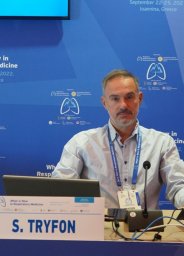 Stavros Tryfon合作论文数1st Department of Pneumonology, GH "G Papanikolaou",6Daliborka Bursac合作论文数5Athanasios Katsaounis合作论文数Aristotle Univ Thessaloniki, AHEPA Univ Hosp5Vladimir Stojsic合作论文数5Sarcev Tatjana合作论文数5
 Amanda Psyrri合作论文数School of Medicine, Yale University5
 Helena Linardou合作论文数1st Department of Medical Oncology, Metropolitan Hospital5Charalampos Charalampidis合作论文数4Christina Nikolaou合作论文数4Elena Fountzilas合作论文数4
 Anna Koumarianou合作论文数4Vagelis Christakidis合作论文数4Nikolaos Iason Katsios合作论文数4
 Zoi Aidoni合作论文数4Biljana Kukić合作论文数4Courcoutsakis Nikolaos合作论文数4Athanasia Pataka合作论文数School of Medicine, Aristotle University of Thessaloniki;Department of Respiratory Deficiency, Aristotle University of Thessaloniki;Aristotle University School of Medicine4
 Panagiota Economopoulou合作论文数4
 Sofia Karageorgopoulou合作论文数4




