The analgesic effects of breastfeeding (BF), skin-to-skin care (SSC), and oral sucrose/glucose for neonates during painful procedures are well-established. Although parents report wanting to comfort their babies during painful procedures, use of these strategies is inconsistent. This study investigated clinicians' support/use of BF, SSC and sucrose during newborn heel lance in Australia and perceptions of a clinician-targeted video demonstrating how to perform heel lance while newborns were BF/SSC. A cross-sectional online survey was conducted. Snowball sampling and distribution via partner organizations were used. Descriptive statistics and content analysis were used for quantitative and qualitative data, respectively. Respondents included 729 nurses, midwives, and phlebotomists, caring for healthy newborns (39%, n = 283); sick newborns (41% n = 300) and both sick and healthy newborns (20%, n = 146). Most respondents caring for healthy newborns were "very likely" to support BF (80%, n = 199) and SSC (65%, n = 162). Most (89%, n = 237) caring for sick newborns were "very likely" to use sucrose; one third "very likely" to support mothers to BF (29%, n = 78) and 32% (n = 85) to use SSC. Barriers to BF and SSC included parents being absent and critically ill newborns. Most considered the video applicable (81%, n = 488) and likely to increase BF or SSC (84%, n = 502). Analysis from comment data identified two categories: "healthcare context and practice" and "parent and baby." The key findings that clinicians reported the video to be highly useful and that BF and SSC during heel lance for healthy newborns was high confirm that further research is needed to examine parents' use of BF and SSC during painful procedures.
OBJECTIVE:The objective of this review was to evaluate health care professionals' experiences when families participate in clinician handovers in adult, pediatric, and neonatal intensive care units (ICUs). INTRODUCTION:Previous studies report the emotional distress families experience when a relative is admitted to intensive care, including an increased risk of post-traumatic stress disorder symptoms after discharge. Family involvement in patient care in ICU can improve safety and quality health care outcomes. Furthermore, family participation in clinician handovers may improve satisfaction with care, staff communication, and interpersonal relationships with families. However, health care professionals' attitudes toward family participation in multidisciplinary ward rounds are diverse, and little is known about their perspectives toward family participation in clinician handovers. INCLUSION CRITERIA:Studies were included if they involved health care professionals and any type of family participation during handover, from bedside presence to participation in decision-making. Clinician handovers included multidisciplinary ward rounds or nursing handovers. Settings were adult, pediatric, or neonatal intensive care units in rural or metropolitan regions in any country. Studies in other clinical contexts were excluded. Qualitative studies were included, as well as mixed methods studies if qualitative data could be clearly extracted. METHODS:Databases searched included CINAHL Plus (EBSCOhost), MEDLINE (Ovid), Scopus, Embase (Ovid), Emcare (Ovid), PsycINFO (Ovid), ProQuest Central (including ProQuest Dissertations and Theses), Web of Science, MedNar, and Google Scholar, with limiters being English and the year range 2000 to present. The last search was in October 2024. Two reviewers independently screened the titles and abstracts and assessed the full-text articles that met inclusion criteria for methodological quality. Findings were extracted using the JBI data extraction tool and assigned a level of credibility. Meta-aggregation was used to synthesize the findings. Two reviewers discussed any disagreements to reach consensus and consulted a third reviewer when necessary. RESULTS:Eleven studies published from 2003-2024 were included for data extraction. Five studies were qualitative and 6 were mixed methods. Six studies were conducted in the United States, 4 in Canada, and 1 in Australia. Three studies were in adult ICUs, 5 in pediatric, 1 in neonatal, and 2 did not specify the ICU type. All studies were on multidisciplinary bedside rounds, while none were conducted on nursing handovers. The findings revealed that health care professionals generally supported family participation in clinician handovers due to benefits such as improved communication between the health care team and families. However, they also identified barriers, including families' emotional responses to bad news and impact on workflow and teaching opportunities during handovers. Planning, leadership, and clear communication were highlighted as crucial for successfully facilitating family participation in rounds. CONCLUSIONS:While this review found that health care professionals value family participation in multidisciplinary bedside rounds, they experienced challenges. Future research is required to explore family participation in clinician handovers. Significant planning, investment and preparation is required to include families in ICU handovers. REVIEW REGISTRATION:PROSPERO CRD42020223011.
Aim: The aim of this study is to explore the effects of integrating bioscience and nursing units on academic achievement and perception in the first-year nursing curriculum.Background: Nursing students have historically found biosciences difficult and struggle to relate it to nursing practice. In response, nursing and non-nursing academics have employed different teaching modes and integration strategies to enhance learning. Despite these efforts, substantial gaps still persist concerning the integration of biosciences within nursing curriculum and the effect of integration on student academic achievement and student perception.Design: Retrospective descriptive. The setting was a large University in Victoria Australia with two undergraduate nursing campuses (metropolitan and non-metropolitan).Method: Student academic records and online evaluation surveys that were completed from 2014 to 2019 were examined. Students self-reported their experiences of the unit using a five-point Likert scale and two open-ended questions. Descriptive and inferential statistics were used to analyse the data. Content analysis was used to analyse the two open-response survey items.Results: First-year student records from 2014 to 2016 (pre-integration) and 2017-2019 (post-integration) were examined. Student mean age was 24.5 years (SD 7.2) and 20.9 years (SD 4.8) pre-integration and post-integration respectively. There was a statistically significant decrease in student attrition from pre-integration (n=536, 29.9%) to post-integration (n=358, 20.2%) (p <0.001), and a significant improvement in students' mean academic scores post-integration in the first semester 61.9 (SD 15.9) and 67.0 (SD 14.9) respectively, confidence interval 3.9-6.2 (p <0.001). Student satisfaction with the units improved post-integration, from 77.8% to 85.8% (chi(2) = 10.1076) (p=0.001). However, there was no significant difference in students' perception of feeling overwhelmed, and their self-reported ability to link theory to practice.Conclusion: Integrating bioscience and clinical nursing practice units in the first-year curriculum can help decrease student attrition rates, improve student academic results and increase student satisfaction which may lead to an overall improvement in student learning experiences.
Adult simulated patients (SPs) are now embedded in health professions education, prompting the development of practice standards. The comparatively sparse involvement of children and young people as simulated participants in education may account for the absence of standards to underpin their safe practice. Research suggests that children and young people who fulfil simulated participant roles have specific requirements not covered by existing standards. This paper offers recommendations specific to the safe engagement of simulated participants in health professions education that align with published guidelines for working with adult simulated patients. These recommendations include: Practical considerations, safe work environment, scenario development, training for role portrayal, feedback & completion of assessment instruments, parental responsibility and ethical considerations. We hope these recommendations are valuable for anyone working with children or young people in simulated participant roles.
BackgroundReal patients in clinical placements are important for learning and may well be the ‘gold standard’. However, simulated patients (SPs) are a viable alternative in the absence of this opportunity. While adult SPs contribute to health professions education, child and adolescent simulated patients (CASPs) are less common. This research aims to explore the perspectives of healthcare educators regarding the engagement of young SPs, specifically the identification of barriers and enablers to involving CASPs.MethodsWe used an interpretive paradigm of qualitative description. Thirteen interviewees, all educators involved in SP programmes, participated in semistructured interviews. Data were transcribed verbatim and analysed using an inductive thematic approach.FindingsNot all participants saw value in engaging CASPs. A number of barriers and enablers to involving them were acknowledged in six themes: challenges and concerns; logistical barriers; benefits of CASPs; overcoming challenges; an ethical minefield; and child safety. Opinions differed with respect to feasibility and necessity for involving CASPs, particularly in the hospital setting where real patients are accessible. All participants articulated the critical importance of ensuring adequate support and adherence to ethical principles if CASPs were involved.ConclusionsThe involvement of CASPs in health professions education is a divisive issue. CASPs’ ability to provide a realistic option for supporting learning is recognised yet perhaps not wholly perceived as a feasible alternative to real patients. Their engagement raises critical ethical, practical, logistical and financial challenges.
Children and adolescents are sporadically involved in health professions education as simulated patients – lay persons trained to act as real patients. This research explored the experiences of young simulated patients and health professions educators to facilitate a deeper understanding of the factors impacting on their engagement. Although perspectives were diverse and the actual need to engage them challenged by educators, the most significant findings relate to children/adolescents. Child and adolescent simulated patients experience power imbalances, a potential for harm exists and there is an ethical imperative to safeguard their wellbeing. These three elements combine to make involving CASPs in education a challenging notion.
Surgical training is long and complex. At the core of clinical practice is communication. Voice is central to relationships of care. Communication and other person-centred competencies are well articulated in surgical training programs. Simulated participant (SP) methodology has seen significant development over its contemporary history. Most commonly in paediatrics SPs portray the roles of parents. However, children and adolescents as SPs are increasingly employed to support the development and assessment of the complex concept of voice. There are specific considerations in all phases of SP-based work, and these are heightened for children and adolescents. This article explores contemporary SP practices in health professional education with a focus on paediatric surgery training.
Background: Learners should be exposed to the core principles of adolescent specific communication and assessment frameworks as part of health professional curricula. How this is done can vary considerably, but the inclusion of adolescents seems an ideal and realistic option. However, securing their participation can be challenging. A viable option to adolescent patients may be adolescent simulated patients. Objective: This study describes adolescents' lived experiences of being simulated patients in health professional education. Design & setting: An interpretive phenomenological approach involving ten adolescent simulated patients from two health professional education programs in Australia. Methods: Consenting/assenting adolescents participated in semi-structured audio-recorded interviews. Data was transcribed verbatim and analysed using van Manen's phenomenological approach. Results: Adolescents offered unique insights and intimate knowledge of their lived experiences of simulated patient work. Adolescents reflected upon the often positive but sometimes challenging journey of simulated patient work. The identification of harm, largely unrecognized by adolescents themselves is the most concerning finding of this study. Conclusions: The experiences of adolescent simulated patients can help to shape the future of their involvement. However, their experiences also reveal myriad challenges. The implications for ethical practice must be reviewed before inclusion of adolescents as simulated patients is a feasible option.
Adolescent simulated patients (SPs) work in an environment where complex and dynamic power relationships are at play. These relationships differ to those encountered in clinical practice. Instead of health professionals exerting their power from a foundation resting on knowledge, to a patient consumed with worry, SPs in simulation scenarios often have less worry and more knowledge than the learner. Combined with this, their role in judging and assessing learner performance adds to their power base. Adolescent SPs also experience power from the opposite perspective; where they have power exerted upon them, with limited ability to resist. This research aims to explore power relationships from adolescent SP's perspectives. Ten adolescent SPs, (10-19 years), participated in semi-structured interviews that were analysed using an interpretive phenomenological approach. Four themes resulted from an in-depth analysis of interview transcripts: 1) Becoming and being a powerful simulated patient; 2) redirection, resistance & responsibility; 3) the power of the role; and 4) a complex maze of interactions. These themes reflect the experiences adolescent SPs are exposed to and the powerful interactions that can result. Whilst there are positive outcomes for adolescent SPs, there is also a risk of harm. Recognizing this is an ethical imperative to ensure adolescent safety during the simulation process.
Simulation in health education has been shown to increase confidence, psychomotor and professional skills, and thus positively impact on student preparedness for clinical placement. It is recognised as a valuable tool to expose and engage students in realistic patient care encounters without the potential to cause patient harm. Although inherent challenges exist in the development and implementation of simulation, variability in clinical placement time, availability and quality dictates the need to provide students with learning opportunities they may otherwise not experience. With this, and a myriad of other issues providing the impetus for improved clinical preparation, 28 final semester undergraduate nursing students in a paediatric nursing course were involved in an extended multi-scenario simulated clinical shift prior to clinical placement. The simulation focussed on a complex ward experience, giving students the opportunity to demonstrate a variety of psychomotor skills, decision making, leadership, team work and other professional attributes integral for successful transition into the clinical arena. Evaluation data were collected at 3 intermittent points; post-simulation, post clinical placement, and 3 months after commencing employment as a Registered Nurse. Quantitative and qualitative analysis suggested positive impacts on critical nursing concepts and psychomotor skills resulted for participants in both clinical placement and beyond into the first months of employment.
Simulated patients (SP) contribute to health professional education for communication, clinical skills teaching, and assessment. Although a significant body of literature exists on the involvement of adult SPs, limited research has been conducted on the contribution of children and adolescents. This systematic review, using narrative summary with thematic synthesis, aims to report findings related to children/adolescents as simulated patients in health professions education (undergraduate or post-graduate). A systematic review of qualitative and quantitative literature published between 1980 and September 2014 was undertaken using databases including CINAHL, Ovid Medline and Scopus. The lack of literature related to the employment of children and adolescents in nursing education dictated the expansion of the search to the wider health professions. Key search terms related to the employment of children and adolescents in health professional education programs. A total of 58 studies reduced to 36 following exclusion based on abstract review. Twenty-two studies reached full text review; following application of inclusion and exclusion criteria, 15 English language studies involving children and/or adolescents in simulation formed part of this systematic review. Five key themes emerged: Process related to recruitment, duration and content of training programs, support and debriefing practice, ethical considerations, and effects of participation for key stakeholders such as children and adolescents, parent and faculty, and learner outcomes. The results suggest that the involvement of children and adolescents in simulation for education and assessment purposes is valuable and feasible. The review identified the potential for harm to children/adolescents; however, rigorous selection, training and support strategies can mitigate negative outcomes. The ability of children to portray a role consistently across assessments, and deliver constructive feedback remains ambiguous.
 Debra Nestel合作论文数Department of Surgery, University of Melbourne;Department of Simulation Education in Healthcare, School of Clinical Sciences at Monash Health, Monash University7
 Margaret Bearman合作论文数Unit of Medical Informatics and Department of Community Medicine;Monash University;Unit of Medical Informatics and Department of Community Medicine, Monash University5
 Nicole Pope合作论文数2Endacott Ruth合作论文数2
 Pauline Wong合作论文数School of Nursing and Midwifery, Monash University;School of Nursing and Midwifery, Deakin University2
 Natalie C Bennett合作论文数1Renee L Rogers合作论文数1
 Vincent Pearson合作论文数College of Nursing and Health Sciences, Flinders University1Grainne P Kearney合作论文数Ctr Med Educ, Queens Univ Belfast1
 Alicia Spittle合作论文数Department of Physiotherapy, Melbourne School of Health Sciences, Faculty of Medicine, Dentistry and Health Sciences, The University of Melbourne1
 Sophie Jones合作论文数Department of Nursing, Melbourne School of Health Sciences, Faculty of Medicine, Dentistry and Health Sciences, The University of Melbourne1
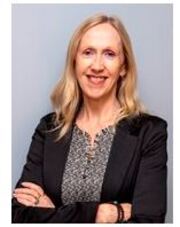 Denise Harrison合作论文数Department of Nursing, Melbourne School of Health Sciences, Faculty of Medicine, Dentistry and Health Sciences, The University of Melbourne1
 Melinda Cruz Turner合作论文数1
 Auxillia Madhuvu合作论文数School of Nursing and Midwifery, Monash University1
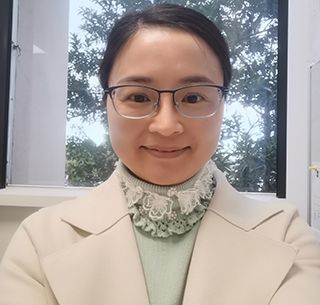 Weili (Lily) Gao合作论文数School of Nursing and Midwifery, Monash University1
 Linda Sweet合作论文数Flinders University1
 Monica O'Halloran合作论文数School of Nursing and Midwifery, Monash University1Gerard Gormley合作论文数1
 Kaye Spence合作论文数Department of Academic Surgery, The Children’s Hospital at Westmead1
 Jeanie Cheong合作论文数Faculty of Medicine, Dentistry & Health Sciences, The University of Melbourne;Murdoch Children's Research Institute;Royal Women's Hospital1
 Julia Morphet合作论文数School of Nursing and Midwifery, Faculty of Medicine, Nursing and Health Sciences, Monash University;College of Emergency Nursing Australasia1
 Rose Jaspers合作论文数School of Nursing and Midwifery, Monash University1




