This project aimed to develop an app for risk prevention across several chronic conditions, including the management of type 1 diabetes. The app was developed by professional software developers and researchers at universities and research institutions. However, despite the highly qualified team, when involving additional testers who evaluated the app against established design principles, several weaknesses that would otherwise have gone unidentified were revealed. The prototype was tested by internal project members, university students, and university staff. Using multiple testing methods, we were able to detect a variety of issues that would have gone unnoticed using a single testing method.
Infective endocarditis is an infectious heart disease strongly associated with morbidity and mortality. Up to half of the patients with infective endocarditis require heart valve surgery. While early exercise-based rehabilitation is well documented for patients recovering from heart surgery for non-infective endocarditis, there is limited research on those who have undergone valve surgery due to this infection. This study aimed to explore the early aerobic training in this patient population. A single-centre prospective feasibility study was conducted using the UK Medical Research Council’s framework for complex interventions. The study investigated the feasibility (recruitment, retention, adherence), safety, acceptability, and preliminary functional outcomes of 4 × 4 interval training in this patient population. Training session data included the number, duration, and intensity, which were monitored via the Apple Watch S5 (Present Age-Predicted Maximum Heart Rate) and the Borg RPE scale. Functional outcomes were evaluated at baseline and 3 months post-surgery, including sub-maximal oxygen uptake (treadmill protocol), 6-min walk test, and quality of life (HeartQoL, EQ-5D-5L). Sixteen patients consented to participate, with 12 initiating the intervention and 11 completing it, yielding a retention rate of 91.7
BackgroundNoncommunicable diseases are the leading cause of death worldwide. Cardiovascular and respiratory diseases, cancer, and type 2 diabetes share common risk factors that can be addressed: physical activity, a healthy diet, and avoiding smoking and alcohol. The Watching the Risk Factors (WARIFA) mobile health app was created for general health awareness and to support users in adopting healthier behaviors, as well as to support type 1 diabetes (T1D) self-management. ObjectiveThis study aims to evaluate the effectiveness of the WARIFA app with personalized artificial intelligence (AI)–driven messages, compared to a nonpersonalized version, in promoting health-related behavior change among the general population and individuals with T1D. MethodsA total of 108 European participants, including individuals with T1D, were to be randomized (computer-generated sequence, double-blind, 1:1 ratio) to an intervention or control group. In the intervention group, participants used the WARIFA app with personalized messages and the use of AI. This applied to certain functionalities, such as providing recommendations on healthy dietary habits based on food logging and offering advice and encouragement through daily step tracking. It also provided risk predictions for cardiovascular and respiratory diseases, cancer, and type 2 diabetes. Participants with T1D were offered glucose predictions based on previous measurements. In the control group, participants used a WARIFA app without personalized messages or AI. Both WARIFA app versions offered access to air quality and UV index information for the geographical area, as well as displaying physical activity in the form of daily steps and sleep hours, as well as glucose results for participants with T1D. Both groups were provided with an activity monitor and used the WARIFA app for 8-12 weeks. The primary outcome is a self-defined goal, chosen from a set of proposed objectives at baseline and assessed at the end of the study using a Likert scale (1 to 10 points, 0 being no achievement at all and 10 being full achievement of the objective). Secondary outcomes include: engagement with the app, changes in lifestyle behavior, body composition, lipid profile, glycated hemoglobin (T1D only), hypoglycemic events (T1D only), and health-related quality of life, as well as acquired knowledge, self-efficacy, and usability. ResultsThe clinical trial took place between January and June 2025. A total of 88 participants were finally recruited. The data are being analyzed, and the results are expected to be published in 2026. ConclusionsThere is evidence that improving lifestyle behavior can prevent noncommunicable diseases. In this study, we aim to evaluate the effectiveness of the WARIFA app to improve lifestyle behaviors and T1D management. Trial RegistrationClinicalTrials.gov NCT06918444; https://clinicaltrials.gov/study/NCT06918444 International Registered Report Identifier (IRRID)DERR1-10.2196/84510
This study examines physical activity patterns among residents of the High North using smartwatch data and machine learning models. We collected 90 d of Apple smartwatch data from 15 Northern Norwegian residents both native and non-native and applied thirteen regression algorithms to predict total energy expenditure. CatBoostRegressor showed better performance (R ^2 = 0.9999, Mean Absolute Error = 0.480), and through SHAP analysis, workout energy, and duration were shown to be the most important predictive variables. While non-native residents showed lower, more variable activity levels with daily step counts of 0–8,000 and energy expenditure mostly below 500 kcal/day, native residents maintained more consistent daily step counts (5,000–17,500) and higher active energy expenditure (1,000-4,000 kcal/day). These results show the need to consider cultural background while developing technology-based physical activity interventions for High North populations and imply that machine learning models can efficiently predict activity patterns in High North latitudes.
Digital health approaches that leverage consumer wearables and machine learning offer scalable means to detect acute illness pre-symptomatically, enabling earlier intervention and improved resource planning. Prior studies have shown that wearable-derived signals can identify infections-including COVID-19, malaria, H1N1, and rhinovirus-before symptom onset or in asymptomatic cases. Elective surgery pathways remain vulnerable to day-of-surgery cancellations due to unexpected patient illness, leading to underutilized operating rooms, equipment, and staff. To address this, we developed a prototype preoperative alert system that applies a kernel density estimation (KDE)-based illness prediction model to consumer wearable data. Using a publicly available longitudinal dataset, we evaluated the model's ability to flag impending illness in advance. The KDE approach detected most sick users but yielded a high false-positive rate. We investigated potential causes-including inter-individual physiological variability, activity-induced confounding, data sparsity, and threshold calibration-and outlined recommendations for future models: personalization with user-specific baselines and drift handling; integration of multimodal features (e.g., heart rate, heart rate variability, sleep, temperature, and activity context); robust anomaly scoring and calibration; temporal smoothing with alert confirmation windows; and prospective validation in perioperative cohorts. Our findings highlight both the promise and current limitations of presymptomatic illness prediction for surgical scheduling and provide actionable steps to reduce false positives while preserving sensitivity, with the goal of minimizing elective surgery cancellations.
There is a shift towards an aging population. Physical activity decreases with age, contributing to reduced aerobic capacity, physical strength, and functional ability. In the RESTART intervention trial, we are testing new tools for achieving lasting lifestyle changes with increased physical activity for an aging population. We present experiences and lessons learned when equipping participants in a full-scale RCT with consumer-based activity trackers, as a tool for long-term physical activity tracking.
This study presents a secure, end-to-end architecture for multimodal health data collection and integration using a multisensor wearable device (Empatica EmbracePlus) and a mobile health application (FoTiP). The system captures continuous, objective data as well as subjective data, by integrating these streams with a backend data-collection framework (mSpider). Beyond the architecture design, the successful integration of Empatica with mSpider demonstrates efficient data retrieval, tag management, and storage, facilitating the creation of comprehensive datasets for health-event analysis. This framework advances personalized healthcare by supporting predictive modeling for health events such as migraine episodes, epileptic seizures and stress while also analyzing behavioral and lifestyle patterns for more informed interventions.
Drawing on our experience establishing an experience-based master's program in digital health services in a rural region in Norway, this paper presents a set of actionable recommendations for designing similar master's programs. Stakeholder testimonials and high-quality student research demonstrate that the program has successfully increased the competence in digital health services in the region. We found that the program's unique traits fostering close collaboration between local health services and enrolled students were essential, as well as sustainable funding from employers for enrolled students.
In this paper we propose a new approach for increasing physical activity (PA) in individuals with intellectual disabilities (IDs), using augmented reality exergames to increase adherence and motivation. The game encourages PA by showing virtual elements through a mobile phone camera. The elements only appeared if the player moved in the real world. The game was specifically designed for people with ID and was evaluated in a pilot test involving 17 users of a day care center for four weeks. Results demonstrate sustained engagement with the app and increased usage of smartphones among participants. Moreover, most users reported using the app for PA for the first time, underscoring its potential to attract individuals who may not have previously engaged in such activities. These findings suggest that exergames can be an effective intervention for PA promotion and for improving the overall well-being of individuals with IDs.
Non-communicable diseases (NCDs) such as cardiovascular diseases, diabetes, cancer, and chronic respiratory conditions are the leading causes of premature death globally. Mobile health (mHealth) applications, especially those enhanced by artificial intelligence (AI), offer promising tools for prevention and self-management. However, their effectiveness depends on user-centered design and inclusivity, particularly for underrepresented populations. This study aimed to describe the co-creation process of the WARIFA app, an AI-powered mHealth tool, designed to assess individual risk for NCDs and support behavior change through personalized recommendations. A mixed-methods, user-centered approach was employed across Norway, Spain, and Romania. The co-creation process included 18 focus groups (n=142) and 22 individual interviews with three target populations: individuals with type 1 diabetes (T1D), the general population, and seldom-heard groups. Participants were recruited through associations, social services, healthcare settings and via flyers placed in local centers. Data were collected via semi-structured focus groups and interviews, analyzed using descriptive deductive content analysis, and iteratively integrated into app development. Ethical approval was obtained for the app’s evaluation phase (Spain: CEIM 2024-330-1). Key themes identified included usability, data privacy, functionality preferences, feedback given by the app, and device integration. Participants emphasized the need for simple navigation, personalized and evidence-based feedback, and real-time data visualization—especially for glucose monitoring in T1D users. The final app included risk calculators, lifestyle questionnaires, environmental data integration, and customizable features. Feedback content was grounded in World Health Organization and Europe Comission guidelines and tailored using the context engine. The app was tested on various Android devices and refined through continuous user input. The co-creation process ensured that the WARIFA app was aligned with users’ needs, enhancing its relevance, usability, and potential impact. The app’s effectiveness has been evaluated in a randomized controlled trial (NCT06918444). Evaluation of the WARIFA App and Its Impact on Healthy Lifestyle NCT06918444 clinicaltrials.gov
INTRODUCTION:Type 2 diabetes (T2D) prevalence is rising, which imposes a significant burden on individuals, healthcare systems, and economies worldwide. Lifestyle factors contribute significantly to the escalating incidence of T2D. Consequently, there is an increasing need for interventions that not only target at-risk populations for prevention but also empower individuals with T2D to achieve better self-management and possibly attain remission through sustained lifestyle modifications. Technological tools may improve health outcomes compared to traditional in-person care, and can include registration of important health parameters, provide follow-up and support, and enhance self-management. The aim of this study was to receive feedback from end-users to inform the development of a comprehensive e-health program focusing on lifestyle modification in pre-diabetes and T2D. METHODS:During eight focus group meetings, sixteen adults with pre-diabetes or T2D from all over Norway informed the study about needs and preferences for an e-health program, including essential functionalities and design choices. A questionnaire and paper prototyping were used to complement the discussions in the focus group meetings. RESULTS:Lack of necessary diabetes knowledge was common, and education was considered essential for improved self-management. Essential functionalities included registration and overview of several health parameters, long-term follow-up and coaching through communication platforms within the program, automatic data transfer from different devices such as blood glucose monitors and smartwatches, and educational courses. To ensure end-users' satisfaction with the program and increase motivation for long-term usage, the participants rendered tailoring of desired functionalities and content as crucial. CONCLUSION:Based on the findings, a list of recommendations was created, containing the most crucial functionalities and features to include when developing e-health and/or m-health tools for people with pre-diabetes and T2D. Future work should include health care personnel to explore their needs and preferences, and ways such an e-health program may enhance patient interaction without increasing workload and resource use.
Migraine is a common chronic headache disorder characterizsed by episodes of moderate to severe headaches, resulting in a large personal- and societal burden. To address this, we implemented a mobile app solution aimed at enhancing continuous data collection and increasing data coverage for the Empatica E4 biometric sensor device. Our ultimate goal is to use this system in a future migraine event prediction system. In our initial study, three participants wore the E4 device for eight days and were interviewed about their experience. Main user-experience feedback included the need for more frequent reminders, more detailed information on the collected data, and improvements with respects to connectivity issues. Regarding the app interface, participants recommended adding more diagnostic tools and statistics, enhancing the "look and feel" design, clarifying explanations of variables, providing information on data usage, and supporting additional sensor devices.
BACKGROUND AND OBJECTIVE:ChatGPT shows potential as a tool for creating content for health promotion. For example, personalised physical activity (PA) intervention messages can be generated efficiently using ChatGPT. We aimed to develop and test a chatbot to promote PA. METHODS:We developed FysBot, a PA app with a chatbot powered by ChatGPT. Personas were created to prime user queries before prompting the chatbot. We conducted Think-aloud sessions to evaluate the usability of FysBot, including the chatbot. RESULTS:The five adults who participated in the usability testing valued the PA recommendations and instructions from the chatbot but noted issues with its responses, proposed hiking trips, and step count accuracy, along with suggestions for improvements. CONCLUSION:Study participants indicated satisfaction with the chatbot's potential to motivate users to increase their physical activity. Addressing usability concerns related to user interaction and making the chatbot more personalised will enhance broader adoption in the future.
BackgroundInfective endocarditis is an infectious heart disease strongly associated with morbidity and mortality. Approximately half of patients with infective endocarditis require heart valve surgery. While early exercise-based rehabilitation for non-infective endocarditis patients after heart surgery is well documented, limited research exists on such experiences for infective endocarditis patients. This study aims to explore infective endocarditis patients' experiences with interval training using the 4 x 4 model early after heart valve surgery.MethodsWe employed a qualitative explorative design and conducted individual semi-structured interviews with 11 patients following the training intervention.ResultsReflexive thematic analysis revealed two main themes: (1) being watchfully monitored and (2) having sufficient information, with three sub-themes: (a) challenges with initiating exercise during acute illness, (b) a supervised, standardised, and personalised training framework, and (c) engaging in dialogue with the physiotherapist.ConclusionBy testing the 4 x 4 model in patients with infective endocarditis after heart valve surgery, this study provides detailed insights into patients' training experiences, emphasising the importance of timely information, communication with physiotherapists, and personalised exercise plans to enhance safety.
Introduction As the global population ages, the incidence of cardiometabolic diseases and associated healthcare costs rise. There is a critical need for preventive interventions enabling long-lasting treatment effects to address the decline in physical performance and metabolic health among older adults. The RESTART (RE-inventing Strategies for healthy Ageing: Recommendations and Tools) randomised controlled trial (RCT) aims to evaluate whether a complex lifestyle intervention can improve and maintain cardiorespiratory fitness, muscle strength and body composition among older adults with elevated cardiometabolic risk.Methods and analysis This is the study protocol for the RESTART trial, a two-arm, open-label, parallel-group RCT conducted in Tromsø, Norway, targeting adults aged 60–75 with obesity, a sedentary lifestyle and high cardiovascular risk. Participants are block-randomised (1:1) into either an intervention or active control group. The initial intervention phase (12 months) includes: (a) supervised high-intensity aerobic and strength training (≥85% of maximum capacity) performed two times weekly, (b) behavioural counselling based on acceptance and commitment therapy during six group sessions and (c) dietary guidance based on national nutrition recommendations during two group/two individual sessions. After 12 months, participants are gradually introduced to exercise sessions offered by local organisations and fitness centres, to enable independent maintenance of lifestyle change. The primary outcome is a change in cardiorespiratory fitness (V̇O2max) at 24 months. Secondary and tertiary outcomes include additional parameters potentially sensitive to lifestyle change, such as 1-repetition maximum muscle strength, muscular power, device-measured physical activity levels, body composition, waist circumference, body weight, cognitive function and self-reported health-related quality of life. Data collection is scheduled at baseline, 6, 12 and 24 months, with health economic and qualitative analyses to evaluate the intervention’s impact and participant experiences.Ethics and dissemination Ethical approval for the RESTART trial was obtained from the Regional Committee for Medical Research Ethics in Northern Norway. Results will be disseminated through peer-reviewed publications, conferences and community-based channels targeting older adults, healthcare providers and municipal health organisations. This trial will also inform public health strategies for lifestyle interventions among ageing populations.Trial registration number NCT06122441.
Accelerometers are frequently used to assess physical activity in large epidemiological studies. They can monitor movement patterns and cycles over several days under free-living conditions and are usually either worn on the wrist or the hip. While wrist-worn accelerometers have been frequently used to additionally assess sleep and time in bed behavior, hip-worn accelerometers have been widely neglected for this task due to their primary focus on physical activity. Here, we present a new method with the objective to identify the time in bed to enable further analysis options for large-scale studies using hip-placement like time in bed or sedentary time analyses. We introduced new and accelerometer-specific data augmentation methods, such as mimicking a wrongly worn accelerometer, additional noise, and random croping, to improve training and generalization performance. Subsequently, we trained a neural network model on a sample from the population-based Tromsø Study and evaluated it on two additional datasets. Our algorithm achieved an accuracy of 94% on the training data, 92% on unseen data from the same population and comparable results to consumer-wearable data obtained from a demographically different population. Generalization performance was overall good, however, we found that on a few particular days or participants, the trained model fundamentally over- or underestimated time in bed (e.g., predicted all or nothing as time in bed). Despite these limitations, we anticipate our approach to be a starting point for more sophisticated methods to identify time in bed or at some point even sleep from hip-worn acceleration signals. This can enable the re-use of already collected data, for example, for longitudinal analyses where sleep-related research questions only recently got into focus or sedentary time needs to be estimated in 24 h wear protocols.
Method comparison studies assess agreement between different measurement methods. In the present work, we are interested in comparing physical activity measurements using two different accelerometers. However, a potential issue arises with the popular Bland-Altman analysis, as it assumes that differences between measurements are identically distributed across all observational units. In the case of the physical activity measurements, agreement might depend on sex, height, weight, or age of the person wearing the accelerometers, among others. To capture this potential dependency, we introduce the concept of conditional method agreement, which defines subgroups with heterogeneous agreement in dependence of covariates. We propose several tree-based models that can detect such a dependency and incorporate it into the model by splitting the data into subgroups, showing that the agreement of the activity measurements is conditional on the participant's age. Simulation studies also showed that all models were able to detect subgroups with high accuracy as the sample size increased. We call the proposed modelling approach conditional method agreement trees and make them publicly available through the R package coat.
RESTART Project Q&A: Empowering healthy aging In this Q&A, a team from the RESTART project explores their groundbreaking intervention model designed to empower people to embrace healthier lifestyles as they near retirement. The RESTART Project exemplifies the proactive approach public health initiatives can take to address health risks associated with ageing populations; what else can we learn? The inspiration for RESTART came from the Tromsø Study, an ongoing population study in Tromsø, Norway. The study revealed a concerning trend: a significant rise in overweight and obesity among participants aged 40 and over.
This paper explores the significance of physical activity for individuals with intellectual disabilities and proposes an innovative approach using augmented reality exergames to promote adherence. An augmented reality-based app for sorting elements while walking was specifically designed and implemented. Exergames hold promise as effective interventions for promoting physical activity and improving the overall well-being of individuals with intellectual disabilities.
 Gunnar Hartvigsen合作论文数Department of Computer Science, Faculty of Science and Technology, University of Tromsø;Helgeland Hospital Trust44
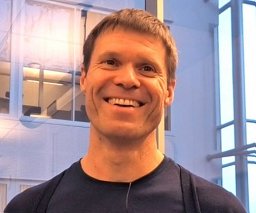 Eirik Årsand合作论文数Norwegian Ctr E Hlth Res, Univ Hosp North Norway22
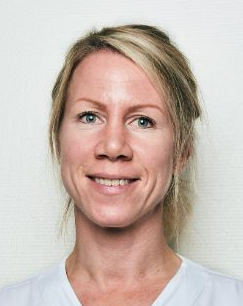 Laila Arnesdatter Hopstock合作论文数Department of Health and Care Sciences, UiT The Arctic University of Norway15
 Sameline Grimsgaard合作论文数Institute of Community Medicine, University of Tromsø14
 Miroslav Muzny合作论文数12
 Henriette Michalsen合作论文数Univ Tromso, Arctic Univ Norway, N-9037 Tromso, Norway9
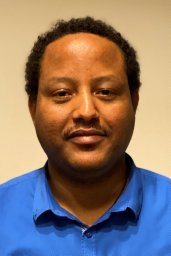 Ashenafi Zebene Woldaregay合作论文数Univ Tromso, Dept Comp Sci, Realfagbygget Hansine Hansens Vei 54 Breivika, N-9019 Tromso, Norway8
 Anke Audny合作论文数8
 Erlend Johannessen合作论文数Department of Computer Science, UiT The Arctic University of Norway7Keiichi Sato合作论文数Institute of Design, Illinois Institute of Technology7
 David-Zacharie Issom合作论文数Division of Medical Information Sciences, University Hospitals of Geneva6
 Jonas Johansson合作论文数6Gyrd Thrane合作论文数Faculty of health sciences, Tromsø University College6
 Alexander Horsch合作论文数Tech Univ Munich, Inst Med Stat & Epidemiol, Munich, Germany5
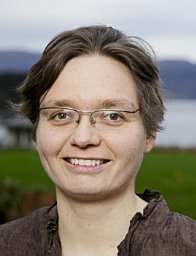 Gerit Pfuhl合作论文数Department of Psychology, NTNU5
 Silje C Wangberg合作论文数University Hospital of North Norway4
 Antonio Martinez-Millana合作论文数ITACA, Health and Wellbeing Technologies, Universidad Politécnica de Valencia4
 Letizia Jaccheri合作论文数Department of Computer Science, Faculty of Information Technology and Electrical Engineering, Norwegian University of Science and Technology4Håvard Blixgård合作论文数3Alain Giordanengo合作论文数3Astrid Grøttland合作论文数3Monica Olsen合作论文数3Reidun Jahnsen合作论文数3
 Arntzen Cathrine合作论文数Faculty of Health Sciences, the Artic University of Norway3
 Trygve Sigvart Deraas合作论文数3
 Christian Lovis合作论文数Division of Medical and Information Sciences, University and Hospitals of Geneva;Institute of Global Health, Faculté de Médecine, University of Geneva;Innosuisse3Gunn Pettersen合作论文数3
 Elia Gabarron合作论文数3Seshathiri Dhanasekaran合作论文数2David Johansen合作论文数2Siranush Karapetyan合作论文数2
 Dillys Larbi合作论文数Norwegian Centre for E-health Research2Erlend Hoftun Farbu合作论文数2
 Anja Davis Norbye合作论文数2
 Anne-Sofie Sand合作论文数Dept Clin Res, Univ Hosp North Norway2
 Conceicao Granja合作论文数2
 Jessica Rochat合作论文数Dept Radiol & Med Informat, Univ Geneva2
 Bente Morseth合作论文数Faculty of Health Sciences, University of Tromsø2
 Santiago Martinez合作论文数Centre for eHealth and Healthcare Technology, University of Agder2
 Bradway Meghan合作论文数Norwegian Centre for Integrated Care and Telemedicine (NST),, University Hospital of North Norway;US Department of State Bureau of Educational and Cultural Affairs and IIE: United States of America-Norway Fulbright Program, Oslo, 0253, Norway.;Norwegian Centre for Integrated Care and Telemedicine (NST),, University Hospital of North Norway2
 Jan Muzik合作论文数Faculty of Biomedical Engineering, Czech Technical University2
 Rasmussen Trine Bernholdt合作论文数The Heart Centre, Copenhagen University Hospital2
 Anne Håkansson合作论文数Division of Software and Computer Systems, Department of Computer Science, School of Electrical Engineering and Computer Science, KTH Royal Institute of Technology2
 Anders Andersen合作论文数University of Tromsø2
 Randi Valbjørn Karlsen合作论文数University of Tromsø2
 Susanna Pelagatti合作论文数Dipartimento di Informatica
Universita di Pisa2
Susanna Pelagatti合作论文数Dipartimento di Informatica
Universita di Pisa2 Cristina Soguero Ruiz合作论文数Universidad Rey Juan Carlos2Øyvind Jakobsen合作论文数2
 Tove Aminda Hanssen合作论文数2




