Heatmap of patients with active disease at study theray initiation, showing CBF subtype, ACA, treatment group and mutational groups
Cox multivariate for overall survival in the full cohort with backward model selection not including DNMT3A-ASXL1-TET2 (DAT) and TRANSCRIPTION FACTORS
Menin inhibition leads to an antileukemic effect through hematopoietic differentiation. Treatment with the menin inhibitor revumenib results in clinical remissions in relapsed or refractory (R/R) acute myeloid leukemia (AML) with either rearrangement of lysine methyltransferase 2A (KMT2A) or mutation in nucleophosmin 1 (NPM1), leading to regulatory approval of this drug. However, determinants of response to revumenib have not been fully elucidated. We examined the immunophenotype of leukemia cells by flow cytometry, in sequential bone marrow specimens from 48 patients with R/R AML treated with revumenib. We observed dynamic changes in the immunophenotype after treatment in 16 of 31 (52%) patients, characterized by a switch from a myeloid/stem-like to a monocytic or myelomonocytic immunophenotype, or vice versa, or by substantial changes in the intensity of antigen expression or in patterns of leukemia-associated immunophenotypes. Morphologic remission with undetectable measurable residual disease (MRD) by flow cytometry following revumenib was associated with improved overall survival, with a median of 23.6 months compared with 20.8 months in patients with morphologic response and detectable MRD, and 3.2 months in non-responders. In summary, treatment monitoring of AML by flow cytometry, following menin inhibition, requires recognition of phenotypic changes associated with differentiation.
Cox multivariate for relapse free survival in the full cohort with backward variable selection not including DNMT3A-ASXL1-TET2 (DAT) and TRANSCRIPTION FACTORS
Fludarabine, cytarabine, and G-CSF-based therapy (FLAG) yields approximately 60% 5-year overall survival (OS) in core-binding factor (CBF) acute myeloid leukemia (AML), with potential added benefit with gemtuzumab ozogamicin (GO). Although measurable residual disease (MRD) status via optimal quantitative polymerase chain reaction (qPCR) response (OPR; qPCR <0.1% at the end of induction and <0.01% during/after consolidation) of fusion transcripts predicts survival, the impact of baseline myeloid mutations on OPR and survival with FLAG remains uncertain. We interrogated these factors in 219 first-line patients with CBF-AML (median age 52 years; range, 19-80) treated on a phase II trial (NCT00801489); 51% received FLAG-GO and 49% FLAG idarubicin. Baseline mutations included 49% kinase pathways (non-MAP kinase), 44% MAP kinase, 11% DNMT3A-ASXL1-TET2, and 7% transcription factors. Five-year relapse-free survival and OS were 67% and 74% overall, respectively, 77% and 80% with FLAG-GO. On multivariate analysis, baseline mutations did not affect OPR or survival, whereas FLAG-GO favored both. In CBF-AML, FLAG-based therapy possibly attenuates the prognostic impact of concurrent baseline genomics. SIGNIFICANCE:In CBF-AML treated with conventional intensive chemotherapy, usually 7 + 3, baseline mutations in KIT, chromatin modulators, cohesin complex, etc., garner suboptimal MRD clearance and survival. In our analysis, FLAG-based therapy abrogated the impact of baseline mutations on OPR and survival in CBF-AML, while showing promising long-term survival using FLAG-GO.
Survival stratified by the presence of RAS mutations at high burden (>1 mutation with VAF>5% for both or single mutation with VAF >20%)
Cox multivariate model for relapse free survival in the full cohort with forward variable selection
Coverage by gene and codon(s) tested with >250x coverage in the clinical grade targeted myeloid gene sequencing
Multivariate logistic regression analysis to study factors associated with an Optimal PCR Response (OPR)
Cox multivariate model with backward variable selection for overall survival in patients who achieved an End of induction (EOI) Optimal PCR Response (OPR)
Cumulative incidence of relapse and non-relapse mortality as competing events stratified by the treatment groups
 L. Jeffrey Medeiros合作论文数Department of Hematopathology, Division of Pathology/Lab Medicine, The University of Texas MD Anderson Cancer Center43
 Rashmi Kanagal Shamanna合作论文数Molecular Diagnostic Laboratory, Department of Hematopathology, Division of Pathology and Laboratory Medicine, The University of Texas MD Anderson Cancer Center;Leukemia Planning Clinic, Department of Hematopathology, Division of Pathology and Laboratory Medicine, The University of Texas MD Anderson Cancer Center26
 Carlos E. Bueso-Ramos合作论文数Bone Marrow Laboratory, Department of Hematopathology, The University of Texas MD Anderson Cancer Center;Division of Pathology/Lab Medicine, The University of Texas MD Anderson Cancer Center22
 Loghavi Sanam合作论文数Dept Hematopathol, Univ Texas MD Anderson Canc Ctr21
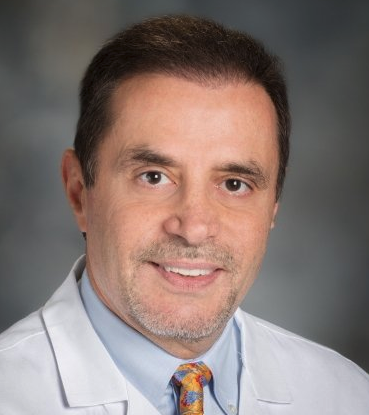 Hagop M. Kantarjian合作论文数Department of Leukemia, Division of Cancer Medicine, The University of Texas MD Anderson Cancer Center15
 Keyur P. Patel合作论文数Department of Hematopathology, Division of Pathology/Lab Medicine, The University of Texas MD Anderson Cancer Center;Department of Molecular Diagnostics Laboratory, Division of Pathology/Lab Medicine, The University of Texas MD Anderson Cancer Center15
 Guilin Tang合作论文数15
 Thakral Beenu合作论文数Department of Pathology and Laboratory Medicine, NorthShore University Hospital14
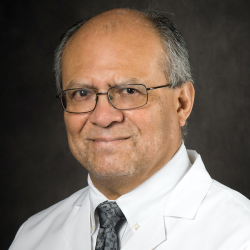 Roberto N. Miranda合作论文数Department of Hematopathology, University of Texas MD Anderson Cancer Center;University of Missouri14
 Shimin hu合作论文数Univ Texas MD Anderson Canc Ctr, Dept Hematopathol, Houston, TX 77030 USA13
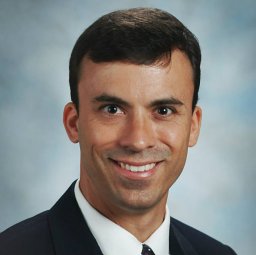 Mark Routbort合作论文数Department of Hematopathology, The University of Texas MD Anderson Cancer Center;Division of Pathology & Laboratory Medicine, The University of Texas MD Anderson Cancer Center13
 Cheng Cameron Yin合作论文数Department of Hematopathology, Department of Hematopathology, Division of Pathology/Lab Medicine, The University of Texas MD Anderson Cancer Center;The University of Texas Graduate School of Biomedical Sciences13
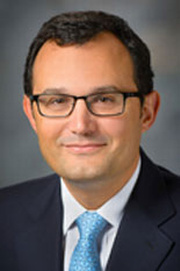 Guillermo Garcia-Manero合作论文数Section of Myelodysplastic Syndromes, Department of Leukemia, Division of Cancer Medicine, The University of Texas MD Anderson Cancer Center;UTHealth Houston Graduate School of Biomedical Sciences12
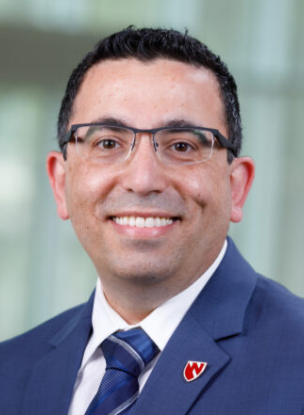 Joseph D. Khoury合作论文数Department of Pathology, Microbiology and Immunology, College of Medicine, University of Nebraska Medical Center12
 Shaoying Li合作论文数12Chi Young Ok合作论文数11Sa Wang合作论文数9
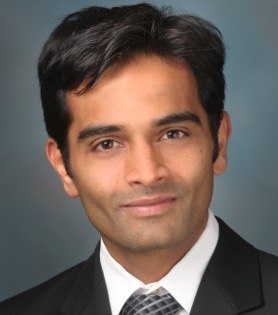 Naval G. Daver合作论文数Department of Leukemia, Division of Cancer Medicine, The University of Texas MD Anderson Cancer Center9
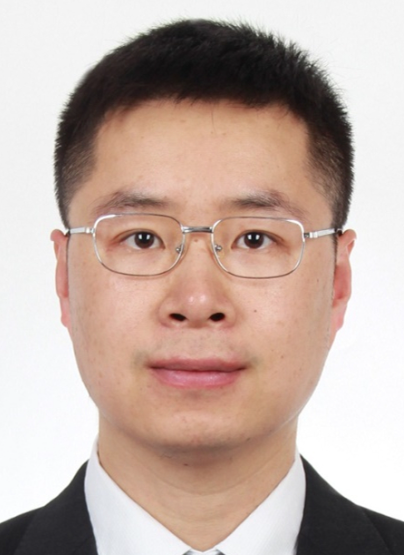 Jie Xu (许杰)合作论文数Shanghai Cancer Institute;School of Pharmaceutical Sciences, Fudan University9
 Pei Lin合作论文数9
 Rajyalakshmi Luthra合作论文数9Amer Wahed合作论文数9
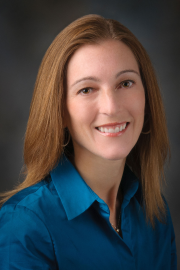 Courtney DiNardo合作论文数Department of Leukemia, The University of Texas MD Anderson Cancer Center8
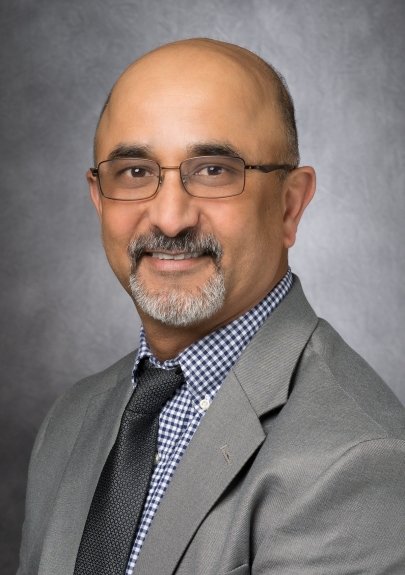 Gautam Borthakur合作论文数Department of Leukemia, Division of Cancer Medicine, The University of Texas MD Anderson Cancer Center8
 Tapan M. Kadia合作论文数Department of Leukemia, Division of Cancer Medicine, M.D. Anderson Cancer Center8
 Zhenya Tang合作论文数Department of Hematopathology, The University of Texas MD Anderson Cancer Center7
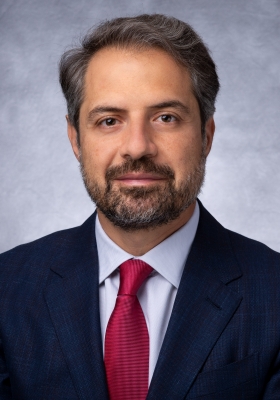 Elias Jabbour合作论文数Department of Leukemia, Division of Cancer Medicine, MD Anderson Cancer Center, University of Texas7Robert Brown合作论文数7
 Ahmet Dogan合作论文数Memorial Sloan Kettering Cancer Center7Gokce A. Toruner合作论文数Institute of Genomic Medicine, UMDNJ-New Jersey Medical School7
 Koji Sasaki合作论文数6
 Juliana E. Hidalgo-Lopez合作论文数Global Medical Affairs, Amgen6
 Maria E. Arcila合作论文数Memorial Sloan Kettering Cancer Center6
 Ghayas C Issa合作论文数6Wang Wei合作论文数Department of Hematopathology, The University of Texas MD Anderson Cancer Center6
 Abbas Hussein A合作论文数Department of Molecular and Cellular Oncology, University of Texas M. D. Anderson Cancer Center6
 Caleb Ho合作论文数6Zuo Zhuang合作论文数6
 M. James You合作论文数Diagnostic Bone Marrow Laboratory, Department of Hematopathology, The University of Texas MD Anderson Cancer Center;Division of Pathology/Lab Medicine, The University of Texas MD Anderson Cancer Center6
 Adan Rios合作论文数6
 Sofia Garces Narvaez合作论文数5Amitava Dasgupta合作论文数5
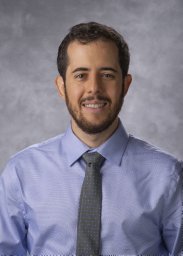 Alex Bataller合作论文数Dept Leukemia, Univ Texas MD Anderson Canc Ctr5
 Wei Wang (王玮)合作论文数State Key Laboratory of Biotherapy, Sichuan University;West China Hospital, Sichuan University5Nguyen Nghia合作论文数5
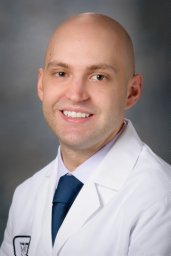 Nicholas Short合作论文数Department of Cellular and Structural Biology, University of Texas Health Science Center at San Antonio5
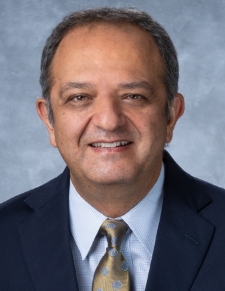 Farhad Ravandi-Kashani合作论文数Section of Developmental Therapeutics, Department of Leukemia, The University of Texas MD Anderson Cancer Center;Division of Cancer Medicine, The University of Texas MD Anderson Cancer Center5
 Ken H Young合作论文数Department of Hematopathology, University of Texas MD Anderson Cancer Center5




