Anthropogenic ocean warming affects ecosystem functioning but is not necessarily the primary climate driver regulating tropical seas. Tropical semi-enclosed marine ecosystems are poorly understood, geographically distinct, and influenced by compounding impacts from global warming, cyclones, monsoons, freshwater influx, and massive sea-level and circulation variability. We unify climate risk understanding of these large-scale integrated ocean-atmosphere-biological systems, showing that compound climate events expose resident species to larger, prolonged fluctuations, causing reconfigured spatial patterns and lack of sustained hydrological connectivity. We attribute changes in species' abundance in these systems to complex and cumulative combinations of extreme temperatures, exposure, turbidity, and hydrologic connections. We describe evidence of such climate-induced physical and biological regime shifts in tropical marine ecosystems in northern Australia and identify implications for other systems.
There are over 100 species in the federally managed US West Coast groundfish fishery. Single-species management objectives based on proxies for the biomass corresponding to Maximum Sustainable Yield may therefore fail to fully capture this inherently multispecies fishery. We conducted a metier analysis of landings records using the Clustering LARge Applications (CLARA) algorithm and refined these clusters into metiers. Landings records from 2011 to 2023 were selected to represent trends in the fishery since the implementation of Individual Fishing Quotas in 2011. Gear and species were refined to select the species that combined to encapsulate 99% of the total ex-vessel revenue, resulting in 31 species and 12 gear types. Combinations of gear, landing month, and port were grouped into 17 unique clusters, which were subsequently combined into four metiers. The four identified metiers broadly represent the Pacific whiting midwater trawl fishery, the sablefish fish pot, longline, and setline fishery, the groundfish trawl fishery, and the flatfish trawl fisheries. The results allow us to view catch in the US West Coast groundfish fishery through a multispecies lens and serve as the foundation for future multispecies management.
As a major source of scientific uncertainty in stock assessments and fisheries management, model uncertainty in tuna stock assessments is primarily examined using sensitivity analysis and ensemble modelling. However, uncertainty specifications (i.e., factors and levels included in uncertainty analyses) for tuna assessments vary within and among tuna Regional Fisheries Management Organisations (tRFMOs). We reviewed the uncertainty specification in 133 stock assessments conducted over the past 20 years by five tRFMOs, covering seven major commercial tuna species. Our analysis revealed four key findings: although a wide range of uncertainty specifications has been applied, only a few factors are commonly considered across assessments; patterns in uncertainty specification are more closely aligned with management organisation than with species; the emphasis on different factors has shifted over time (e.g., increasing attention to growth and decreasing focus on data weighting); and a change to the modelling platform is a key factor leading to changing uncertainty specifications between successive assessments. Our findings demonstrated the diverse range of uncertainty specifications in tuna stock assessments, and revealed the important role of subjective factors in making these selections. We propose some best practices for specifying uncertainty to enhance consistency and reducing subjectivity across tuna stock assessments.
The IUCN Red List of Threatened Species, the most widely used global system for assessing species' extinction risk, has become a foundational source of information for conservation management, policy and research. Since the adoption of quantitative extinction risk criteria more than three decades ago, the Red List has expanded substantially in scope and influence, informing decisions ranging from species conservation and protected area designation to international agreements, corporate risk assessments and global biodiversity indicators. Given its central role, maintaining scientific rigour, transparency and trust in the Red List system is essential. Feedback from users, emerging from evolving applications and scientific advances, has shaped the Red List throughout. At the same time, the Red List has been subject to recurring critiques, some of which stem from persistent misconceptions about its purpose, design and appropriate use. To address these, we review the history and development of the Red List system, clarify the strengths of its design, delineate the contexts for which the system was and was not intended, and elucidate the circumstances under which it may be modified. Finally, we outline pathways for researchers and users to contribute to ongoing improvements and discuss potential future directions for evolution of the Red List.
Niche partitioning, manifesting along various axes of the ecological niche, is a fundamental mechanism mediating species coexistence in a system. However, the emergence of many species in marine ecosystems would face considerable constraints in achieving coexistence through spatiotemporal differentiation mechanisms under the framework of niche partitioning. Consequently, dietary specialization may be the key mechanism to mediate coexistence, but lacks empirical support, especially for the oceanic system exhibiting heterogeneity and phenological variability in resource availability. We herein used data from nine pelagic species (five fish and four squid) sampled from the high seas area of the northwest Pacific during the summer season, when they migrate there to optimize foraging efficiency and growth, and evaluated their niche partitioning in terms of dietary specialization. We measured the bulk carbon and nitrogen stable isotopes and essential fatty acids of the nine species to estimate the isotopic and nutritional niche spaces, and employed Hutchinson's n‐dimensional hypervolume framework to examine the degree of dietary specialization. Results revealed that pairwise overlap of isotopic niches was observed for all species, though some species occupied distinct isotopic niche spaces. In contrast, the nutritional niche space, estimated using essential fatty acids, was mostly separate for each species, coupled with small or zero overlap between paired species. Furthermore, the specialization index, estimated using either stable isotopes or essential fatty acids, was consistently large for the nine species, while nestedness was relatively low. These findings reveal that the nine species partition their nutritional niche spaces to mitigate the competition caused by dietary niche overlaps, coinciding with the mechanism of dietary specialization.
Adaptation to climate change can have trade-offs and unintended outcomes that may add to climate impacts. Identifying how these consequences arise in local contexts is an important step in climate adaptation planning, but the tools for doing so are still evolving. We demonstrate how social-ecological qualitative network models (QNMs) can be used to explore the consequences of climate adaptation in fisheries. Drawing on the dynamics of the U.S. West Coast Dungeness crab fishery, we simulate a climate-intensified harmful algal bloom in a model fishing community and compare outcomes for human well-being, with and without climate adaptation. We consider a range of climate adaptations, from coping mechanisms to transformational adaptation, based on actions identified during participatory scenario planning. We first use QNMs to identify how common trade-offs arise across adaptation strategies, specifically highlighting how diverse strategies focusing on material loss result in persistent negative outcomes for community relationships and culture. We then explore alternative configurations of model structure to understand how plausible diversity in a social-ecological system can contribute to unintended, inequitable outcomes from climate adaptation. In our QNMs, altering in-season flexibility (fishers' capacity to increase effort in alternative fisheries not affected by a harmful algal bloom) greatly influenced the degree to which climate adaptation reduced or intensified harmful algal bloom impacts on well-being. We demonstrate that QNMs are a useful tool for climate adaptation planning because they can be used to explore common trade-offs across adaptation options; highlight potentially inequitable outcomes associated with system complexity and uncertainties; and direct future research and monitoring priorities to help early identification of unintended consequences.
Delineating a threshold migration rate for demographic independence important for understanding connectivity among fragmented populations and defining management units for conservation and harvest regulation. In turn, defining management units is an essential step in sustainable management to avoid unintentional depletion of resources managed for conservation or harvest. The 10% rule of demographic connectivity is a rule of thumb that delineates the threshold of demographic independence when the behavior of two populations shifts from synchronous at >10% to independent at <10%. However, the accuracy of the 10% rule to real-world scenarios and application to natural resource management is unknown. We evaluated the 10% rule using simulation for two life history types: Pacific cod, Gadus macrocephalus, a gadid with relatively fast growth, and blackspotted rockfish, Sebastes melanostictus, a long-lived rockfish species. Results were obtained by simulating a real-world tool for evaluating demographic connectivity, positive correlation in estimated population sizes. We assessed the effect of migration on demographic connectivity on otherwise independent populations under one- and two-way migration, and with various population sizes and life history parameters. Sensitivity testing showed that positive correlation in population size does not occur in roughly a quarter of simulations, regardless of the migration rate. When positive correlation in population size does occur, mean migration rates over all simulations were between 5% and 10%: 0.089 (8.9%) for blackspotted rockfish and 0.058 (5.8%) for Pacific cod. However, the range of migration resulting in demographic connectivity was large, 0.02-0.44 for blackspotted rockfish and 0.02-0.40 for Pacific cod.
The Journal received a letter from Sarah Webster and John Gauvin following the publication of Ryznar and Litzow (2024). Following the journal procedure we provide the letter from Webster and Gauvin, the response from Ryznar and Litzow, and a rebuttal to the response from Webster and Gauvin.
Biological reference points provide metrics against which the effects of fisheries management can be measured and have been integral in fisheries management reform globally. Some of these reference points are predicated on the idea that a relationship exists between spawning biomass and recruitment, but this relationship has not been observed for a majority of stocks for which there are stock assessments. Proxies for target fishing mortalities and biomasses were developed to address this issue that identify reference points that perform well across a range of stock-recruit relationships using spawning-biomass-per-recruit (SBPR). These proxies are used widely but they only address the uncertainty in the stock-recruit relationship. We present a methodology for identifying SBPR proxies under multiple axes of uncertainty using eastern Bering Sea snow crab (Chionoecetes opilio) as an example. Incorporating uncertainty around the size at which mature crab become reproductively active in addition to stock-recruit uncertainty into the calculation of reference points tripled the spawning-biomass-per-recruit target relative to the status quo. This methodology could be extended to other species and sources of uncertainty, but care must be taken to define plausible realities to be considered in the axes of uncertainty because the most extreme scenarios considered can play a large role in determining reference points.
The technical capability of stock assessment analysts, along with characteristics of their operating environment, often limits the development of suitable population dynamics models and affects the accuracy of estimated quantities used for fisheries management. Following a series of training workshops focused on the Stock Synthesis and Stock Assessment Continuum Tool packages, Australian stock assessment scientists were invited to participate in a hypothetical stock assessment "Game" to explore the repercussions , for assessment, of different levels of experience and technical capability in an informal "consequence-free" manner. A fishery data set was generated using a simulation model that represented a stock distributed over 12 regions and harvested by three fishing fleets. The simulation model was made complex by including spatial structure, time-varying selectivity for some fleets, and changes over time in expected recruitment due to the effects of an environmental driver. The analysts self-organized into six (mostly within-agency) groups and reported estimates of current biomass, current depletion and advice regarding the possibility of local depletion. The results of the Game were used to evaluate the approaches used by the various groups and to identify areas where future training would be most beneficial. The results highlighted opportunities for additional training in spatially-explicit population dynamics modelling, the use of methods for pre-processing monitoring data to select appropriate fleet and population structures, as well as the use of methods to provide values related to growth and natural mortality. The groups treated the Game more seriously than was originally intended by the organizers, with several analysts concerned that any errors or assumptions that were mis-matched with the simulated reality may have brought embarrassment to themselves and their agency. Care should therefore be taken that simulation experiments intending to foster collaboration and learning do so in an explicitly understood risk-free environment. Overall, the Game proved valuable in contributing to the development of an Australian community of practice for stock assessment and identifying how to strengthen assessment capabilities.
Fisheries stock assessment in some form underpins management of many fish stocks, particularly the most valuable. Quantitative stock assessments are highly technical, with a range of approaches available. Which method of stock assessment is used may influence the outcome of a stock assessment, and potentially the sustainability of the resource and harvesting sector. As with other applied research, the benefits of sharing ideas and methods to improve stock assessments is high. Collaboration in stock assessments has a range of benefits, including knowledge transfer and the associated benefits of obtaining different perspectives, such as finding solutions to modelling challenges more easily. This, in turn, can lead to time saving and avoid duplication of effort. In Australia, stock assessments are undertaken by teams of scientists geographically dispersed across the country, generally focused on stocks within their own jurisdiction. We surveyed Australian stock assessment scientists and found that most valued collaboration and engaged in collaboration in a high proportion of stock assessments, but this was mostly limited to within their organisation. We examined barriers to greater collaboration and found that these largely related to limited availability of face-to-face meetings and conferences, the lack of a readily accessible network of stock assessment scientists, and the limited time to engage in these activities. Development of a national community of practice was seen as the most preferable way to redress these issues. These issues are likely being experienced elsewhere, so the solutions found in the study may be more broadly applicable.
Central to fisheries management is an understanding of the state of the underlying fisheries resource. The development of stock assessment packages over the last two decades provides fisheries scientists with a large toolbox with which to assess the state of these resources. Despite this, uptake of these packages has been limited, with many stock assessments still based on bespoke models (i.e., population dynamics models and the associated estimation frameworks coded, and tailored to specific species or fisheries). We examine the uptake of stock assessment packages in Australia, and the key factors that affect an individual’s decision to use any particular model type. We use the technology acceptance model as the general framework for assessing external and socio-demographic factors that potentially influence the uptake of stock assessment packages. We assess the relative importance of these factors using a modified Analytic Hierarchy Process and regression tree analysis. We find that the type and availability of data are main common external factors, but the importance of other factors differ across different types of modellers (those who identify as “bespoke modellers/package developers” and “users”). We also find that the propensity to adopt packages is inversely related to stock assessment experience. This may reflect a cohort effect (i.e., appropriate packages were more available/acceptable for newer scientists), but it may also reflect institutional norms concerning professional identity and underlying current incentives associated with career advancement.
Stock assessments should ideally be conducted at the species level, but this can be difficult when commercial catches are reported by species group rather than by species. This is a common problem if species are hard to identify or it is too time consuming to do so. Species split algorithms are applied in such cases. We outline a GAM-based approach for splitting species-aggregated catch and effort data to species and apply them to two species groups (tiger and endeavour prawns) in Australia’s Northern Prawn Fishery. The best models incorporate spatial, temporal and biophysical covariates, demonstrating strong explanatory power and robust performance in cross-validation tests. The results suggest that the annual split to species by location and day of the year is constant over time for the endeavour prawns. However, evidence exists for long-term trends (i.e., non-stationary) when splitting the tiger prawns. This highlights the importance of regularly updating this information.
Ecosystem-based fisheries management strives to account for species interactions and ecosystem processes in natural resource management and conservation. In this context, ecosystem-wide caps on total fishery catches have been proposed as one tool to manage multispecies fisheries with an ecosystem approach. However, determining effective ecosystem caps is complicated because fish stock production is influenced by environmental conditions, species interactions, and fishing. Consequently, the implementation of ecosystem caps in fisheries management frameworks remains uncommon. We investigated whether ecosystem caps should account for climate variability and for predator-prey dynamics to achieve management objectives in complex marine ecosystems. We considered the example of the Gulf of Alaska (United States), a North Pacific large marine ecosystem where annual groundfish catches are managed using an "optimum yield" ecosystem cap of 800,000 t. We simulated multispecies yield of the 12 most abundant and commercially valuable groundfish stocks under selected climate and fishing scenarios using an end-to-end marine ecosystem model (Atlantis), which accounts for predator-prey and ecosystem dynamics. We found that total groundfish yield was never projected to exceed the 800,000 mt optimum yield cap across scenarios and fishing mortalities. Projected climate change led to decreased groundfish yield, and predation from the underexploited groundfish predator arrowtooth flounder (Atheresthes stomias) led to foregone catches. Groundfish removals had negative indirect effects on groundfish predators, despite total yield never exceeding the optimum yield cap, highlighting that an ineffective cap may not protect non-target species. These results suggest that the optimum yield cap currently used in the Gulf of Alaska may be too high to constrain groundfish catches under future climate change and low exploitation rates of predators. We propose that ecosystem caps should be reviewed when environmental conditions, stock productivity, or species interactions change.
Squid, which occupy a similar role to teleost fish as open water predators, are opportunistic foragers. However, there is a lack of empirical evidence related to whether individual squid specialize their diets to optimize fitness. We investigated whether individual squid have specialized diets and what factors impact any specialization using the Argentine shortfin squid as a case study species, coupled with a meta-analysis for other squid species. Hutchinson's n-dimensional hypervolume concept was used to estimate individual dietary niches based on stable isotope and fatty acid analyses. Individual squid showed a high degree of dietary specialization, with individual specialization indices typically greater than 0.70, and pairwise niche overlap less than 0.5, with adults having greater specialization in dietary niche. For the Argentine shortfin squid, higher reproductive investment and water temperature increased individual dietary specialization. Individual dietary specialization probably reduces interindividual competition, optimizes food resource use and increases fitness and hence net energy gain for reproduction. The existence of dietary specialization at the individual level provides insight into the life history of squid.
Biomass dynamics models are a common stock assessment method applied in-data limited situations. We present a management strategy based on a new constrained biomass dynamics model ('dynamic tier 4') as an alternative to the currently applied empirical management strategy ('empirical tier 4') used in Australia's Southern and Eastern Scalefish and Shark Fishery (SESSF). The dynamic tier 4 management strategy is constrained because the biomass dynamics model on which it is based involves the assumption that yield corresponding to the biomass target occurred during a pre-specified set of reference years. This is the same assumption that is made by the empirical tier 4 management strategy. Management strategy evaluation is used to evaluate performance among three ways of accounting for error when fitting the dynamic tier 4 approach, and to evaluate performance against the empirical tier 4 management strategy as well as a management strategy based on an integrated assessment implemented using Stock Synthesis ('tier 1'). Finally, the sensitivity of the empirical tier 4 and dynamic tier 4 management strategies to an incorrect choice for the pre-specified reference years is explored. The results demonstrate improved performance by the dynamic tier 4 management strategy compared to the empirical tier 4 management strategy. As expected, the data-rich, tier 1 management strategy had the best performance. The dynamic tier 4 management strategy has a reduced probability of the stock falling below the limit reference point, reduced catch variability and is less sensitive to incorrect reference year choice than the empirical tier 4 management strategy. These results demonstrate that the dynamic tier 4 management strategy is a suitable alternative to the empirical tier 4 management strategy in the SESSF, and more generally, can be considered as a robust option for forming the basis for management recommendations for data-limited situations.
A mathematical description of sub-adult cephalopod Instantaneous Growth Rate (1-120 days after hatching) was formulated as a multistage function, combining a Gaussian function during the post-hatching stages and an exponential decay function during the transition to the pre-adult stages. A set of candidate mixed effects models was formulated where random parameters derived from a common (hyper)distribution were associated with each experiment and where fixed effects were used to account for dependency on temperature, food type and food amount. The candidate models were fitted to data collected from published aquaculture experiments using a Bayesian hierarchical approach and evaluated using quantitative diagnostics and performance metrics. The results showed that including covariates and random effects improved the ability of the model to fit the data. Growth was found to increase rapidly at low food rations but at a decreasing rate as the food supply becomes abundant. The relationship between temperature and growth transitioned from positive to negative approaching the sub-adult stage. Mixtures of small and medium shrimp were found to lead to higher growth during the first weeks after hatching, while grass shrimp were preferred thereafter. The meta-analytic estimation approach allowed information to be leveraged from multiple studies while accounting for the uncertainty induced by variation in experimental setups. Model posteriors were used to predict growth rate and weight at age, which were compared to out of sample data from aquaculture and wild captured individuals. We discuss how the proposed model can be used to make predictions for the growth of common cuttlefish in aquaculture and fisheries studies.
Ecosystem function and variability of eastern boundary upwelling systems is linked to the population dynamics of coastal pelagic fish. Developing population dynamics models of coastal pelagic species over many decades has unique challenges, and can benefit from the integration of multiple disparate sources of fisheries and resource survey information. Northern anchovy (Engraulis mordax) are vital trophic links in the food web of the California Current Ecosystem. Previous studies of this anchovy population had relatively narrow temporal ranges or focused on a single data source (e.g. larval abundance data). Here, we combine data sets that have informed previous studies, into one integrated statistical catch-at-age population dynamics model to estimate extended biomass and recruitment trends, providing a comprehensive account of anchovy dynamics from 1965-2021. Our results are consistent with previous biomass estimates but show an earlier peak in the 1970s that coincided with the peak of the US reduction fishery. Our results can facilitate an in-depth analysis of the environmental drivers influencing successful anchovy recruitment, serve to parameterize and evaluate performance of ecological models that mechanistically link the environment and food web to anchovy population dynamics and distribution, and provide the basis for a management strategy evaluation of this anchovy stock.
Ensuring that harvest strategies are robust to climate change is a top priority for many fisheries jurisdictions globally. This is because climate change is altering ecosystem structure and the productivity of marine species. We outline a range of approaches for incorporating climate change impacts within harvest strategies, including how a harvest strategy is specified and changes to monitoring requirements. Approaches evaluated include the use of extended stock assessments, multi-species and ecosystem models, revised management reference points, implementing regime shifts in model parameters, the provision of climate-sensitive catch advice, projections under alternative climate change scenarios and expanded use of management strategy evaluation. We evaluate the utility of these approaches against cost, data needs and uncertainty criteria; highlight key learnings from a range of global jurisdictions and demonstrate the broad array of options available outside of direct incorporation of climate variables within stock assessments. We identify approaches that have been successfully implemented and show that the most complex responses are not always the most successful. While there is no one-size-fits-all way to incorporate climate change within harvest strategies, we outline the need for flexible management arrangements. We also provide examples of approaches that have been successfully implemented, demonstrating that many of the most data-intensive responses will only be applicable in a few cases, necessitating the application of cheaper, less data-intensive approaches that are associated with greater uncertainty.
Collaboration in science is important because it can lead to efficient knowledge exchange and grow scientific understanding. Examining the nature of co-authorship on reports and peer- reviewed papers can give insight into aspects of science collaboration. Here we examine the bibliographic networks of scientists who provide the scientific basis for Australian fisheries decision making using the methods of stock assessment. We focus on Australian stock assessments and determine co-author clustering around organisation, geolocation, and fished species. For the peer- reviewed literature there is evidence of clustering around a few individual authors characterised by their large number of publications and their relatively frequent first authorship. These stock assessment networks are vulnerable because knowledge exchange may be constrained by repeat collaboration with the same central co-authors who are mostly from the same organisation, leading to siloing. However, this does not mean the stock assessments are necessarily wrong. We also find that network connectedness is highly influenced by a few papers that have a higher-than-average number of co-authors, many of which involve “one-off” authors. This study highlights the need for increased and diversified collaboration, facilitation of interactions, and greater information sharing, among stock assessment scientists who provide the scientific basis for fisheries decision making. This needs to be balanced against the capacity of the available pool of stock assessment scientists.
 L. Richard Little合作论文数Wealth From Ocean flagship, CSIRO38
 Catherine M. Dichmont合作论文数35
 James N. Ianelli合作论文数Fisheries Science, Alaska;Center National Marine Fisheries Service;Alaska Fisheries Science, Center National Marine Fisheries Service31
 Malcolm Haddon合作论文数25Doug S Butterworth合作论文数MARAM (Marine Resource Assessment and Management Group),, University of Cape Town;Fax +27-21-650-2334 e-mail: dll@maths.uct.ac.za ZA;MARAM (Marine Resource Assessment and Management Group),, University of Cape Town25
 Jim Thorson合作论文数Habitat and Ecosystem Process Research, Alaska Fisheries Science Center, National Marine Fisheries Service24
 Geoffrey N. Tuck合作论文数CSIRO Marine and Atmospheric Research24
 Cody Szuwalski合作论文数National Oceanic and Atmospheric Administration;Sustainable Fisheries Group, University of California, Santa Barbara23
 Ray Hilborn合作论文数School of Aquatic and Fishery Sciences, University of Washington23Roy Deng合作论文数Ecosciences Precinct, CSIRO Marine and Atmospheric Research20
 Tessa B Francis合作论文数Department of Biology, and School of Aquatic and Fishery Sciences, University of Washington19Sean Pascoe合作论文数18Kirstin K. Holsman合作论文数National Marine Fisheries Service, Northwest Fisheries Science Center18
 Richard Mcgarvey合作论文数South Australian Research and Development Institute (Aquatic Sciences),18Adm Smith合作论文数17
 Mark Maunder合作论文数Stock Assessment Program, Inter-American Tropical Tuna Commission17
 Anthony D. Smith合作论文数Department of Pharmacodynamics, University of Florida17Kerim Y. Aydin合作论文数16Melissa A. Haltuch合作论文数School of Aquatic and Fisheries Sciences;University of Washington;School of Aquatic and Fisheries Sciences, University of Washington16
 Cope Jason合作论文数National Marine Fisheries Service, Northwest Fisheries Science Center15
 Ingrid Van Putten合作论文数Wageningen University & Research15Richard D. Methot合作论文数National Marine Fisheries Service15
 Caleb Gardner合作论文数Tasmanian Aquaculture and Fisheries Institute, University of Tasmania14
 Albert J. Hermann合作论文数University of Washington Joint Institute for the Study of the Atmosphere and Ocean14
 Chi-Lu Sun (孫志陸)合作论文数Institute of Oceanography, National Taiwan University14
 Martin W. Dorn合作论文数Alaska Fisheries Science Center, National Marine Fisheries Service14Shijie Zhou合作论文数13
 Margaret C. Siple合作论文数School of Aquatic and Fishery Sciences and13
 Beth Fulton合作论文数Division of Marine and Atmospheric Research, The Commonwealth Scientific and Industrial Research Organisation13Carey R. Mcgilliard合作论文数13
 David C. Smith合作论文数Medical School, University of Michigan;Rogel Cancer Center, University of Michigan12
 Natalie Dowling合作论文数CSIRO Marine and Atmospheric Research12
 Terence Ivan Walker合作论文数Marine and Freshwater Resources Institute12Anne B. Hollowed合作论文数12Paul R. Wade合作论文数National Marine Mammal Laboratory12
 Jeffrey E. Moore合作论文数12
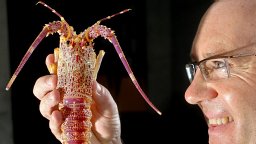 Adrian Linnane合作论文数Regional Technical College11Nan-Jay Su合作论文数11
 Charlotte Boyd合作论文数Conservation International11Su-Zan Yeh合作论文数11Bd Mapstone合作论文数11
 Neil L. Klaer合作论文数CSIRO Marine and Atmospheric Research11John Feenstra合作论文数South Australian Research and Development Institute11Randall R. Reeves合作论文数11
 Jose a a De Oliveira合作论文数Lowestoft Lab, Cefas10
 Alex Zerbini合作论文数The Cooperative Institute for Climate, Ocean, and Ecosystem Studies, College of The Environment, University of Washington;Marine Ecology and Telemetry Research;Cascadia Research Collective;National Marine Mammal Laboratory, Alaska Fisheries Science Center, NOAA10
 Stewart Frusher合作论文数Australian Institute of Marine Science10Kristy J. Long合作论文数9
 Chantel Wetzel合作论文数Northwest Fisheries Sci Ctr, Natl Marine Fisheries Serv NOAA NMFS9




