Abstract Anti‐CD20 monoclonal antibodies (mAbs) are effective but not curative treatment for chronic lymphocytic leukemia (CLL). To study rituximab efficacy, we examined serial blood samples from CLL patients receiving initial monotherapy with high‐frequency low‐dose (HFLD) rituximab for 1 week followed by the addition of acalabrutinib. Low‐dose rituximab (intravenous infusion of 25 mg over 1 h) decreased the circulating CLL cell count by 85% with no additional changes during infusion of the next 25 mg of rituximab. Limited clearance of CLL cells was not attributable to low concentrations of rituximab or complement and was most likely caused by exhaustion of innate immune cytotoxicity as previously described for larger rituximab doses. Circulating CLL counts and CD20 levels rebounded by 48 h when subcutaneous administration of 50 mg of rituximab caused a small but significant decrease in CLL cell counts. Administration of 100 mg of rituximab in the first week of therapy decreased palpable lymphadenopathy by 66%. Addition of acalabrutinib, a second‐generation Bruton tyrosine kinase inhibitor (BTKi), on Day 8 of treatment was followed by decreases in CLL cell expression of MS4A1 coding for CD20, CD20 levels, and CLL cell sensitivity to rituximab‐induced antibody‐dependent cellular phagocytosis. Based on these data and previous reports, we propose that rituximab therapy in CLL patients is optimized by HFLD regimens, which achieve maximum CLL cell clearance at dosing intervals sufficient for recovery of immune cytotoxicity. Our data also suggest that the efficacy of rituximab, and possibly other CD20‐targeting mAbs, could be decreased by the addition of acalabrutinib or other BTKi.
Abstract The Serious Illness Care Program (SICP) is an evidence-based intervention designed to systemically implement serious illness conversations (SICs) into clinical practice. We previously piloted the SICP via telehealth for patients in the ambulatory setting. However, many patients with hematologic malignancies experience frequent hospitalizations, providing a key opportunity to conduct SICs in the inpatient setting. The purpose of this study was to assess the feasibility of an inpatient SICP and describe completion of advance directives and SIC documentation after SICP implementation. This was a single-arm pilot study including patients aged ≥60 years with hematologic malignancies and their caregivers. Clinicians (advanced practitioners; hematology/oncology fellows) completed a 2- to 3-hour virtual training on the SICP. The primary outcome was feasibility (retention rate: percentage of consented patients who completed the SICP visit, with >70% considered feasible). Secondary outcomes were advance directive completion (Health Care Proxy [HCP] and Medical Orders for Life-Sustaining Treatment [MOLST]) and documentation. We also collected data on advance care planning (ACP) engagement and disease understanding. We included 41 patients (mean age, 68 years), 24 caregivers, and 22 clinicians; 38 SICP visits were completed (retention rate of 92.7%). The number of HCP and MOLST forms completed increased from 23 to 31 and from 7 to 20 within 1 year of the SICP visits, respectively. All SICP visits were documented. ACP engagement numerically increased (P = .24), and patients found the intervention to be acceptable. Patient estimates of life expectancy may have shifted after the SICP visit. The inpatient SICP was feasible, with potential increase in advance directive completion. This trial was registered at www.clinicaltrials.gov as #NCT05433090.
MicroRNAs (miRNAs) are non-coding RNAs, approximately 18 - 24 nucleotides in length, with important gene regulatory functions. In small RNA sequencing (sRNA-seq), observed isoforms of miRNA, called isomiRs, arise from my biological and technical processes. Alterations in isomiR expression has been linked to a wide variety of human diseases, from cancers to neurological diseases. However, it is difficult to distinguish between technical and biological isomiRs. We present PARiS, an algorithm for the Probabilistic Assignment and Repartitioning of isomiR Sequences, that identifies technical error isomiRs in sRNA-seq data and reassigns them to their most likely biological source. We assess the ability of PARiS to identify and remove error isomiR sequences in a realistic simulation study. Additionally, we compare PARiS to alternative approaches, focusing on downstream miRNA-level differential expression analysis in a variety of settings, including a set of simulated datasets, an experimental benchmark dataset, and three colorectal adenocarcinoma cell lines.
Background/Objectives: Total neoadjuvant therapy (TnT) has emerged as a treatment option for locally advanced rectal cancer. Few studies have evaluated specifically the use of chemotherapy and short-course radiation therapy (SCRT) in obtaining a complete clinical response (cCR) or near-complete clinical response (nCR) and offering non-operative management (NOM). This phase II study sequences FOLFOX followed by SCRT with the primary aim of evaluating the rate of cCR or nCR. Methods: Treatment-naïve adults with non-metastatic clinical T2-3N0 or T1-3 with N1-2a rectal adenocarcinoma deemed candidates for total mesorectal excision (TME) were eligible for this open-label, single-arm clinical trial. This trial evaluated TnT with 5-fluorouracil, leucovorin and oxaliplatin (mFOLFOX6) followed by SCRT. The primary endpoint was the rate of cCR or nCR. Those with cCR or nCR after TnT were offered NOM and close surveillance; all others underwent TME. Secondary endpoints included 1-year disease-free survival (DFS), overall survival (OS), and R0 surgical resection rate. Results: Twelve patients of a planned 40 were enrolled with a median follow-up duration of 4.1 years. The study was closed early after results of the OPRA trial suggested a benefit of sequencing radiation prior to chemotherapy when seeking organ preservation. Four of the twelve patients (33%, 95% CI = (9.9%, 65.1%)) achieved cCR or nCR after TnT and underwent NOM; one patient had local regrowth 5.5 months after the completion of TnT and underwent TME. All four were free of disease at time of analysis. The 1-year DFS was 100%. The median OS was not reached. All surgical resections were R0 with no local recurrence after TME. Conclusions: This paper suggests that TnT with FOLFOX followed by SCRT is a safe and effective approach for treating locally advanced rectal cancer. This approach can be considered in select patients. The 33% of patients offered NOM is lower than the published 74% in OPRA, however, suggesting that chemotherapy followed by SCRT may not be the most optimal approach if organ preservation is the primary treatment aim.
We previously identified a blood-based 4-gene signature that accurately discriminates bacterial from nonbacterial acute respiratory infection (ARI) in 504 hospitalized adults (area under the receiver operating characteristic curve [AUC] = 0.90). Here, we evaluate how well this global signature performs within subgroups of patients based on underlying lung disease or presence of pneumonia, comparing it to newly developed subgroup-specific signatures assessing whether performance is improved by tailoring unique gene signatures to homogeneous subgroups. Our global gene signature strongly discriminated bacterial from nonbacterial ARI within every clinical subgroup, including pneumonia (AUC = 0.77-0.94), and outperformed every subgroup-specific signature (AUC = 0.57-0.90), suggesting broad applicability in adults with ARI.
ABSTRACT MicroRNAs are short noncoding RNAs that regulate gene expression and are commonly profiled by small RNA sequencing (miRNA-seq). Despite the widespread use of miRNA-seq, datasets are often analyzed with RNA-seq method such as DESeq2 or edgeR, which do not take into account the specific characteristics of miRNA-seq data. Here, we present a benchmark study of normalization and differential expression approaches using a realistic ground-truth dataset. By mixing mouse RNA of two organs, we generated expression trends while capturing biological and technical variability. Using monotonicity across the dataset and expected fold changes from the mixture design, we assessed normalization and differential expression methods. Normalization benchmarking showed that within-sample scaling, particularly Read Per Million (RPM), best preserved the expected monotonic trends, outperforming cross-sample methods such as TMM, rlog, and VST. These approaches sometimes recovered apparent monotonicity among abundant miRNAs, but inspection of individual profiles suggested likely over-correction. Regarding differential expression, edgeR consistently ranked among the best-performing methods across several metrics, including log2 fold-change estimation, with performance comparable to miRNA-seq-specific tools such as miRglmm and NBSR. DESeq2, edgeR-v4, and limma-based approaches tended to systematically underestimate log2 fold changes. Applying a common RPM-based normalization substantially improved the performance of cross-sample methods, highlighting the strong influence of normalization on differential expression analysis. Overall, our findings support within-sample scaling methods such as RPM for normalization, and edgeR, miRglmm, or NBSR for differential expression. The dataset has been made publicly available, providing a valuable resource for objective method comparison and future miRNA-seq software development.
e22674 Background: The majority of patients gain weight during breast cancer (BC) treatment. Weight gain is often distressing to patients and weight gain after diagnosis has been associated with worse outcomes. Previous studies have found nutrition is of interest to BC patients but there is a paucity of recent U.S. research. Therefore, we conducted an online survey of BC survivors to characterize the level of interest in and perceived importance of nutrition, current dietary habits, and perspectives on body weight. Methods: Between May 2024 and May 2025 patients diagnosed with BC in the past 10 years were recruited via the electronic medical record (EMR) at University of Rochester, flyers at the BC clinic, and email lists and social media posts of multiple BC advocacy organizations. The one-time survey was administered via REDCap. Eligibility criteria included age ≥18 years, initial diagnosis or recurrence of BC in ≤10 years, and living in the U.S. Descriptive statistics were performed to characterize respondents and their responses and chi-square tests were performed to determine if there were differences by respondent characteristics. Results: 1007 participants completed the survey. The majority were female sex (98.1%), white (92.7%), non-Hispanic (96.6%), and had early-stage BC (61.8%). Mean age was 60.2±11.6 years. Mean BMI based on self-reported weight and height was 28.7±7.0 kg/m2. 47.6% were currently receiving cancer treatment. 89.7% were recruited from the EMR and clinic flyers and 10.3% were recruited from advocacy organizations and referrals. Interest in and perceived importance of nutrition were high, with 73.1% interested or very interested since diagnosis and mean rating of importance of nutrition for those with a BC diagnosis was 8.4±1.9 out of 10. 57.4% reported dietary changes since diagnosis. A greater proportion of younger participants reported changing their diets compared to older participants (68.0% < 45, 60.6% age 45-65, and 49.7% > 65 years; p < 0.001). Despite a high proportion reporting dietary change, vegetables were consumed less than twice daily by 78.6% and fruits were consumed less than twice daily by 76.8% of respondents. 78.3% of respondents said they would like to lose weight and 52.7% reported working to lose weight in the last 30 days. 78.4% reported that their weight had not been addressed by their oncology team. Conclusions: Level of interest in and perceived importance of nutrition were high among those with a BC diagnosis. Most participants reported dietary change since diagnosis, with an even greater proportion among younger participants. Despite reporting dietary changes, fruit and vegetable intakes were largely suboptimal. Weight loss was desired, but weight was largely not addressed in the oncology setting. These findings suggest that increased emphasis on nutrition and access to nutrition services would be welcomed by BC survivors and fill a clinical need.
Monoclonal antibodies (mAb) have significantly improved outcomes in patients with hematological malignancies such as chronic lymphocytic leukemia (CLL). Clearance of circulating CLL cells by mAb is primarily by antibody-dependent cellular phagocytosis (ADCP). In vitro time-lapse video microscopy of ADCP with macrophages and mAb-coated CLL cells recapitulates the clinical rapid loss of mAb effectiveness within the first hour of therapy. The data generated by video imaging is substantial, requiring commercial microscopy software for expeditious analysis. However, significant frame-by-frame variability is generated. To improve ADCP video imaging analysis, manually annotated “ground truth” video image data is required to determine the error in commercial software methods and to train improved software, including Artificial Intelligence methods. We developed the ImageJ plugin Seg2Tracks for rapid semi-automated image annotation of ADCP macrophage imaging data. High content microscopic video imaging files of cells undergoing ADCP were collected using a Nikon Eclipse Ti-E Live Cell Imaging System and converted to *.tif files for annotation. Seg2Tracks allowed each annotator to produce rapid consistent annotations with minimal variability, providing ground truth data that highlighted the need for improvement in our NIS-Elements software method. Ground truth data obtained with Seg2Tracks will enable the development/training of improved software to enhance ADCP video imaging analysis. We thank the University of Rochester Schwartz Discover Grant, the University of Rochester Medical Center Robert I. Weed Summer Fellowship, the Cadregari Foundation at the University of Rochester, gifts from Ms. Elizabeth Aaron, and gifts from Mr. Lawrence Halpern for funding that enabled this research. Technological Innovations in Immunology (TECH)
MicroRNA-seq data is produced by aligning small RNA sequencing reads of different microRNA transcript isoforms, called isomiRs, to known microRNAs. Aggregation to microRNA-level counts discards information and violates core assumptions of differential expression methods developed for mRNA-seq data. We establish miRglmm, a differential expression method for microRNA-seq data, that uses a generalized linear mixed model of isomiR-level counts, facilitating detection of miRNA with differential expression or differential isomiR usage. We demonstrate that miRglmm outperforms current differential expression methods in estimating differential expression for miRNA, whether or not there is differential isomiR usage, and simultaneously provides estimates of isomiR-level differential expression.
Multi-drug combination strategy targeting three different molecules involved in different pathways to overcome single-agent resistance in relapsed/refractory CLL patients. The clinical trial utilized 1)a therapeutic anti-CD20 monoclonal antibody (mAb), ublituximab, which destroys CLL cells by an antibody-dependent cellular phagocytosis (ADCP) mechanism; 2)a B cell receptor (BCR) signaling inhibitor, umbralisib, which blocks PI3Kẟ; 3)and an anti-apoptosis inhibitor, venetoclax, which blocks cell survival promoted by BCL-2 that stops mitochondria from initiating apoptosis. Our correlative study focused on the first two treatments prior to venetoclax addition. We found that patients respond to anti-CD20 antibody and BCR signaling inhibition with rapid reductions in CLL cell counts and CD20 levels. Standard high dose (375 mg/m2) anti-CD20 antibody treatment significantly decreased CLL surface CD20 levels, potentially limiting treatment efficacy. Anti-CD20 antibody plus B cell receptor signaling inhibition reduced CLL cell counts and lymph node tumors, enabling BCL-2 inhibitor treatment to avoid tumor lysis syndrome.
5089 Background: Older men with prostate cancer who have aging-related conditions are at high risk for adverse events (AEs) from ADT. 5-ARI inhibit the conversion of testosterone to dihydrotesterone and could be synergistic with Enz. In this phase II study, we evaluated Enz and Dutasteride (Dut) or Finasteride (Fin) in lieu of ADT for older men with CSPC who are at risk of AEs from ADT. Methods: Eligible patients were ≥65 years (y); deemed “not fit” by geriatric assessment (GA) or at high risk for side effects from ADT as determined by the treating physician; had metastatic (M1) or non-metastatic (M0) CSPC with a PSA doubling time ≤9 months and testosterone >50ng/dl. Enz 160 mg daily and Dut 0.5mg daily or Fin 5mg daily were administered until disease progression per Prostate Cancer Clinical Trials Working Group 2 guidelines. The primary study endpoint is PSA progression free survival (PFS). Key secondary endpoints include time to PSA nadir, absolute PSA nadir and evaluation of safety and toxicity of study treatments per CTCAE V4.0. Results: 43 men enrolled in the study. At study entry, subjects had the following baseline characteristics: median age was 78 y (range 66-94); 93% had ECOG 0-1; 63% had M1 CSPC with 30% of them having high volume disease per CHAARTED criteria; 23% had Gleason ≥ 8 CSPC; median PSA was 11.4 ng/ml (2-145), and median testosterone level was 342 ng/dl (56-639). Baseline GA at study entry showed that 18.6% had Instrumental Activity of Daily Living impairment; 9.8% had recent falls; 52.4% had Short Physical Performance Battery impairment; 40.5% had Older American Resources and Services (OARS) physical health and 31% had OARS medical social support impairments; 11.6% had Geriatric Depression Scale impairments; 65.9% had either Blessed Orientation-Memory-Concentration or Montreal Cognitive Assessment impairments; and 34.9% had Vulnerable Elders Survey-13 impairments. At a median follow-up of 5.9 y, 23 pts (53%) remained on study treatment and the median PSA PFS has not been reached for the entire group. The median time to PSA nadir was 8.1 months, with median PSA nadir at 0.02 ng/ml (range 0-2.75) and 98% having ≥90% PSA decline. The five most common any grade AE was fatigue (88%), gynecomastia (72%), hot flashes (42%), hypertension (40%), and falls (37%). No subject had treatment-related Grade 4 or 5 AEs. Four (9.3%) subjects withdrew treatment, 21% held treatments and 30.2% reduced dose of treatment due to AEs. Conclusions: The combination treatment with Enz and Dut/Fin appears to have clinical efficacy for older patients with CSPC who are at high risk for AEs from ADT. Clinical trial information: NCT02213107 .
Abstract BACKGROUND The prognostic significance of cerebrospinal fluid (CSF) glucose and protein levels among patients with leptomeningeal disease (LMD) is unknown. This single-institution retrospective study aims to investigate the association of CSF glucose and protein levels with overall survival (OS) among metastatic breast cancer (MBC) patients with LMD. METHODOLOGY MBC patients diagnosed with LMD between Jan 1st, 2010, and Jan 1st, 2023, were included. Patients without known CSF glucose or protein levels at the time of LMD diagnosis were excluded. OS was evaluated using the Kaplan-Meier method and compared using the log-rank test. For multivariate analysis, a step-wise model selection was performed after the inclusion of sub-type of interest, and variables meeting entry (p<0.10) and staying criteria (p<0.05). Median glucose and protein levels were compared using the Wilcoxon rank-sum test. RESULTS 28 patients met inclusion criteria. Positive CSF cytology samples (CSF+) had significantly lower glucose levels vs CSF cytology negative samples (CSF-) [median (IQR) 40 (18-58) vs. 64 (53-92) mg/dl, p=0.006]. Prior study from this data set had shown that the CSF- group was associated with better OS vs the CSF+ group. Hence, four groups were created based on the CSF (+/-) and glucose (Low vs High/Normal). Median OS (months), 95% confidence Interval (CI) for CSF+/Glucose_Low, CSF+/Glucose_Normal/High, CSF-/Glucose_Low and CSF-/Glucose_High/Normal were 3.4(0.23-NE), 16.5(2.9-NE), 3.1(1.28-NE), 51.5(4.9-NE), p=0.03. Glucose_Low overall was associated with shorter OS in multivariate analysis [hazard ratio (HR), 95%CI 4.64 (1.71, 13.2)]. Median CSF protein was not different between CSF+/– groups. Median OS (months), 95%CI for Protein_High and Protein_Low /Normal groups were 28.5 (2.9, 51.5) vs. 6.5 (0.85, 8.0), p=0.36. In multivariate analysis, CSF protein level was not associated with OS. CONCLUSION The association between low CSF glucose level and worse survival among patients with MBC LMD was observed.
BACKGROUND:It is unclear whether breast cancer (BC) subtypes or CSF cytology results are associated with overall survival (OS) among patients with BC leptomeningeal disease (LMD). This single-institution retrospective study compares OS among BC patients with LMD across various breast cancer subtypes and CSF cytology results. METHODOLOGY:The study enrolled BC patients diagnosed with LMD between 2010 and 2023. Breast cancer subtypes were classified as A. ER+/HER2-, HER2+, or triple-negative BC (TNBC); B. HER2+, HER2-Low, HER2-Zero. CSF cytology subtypes included CSF+, CSF-, or CSF not tested (NT). OS was summarized via Kaplan-Meier analysis and compared using log-rank test. Cox models were used for multivariate analyses. RESULTS:Out of 69 patients registered, median OS (95% CI) for ER+/HER2- (n = 33), HER2+ (n = 12) and TNBC (n = 24) subtypes were 8.0 (3.02, 24.8), 5.71 (1.61, not estimated) and 3.2 (1.11, 4.95) months (P = .17). In multivariate analysis, TNBC was associated with worse OS versus ER+/HER2- [Hazard Ratio (HR), 95% CI: 2.64, 1.23-5.80, P = .04]. HER2 subtypes (HER2-Zero, n = 21; HER2-Low, n = 32; HER2+, n = 12) showed no significant differences in OS. Median OS (95% CI) for CSF+ (n = 16), CSF- (n = 18), and CSF NT (n = 35) groups were 3.54 (1.61, 12.72), 13.41 (4.95, 61.93) and 3.28 (1.44, 6.92) months (P = .04). Multivariate analysis showed both CSF+ and CSF NT were associated with shorter OS compared to CSF- group [HR (95% CI) 4.50 (1.75, 12.11) for CSF+ vs. CSF-; 2.91 (1.45, 6.26) for CSF NT vs. CSF-; P = .002]. CONCLUSION:TNBC LMD group was associated with worse OS than ER+/HER2- BC LMD when adjusting for other prognostic factors. CSF- LMD patients had better OS than CSF+ or CSF NT LMD.
Background: By reducing systemic erythropoietin (EPO) levels, in vivo studies showed that hyperbaric oxygen (HBO) promoted homing of transplanted umbilical cord hematopoietic stem/progenitor cells (HSPC) to the bone marrow. In a pilot study, we demonstrated that HBO in autologous HSPC transplantation (auto-HSPC) was well tolerated. Time to absolute neutrophil (ANC) recovery was correlated with HBO-mediated reduction in EPO levels. Methods: In this phase II multicenter clinical trial, patients with multiple myeloma (MM) receiving high-dose melphalan and auto-HSPC were randomized 1:1 between HBO and no HBO. HBO was given as 100% oxygen, 2.5 ATA for a total of 90 min, in a single treatment on Day 0, 6 hours before cell infusion. The study's primary objective was to evaluate the effect of HBO on blood count recovery, filgrastim use, blood transfusions, and length of hospitalization (LOH). Exploratory objectives include HBO effects on EPO and IL-15 measured at several time points (pre-conditioning, Day 0 pre-HBO, 6- and 8-hours following HBO, and Days 1-3, 7 and 15 post-transplant). In addition, we explore HBO effects on Day 15 NK cell recovery. Results: A total of 99 patients were enrolled, with 52 randomized to HBO. Baseline characteristics were well balanced except for cell dose, with higher odds that patients with lower cell dose were treated with HBO. There was insufficient evidence of a difference between the two groups regarding time to neutrophil recovery, filgrastim use, blood transfusions, or LOH. Patients randomized to receive HBO were 1.7 (95% CI: 1.1-2.7) times more likely to have lymphocyte recovery (ALC) to > 0.5 k/µL by any given day compared to control (Figure-1). EPO levels (only University of Rochester Medical Center patients) were lower for HBO versus placebo on Day 1 (unadjusted p = 0.02), but there was insufficient evidence of a difference at other time points (Figure-2). Regarding immune reconstitution, IL-15 levels were not significantly different between the two groups. Significant correlation was found between Day 2 IL-15 levels and ALC recovery (p=0.01). We observed higher median NK cell count at Day 15 in the HBO arm (246 vs. 183), but this did not reach statistical significance (P=0.59). Conclusions: HBO resulted in lower EPO levels at Day +1 of auto-HSPC, translating to faster ALC recovery with no effect on neutrophil recovery. Longer follow-up is needed to determine if this will impact progression free survival. Higher NK cell recovery in the HBO arm compared to the non-HBO was not significant to account for the improvement in ALC recovery in the HBO arm. A pilot study (NCT04862676) is ongoing to determine if multiple HBO treatments can keep EPO levels low beyond Day +1 and impact outcomes.
122 Background: Total neoadjuvant therapy (TnT) is a new standard-of-care for locally advanced rectal cancer (LARC). Few prospective studies have evaluated specifically the use of chemotherapy and short course radiation (SCRT) in obtaining a complete clinical response (cCR) and offering non-operative management (NOM). This phase II study sequences FOLFOX followed by SCRT with the primary aim of evaluating the rate of cCR. Methods: Treatment-naïve adults with non-metastatic clinical T2-3N0 or T1-3 with N1-2a rectal adenocarcinoma were eligible to participate in this open label, single-arm clinical trial. Low rectal tumors defined as patients requiring abdominoperineal resection were excluded. This trial evaluated TnT with 5-fluorouracil, leucovorin and oxaliplatin (mFOLFOX6) every 2 weeks for 10-12 cycles followed by SCRT. SCRT consisted of 25 Gy in 5 fractions to rectal tumor and 20 Gy in 5 fractions to lymph node regions. Primary endpoint was the rate of cCR, defined as normal digital rectal exam (DRE) and endoscopic evaluation with normal appearing mucosa or scar but no nodularity or ulcerations. Near complete response (nCR) was defined as DRE with smooth or minor mucosal abnormalities and endoscopic exam with superficial ulceration or erythematous scar. Those with cCR or nCR after TnT were offered NOM and close surveillance; all others underwent total mesorectal excision (TME). Secondary endpoints included 1-year disease-free survival (DFS) from time of cCR (for NOM) or time of TME, overall survival (OS), and R0 surgical resection rate. Results: Twelve patients enrolled with a mean age 51.4 years; 7 were male. Mean distance of the primary tumor from the anal verge was 9.7 cm. Median duration of follow-up was 3.1 years. Three patients (25%) achieved cCR and 1 achieved nCR. All 4 with at least nCR underwent NOM per protocol. The patient with nCR had local regrowth and underwent TME and all 3 patients with cCR remain free of disease on NOM. In regards to secondary outcomes, 1-year DFS was 100%. Median OS was not reached. One patient had died at the time of analysis; this patient had lung nodules thought to be benign at enrollment but ultimately were deemed metastatic disease. All surgical resections were R0 with no local recurrence after TME. The study was closed early after published OPRA trial results demonstrated benefit of giving radiation first in TnT sequencing. Conclusions: Our study suggests that TnT with FOLFOX followed by SCRT may be a valid approach in treating LARC. In this small study, excellent local control was demonstrated with no local recurrence after TME and 25% of pts remaining on NOM at the time of analysis. The 33% of subjects offered NOM is much lower than the published 74% in OPRA, suggesting that chemo followed by SCRT may not be the most optimal approach if organ preservation is the primary treatment aim. Clinical trial information: NCT03781323 .
Background There is a significant association between low vitamin D levels at diagnosis of indolent B-cell lymphomas and inferior overall survival (OS). To determine whether supplemental vitamin D improves event-free survival (EFS) in these patients, we conducted a comparative double-blind study of vitamin D3 vs. placebo. Methods In this phase 3, randomized, double-blind, placebo-controlled trial, patients with low tumor burden follicular, marginal zone or small lymphocytic lymphoma, age 18 or older, with stage two or greater disease and no prior systemic treatment were enrolled at 7 academic cancer centers. Patients were stratified by histology and FLIPI (Follicular Lymphoma International Prognostic Index) score and randomized 2:1 to receive 2000 IU vitamin D3 or placebo daily beginning on day one with rituximab 375 mg/m2 administered weekly times four. 257 patients were assessed for participation: 24 were not eligible and 22 refused. Patients with stable disease or disease progression at week 13 counted as events; responding patients continued treatment with vitamin D or placebo until progression for up to three years. The primary endpoint was EFS, defined as the time from randomization to lack of response at week 13, initiation of a new treatment, disease progression or death. Secondary endpoints included week 13 response and OS. This trial is registered at clinicaltrials.gov, NCT030788 55. Findings 206 evaluable patients (135 on vitamin D and 71 on placebo) were enrolled between September 2017 and March 2022 with a median EFS follow-up of 19.6 months (IQR, 9.3-33.5). The median age was 62 years (IQR, 54-70); 118 (57%) female; 182 (89%) white. At week 13 the mean vitamin D level increased to 41.6 ng/mL (SD 10.1) in the vitamin D arm vs. remaining stable (31.3 ng/mL, SD 11.2) in the placebo arm. There was insufficient evidence of a difference in EFS between the two arms (P = 0.26): three-year EFS in the vitamin D arm was 47.7% (95% CI, 39.0-58.4) compared to 49.5% (95% CI, 37.6-65.0) in the placebo arm. There was no difference in week 13 response between the arms (both 84%). Adverse events associated with vitamin D supplementation were rare. The median OS follow-up was 35.1 months (IQR, 22.9-45.1), overall survival was 96.6% (95% CI, 93.1-98.6) and there was no significant difference between the vitamin D and placebo arms (P = 0.47). Interpretation As tested in this study, there is no benefit to routine vitamin D supplementation in patients with indolent lymphoma treated with rituximab. These results have implications for ongoing and planned studies of vitamin D supplementation in other malignancies.
Engraftment syndrome (ES) is a complication of hematopoietic stem cell transplantation (HSCT) commonly presenting as fever, skin rash, and diarrhea mediated by the elevation of pro-inflammatory cytokines, including interleukin-6 (IL-6) (Spitzer 2001; Maiolino et al. 2003; Khandelwal et al. 2016).At our institution, we are conducting phase I-II clinical trials investigating the effect of hyperbaric oxygen (HBO) in patients undergoing autologous HSCT for multiple myeloma. HBO can decrease the production of pro-inflammatory cytokines (Benson et al. 2003; Kudchodkar et al. 2008) and could therefore theoretically reduce the incidence and severity of ES.In this retrospective analysis, we investigate the impact of HBO on the frequency and severity of ES and serum levels of IL-6. Since ES manifestations include diarrhea, which overlaps with gastrointestinal (GI) mucositis, we evaluated oral and GI mucositis.Methods: Patient data was collected from day +5 to +15 of HSCT. Patients were placed in three cohorts, those who did not undergo HBO (n-HBO), received a single treatment of HBO (s-HBO) and received multiple treatments of HBO (m-HBO). Patients in the n-HBO and s-HBO cohorts were enrolled in the completed phase II clinical trial (NCT03398200). Patients in the m-HBO cohort were enrolled in the ongoing phase I study (NCT04862676) (Figure 1). Grading of oral and GI mucositis was based on the common terminology criteria for adverse events. Enzyme-linked immunosorbent assay for IL-6 was performed from patient plasma samples collected on day +1, +3, +7, and +15 of transplant.Results: A total of 86 patients were included in the study. Any grade oral mucositis incidence was 42.4%, 28.6%, and 0% for n-HBO, s-HBO, and m-HBO, respectively (p=0.03) (Figure 2). There was insufficient evidence of a difference in the incidence of GI mucositis between cohorts. The incidence of ES, meeting either the Spitzer or Maiolino Criteria, for the n-HBO, s-HBO, and m-HBO cohorts was 27% (95% confidence interval (CI) 13.8%-44.1%), 21.1% (95% CI 9.6%-37.3%), and 20.0% (95% CI 2.5%-55.6%), respectively (p=0.88). The median number of days with fever for n-HBO, s-HBO, and m-HBO was 1 day (Interquartile range (IQR) 0-2), 1 day (IQR 0-2) and 0 days (IQR 0-1), respectively (p=0.06). Pairwise comparisons using mixed models of IL-6 concentration on day +7 of transplant for m-HBO vs. s-HBO, m-HBO vs. n-HBO, and s-HBO vs. n-HBO resulted in p-values 0.13, 0.11, and 0.85, respectively (Figure 3).Conclusion: In this retrospective study of clinical trial patients, we have shown a statistically significant decrease in the incidence of oral mucositis in patients receiving m-HBO therapy. Additionally, there was a trend towards less ES, less fever and lower concentrations IL-6 with increasing HBO treatments, a trend which may become significant with a larger sample size.
IntroductionUmbilical cord blood (UCB) is an alternative source of hematopoietic stem cells (HSC) for transplantation in patients who lack HLA-matched donors. UCB transplantation (UCBT) advantages include availability for immediate use and lower incidence of chronic GvHD. Pitfalls include delayed engraftment and graft failure which can translate into higher infection rates especially early post UCBT. Strategies to overcome defects in homing and engraftment are needed. Prior preclinical studies made by our group showed that lower erythropoietin (EPO) levels favor UCB CD34+ engraftment by positively affecting homing and differentiation of HSCs. Hyperbaric oxygen (HBO) reduces systemic EPO and can be safely administered to patients undergoing HSCT. We present the safety interim analysis of a phase II study evaluating the efficacy of HBO in improving engraftment in patients undergoing reduced intensity conditioning (RIC) followed by UCBT at our institution.MethodsPatients with hematological malignancies aged 18 to 75 years old with adequate system function to be eligible for RIC transplant were enrolled. RIC regimens included Fludarabine (Flu), Cyclophosphamide (Cy) and 200Gy of total body irradiation (TBI) with and without Thiotepa (TT). Patients were randomized to Arm A (HBO treatment) or Arm B (no HBO treatment). For patients in Arm A, 1-time HBO treatment was administered in the morning of UCB infusion. This consisted of exposure to hyperbaric conditions (100% oxygen at 2.5 ATA) for approximately 90 minutes. Mycophenolate mofetil and cyclosporine were used for GvHD prophylaxis. An interim analysis to assess safety was conducted once 100-day follow ups were completed for the first 16 randomized subjects.ResultsA total of 16 patients were randomized and underwent RIC UCBT. Eight patients were randomized to receive HBO therapy prior to RIC UCBT but only 6 received it due to exclusion criteria. A total of 8 patients were randomized to the non-HBO group. There were no primary or secondary graft failures in either group. As-treated safety analysis showed 2 deaths in the group treated with HBO and who received the treatment. Deaths were due to disease relapse/progression and transplant-related mortality. Five deaths occurred in the non-HBO group (2 related to disease progression/relapse and 3 were transplant-related). Median overall survival (OS) in the HBO-treated group was not reached, 95% CI= [2.30 months, not estimated] while in non-HBO group, median OS was 5.52 months, 95% CI= [3.11 months, not estimated].ConclusionWe present the initial results of the safety interim analysis of a phase II trial evaluating the efficacy of HBO in improving engraftment in patients undergoing RIC followed by UCBT at our institution. Improved median OS is reported in the arm treated with HBO compared to the arm that was not treated with HBO prior to UCBT. No events of graft failure were seen in either group.
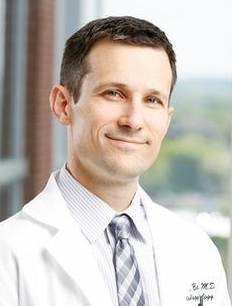 Paul M. Barr合作论文数Wilmot Cancer Center, University of Rochester Medical Center37
 Clive S. Zent合作论文数Division of Hematology and Oncology, Department of Medicine, University of Rochester Medical Center28
 Derick R Peterson合作论文数25
 Jane Larae Liesveld合作论文数Department of Medicine, Hematology, University of Rochester Medical Center;Department of Oncology, University of Rochester Medical Center20
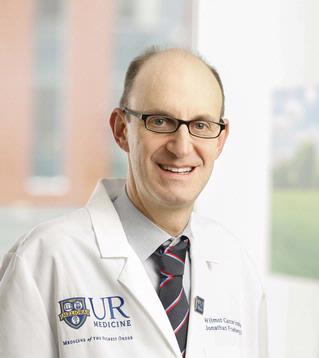 Jonathan W. Friedberg合作论文数Wilmot Cancer Institute19
 Charles C Chu合作论文数18
 Casulo Carla合作论文数15
 Patrick M. Reagan合作论文数Department of Medicine, University of Rochester15
 Kah Poh Loh合作论文数Baystate Medical Center, Tufts University School of Medicine15
 Eric Huselton合作论文数14Jason H Mendler合作论文数12Danielle Wallace合作论文数11Omar S. Aljitawi合作论文数11
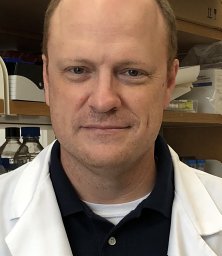 Michael R. Elliott合作论文数University of Michigan10
 Ann R. Falsey合作论文数University of Rochester School of Medicine and Dentistry;Department of Medicine, University of Rochester Medical Center10Jennifer E. Bruno合作论文数9Marcus S Noel合作论文数9
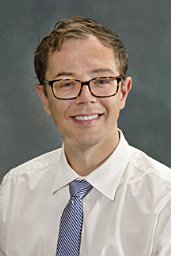 Jeremiah Moore合作论文数School of Medicine and Dentistry, University of Rochester9
 Annalynn Williams合作论文数Department of Epidemiology and Environmental Health, University at Buffalo9O'Dwyer Kristen M合作论文数9Aram F. Hezel合作论文数Department of Medical Oncology;Center for Applied Cancer;Belfer Institute for Innovative Cancer Science;Dana-Farber Cancer Institute;Children ' s Hospital;Stem Cell Program;Department of Genetics;Medical School, Harvard;Harvard Stem Cell Institute;Department of Pathology;Comprehensive Cancer Center;University of Texas Southwestern Medical Center;Massachusetts General Hospital;Belfer Institute for Innovative Cancer Science, University of Texas Southwestern Medical Center9
 Sally Quataert合作论文数9Karl R VanDerMeid合作论文数8
 Andrew George Evans合作论文数8Marissa LoCastro合作论文数8
 Michael W Becker合作论文数University at Buffalo8
 Tim R. Mosmann合作论文数David H. Smith Center for Vaccine Biology and Immunology, Department of Microbiology and Immunology, University of Rochester;Human Immunology Center, University of Rochester8Christine A. Herne合作论文数7Tejani Mohamedtaki Abdulaziz合作论文数7
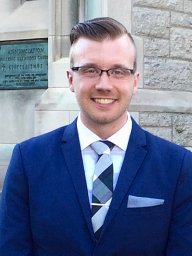 Philip J Meacham合作论文数Biomed Data Sci Lab, Deloitte Consulting LLP6Ashton John合作论文数6
 Dunne Richard F合作论文数James P. Wilmot Cancer Center, University of Rochester Medical Center6
 Thomas J. Mariani合作论文数Department of Pediatrics, University of Rochester Medical Center;Department of Biomedical Genetics, University of Rochester Medical Center6
 Walter Richard Burack合作论文数5
 Ronald P. Taylor合作论文数School of Medicine, University of Virginia5
 Soumyaroop Bhattacharya合作论文数Neonatology Division, Department of Pediatrics, School of Medicine and Dentistry, University of Rochester Medical Center;Nazareth College5
 Benzi M. Kluger合作论文数University of Rochester Medical Center5H.P. Miskin合作论文数4Andrew Bui合作论文数4Michael Weiss合作论文数4
 Thomas Rodgers合作论文数Duke Cancer Institute, School of Medicine, Duke University4
 Shuo Ma合作论文数Hematology and Oncologys, Department of Medicine, Feinberg School of Medicine, Northwestern University4
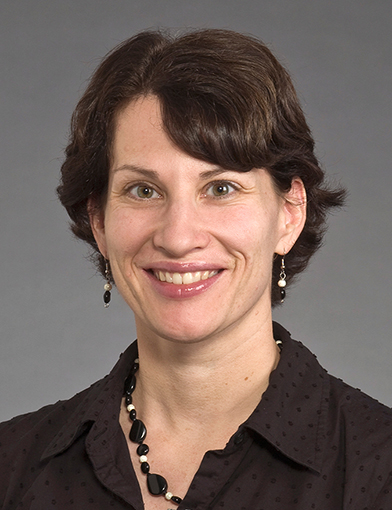 Heidi Diana Klepin合作论文数Comprehensive Cancer Center, Wake Forest University School of Medicine;Sticht Center for Healthy Aging and Alzheimer’s Prevention, Wake Forest University School of Medicine4
 Janelsins Michelle C合作论文数Med Ctr, Univ Rochester4
 Brian T. Hill合作论文数Department of Hematology and Medical Oncology, Cleveland Clinic;Department of Medicine, School of Medicine, Case Comprehensive Cancer Center, Case Western Reserve University4
 Marie Flannery合作论文数4Branche Angela R合作论文数4
 Carroll Thomas M合作论文数4Zittel Jason合作论文数4




