BACKGROUND AND AIM:Reported cases of acute liver injury with autoimmune features post-COVID-19 vaccination raise questions about whether this represents vaccine-triggered autoimmune hepatitis (AIH) or self-limiting drug-induced autoimmune-like hepatitis (DI-ALH). We report follow-up data to determine if the disease course is self-limiting or immunosuppression-dependent. METHODS:Members of the International AIH Group and the European Reference Network on Hepatological Diseases who contributed cases to our original cohort provide follow-up data at 6 months, 12 months, and at last follow-up. RESULTS:Sixty-two patients (median age 56 years, 35 female) were included (median follow-up: 22.8 months). Fifty-eight (93%) received steroids ± azathioprine/mycophenolate. Four died of non-liver-related causes. Transaminases normalization rates were 71, 92, and 90% at 6 months, 12 months, and last follow-up, respectively. Twenty-four had a DI-ALH-like course, with ALT normalization and no relapse with or without ( n = 4) a short (<9 months) immunosuppressive treatment. Nineteen had an AIH-like course, with relapse after discontinuation ( n = 11) or persistent ALT elevation despite treatment ( n = 8). Nineteen were unclassified. Risk factors for AIH-like progression included a higher revised AIH score, advanced fibrosis, and severe interface hepatitis. CONCLUSION:Most cases resemble DI-ALH, which we propose naming severe acute respiratory syndrome coronavirus 2 vaccine-associated liver injury, but a significant subset requires long-term immunosuppression, resembling classical AIH.
Introduction: When the COVID-19 pandemic arose, samples from patients infected with SARS-CoV-2 were needed to study the new virus, and a new ‘Biobank COVID-19 Ticino’ of patients was established. The Biobank gathered biological specimens and high-quality data on the first pandemic wave to elucidate clinical presentation, natural history, response to treatment, immune response and cytokine activation, and outcomes of the disease. Material and methods: The authors collected a full set of clinical and biological data (nasopharyngeal swab, blood, stool and urine samples together with a PAXgene [PreAnalytiX GmbH, Zurich, Switzerland]) from the patients at baseline and at scheduled follow-ups until 1 year after the infection. Patients hospitalised at Moncucco clinic in Lugano, Switzerland, who were older than 18 years and positive for a SARS-CoV-2 swab, were eligible for the Biobank. Results: A total of 135 patients, hospitalised in Fondazione Epatocentro Ticino, Switzerland, from 25th April 2020–13th December 2021, were included. The mean age of patients was 65 years. Most participants in the COVID-19 Biobank were male (68.9%) and White (98.5%). Two patients were hospitalised in the ICU directly during the enrollment visit, while 133 patients were hospitalised in the internal medicine ward. Of the latter, 16 patients’ clinical condition worsened, and 12 required ICU admission, of whom one died. Data from this Biobank have supported four nested research projects. Discussion and conclusion: The project of Biobank COVID-19 Ticino was created with the primary objective of collecting data and samples of patients who were hospitalised with COVID-19. During the project, the authors collected a total of 10,116 specimens. The authors’ biobank is essential because it provides high-quality, well-annotated biological samples that enable reliable research, foster medical discoveries, and accelerate the development of personalised treatments.
HR is a member of advisory boards for Gilead, AbbVie, Abbott, Merck, Janssen, Roche and VBI Vaccines. All proceeds were donated to Center for Disease Analysis Foundation. His organization has received research funding from Gilead, Assembly Biosciences, AbbVie, Boehringer Ingelheim, Intercept, Merck, Novartis, Pfizer and Roche. SB was an employee of the CDA Foundation. Otherwise, she has nothing else to declare. AB has received research funding from Gilead and Abbvie. The employer of PB has received project, research and travel grants from Abbvie and Gilead. BMüllhaupt has received speaking and/or consulting fees from Merck/MSD, AbbVie, Intercept, Astra, Bayer, BMS and Gilead Sciences and research support from Gilead Sciences. FN has served as a speaker, a consultant and an advisory board member for Gilead, AbbVie, Albireo, Genfit and Roche Diagnostics. DS has received research grants, consulting fees and/or speaker fees from AbbVie, Gilead and MSD. AS, CS and BMaeschli have no conflict of interests to declare. Data sharing is not applicable to this article as no new data were created or analyzed in this study.
INTRODUCTION AND AIMS:mRNA vaccines against Severe Acute Respiratory Coronavirus 2 (SARS-CoV-2) infection have been associated with immune-related adverse reactions. We aimed at investigating whether SARS-CoV-2 vaccines may worsen autoimmune reactions in patients with autoimmune liver diseases. METHODS:We centrally tested a large panel of liver- and non-liver-related autoantibodies in patients with primary biliary cholangitis (PBC), autoimmune hepatitis (AIH), primary sclerosing cholangitis (PSC), and in healthcare workers (HW) before and after SARS-CoV-2 mRNA vaccines. RESULTS:49 PBC, 35 AIH, 9 PSC and 38 HW were included. The proportion of subjects with at least one autoantibody positivization after vaccination was 11 % for HW, 37 % for AIH, 35 % for PBC and 56 % for PSC patients, patients having a significantly higher frequency of positivization as compared to HW. The proportion of seropositive subjects before vaccination who had at least one autoantibody negativization was 25 % for HW, 57 % for AIH, 40 % for PBC and 50 % for PSC, AIH patients having a significantly higher frequency of negativization as compared to HW. In the AIH group, the number of autoantibody negativizations was higher than the number of positivizations. The BNT162b2 vaccine was associated with a higher risk of developing new autoantibodies as compared to the mRNA-1273 vaccine. No new-onset autoimmune disease was observed after one year. One AIH patient had a relapse after vaccination. CONCLUSION:mRNA SARS-CoV-2 vaccines do not induce short-term worsening of autoimmunity in patients with autoimmune liver diseases.
BACKGROUND AND AIM: Direct-acting antivirals (DAAs) have revolutionised the management of chronic hepatitis C. We analysed the use of different generations of DAAs over time in Switzerland and investigated factors predictive of treatment failure. METHODS: This retrospective study was conducted within the framework of the Swiss Association for the Study of the Liver and the Swiss Hepatitis C Cohort Study; it included all patients with chronic hepatitis C treated with DAAs between January 2015 and December 2019 at eight Swiss referral centres. RESULTS: A total of 3088 patients were included; 57.3% were male, and the median age was 54 years. Liver cirrhosis was present in 23.9% of the cohort, 87.8% of whom were compensated. The overall sustained virological response (SVR) rate (defined as undetectable HCV RNA at week 12 after the first course of DAA-based treatment) was 96.2%, with an increase over time. The rate of treatment failure dropped from 8.3% in 2015 to 2.5% in 2019. Multivariable analysis revealed that female sex, the use of the latest generation of pangenotypic DAA regimens, Caucasian origin, and genotype (gt) 1 were associated with SVR, whereas the presence of active hepatocellular carcinoma (HCC), gt 3, and increasing liver stiffness were associated with treatment failure. Notably, the presence of active HCC during treatment increased the risk of DAA failure by a factor of almost thirteen. CONCLUSIONS: SVR rates increased over time, and the highest success rates were identified after the introduction of the latest generation of pangenotypic DAA regimens. Active HCC, gt 3 and increasing liver stiffness were associated with DAA failure.
The SARS-CoV-2 pandemic has revolutionized the scientific and medical world in recent years. Methylene blue (MB) is a well-known molecule. The aim of our study was to assess the efficacy of MB against early-phase SARS-CoV-2 infections. All patients with a positive swab for SARS-CoV-2 were eligible for the trial. The intervention was a starting dose of 200 mg MB or placebo in the morning and 100 mg in the evening on the first day and afterwards the standard daily dose of 200 mg. Patients were followed up for safety and efficacy until day 84. We analyzed 21 patients for the safety profile and 19 for the efficacy objective: of these, there were 11 in the MB group and 8 in the placebo one. In both groups, patients had undetectable RNA from day 3 and 10 out of 11 subjects in the MB group were virus free by day 12 vs. 6 out of 8 in the placebo one. None of the patients experienced serious adverse events. MB has proved to be a safe and well-tolerated drug. We did not find superiority of efficacy or viral clearance of MB compared to the placebo. Given the good in vitro efficacy, larger studies are needed to assess MB efficacy against COVID-19 in vivo.
BACKGROUND AND AIMS:The Swiss Autoimmune Hepatitis Cohort Study is a nationwide registry, initiated in 2017, that collects retrospective and prospective clinical data and biological samples from patients of all ages with autoimmune hepatitis treated at Swiss hepatology centres. Here, we report the analysis of the first 5 years of registry data.RESULTS:A total of 291 patients with autoimmune hepatitis have been enrolled, 30 of whom were diagnosed before 18 years of age and composed the paediatric cohort. Paediatric cohort: median age at diagnosis 12.5 years (range 1-17, interquartile range (IQR) 8-15), 16 (53%) girls, 6 (32%) with type 2 autoimmune hepatitis, 8 (27%) with autoimmune sclerosing cholangitis, 1 with primary biliary cholangitis variant syndrome, 4 (15%) with inflammatory bowel disease and 10 (41%) with advanced liver fibrosis at diagnosis. Adult cohort: median age at diagnosis 54 years (range 42-64, IQR 18-81), 185 (71%) women, 51 (20%) with primary biliary cholangitis variant syndrome, 22 (8%) with primary sclerosing cholangitis variant syndrome, 9 (4%) with inflammatory bowel disease and 66 (32%) with advanced liver fibrosis at diagnosis. The median follow-up time for the entire cohort was 5.2 years (IQR 3-9.3 years). Treatment in children: 29 (97%) children were initially treated with corticosteroids, 28 of whom received combination treatment with azathioprine. Budesonide was used in four children, all in combination with azathioprine. Mycophenolate mofetil was used in five children, all of whom had previously received corticosteroids and thiopurine. Treatment in adults (data available for 228 patients): 219 (96%) were treated with corticosteroids, mostly in combination with azathioprine. Predniso(lo)ne was the corticosteroid used in three-quarters of patients; the other patients received budesonide. A total of 78 (33%) patients received mycophenolate mofetil, 62 of whom had previously been treated with azathioprine. Complete biochemical response was achieved in 13 of 19 (68%) children and 137 of 182 (75%) adults with available follow-up data. All children were alive at the last follow-up, and none had undergone liver transplantation. Five (2%) adults underwent liver transplantation, two of whom had a fulminant presentation. Four (2%) adults with autoimmune hepatitis died (two from liver-associated causes).CONCLUSION:Patients with autoimmune hepatitis in Switzerland had clinical features similar to those in other cohorts. The proportion of patients diagnosed with primary biliary cholangitis variant syndrome was higher than expected. Autoimmune hepatitis was managed according to guidelines, except for the use of budesonide in a small proportion of paediatric patients. The outcomes were excellent, but the findings must be confirmed over a longer follow-up period.
Background: Approximately 71.1 million individuals are chronically infected with hepatitis C virus (HCV). The global incidence of HCV was 23.7 cases per 100,000 population in 2015, with an estimated 1.75 million new HCV infections diagnosed in 2015. In Switzerland, it is estimated that 37,000 patients have chronic HCV infection. In the Southern part of Switzerland liver disease patients are mainly followed at the six outpatient clinics of Epatocentro Ticino (EPT) connected with its hub in Lugano. The aim of the study was to identify lost to follow-up patients and reconnect them to specialist care. Methods: We used the database from EPT to identify HCV positive patients, who were lost to follow-up in the years 2007-2017. We consider lost to follow-up patients who had their last visit more than 2 years before closing date of analysis. We contacted the patients on the phone or by mail. Results: Overall 1271 patients have been at EPT between 2007 and 2017; of those 74 were lost to follow-up at the time of our screening. We received an answer from 60 of them. The results we collected were that 12 (6%) have died, 31 (42%) were currently followed by the General Practitioner (GP) or a different specialist, 9 (12%) were cured from HCV infection and did not need any further visit, and 4 (5%) refused to come for a check-up visit. In total, we rescued 4 (5%) patients and follow them at the EPT. Conclusion: Our look-back study revealed that our “Hub and Spoke-approach” had a high retention rate such that only 6% of our HCV patients were lost to follow-up. The look-back effort was still useful: the number of patients to recall identifying one patient needing treatment was 19.
Conclusion: ELF-score shows good diagnostic accuracy in patients with AIH under immunosuppressive treatment irrespective of remission status.A cut-off at 9.68 can rule out severe fibrosis in patients with AIH.Change in remission status did not significantly change fibrosis with ELF-score or TE results.
Background & Aims:Liver injury with autoimmune features after vaccination against severe acute respiratory syndrome coronavirus type 2 (SARS-CoV-2) is increasingly reported. We investigated a large international cohort of individuals with acute hepatitis arising after SARS-CoV-2 vaccination, focusing on histological and serological features. Methods:Individuals without known pre-existing liver diseases and transaminase levels ≥5x the upper limit of normal within 3 months after any anti-SARS-CoV-2 vaccine, and available liver biopsy were included. Fifty-nine patients were recruited; 35 females; median age 54 years. They were exposed to various combinations of mRNA, vectorial, inactivated and protein-based vaccines. Results:Liver histology showed predominantly lobular hepatitis in 45 (76%), predominantly portal hepatitis in 10 (17%), and other patterns in four (7%) cases; seven had fibrosis Ishak stage ≥3, associated with more severe interface hepatitis. Autoimmune serology, centrally tested in 31 cases, showed anti-antinuclear antibody in 23 (74%), anti-smooth muscle antibody in 19 (61%), anti-gastric parietal cells in eight (26%), anti-liver kidney microsomal antibody in four (13%), and anti-mitochondrial antibody in four (13%) cases. Ninety-one percent were treated with steroids ± azathioprine. Serum transaminase levels improved in all cases and were normal in 24/58 (41%) after 3 months, and in 30/46 (65%) after 6 months. One patient required liver transplantation. Of 15 patients re-exposed to SARS-CoV-2 vaccines, three relapsed. Conclusion:Acute liver injury arising after SARS-CoV-2 vaccination is frequently associated with lobular hepatitis and positive autoantibodies. Whether there is a causal relationship between liver damage and SARS-CoV-2 vaccines remains to be established. A close follow-up is warranted to assess the long-term outcomes of this condition. Impact and implications:Cases of liver injury after vaccination against severe acute respiratory syndrome coronavirus type 2 (SARS-CoV-2) have been published. We investigated a large international cohort of individuals with acute hepatitis after SARS-CoV-2 vaccination, focusing on liver biopsy findings and autoantibodies: liver biopsy frequently shows inflammation of the lobule, which is typical of recent injury, and autoantibodies are frequently positive. Whether there is a causal relationship between liver damage and SARS-CoV-2 vaccines remains to be established. Close follow-up is warranted to assess the long-term outcome of this condition.
 Darius Moradpour合作论文数Division of Gastroenterology and Hepatology, Department of Medicine, Lausanne University Hospital;Faculty of Biology and Medicine, Lausanne University59
 Francesco Negro合作论文数European Association for The Study of The Liver International Liver Foundation;Department of Medicine and of Pathology and Immunology, Faculty of Medicine, University of Geneva56
 Markus H. Heim合作论文数52
 Beat Mullhaupt合作论文数Swiss Hepatopancreato Biliary Ctr, Univ Hosp Zurich46
 Jean-François Dufour合作论文数Swiss Foundation Againt Liver Cancer;Swiss NASH Foundation39
 Pierre-Yves Bochud合作论文数University Hospital, University of Lausanne31
 David Semela合作论文数31Raffaele Malinverni合作论文数31Benedetta Terziroli Beretta-Piccoli合作论文数25
 Stephanie Bibert合作论文数Service Des Maladies Infectieuses, Centre Hospitalier Universitaire Vaudois21
 Zoltán Kutalik合作论文数Unisanté;University of Exeter;Swiss Institute of Bioinformatics;Statistical Genetics Group20Florian Bihl合作论文数20
 Nasser Semmo合作论文数19
 Rolf Zinkernagel合作论文数Department of Pathology, University of Zurich19
 Diego Vergani合作论文数Institute of Liver Studies, King's College Hospital NHS Foundation Trust15
 Giorgina Mieli-Vergani合作论文数Supra Regional Paediatric Liver Center, Kings College Hospital14
 Francis V. Chisari合作论文数Department of Immunology and Microbial Science, The Scripps Research Institute;Laboratory of Experimental Virology, The Scripps Research Institute14
 Werner Joseph Pichler合作论文数ADR-AC GmbH;Inselspital Bern12Tilman Gerlach合作论文数12B Grabscheid合作论文数12Keiser O合作论文数11Jan Borovicka合作论文数11F. Bihl合作论文数10Adriana Baserga合作论文数10
 Nicolas Goossens合作论文数Division of Gastroenterology and Hepatology, Geneva University Hospital;Division of Transplantation, Geneva University Hospital10
 Stanislas Pol合作论文数Université Paris Sorbonne;Liver Department, Cochin Hospital10
 Laurent Abel合作论文数Imagine Institute;Inserm10
 Nalpas Bertrand合作论文数10D. Semela合作论文数9Fraga Montserrat合作论文数9
 Thierry Poynard合作论文数Centre de Recherche Saint-Antoine - Paris, Hospital Saint-Antoine;Sorbonne University, INSERM;Pitié-Salpêtrière Hospital9
 Herbert C. Morse III合作论文数Laboratory of Immunogenetics, National Institute of Allergy and Infectious Diseases, National Institutes of Health9
 David Heckerman合作论文数Amazon9
 Thomas Kuntzen合作论文数9
 Todd M Allen合作论文数Harvard Medical School;Broad Institute of MIT and Harvard8A W Hügin合作论文数8
 Guido Stirnimann合作论文数8
 Philip Bruggmann合作论文数Arud Ctr Addict Med, Zurich, Switzerland8
 Joachim C. Mertens合作论文数8Engler Olivier合作论文数8
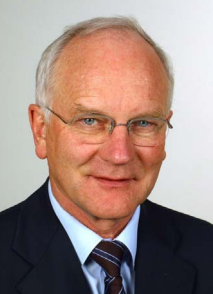 Hans Hengartner合作论文数Federal Institute of Technology, ETH Zurich;University of Zurich;Departement Biologie, ETH Zurich;Departement Biologie, ETH Zurich8
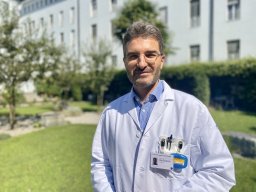 Andrea De Gottardi合作论文数Department of Clinical Pharmacology, University of Berne8
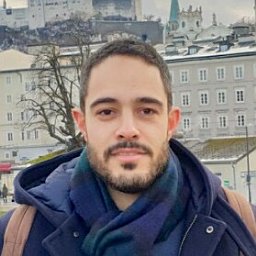 Ioannis G Theodorou合作论文数CHU Pitié-Salpêtrière INSERM U543 918Beat Helbling合作论文数8P FOWLER合作论文数8Christine Bernsmeier合作论文数8
 Bettina Maeschli合作论文数7Claude Scheidegger合作论文数7
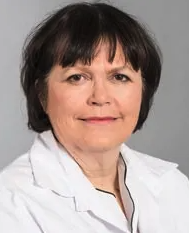 Laura Rubbia-Brandt合作论文数Faculté De Médecine, Université de Genève;Département Diagnostique, Hôpitaux Universitaires de Genève7




