ABSTRACT Through high‐temperature, high‐pressure diamond anvil cell studies combined with in situ synchrotron powder x‐ray diffraction, we investigate the reactivity between manganese and hydrogen up to 182 GPa. Laser heating manganese in an medium at 118 GPa yields body‐centred tetragonal , which has the highest hydrogen content ever observed in the binary hydrides of group IV–XII transition metals. In addition, we also observe two other new hydrides as minor phases, with a tetragonal crystal structure and cubic , formed at the pressures of 105 and 118 GPa, respectively. Upon decompression, and remain stable down to 30 GPa before decomposing into the monohydride. Our ab initio quantum chemistry computations employing density‐functional theory reveal that the key stabilisation factor of and is zero‐point energy, however, no isotope effect is observed on the crystal structures of the deuterated samples.
Boron-carbon (B-C) clathrates have attracted much attention in recent years due to their excellent sp3 hybridized B-C covalent bonds and distinctive electronic properties. Here, we conduct systematic high-throughput structural searches for ambient-pressure superconductors in B-C clathrates. Twenty-one stable X2B8C4 clathrates are identified, among which superconductivity is found in X2B8C4 (X = Rb, Ca, Sr, Ba, La, and Ce) clathrates with superconducting transition temperatures of 34, 21, 17, 16, 13, and 10 K, respectively. The calculated results indicate that the superconductivities of main-group and transition metal-doped B-C clathrates are influenced by the amount of charge transferred from the metal to the B-C frameworks and the metallicities of the guest metal atoms. The high Tc value of the Rb2B8C4 superconductor originates from the strong metallicity and large atomic radius of the Rb atom, which squeezes the B-C cages and strengthens the electron-phonon coupling (EPC) interactions, thereby enhancing superconductivity. The present results enrich the databases of B-C clathrate superconductors and offer a viable strategy for design and synthesis of high-temperature superconductors at ambient pressure.
Hydrogen, carbon, and nitrogen are amongst the most important light elements in the composition of the solar system. They form the organic molecules and atmospheric components of many outer planets. Under the extreme conditions within planets, exploring the H-C-N chemical space is central to understanding the abiotic chemistry and interior structure of icy planets and moons. Here, based on effective crystal structure searches and calculations, we report the ground state phase diagram of the H-C-N system at pressures up to 500 GPa. Two thermodynamically stable ternary compounds CH 2 N 2 and C 2 HN 3 are predicted to maintain their stability up to the pressure of the mantle-core boundary of Neptune. Upon compression, both CH 2 N 2 and C 2 HN 3 benefit from the formation of a dense tetrahedrally connected network formed from s p 3 hybridized carbon and nitrogen, supported by hydrogen bonding. The simplest possible compound, hydrogen cyanide HCN, is found to be metastable. Amongst methane-ammonia mixtures, we identify five metastable compounds: ( CH 4 ) 2 NH 3 , CH 4 NH 3 , CH 4 ( NH 3 ) 2 , CH 4 ( NH 3 ) 3 , and CH 4 ( NH 3 ) 4 . Potential synthesis pathways for the metastable compounds are provided for further discussion on the formation of mixtures based on simple molecules.
Hydrogen-rich compounds that exhibit high-temperature superconductivity typically require extreme pressures, which severely limits their practical applicability. Recent theoretical predictions of the complex hydride Mg2IrH6 have introduced a new family of M2XH6-type hydrides, highlighting the potential for high-temperature superconductivity at near-ambient pressure. Motivated by this, we have performed high-throughput firstprinciples investigations of the M2XH6 family (M = IA, IIA, IIIA, IIB metals; X = B, C, N) to identify dynamically stable hydrides and explore their superconducting properties. Eleven boron-based hydrides, M2BH6 (M = Li, Na, K, Rb, Cs, Ca, Sr, Ba, Sc, Y, La), featuring BH6 octahedral units have been identified. Notably, Li2BH6 is dynamically stable down to 16 GPa and exhibits a superconducting critical temperature of 121.25 K. Electronic structure and phonon analyses indicate that high-frequency hydrogen vibrations from strong B-H covalent bonding, reinforced by light Li atoms, dominate the electron-phonon coupling. In contrast, noblemetal-based Li2XH6 compounds (X = Cu, Ag, Au) exhibit distinct superconducting mechanisms, driven by d electrons at the Fermi level and low-frequency metal vibrations. These findings expand the compositional space of the M2XH6 family and highlight Li2BH6 as a promising candidate for near-ambient-pressure high-Tc superconductivity.
The synthesis of superhard superconductor at ambient pressure remains a challenge in materials science. Here, we perform detailed high-throughput calculations to explore the feasibility of achieving concurrent superconductivity and superhardness in c-BC2N at ambient pressure. The calculated results demonstrate that hydrogen (H), as the electron acceptor, occupies interstitial sites in the c-BC2N lattice, causing local structure distortions. These distortions modify the electronic structures of c-BC2N, transforming from an intrinsic indirect-gap semiconductor to a metallic state. Notably, the double H doping shifts the valence band of c-BC2N upward and promotes the formation of a flat band from Y to T near the Fermi level, which effectively enhance the electron-phonon coupling (EPC) interactions, and ultimately achieve a relatively high superconducting transition temperature (Tc) of 37.6 K for (BC2N)3H2 at ambient pressure. Interestingly, the double H doped c-BC2N also exhibits a Vickers hardness of 44.2 GPa at ambient pressure, which is an outstanding superhard superconductor at ambient pressure. These findings indicate that H doping faultlessly regulates the structural and electronic properties of c-BC2N, and provide novel insights for the design and synthesis of multifunctional materials at ambient conditions.
The pursuit of room-temperature superconductors remains a critical challenge in modern science. Here, we perform comprehensive high-throughput structure searches for boron carbide (BC) at ambient pressure using CALYPSO method and first-principles calculations. The structure searches rapidly identify the ground state and two new stable phases,P63mcandPmm2, of BC compounds at ambient pressure. TheP63mcphase shows remarkable superconductivity with high superconducting transition temperature (Tc) up to 86 K, exceeding the boiling point of liquid nitrogen. Our calculations indicate that the highTcvalue of theP63mcphase of BC arises from its metallizedσ-bands and dominant hole-like pockets crossing the Fermi level. Moreover, thePmm2 phase of BC compound is verified as a superhard superconductor, withTcof 24 K and Vickers hardness of 44 GPa. These theoretical findings not only enrich the understanding of potential ambient superconductors but also offer promising avenues for the design and synthesis of advanced high-temperature superconductors at ambient pressure.
One of the most enduring problems in dense H2O ice has been the experimental realization of the pressure-induced symmetry breaking of cubic ice X to an orthorhombic crystal structure. Here, through diamond anvil cell experiments combined with synchrotron X-ray diffraction and Raman spectroscopy techniques, we demonstrate that post-symmetrization, the crystal structure of ice X continuously distorts with pressure. Subjecting ice to pressures in excess of 308(5) GPa, we observe a first-order phase transition to ice XXII, consistent with the long-predicted phase possessing an orthorhombic crystal structure with Pbcm symmetry. We find that ice XXII is stable to pressures of at least 340(5) GPa. The crystal structure of ice X is observed to distort under extreme pressure at room temperature before transforming to ice XXII, the most dense H2O polymorph experimentally observed.
Carbon, nitrogen, and hydrogen are among the most abundant elements in the solar system, and our understanding of their interactions is fundamental to prebiotic chemistry. CH4 and N2 are the simplest archetypical molecules formed by these elements and are both markedly stable under extremes of pressure. Through a series of diamond anvil cell experiments supported by density functional theory calculations, we observe diverse compound formation and unexpected reactivity in the dense CH4‐N2 system. Above 7GPa two concentration‐dependent molecular compounds emerge, (CH4)5N2 and (CH4)7(N2)8, held together by weak van der Waals interactions. Strikingly, further compression at room temperature irreversibly breaks the N2 triple bond, inducing the dissociation of CH4 above 140GPa, with the nearquenched samples revealing distinct spectroscopic signatures of strong covalently bonded C‐N‐H networks. High temperatures vastly reduce the required pressure to promote the reactivity between CH4 and N2, with NH3 forming together with longer‐chain hydrocarbons at 14GPa and 670K, further decomposing into powdered diamond when temperatures exceed 1200K. These results exemplify how pressuredriven chemistry can cause unexpected complexity in the most simple molecular precursors.
The Tadah! code provides a versatile platform for developing and optimizing Machine Learning Interatomic Potentials (MLIPs). By integrating composite descriptors, it allows for a nuanced representation of system interactions, customized with unique cutoff functions and interaction distances. Tadah! supports Bayesian Linear Regression (BLR) and Kernel Ridge Regression (KRR) to enhance model accuracy and uncertainty management. A key feature is its hyperparameter optimization cycle, iteratively refining model architecture to improve transferability. This approach incorporates performance constraints, aligning predictions with experimental and theoretical data. Tadah! provides an interface for LAMMPS, enabling the deployment of MLIPs in molecular dynamics simulations. It is designed for broad accessibility, supporting parallel computations on desktop and HPC systems. Tadah! leverages a modular C++ codebase, utilizing both compile-time and runtime polymorphism for flexibility and efficiency. Neural network support and predefined bonding schemes are potential future developments, and Tadah! remains open to community-driven feature expansion. Comprehensive documentation and command-line tools further streamline the development and application of MLIPs.
Opposing the theory that Helium (He) cannot be inserted into AB-type ionic compounds due to the Madelung energy increase, our crystal structure search and first-principles calculations found that He can form stable compounds with sodium halides (NaX, X=Cl, Br, I) under high-pressure. These reactions are driven by the non-local chemistry arising from the cation-anion size disparity, distinctly different from the He insertion reaction with A2B-type compounds. The large size differences between Na+ and X- enable structures that can effectively host He insertions through volume and inter-atomic distance disproportionation. Furthermore, the insertion of He atoms can significantly relieve the elevated Madelung energy that builds up in NaX under high pressure. This energy increase arises from structural transitions driven by cation-anion size disparity, which are necessary for reducing volume under pressure. The insertion of He allows the reduction of the total volume under high pressure without increasing the Madelung energy. Our predicted compounds and stability analysis reveal a new example of He reactivity governed not by local chemical bond formation, but by long-range electrostatic interactions.
Through high-pressure diamond anvil cell experiments, we report the synthesis of two novel potassium superhydrides (KH9-I and KH9-II) and investigate their structural and vibrational properties via synchrotron X-ray powder diffraction and Raman spectroscopy, complemented by density functional theory (DFT) calculations. Above 17 GPa at room temperature, KH-II and H2 react to form KH9-I; this reaction can be accelerated with temperature. KH9-I possesses a face-centered-cubic (fcc) potassium sublattice with a slight rhombohedral distortion (space group R3̅m). Compression above 78 GPa converts KH9-I to another polymorph, KH9-II, which adopts a primitive simple hexagonal potassium sublattice (space group P6/mmm) and remains stable up to at least 100 GPa. Both KH9 polymorphs exhibit ionic character, comprising K+ and H- ions, along with quasi-molecular H2 units, resulting in rich Raman activity.
Ice phases VII, VIII, and X are all based on a body-centered cubic arrangement of molecules, the differences coming from how molecular orientation breaks the symmetry. It is debatable as to whether these should even be considered distinct phases given that the standard definition of a transition between distinct phases involves a discontinuity in any derivative of the free energy. This can be hard to prove experimentally, and most previous theoretical works have been based on models which either have continuously differentiable free energies or offer no straightforward way to determine the free energy. Here we build a free-energy model based on the common definitions of the phases: ordered ice-VIII, orientationally disordered ice VII, and centered-proton ice X. All transitions in this model might or might not be associated with a discontinuity in the specific heat, depending on parameterization. By comparing with data, we find that a VII-X transition line exists, but it ends in a critical point hidden within the stability field of phase VIII. If the model is correct, there is a discontinuity between VII and X, so they are separate phases. We propose that the hidden phase boundary might be demonstrated experimentally by compression of supercooled ice VII.
The reactivity between NaH and H2 has been investigated through a series of high-temperature experiments up to pressures of 78 GPa in diamond anvil cells combined with first principles calculations. Powder X-ray diffraction measurements show that heating NaH in an excess of H2 to temperatures around 2000 K above 27 GPa yields sodium trihydride (NaH3), which adopts an orthorhombic structure (space group Cmcm). Raman spectroscopy measurements indicate that NaH3 hosts quasi-molecular hydrogen (H2δ−) within a NaH lattice, with the H2δ− stretching mode downshifted compared to pure H2 (Δν ∼−120 cm−1 at 50 GPa). NaH3 is stable under room temperature compression to at least 78 GPa, and exhibits remarkable P-T stability, decomposing at pressures below 18 GPa. Contrary to previous experimental and theoretical studies, heating NaH (or NaH3) in excess H2 between 27 and 75 GPa does not promote further hydrogenation to form sodium polyhydrides other than NaH3.
Two sodalite-like carbon based superconductors at ambient pressure are uncovered using the CALYPSO method and first-principles calculations.
Density functional theory predicted that the ground state of U 2 Ti should undergo a Peierls-like doubling of its unit cell along the c axis on cooling from high temperature [G. Kaur et al. , J. Alloys Compd. 730 , 36 (2018)]. We report x-ray diffraction, heat capacity, and resistivity measurements showing that with decreasing temperature the transition from the parent hexagonal structure occurs in two steps, via an incommensurate state below T ICDW = 71(1) K which then undergoes a lock -in transition to the predicted commensurate Peierls-like state at T CCDW = 46(3) K. The signatures of the upper transition in thermodynamic and transport measurements are weak, meaning that similar incommensurate charge density waves (ICDWs) preceding CDWs might occur more widely in other systems but elude detection. The collinear nature of both the ICDW and Peierls-like states we report is much simpler than more complex incommensurate states seen in alpha -U, which may in time provide greater insight into the mechanism for ICDW formation.
The recent theory-driven discovery of a class of clathrate hydrides (e.g., CaH6, YH6, YH9, and LaH10) with superconducting critical temperatures (Tc) well above 200 K has opened the prospects for "hot" superconductivity above room temperature under pressure. Recent efforts focus on the search for superconductors among ternary hydrides that accommodate more diverse material types and configurations compared to binary hydrides. Through extensive computational searches, we report the prediction of a unique class of thermodynamically stable clathrate hydrides structures consisting of two previously unreported H24 and H30 hydrogen clathrate cages at megabar pressures. Among these phases, LaSc2H24 shows potential hot superconductivity at the thermodynamically stable pressure range of 167 to 300 GPa, with calculated Tcs up to 331 K at 250 GPa and 316 K at 167 GPa when the important effects of anharmonicity are included. The very high critical temperatures are attributed to an unusually large hydrogen-derived density of states at the Fermi level arising from the newly reported peculiar H30 as well as H24 cages in the structure. Our predicted introduction of Sc in the La-H system is expected to facilitate future design and realization of hot superconductors in ternary clathrate superhydrides.
In situ synchrotron powder X-ray diffraction (PXRD) study was conducted on sodium and potassium tetrafluoroborate (NaBF4 and KBF4) to elucidate structural changes across solid-solid phase transitions over multiple heating-cooling cycles. The phase transition temperatures from diffraction measurements are consistent with the differential scanning calorimetry data (∼240 °C for NaBF4 and ∼290 °C for KBF4). The crystal structure of the high-temperature (HT) NaBF4 phase was determined from synchrotron PXRD data. The HT disordered phase of NaBF4 crystallizes in the hexagonal, space group P63/mmc (no. 194) with a = 4.98936(2) Å, c = 7.73464(4) Å, V = 166.748(2) Å3, and Z = 2 at 250 °C. Density functional theory molecular dynamics (MD) calculations imply that the P63/mmc is indeed a stable structure for rotational NaBF4. MD simulations reproduce the experimental phase sequence upon heating and indicate that F atoms are markedly more mobile than K and B atoms in the disordered state. Thermal expansion coefficients for both phases were determined from high-precision lattice parameters at elevated temperatures, as obtained from Rietveld refinement of the PXRD data. Interestingly, for the HT-phase of NaBF4, the structure (upon heating) contracts slightly in the a-b plane but expands in the c direction such that overall thermal expansion is positive. Thermal conductivities at room temperature were measured, and the values are 0.8-1.0 W m-1 K-1 for NaBF4 and 0.55-0.65 W m-1 K-1 for KBF4. The thermal conductivity and diffusivity showed a gradual decrease up to the transition temperature and then rose slightly. Both materials show good thermal and structural stabilities over multiple heating/cooling cycles.
The elements hydrogen, carbon, and nitrogen are among the most abundant in the solar system. Still, little is known about the ternary compounds these elements can form under the high-pressure and high-temperature conditions found in the outer planets’ interiors. These materials are also of significant research interest since they are predicted to feature many desirable properties such as high thermal conductivity and hardness due to strong covalent bonding networks. In this study, the high-pressure high-temperature reaction behavior of malononitrile H 2 C(CN) 2 , dicyandiamide (H 2 N) 2 C=NCN, and melamine (C 3 N 3 )(NH 2 ) 3 was investigated in laser-heated diamond anvil cells. Two previously unknown compounds, namely α-C(NH) 2 and β-C(NH) 2 , have been synthesized and found to have fully sp 3 -hybridized carbon atoms. α-C(NH) 2 crystallizes in a distorted β-cristobalite structure, while β-C(NH) 2 is built from previously unknown imide-bridged 2,4,6,8,9,10-hexaazaadamantane units, which form two independent interpenetrating diamond-like networks. Their stability domains and compressibility were studied, for which supporting density functional theory calculations were performed.
The Na-W-H and Na-Re-H ternary systems were studied in a diamond anvil cell through X-ray diffraction and Raman spectroscopy, supported by density functional theory and molecular dynamics calculations. Na3WH9 can be synthesized above 7.8 GPa and 1400 K, remaining stable between at least 0.1 and 42.1 GPa. The rhenium analogue Na3ReH8 can form at 10.1 GPa upon laser heating, being stable between at least 0.3 and 32.5 GPa. Na3WH9 and Na3ReH8 host [WH9]3- and [ReH8]3- anions, respectively, forming homoleptic 18-electron complexes in both cases. Both ternary hydrides show similar structural types and pressure dependent phase transitions. At the highest pressures they adopt a distorted fcc Heusler structure (Na3WH9-II' and Na3ReH8-II') while upon decompression the structure symmetrizes becoming fcc between ∼6.4 and 10 GPa for Na3WH9-II and at 17 GPa for Na3ReH8-II. On further pressure release, the fcc phases transform into variants of a (quasi-) hexagonal structure at ∼3 GPa, Na3WH9-I and Na3ReH8-I.
 Peter Schwerdtfeger合作论文数Centre for Theoretical Chemistry and Physics, The New Zealand Institute for Advanced Study, Massey University Auckland28
 Cheng Lu (卢成)合作论文数School of Mathematics and Physics, China University of Geosciences24
 Xiaoyu Kuang (邝小渝)合作论文数Institute of Atomic and Molecular Physics, Sichuan University18
 Lewis J. Conway合作论文数SUPA, Univ Edinburgh16
 Wolf Gero Schmidt合作论文数Faculty of Science, Paderborn Univ16
 Sandro Scandolo合作论文数Research Division, Abdus Salam International Centre for Theoretical Physics14
 Howie Ross T合作论文数School of Physics and Centre for Science at Extreme Conditions, University of Edinburgh13
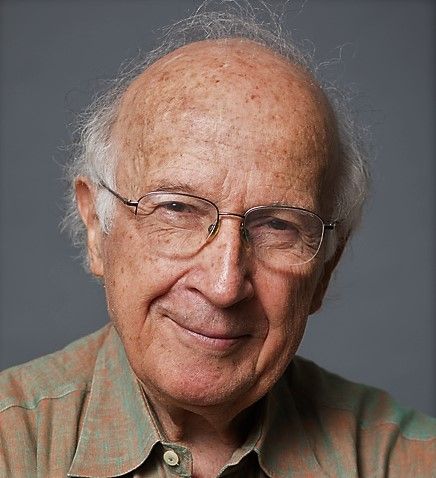 Roald Hoffmann合作论文数Department of Chemistry & Chemical Biology, The College of Arts & Sciences, Cornell University13
 Eugene Gregoryanz合作论文数Institute of Solid State Physics, Hefei Institutes of Physical Science, Chinese Academy of Sciences;University of Science and Technology of China12Peña-Álvarez Miriam合作论文数†J. Heyrovsky Institute of Physical Chemistry of the AS CR, v.v.i., Dolejskova 2155/3, 182 23 Prague 8, Czech Republic.12
 Yanming Ma (马琰铭)合作论文数School of Physics, Zhejiang University12
 Alexander Storch合作论文数Klin & Poliklin Neurol, Univ Klinikum Carl Gustav Carus11
 N W Ashcroft合作论文数Cornell University11
 John Loveday合作论文数School of Physics and Astronomy, The University of Edinburgh10
 Yanchao Wang (王彦超)合作论文数College of Physics, Jilin University10
 Graeme Ackland合作论文数Institute for Condensed Matter and Complex Systems, School of Physics and Astronomy, University of Edinburgh10Philip Dalladay-Simpson合作论文数Ctr High Pressure Sci Technol Adv Res, 1690 Cailun Rd, Shanghai 201203, Peoples R China9
 Weiguo Sun (孙卫国)合作论文数China Association of Building Energy Efficiency9
 Jack Binns合作论文数Ctr High Pressure Sci & Technol Adv Res, 1690 Cailun Rd,Bldg 6, Shanghai 201203, Peoples R China8
 Hongxiang Zong (宗洪祥)合作论文数School of Materials Science and Engineering, Xi'an Jiaotong University8Maryellen Donnelly合作论文数Centre for Science at Extreme Conditions and School of Physics and Astronomy, The University of Edinburgh7Yuanyuan Jin合作论文数7
 Friedhelm Bechstedt合作论文数Instituts fur Festkorpertheorie und -Optik, Friedrich-Schiller-Universitat Jena7Ekbert Hering合作论文数7Eckard Kronmüller合作论文数7Martina Maisel合作论文数7Harry D. J. Keen合作论文数6Johannes Schwarz合作论文数6
 Maosheng Miao合作论文数Beijing Computational Science Research Center;Department of Chemistry and Biochemistry, College of Science and Mathematics, California State University6Israel Osmond合作论文数HH Wills Lab, Univ Bristol5
 Chuanzhao Zhang合作论文数5
 Bole Chen合作论文数Inst Atom & Mol Phys, Sichuan Univ5Xiaofeng Li合作论文数5
 Mengnan Wang合作论文数Ctr High Pressure Sci & Technol Adv Res HPSTAR, Shanghai 201203, Peoples R China5Mikhail A. Kuzovnikov合作论文数5
 Andrew Huxley合作论文数School of Physics and Astronomy, The University of Edinburgh5Biering S合作论文数5Marqués Miriam合作论文数5
 Chris Pickard合作论文数Materials Theory Group, Department of Materials Science & Metallurgy, University of Cambridge5
 Frank Fuchs合作论文数ETSF, and IFTO, Friedrich Schiller Universität5
 Mainak Mookherjee合作论文数Bayerisches Geoinstitut, Universität Bayreuth5Brian Vest合作论文数5Juergen Furthmueller合作论文数4Liam C. Kelsall合作论文数4
 Xinxin Xia合作论文数Chinese Univ Hong Kong, Dept Phys, Hong Kong 999077, Peoples R China4
 Pattanasak Teeratchanan合作论文数Dept Phys, Srinakharinwirot Univ4Christopher O'Neill合作论文数CSEC, Univ Edinburgh4Tomas Marqueño合作论文数4
 Umbertoluca Ranieri合作论文数Ecole Polytech Fed Lausanne, ICMP, EPSL, Stn 3, CH-1015 Lausanne, Switzerland4




