Although CRISPR-Cas9 technology is poised to revolutionize the treatment of diseases with underlying genetic mutations, it faces some significant issues limiting clinical entry. They include low-efficiency in vivo systemic delivery and undesired off-target effects. Here, we demonstrate, by modifying Cas9 with phosphorothioate-DNA oligos (PSs), that one can efficiently deliver single and bi-specific CRISPR-Cas9/guide RNA (gRNA) dimers in vitro and in vivo with reduced off-target effects. We show that PS-Cas9/gRNA-mediated gene knockout preserves chimeric antigen receptor T cell viability and expansion in vitro and in vivo. PS-Cas9/gRNA mediates gene perturbation in patient-derived tumor organoids and mouse xenograft tumors, leading to potent tumor antitumor effects. Further, HER2 antibody-PS-Cas9/gRNA conjugate selectively perturbs targeted genes in HER2+ ovarian cancer xenografts in vivo. Moreover, we created bi-specific PS-Cas9 with two gRNAs to target two adjacent sequences of the same gene, leading to efficient targeted gene disruption ex vivo and in vivo with markedly reduced unintended gene perturbation. Thus, the cell-penetrating PS-Cas9/gRNA can achieve efficient systemic delivery and precision in gene disruption.
Figure S1. Increased TLR9 expression in induced glioma spheres. Figure S2. TLR9 and STAT3 form a feed-forward loop in GSCs. Figure S3. Stat3 silencing by local CpG-Stat3siRNA delivery inhibits tumor growth. Figure S4. Stat3 silencing by local CpG-Stat3siRNA delivery inhibits GSCs. Figure S5. Targeting Brain tumors systemically with CpG-siRNA reaches the tumor site.
Supplementary Figure 6 from Toll-like Receptor 9 Activation of Signal Transducer and Activator of Transcription 3 Constrains Its Agonist-Based Immunotherapy
Suppl. Fig. S1 showing CTLA4 expression and CD86 cellular internalization by human BCL and human MM cells acquired by flow cytometry.
Supplementary Figure 1 from Toll-like Receptor 9 Activation of Signal Transducer and Activator of Transcription 3 Constrains Its Agonist-Based Immunotherapy
<p>Suppl. Fig. S2 showing improved Th1 and Th2 maturation and increased CD3 T cell activation upon CTLA4 blockade in vivo.</p>
Supplementary Data from Antitumor Activity of Targeting Src Kinases in Endothelial and Myeloid Cell Compartments of the Tumor Microenvironment
Supplementary Figure 1 from Sunitinib Inhibition of Stat3 Induces Renal Cell Carcinoma Tumor Cell Apoptosis and Reduces Immunosuppressive Cells
Supplementary Figure 2 from Toll-like Receptor 9 Activation of Signal Transducer and Activator of Transcription 3 Constrains Its Agonist-Based Immunotherapy
PDF file - 5546K, Supplementary Fig.2: STAT3 activation is associated with upregulated CSC marker expression.
Supplementary Figure 2 from Targeting Stat3 in the Myeloid Compartment Drastically Improves the In vivo Antitumor Functions of Adoptively Transferred T Cells
PDF file - 1025K, Supplementary Fig. 1: Elevated STAT3 activity results in enhanced tumor growth.
Supplementary Figure 2 from Targeting STAT3 in Adoptively Transferred T Cells Promotes Their In Vivo Expansion and Antitumor Effects
Supplementary Figure 1 from Targeting Stat3 in the Myeloid Compartment Drastically Improves the In vivo Antitumor Functions of Adoptively Transferred T Cells
Supplementary Figure 7 from Toll-like Receptor 9 Activation of Signal Transducer and Activator of Transcription 3 Constrains Its Agonist-Based Immunotherapy
Supplementary Figure 4 from Toll-like Receptor 9 Activation of Signal Transducer and Activator of Transcription 3 Constrains Its Agonist-Based Immunotherapy
Supplementary Figure 5 from Toll-like Receptor 9 Activation of Signal Transducer and Activator of Transcription 3 Constrains Its Agonist-Based Immunotherapy
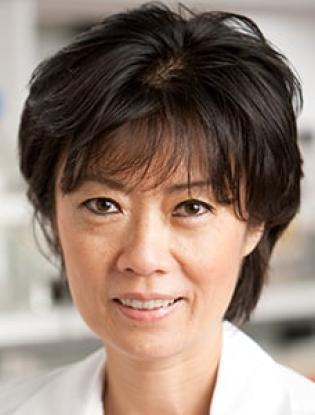 Hua Yu合作论文数Comprehensive Cancer Center, City of Hope;Department of Cancer Immunotherapeutics & Tumor Immunology, Beckman Research Institute of City of Hope56
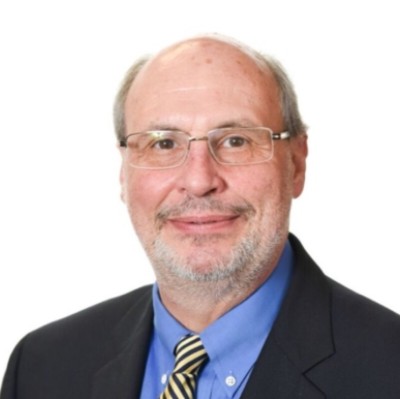 Richard Jove合作论文数Jove Scientific Advising25
 Maciej Kujawski合作论文数22
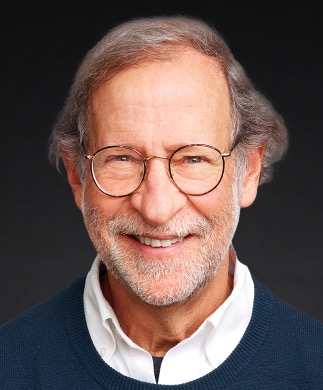 Stephen J. Forman合作论文数Hematologic Malignancies Research Institute, City of Hope;Department of Hematology & Hematopoietic Cell Transplantation, City of Hope19
 Marcin Kortylewski合作论文数18
 Heehyoung Lee合作论文数18Chunyan Zhang (张春燕)合作论文数17Claudia Kowolik合作论文数15
 Robert Figlin合作论文数Cedars-Sinai;David Geffen School of Medicine, University of California, Los Angeles14Hong Xin合作论文数13
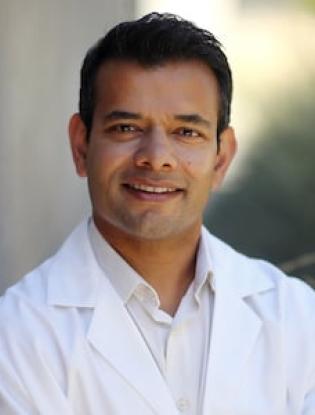 Sumanta Kumar Pal合作论文数Department of Medical Oncology & Therapeutics Research, City of Hope;Bladder & Kidney Cancer13
 Christoph Lahtz合作论文数Department of Cancer Biology, Beckman Research Institute13Lin Wang合作论文数Tulane University School of Medicine12
 Anne Schroeder合作论文数12Gregory Cherryholmes合作论文数11Jie-Hui Deng合作论文数Beckman Research Institute, City of Hope National Medical Center11Chunmei Yang合作论文数10Chanyu Yue合作论文数Sorrento Therapeutics9Ralf Buettner合作论文数9Wang Zhang合作论文数8
 Brian Armstrong合作论文数8Scuto A合作论文数8Wenzhao Li合作论文数8Salcedo R合作论文数7
 Peter Claus Heinrich合作论文数Institute of Biochemistry and Molecular Biology, University of Freiburg7G Müller-Newen合作论文数6Thomas Blankenstein合作论文数Max-Delbrück-Center for Molecular Medicine, and the Institute of Immunology, Charité Campus Buch, Berlin, Germany6Nagao Toshikage合作论文数6
 Piotr Marek Swiderski合作论文数6Michael Hedvat合作论文数6K. Reckamp合作论文数6Ronja Mülfarth合作论文数5
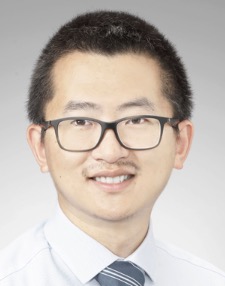 Yijia Li合作论文数Department of Medicine, University of Pittsburgh Medical Center Presbyterian5Shaobu Weng合作论文数5Wei Liang合作论文数5Zhu Cao合作论文数5
 Dennis Huszar合作论文数5Morosini Deborah合作论文数5
 Michael Zinda合作论文数5
 Saul J Priceman合作论文数5
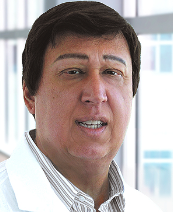 Dave S.B. Hoon合作论文数Department of Translational Molecular Medicine, Saint John's Health Center, Saint John’s Cancer Institute;Genomic Sequencing Center, Saint John's Health Center, Saint John’s Cancer Institute5Elizabeth Budde合作论文数4Maryam Aftabizadeh合作论文数4Kurt Jenkins合作论文数4Karen L Reckamp合作论文数4
 Christine M Brown合作论文数4
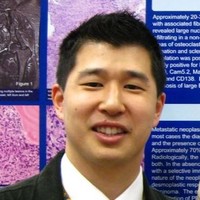 Joo Y. Song合作论文数Division of Hematopathology, Department of Pathology, City of Hope Medical Center;Division of Clinical Pathology, Department of Pathology, City of Hope Medical Center;Toni Stephenson Lymphoma Center, City of Hope Medical Center4
 Gerhard Muller-Newen合作论文数4Song Jieun合作论文数Dardinger Neuro-oncology Center, Ohio State University;Solid Tumor Program, the James Comprehensive Cancer Center;Center for Biostatistics, Ohio State University;Department of Radiation Oncology, Ohio State University;Department of Internal Medicine, Ohio State University;Department of Molecular and Cellular Biochemistry, Ohio State University Wexner Medical Center;Ohio State University, Ohio State University4




