Abstract The tumor suppressor gene TP53 is frequently mutated in most solid malignancies, including colorectal and pancreatic cancers, driving tumor progression and metastasis. However, existing treatments often lack selectivity for p53-mutant (p53mut) cancers and are associated with high toxicity. To address this clinical challenge, we developed a two drug therapeutic approach that selectively targets p53-mutant cancers by combining TAS102, with a PARP inhibitor (PARPi). Mechanistically, incorporation of TFT into DNA triggers post-replicative repair, generating single-strand break intermediates. While PARP facilitates their repair, inhibition of PARP converts these intermediates into lethal double-strand breaks. In p53 wild-type (WT) cells, TAS102 and PARPi activate a p53-dependent G1/S checkpoint, enabling DNA repair and preventing excessive damage. In contrast, p53mut cells, lacking this checkpoint, experience uncontrolled DNA damage accumulation, leading to cell death. This combination demonstrated superior anti-tumor efficacy in p53-mutant cell lines and patient-derived xenograft (PDX) models compared to either agent alone, and was well tolerated in preclinical studies. This two-drug strategy is now being tested in Phase I clinical trial (NCT04511039) in advanced CRC patients showed no significant toxicity and improved PFS relative to historical TAS102 monotherapy. To further elucidate its mechanism, we investigated the DNA damage response (DDR) and checkpoint signaling in p53mut cancer cells. Our findings show that TAS102-PARPi induces a p53-independent G2/M checkpoint mediated by ATR kinase, which activates downstream kinases CHK1 and WEE1 to inhibit CDK1, thereby halting entry into mitosis. Our transcriptomic profiling revealed a marked induction of homologous recombination (HR)-associated double-strand break repair genes, including BRCA1, BRCA2 and RAD51, in p53-deficient cells following TAS102-PARPi treatment. This pronounced upregulation likely reflects enhanced DNA repair activity at the G2 checkpoint, orchestrated by ATR kinase. Based on this mechanistic, we tested whether the TAS102-PARPi regimen could be potentiated by targeting G2-checkpoint kinases. We developed a triple-drug therapeutic strategy that combines our two-drug regimen with a G2-checkpoint kinase inhibitor. Subsequent inhibition of checkpoint kinases such as WEE1 or ATR releases the G2-arrested cells into mitosis, resulting in mitotic catastrophe and cell death. Importantly, sequential administration, delaying the G2-kinase inhibitor after TAS102-PARPi, allows p53WT cells time to repair DNA, thereby minimizing toxicity to normal tissues. This sequential triple-drug strategy acts through a synthetic lethality mechanism, producing massive cell death in p53mut cancer models. In PDXs models, this regimen achieved robust tumor suppression without detectable toxicity. Citation Format: Mohammed M. Alruwaili, Yanqi Guo, Justin Zonneville, Thomas Melendy, Robert M. Straubinger, Barbara A. Foster, Priyanka Rajan, Henry G. Withers, Sarah Chatley, Renuka V. Iyer, Christos Fountzilas, Andrei V. Bakin. A novel therapeutic approach for targeting p53-mutant cancers by leveraging DNA damage response vulnerabilities [abstract]. In: Proceedings of the American Association for Cancer Research Annual Meeting 2026; Part 1 (Regular Abstracts); 2026 Apr 17-22; San Diego, CA. Philadelphia (PA): AACR; Cancer Res 2026;86(7 Suppl):Abstract nr 6762.
Metastatic breast cancer (MBC) is a life-threatening disease with lowest 5-year survival rates in patients with metastatic triple-negative breast cancer (mTNBC). Most MBCs carry mutant p53 that drives cancer progression and metastasis in part by promoting the build-up of myeloid-derived suppressor cells (MDSCs) and tumor-associated macrophages (TAMs), major immune suppressive cells in the immune environment. At present, there are no effective treatment options for p53-mutant BC, while existing chemotherapy-based treatments exhibit low selectivity for p53mut status and high frequency of adverse side effects. We developed a novel therapeutic strategy for selective damaging p53-mutant tumors addressing the limitations mentioned above. Our novel strategy for p53mut cancers uses two drugs, one acting as an inducer (TAS102) and the other an amplifier (PARP inhibitor, PARPi), to achieve selective damage to p53mut cancers. Thymidine nucleotide analogue TAS102 does not block DNA synthesis but activates post-replicative repair leading to DNA breaks, while PARPi blocks repair of these DNA lesions. The two-drug strategy showed high efficacy, without adverse effects, in preclinical cancer models. Our first-in-human phase I study with the two-drug TAS102-PARPi regimen for colon cancer (NCT04511039, PI: Fountzilas) did not identify major signs of toxicity and the preliminary efficacy is promising. The dose-expansion part of the study is actively accruing patients with one patient already attaining a partial radiographic response. The present work investigates the impact of the two-drug TAS102-PARPi regimen on the immune landscape in mice implanted with mTNBC tumor cells. We observed that TAS102-PARPi reduced tumor growth and metastases to the lungs and liver. The two-drug regimen reduced levels of MDSCs and TAMs and increased levels of lymphocytes, indicating that the regimen may positively cooperate with immunotherapy directed to enhance anti-tumor activity of T cells. Depletion of CD8+ T cells markedly reduced anti-tumor activity of the TAS102-PARPi regimen. Immunophenotyping showed that the two-drug therapy increased tumor infiltration by CD8+ T cells expressing immune-checkpoint receptors PD1 and LAG3. Testing the two-drug therapy in combination with antibodies blocking the inhibitory receptors anti-PD1 or anti-LAG3 showed a dramatic reduction in tumor growth and metastases. Together these results demonstrate that the two-drug TAS102-PARPi regimen can be combined with immune checkpoint blockade therapy for effective treatment of MBCs including mTNBCs. Citation Format: Ashley Guo, Priyanka Rajan, Mohammed Alruwaili, Joseph Barbi, Scott Abrams, Thomas Melendy, Christos Fountzilas, Andrei Bakin. Novel Combination Immune Therapy for Metastatic Breast Cancers leveraging weaknesses in DNA damage response in p53 Mutant cancer [abstract]. In: Proceedings of the San Antonio Breast Cancer Symposium 2024; 2024 Dec 10-13; San Antonio, TX. Philadelphia (PA): AACR; Clin Cancer Res 2025;31(12 Suppl):Abstract nr P3-08-27.
Cancer drug resistance remains a major barrier to durable treatment success, often leading to relapse despite advances in precision oncology. While combination therapies are being increasingly investigated, such as chemotherapy with small molecule inhibitors, predicting drug response and identifying rational drug combinations based on resistance mechanisms remain major challenges. Therefore, a proteome-wide, single-gene overexpression screening platform is essential for guiding rational therapy selection. Here, we present BOGO (Bxb1-landing pad human ORFeome-integrated system for a proteome-wide Gene Overexpression), a robust, scalable, and reproducible screening platform that enables single-copy, site-specific integration and overexpression of ~19,000 human open across cancer cell models. Using BOGO, we identified drug-specific response drivers for 16 chemotherapeutic agents and integrated clinical datasets to uncover proliferation and resistance-associated genes with prognostic potential. Drug response similarity networks revealed both shared and unique mechanisms, highlighting key pathways such as autophagy, apoptosis, and Wnt signaling, and notable resistance-associated genes including BCL2, POLD2, and TRADD. In particular, we proposed a synergistic combination of the BCL2 family inhibitor ABT-263 (Navitoclax®) and the DNA analog TAS-102 (Lonsurf®), which revealed that lysosomal modulation is a key mechanism driving DNA analog resistance. This combination therapy selectively enhanced cytotoxicity in colorectal and pancreatic cancer cells in vitro, and demonstrated therapeutic benefit in vivo in both cell line-derived xenograft (CDX) and patient-derived xenograft (PDX) models. Together, these findings establish BOGO as a powerful gene overexpression perturbation platform for systematically identifying chemoresistance and chemosensitization drivers, and for discovering rational combination therapies. Its scalability and reproducibility position BOGO as a broadly applicable tool for functional genomics and therapeutic discovery beyond cancer resistance.
Metastatic breast cancer (MBC) is a life-threatening disease with the lowest 5-year survival rates seen in patients with metastatic triple-negative breast cancer (TNBC). MBCs, including TNBCs, commonly carry mutations in the tumor suppressor p53. Mutant p53 (p53Mut) drives cancer progression and metastasis, in part, by promoting the accumulation of myeloid-derived suppressor cells (MDSCs) and tumor-associated macrophages (TAMs), major enforcers of immune suppression in the tumor microenvironment (TME). At present, there are no effective treatment options for p53mut MBC, while existing chemotherapy-based treatments exhibit low selectivity for p53mut status and frequent adverse side effects. To address this clinical challenge, we developed a novel therapeutic strategy for the selective targeting of p53mut tumors. This novel strategy employs two drugs, one acting as an inducer (TAS102) and the other as an amplifier (PARP inhibitor, PARPi), to achieve selective and potent damage to p53mut tumors. Thymidine nucleotide analogue TAS102 does not block DNA synthesis but activates post-replicative repair leading to DNA breaks, while PARPi blocks repair of these DNA lesions. Post-replicative DNA repair results in DNA breaks and G2-arrest in p53mut cells. In contrast, p53WT cells accumulate in G1-phase and efficiently remove thymidine analogues. Our two-drug strategy showed high efficacy, without adverse effects, in preclinical cancer models of MBC. In this study, we further investigated the impact of the two-drug TAS102-PARPi regimen on the immune landscape in preclinical models of metastatic TNBC. We observed that the TAS102-PARPi combination reduced tumor growth and metastases in the lungs and liver. The two-drug regimen reduced the levels of MDSCs and TAMs, increased the levels of lymphocytes in the TME, and promoted CD8+ T cell-mediated anti-tumor activity that was abrogated by cell depletion. Immunophenotyping showed that the dual agent therapy increased the frequency of intra-tumoral CD8+ T cells expressing the immune checkpoint receptors PD-1 and LAG3, suggesting that the regimen may cooperate with immunotherapies targeting these molecules. Indeed, combining the dual agent therapy with anti-PD-1 or anti-LAG3 antibodies showed a further reduction in tumor growth and metastases. Together, these results demonstrate that the two-drug TAS102-PARPi regimen can be combined with immune checkpoint blockade for effective treatment of MBC, and potentially other p53-mutant cancers, like colorectal and pancreatic cancers. Andrei V. Bakin, Ashley Guo, Priyanka Rajan, Mohammed Alruwaili, Joseph Barbi, Scott I. Abrams, Thomas Melendy, Christos Fountzilas. A novel combination immunotherapy for p53 mutant metastatic breast cancer leveraging vulnerabilities in the DNA damage response [abstract]. In: Proceedings of the American Association for Cancer Research Annual Meeting 2025; Part 1 (Regular Abstracts); 2025 Apr 25-30; Chicago, IL. Philadelphia (PA): AACR; Cancer Res 2025;85(8_Suppl_1):Abstract nr 663.
The tumor suppressor TP53 gene (p53) is mutated in most human malignancies; however, existing treatment options are largely ineffective, lack selectivity, and cause toxic side effects. To address these clinical problems, we developed a sequential triple-drug strategy for p53 mutant cancer cells. Here we show that a combination of a thymidine analogue (TAS102) plus PARP inhibitor (PARPi) promotes formation of DNA double-strand breaks (DSBs) and G2-arrest specifically in p53 mutant cancer cells. Transcriptome analysis revealed that TAS102-PARPi treatment of p53 mutant cells did not repress DNA replication but activated DSB repair and blocked the mitotic program, consistent with G2-arrest. In contrast, TAS102-PARPi treatment of normal p53 wild-type cells resulted in a temporal G1-arrest and rapid recovery of cell cycle capacity after drug withdrawal. In p53 mutant cancer cells, subsequent blocking of a G2-checkpoint kinase, such as WEE1, released these G2-arrested cells into mitosis, leading to massive cell death. Delayed administration of a G2-kinase inhibitor provides time for p53 wild-type cells to repair DNA, thereby minimizing toxicity to normal tissues. This sequential triple-drug strategy exhibited robust efficacy in preclinical models of colorectal and pancreatic cancers and was well tolerated in mice. Together, our findings illustrate a promising triple-drug strategy for targeting p53 mutant malignancies.
Metastatic breast cancer (MBC) is a life-threatening disease with limited therapeutic options. The immune suppressive tumor microenvironment (TME) limits the potency of the antitumor immune response and facilitates disease progression and metastasis. Our current study demonstrates that p38α is a druggable target in the TME that regulates the outcome of the immune-tumor interaction. The study revealed that systemic blockade of p38α reduces metastasis, and this anti-metastatic response is negated by depletion of CD8+ T cells. Single-cell transcriptomic analysis of the immune-TME showed that pharmacological p38 inhibition (p38i) or tumor-specific inactivation of p38α by CRISPR/Cas9 (p38KO) resulted in a less exhausted and more activated CD8+ T cell phenotype. Immunophenotyping analyses demonstrated that p38 blockade reduced the expression of multiple inhibitory receptors on CD8+ T cells (i.e., PD-1, LAG-3, CTLA-4), indicating a reversal of immune exhaustion and enhanced immune activation systemically and in the TME. In contrast, p38 blockade did not exhibit inhibitory effects on T cells in proliferation assays in vitro and did not affect the proportion of regulatory T cells in vivo. The major negative impact of p38 blockade in vivo was on the myeloid populations, such as myeloid-derived suppressor cells (MDSCs) and tumor-associated macrophages (TAMs). Further, tumor p38α activity was required for the expression of cytokines/chemokines and tumor-derived exosomes with high chemotactic capacity for myeloid cells. Altogether, this study highlights a previously unrecognized the p38α-driven pathway that promotes an immune suppressive TME and metastasis, and that therapeutic blockade of p38α has important implications for improving antitumor immunity and patient outcomes.
Genetic alterations in the tumor suppressor p53 gene (TP53) are found in most solid malignancies, including colorectal (CRC), breast (BC), and pancreatic (PANC) cancers. Mutant p53 contributes to cancer progression and metastasis. Current therapeutic options show low selectivity for p53-mutant cancers and frequently exhibit high toxicity. To address this unmet clinical need, we developed a two-drug therapeutic strategy that selectively targets p53-mutant cancers. This novel strategy combines a thymidine analogue TAS102, acting as an inducer of DNA damage, and PARP inhibitor (PARPi) that works as an amplifier of DNA damage. Our two-drug therapeutic strategy showed greater efficacy in p53 mutant cancer models (including patient-derived xenografts (PDXs)) than either drug alone. The two-drug regimen was well tolerated in animal preclinical PDX and cell-derived xenograft models. This two-drug strategy is now being tested in Phase I clinical trial for patients with advanced CRC (NCT04511039). Clinical data showed no major signs of toxicity and increased progression-free survival compared to TAS102 alone. Mechanistically, the incorporation of thymidine analogues into DNA provokes post-replicative repair, generating single-strand DNA break intermediates. Repair of these intermediates is assisted by PARP, while inhibition of PARP increases more lethal double-strand DNA breaks. Cells with p53 wild-type (p53WT) respond with G1 and G2 -checkpoint arrest and efficiently remove thymidine analogues. In contrast, p53 mutant cells, lacking the G1 checkpoint, accumulate in G2 with lethal DNA breaks. The current work investigated the mechanism of the DNA damage response (DDR) and the G2 checkpoint induction in response to the TAS102-PARPi regimen. Analysis of DDR signaling showed that the G2 checkpoint in response to TAS102-PARPi is mediated by ATR kinase that acts through CHK1 and WEE1 kinases. We next examined a drug combination using the two-drug TAS102-PARPi regimen and the G2 checkpoint kinase inhibitors together. The concurrent triple-drug regimen showed high toxicity to non-tumor cells and cancer cells. In contrast, a sequential drug regimen, the two-drug treatment followed by G2-checkpoint inhibitors demonstrated selective toxicity against p53 mutant cancer cells. This sequential triple-drug regimen was further examined in preclinical CRC model in mice. The triple-drug regimen showed substantially greater anti-tumor activity in p53 mutant CRC xenograft model without adverse side effects (based on mouse body weight and peripheral blood analysis). Based on these preclinical studies, we propose a novel triple-drug therapeutic strategy for p53 mutant cancers that has strong potential to improve cancer treatment and meaningfully impact the health of cancer patients. Mohammed M. Alruwaili, Aidan Mazierski, Erica Norris, Kyeong Beom Jo, Yanqi Guo, Priyanka Rajan, Henry Withers, Thomas Melendy, Christos Fountzilas, Andrei Bakin. Novel triple-drug combination strategy for p53 mutant cancers leveraging their DNA damage response liabilities [abstract]. In: Proceedings of the American Association for Cancer Research Annual Meeting 2025; Part 1 (Regular Abstracts); 2025 Apr 25-30; Chicago, IL. Philadelphia (PA): AACR; Cancer Res 2025;85(8_Suppl_1):Abstract nr 5991.
Abstract Colorectal Cancer (CRC) is the third most common cause of cancer mortality in the US. A major problem in CRC management is relapse and progression to metastatic disease leading to poor overall survival. The tumor suppressor p53 is mutated in most CRCs and often drives metastasis and therapy resistance. Current therapeutic options targeting p53 mutant cancers show poor efficacy and frequently exhibit high toxicity. To address this clinical problem, we developed a novel therapeutic strategy for selective targeting of p53 mutant cancers. The strategy combines a thymidine analogue (e.g., trifluorthymidine/TFT, a component of TAS102) and poly (ADP-ribose) polymerase inhibitor (PARPi). We observed that TAS102 does not block DNA replication, but rather prompts post-replicative base-excision DNA repair (BER), and PARPi increases double-strand DNA breaks (DSBs) in p53 mutant cancer cells. Normal p53 wild type (p53wt) cells are arrested in the G1 phase and repair DNA. Thus, the TAS102-PARPi combination selectively targets p53-mutant cancer cells, resulting in the accumulation of DSBs and cell death. This novel strategy was examined in p53wt and p53-mutant tumor cell-derived xenograft (CDX) and patient-derived xenograft (PDX) models. The drug combination was significantly more effective in inhibiting p53 mutant tumor growth and in prolonging survival compared to monotherapies. This strategy is currently being tested in a first-in-human dose-escalation Phase I study (NCT04511039) in patients with advanced CRC. Further investigation revealed that the TAS102-PARPi combination induced DNA damage response (DDR) and the G2 checkpoint, leading to G2 arrest in p53 mutant cancer cells. We observed that TAS102-PARPi induced phosphorylation of CDC2 (also known as CDK1) but did not increase phosphorylation of histone H3 (a marker of mitosis), therefore indicating activation of the G2 checkpoint. Furthermore, the roles of ATM and ATR kinases in the DDR and G2 responses were clarified using highly specific kinase inhibitors. The analysis of the DDR/G2 signaling response in isogenic p53wt and mutant CRC cell lines showed that inhibition of WEE1 kinase can selectively abrogate the G2 checkpoint in p53-mutant cells, resulting in marked DNA damage and cell death. Importantly, the blockade of WEE1 strongly synergized with the TAS102-PARPi combination, further enhancing its potency and efficacy against p53-mutant cancer cells. In summary, our research provides a foundation for a novel therapeutic strategy for p53 mutant cancers that may provide a paradigm shift in the treatment of these deadly cancers, increasing efficacy while minimizing toxic adverse effects. Citation Format: Mohammed M. Alruwaili, Natsumi Naranjo, Priyanka Rajan, Kyeong Beom Jo, Dae-Kyum Kim, Thomas Melendy, Robert Straubinger, Christos Fountzilas, Andrei Bakin. Novel therapeutic approach for targeting p53 mutant colorectal cancers by affecting post-replicative DNA repair [abstract]. In: Proceedings of the American Association for Cancer Research Annual Meeting 2024; Part 1 (Regular Abstracts); 2024 Apr 5-10; San Diego, CA. Philadelphia (PA): AACR; Cancer Res 2024;84(6_Suppl):Abstract nr 7590.
BackgroundThe efficacy of FOLFIRI plus an antiangiogenesis biologic agent as 2nd line therapy for metastatic colorectal adenocarcinoma is limited. TAS-102 is a novel oral antimetabolite with a distinct mechanism of action from fluoropyrimidines. We evaluated the antitumour efficacy of TAS-102, irinotecan and bevacizumab in patients with pre-treated, advanced colorectal adenocarcinoma in a multicenter, phase II, single-arm study.MethodsPatients with advanced colorectal adenocarcinoma who had progressed after oxaliplatin and fluoropyrimidine and were eligible for treatment with bevacizumab were treated with irinotecan, bevacizumab, and TAS-102 in 28-day cycles. The primary endpoint was progression-free survival (PFS).ResultsWe enrolled 35 evaluable patients. The study was positive. The median PFS was 7.9 (90% CI 6.2-11.8) months (vs. 6 months in historical control, p = 0.018). The median overall survival was 16.5 (90% CI 9.8-17.5) months. Sixty-seven per cent of patients experienced grade 3 or higher treatment-related adverse events. The most common toxicities were hematological (neutropenia) and gastrointestinal (diarrhoea, nausea, and vomiting).ConclusionsIrinotecan, TAS-102 and bevacizumab is an active 2nd line therapy for patients with metastatic colorectal adenocarcinoma. Neutropenia is common and can affect dose density/intensity mandating use of G-CSF. A randomized study versus standard-of-care therapy is warranted.Clinical trial registrationClinicalTrials.gov NCT04109924.
The tumor-suppressor p53 is commonly inactivated in colorectal cancer and pancreatic ductal adenocarcinoma, but existing treatment options for p53-mutant (p53Mut) cancer are largely ineffective. Here, we report a therapeutic strategy for p53Mut tumors based on abnormalities in the DNA repair response. Investigation of DNA repair upon challenge with thymidine analogs reveals a dysregulation in DNA repair response in p53Mut cells that leads to accumulation of DNA breaks. Thymidine analogs do not interrupt DNA synthesis but induce DNA repair that involves a p53-dependent checkpoint. Inhibitors of poly(ADP-ribose) polymerase (PARPis) markedly enhance DNA double-strand breaks and cell death induced by thymidine analogs in p53Mut cells, whereas p53 wild-type cells respond with p53-dependent inhibition of the cell cycle. Combinations of trifluorothymidine and PARPi agents demonstrate superior anti-neoplastic activity in p53Mut cancer models. These findings support a two-drug combination strategy to improve outcomes for patients with p53Mut cancer.
Abstract The tumor microenvironment (TME) in Metastatic Breast Cancer (MBC) is a major factor contributing to therapy resistance and suppression of antitumor immune response. Tumors promote expansion and recruitment of immune suppressive cells such as myeloid-derived suppressor cells (MDSCs) contributing to tumor invasion and suppressing anti-tumor T cells. Our prior work suggested a critical role of p38 MAPK in tumor-induced expansion and mobilization of myeloid cell populations thereby facilitating metastasis. The current study examined the role of p38 MAPK in tumor-induced changes in immune landscape and explored the mechanisms by which p38 mediates tumor-immune interactions. First, the contribution of T cells to anti-metastatic activity of p38 inhibitor (p38i) was addressed by depletion of CD8 T cells. Depletion of CD8+ T cells negated the effects of p38i on tumor growth and metastasis in the syngeneic 4T1 model. Next, we examined whether p38i exhibits a direct effect on T cells in vitro or in vivo. The in vitro assays showed that p38 blockade increased levels of CD44+ CD62L+ CD8+ T cells indicating enhancement of T cell differentiation. To determine the effects of p38 blockade on the immune landscape in vivo, single-cell RNA-seq and flow cytometry studies were performed in the 4T1 model with p38i or p38-deficient cells in which p38α/Mapk14 was inactivated by CRISPR/Cas9 (p38KO). The scRNA-seq data showed that p38 blockade increased the expression of T cell differentiation markers in the TME. Furthermore, p38 blockade significant decreased IL-6 signaling in myeloid cells, an important mediator of MDSC function. Assessment of myeloid cell populations showed a decreased expression of the immune suppressive signature. This observation was further validated in MDSCs isolated from the spleens of 4T1 tumor-bearing mice treated with p38i and in p38KO cohorts. Our prior work showed that p38i does not affect the generation of MDSCs in vitro. Therefore, we examined whether blockade of p38 affects the chemotactic capacity of conditioned media from MBC cells using mouse monocytes. The chemotaxis assays showed that p38i and p38KO largely reduced the ability of conditioned media to stimulate transwell migration of mouse monocytes. Notably, p38i and p38KO largely reduced expression of chemotactic cytokines in MBC cell models. Furthermore, p38i and p38KO reduced production and chemotactic ability of exosomes isolated from tumor cells. Together, these observations suggest that tumor p38 MAPK signaling promotes immune-suppressive TME and metastasis by facilitating expansion and mobilization of myeloid cell populations through the mechanisms involving production of exosomes and pro-myeloid chemokines/cytokines. This work highlights that p38 blockade can be utilized in combination with immune therapy or chemotherapy to enhance clinical benefits of immune therapy and reduce promyeloid effects of chemotherapy. Citation Format: Priyanka Rajan, Robert Zollo, Mackenzie Lieberman, Yanqi Guo, Mohammed Alruwaili, Mohammed Alqarni, Brian Morreale, Scott Olejniczak, Joseph Barbi, Scott Abrams, Andrei Bakin. The role of p38 MAPK in the tumor-induced immune suppressive microenvironment in metastatic breast cancer [abstract]. In: Proceedings of the American Association for Cancer Research Annual Meeting 2024; Part 1 (Regular Abstracts); 2024 Apr 5-10; San Diego, CA. Philadelphia (PA): AACR; Cancer Res 2024;84(6_Suppl):Abstract nr 5536.
Colorectal Cancer (CRC) and Pancreatic Ductal Adenocarcinoma (PDAC) are the most lethal cancers worldwide. Despite initial response to standard-of-care therapy, a significant proportion of CRC/PDAC cancers relapse and progress to metastatic disease with poor overall survival (OS). Thus, better treatment options are urgently needed. Genetic alterations in the tumor suppressor p53 gene (TP53) are found in most CRC and PDAC cases and contribute to cancer relapse, progression, and metastasis. Even though the functional consequences of p53 mutations have been extensively studied, there are no FDA approved drug or their combination targeting p53 mutant (p53mut) cancers. Here we present a novel inducer-amplifier strategy for selective targeting p53-deficient CRC and PDAC. The Cancer Genome Atlas (TCGA) data showed elevated tumor mutational burden (TMB) and high expression levels of Base-Excision Repair (BER) in p53mut CRC and PADC. Assessment of the BER activity in CRC and PADC cells by a new methodology with deoxyuridine analogues ethynyl-deoxyuridine (EdU) and trifluorothymidine (TFT) revealed a significant delay in removal of genomic EdU and TFT in p53-deficient cells compared to isogenic p53 wildtype (p53wt) cells. Notably, p53-deficient cells accumulated in late S/G2 phase. Further, deoxyuridine analogues such as TFT-containing TAS102 induced buildup of DNA damage in p53-deficient cancer cells. Mechanistically, TAS102 did not block DNA replication but rather provoked activation of DNA Damage Response (DDR) resulting in DNA breaks in p53-deficient cells, while p53wt repaired the DNA lesion. This response was further enhanced by poly (ADP-ribose) polymerase (PARP) inhibitors (PARPi) leading to elevated cell death selectively in p53-deficient cancer cells, along with accumulation of cells in G2 phase. PARPi alone did not induce DNA damage in cancer cells. In preclinical in vivo models, the TAS102-PARPi combination was far more effective than either drug alone in the p53mut Cell-Derived Xenograft (CDX) and Patient-Derived xenograft (PDX) models. Immunohistochemistry data showed that the two-drug combination increased DNA damage and cell death while decreasing cell proliferation in p53-mutant models. In comparison, the two-drug combination and TAS102 exhibited comparable effectiveness in p53wt PDX model. Notably, the two-drug therapy did not exhibit significant toxicity in mouse models. In summary, this work demonstrates that our novel inducer-amplifier strategy provides effective treatment option for aggressive p53-deficient CRC and PDAC cancers while limiting adverse toxic events and improving the quality of life for cancer patients. Citation Format: Mohammed M. Alruwaili, Justin Zonneville, Mohammed A. Alqarni, Priyanka Rajan, Hannah Serio, Robert Straubinger, Christos Fountzilas, Andrei Bakin. Evaluation of a novel two-drug combination strategy for p53-deficient colorectal and pancreatic cancers [abstract]. In: Proceedings of the American Association for Cancer Research Annual Meeting 2023; Part 1 (Regular and Invited Abstracts); 2023 Apr 14-19; Orlando, FL. Philadelphia (PA): AACR; Cancer Res 2023;83(7_Suppl):Abstract nr 3397.
This figure includes supplementary data that shows that CDC7 (DDK) inhibition increases pCDK1 (Y15) and causes a cell cycle accumulation in Ewing cells.
As an aneuploidy, trisomy is associated with mammalian embryonic and postnatal abnormalities. Understanding the underlying mechanisms involved in mutant phenotypes is broadly important and may lead to new strategies to treat clinical manifestations in individuals with trisomies, such as trisomy 21 [Down syndrome (DS)]. Although increased gene dosage effects because of a trisomy may account for the mutant phenotypes, there is also the possibility that phenotypic consequences of a trisomy can arise because of the presence of a freely segregating extra chromosome with its own centromere, i.e. a 'free trisomy' independent of gene dosage effects. Presently, there are no reports of attempts to functionally separate these two types of effects in mammals. To fill this gap, here we describe a strategy that employed two new mouse models of DS, Ts65Dn;Df(17)2Yey/+ and Dp(16)1Yey/Df(16)8Yey. Both models carry triplications of the same 103 human chromosome 21 gene orthologs; however, only Ts65Dn;Df(17)2Yey/+ mice carry a free trisomy. Comparison of these models revealed the gene dosage-independent impacts of an extra chromosome at the phenotypic and molecular levels for the first time. They are reflected by impairments of Ts65Dn;Df(17)2Yey/+ males in T-maze tests when compared with Dp(16)1Yey/Df(16)8Yey males. Results from the transcriptomic analysis suggest the extra chromosome plays a major role in trisomy-associated expression alterations of disomic genes beyond gene dosage effects. This model system can now be used to deepen our mechanistic understanding of this common human aneuploidy and obtain new insights into the effects of free trisomies in other human diseases such as cancers.
This figure includes supplementary data that shows CDK1 inhibition or nocodazole treatment inhibits mitotic entry/progression in Ewing cells.
The ability of CD8+ T cells to mount an anti-tumor immune response is compromised by immune suppression in the tumor microenvironment (TME). Tumor Associated Macrophages (TAMs) and Myeloid Derived Suppressor Cells (MDSCs) are a major part of this immune suppressive network. Targeting these populations remains challenging. Previously, we have reported that pharmacological and genetic blockade of p38 MAPK impeded the expansion and mobilization of monocytic and granulocytic MDSCs in mouse mammary carcinoma models. We also found that blockade of p38 or depletion of MDSCs reduced tumor growth and metastasis while enhancing the levels of CD8+ T cells in the primary tumors. In the present study, we asked whether CD8+ T cells contribute to the anti-metastatic activity of p38 inhibitor (p38i) and how p38 blockade affects the functional status of T cells and MDSCs. By using the mouse mammary carcinoma 4T1 model, we found that depletion of CD8+ T cells negated the effects of p38i on tumor growth and metastasis, indicating that CD8+ T cells contribute to the anti-tumor and anti-metastatic effects of p38 blockade. Next, we examined whether p38i exhibits a direct effect on T cells. The results of the T cell proliferation in vitro assays revealed that p38 blockade did not have a direct impact on T cell proliferation in response to αCD3/αCD28 stimulation. To determine the effect of p38 blockade on T cells in vivo, we performed single cell RNA-seq on the 4T1 tumor models treated with p38i and the 4T1 model with p38α (Mapk14) knockout (p38ko). This study revealed that p38 blockade by p38i or by inactivation of p38 in tumor cells decreased the amount of exhausted T cells and increased Th1 cells in the TME, indicating a positive effect on T cell functions. Furthermore, we observed a significant decrease in inflammatory signaling in granulocytes and monocytes upon p38 blockade. Our previous study showed that p38i did not affect generation of MDSCs in vitro in response to G-CSF & GM-CSF. To determine whether p38i alters MDSCs in vivo, we assessed MDSC gene signature in monocytic and granulocytic MDSCs isolated from spleens of tumor-bearing mice subjected to p38 blockade. This work revealed that the MDSC gene signature was reduced in both p38i and p38ko groups compared to tumor bearing mice treated with vehicle-control. These results indicated a reduction in the MDSC generation in the in vivo model. Our study revealed that blockade of p38 reduces tumor induced immune suppression and may enhance anti-tumor immune response in metastatic breast cancer. Citation Format: Priyanka Rajan, Justin Zonneville, Robert Zollo, Mackenzie Honikel, Sofija Raudins, Sean Colligan, Brian Morreale, Mohammed Alruwaili, Mohammed Alqarni, Scott Olejniczak, Joseph Barbi, Scott Abrams, Andrei Bakin. Blockade of p38 MAPK reduces the tumor-induced immune suppressive microenvironment in metastatic breast cancer [abstract]. In: Proceedings of the American Association for Cancer Research Annual Meeting 2023; Part 1 (Regular and Invited Abstracts); 2023 Apr 14-19; Orlando, FL. Philadelphia (PA): AACR; Cancer Res 2023;83(7_Suppl):Abstract nr 73.
Ewing sarcoma is an aggressive childhood cancer for which treatment options remain limited and toxic. There is an urgent need for the identification of novel therapeutic strategies. Our group has recently shown that Ewing cells rely on the S-phase kinase cell division cycle 7 (CDC7) DBF4-dependent kinase (DDK) to maintain replication rates and cell viability and that DDK inhibition causes an increase in the phosphorylation of CDK1 and a significant delay in mitotic entry. Here, we expand on our previous findings and show that DDK inhibitor–induced mitotic entry delay is dependent upon WEE1 kinase. Specifically, WEE1 phosphorylates CDK1 and prevents mitotic entry upon DDK inhibition due to the presence of underreplicated DNA, potentially limiting the cytotoxic effects of DDK inhibition. To overcome this, we combined the inhibition of DDK with the inhibition of WEE1 and found that this results in elevated levels of premature mitotic entry, mitotic catastrophe, and apoptosis. Importantly, we have found that DDK and WEE1 inhibitors display a synergistic relationship with regards to reducing cell viability of Ewing sarcoma cells. Interestingly, the cytotoxic nature of this combination can be suppressed by the inhibition of CDK1 or microtubule polymerization, indicating that mitotic progression is required to elicit the cytotoxic effects. This is the first study to display the potential of utilizing the combined inhibition of DDK and WEE1 for the treatment of cancer. We believe this will offer a potential therapeutic strategy for the treatment of Ewing sarcoma as well as other tumor types that display sensitivity to DDK inhibitors.Significance:Ewing sarcoma is an aggressive pediatric cancer for which chemotherapy is very intense and often results in acute toxicities. Here, we have found that the combined inhibition of CDC7 kinase (DDK) and WEE1 kinase forces high levels of mitotic errors and synergistic cell death, specifically in Ewing sarcoma cells. This combination has the potential to provide a highly efficacious and minimally toxic treatment strategy for patients with Ewing sarcoma.
 Justin Zonneville合作论文数22James Ofengand合作论文数20Fountzilas Christos合作论文数15Alfiya Safina合作论文数15
 Mohammed Alruwaili合作论文数Roswell Park Comprehensive Cancer Center;Roswell Park Comprehensive Cancer Center11Limoge Michelle合作论文数11Abrams Scott I合作论文数11
 Priyanka Rajan合作论文数10
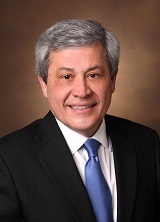 Carlos Arteaga合作论文数Harold C. Simmons Comprehensive Cancer Center, UT Southwestern Medical Center10
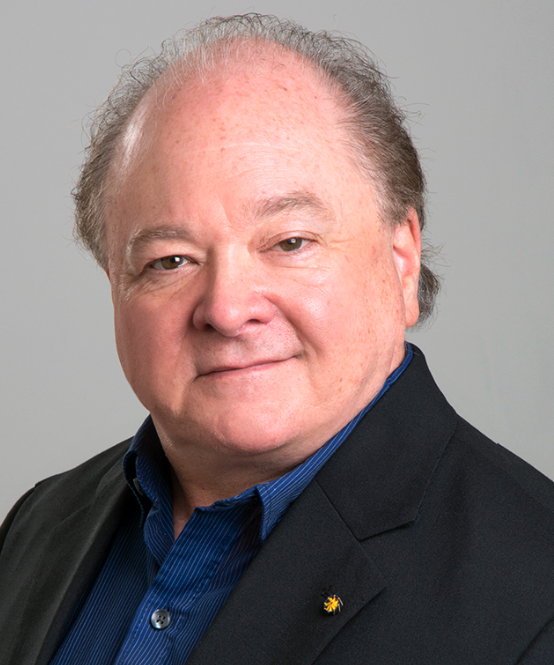 Thomas Melendy合作论文数Department of Microbiology and Immunology, Jacobs School of Medicine & Biomedical Sciences, University at Buffalo9Kelvin Nurse合作论文数8
 Renuka Iyer合作论文数Roswell Park Cancer Institute8Qiao Zheng合作论文数7Sean Colligan合作论文数Dept Immunol, Roswell Pk Comprehens Canc Ctr7
 Anna Bianchi-Smiraglia合作论文数7Bg Lane合作论文数6Varga Andrea E合作论文数6Robert M. Straubinger合作论文数6Truskinovsky Alexander M合作论文数5Joseph Barbi合作论文数Department of Microbiology, Ohio State University5Jan Wrzesinski合作论文数5A Safina合作论文数4Jennie R Sims合作论文数4Amy Beattie合作论文数4
 Jeffrey Martin合作论文数4
 Moyi Wang合作论文数4Liu Song合作论文数4
 Kevin H. Eng合作论文数Eikon Therapeutics4
 John Kenneth Cowell合作论文数Department of Pathology, Augusta University;Georgia Cancer Center4
 Ajay Gupta合作论文数4
 Alexei A Bogdanov合作论文数Department of Radiology, UMass Chan Medical School;Laboratory of Molecular Imaging Probes, UMass Chan Medical School4Xiurong Li合作论文数4Olga F. Borisova合作论文数4
 Ben Ho Park合作论文数Division of Hematology Oncology, Department of Medicine, Vanderbilt University Medical Center;Vanderbilt-Ingram Cancer Center, Vanderbilt University Medical Center;Global Cancer Institute4Joyce E Ohm合作论文数The Sidney Kimmel Comprehensive Cancer Center at Johns Hopkins, The Johns Hopkins University School of Medicine4
 Mikhail A. Nikiforov合作论文数4Cammie Rinehart合作论文数4
 Khalid Sossey-Alaoui合作论文数J. C. Self Research Institute of Human Genetics, Greenwood Genetic Center4Sarah Chatley合作论文数3Brian Morreale合作论文数3
 Robert Zollo合作论文数3Alexandra Miller合作论文数3Sydney R Grant合作论文数3Jianmin Wang合作论文数Roswell Park Comprehensive Cancer Center3
 Ping Liang合作论文数Brock Univ, Dept Biol Sci, St Catharines, ON L2S 3A1, Canada3Shatskiĭ I N合作论文数3Kandel Eugene S合作论文数3
 Kristopher Attwood合作论文数Department of Biostatistics, School of Pharmacy and Pharmaceutical Sciences, University at Buffalo;Roswell Park Cancer Institute, University at Buffalo3
 Scott H Olejniczak合作论文数Department of Immunology, Roswell Park Cancer Institute3




