Suicide thiazole synthases (Thi4) are mononuclear metal enzymes that form the thiazole moiety of thiamin from NAD+, glycine, and a sulfur atom that is stripped from an active-site cysteine residue, causing enzyme inactivation. Comparative genomic analysis shows that prokaryotic Thi4 genes often cluster on the chromosomal regions encoding ThiS, ThiF, and other proteins that can produce, relay, or use persulfide or thiocarboxylate sulfur. These recurring genomic associations raise the possibility that, in some microorganisms, suicide Thi4s may interact with sulfur-relay systems, i.e., they can possibly operate in a nonsuicide mode. This proof-of-concept study explores this possibility via complementation assays using Escherichia coli as a heterologous platform. A representative bacterial Thi4 that clustered with thiS and thiF complemented an E. coli ΔthiG (thiazole auxotroph) single mutant better than a ΔthiG ΔthiF ΔthiS triple mutant. Although (in)-direct sulfur transfer could not be assessed in the scope of our investigation, the initial results suggest a dependence on host sulfur relay components, consistent with predicted interactions with the host sulfide transfer chain. Collectively, this new perspective provides a useful guide for future biochemical studies on alternative modes of action for "suicide Thi4s" and accessory proteins.
Enzyme biochemistry can now draw on hundreds of thousands of prokaryotic genomes and metagenomes to identify orthologous genes for research, biocatalysis, and metabolic engineering. In many applications, adaptation to O2 and mild temperatures are essential. But as organism lifestyle information can be poor or absent (especially for metagenomes), it is challenging to avoid orthologous genes from anaerobes and extremophiles. Taking bacterial sulfide-dependent THI4 thiazole synthases as test-cases, we built computational pipelines that use only DNA sequence inputs to explore (i) the average oxidation state of carbon (ZC) in orthologous enzymes and (ii) the presence of O2-metabolism genes in the corresponding (meta)genomes. ZC has been proposed to be highest (least negative) in proteins of organisms from O2-rich, mesophilic environments. We found that ZC values of 2300 THI4s ranged from -0.107 (relatively oxidized) to -0.302 (strongly reduced). As predicted, genes specifying cytochrome c or o oxidases (supporting respiration at relatively high O2 levels) and, to a lesser extent, cytochrome bd oxidases (which can function to scavenge O2) were more frequent in genomes encoding THI4s with high ZC values. Eight THI4s with ZC values in the top 5 % and from (meta)genomes having cytochrome oxidases were tested for ability to complement a THI4Δ yeast strain in aerobic conditions. Three THI4 genes from a metagenome with cytochrome c/o oxidase (but without cytochrome bd) were active. These results support the feasibility of combining ZC and cytochrome oxidase profiles to identify bacterial orthologous enzymes that work in aerobic, mild temperature conditions.
Enzyme protein turnover accounts for about half the maintenance energy budget in plants. Slowing turnover─i.e., extending the effective working life (Catalytic Cycles till Replacement, CCR)─of short-lived enzymes is thus a rational strategy to conserve energy and carbon and raise crop productivity. Arabidopsis histidinol dehydrogenase (HDH) is a short-lived enzyme that can sustain life-shortening damage from its aminoaldehyde reaction intermediate. We used the yeast OrthoRep continuous directed evolution system in a his4Δ strain to raise cumulative HDH function and, by proxy, lifespan as functional enzymes, by selecting for growth rate while tapering histidinol concentration and escalating that of the inhibitor histamine. Improved HDH variants carried diverse nonsynonymous mutations and ranged 20-fold in level. Improved HDH performance was associated with higher HDH abundance in some cases and with greater catalytic efficiency or histamine resistance in others. These findings indicate that OrthoRep-based directed evolution can extend enzyme working life in vivo in addition to, as expected, altering kinetic properties.
Continuous directed evolution (CDE) improves enzyme characteristics by hypermutating the enzyme gene in vivo in a microbial platform, linking enzyme activity to growth, and selecting for growth rate. Combined with genome editing, CDE can expand the gene pool for plant breeding. THI4 enzymes, essential for thiamin synthesis, are ideal targets for plant CDE. Plant THI4s are inefficient; their replacement by efficient bacterial THI4s could boost biomass yield by up to 4%. However, bacterial THI4s are O2-sensitive and unsuited to plants. Previous CDE campaigns in the yeast OrthoRep system adapted bacterial THI4s for plant-like conditions, achieving success with Mucinivorans hirudinis THI4 (MhTHI4), which acquired beneficial mutations that improved growth. Here, we increased selection pressure on MhTHI4 by reducing its expression, leading to faster-growing populations with new nonsynonymous and synonymous mutations. Surprisingly, the synonymous mutations appeared largely responsible for the growth rate improvements, providing a cautionary example for other OrthoRep CDE projects. ### Competing Interest Statement The authors have declared no competing interest.
It is clear that the escalating epidemic of insulin resistance and type 2 diabetes has reached a crisis level in the United States, that overweight and obesity are drivers, and that diets and the food system have major roles. It is also clear that nutrition and medical research point to increased healthful fruit and vegetable intake as a key part of any strategy to manage the crisis. But although increasing healthful intake entails both expanding production of fruits and vegetables and improving their healthful characteristics, horticulture has generally been sidelined or taken for granted when strategies are envisioned. This article makes the case that horticulture research and practice can and should be equal partners with nutrition and medicine in the pressing search for effective crisis-management strategies. To do so, it first "runs the numbers" for the scale of the crisis, for trends in fruit and vegetable intake and production, for the scant federal support for horticultural crop production and research, and for horticulture research's high return on investment. The article then sketches a roadmap to integrate horticulture research and community outreach with nutrition and healthcare, stressing new opportunities. The goal is a US food system that i) makes healthful fruits and vegetables accessible, affordable, and appealing for all and ii) complements a healthcare system spanning patient-based to population-based nutrition.
CRISPR/Cas genome editing(GE)technology has opened unprecedented opportunities for breeding specialty and com-modity crops[1-3].The advent of base editors and prime editors is enabling multiple precise edits within a gene,which have far more potential than the imprecise insertions or deletions(indels)made by first-generation GE technology.Indels typically just knock out genes or gene domains[1,2].Examples of such loss-of-function GE in a specialty crop(tomato)are raising sugar content by knocking out two protein kinases[4]and raising γ-aminobutyrate(GABA)content by deleting the autoinhibitory domain of glutamate decarboxylases[5].In contrast,being able to introduce specific sequence changes makes it possible to craft change-of-function or gain-of-function mutations,e.g.to improve an enzyme's kinetics or equip it to act on a new substrate[6,7].Deploying such next-generation GE is a priority because the number of target traits that can be improved by first-generation GE knockouts is limited to begin with,and such targets are being steadily picked off[1,2].
Enzyme protein turnover accounts for about half the maintenance energy budget in plants. Slowing turnover – i.e., extending lifespan – of short-lived enzymes is thus a rational strategy to conserve energy and carbon, and raise crop productivity. Arabidopsis histidinol dehydrogenase (HDH) is a short-lived enzyme that can sustain life-shortening damage from its aminoaldehyde reaction intermediate. We used the yeast OrthoRep continuous directed evolution system in a his4 Δ strain to raise HDH protein abundance (a proxy for lifespan) by selecting for growth rate while tapering histidinol concentration and escalating that of the inhibitor histamine. Improved HDHs carried diverse nonsynonymous mutations and ranged 20-fold in level. Improved HDH performance was associated with higher HDH abundance in some cases and with greater catalytic efficiency or histamine resistance in others. These findings indicate that OrthoRep-based directed evolution can extend enzyme lifespan in vivo in addition to, as expected, altering kinetic properties. ### Competing Interest Statement The authors have declared no competing interest. National Institute of Food and Agriculture, https://ror.org/05qx3fv49, FLA-HOS-005796 C.V. Griffin, Sr. Foundation Australian Research Council, https://ror.org/05mmh0f86, FL200100057 Bioplatforms Australia, https://ror.org/042gz1a70
Like everything for the past 2 centuries, agriculture has depended increasingly on fossil fuel energy. Pressures to shift to renewable energy and changes in the fossil fuel industry are set to massively alter the energy landscape over the next 30 years. Two near-certainties are increased overall prices and/or decreased stability of energy supplies. The impacts of these upheavals on specialty crop production and consumption are unknowable in detail but the grand lines of what will likely change can be foreseen. This foresight can guide the research, extension, and teaching needed to successfully navigate a future very unlike the recent past. Major variables that will influence outcomes include energy use in fertilizer manufacture, in farm operations, and in haulage to centers of consumption. Taking six increasingly popular fruit and vegetable crops and the top two horticultural production states as examples, here we use simple proxies for the energy requirements (in gigajoules per ton of produce) of fertilizer, farm operations, and truck transport from Florida or California to New York to compare the relative sizes of these requirements. Trucking from California is the largest energy requirement in all cases, and three times larger than from Florida. As these energy requirements themselves are all fairly fixed, but in future will likely rise in price and/or be subject to interruptions and shortages, this pilot study points to two commonsense inferences: First, that fruit and vegetable production and consumption are set to reposition to more local/regional and seasonal patterns due to increasing expenses associated with fuel, and second, that coast-to-coast produce shipment by truck will become increasingly expensive and difficult.
The whole field of synthetic biology (SynBio) is only about 20 years old, and plant SynBio is younger still. Nevertheless, within that short time, SynBio in general has drawn more scientific, philosophical, government, and private-sector interest than anything in biology since the recombinant DNA revolution. Plant SynBio, in particular, is now drawing more and more interest in relation to plants' potential to help solve planetary problems such as carbon capture and storage and replacing fossil fuels and feedstocks. As plant SynBio is so young and so fast-developing, we felt it was too soon to try to analyze its history. Instead, we set out to capture the essence of plant SynBio's origins and early development through interviews with 8 of the field's founders, representing 5 countries and 3 continents. We then distilled these founders' personal recollections and reflections into this review, centering the narrative on timelines for pivotal events, articles, funding programs, and quoting from interviews. We have archived the interview recordings and documented timeline entries. This work provides a resource for future historical scholarship.
Salvage pathways for thiamin and its thiazole and pyrimidine moieties are poorly characterized compared to synthesis pathways. A candidate salvage gene is oarX, which encodes a short-chain dehydrogenase/reductase. In diverse bacteria, oarX clusters on the chromosome with genes of thiamin synthesis, salvage, or transport and is preceded by a thiamin pyrophosphate riboswitch. Thiamin and its moieties can undergo oxidations that convert a side-chain hydroxymethyl group to a carboxyl group, or the thiazole ring to a thiazolone, causing a loss of biological activity. To test if OarX participates in salvage of the carboxyl or thiazolone products, we used a genetic approach in Corynebacterium glutamicum ATCC 14067, which is auxotrophic for thiamin's pyrimidine moiety. This strain could not utilize the pyrimidine carboxyl derivative. This excluded a role in salvaging this product and narrowed the function search to metabolism of the carboxyl or thiazolone derivatives of thiamin or its thiazole moiety. However, a Delta thiG (thiazole auxotroph) strain was not rescued by any of these derivatives. Nor did deleting oarX affect rescue by the physiological pyrimidine and thiazole precursors of thiamin. These findings reinforce the genomic evidence that OarX has a function in thiamin metabolism and rule out five logical possibilities for what this function is.
Expressing plant metabolic pathways in microbial platforms is an efficient, cost-effective solution for producing many desired plant compounds. As eukaryotic organisms, yeasts are often the preferred platform. However, expression of plant enzymes in a yeast frequently leads to failure because the enzymes are poorly adapted to the foreign yeast cellular environment. Here we first summarize current engineering approaches for optimizing performance of plant enzymes in yeast. A critical limitation of these approaches is that they are labor-intensive and must be customized for each individual enzyme, which significantly hinders the establishment of plant pathways in cellular factories. In response to this challenge, we propose the development of a cost-effective computational pipeline to redesign plant enzymes for better adaptation to the yeast cellular milieu. This proposition is underpinned by compelling evidence that plant and yeast enzymes exhibit distinct sequence features that are generalizable across enzyme families. Consequently, we introduce a data-driven machine learning framework designed to extract 'yeastizing' rules from natural protein sequence variations, which can be broadly applied to all enzymes. Additionally, we discuss the potential to integrate the machine learning model into a full design-build-test-cycle.
Making Fermi calculations is a way to estimate rough but reliable numbers that enable right reasoning in science and engineering-and a skill that all scientists should practice.
Continuous directed evolution (CDE) is a powerful tool for enzyme engineering due to the depth and scale of evolutionary search that it enables. If suitably controlled and calibrated, CDE could be widely applied in plant breeding and biotechnology to improve plant enzymes ex planta. We tested this concept by evolving Arabidopsis arogenate dehydratase (AtADT2) for resistance to feedback inhibition. We used an Escherichia coli platform with a phenylalanine biosynthesis pathway reconfigured ("plantized") to mimic the plant pathway, a T7RNA polymerase-base deaminase hypermutation system (eMutaT7), and 4-fluorophenylalanine as selective agent. Selection schemes were prevalidated using a known feedback-resistant AtADT2 variant. We obtained variants that had 4-fluorophenylalanine resistance at least matching the known variant and that carried mutations in the ACT domain responsible for feedback inhibition. We conclude that ex planta CDE of plant enzymes in a microbial platform is a viable way to tailor characteristics that involve interaction with small molecules.
Synthetic biology creates new metabolic processes and improves existing ones using engineered or natural enzymes. These enzymes are often sourced from cells that differ from those in the target plant organ with respect to, e.g. redox potential, effector levels, or proteostasis machinery. Non-native enzymes may thus need to be adapted to work well in their new plant context ('plantized') even if their specificity and kinetics in vitro are adequate. Hence there are two distinct ways in which an enzyme destined for use in plants can require improvement: In catalytic properties such as substrate and product specificity, kcat, and KM; and in general compatibility with the milieu of cells that express the enzyme. Continuous directed evolution systems can deliver both types of improvement and are so far the most broadly effective way to deliver the second type. Accordingly, in this review we provide a short account of continuous evolution methods, emphasizing the yeast OrthoRep system because of its suitability for plant applications. We then cover the down-to-earth and increasingly urgent issues of which enzymes and enzyme properties can - or cannot - be improved in theory, and which in practice are the best to target for crop improvement, i.e. those that are realistically improvable and important enough to warrant deploying continuous directed evolution. We take horticultural crops as examples because of the opportunities they present and to sharpen the focus.
1 Horticultural Sciences Department, University of Florida, Gainesville, FL 32611, USA 2 ARC Centre of Excellence in Plant Energy Biology, School of Molecular Sciences, University of Western Australia, Crawley, WA 6009, Australia 3 Department of Bioinformatics, Institute of Biochemistry and Biology, University of Potsdam, Potsdam 14476, Germany 4 Systems Biology and Mathematical Modeling, Max Planck Institute of Molecular Plant Physiology, Potsdam 14476, Germany 5 Research School of Biology, The Australian National University, Canberra, ACT 2601, Australia 6 Department of Biology, Western University, London, ON, Canada N6A 5B7 7 Nicholas School of the Environment, Duke University, Durham, NC 27708, USA
Synthetic biology and metabolic engineering promise to deliver sustainable solutions to global problems such as phasing out fossil fuels and replacing industrial nitrogen fixation. While this promise is real, scale matters, and so do knock-on effects of implementing solutions. Both scale and knock-on effects can be estimated by 'Fermi calculations' (aka 'back-of-envelope calculations) that use uncontroversial input data plus simple arithmetic to reach rough but reliable conclusions. Here, we illustrate how this is done and how informative it can be using two cases: oilcane (sugarcane engineered to accumulate triglycerides instead of sugar) as a source of bio-jet fuel, and nitrogen fixation by bacteria in mucilage secreted by maize aerial roots. We estimate that oilcane could meet no more than about 1% of today's U.S. jet fuel demand if grown on all current U.S. sugarcane land and that, if cane land were expanded to meet two-thirds of this demand, the fertilizer and refinery requirements would create a large carbon footprint. Conversely, we estimate that nitrogen fixation in aerial-root mucilage could replace up to 10% of the fertilizer nitrogen applied to U.S. maize, that 2% of plant carbon income used for growth would suffice to fuel the fixation, and that this extra carbon consumption would likely reduce grain yield only slightly.
 Jesse F. Gregory合作论文数Department of Food Science and Human Nutrition , College of Agricultural and Life Sciences, University of Florida52
 Valerie De Crecy-Lagard合作论文数Department of Microbiology and Cell Science, University of Florida43
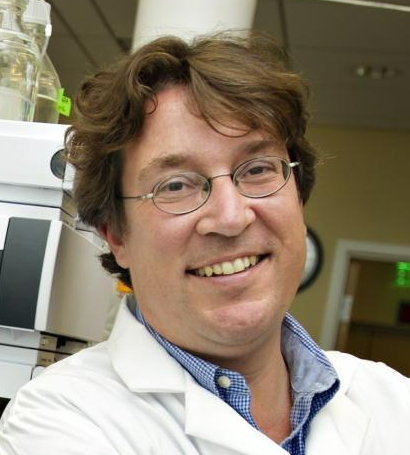 Oliver Fiehn合作论文数Department of Molecular and Cellular Biology, University of California, Davis;West Coast Metabolomics Center, University of California, Davis;Genome Center, University of California, Davis24
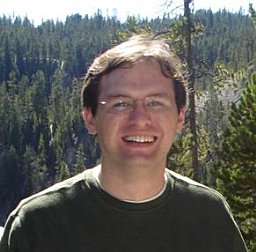 Christopher S Henry合作论文数Mathematics and Computer Science Division, Argonne National Laboratory20
 Da Gage合作论文数19
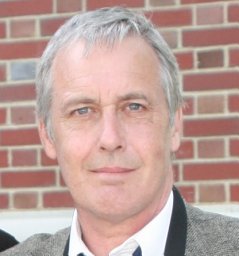 David Rhodes合作论文数Dept Hort & Landscape Architecture, Purdue Univ18Ziemak Michael J合作论文数17
 Bala Rathinasabapathi合作论文数Department of Horticultural Sciences, Institute of Food and Agricultural Sciences, University of Florida17
 Donald R. Mccarty合作论文数Horticultural Sciences Department, University of Florida;University of Florida Genetics Institute17
 Frelin Océane合作论文数Horticultural Sciences Department, University of Florida16
 Niehaus Thomas D合作论文数Horticultural Sciences Department and.16Roje Sanja合作论文数Inst Biol Chem, Washington State Univ15Valeria Naponelli合作论文数Food Science and Human Nutrition Department, University of Florida15
 Ghulam Hasnain合作论文数*Horticultural Sciences Department, University of Florida13Steven D. Bruner合作论文数Department of Chemistry and Chemical Biology, Harvard University13
 Jaya Joshi合作论文数Dept Hort Sci, Univ Florida12
 Lerma-Ortiz Claudia合作论文数12Jacob Folz合作论文数Univ Calif Davis, West Coast Metabol Ctr, Davis, CA 95616 USA11
 Aurora Lara合作论文数Dept Bioquim, Univ Nacl Autonoma Mexico11Eoin P. Quinlivan合作论文数11Anne Pribat合作论文数11Kd Nolte合作论文数10
 Stéphane Ravanel合作论文数CNRS, Univ. Grenoble Alpes10
 Yair Shachar Hill合作论文数Department of Plant Biology, College of Natural Science, Michigan State University9
 Remi Zallot合作论文数Dept Microbiol & Cell Sci, Univ Florida9
 A. Harvey Millar合作论文数ARC Centre for Plant Energy Biology, School of Molecular Sciences, University of Western Australia9
 Mona Elbadawi-Sidhu合作论文数9Michael L. Nuccio合作论文数Department of Biology, Texas A&M University9Linda Jeanguenin合作论文数Department of Horticultural Sciences, University of Florida9
 Jeffrey Charles Waller合作论文数Department of Biology;Queen ' s University;Department of Biology, Queen ' s University9
 Robert Mullen合作论文数Department of Civil Engineering, Case Western Reserve University9
 Jenelle A Patterson合作论文数Hort Sci Dept, Univ Florida8Guillaume A W Beaudoin合作论文数Univ Florida, Hort Sci Dept, Gainesville, FL 32611 USA8
 Leong Bryan合作论文数Michigan State University8Noiriel Alexandre合作论文数8
 Michael Burnet合作论文数Synovo GmbH, Paul-Ehrlich Straße 15, 72076 Tübingen, Germany8
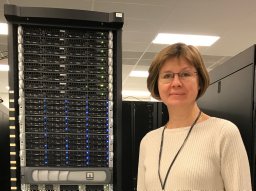 Svetlana Gerdes合作论文数Fellowship for Interpretation of Genomes, Burr Ridge, IL 60527, USA8SD McNeil合作论文数8
 Jean Rivoal合作论文数Department of Plant Science;University of Manitoba;Department of Plant Science, University of Manitoba8
 García-García Jorge Donato合作论文数7
 Arthur J.L. Cooper合作论文数Department of Biochemistry and Molecular Biology, New York Medical College7
 Kenneth W Ellens合作论文数7
 Gilles J Basset合作论文数7
 Aymeric Goyer合作论文数Hermiston Agricultural Research and Extension Center, Oregon State University7RD de la Garza合作论文数6J. Edelman合作论文数6
 Kristen Van Gelder合作论文数Dept Mol & Cellular Biol, Univ Guelph6
 James Jeffryes合作论文数NuMat Technologies6
 Fabrice Rebeille合作论文数Institut de Recherches en Technologies et Sciences pour le Vivant, Université Joseph Fourier Grenoble6




