Differential RNA abundance of driver cancer genes, using DEseq2 with the default parameter lfcThreshold = 0
PURPOSE:To develop a virtual reality simulator for high dose rate prostate brachytherapy and to test whether participation is associated with immediate gains in self-reported confidence across predefined procedural domains in two cohorts. METHODS:Using Unreal Engine, we developed and implemented two modules: patient preparation and template-guided needle insertion. Oncology staff and trainees completed pre and postsurveys that assessed confidence for recalling steps, explaining steps, identifying equipment, and explaining equipment function. Studies were conducted at the Hands-On Brachytherapy Workshop (HOWBT) in London, Ontario, and at Sunnybrook Odette Cancer Centre in Toronto, Ontario. Paired Wilcoxon signed rank tests with two-sided p values compared before and after scores within each module. RESULTS:Patient preparation (N = 11) confidence increased for recalling steps (W = 65, p = 0.002), explaining steps (W = 65, p = 0.002), identifying equipment (W = 51, p = 0.023), and explaining equipment function (W = 60, p = 0.008). Needle insertion (N = 27) confidence increased for recalling steps (W = 292, p < 0.001), explaining steps (W = 347, p < 0.001), identifying equipment (W = 355, p < 0.001), and explaining equipment function (W = 354, p < 0.001). CONCLUSION:The simulator was feasible to deploy and was associated with higher self-reported confidence across key domains immediately after training. Findings may inform future curriculum design and implementation work.
The difference in RNA abundance of a PCNA isoform (ENST00000379143.10) and POLD1 isoforms (ENST00000440232.7 and ENST00000596648.1)
Traditionally, androgen deprivation therapy (ADT) alone was the standard treatment for oligometastatic prostate cancer. However, stereotactic body radiotherapy (SBRT) for metastasis-directed therapy (MDT) in the hormone sensitive setting is demonstrating improved outcomes. Despite this, not all patients will experience a durable response to MDT. The discovery of pre-treatment biomarkers to predict patient outcomes are needed to further improve management in this setting. In this randomized study, peripheral blood mononuclear cells were collected and analyzed using flow cytometry from 26 hormone sensitive oligometastatic prostate cancer patients that were recruited and randomly assigned to receive either intermittent androgen deprivation therapy (iADT) alone or MDT in the form of iADT+SBRT as part of a larger clinical trial. In patients treated with MDT, a high peripheral ratio of CD14high (classical) to CD14low (non-classical) monocytes at pre-treatment was significantly associated with complete biochemical response (PSA becoming ≤ 0.02 ng/mL) and freedom from biochemical progression (PSA nadir + 2 ng/mL). In contrast, the association was absent in patients treated with iADT alone, suggesting that SBRT may play a significant role in mounting an immune response, resulting in improved oncological outcomes. Furthermore, single-cell RNA sequencing of prostate cancer metastases suggested that classical monocytes from early responder patients may exhibit an elevated pro-inflammatory and chemokine-responsive transcriptional program. Together, these preliminary findings suggest the potential of monocyte ratios as an early predictive biomarker for MDT. If validated, this could potentially identify poor responders to MDT for consideration of additional systemic treatments.
BACKGROUND:Androgen deprivation therapy (ADT) and androgen receptor pathway inhibitors (ARPIs) improve advanced prostate cancer (PCa) outcomes but increase cardiovascular (CV) toxicity, making cardiovascular disease (CVD) a major competing cause of morbidity, and mortality. To review the current evidence on CV toxicity related to ADT and ARPIs in PCa focusing on the magnitude of CV risk, strategies for CV risk assessment and prevention in clinical practice. METHODS:A narrative review of the English-language literature was conducted using PubMed, Scopus, the Cochrane Library, and ScienceDirect. The search included studies through December 2025 on ADT- and ARPI-associated cardiovascular toxicity. Search terms combined keywords and Medical Subject Headings (MeSH) terms such as "prostate cancer", "androgen deprivation therapy", "androgen receptor pathway inhibitors", "cardiovascular toxicity", and "cardio-oncology". Eligible studies included prospective clinical trials, systematic reviews, meta-analyses, and clinically relevant retrospective or real-world studies. Reference snowballing was not performed. RESULTS:ADT induces metabolic, vascular, inflammatory, and endocrine alterations that promote a proatherogenic and prothrombotic state. CV risk appears to vary across hormonal therapies. Gonadotropin-releasing hormone (GnRH) antagonists appear to be associated with lower early rates of major adverse cardiovascular events (MACE)-as defined in each included study-than GnRH agonists, particularly in patients with pre-existing CVD, although evidence from meta-analyses and realworld studies remains heterogeneous. ARPIs show distinct CV safety profiles, with higher rates of hypertension and CV events reported with abiraterone and apalutamide, whereas darolutamide appears to have a more favorable profile. CONCLUSIONS:Systematic CV risk assessment, preventive management of modifiable risk factors, and individualized treatment strategies within a multidisciplinary cardio-oncology framework are essential to optimize long-term outcomes in patients with PCa receiving ADT and ARPIs.
Ratios of single-base substitution types, for the two radioresistant cell line, in 3 replicates each
Abstract Prostate cancer (PCa) is the most frequently diagnosed malignancy among Canadian men, and metastatic disease (mPCa) carries a poor prognosis. Liquid biopsy that analyzing circulating tumor cells (CTCs) provide a minimally invasive tool for disease assessment, yet commonly used CTC markers such as EpCAM show variable expression in PCa, especially in advanced or treatment-resistant settings. More reliable biomarkers are needed to improve CTC detection and patient stratification. We use monoclonal antibodies against STEAP1, a transmembrane protein highly overexpressed in PCa but minimally present in normal tissues, and integrated them into an imaging flow cytometry (imFC) CTC assay to detect and characterize CTCs. CTCs from localized and metastatic PCa patients were isolated using Ficoll density gradients and stained with DAPI, CD45, EpCAM, and STEAP1 antibodies. High-content images were analyzed through a computational pipeline incorporating machine-learning classification to identify and classify intact CTCs, CTC fragments, and tumor-derived extracellular vesicles (EVs) internalized by immune cells. STEAP1+ CTCs were detected in most metastatic patients, including individuals who lacked detectable EpCAM+ CTCs, highlighting the limitations of EpCAM-only assays. Patients with active disease exhibited higher STEAP1+ CTC counts compared with those with localized or stable disease. Additionally, STEAP1+ extracellular vesicles and CTC fragments were observed within CD45+ immune cells, suggesting broader tumor-immune interactions measurable through this platform. We further extended this workflow to a clinical study evaluating treatment-associated changes in abundance of CTC expressed with different PCa biomarkers, PSMA, STEAP1, and STEAP2 in patients receiving Pluvicto therapy. In this study, CTCs were enriched using the Parsortix microfluidic capture platform. Early results indicate that STEAP-family markers remain detectable in patients with low or fluctuating PSMA expression, supporting their value in monitoring therapeutic response. Together, these findings position STEAP1, STEAP2 and PSMA as robust biomarkers for next-generation CTC-based liquid biopsy assays and demonstrate their potential to enhance diagnostic sensitivity and treatment monitoring in mPCa. Citation Format: Minzhi Sheng, Omar Alawamry, Shuyang Feng, Urban Emmenegger, Kristin Cimolini, Danny Vesprini, Andrew Loblaw, Laurence H. Klotz, Christopher S. Lim, Stanley K. Liu, Hon Sing Leong. Next-generation liquid biopsy for circulating tumor cell detection in metastatic prostate cancer [abstract]. In: Proceedings of the American Association for Cancer Research Annual Meeting 2026; Part 1 (Regular Abstracts); 2026 Apr 17-22; San Diego, CA. Philadelphia (PA): AACR; Cancer Res 2026;86(7 Suppl):Abstract nr 3759.
Purpose Prostate stereotactic ablative body radiotherapy (SABR) is now a standard-of-care radiation therapy option for prostate cancer based on high-level clinical trial evidence. As part of the Australia and New Zealand (ANZ) prostate SABR guideline development process, the Royal Australian and New Zealand College of Radiologists has commissioned a pattern-of-practice survey on contemporaneous prostate SABR practice. Methods and Materials We conducted a cross-sectional survey among ANZ genitourinary radiation oncologists (ROs), focusing on patient selection, contouring, treatment planning, and delivery of prostate SABR. Results A total of 53 ROs across ANZ responded to the survey (response rate: 28%). Of the 41 ROs currently offering prostate SABR, 95%, 90%, 35%, 5%, and 0% offer prostate SABR as standard-of-care options to individuals with favorable intermediate risk, unfavorable intermediate risk, favorable high risk (NINJA/ TROG18.01 trial eligible), very high risk, and node-positive prostate cancer, respectively. Most ROs (86%) routinely use fiducial markers. All ROs routinely request planning magnetic resonance imaging for contouring. Clinical target volume contouring ranged from prostate alone (26%) to prostate plus proximal 1 cm of the seminal vesicles (81%). Planning target volume margins ranged from 3 to 5 mm. An anisotropic 5 mm margin with 3 mm posteriorly was most common (56%). Nineteen (45%) ROs provide a focal boost to the intraprostatic lesion. The most common dose fractionation was 36.25 Gy to the planning target volume and 40 Gy to the clinical target volume over 5 fractions, delivered as 2 (50%) to 3 fractions (76%) per week. The majority of ROs offer prostate SABR on standard computed tomography-linear accelerator (LINAC) (88%), with several ROs also treating patients with CyberKnife (10%) and magnetic resonance-LINAC (5%). Of the ROs who use standard computed tomography-LINAC, 84% use intrafraction motion monitoring. Twelve (23%) ROs do not offer prostate SABR. The main barrier cited was a lack of expertise (42%). Conclusions This ANZ-wide prostate SABR pattern-of-practice survey demonstrated some variations in practice, providing contemporary insight into how prostate SABR is delivered across ANZ and highlighting barriers to wider adoption.
BACKGROUND AND OBJECTIVE:Most patients with high-risk localized prostate cancer (HRLPC) do not undergo stereotactic body radiotherapy (SBRT) in part because of the limited evidence of long-term outcomes. We report long-term efficacy and toxicity outcomes for men treated with SBRT for HRLPC. METHODS:Individual patient data from ten prospective clinical studies evaluating SBRT for HRLPC across nine institutions were pooled in the Stereotactic Body Radiotherapy for High-Risk Localized Carcinoma of the Prostate consortium. The Kaplan-Meier method was used to estimate 5-yr biochemical recurrence (BCR) and distant metastasis (DM), stratified by receipt of intensified treatment (≥12 mo of androgen deprivation therapy [ADT] with extremely dose-escalated [≥8 Gy/fraction] prostate-directed SBRT). The impact of intensified treatment on BCR-free survival and DM-free survival was evaluated using multivariable Cox proportional hazards models. Late Common Terminology Criteria for Adverse Events grade ≥2 gastrointestinal (GI) and genitourinary (GU) toxicity was analyzed using time-to-event models. KEY FINDINGS AND LIMITATIONS:In 440 patients with a median follow-up time of 60.4 mo, 5-yr BCR and DM rates were 22% (95% confidence interval [CI] = 17-26%] and 9.2% (95% CI = 6.2-12%), respectively. In the 93 patients (21%) who received intensified treatment, 5-yr BCR and DM rates were 7.4% (95% CI = 1.7-13%) and 3.7% (95% CI = 0-7.9%), respectively. Receipt of intensified therapy was associated with a significant reduction in both BCR (hazard ratio [HR] = 0.38 [95% CI = 0.20-0.74], p = 0.005) and DM (HR = 0.43 [95% CI = 0.18-0.99], p = 0.049). For the overall cohort, 5-yr rates of grade ≥2 GU and GI toxicity were 23% (95% CI = 19-27%) and 10% (95% CI = 7-13%), respectively. Limitations include heterogeneous treatment techniques and the nonrandomized nature of the study. CONCLUSIONS AND CLINICAL IMPLICATIONS:The safety and efficacy profile of SBRT for HRLPC remains favorable at long-term follow-up, and SBRT should be integrated into shared decision-making for treatment of HRLPC.
Patient-reported outcome measures (PROMs) complement oncological endpoints by capturing what matters most to patients. The TrueNTH surgical collaboration presented 1-yr PROMs following robotic prostatectomy using accessible visual formats. We present 5-yr PROMs from the phase 3, international PACE-B trial, which randomised men with localised prostate cancer to stereotactic body radiotherapy (SBRT) or conventionally fractionated radiotherapy (CRT). PROMs are reported from baseline to 5 yr and presented using waffle charts to enable visual alignment with surgical outcomes. At 5 yr, urinary incontinence outcomes were favourable and comparable between SBRT and CRT. Leak-free rates were 64% (164/258) for SBRT and 69% (172/249) for CRT, pad-free rates were 91% (233/257) for SBRT and 90% (225/250) for CRT, and moderate or big urinary leakage problems were reported by only 6% (15/250) for SBRT and 4% (9/244) for CRT. Intercourse-adequate erections declined in both groups from baseline to 5 yr: from 35% (133/374) to 17% (43/250) for SBRT, and from 40% (157/391) to 20% (47/240) for CRT. Moderate or big sexual problems increased in both groups, from 24% (87/367) to 31% (74/242) for SBRT and from 22% (85/382) to 32% (77/238) for CRT. Bowel effects were low and comparable between groups, with moderate or big bowel problems reported by 2% (7/397) at baseline and 5% (12/265) for SBRT at 5 yr, and 2% (9/415) at baseline and 5% (13/253) for CRT at 5 yr. Stool incontinence as a moderate or big problem rose from <1% (1/374) to 2% (4/240) in the SBRT group and from <1% (1/395) to 3% (7/238) in the CRT group.
 Gerard Morton合作论文数Odette Cancer Centre Sunnybrook Health Sciences Centre183
 Patrick Cheung合作论文数Sunnybrook Health Sciences Centre180Hans T. Chung合作论文数Sunnybrook Health Sciences Centre, University of Toronto151
 Danny Vesprini合作论文数Department of Radiation Oncology, Temerty Faculty of Medicine, University of Toronto140
 Ananth Ravi合作论文数Department of Radiation Oncology, Temerty Faculty of Medicine, University of Toronto109Andrea Deabreu合作论文数100
 Alexandre Mamedov合作论文数98
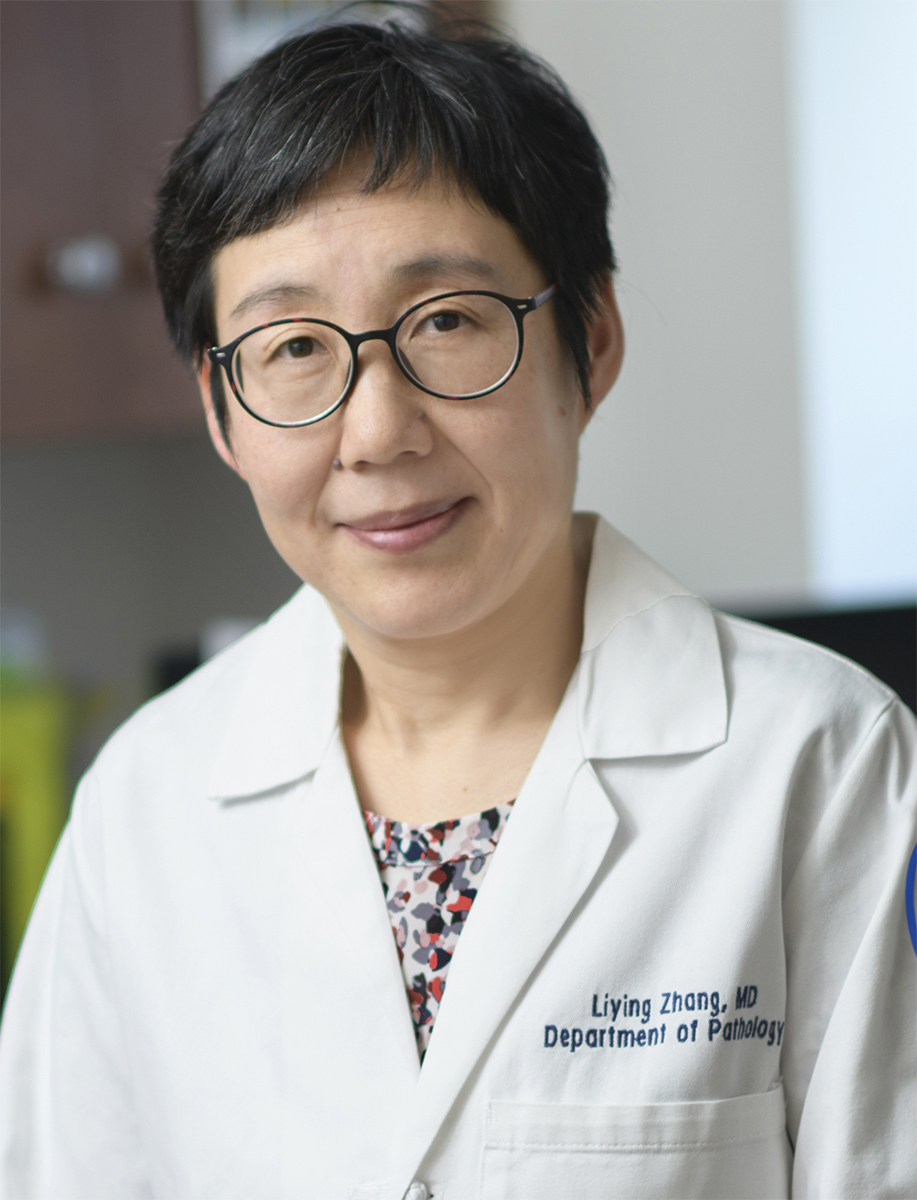 Liying Zhang合作论文数Department of Pathology and Laboratory Medicine, University of California, Los Angeles98
 William Chu合作论文数Department of Radiation Oncology, Temerty Faculty of Medicine, University of Toronto/Sunnybrook Health Sciences Centre93
 Stanley Liu合作论文数Department of Medical Biophysics, Temerty Faculty of Medicine, University of Toronto88
 Ewa Szumacher合作论文数Department of Radiation Oncology, Temerty Faculty of Medicine, University of Toronto83
 Melanie Davidson合作论文数BC Cancer78
 Laurence Klotz合作论文数Department of Surgery, University of Toronto;Division of Urology, University of Toronto;Division of Urology, Sunnybrook Health Sciences Center74
 Chia-Lin (Eric) Tseng合作论文数Department of Radiation Oncology, Temerty Faculty of Medicine, University of Toronto;Sunnybrook Research Institute, Temerty Faculty of Medicine, University of Toronto;Odette Cancer Centre, Sunnybrook Health Sciences Centre56
 Amar U. Kishan合作论文数Department of Radiation Oncology, David Geffen School of Medicine, University of California, Los Angeles;Jonsson Comprehensive Cancer Center, University of California, Los Angeles;UCLA Health51
 Laura D'Alimonte合作论文数Department of Radiation Oncology, Temerty Faculty of Medicine, University of Toronto45Geordi Pang合作论文数Department of Radiation Oncology, Temerty Faculty of Medicine, University of Toronto;Sunnybrook Health Sciences Centre42
 MerryLee McGuffin合作论文数Department of Radiation Oncology, Temerty Faculty of Medicine, University of Toronto40
 M. Wronski合作论文数36
 Robert Nam合作论文数Department of Surgery, Temerty Faculty of Medicine, University of Toronto;Division of Urology, University of Toronto;Sunnybrook Research Institute, Sunnybrook Health Sciences Centre32Harvey Charles Quon合作论文数Tom Baker Cancer Center, University of Calgary31Helou Joelle合作论文数30
 Cyril Danjoux合作论文数30
 Edward Chow合作论文数Institute of Medical Science, Temerty Faculty of Medicine, University of Toronto;Sunnybrook Research Institute;Odette Cancer Centre, Sunnybrook Health Sciences Centre;Department of Radiation Oncology, University of Toronto;Bone Metastases Site Group29
 Lucas C Mendez合作论文数29Rupert Hugh-White合作论文数27Dennis J.J. Poon合作论文数27Roni Haas合作论文数Fac Biol, Technion Israel Inst Technol27
 Shahbaz Khan合作论文数27
 Julie Livingstone合作论文数27Yamaguchi Takafumi N合作论文数Informatics and Biocomputing Program, Ontario Institute for Cancer Research27
 Natalie Kurganovs合作论文数27
 Zhu Chenghao合作论文数Department of Food Science and Technology, University of California, Davis27Yeo Eugenia Li Ling合作论文数27
 Shu Tao合作论文数Beijing Institute of Genomics, Chinese Academy of Sciences27
 Thomas Kislinger合作论文数Department of Medical Biophysics, Temerty Faculty of Medicine, University of Toronto27
 Vladimir Ignatchenko合作论文数27
 Paul Boutros合作论文数Jonsson Comprehensive Cancer Center, University of California, Los Angeles;Paul Boutros Lab, Institute of Urologic Oncology, University of California, Los Angeles;Department of Human Genetics and Urology, David Geffen School of Medicine, University of California, Los Angeles;Eli and Edythe Broad Center of Regenerative Medicine and Stem Cell Research26
 Michelle Downes合作论文数Department of Laboratory Medicine and Pathobiology, Temerty Faculty of Medicine, University of Toronto24Richard Choo合作论文数24
 Melvin Chua Lee Kiang合作论文数Duke-NUS Medical School;Division of Radiation Oncology, National Cancer Centre22
 Masoom Haider合作论文数Radiomics and Machine Learning Lab, Mount Sinai Hospital;Department of Medical Imaging, Mount Sinai Hospital;Princess Margaret Hospital;Department of Medical Imaging, Temerty Faculty of Medicine, University of Toronto;Ontario Institute for Cancer Research;Lunenfeld Tanenbaum Research Institute22
 Jay Detsky合作论文数Department of Radiation Oncology, Temerty Faculty of Medicine, University of Toronto22Lori Holden合作论文数Institute of Medical Science, Temerty Faculty of Medicine, University of Toronto21
 Hima Bindu Musunuru合作论文数University of Pittsburgh Medical Center21
 Ong Wee Loon合作论文数William Buckland Radiation Oncology Service, Alfred Health21Arjun Sahgal合作论文数21




