INTRODUCTION:Tobacco smoking causes an estimated 7 million deaths per annum with 70 thousand of those occurring in the Kingdom of Saudi Arabia (KSA) where the National Transformation Program highlights the need to prioritize smoking cessation. The objective of this study was to determine the experiences and attitudes of university staff and students, who have been or are currently smokers, towards smoking and smoking cessation.METHODS:A link to a cross-sectional online survey was distributed by email in October and November 2020 to students and staff (n=34872) at the University of Jeddah, KSA. The survey was based on WHO GATS, CSS-21 and a systematic review. Data were analyzed using descriptive statistics in JASP (version 0.14.1) [Computer software].RESULTS:A total of 666 responses were collected. Most respondents had never smoked (n=556; 83.5%) with some current smokers (n=72; 10.8%) and few former smokers (n=12; 1.8%). Major challenges of quitting smoking identified by the CSS-21 tool were intrinsic factors such as 'withdrawal symptoms' (n=28; 37.8%), 'being addicted to cigarettes' (n=24; 34.8%), 'having strong emotions or feelings' (n=28; 38.4%), and 'seeing things or people which reminded me' (n=25; 34.2%). The extrinsic factors were mostly reported as 'not a challenge', such as 'use of other substances like cannabis, alcohol, etc.' (n=60; 87.0%) or 'lack of support or encouragement from health professionals to stop smoking' (n=50; 69.4%). Many staff and students were 'asked if you smoked tobacco products' at a healthcare professional appointment with (n=5; 83.3%) and (n=27; 71.1%), respectively. Both staff (n=6; 75.0%) and students (n=19; 34.5%) thought 'face-to-face counselling' would help support their future attempts to quit.CONCLUSIONS:The majority of smokers who participated saw intrinsic factors more of a challenge than extrinsic factors. This new knowledge has the potential to influence decision makers. There is potential for encouraging healthcare practitioners to promote smoking cessation conversations.
This article focuses on the impact of COVID-19 on smoking and smoking cessation behaviours and support for smoke-free zones in Jeddah, Saudi Arabia. A pre-tested structured survey was distributed by email in October–November 2020 to students and staff at the University of Jeddah. Responses were analysed using descriptive statistics with summative content analysis of open text. Participants providing open text comments (n = 374/666; 56.4%) were non-smokers (n = 293; 78.3%), former smokers (n = 26; 7.0%) and current smokers (n = 55; 14.7%). Some had household members (n = 220; 58.8%) and friends who smoke (n = 198; 52.9%) plus daily exposure to secondhand smoke at home (n = 125; 33.4%). There was an awareness during COVID-19 of: smoking inside cafes/restaurants and other indoor and outdoor public places; exposure to warnings in the media both against and promoting smoking; widespread support for smoke-free zones. Smokers plans for accessing smoking cessation support are inconsistent with retrospective reports. Many express positivity highlighting reductions in smoking but there were also negative reports of increased smoking. The COVID-19 pandemic has affected every aspect of society worldwide. People have been at home more with restricted freedom of movement and limitations on social liberty. These individual accounts can help to focus evidence-based smoking prevention and cessation programmes during and post-COVID-19.
Literature on smoking in Saudi Arabia is extensive. However, studies capturing the attitudes of both smokers and non-smokers towards smoking cessation are few. A PRISMA-P protocol guided systematic searches in MEDLINE and CINAHL on MeSH terms (smoking cessation AND Saudi Arabia). Peer reviewed articles in English were included in the narrative analysis. Screening reduced the 152 articles identified to 15 and independent critical appraisal identified 10 final articles for review. Few adopted validated survey tools or mentioned the best practice to be followed. There was considerable variation in the prevalence of smoking reported (13.7–49.2%) and survey response rates (8.9–100%). There was a paucity of quality evidence but it is clear that the smoking pandemic is still resonant in Saudi Arabia. Despite support for education programs to prevent the uptake of smoking, policy-driven action to reduce environmental second-hand smoking, and provision of support for smoking cessation, more needs to be done.
Background A 12-month pilot was implemented in two general practices in remote and rural Scotland, with patients referred by general practitioners to specialist mental health pharmacist independent prescribers. Objective The objective was to evaluate the pilot service from the perspectives of the patients and the care team. Methods The pharmacists routinely recorded patient-specific data of all clinical issues and their actions at the time of each consultation. Further datasets comprised baseline and follow-up Patient Health Questionnaire (PHQ-9) and/or Generalised Anxiety Disorder (GAD-7) rating scales, a patient survey and interviews with members of the care team. Results Of the 75 patients, two-thirds (n = 47, 62.7%) were referred with a diagnosis of mixed depression and anxiety. There were 324 consultations (median 3, IQR 2-5, range 1-14) and 181 prescribing actions. At pilot completion, 34 patients (45.3%) had PHQ-9 and/or GAD-7 scores reduced by 50%. Patient questionnaires and staff interviews generated positive responses. Conclusion This pilot has provided evidence that specialist mental health pharmacist independent prescribers delivered quality care to patients with diagnoses of moderate to severe depression and/or anxiety. Whilst accepting study limitations, there is potential to translate the pilot model of care to sustained services throughout general practice.
Background: A pilot has been conducted during which a specialist mental health clinical pharmacist prescriber (SMHCPP) consulted with patients by appointment at one of two GP Practices. Purpose: To evaluate the SMHCPP delivered pharmaceutical care to patients with anxiety disorders and/or depression in NHS Highland. Methods: Both pharmacists handed out a study pack to patients. Patient study packs included a questionnaire based on the CARE Measure plus 5-point Likert scale attitudinal statements all subject to statistical analysis. Ethical approval had been gained. Results: Ten of 70 surveys were returned (response rate 14.3%) with an even gender split. Most were employed (n=8). Wellbeing was good (n=2), fair (n=5) or poor (n=2). All (n=10) thought the pharmacist excellent at 'making you feel at ease', 'really listening', 'being interested in you as a whole person', 'showing care and compassion', 'being positive', 'explaining things clearly'. Most said the pharmacist was excellent at 'letting you tell your story' (n=9), 'fully understanding your concerns' (n=9), 'helping you take control' (n=8) and 'making a plan of action with you' (n=7). All (n=10) strongly agreed/agreed they were 'confident that a pharmacist will prescribe as safely as a GP' also that they wanted their 'pharmacist and doctor to work together to make sure I am receiving the best treatment'. However, 'given the choice, I prefer to consult a GP rather than a pharmacist' half (n=5) were unsure, some strongly agreed (n=1)/agreed (n=1) but others strongly disagreed (n=2)/disagreed (n=1). Conclusions: Overall, this small sample from a difficult to reach population were positive about care they received from the SMHCPP.
General practice pharmacists can have an important contribution to safe and effective pharmacotherapy. Clinical pharmacy services provided by general practice pharmacists have demonstrated a reduction in the number of drug therapy problems and improvement in intermediate outcomes such as blood pressure, cholesterol and blood glucose. So far, evidence on the effectiveness in terms of clinical outcomes such as morbidity or mortality is lacking. Hence, the aim of this study was to evaluate the effect of general practice pharmacists on medication-related hospitalisations. Design: A multicentre, pragmatic, controlled intervention study with pre-post comparison (2013 versus June 2014–May 2015) comparing general practice pharmacist-led care (intervention) with two current models of pharmaceutical care (usual care and usual care plus). Setting: Twenty-five general practices in the Netherlands Participants: Patients at high risk of medication problems, defined as being aged 65 years or older and using five or more chronic medications Intervention and controls: For the intervention group, ten specially trained pharmacists were employed in general practices to take integral responsibility for the pharmaceutical care. They provided a broad range of services both on patient level (e.g., clinical medication review) and practice level (e.g., quality improvement projects). In the control groups, pharmaceutical care was provided ‘as usual’ by general practitioners collaborating with a community pharmacist and ‘as usual plus’ where community pharmacists had an additional training in performing medication reviews. Assessment of medication-related hospitalisations: multistep and case-by-case by an expert panel of all acute hospital admissions, based on a modified version of the algorithm by Kramer et al. Analysis: a Poisson mixed model with adjusted rate ratios The preliminary results showed that overall, 822 possible medication-related hospitalisations were identified among 11,281 high-risk patients during the intervention period. After adjustment for clustering and adjustment for potential confounders, the mean rates of medication-related hospitalisations were lower in the intervention and usual care plus group than in the usual care group. As a result, the adjusted rate ratio of medication-related hospitalisations was significantly lower in the intervention group compared to usual care. No difference was found between the intervention group and the usual care plus group. General practice pharmacists play a vital role in improving medication safety by reducing medication-related hospitalisations compared with usual care. Interestingly, outcomes in intervention and usual care plus practices did not differ. This is probably related to the fact that the usual care plus practices were already highly integrated care settings. Since the researchers chose not to randomise, the comparison is at risk of bias, even though the results were corrected for baseline differences. The hospitalisations were also possibly medication-related, including various levels of certainty about the causality. To assess definite causality (if possible), data including interviews with involved doctors, pharmacists and patients would have been necessary. To conclude, high-risk patients will benefit most from integrated pharmaceutical care and further implementation of general practice pharmacists should be promoted.
BACKGROUND In Scotland, there has been significant investment in pharmacy teams in general medical practices over recent years, aligned to current government policy. OBJECTIVES To characterize the national pharmacy workforce including activities undertaken, perceived competence and confidence, as well as perception of integration of the intervention. METHODS A cross-sectional survey of all pharmacists and pharmacy technicians in general practices. Survey items were demographics, activities undertaken and experiences. The NoMAD tool (Improving the Normalization of Complex Interventions) was included as a measure of perspectives of implementation. Post-piloting, a questionnaire link was sent to all pharmacists (n = 471) and pharmacy technicians (n = 112). A total NoMAD score was obtained by assigning 1 (strongly disagree) to 5 (strongly agree) to each item. RESULTS Responses were received from 393 (83.4%) pharmacists and 101 (91.8%) pharmacy technicians. Three quarters of pharmacists (74.6%) and pharmacy technicians (73.3%) had been qualified for over 10 years. Two-thirds of pharmacists (68.4%) were independent prescribers, with three quarters (72.3%) currently prescribing. Respondents worked in a median of two practices and were providing a range of activities including medication/polypharmacy reviews, medicines reconciliation, prescribing efficiencies and training. Respondents reported high levels of competence and confidence (median 8, scale 0-10 highest). Median NoMAD total score (scale 20-100 highest, Cronbach's alpha 0.89) was 80 for pharmacists and 75 for pharmacy technicians, P ≤ 0.001. CONCLUSIONS The general practice pharmacy workforce in Scotland is experienced, well-qualified and integrated within general practices, delivering a range of activities. These findings have implications for workforce planning and future education and training.
Background: The recently published 'Achieving Excellence in Pharmaceutical Care: a Strategy for Scotland' urges community pharmacy (CP) to make itself the 'first port of call' for healthcare advice. Purpose: To explore the Scottish general public's awareness of CP services and their openness to consider CP their 'first port of call' for health care advice. Methods: A Scotland-wide survey was administered up to 20 times in each of 117 CPs by pre-registration pharmacy graduates. It included Likert scales of attitudinal statements with items developed from existing literature. Ethical approval had been gained. Results: To date, the 2260 surveys have been completed from 117 CPs giving a response rate of 96.5%. Varying ages and standards of health are represented. Respondents were aware CPs 'are contracted to the NHS' (87.4%) and that 'pharmacists with an additional qualification can diagnose and prescribe' (53.3%). 87.6% would likely/very likely view CP as their 'First port of Call' for common illnesses. However, 71.4% were unlikely/very unlikely to approach CP with 'more serious symptoms'. Intentions for 'monitor or review of regular medicines' were less clear (unlikely/very unlikely (38.2%) against likely/very likely (35.1%)). 44% lacked an awareness of CP services in general. 75.3% indicated the pharmacist 'should have access to read and update relevant parts of my electronic health record' and pharmacist access to electronic records would make 67.8% more likely to view CP as a 'first port of call' for health issues. Conclusions: This Scotland-wide survey indicated the general public's positivity and openness to access community pharmacy services, however, being recognised as a 'First Port of Call' may require awareness raising.
In Scotland, and globally, public health systems are coming under increasing pressures due to several complex and inter-related factors, including the lack of capacity within the primary care workforce and an expanding population of older people. Older people often have multiple conditions and the associated increase in medicines use and healthcare appointments has led to an overwhelming medicines and healthcare service burden; adversely impacting patients’ quality of life and access to primary care services. A key element of the Scottish response is the better integration and transformation of our health and social care services, and a shift in the balance of care from hospital to the community setting.1 This direction of travel has brought focus to primary care, the challenges and pressures facing frontline practitioners and the need to transform services through building broader multidisciplinary teams (MDTs). The clinical leadership community has shaped and endorsed the 2020 Vision for our public services with clear policy direction and supporting policy documents: Achieving Excellence in Pharmaceutical Care – a Strategy for Scotland (2017) commits to “Integrating pharmacists with advanced clinical skills and pharmacy technicians in GP Practices to improve pharmaceutical care and contribute to the multidisciplinary team2, and, Practicing Realistic Medicine (2018), states that “by 2025, everyone who provides healthcare in Scotland will demonstrate their professionalism through the approaches, behaviours and attitudes of Realistic Medicine”.
BACKGROUND:While studies have reported pharmacists' perspectives of research involvement, almost all are limited by sector, have little focus on research translation and have not incorporated behavior change theory. OBJECTIVE:To determine pharmacists' views and experiences of research conduct, dissemination and translation. METHODS:This was an electronic cross-sectional survey of pharmacists across six Scottish health board areas. Survey items were: demographics; research activities (e.g. conduct, dissemination) in the last two years; research interests, experience and confidence in research tasks (e.g. proposal writing, data collection); and Likert statements on research conduct and dissemination, and translating research findings to practice. Conduct/dissemination and translation items were based on the Theoretical Domains Framework (TDF). Data were analysed using descriptive and inferential statistics, and principal component analysis (PCA) of TDF items. Following determination of internal consistency, scores for each component were calculated. RESULTS:The response rate was 19.4% (136/701), with 17 (12.5%) currently involved in research. Responses were more positive for interest in research than experience or confidence. PCA of research conduct/dissemination items identified three internally reliable components of support/opportunities, motivation/outcomes, and roles/characteristics. Component scores for support/opportunities to participate in research were most negative. PCA of translation items identified three internally reliable components of current practices/abilities, consequences and support. Scores for all three components were positive, being most positive for consequences of research translation. Those in secondary care, with a postgraduate qualification and prescribers scored higher for interest, experience, confidence, and for most components (p < 0.05). CONCLUSION:A minority of pharmacists are involved in the research conduct/dissemination and these are more likely to be highly qualified individuals based in secondary care. Given the need to develop and evaluate new models of pharmaceutical care, involvement should be extended to all practice settings. Study findings could be used to develop behavior change interventions targeting individuals and organizations.
Mental health issues are a common feature of primary care consultations and around a third of GP consultations have a mental health element. The Scottish Government’s 10 year Mental Health Strategy has ambitions to transform services so every GP practice has multi-disciplinary teams (MDTs) who can support and treat patients with mental health issues while ensuring good communication with community mental health teams (CMHT) and secondary care services. Despite these strategic plans, there is currently a lack of specialist mental health clinical pharmacist prescriber input to the care of patients with mental health issues within general practice in NHS Highland. A 12 month pilot, funded by the Scottish Government’s Primary Care Transformation Fund, has been conducted during which two specialist mental health clinical pharmacist prescribers consulted with patients with depression and anxiety by appointment at one of two GP Practices in NHS Highland.
Background and Objective: Detection and treatment of hypertension continues to be a major public health challenge affecting between 30 and 45% of the general population, increasing steeply with age. Many studies have shown the benefit of antihypertensive agents in improving clinical outcomes. However, their effectiveness is dependent on persistent adherence to prescribed medication. Objectives (1) to assess adherence to antihypertensive medication; (2) to examine patient-specific factors associated with antihypertensive medication adherence among Scottish adults aged 65 years plus. Design: Pre-registration pharmacy trainees (pre-regs) undertaking postgraduate placement-in-practice based in community pharmacies across Scotland were invited to take part. Each pre-reg invited and consented up to 15 patients (aged 65 plus; at least one prescribed medication) presenting with a prescription which indicated treatment for hypertension, to take part in a telephone interview. Pre-regs added pharmacy dispensing data to a paper-based structured data collection tool for later online data entry. The structured interview focused on patient's beliefs about medicines and medication adherence. The study had NHS ethical approval. Results: Of the 130 pre-regs working in community pharmacy in Scotland 92% (n=119) took part with a patient-participant response rate of 75% (n=1332). 94% of respondents always-or-often strive to follow doctor's instructions and have a strict routine for use of their regular medicines. 87% rarely-or-never get confused about their medicines. 78% of respondents believed their medication prevented them becoming ill; unpleasant side effects were reported by 8%. 93% said taking medication did not disrupt their life. Respondents had visited a medical practice twice in previous 6 months. 69% reported normal blood pressure. 49% of respondents had previously smoked daily; 13% currently smoke. Conclusion: The SAAME study provides strong evidence of patients adhering to antihypertensive medication, also a model for promoting evidenced-based community pharmacy services: public health data year-on-year; raise the profile of clinical research in community pharmacy services. Feedback suggests pharmacies have concerns about telephone interviews preventing calls coming in so would prefer the option of face-to-face interviews; also direct online entry of data, and; online consent forms for the pre-regs. Future research is planned around evaluating pre-reg engagement, training needs, impact on community pharmacy based tutors and staff.
The role of mobile genetic elements in imparting multiple drug resistance to a clinical isolate of Vibrio fluvialis (BD146) was investigated. This isolate showed complete or intermediate resistance to all of the 14 antibiotics tested. Polymerase chain reaction (PCR) revealed the presence of a class 1 integron and the absence of the SXT element in this isolate. The strain harboured a 7.5kb plasmid and a very low copy number plasmid of unknown molecular size. Transformation of Escherichia coli with plasmid(s) from BD146 generated two kinds of transformants, one that harboured both of these plasmids and the other that harboured only the low copy number plasmid. PCR and antibiogram analysis indicated the association of the class 1 integron with the low copy number plasmid, which also conferred all the transferable resistance traits except trimethoprim to the parent strain. A BLAST search with the sequence of the 7.5kb plasmid showed that it was 99% identical to plasmid pVN84 from Vibrio cholerae O1 in Vietnam, indicating that these two plasmids are probably one and the same. To the best of our knowledge, this is the first report of horizontal transfer of a plasmid between V. fluvialis and V. cholerae.
Background and Objective: Community pharmacist access to aspects of patients' primary and secondary care electronic healthcare records (EHR) was piloted in NHS Tayside, Scotland. While policy makers and pharmacists are largely in favour of community pharmacist access, and there is an unmet service need based on GP workforce-workload evidence, the general public's perspectives of pharmacist EHR access had yet to be explored in Scotland. Objective: to determine the general public's perspectives of community pharmacist EHR access in NHS Tayside. Design: A survey methodology using paper-based questionnaires posted to a random sample of the general public in NHS Tayside (March-May 2017). Quantitative data were analysed using descriptive statistics (IBM SPSS version_21_). The study was approved by university Ethical Review Committee. Results: Of 1000 surveys distributed, 205 returned, (27 undeliverable), providing a response rate of 21%. Although some were unsure (23%; n = 47/203), most indicated their community pharmacist would be better able to recognise problems with medicines/healthcare given access to patients' EHR (63%; n = 127/203), knew why each medicine was prescribed (74%; n = 150/203), and thought that a long-term condition would make access to patient records essential (73%; n = 148/203). Few respondents were against/were non-committal on community pharmacists having read or read-and-write access to EHR. For example, the Emergency Care Summary (ECS) (13%; n = 27/201) where, if access were permitted, respondents preferred that consent should not be required on each and every occasion: ECS (73%; n = 148/203). Many felt access to patients' EHR would mean the pharmacist was better informed so could provide better care (68%; n = 136/200) and that mistakes were less likely to happen (71%; n = 142/200). Conclusion: Findings from this survey recognised community pharmacists could contribute more to improving patient care and safety, as part of the wider healthcare team, if they were better informed through access to patients' EHR. Enabling treatment of common clinical conditions in community pharmacy brings benefits to patients while reducing pressure on GP appointments. While there remain areas of uncertainty, and this is a small albeit representative sample from one area in Scotland, this study demonstrates support for community pharmacist access to patients' EHR with a preference for a simplified consent process.
 Katie Maclure合作论文数13
 Derek Stewart合作论文数School of Pharmacy, The Robert Gordon University11
 Scott Cunningham合作论文数DEPARTMENT OF PLANNING6
 Kathrine Gibson Smith合作论文数Ctr Healthcare Res Educ & Innovat CHERI, Univ Aberdeen4
 Gordon F Rushworth合作论文数4
 Elizabeth Buist合作论文数3Thomas Dennis合作论文数3
 Mansour Tobaiqy合作论文数The Aberdeen Medical School, The University of Aberdeen3Rachel Bruce合作论文数2Gordon Thomson合作论文数2
 Tobias Dreischulte合作论文数2Newham Rosemary合作论文数2Marion Bennie合作论文数2Efi Mantzourani合作论文数1A Boyter合作论文数1Wendy Dearing合作论文数1
 Carmel Darcy合作论文数1David Coulson合作论文数1Catriona Macdonald合作论文数1Cheryl Way合作论文数1Katie Gibson Smith合作论文数1Diane Robertson合作论文数1Tim Swanwick合作论文数1Mairead McGrattan合作论文数1Adam Osprey合作论文数1
 Ailsa Power合作论文数1Gail Fleming合作论文数1S Martin合作论文数1Daniel Greenwood合作论文数Anglia Ruskin University1
 Kieran Dalton合作论文数School of Pharmacy, University College Cork1
 Alison Strath合作论文数1
 Douglas Steinke合作论文数Division of Pharmacy & Optometry, The University of Manchester1
 Anne C Boyter合作论文数1
 Heather E Barry合作论文数Clinical &School of Pharmacy, Queen's University Belfast;School of Pharmacy, Queen's University Belfast1
 Stephen Byrne合作论文数1
 Sharon Levy合作论文数1
 Zahraa Jalal合作论文数Institute of Clinical Sciences, College of Medical and Dental Sciences, University of Birmingham1
 Cristin Ryan合作论文数School of Pharmacy, Queen's University Belfast1
 Cathal Cadogan合作论文数School of Pharmacy and Pharmaceutical Sciences, Trinity College Dublin1
 Andrew Radley合作论文数1Hodson Karen合作论文数1
 Christine Hirsch合作论文数Institute of Clinical Sciences, College of Medical and Dental Sciences, University of Birmingham1
 Grainne Cousins合作论文数School of Pharmacy and Biomolecular Sciences, Royal College of Surgeons in Ireland;HRB Centre for Primary Care Research, Royal College of Surgeons in Ireland1Darren M. Ashcroft合作论文数1
 Asma Yahyouche合作论文数Institute of Clinical Sciences, College of Medical and Dental Sciences, University of Birmingham1Louise Hughes合作论文数1
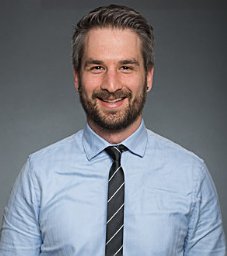 Justin Presseau合作论文数School of Psychology, University of Ottawa1
 David Pfleger合作论文数1
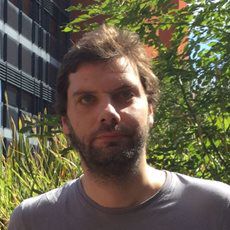 Malcolm James (代志刚)合作论文数Institute of Applied Health Research, College of Medical and Dental Sciences, University of Birmingham1




