Differences in the availability of prey may explain the low numbers of southern resident killer whales and the increase in northern resident killer whales in British Columbia and Washington State. However, in-situ data on the availability of their preferred prey (Chinook salmon, Oncorhynchus tshawytscha) in the core feeding areas used by these two populations of fish-eating killer whales have been lacking to test this hypothesis. We used multi-frequency echosounders (38, 70, 120, and 200 kHz) to estimate densities of adult Chinook (age-4+, > 81 cm) within 16 hot-spot feeding areas used by resident killer whales during summer 2020 in the Salish Sea and North Island Waters. We found Chinook were generally concentrated within 50 m from the bottom in the deep waters, and tended to be absent near the surface in the shallow waters (< 50 m). In general, the densities of Chinook we encountered were highest as the fish entered the Salish Sea (from Swiftsure Bank in the south) and Johnstone Strait (from Queen Charlotte Strait to the north)-and declined as fish migrated eastward along the shoreline of Vancouver Island. Median densities of Chinook for all sampled areas combined were 0.4 ind.·1000 m-2 in northern resident foraging areas, and 0.9 ind.·1000 m-2 in southern resident killer whale areas (p < 0.05, Mann-Whitney U test). Thus, Chinook salmon were twice as prevalent within the hot-spot feeding areas of southern versus northern resident killer whales. This implies that southern resident killer whales have greater access to Chinook salmon compared to northern residents during summer-and that any food shortage southern residents may be encountering is occurring at other times of year, or elsewhere in their range.
Climate-induced changes in calanoid copepod ( Calanus spp.) availability in traditional feeding areas might explain why a large proportion of the North Atlantic right whale Eubalaena glacialis population has fed in the Gulf of St. Lawrence (Canada) in recent years. However, little is known about the distribution of copepods in the gulf, and whether their abundance is sufficient to energetically sustain right whales. We used a mechanistic modelling approach to predict areas within the gulf that have foraging potential for adult female right whales, based on the annual energetic needs of resting, pregnant and lactating females, and their theoretical prey density requirements. We identified suitable foraging areas for right whales by coupling a foraging bioenergetics model with a 12 yr data set (2006-2017) describing the abundance and 3-dimensional distribution of late-stage Calanus spp. in the gulf. Prey densities in the southern gulf (from Shediac Valley to the Magdalen Islands) supported all 3 reproductive states in most (≥6) years. However, foraging habitat became progressively sparse in the southern gulf over time, with noticeably less suitable habitat available after 2014. Few other potentially suitable foraging areas were identified elsewhere in the gulf. Overall, the availability of foraging habitat in the gulf varied considerably between years, and was higher for resting females than for pregnant and lactating females. Our findings are consistent with the recent low calving rates, and indicate that prey biomass in the Gulf of St. Lawrence may be insufficient in most years to support successful reproduction of North Atlantic right whales.
Although the ability of marine mammals to lower heart rates for extended periods when diving is well documented, it is unclear whether marine mammals have electrophysiological adaptations that extend beyond overall bradycardia. We analyzed electrocardiographic data from 50 species of terrestrial mammals and 19 species of marine mammals to determine whether the electrical activity of the heart differs between these two groups of mammals. We also tested whether physiological state (i.e., anesthetized or conscious) affects electrocardiogram (ECG) parameters. Analyses of ECG waveform morphology (heart rate, P-wave duration, and PQ, PR, QRS, and QT intervals) revealed allometric relationships between body mass and all ECG intervals (as well as heart rate) for both groups of mammals and specific differences in ECG parameters between marine mammals and their terrestrial counterparts. Model outputs indicated that marine mammals had 19% longer P-waves, 24% longer QRS intervals, and 21% shorter QT intervals. In other words, marine mammals had slower atrial and ventricular depolarization, and faster ventricular repolarization than terrestrial mammals. Heart rates and PR intervals were not significantly different between marine and terrestrial mammals, and physiological state did not significantly affect any ECG parameter. On average, ECG interval durations of marine and terrestrial mammals scaled with body mass to the power of 0.21 (range: 0.19–0.23) rather than the expected 0.25—while heart rate scaled with body mass to the power of –0.22 and was greater than the widely accepted –0.25 derived from fractal geometry. Our findings show clear differences between the hearts of terrestrial and marine mammals in terms of cardiac timing that extend beyond diving bradycardia. They also highlight the importance of considering special adaptations (such as breath-hold diving) when analyzing allometric relationships.
Knowing size-at-age is important for determining food requirements and making inferences about the nutritional status of individuals and their populations. Accurate growth curves are also needed to quantify drug dosages to treat wounded or entangled animals. However, body sizes are often based on small numbers of measured animals that must be improved as new data become available. We updated an existing body growth model for North Atlantic right whales (NARWs) using new data from dead animals and from older individuals. Our models indicate that NARWs attain mean lengths and weights of 4.3 m and 1.0 mt at birth, and 13.1 m and 31.7 mt when sexually mature. Calves more than double their length and attain nearly three-quarters of their asymptotic adult size during their first year of life. Overall, our length estimates agreed well with previous estimates, but our mass-at-age values were considerably higher. These differences revealed that necropsy data used alone in allometric models underestimate mass due possibly to several of the stranded animals in the database having been chronically entangled and in poor body condition. Augmenting the database with healthier individuals, such as harvested North Pacific right whales, yielded mass predictions that reflect both healthy and unhealthy individuals.
Understanding variability in growth patterns of marine mammals provides insights into the health of individuals and status of populations. Body growth of gray whales (Eschrichtius robustus) has been described for particular life stages, but has not been quantified across all ages. We derived a comprehensive growth equation for gray whales by fitting a two-phased growth model to age-specific length data of eastern North Pacific gray whales that were captured, stranded, or harvested between 1926 and 1997. To predict mass-at-age, we used the allometric relationship between mass and length. We found that on average (± SD), calves were 4.6 ± 0.043 m and 972 ± 26 kg at birth, and reached 8.5 ± 0.095 m and 6,019 ± 196 kg by the end of their first year of life (n = 118). Thus, calves almost double (2×) in length and octuple (8×) in mass while nursing, and are effectively about two-thirds of their asymptotic adult length and one-third of their maximum mass when weaned. The large sample of aged individuals (n = 730) indicates that gray whales live up to ~48 years and have a life expectancy of < 30 years. Adult females attain a mean (± SD) asymptotic size of 13.1 ± 0.048 m and 20,758 ± 222 kg, while the smaller males average 12.6 ± 0.048 m and 19,938 ± 222 kg at ~40 years of age. Females are thereby ~4% longer and heavier than males. These age-specific estimates of body size can be used to estimate food requirements and assess nutritional status of individuals.
Climate change may affect the foraging success of bowhead whalesBalaena mysticetusby altering the diversity and abundance of zooplankton species available as food. However, assessing climate-induced impacts first requires documenting feeding conditions under current environmental conditions. We collected seasonal movement and dive-behaviour data from 25 Eastern Canada-West Greenland bowheads instrumented with time-depth telemetry tags and used state-space models to examine whale movements and dive behaviours. Zooplankton samples were also collected in Cumberland Sound (CS) to determine species composition and biomass. We found that CS was used seasonally by 14 of the 25 tagged whales. Area-restricted movement was the dominant behaviour in CS, suggesting that the tagged whales allocated considerable time to feeding. Prey sampling data suggested that bowheads were exploiting energy-rich Arctic copepods such asCalanus glacialisandC. hyperboreusduring summer. Dive behaviour changed seasonally in CS. Most notably, probable feeding dives were substantially shallower during spring and summer compared to fall and winter. These seasonal changes in dive depths likely reflect changes in the vertical distribution of calanoid copepods, which are known to suspend development and overwinter at depth during fall and winter when availability of their phytoplankton prey is presumed to be lower. Overall, CS appears to be an important year-round foraging habitat for bowheads, but is particularly important during the late summer and fall. Whether CS will remain a reliable feeding area for bowhead whales under climate change is not yet known.
Pinnipeds have specific macronutrient (protein, lipid) requirements to satisfy physiological functions, yet little is known about how diet characteristics affect macronutrient digestibility. We measured relative and absolute lipid and protein digestibility in six female northern fur seals (Callorhinus ursinus (Linnaeus, 1758)) fed eight experimental diets composed variously of four prey species (Pacific herring, Clupea pallasii Valenciennes in Cuvier and Valenciennes, 1847; walleye pollock, Gadus chalcogrammus Pallas, 1814 (formerly Theragra chalcogramma (Pallas, 1814)); capelin, Mallotus villosus (Müller, 1776); magister armhook squid, Berryteuthis magister (Berry, 1913)). We quantified how digestibility was affected by proximate composition of the diet (% lipid or % protein), levels of food mass and macronutrient intake, and tested for any potential benefit of multi-species diets. Overall, digestibility of both protein and lipid were high across diets, although macronutrient retention of lipids (96.0%–98.4%) was significantly higher than protein (95.7%–96.7%) for all but the two highest protein diets. Increased levels of protein intake resulted in increased protein retention, but decreased lipid digestibility. There was no evidence that mixed-species diets provide greater macronutrient digestibility over single-species diets. The results suggest that high to moderate lipid diets are more beneficial to northern fur seals because they lead to increased levels of lipid retention without large decreases in protein digestibility. This raises concerns that dietary factors may be contributing to the population declines of northern fur seals in the Bering Sea.
Predation risk and competition among conspecifics significantly affect survival of juvenile salmon, but are rarely incorporated into models that predict recruitment in salmon populations. Using densities of harbour seals (Phoca vitulina) and numbers of hatchery-released Chinook salmon (Oncorhynchus tshawytscha) smolts as covariates in spatially structured Bayesian hierarchical stock–recruitment models, we found significant negative correlations between seal densities and productivity of Chinook salmon for 14 of 20 wild Chinook populations in the Pacific Northwest. Changes in numbers of seals since the 1970s were associated with a 74% decrease (95% CI: −85%, −64%) in maximum sustainable yield in Chinook stocks. In contrast, hatchery releases were significantly correlated with Chinook productivity in only one of 20 populations. Our findings are consistent with recent research on predator diets and bioenergetics modeling that suggest there is a relationship between harbour seal predation on juvenile Chinook and reduced marine survival in parts of the eastern Pacific. Forecasting, assessment, and recovery efforts for salmon populations of high conservation concern should thus consider including biotic factors, particularly predator–prey interactions.
Decreased health may have lowered the birth and survival rates of Steller sea lions ( Eumetopias jubatus) in the Gulf of Alaska and Aleutian Islands over the past 30 yr. Reference ranges for clinical hematology and serum chemistry parameters needed to assess the health of wild sea lion populations are limited. Here, blood parameters were serially measured in 12 captive female Steller sea lions ranging in age from 3 wk to 16 yr to establish baseline values and investigate age-related changes. Whether diving activity affects hematology parameters in animals swimming in the ocean compared with animals in a traditional aquarium setting was also examined. Almost all blood parameters measured exhibited significant changes with age. Many of the age-related changes reflected developmental life history changes, including a change in diet during weaning, an improvement of diving capacity, and the maturity of the immune system. Mean corpuscular hemoglobin and mean corpuscular volume were also higher in the ocean diving group compared with the aquarium group, likely reflecting responses to increased exercise regimes. These data provide ranges of hematology and serum chemistry values needed to evaluate and compare the health and nutritional status of captive and wild Steller sea lions.
Foraging strategies and their resulting efficiency (energy gain to cost ratio) affect animals' survival and reproductive success and can be linked to population dynamics. However, they have rarely been studied quantitatively in free-ranging animals. We investigated foraging strategies and efficiencies of wild northern fur seals Callorhinus ursinus during their breeding season to understand potential links to the observed population decline in the Bering Sea. We equipped 20 lactating females with biologgers to determine at-sea foraging behaviours. We measured energy expenditure while foraging using the doubly-labelled water method, and energy gained using (1) the types and energy densities of prey consumed, and (2) the number of prey capture attempts (from acceleration data). Our results show that seals employed 2 foraging strategies: one group (40%) fed mostly in oceanic waters on small, high energy-density prey, while the other (60%) stayed over the shallow continental shelf feeding mostly on larger, lower quality fish. Females foraging in oceanic waters captured 3 times more prey, and had double the foraging efficiencies of females that foraged on-shelf in neritic waters. However, neritic seals made comparatively shorter trips, and likely fed their pups similar to 20 to 25% more frequently. The presence of these strategies which either favor foraging efficiency (energy) or frequency of nursing (time) might be maintained in the population because they have similar net fitness outcomes. However, neither strategy appears to simultaneously maximize time and energy allocated to nursing, with potential impacts on the survival of pups during their first year at sea.
Most stocks of Atlantic cod (Gadus morhua) in the Northwest Atlantic collapsed in the early 1990s, with little sign of recovery since then. In the southern Gulf of St. Lawrence (sGSL), the failed recovery is due to severe increases in the natural mortality of adult Atlantic cod. We examined the role of predation by grey seals (Halichoerus grypus) in this failed recovery by directly incorporating grey seal predation in the population model for Atlantic cod via a functional response. Estimated predation mortality of adult Atlantic cod increased sharply during the cod collapse and has continued to increase, comprising the majority of mortality since the late 1990s. While predation by grey seals appeared to play a minor role in the collapse of Atlantic cod, we found it to be the main factor preventing recovery. Our results are consistent with the hypothesis that failed recovery is due to predation-driven Allee effects, a demographic effect due to the decline in cod abundance and an emergent effect resulting from increasing grey seal abundance. Under current conditions, extirpation of sGSL Atlantic cod appears likely unless there is a large decline in the abundance of grey seals.
Animal-borne instruments have become a standard tool for collecting important data from marine mammals. However, few studies have examined whether placement of these data loggers affects the behavior and energetics of individual animals, potentially leading to biasing data. We measured the effect of two types of relatively small data loggers (<1% of animals' mass and front profile) on the swimming speeds and energy expenditure of four female northern fur seals (Callorhinus ursinus) while swimming at depth. Swim speeds and rates of oxygen consumption were measured as the trained fur seals repeatedly swam an underwater circuit, with or without the tags. We found the placement of either tested tag significantly affected both the behavior and energetics of the fur seals in our study. Diving metabolic rate increased an average of 8.1%-12.3% (depending on tag type) and swim speed decreased an average of 3.0%-6.0% when wearing the tags. The combined changes in velocities and metabolic rates resulted in a 12.0%-19.0% increase in the total energy required by the fur seals to swim a set distance. The demonstrated effects of tags on behavior and energy expenditure may bias data sets from wild animals and potentially incur longer-term impacts on the studied animals.
Accurately estimating predators' diets at relevant spatial and temporal scales is key to understanding animals' energetics and fitness, particularly in populations whose decline might be related to their diet such as northern fur seals Callorhinus ursinus. Our goals were to improve the accuracy of diet estimates and extend understanding of feeding ecology by combining 2 scat-based methods of diet determination (hard-part identification and DNA-metabarcoding) with stable isotope measurements and individual behavioural data. We collected 98 scats on a northern fur seal breeding colony. We also tracked 20 females with biologgers, and took blood samples to determine delta C-13 and delta N-15 values as proxies for seal foraging habitat and diet. Results show that diet composition from hard-parts analysis corresponded well with DNA results, with DNA yielding a greater diversity of prey species at a finer taxonomic level. Overall, scat-based methods showed that seals mostly fed on neritic shelf-associated prey. Cluster analyses of combined hard-parts and DNA results however identified 2 diet groups, one mostly neritic and the other mostly pelagic. Stable isotopes and behavioural data revealed that 40% of seals fed in oceanic waters on pelagic prey. This is more than indicated by scat-based analyses, which are likely biased towards animals foraging closest to the colony and underestimate some dietary specializations within the population. Consequently, the combination of multiple methods for diet identification with at-sea tracking of individuals can help identify and quantify specialist groups within a population and provide a wider spatial and temporal ecological context for dietary analysis.
Summary Energy expenditure is an important component of foraging ecology, but is extremely difficult to estimate in free‐ranging animals and depends on how animals partition their time between different activities during foraging. Acceleration data have emerged as a new way to determine energy expenditure at a fine scale but this needs to be tested and validated in wild animals. This study investigated whether vectorial dynamic body acceleration (VeDBA) could accurately predict the energy expended by marine predators during a full foraging trip. We also aimed to determine whether the accuracy of predictions of energy expenditure derived from acceleration increased when partitioned by different types of at‐sea activities (i.e. diving, transiting, resting and surface activities). To do so, we equipped 20 lactating northern (Callorhinus ursinus) and 20 lactating Antarctic fur seals (Arctocephalus gazella) with GPS, time‐depth recorders and tri‐axial accelerometers and obtained estimates of field metabolic rates using the doubly labelled water (DLW) method. VeDBA was derived from tri‐axial acceleration, and at‐sea activities (diving, transiting, resting and surface activities) were determined using dive depth, tri‐axial acceleration and travelling speed. We found that VeDBA did not accurately predict the total energy expended by fur seals during their full foraging trips (R2 = 0·36). However, the accuracy of VeDBA as a predictor of total energy expenditure increased significantly when foraging trips were partitioned by activity and when activity‐specific VeDBA was paired with time‐activity budgets (R2 = 0·70). Activity‐specific VeDBA also accurately predicted the energy expenditures of each activity independent of each other (R2 > 0·85). Our study confirms that acceleration is a promising way to estimate energy expenditures of free‐ranging marine mammals at a fine scale never attained before. However, it shows that it needs to be based on the time‐activity budgets that make up foraging trips rather than being derived as a single measure of VeDBA applied to entire foraging trips. Our activity‐based method provides a cost‐effective means to accurately calculate energy expenditures of fur seals using acceleration and time‐activity budgets, that can be transfered to studies on other species.
The efficiency with which individuals extract energy from their environment defines their survival and reproductive success, and thus their selective contribution to the population. Individuals that forage more efficiently (i.e., when energy gained exceeds energy expended) are likely to be more successful at raising viable offspring than individuals that forage less efficiently. Our goal was to test this prediction in large long-lived mammals under free-ranging conditions. To do so, we equipped 20 lactating Antarctic fur seals (Arctocephalus gazella) breeding on Kerguelen Island in the Southern Ocean with tags that recorded GPS locations, depth and tri-axial acceleration to determine at-sea behaviours and detailed time-activity budgets during their foraging trips. We also simultaneously measured energy spent at sea using the doubly-labeled water (DLW) method, and estimated the energy acquired while foraging from 1) type and energy content of prey species present in scat remains, and 2) numbers of prey capture attempts determined from head acceleration. Finally, we followed the growth of 36 pups from birth until weaning (of which 20 were the offspring of our 20 tracked mothers), and used the relative differences in body mass of pups at weaning as an index of first year survival and thus the reproductive success of their mothers. Our results show that females with greater foraging efficiencies produced relatively bigger pups at weaning. These mothers achieved greater foraging efficiency by extracting more energy per minute of diving rather than by reducing energy expenditure. This strategy also resulted in the females spending less time diving and less time overall at sea, which allowed them to deliver higher quality milk to their pups, or allowed their pups to suckle more frequently, or both. The linkage we demonstrate between reproductive success and the quality of individuals as foragers provides an individual-based quantitative framework to investigate how changes in the availability and accessibility of prey can affect fitness of animals.
Abstract Time and energy are the two most important currencies in animal bioenergetics. How much time animals spend engaged in different activities with specific energetic costs ultimately defines their likelihood of surviving and successfully reproducing. However, it is extremely difficult to determine the energetic costs of independent activities for free‐ranging animals. In this study, we developed a new method to calculate activity‐specific metabolic rates, and applied it to female fur seals. We attached biologgers (that recorded GPS locations, depth profiles, and triaxial acceleration) to 12 northern (Callorhinus ursinus) and 13 Antarctic fur seals (Arctocephalus gazella), and used a hierarchical decision tree algorithm to determine time allocation between diving, transiting, resting, and performing slow movements at the surface (grooming, etc.). We concomitantly measured the total energy expenditure using the doubly‐labelled water method. We used a general least‐square model to establish the relationship between time–activity budgets and the total energy spent by each individual during their foraging trip to predict activity‐specific metabolic rates. Results show that both species allocated similar time to diving (~29%), transiting to and from their foraging grounds (~26–30%), and resting (~8–11%). However, Antarctic fur seals spent significantly more time grooming and moving slowly at the surface than northern fur seals (36% vs. 29%). Diving was the most expensive activity (~30 MJ/day if done non‐stop for 24 hr), followed by transiting at the surface (~21 MJ/day). Interestingly, metabolic rates were similar between species while on land or while slowly moving at the surface (~13 MJ/day). Overall, the average field metabolic rate was ~20 MJ/day (for all activities combined). The method we developed to calculate activity‐specific metabolic rates can be applied to terrestrial and marine species to determine the energetic costs of daily activities, as well as to predict the energetic consequences for animals forced to change their time allocations in response to environmental shifts.
Knowing the species and life stages of prey that predators consume is important for understanding the impacts that predation may have on prey populations, but traditional methods for determining diets often cannot provide sufficient detail. We combined data from two methods of scat analysis (DNA metabarcoding and morphological prey ID) to quantify the species and life stages of salmon (Oncorhynchus spp.) consumed by harbour seals (Phoca vitulina) in the Strait of Georgia, Canada, where juvenile Chinook (Oncorhynchus tshawytscha) and coho (Oncorhynchus kisutch) salmon survival is poor. Harbour seals primarily consumed adult salmon of lesser conservation concern in the fall (August–November): chum (Oncorhynchus keta: 18.4%), pink (Oncorhynchus gorbuscha: 12.6%), sockeye (Oncorhynchus nerka: 7.4%), Chinook (7.1%), and coho (1.8%). However, the opposite species trend occurred during the spring when seals preferred juvenile salmon of greater conservation concern (April–July): coho (2.9%), Chinook (2.9%), sockeye (2.5%), pink (1.4%), and chum (0.8%) — percentages that can equate to many individuals consumed. Our data suggest that harbour seals select juveniles of salmon species that out-migrate at ages >1 year and provide evidence of a potential causal relationship between harbour seal predation and juvenile salmon survival trends.
Aerial surveys are sometimes used to assess the densities of wide-ranging whales, as well as changes in their distributions in response to human activity. Such surveys also provide data used to estimate numbers of animals exposed to different received levels of seismic sound, as required by regulators. However, estimates of abundance are often biased because they fail to account for the effects of seismic operations on the surfacing and diving behavior of whales. Our objective was to determine the extent to which analyses of the distribution of bowhead whales Balaena mysticetus are affected by changes in visual 'availability' caused by seismic operations. We used aerial survey data collected during seismic operations in the Alaskan Beaufort Sea from late August to early October 2008 and fit spatial density surface models to bowhead sighting data to predict whale density in an ensonified area. We also incorporated availability correction factors to determine the sensitivity of density estimates to changes in surfacing and diving behavior caused by seismic operations. The influence of altered whale behavior was then evaluated by comparing a series of realistic simulated scenarios in which models incorporated undisturbed or seismic disturbance-related correction factors. Results suggest that the numbers of bowhead whales present in the vicinity of seismic operations during the bowhead autumn migration are underestimated if the behavioral effects of seismic operations on whales are ignored. Our study highlights the importance of accounting for changes in whale behavior that can affect sightability when estimating numbers and distribution of whales in the vicinity of industrial activity.
Bayesian Melding (BM) and downscaling are two Bayesian approaches commonly used to combine data from different sources for statistical inference. We extend these two approaches to combine accurate but sparse direct observations with another set of high-resolution but biased calculated observations. We use our methods to estimate the path of a moving or evolving object and apply them in a case study of tracking northern fur seals. To make the BM approach computationally feasible for high-dimensional (big) data, we exploit the properties of the processes along with approximations to the likelihood to break the high-dimensional problem into a series of lower dimensional problems. To implement the alternative, downscaling approach, we use R-INLA to connect the two sources of observations via a linear mixed effect model. We compare the predictions of the two approaches by crossvalidation as well as simulations. Our results show that both approaches yield similar results—both provide accurate, high resolution estimates of the at-sea locations of the northern fur seals, as well as Bayesian credible intervals to characterize the uncertainty about the estimated movement paths.
Recent studies of stranded marine mammals indicate that exposure to underwater military sonar may induce pathophysiological responses consistent with decompression sickness (DCS). However, DCS has been difficult to diagnose in marine mammals. We investigated whether blood microparticles (MPs, measured as number/μl plasma), which increase in response to decompression stress in terrestrial mammals, are a suitable biomarker for DCS in marine mammals. We obtained blood samples from trained Steller sea lions (Eumetopias jubatus, 4 adult females) wearing time-depth recorders that dove to predetermined depths (either 5 or 50 meters). We hypothesized that MPs would be positively related to decompression stress (depth and duration underwater). We also tested the effect of feeding and exercise in isolation on MPs using the same blood sampling protocol. We found that feeding and exercise had no effect on blood MP levels, but that diving caused MPs to increase. However, blood MP levels did not correlate with diving depth, relative time underwater, and presumed decompression stress, possibly indicating acclimation following repeated exposure to depth.
 David Rosen合作论文数Department of Zoology, Faculty of Science, The University of British Columbia35
 Brian C. Battaile合作论文数8DAS Rosen合作论文数8Dominic J. Tollit合作论文数7
 Sarah Fortune合作论文数Department of Immunology and Infectious Diseases, Harvard T.H. Chan School of Public Health, Harvard University6
 Arliss Winship合作论文数Sea Mammal Research Unit;Gatty Marine Laboratory;University of St Andrews;Gatty Marine Laboratory, University of St Andrews6
 Edward J. Gregr合作论文数Institute of Resource, Environment and Sustainability, University of British Columbia5
 John Arnould合作论文数Centre for Marine Science, School of Life and Environmental Sciences, Faculty of Science Engineering and Built Environment, Deakin University5
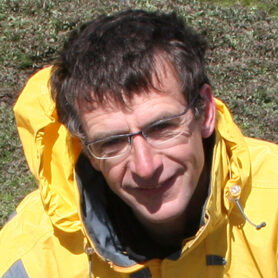 Christophe Guinet合作论文数Centre d'Etudes Biologiques de Chize5
 Chad A. Nordstrom合作论文数4
 Jeanniard du Dot Tiphaine合作论文数Fisheries Center, University of British Columbia4elizabeth t goundie合作论文数3
 Alex J. M. Dalton合作论文数3
 John Speakman (约翰·罗杰·斯彼克曼)合作论文数Shenzhen Institute of Advanced Technology, Chinese Academy of Sciences;The School of Biological Sciences, University of Aberdeen3
 David D. Kitts合作论文数Faculty of Land and Food Systems, The University of British Columbia3
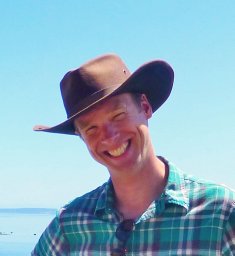 Thomas Austen C合作论文数Fisheries Centre, and Department of Zoology, University of British Columbia3Chun Hu合作论文数3
 Gordon D. Hastie合作论文数University of British;Marine Mammal Research Unit;Marine Mammal Research Unit, University of British3Martin Haulena合作论文数Marine Mammal Center;Marin;Marine Mammal Center3Mandy A. Wong合作论文数3
 Bruce E. Deagle合作论文数School of Zoology, University of Tasmania3
 Michael J. Moore合作论文数Woods Hole Oceanographic Institution3Minh Dieu Huynh合作论文数3Tiphaine Jeanniard-du-Dot合作论文数2pamela lestenkof合作论文数2Mariana Diaz Gomez合作论文数2erin u rechsteiner合作论文数2Lance Barrett-Lennard合作论文数2
 Ruth Joy合作论文数Simon Fraser Univ, Dept Stat, Burnaby, BC V5A 1S6, Canada2Benjamin W. Nelson合作论文数2
 Rob Williams合作论文数Oceans Initiative, 117 E Louisa St #135, Seattle, WA 98102, USA2
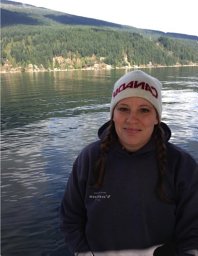 Beth L Volpov合作论文数School of Life and Environmental Sciences, Deakin University2
 John K. Ford合作论文数Marine Mammal Research Unit, University of British Columbia2
 Gerlinsky Carling D合作论文数Fisheries Center, University of British Columbia2
 Carl Walters合作论文数Institute for the Oceans and Fisheries, Faculty of Science, The University of British Columbia;Department of Zoology, Faculty of Science, The University of British Columbia2Murdoch K. Mcallister合作论文数2Beth L. Young合作论文数2
 Herbert D. G. Maschner合作论文数Global Digital Heritage, Inc.2Wayne L. Perryman合作论文数2Paul E. Cottrell合作论文数2Boyd T. Porter合作论文数2Susan G. Heaslip合作论文数2Peter F. Olesiuk合作论文数Department of Fisheries and Oceans Science Branch2Lorrie D. Rea合作论文数2Donald G. Calkins合作论文数2
 Andreas Fahlman合作论文数Institute of Biochemistry and Department of Biology, Carleton University2Andrea P. Coombs合作论文数2Emma L. Bredesen合作论文数2Matthew W. Betts合作论文数1




