Prey abundance and catchability shape the spatial ecology of predators. Predators can select habitats where prey are more abundant to maximize encounter rate with prey or habitats where prey are more catchable to maximize prey capture. These hypotheses are commonly referred to as prey-abundance and prey-catchability hypotheses. Although these hypotheses are often tested at the landscape scale, little is known about how between-patch variations in prey abundance and catchability determine the space use of predators. In many savannah ecosystems, large herbivores aggregate around waterholes, which become hotspots of prey and their selection by predators is classically interpreted as supporting the prey-abundance hypothesis. Here, we investigated whether between-waterhole variations in prey abundance and catchability influence the frequency and duration of lion visits to waterholes, testing the prey-abundance and prey-catchability hypotheses at the resource-patch scale. We combined datasets on (1) lion movements recorded from GPS collars deployed on 20 adult males and 16 adult females between 2002 and 2015, (2) prey abundance evaluated from long-term, regular monitoring of waterholes and (3) prey catchability evaluated from remote-sensing satellite imagery of vegetation cover around waterholes in Hwange National Park (Zimbabwe). Lions did not use all waterholes in their territory equally: there was a high variability in the frequency and duration of visits. Surprisingly, between-waterhole variations in prey abundance and catchability only slightly explained these variations in frequency – and even less in duration – of lion visits to waterholes. Yet, the frequency of lion visits to waterholes decreased with the number of waterholes within their territory, and male lions more frequently visited the waterholes surrounded by more open habitats. We discuss the limits of our work, but also the ecological mechanisms that may explain these findings. First, lions and their prey are involved in a ‘shell-game’ that leads them to adopt unpredictable movement strategies. Second, lions have only access to a limited number of waterholes amongst which to distribute their hunting effort. Lastly, lions visit waterholes not only to hunt but also to interact with social mates and competitors. This work challenges the implicit assumption that all waterholes are the same from a lion’s view and calls for further studies investigating the drivers of the variability in lion visits at the resource-patch scale.
Conservation of large carnivore populations requires effective management strategies that promote landscape-scale protection and genetic connectivity. Pivotal to the success of these strategies is sufficient evidence, including quantifying the processes that govern species distribution. We used telemetry data from 63 lions from the Kavango-Zambezi Transfrontier Conservation Area (KAZA TFCA) in southern Africa to analyze inter-demographic differences in habitat relationships using a mixed-effects resource selection analysis approach. In this semi-arid landscape, some of the most important drivers of habitat selection are surface water and precipitation, which in turn regulate prey abundance. Predicted relative probability of habitat selection was highest near water irrespective of age and sex; however, the effect of precipitation varied depending on the demographic class. Adult lions and subadult females preferred habitat with above average rainfall; however, the opposite was true for subadult males which showed a strong aversion to precipitation. Across all four demographic classes, relative probability of habitat selection was generally positively associated with higher levels of prey abundance with the exception of gemsbok which was negatively correlated with adult female, subadult male, and subadult female habitat use. The predicted distributions for all four demographic classes were widespread across multiple different land-use types, highlighting the need to extend the traditional concept of formally protected areas to include multi-use landscapes and support large-scale transboundary conservation initiatives.
Previous work has focused on how prey availability and fear of people affect apex predators' habitat selection, but few have studied the effects of intraguild interactions. Patterns of co-occupancy between sympatric carnivores have started to be well described, but understanding the underlying habitat selection processes is lacking. We evaluated whether the risk of encountering African lions (Panthera leo) influences habitat selection by spotted hyaenas (Crocuta crocuta, hyaena hereafter) using GPS-collar data and two approaches: (1) resource selection functions considering the static long-term risk of encountering lions, and (2) step selection functions considering the dynamic, immediate risk of encountering lions. We explored the interplay between the risk of encountering lions, vegetation type and moonlight illumination, and examined individual variation in habitat selection. As expected, hyaenas did not avoid areas intensively used by lions, and there was even a positive effect of the long-term risk of encountering lions on habitat selection by hyaenas. As in other study sites, this likely arises because hyaenas select the same areas as lions. At the finer scale, unexpectedly, hyaenas did not generally move away from lions. We believe this occurs because hyaenas can sometimes be attracted to lions because of scavenging opportunities or because they outnumber lions and are likely to win an aggressive encounter. These two circumstances can lead to highly contrasting outcomes and highlight the high dynamics of intraguild interactions. This also illustrates the limits of GPS-based studies that lack crucial information about the context of interactions. While at the population level, we detected a selection for open vegetation areas, which are rich in prey in the study ecosystem and potentially good hunting grounds for cursorial predators, such as hyaenas; our results show a very high inter-individual heterogeneity underlying this population level result. Our work therefore illustrates the importance of investigating individual habitat selection.
Temporal and spatial partitioning are forms of niche segregation to reduce species competition. Subordinate carnivores can use reactive or proactive strategies to avoid larger predators. We aimed to evaluate if African wild dogs avoid larger predators (leopards, lions and spotted hyaenas) reactively or proactively in space and time at different spatial and temporal scales in an ecosystem with artificial water provisioning in Hwange National Park, Zimbabwe. We used camera-trapping data and generalized linear mixed models, activity pattern overlap, and time-to-event analyses. In general, wild dogs used the same space as the other three larger predators, but at different times. Temporal avoidance of all three predators was especially strong close to waterholes. Spatiotemporally, wild dogs mainly used a reactive strategy to avoid hyaenas, and most likely a proactive strategy towards lions and leopards. Wild dogs were able to coexist at different times in areas (rich in prey) with high aggregation and density of predators (but lower than similar to 14 hyaenas/100km(2)) as long as there was closed vegetation, and enough permanent waterholes (above similar to 0.01 waterholes per km(2), waterholes being surrogates for prey aggregation and abundance). Conservation management tools should implement heterogeneous waterholeprovisioning schemes to facilitate interspecific coexistence through increasing niche-partitioning opportunities.
Unsustainable development continues to fragment natural landscapes and wildlife populations, contributing to declining global biodiversity. Advances in computation have enabled ever more sophisticated assessment of development and conservation impacts on functional landscape connectivity. However, accessibility of these advances to non-expert users has lagged. Here we present Connecting Landscapes (CoLa), an integration and expansion of existing software applications that model functional connectivity, population dynamics, and genetic exchange across landscapes. CoLa is a cloud-based or locally installable conservation decision-support system (DSS) that enables user-friendly assessment of the trade-offs between development and conservation in a data-driven framework. We describe the origins of the CoLa DSS, its functionality, and present two case studies at different spatial scales illustrating its use. We expect the CoLa DSS will be particularly useful to decision makers attempting to reconcile economic growth and biodiversity conservation, supporting the transition to conservation-led development needed to stem the ongoing loss of biodiversity.
In territorial species, individuals need to regularly patrol their territory to display visual, auditory or olfactory signals or to detect the presence of intruders. Although territorial movements are often conceptualized as animals travelling along the boundaries of their territories ('border-patrolling' behaviour), the distribution of territorial cues could also match the distribution of resources when resources are spatially heterogeneous in their availability and found in stable patches, leading to the emergence of 'multiple central-place territories'. Here, we explored how territoriality may shape the spatial behaviour of African lions, Panthera leo, in a savannah where waterholes are associated with aggregations of large herbivores throughout the year and are therefore well-known prey hotspots and key hunting sites for large carnivores. We hypothesized that male lions would be more likely to patrol a buffer area around the territory core to defend a core area where social interactions with groupmates occur, whereas female lions would more specifically patrol hunting sites, that is, waterhole areas. However, we found that both female and male lions repeatedly moved along straight paths between the waterholes located both in the core and in the periphery of their territories, potentially to defend multiple central-place territories driven by the distribution of waterholes in the landscape. These findings illustrate a case where territorial animals specifically mark feeding sites, increasing the renewal of territorial cues at these key places, potentially using long-distance territorial cues (that is, vocalizations) to mark uncovered areas, and thereby reducing the cost of patrolling large territories. Overall, multiple central-place territories provide new insights into how the spatial distribution of resources shapes space use in territorial animals. (c) 2025 The Association for the Study of Animal Behaviour. Published by Elsevier Ltd. All rights are reserved, including those for text and data mining, AI training, and similar technologies.
1. The Greater Kafue Ecosystem (GKE) is a large protected area complex in Zambia, spanning over 65,000 km(2). It comprises Kafue National Park (KNP, measuring over 22,000 km(2)) and nine surrounding community-managed Game Management Areas (GMAs). The GKE is considered a stronghold for the African lion (Panthera leo), a charismatic species of high conservation value. 2. Although landscape-scale monitoring of wildlife populations is essential for their effective conservation management, until now most research and monitoring of lion populations in large landscapes such as the GKE has taken place in a few highly studied areas of study landscapes, hindering the adoption of an ecosystem-scale approach for the management of lion populations. In the GKE, this is further compounded by the area primarily comprising miombo woodlands and including trophy hunting areas, both of which are understudied across the species' range. 3. We carried out 12 camera trap-based spatially explicit capture-recapture (SECR) surveys aimed at estimating lion population density across the GKE, overall sampling approximately 12,174 km(2) of lion habitat (c. 27% of available lion habitat in the GKE). 4. Our surveys resulted in 3903 photographs of lions, which were used to identify 185 individuals over 1 year of age. Relative to lion densities estimated using comparable methods elsewhere, densities across the GKE were low to moderate at most sites, ranging from 0.23 lions >1 year per 100 km(2) (SE: 0.15, 95% CI: 0.07-0.74) in Mulobezi GMA to 5.10 lions >1 year of age per 100 km(2) (SE: 0.73, 95% CI: 3.86-6.73) in a productive and well-protected area of central KNP. 5. We argue that the relatively low population densities at most sites are likely a result of low prey availability-itself a consequence of both anthropogenically induced factors (primarily bushmeat poaching) and naturally low productivity of dystrophic miombo woodlands-and direct anthropogenic mortality of lions. 6. Practical Implication: Our study provides some of the first landscape-scale, spatially explicit insights into variation in lion densities across miombo woodlands and sustainable use landscapes, as well as providing baselines for future monitoring for this globally important lion population. Finally, we present methodological practical insights and recommendations relating to camera trap-based SECR lion population monitoring.
The anthropogenic refuge (i.e. human shield) effect is a well-documented consequence of anthropogenic disturbance, whereby prey or subordinate competitors use human-dominated areas to avoid dominant predators. While this effect has been widely demonstrated for prey and to a lesser extent mesopredator species, it remains unknown whether it occurs among sympatric species within a top predator guild such as large carnivores. Moreover, there is a limited understanding of how intraguild competition may mediate carnivore responses to human disturbance. Here, we examined the spatial behaviour of two sympatric large carnivore species exhibiting intense intraguild competition-lions and African wild dogs-to investigate whether intraguild competition mediates large carnivore responses to human disturbance in support of the anthropogenic refuge hypothesis. We found that lions consistently avoided human-dominated areas. Similarly, we found that wild dogs generally avoided human-dominated areas, but this pattern reversed when in areas of high lion-encounter risk. Such results reveal that the ecology of fear, and in particular the anthropogenic refuge hypothesis, extends beyond traditional predator-prey relationships to competing top predators within a large carnivore guild. Furthermore, our study suggests that intraguild variation in responses to human disturbance may be an emerging niche axis that facilitates coexistence between competing species within the same guild.
Current theory predicts that plains zebra (Equus quagga) populations should be resource-limited. Long-term, detailed work in the Hwange ecosystem (Zimbabwe) on zebras and all their major predators provides empirical data to test this on a population that has been at a low density for at least 2 decades and is largely naturally regulated. Information on body condition is used as an indicator of resource use, and offtakes by the three major predators are estimated from a synthesis of data on densities and diets. This information leads to rejection of the expectations for resource limitation. Zebras provide a significant part of the diets of all the main predators and are important (11%) for the most abundant of these, spotted hyaenas (Crocuta crocuta). Using conservative values, we calculate that the three main predators, hyaenas, lions (Panthera leo), and leopards (Panthera pardus), kill some 17.5% of the zebra population. Given that this estimated offtake is of the same order of magnitude as maximum population growth (22.3% per year), we conclude that this population is likely to be limited by predation. Further work is needed to better understand the mechanisms by which the greater susceptibility of juveniles to predation in ungulates contributes to population limitation.
Water is a limiting and important resource for large herbivores in arid and semi-arid ecosystems. Consequently, provision of artificial water is often used to alleviate limited surface water during dry periods. When foraging, large carnivores benefit from herbivore aggregation around water sources. Large carnivore attraction to areas of high water and prey availability is likely to affect smaller carnivores at these sites through competitive interactions. Here, we explore the effect of water management on the structure and the asymmetric interactions of an African carnivore community using data from camera trapping surveys. We used a functional approach based on four ranks driven by species body size (rank 1: African lions, spotted hyaenas; rank 2: leopards, African wild dogs, brown hyaenas, cheetahs; rank 3: African civets, black-backed and side striped jackals, caracals, honey badgers, servals; rank 4: African wildcats, large spotted genets, striped polecats, mongoose species), and performed multispecies occupancy models and activity pattern analyses. Results show that distance to water influences rank marginal occupancy probabilities with first- and third-ranked species more likely to use sites closer to water while we observed the opposite for second- and fourth-ranked species. However, while marginal occupancy patterns could suggest spatial avoidance, conditional occupancy of a given rank depending on another shows a constant and positive effect of the presence of a higher rank on conditional occupancy of its subordinate rank. Additionally, activity pattern analyses showed some shifts in peaks of activity in some subordinate ranks, although independent from water availability. This work shows that provision of artificial water contributes to shaping the structure of carnivore communities, and we encourage managers to account for these findings. Specifically, ensuring heterogeneity in the distances to waterholes across the landscape will favour a higher diversity of carnivores at the landscape scale.
Although the spotted hyaena (Crocuta crocuta) has been widely considered to be resilient to human disturbance, the species is now thought to be undergoing widespread population declines. Nevertheless, only a handful of population density estimates are available for the species, despite the importance of this information for informing conservation management. This is a consequence of both a lack of surveys and logistical challenges associated with processing spotted hyaena data. In this study, we collaborated with a cohort of students to process camera trap data from the Ruaha-Rungwa landscape initially collected to estimate lion (Panthera leo) and leopard (Panthera pardus) population density. By doing so, we provide the first spatially explicit population density estimates for spotted hyaena in Tanzania, via spatially explicit capture-recapture (SECR) modelling. We also examine the relationship between population densities of spotted hyaena, lion and leopard at each site. Spotted hyaena densities varied from 3.55 +/- 0.72 adults and sub-adults per 100 km(2) in a miombo (Brachystegia-Julbernardia) woodland area of Ruaha National Park, to 10.80 +/- 1.08 per 100 km(2) in a prey-rich open woodland savannah habitat in Ruaha National Park, with intermediate densities recorded in Rungwa Game Reserve and MBOMIPA Wildlife Management Area. Our results suggest that spotted hyaena density is influenced by prey availability and protection, and the species may be less resilient to human pressures than widely thought. Spotted hyaena densities were generally positively correlated with densities of lion and leopard, suggesting that prey availability and anthropogenic disturbance had a greater impact than interspecific effects in shaping large carnivore densities in this system. Overall, our study provides some of the first insights into an under-studied species in an under-researched part of its range, while shedding light into the impact of anthropogenic versus interspecific effects in shaping population status of spotted hyaena in human-impacted African systems.
Abstract Understanding the ecological and human factors that shape the loss of livestock to wild carnivores can help target conservation efforts. We used 5 years of livestock depredation records (2009–2013, n = 1147) alongside Hwange National Park, Zimbabwe, to investigate how spatial patterns vary by carnivore and livestock species. Dominant patterns across all species and seasons included an increased likelihood of depredation closer to protected areas (core carnivore habitat) and in more open areas closer to human settlements (where livestock are most abundant). Lions were less likely than spotted hyenas to attack livestock further from protected areas, while goat and donkey depredation was more concentrated around homesteads compared to cattle depredation. Leopards were more likely than other predators to attack livestock in areas of higher human density and nearer water sources, likely reflecting their preference for goats and sheep which generally remain near homesteads unless taken to watering holes. Carnivores make trade‐offs between attacking livestock where it is most available (near human settlements) and where the risk of detection and retaliation by humans is lower (nearer protected areas, in more wooded habitats, and further from human activity). These results have helped target local mitigation strategies. They may also inform human–wildlife conflict mitigation at other sites globally by highlighting the need to understand species‐specific differences in conflict patterns and tailor solutions accordingly. Read the free Plain Language Summary for this article on the Journal blog.
Predators of similar size often compete over prey. In semi-arid ecosystems where water is a limiting resource, prey availability can be affected by water distribution, which further increases resource competition and exacerbate conflict among predators. This can have implications for carnivore dietary competition. Hence, we evaluated the dynamics of food resource competition between African wild dogs and four competing predators (cheetahs, leopards, lions and spotted hyaenas) in different seasons and across areas with different waterhole densities in Hwange National Park, Zimbabwe. We used the frequency of occurrence of prey items found in predators' scats to analyse diet composition, overlap and prey preference. For most predators, kudu was most frequently consumed and preferred. Low and medium water-dependent prey (medium and small-sized) were mostly consumed by wild dogs, leopards and cheetahs. Wild dog diet overlap was high with all predators, particularly with hyaenas and lions. There were no seasonal differences in the predators diet. The diet overlap of wild dogs with lions was highest in the low waterhole density area, and wild dog diet composition did not differ significantly from the diet of lions and hyaenas. In the low waterhole density area, wild dogs and hyaenas broadened their niche breadth, and predators diet had a higher proportion of low water-dependent prey. A low density of waterholes increased food resource competition. However, high density of waterholes, where there is more prey availability, can increase the aggregation and density of predators, and hence, increase the risks involved in interspecific competition on wild dogs. To reduce food resource competition on wild dogs, we propose to conserve larger-bodied prey that are less dependent on water (e.g. kudu, reedbuck, eland and gemsbok). As the use of water pumping is common practice, we propose maintaining water management heterogeneity where prey which is less dependent on water can also thrive.
Abstract Illegal trade in big cat (Panthera spp.) body parts is a prominent topic in scientific and public discourses concerning wildlife conservation. While illegal trade is generally acknowledged as a threat to big cat species, we suggest that two enabling factors have, to date, been under‐considered. To that end, we discuss the roles of human‐felid conflict, and “local” use in illegal trade in big cat body parts. Drawing examples from across species and regions, we look at generalities, contextual subtleties, ambiguities, and definitional complexities. We caution against underestimating the extent of “local” use of big cats and highlight the potential of conflict killings to supply body parts.
1. Animal social and spatial behaviours are inextricably linked. Animal movements are driven by environmental factors and social interactions. Habitat structure and changing patterns of animal space use can also shape social interactions.2. Animals adjust their social and spatial behaviours to reduce the risk of offspring mortality. In territorial infanticidal species, two strategies are possible for males: they can stay close to offspring to protect them against rivals (infant-defence hypothesis) or patrol the territory more intensively to prevent rival intrusions (territorial-defence hypothesis). Here, we tested these hypotheses in African lions (Panthera leo) by investigating how males and females adjust their social and spatial behaviours in the presence of offspring.3. We combined datasets on the demography and movement of lions, collected between 2002 and 2016 in Hwange National Park (Zimbabwe), to document the presence of cubs (field observations) and the simultaneous movements of groupmates and competitors (GPS tracking).4. We showed a spatial response of lions to the presence of offspring, with females with cubs less likely to select areas close to waterholes or in the periphery of the territory than females without cubs. In contrast, these areas were more selected by males when there were cubs in the pride. We also found social responses. Males spent more time with females as habitat openness increased but the presence of cubs in the pride did not influence the average likelihood of observing males with females. Furthermore, rival males relocated further after an encounter with pride males when cubs were present in the prides, suggesting that the presence of cubs leads to a more vigorous repulsion of competitors. Males with cubs in their pride were more likely to interact with male competitors on the edge of the pride's home range and far from the waterholes, suggesting that they are particularly assiduous in detecting and repelling rival males during these periods.5. In general, the strategies to avoid infanticide exhibited by male lions supported the territorial-defence hypothesis. Our study contributes to answer the recent call for a behavioural ecology at the spatial-social interface.
Many large predator populations are in decline globally with significant implications for ecosystem integrity and function. Understanding the drivers of their decline is required to adequately mitigate threats. Trophy hunting is often cited as a tool to conserve large mammal populations but may also have negative impacts if not well managed. Here we use a spatially implicit, individual based model to investigate the threats posed to African lion populations by poorly managed trophy hunting and additive anthropogenic mortality such as poaching and retaliatory killing. We confirm the results of previous studies that show that lion trophy hunting can be sustainable if only older male lions are hunted, but demonstrate that hunting becomes unsustainable when populations are exposed to additional anthropogenic mortality, as is the case for most free ranging populations. We show that edge effects can be a critical determinant of population viability and populations that encompass well protected source areas are more robust than those without. Finally, errors in aging of hunted lions by professional trophy hunters may undermine the sustainability of the age-based quota setting strategies that are now widely used to manage lion trophy hunting. The effect of aging errors was most detrimental to population persistence in the ≥ 6 and ≥ 7 year-old age thresholds that are frequently used to define suitably aged lions for hunting. Resource managers should limit offtakes to older demographics and additionally take a precautionary approach when setting hunting quotas for large carnivore populations that are affected by other sources of anthropogenic mortality, such as bush-meat poaching, retaliatory killing and problem animal control.
Illegal animal hunting, a contributor to biodiversity loss, occurs along a relative selectivity spectrum from indiscriminate to highly selective. Extensive research has evaluated the impacts of selective hunting on animal populations. In contrast, the ways in which indiscriminate hunting pressure can shape populations of non-target species has not yet received comparable attention. We used empirical field data collection and simulation modelling to predict the persistence of an African lion population (Panthera leo) subject to indiscriminate hunting pressure from non-target subsistence poaching via wire snares in Murchison Falls National Park, Uganda. Our simulation modelling predicted lion population extirpation following a 50 % rise of lethal poaching pressure above the observed levels. When lethal poaching pressure doubled, the lion population was extirpated in similar to 70 % of our simulations. We then simulated reductions in lethal poaching pressure to quantify the predicted population recovery of lions. We found that the lion population increased by 40 % with reductions in lethal poaching pressure of 50 %. When we removed lethal poaching pressure entirely, the lion population nearly doubled in just 18 years. Our results demonstrate that by reducing the density of wire snares in the study area by just 2.79/km(2), the lion population transitioned from being locally extirpated in 67 % of the simulations to reaching carrying capacity inside of two lion generations. We explore how vulnerable even non-target animals are to subsistence poaching and describe the types of applied practices that can be implemented to reduce wire snaring and effectively promote the population recovery of species of conservation concern.
The size of the home range of a mammal is affected by numerous factors. However, in the normally solitary, but polygynous, Leopard (Panthera pardus), home range size and maintenance is complicated by their transitory social grouping behavior, which is dependent on life history stage and/or reproductive status. In addition, the necessity to avoid competition with conspecifics and other large predators (including humans) also impacts upon home range size. We used movement data from 31 sites across Africa, comprising 147 individuals (67 males and 80 females) to estimate the home range sizes of leopards. We found that leopards with larger home ranges, and in areas with more vegetation, spent longer being active and generally traveled faster, and in straighter lines, than leopards with smaller home ranges. We suggest that a combination of bottom-up (i.e., preferred prey availability), top-down (i.e., competition with conspecifics), and reproductive (i.e., access to mates) factors likely drive the variability in Leopard home range sizes across Africa. However, the maintenance of a large home range is energetically expensive for leopards, likely resulting in a complex evolutionary trade-off between the satisfaction of basic requirements and preventing potentially dangerous encounters with conspecifics, other predators, and people. Bringing all the boys to the yard. Male leopards travel further and faster to find females and to avoid other males. Whereas females are more concerned with food than other leopards.
Lions are one of the world’s most iconic species but are threatened with extinction. Developing effective range-wide conservation plans are crucial but hampered by the relative lack of knowledge on specific threats facing each population and the socio-political context for conservation. Here, we present a range-wide examination of the relative fragility of lion populations, examining socio-political factors alongside ecological ones. We found Ethiopia’s Maze National Park had the most ecologically fragile geographic population while Kavango-Zambezi was the least. At a country level, lion populations had highest ecological fragility in Cameroon and Malawi. When we examined socio-political fragility, Somalia was the most fragile lion range country, followed by South Sudan. When socio-political and ecological fragility were combined, lion populations in Maze National Park and Bush-Bush (Somalia) and more broadly, Somalian and Malawian lion populations were the most fragile. These insights should help inform more nuanced and appropriately targeted lion conservation plans.
 David Macdonald合作论文数Department of Biology, University of Oxford121
 Marion Valeix合作论文数French National Research Institute for Sustainable Development;Laboratory of Biometry and Evolution Biology, CNRS;Centre d'Ecologie Fonctionnelle et Evolutive, CNRS36
 Amy Dickman合作论文数Department of Biology, Pembroke College, University of Oxford21
 Hervé Fritz合作论文数International Research Laboratory, Délégation Paris B, Centre National de la Recherche Scientifique19
 Paul Johnson合作论文数Department of Zoology, University of Oxford;Wildlife Conservation Research Unit, Department of Zoology, University of Oxford18
 Simon Chamaille-Jammes合作论文数Ctr Ecol Fonct & Evolut, CNRS18
 byron du preez合作论文数Department of Zoology, University of Oxford14Hunt Jane E合作论文数14
 Lovemore Sibanda合作论文数12
 Hunter Luke合作论文数Panthera;School of Life Sciences, University of Kwazulu-Natal;School of Life Sciences, University of Kwazulu-Natal11
 Zeke Davidson合作论文数Zoology Department, Oxford University11
 Craig Packer合作论文数Department of Ecology, Evolution and Behaviour, College of Biological Sciences, University of Minnesota;The Lion Center, University of Minnesota10
 Peter A. Lindsey合作论文数Mpala Research Centre10Paul Trethowan合作论文数9Matthew Wijers合作论文数University of Oxford9
 Nicholas Elliot合作论文数University of Oxford9
 Paul J. Funston合作论文数9Hillary Madzikanda合作论文数9Roseline Mandisodza-Chikerema合作论文数8Daphine Madhlamoto合作论文数8
 Lara L. Sousa合作论文数8
 Kim S. Jacobsen合作论文数Wildlife Conservat Res Unit, Univ Oxford8
 Esther van der Meer合作论文数8
 Samuel Cushman合作论文数Wildlife Conservation Research Unit, Department of Biology, University of Oxford;Center for Landscape Science Rocky Mountain Research Station, US Forest Service;Department of Zoology University of Oxford;Department of Agriculture, United States Forest Service8
 Dominik Thomas Bauer合作论文数7
 Moreangels Mbizah合作论文数Wildlife Conservat Act7
 Guy Balme合作论文数Panthera7
 Stephanie Periquet-Pearce合作论文数CNRS UMR 5558 LBBE, Université Claude Bernard Lyon 17
 Burnham Dawn合作论文数The Recanati-Kaplan Centre, University of Oxford7
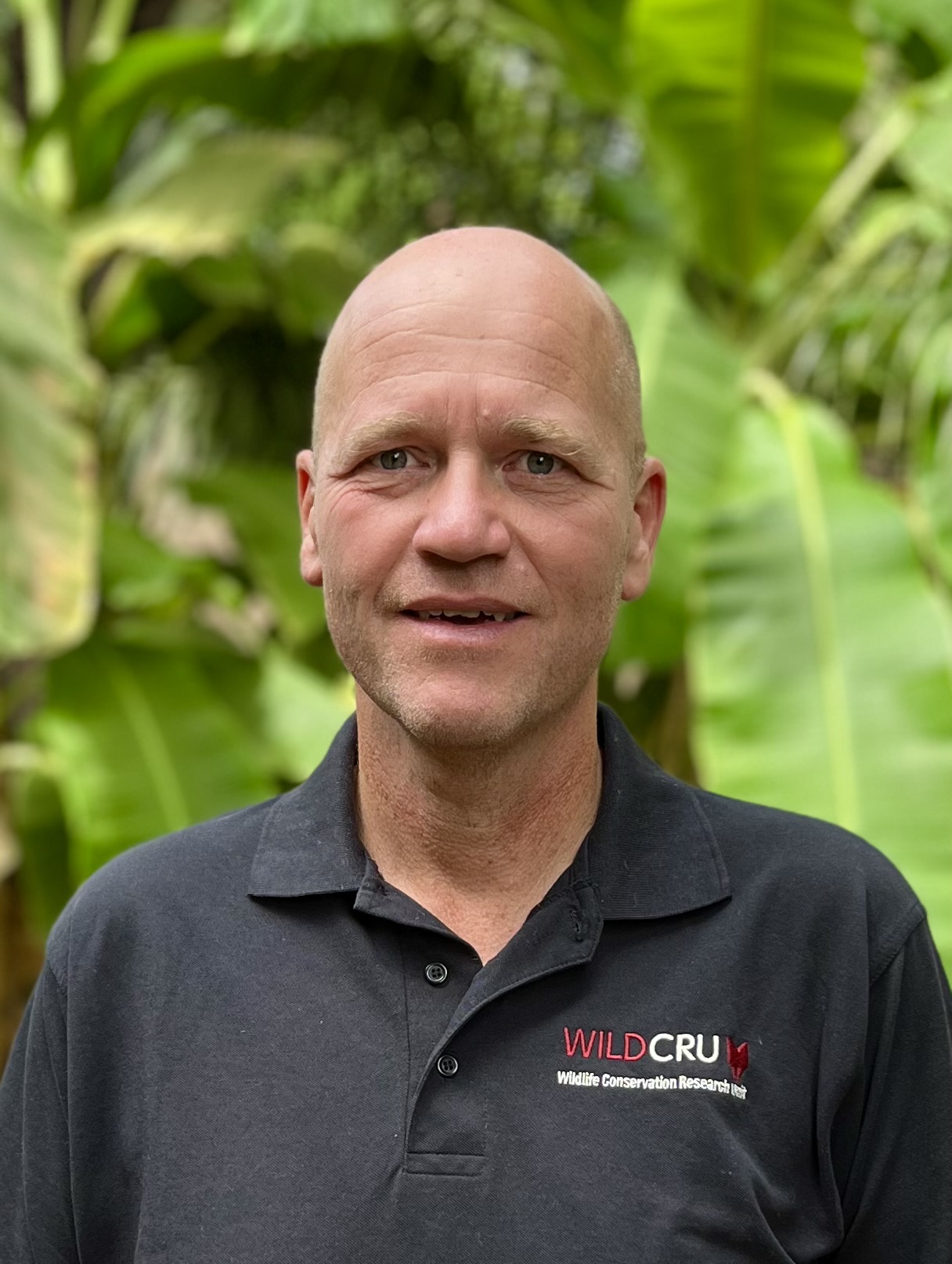 Hans Bauer合作论文数Department of Biology, University of Oxford;Wildlife Conservation Research Unit, Department of Zoology, University of Oxford7
 Kristina Kesch合作论文数6
 Lisanne Petracca合作论文数School of Aquatic and Fishery Sciences, University of Washington6Peter Coals合作论文数Wildlife Conservat Res Unit, Univ Oxford6
 Cole Burton合作论文数Department of Forest Resources Management, Faculty of Forestry, The University of British Columbia6
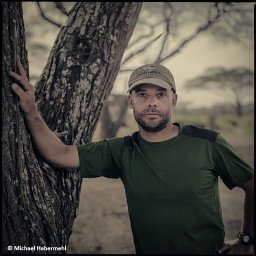 Henschel Philipp合作论文数Panthera6
 Egil Droge合作论文数6
 Andrew Markham合作论文数Department of Computer Science, University of Oxford6
 Vivienne L. Williams合作论文数School of Animal, Plant and Environmental Science, University of the Witwatersrand6
 Charlotte E. Searle合作论文数Lion Landscapes, Iringa, Tanzania5
 Holly O'Donnell合作论文数Wildlife Conservat Res Unit, Univ Oxford5
 Paolo Strampelli合作论文数Panthera5
 Nicolas Courbin合作论文数Laval University, CRSNG-Laval University5
 Stephen Garnett合作论文数Research Institute for Environment and Livelihoods, Faculty of Science and Technology, Charles Darwin University5Colleen Begg合作论文数5Laurence Frank合作论文数5
 Tom P. Moorhouse合作论文数Recanati Kaplan Ctr, Univ Oxford5
 Michael V. Flyman合作论文数5Roger H. Parry合作论文数4
 Timothy Kuiper合作论文数Dept Zool, Univ Oxford4




