Kelp forests are among the most extensive and productive coastal ecosystems, yet they remain underrepresented in global conservation policy despite widespread declines driven by interacting global- (i.e., ocean warming, marine heatwaves) to local-scale stressors. At the same time, kelp conservation and restoration efforts are expanding rapidly across regions, but measures of success and syntheses tend to primarily focus on ecological conditions and trends, not on conservation and restoration actions. To fill this gap, we developed a comparative global dataset of kelp conservation initiatives based on expert-derived regional narratives from 209 participants spanning 35 regions with kelp forests. We applied a structured presence–absence scoring framework across six domains: conservation actions, restoration approaches, governance actors, conservation objectives, social dimensions, and funding structures, supplemented by regional expert knowledge to enable cross-regional comparison. Across regions, conservation was characterised by strong emphasis on monitoring (86
This paper reviews the context and prospects for markedly improved sustainability of marine ecosystems and resources in China, based on accounting of marine ecosystem services and natural capital along with supporting policy and governance frameworks, in turn based on existing approaches in China's terrestrial social-ecological systems. Such integrated accounting, policy, and governance would provide a unique, novel, and innovative approach to regional-scale, sustainable ocean management. China is uniquely placed to implement such accountability, given the extensive adoption of accountability in terrestrial landscapes and the strong commitment to "ecological civilization" at the highest levels of national policy. Specifically, the paper outlines: The current, seriously degraded state of marine ecosystems and resources in China, largely due to economic drivers that ignore the valuable economic services provided by healthy marine ecosystems;The critical context of, and high-level commitment to, China's considerable development of environmental accounting, implementation and governance frameworks in terrestrial landscapes;Existing approaches for assessing marine natural capital in China, and the relationships between them;Currently available assessments;Current governance arrangements for marine ecosystem management in China.The paper then provides a potential implementation pathway for a system of standardised, nationally integrated, provincially-implemented marine environmental accounts, policy and governance, adapted from existing terrestrial arrangements. Such accounting, if embedded in rigorous governance and policy structures to drive real-world implementation, could generate a major improvement in sustainability of China's marine ecosystems. Given the extent of China's marine jurisdiction, and severity of ongoing degradation, such improvement could have enormous environmental and economic benefits within China, and at a global scale.
Observation of coral spawning times is valuable to detect spawning patterns and identify the potential mechanisms behind coral reproduction. Although large amount of data on global coral spawning records have become available over the past decades, information on coral spawning in the northern South China Sea remains scarce. In this study, we investigated the spawning patterns of scleractinian corals in Luhuitou fringing reef, Hainan Island, China, from 2009 to 2021 in relation to lunar cycles (month and day). The spawning times of 22 coral species from five genera (Acropora, Montipora, Platygyra, Dipsastraea, and Galaxea) within three families (Acroporidae, Merulinidae, and Euphylliidae) were recorded, with spawning occurring from lunar February to May 2009–2021. Recorded spawning events started at a period of increasing seawater temperature. Acropora, the most documented genus, spawned between lunar February and April, but primarily in lunar March. Importantly, the spawning time of Acropora was delayed for one lunar month in 2016 most likely due to a rapid decrease in monthly mean seawater temperature in lunar February. Spawning lunar days before, on or after full moon of corals in the Luhuitou Reef, including those of the Acropora species, were highly variable between years even for the same species. No predictable pattern of spawning times can thus be detected. Nonetheless, our results fill up an information gap on coral spawning patterns in the northern South China Sea that may be useful for further understanding of the reproductive biology of scleractinian corals throughout the Indo–West Pacific.
Underwater visual understanding has recently gained increasing attention within the computer vision community for studying and monitoring underwater ecosystems. Among these, coral reefs play an important and intricate role, often referred to as the rainforests of the sea, due to their rich biodiversity and crucial environmental impact. Existing coral analysis, due to its technical complexity, requires significant manual work from coral biologists, therefore hindering scalable and comprehensive studies. In this paper, we introduce CoralSCOP, the first foundation model designed for the automatic dense segmentation of coral reefs. CoralSCOP is developed to accurately assign labels to different coral entities, addressing the challenges in the semantic analysis of coral imagery. Its main objective is to identify and delineate the irregular boundaries between various coral individuals across different granularities, such as coral/non-coral, growth form, and genus. This task is challenging due to the semantic agnostic nature or fixed limited semantic categories of previous generic segmentation methods, which fail to adequately capture the complex characteristics of coral structures. By introducing a novel parallel semantic branch, CoralSCOP can produce high-quality coral masks with semantics that enable a wide range of downstream coral reef analysis tasks. We demonstrate that CoralSCOP exhibits a strong zero-shot ability to segment unseen coral images. To effectively train our foundation model, we propose CoralMask, a new dataset with 41,297 densely labeled coral images and 330,144 coral masks. We have conducted comprehensive and extensive experiments to demonstrate the advantages of CoralSCOP over existing generalist segmentation algorithms and coral reef analytical approaches.
Scleractinian corals are increasingly subjected to local stressors combined with global changes. In subtropical areas, corals exhibit metabolic plasticity and resilience in response to variability and extremes in local temperature, salinity, and light; however, the physiological mechanisms by which corals acclimate or adapt to these changing conditions remain disputed. We assessed the physiological status of the coral Platygyra carnosa during a two-year in situ monitoring survey. To obtain metabolic rates (respiration and photosynthesis), photochemical efficiency (Fv / Fm), and biocalcification measurements, non-invasive techniques such as underwater respirometry, Pulse Amplitude Modulated (PAM) fluorometry, total alkalinity measurements, and digital photography were used. Our findings show clear seasonality in water quality parameters, which affected coral health. Elevated temperatures during the summer were below the maximum monthly mean < 31°C) but reduced the energetic productivity of corals (-44% relative to winter). Fluctuations in salinity (25–38 ppt) and pH (7.65–8.44) were linked to rainfall and reduced calcification rates. The conditions during the spring were favorable for coral metabolism and calcification (+20% relative to summer). Overall, our research demonstrates that the metabolic plasticity of P. carnosa in response to shifts in seawater quality allows this species to survive ongoing environmental change. Our in situ observations provide fundamental insights into coral response mechanisms under changing environmental conditions and contribute to projections of coral health under future scenarios of global change.
Coral reefs in the Central Indo-Pacific region comprise some of the most diverse and yet threatened marine habitats. While reef monitoring has grown throughout the region in recent years, studies of coral reef benthic cover remain limited in spatial and temporal scales. Here, we analysed 24,365 reef surveys performed over 37 years at 1972 sites throughout East Asia by the Global Coral Reef Monitoring Network using Bayesian approaches. Our results show that overall coral cover at surveyed reefs has not declined as suggested in previous studies and compared to reef regions like the Caribbean. Concurrently, macroalgal cover has not increased, with no indications of phase shifts from coral to macroalgal dominance on reefs. Yet, models incorporating socio-economic and environmental variables reveal negative associations of coral cover with coastal urbanisation and sea surface temperature. The diversity of reef assemblages may have mitigated cover declines thus far, but climate change could threaten reef resilience. We recommend prioritisation of regionally coordinated, locally collaborative long-term studies for better contextualisation of monitoring data and analyses, which are essential for achieving reef conservation goals.
The seasonal and individual variations (between holdfast, basal, middle, upper blade regions and receptacles) of mannitol in Sargassum siliquastrum collected monthly over a 30-month period were investigated using HPLC. Seasonal variations of mannitol ranged from about 1 to 17
Introduction Climate change has resulted in elevated sea surface temperature as well as increased frequency of extreme weather events, e.g. cyclones and rainstorms, which could lead to reduced seawater salinity. While temperature effects on corals have been widely examined, the combined effects of both temperature and salinity on corals, especially their early stages, remain poorly known. This study aimed to examine how the larvae of Acropora pruinosa in a marginal coral habitat, Hong Kong, respond to high temperature (+5°C ambient, HT), low salinity (26 psu, LS), and the combined effects of both stressors (HTLS). Methods We recorded larval survival and settlement success under different experimental treatments, and used RNA-Seq technique to compare the gene expression patterns of these larvae to understand the underlying molecular mechanism of stress responses. Results Our results showed that the survivorship of coral larvae was not affected in all experimental treatments, with all larvae surviving through the 72-hour period of the experiment. Yet, larval settlement was compromised under all stress treatments. The settlement rates were 39.3%, 12%, and 0% for the elevated temperature, reduced salinity, and the combined treatment, respectively, which were all significantly lower than that under the control treatment (78%). We demonstrated that low salinity (LS) triggered responsive gene sets with functions in ATP production, protein translation, and receptor for neuroactive ligands. In addition, high temperature (HT) treatment also triggered MAPK and NF-kB signaling and apoptosis in these coral larvae. The combined stressor treatment (HTLS) acted synergistically, resulting in the up-regulation of intracellular transducers that could trigger the intrinsic apoptosis pathway. This may explain the total failure in larval settlement under HTLS that could further increase larval vulnerability in the natural environment. Discussion Our results provide new insights into the molecular responses of coral larvae and represent an essential first step in expanding ourunderstanding of the mechanisms of tolerance that may be exhibited by coral larvae exposed to multiple stressors.
Prokaryotic species, defined with operational thresholds, such as 95% of the whole-genome average nucleotide identity (ANI) or 98.7% similarity of the 16S rRNA gene sequences, commonly contain extensive fine-grained diversity in both the core genome and the accessory genome. However, the ways in which this genomic microdiversity and its associated phenotypic microdiversity are organized and structured is poorly understood, which disconnects microbial diversity and ecosystem functioning.
We surveyed 41 sites to provide an updated baseline of Hong Kong coral communities. Five community types were identified, among them the most common one inhabited oceanic waters and dominated by both massive and upward-plating corals. The 41 sites had 2.1–79% coral cover; among them 21 in the eastern waters had >40% coral cover. Corals in several sites showed signs of external bioerosion or bleaching-induced damage. Sites in the southern waters had low coral cover. Both coral cover and generic richness correlated negatively with several water quality parameters including total inorganic nitrogen concentration and turbidity, indicating the development of Hong Kong's coral communities is constrained by water quality parameters. Management actions are proposed to reduce bioerosion, and to monitor sites affected by bleaching.
Coral mucus, tissue, and skeleton harbor compositionally different microbiota, but how these coral compartments shape the microbial evolution remains unexplored. Here, we sampled bacteria inhabiting a prevalent coral species Platygyra acuta and sequenced genomes of 234 isolates comprising two populations in Rhodobacteraceae, an alphaproteobacterial lineage representing a significant but variable proportion (5–50%) of the coral microbiota. The Ruegeria population (20 genomes) contains three clades represented by eight, six, and six isolates predominantly sampled from the skeleton (outgroup), mucus (clade-M), and skeleton (clade-S), respectively. The clade-M possesses functions involved in the utilization of coral osmolytes abundant in the mucus (e.g., methylamines, DMSP, taurine, and L-proline), whereas the clade-S uniquely harbors traits that may promote adaptation to the low-energy and diurnally anoxic skeleton (e.g., sulfur oxidation and swimming motility). These between-clade genetic differences were largely supported by physiological assays. Expanded analyses by including genomes of 24 related isolates (including seven new genomes) from other marine environments suggest that clade-M and clade-S may have diversified in non-coral habitats, but they also consolidated a key role of distinct coral compartments in diversifying many of the above-mentioned traits. The unassigned Rhodobacteraceae population (214 genomes) varies only at a few dozen nucleotide sites across the whole genomes, but the number of between-compartment migration events predicted by the Slatkin–Maddison test supported that dispersal limitation between coral compartments is another key mechanism diversifying microbial populations. Collectively, our results suggest that different coral compartments represent ecologically distinct and microgeographically separate habitats that drive the evolution of the coral microbiota.
Hong Kong is considered to be a marginal area for coral growth due to its subtropical geography with relatively low winter sea temperatures. Corals can only form non-reefal communities and are believed to host only a low diversity of symbionts with limited flexibility in their symbiont changes. Whether these previously predicted low symbiont diversity is true or is simply a technical artifact and whether these symbionts are generalists or specialists have not fully resolved. To address these issues, we investigated symbiodiniacean diversity and community structure of 30 species of Hong Kong corals using high-throughput sequencing of the nuclear ribosomal RNA gene ITS2. We found high Symbiodiniaceae species richness, with each coral hosting multiple distinct ITS2 symbiont types. Using SymPortal pipeline to alleviate effects of intraspecific ITS polymorphism, the 4662 Symbiodiniaceae ITS2 sequence variants (DIVs) found in our samples were collapsed into 13 distinct ITS2-type profiles, covering Symbiodinium, Breviolum, Cladocopium, and Durusdinium genera, seven of which were coral specific. Cladocopium goreaui was the most diversified (six profiles) and prevalent lineage, dominating the symbiont communities in 29 of the 30 corals species examined. The stress-tolerant Oulastrea crispata was exceptional as its symbionts were dominated by Durusdinium eurythalpos (D13-D13b-D12-D13c profile). Interestingly, Cladocopium C15 was diversified into two ITS2-type profiles, one being Porites lobata specific, while the other was associated with both P. aranetai and P. lutea. Overall, most corals harbor a single dominant generalist symbiont, while some corals host both generalist and specialist symbionts. This work lays the foundation for future research to understand how the generalist and specialist as well as dominant and rare symbionts contribute to the responses and resilience of their host corals against environmental fluctuations in a marginal coral ecosystem, like that in Hong Kong.
Reef-building corals are found across > 30° of latitude from tropical to temperate regions, where they occupy habitats greatly differing in seawater temperature and light regimes. It remains largely unknown, however, how the demography of corals differs across this gradient of environmental conditions. Variation in coral growth is especially important to coral populations, because aspects of coral demography are dependent on colony size, with both fecundity and survivorship increasing with larger colonies. Here we tested for latitudinal variation in annual growth rate and survival of juvenile corals, using 11 study locations extending from 17° S to 33° N in the West and South Pacific. Regression analyses revealed a significant decline in annual growth rates with increasing latitude, whereas no significant latitudinal pattern was detected in annual survival. Seawater temperature showed a significant and positive association with annual growth rates. Growth rates varied among the four common genera, allowing them to be ranked Acropora > Pocillopora > Porites > Dipsastraea. Acropora and Pocillopora showed more variation in growth rates across latitudes than Porites and Dipsastraea. Although the present data have limitations with regard to difference in depths, survey periods, and replication among locations, they provide evidence that a higher capacity for growth of individual colonies may facilitate population growth, and hence population recovery following disturbances, at lower latitudes. These trends are likely to be best developed in Acropora and Pocillopora, which have high rates of colony growth.
During the summer of 2017 we visited 33 sites with substantial coral cover across Hong Kong waters. At six sites where coral bleaching was observed, video-transect surveys were conducted, which revealed 18.7% to 56.1% bleached colonies and 5.9% to 57.6% bleached coral covered area per site. Mainly affected were three plate-like and three massive coral species. Water quality parameters were analyzed, which indicated that hyposalinity might have triggered the bleaching event. Tagging and follow-up field observation revealed a pattern of recovery depending on coral growth form, with high recovery rates (>93%) at five sites dominated by massive and submassive corals, but moderate (70%) at a site dominated by plate-like corals. Our study shows that the corals of Hong Kong exhibit differential susceptibility to bleaching and ability to recover, therefore it is imperative to establish a long-term monitoring programme to detect the changes in community structure over time.
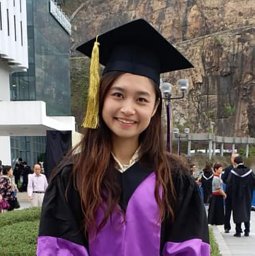 Apple Pui Yi Chui合作论文数State Key Laboratory of Marine Pollution, City University of Hong Kong;School of Life Sciences, The Chinese University of Hong Kong;City University of Hong Kong, The Chinese University of Hong Kong18
 Chi Chiu Cheang合作论文数15
 Jian-Wen Qiu (邱建文)合作论文数Department of Biology,Faculty of Science,Hong Kong Baptist University14
 Ryan Ho Leung Tsang合作论文数13
 Tsz Yan Ng合作论文数8Vincent E. C. Ooi合作论文数7
 CHAN Lai Leo (陳荔)合作论文数State Key Laboratory of Marine Pollution, City University of Hong Kong7
 Walter Dellisanti合作论文数Department of Applied Biology and Chemical Technology, The Hong Kong Polytechnic University6
 Hui Huang (黄晖)合作论文数中国科学院南海海洋研究所6
 Satoshi Mitarai合作论文数Marine Biophysics Unit, Okinawa Institute of Science and Technology Graduate University6Chow Wing-kuen合作论文数6Xie James合作论文数6Makamas Sutthacheep合作论文数Faculty of Science, Ramkhamhaeng University6Vec Ooi合作论文数5Kwan Ting Wong合作论文数5
 Yip Hung Yeung合作论文数Department of Biology, Hong Kong Baptist University5王辉合作论文数School of Medicine, Jinan University5
 Jonathan Y.S. Leung合作论文数5
 Jill Man Ying Chiu (招文媖)合作论文数Department of Biology, Faculty of Science, Hong Kong Baptist University5
 Paul K.S. Chan (陳基湘)合作论文数Department of Microbiology, Faculty of Medicine, The Chinese University of Hong Kong;New Territories East Cluster, Hong Kong Hospital Authority;Centre of Research and Promotion of Women's Health5Paul K. S. Shin合作论文数Department of Biology and Chemistry, City University of Hong Kong5
 Siu Gin Cheung (張肇堅)合作论文数Department of Chemistry, College of Science, City University of Hong Kong5
 Ka Hou Chu合作论文数School of Life Sciences, Faculty of Science, The Chinese University of Hong Kong5Pck Cheung合作论文数4
 Atsushi Fujimura合作论文数4
 Jiajun Wu (吴佳俊)合作论文数4
 Rajan Vengatesen合作论文数Research Division for Ecology & Biodiversity, Faculty of Science, The University of Hong Kong4
 Yuichi Nakajima合作论文数Marine Biophysics Unit, Okinawa Institute of Science and Technology Graduate University4
 Robert C. Carpenter合作论文数College of Science and Math, California State University4
 Thamasak Yeemin合作论文数Ramkhamhaeng University, Ramkhamhaeng University4
 Loke Ming Chou合作论文数Marine Biology Laboratory, National University of Singapore4
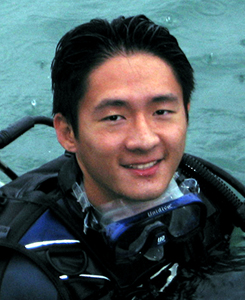 Danwei Huang合作论文数Reef Ecology Lab, National University of Singapore;Lee Kong Chian Natural History Museum;Department of Biological Sciences, National University of Singapore;Tropical Marine Science Institute, National University of Singapore;Centre for Nature-based Climate Solutions, National University of Singapore4Tze-Wai Tam合作论文数4
 Robert John Toonen (Robert J. Toonen)合作论文数Hawaii Institute of Marine Biology, University of Hawaii at Manoa;Department of Biology, School of Life Sciences, University of Hawaii at Manoa4C. C. Cheang合作论文数3C. K. Kwok合作论文数3
 Chung Wing Yeung合作论文数3Li-Chia Liu合作论文数3Keith Kei合作论文数3
 Bert Hoeksema合作论文数Taxonomy and Systematics Group, Naturalis Biodiversity Center;Faculty of Science and Engineering, University of Groningen3Chun Kit Kwok合作论文数3Shelby E. Mcilroy合作论文数Swire Institute of Marine Science, School of Biological Sciences, The University of Hong Kong3
 Delin Duan (段德麟)合作论文数Institute of Oceanology, Chinese Academy of Sciences3
 Peter J. Edmunds合作论文数College of Science and Mathematics, California State University, Northridge3
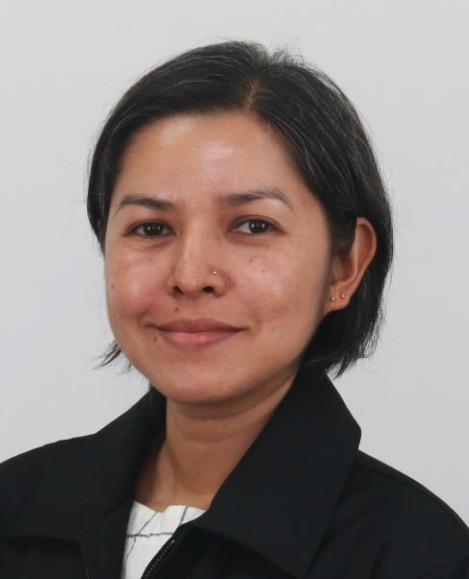 Zarinah Waheed合作论文数Institut Penyelidikan Marin Borneo, Universiti Malaysia Sabah;Naturalis Biodiversity Center3W. Zhu合作论文数3
 Jiansheng Lian (练建生)合作论文数中国科学院南海海洋研究所热带海洋环境动力学重点实验室3
 Sung Min Boo合作论文数3
 Mark Lovell Wells (Mark Wells)合作论文数School of Marine Sciences, University of Maine3




