A myriad of pathological process may involve the pituitary stalk (infundibulum), and despite extensive investigations, biopsy is often required. Due to the rarity of the procedure, the risks and yield of stalk biopsy are not well known, with important implications for clinical decision making. A systematic review was performed in accordance with the PRISMA statement. Studies that reported diagnostic yield and complication rates after stalk biopsy were included. Bias was assessed using ROBINS-V2. A total of 13 studies, including 832 patients and 406 biopsies were included. Mean time from diagnosis to biopsy was 11 months. Preoperative visual symptoms were seen in 29.1
Prolactinomas (lactotroph pituitary neuroendocrine tumours) account for almost half of all pituitary tumours and significantly affect quality of life. Dopamine agonists (DA) are effective in achieving biochemical control in prolactinoma, but rates of long-term biochemical remission off therapy are low, and there is an increasing recognition of a broad range of adverse drug reactions, particularly psychiatric. Surgery is a safe and effective treatment for microadenomas and non-invasive macroadenomas, achieving significantly higher rates of biochemical remission compared to DA. Moreover, surgical remission mitigates the significant side effects, costs, quality of life detriment, and treatment-related anxiety associated with sustained DA therapy. With advances in surgical technique and experience, even cases with invasion of the medial wall of the cavernous sinus or cavernous sinus compartment may be candidates for curative resection. Giant and invasive tumours still present a challenge to the surgeon, and DA is preferred upfront. Surgery in these tumours is required when DA fail to achieve biochemical control or adequate tumour shrinkage. Current research aims to delineate which patients may benefit most from upfront surgery and if preoperative DA hinder optimal surgical outcomes. In all patients with prolactinoma, the endocrine and oncological benefits of resection must be weighed against the risks of surgery, requiring multidisciplinary discussion and individualised decision making. Early referral to a pituitary tumour centre of excellence facilitates balanced decision making and optimal treatment for patients with prolactinoma.
This Pituitary Society Consensus article presents an evidence-based consensus on the management of pituitary incidentaloma, defined as an unexpected sellar or parasellar finding incidentally discovered on an imaging study that was not performed for a clinically suspected pituitary lesion. Recommendations are offered for when endocrinology, neurosurgery and ophthalmology consultation, dedicated pituitary imaging, pituitary hormone testing and visual assessment are warranted for macroadenomas, microadenomas, cystic lesions and empty sella, as well as when surgical resection is indicated for incidental pituitary adenomas and cystic sellar lesions. Special considerations in patients with multiple endocrine neoplasia type 1, children and adolescents, older people, and pregnant women are addressed. The Consensus workshop concluded that diagnostic and management approaches should be individualized to the specific clinical context of an incidentally discovered pituitary lesion. Consultation with a multidisciplinary pituitary tumour centre of excellence should be considered in the presence of new or deteriorating lesion-specific signs or symptoms, particularly when surgical or other adjuvant interventions are being considered and when there is uncertainty about the most appropriate subsequent management. This international Consensus Statement provides guidelines on the management of pituitary incidentalomas.
PURPOSE:Pituitary tumours are relatively common, and familial in approximately 5% of cases. However, germline genetic contributions to pituitary tumour development are incompletely characterised. Preliminary evidence suggests pituitary tumours may be promoted by variants in pituitary organogenesis genes. Our study aimed to identify rare germline variants in pituitary organogenesis genes that may contribute to pituitary tumour development. METHODS:A familial case of pituitary disease was investigated. We also examined 36 pituitary organogenesis genes in 134 individuals with pituitary tumours using a targeted next-generation sequencing panel, identifying and characterising variants with a population allele frequency < 0.05%. RESULTS:One patient with a prolactin-secreting pituitary tumour and his daughter with combined pituitary hormone deficiency shared a rare germline variant in FGFR1, c.386 A > C, p.(D129A). In our broader study, we identified an additional individual with the FGFR1 D129A variant and demonstrated enrichment compared to a control population derived from the Genome Aggregation Database (gnomAD). We also observed 66 rare germline variants in pituitary organogenesis genes amongst 54/134 individuals (40%). However, compared to control data, the study cohort exhibited no enrichment for other rare variants in FGFR1, FGF-related genes, or other pituitary embryogenesis genes. CONCLUSION:Our results suggest that the FGFR1 D129A variant may be associated with pituitary tumorigenesis but the role of other pituitary embryogenesis genes remains unclear. Additional independent cohorts and functional studies are required.
Frailty is a state of physiological vulnerability rendering patients susceptible to adverse perioperative outcomes after neurosurgery. The effect of frailty on surgical success and complication rates in patients undergoing transsphenoidal pituitary surgery is unclear. A systematic review of the literature was performed in accordance with the PRISMA statement. Studies that utilised validated metrics to report the effect of frailty on pituitary surgery were included. A total of 13 studies were included, comprising 124,989 patients. Frailty was exclusively assessed with cumulative deficit metrics, however there was significant heterogeneity in patient population, frailty definitions and assessment, and outcomes. Frail patients undergoing transsphenoidal surgery experienced higher rates of medical complications, resulting in longer hospital stays, greater hospitalisation costs, higher rates of unplanned readmission, more discharges to a destination other than home, and increased mortality. These outcomes directly correlated with increasing degrees of frailty. Surgical outcomes were not affected by frailty, with similar rates of biochemical remission, visual recovery, and improvement in quality of life. Frailty is seen in a minority of patients undergoing pituitary surgery, but is an important indicator of perioperative risk. Frailty assessment should not be used as a reason to withhold surgery, but rather to predict and mitigate perioperative complications to improve outcomes in pituitary surgery.
OBJECTIVE:Pituitary tumors are a heterogeneous group of neoplasms exhibiting a wide range of clinical and histological features. There are currently no comprehensive clinically validated prognostic tools to guide management of all tumor types before and after surgery. Recently, the PANOMEN 3 classification, incorporating risk factors for disease severity, was proposed as a potential grading system to assess prognosis. We aimed to evaluate the clinical utility and application of the new PANOMEN 3 classification. DESIGN AND METHODS:We conducted a retrospective study of 215 cases of pituitary tumors surgically resected at Westmead Hospital between 2011 and 2018. All tumors were histologically examined according to the 2022 WHO Classification of pituitary tumors. Preoperative and postoperative PANOMEN 3 grades were assigned, and recurrence analyses performed. Results were compared to the French clinicopathological classification. RESULTS:Compared to PANOMEN 3 grade 0, risk of recurrence was highest for grade 3 (HR 10.99; 95% CI 1.14-106.11, P = .038), followed by grade 2 (HR 7.85; 95% CI 1.06-58.31, P = .044), but not significantly different for grade 1. Proportions of tumors needing further intervention was greater with higher PANOMEN 3 grades; interventions occurred earlier in high grade tumors. The French classification remained a significant predictor of recurrence when adjusted for PANOMEN 3 (P < .001), but PANOMEN 3 was not a strong predictor when adjusted for French classification (P = .374). CONCLUSIONS:In the postoperative setting, PANOMEN 3 classification is useful in prediction of recurrence and need for further therapy. However, it was a weaker tool for predicting recurrence than the French classification.
Heritable genetic contributions to familial and sporadic pituitary tumorigenesis are poorly understood. There is emerging evidence that germline variants in classical cancer susceptibility genes may increase the risk of pituitary tumour development. We aimed to identify and assess the rate of pathogenic germline variants in breast and colorectal cancer susceptibility genes that may promote pituitary tumorigenesis. Using a next-generation sequencing panel, we analysed 26 cancer susceptibility genes in 136 patients with suspected familial or sporadic pituitary tumours. Rates of pathogenic germline variation were compared against the gnomAD database. We identified nine pathogenic or likely pathogenic germline variants in eight patients, within ATM, BRCA2, CHEK2, MUTYH, MLH1 and APC. We also detected three pathogenic somatic variants in TP53 and MSH6 in two patients. Compared to the general population, more pathogenic germline variants in cancer predisposition genes were found in patients with pituitary tumours (relative rate 1.44, p = 0.46), particularly in mismatch repair genes, albeit not statistically significant. We additionally identified a trend of a larger burden of pathogenic cancer susceptibility gene variants in individuals with classical pituitary tumour predisposition pathogenic variants, compared to those without (29
BACKGROUND:Cyclic Cushing's syndrome (cCS) features fluctuating cortisol secretion, often causing diagnostic errors or delays, and possibly poorer outcomes. We aimed to identify unpublished cCS cases to characterise clinical challenges and guide strategies for improving outcomes by characterising cycle patterns, peak frequency, and evaluating complications. METHODS:This was a retrospective observational study at 43 endocrine centres in 21 countries, including patients with confirmed Cushing's syndrome showing two or more hypercortisolaemic peaks and one or more spontaneous eucortisolaemic or hypocortisolaemic trough. Data included both clinical (eg, comorbidities and physical signs of cortisol excess) and biochemical (eg, screening and confirmatory tests) parameters, imaging, treatment, complications, and outcomes. FINDINGS:Between Dec 1, 2023 and Feb 2, 2025, 116 potentially eligible patients were identified and 110 were included. Most patients were female (84 [76%] of 110 patients), with a median age at diagnosis of 44·0 years (IQR 31·8-58·3). cCS origin was pituitary in 70 (64%), ectopic in 25 (23%), adrenal in three (3%), and occult in 12 (11%). Cyclicity was primarily determined by 24 h urinary free cortisol, with median peaks of 7·40 × ULN (range 0·44-299) and troughs of 0·31 × ULN (0·02-0·98). The median peak count was 3·0 (IQR 2·0-4·0), mostly (55 [86%] of 64 patients) occurring at irregular intervals, and was most frequent and pronounced in ectopic cCS. Symptoms worsened in 87 (81%) of 108 patients during peaks and improved in 79 (74%) of 107 patients during troughs; 31 (28%) of 110 patients had spontaneous adrenal insufficiency. Bilateral inferior petrosal sinus sampling (BIPSS) was performed during troughs in 14 patients (18% of the 78 procedures done). Imaging missed tumours in 35 (32%) of the 110 patients, and nine (8%) underwent unwarranted surgeries at the wrong anatomical site due to misclassification. After 5·8 years (IQR 2·6-10·5) median follow-up, 55 (50%) of 110 patients had complete biochemical surgical remission, seven (6%) had spontaneous remission, 22 (20%) were medically controlled, six (5%) had partial remission, 11 (10%) remained uncontrolled, nine (8%) were lost to follow-up. During the entire observation period, 3% (3/110) died. Delayed diagnosis (45 [41%] of 110 patients) and therapy (47 [43%]) were also observed. INTERPRETATION:Even in specialised centres, cCS diagnosis and management remain challenging with high rates of spontaneous adrenal insufficiency, inappropriate surgeries, and poor outcomes. Ectopic cCS showed the most frequent and severe peaks. These findings might help to guide imaging localisations or the timing of BIPSS in patients with active occult ACTH-dependent cCS. Hypercortisolism needs to be biochemically confirmed before BIPSS to enable correct tumour localisation. Patients with suspected or proven cCS should be equipped with salivary cortisol collection kits to capture dynamic changes as well as being prescribed glucocorticoids to be used as a precaution. FUNDING:None.
The objective of this study was to establish recommendations for thromboprophylaxis in patients with endogenous Cushing's syndrome (CS), addressing the elevated risk of venous thromboembolism (VTE) associated with hypercortisolism. A Delphi method was used, consisting of 4 rounds of voting and subsequent discussions. The panel included 18 international experts from 11 countries and 4 continents. Consensus was defined as ≥75% agreement among participants. Recommendations were structured into the following categories: thromboprophylaxis, perioperative management, and VTE treatment. Consensus was reached on several critical areas, resulting in 14 recommendations. Key recommendations include: thromboprophylaxis should be considered at time of CS diagnosis and continued for 3 months after biochemical remission, provided there are no obvious contraindications. The standard weight-based prophylactic dose of low molecular-weight heparin is the preferred agent for thromboprophylaxis in patients with CS. Additionally, perioperatively and around inferior petrosal sinus sampling, thromboprophylaxis should be reconsidered if not already initiated at diagnosis. For VTE treatment, extended thromboprophylaxis is advised continuing for 3 months after Cushing is resolved. These Delphi consensus-based recommendations aim to standardize care practices and enhance patient outcomes in CS by providing guidance on thromboprophylaxis, including its initiation and continuation across various disease states, as well as the preferred agents to use. The panel also highlighted key areas for further research, particularly regarding the use of direct oral anticoagulants in CS and the management of mild CS and mild autonomous cortisol secretion. Additionally, the optimal duration of anticoagulant prophylaxis following curative treatment remains uncertain.
Pituitary surgery is the mainstay treatment for most pituitary adenomas, but many questions remain about perioperative and long-term management and outcomes. This study aimed to identify the most pressing research priorities in pituitary surgery with input from patients, caregivers, and healthcare professionals. An initial survey of patients, caregivers, and healthcare professionals assembled priorities related to preoperative care, surgical techniques, and postoperative management in pituitary surgery. Priorities were thematically grouped into summary priorities, and those answered by existing evidence were omitted following a literature review. An interim survey asked patients, caregivers, and healthcare professionals to select their top 10 priorities from the remaining list. The highest-ranked priorities advanced to a consensus meeting, where the top 10 questions were prioritized. In the initial survey, 147 participants-60.5% of whom were patients, caregivers, or patient support group representatives-submitted 785 priorities, which were then condensed into 52 summary priorities. After a literature review, 33 unanswered priorities were included in the interim survey, completed by 155 respondents, of whom 54.2% were patients, caregivers, or patient support group representatives. The top-ranked priorities were discussed by 14 participants (7 patients and 7 healthcare professionals) during a consensus meeting. The top 10 priorities covered a variety of themes including enhancing diagnosis and management of pituitary adenomas, advancing surgical techniques and technologies, optimizing the prediction of outcomes and complications, and improving patient support and follow-up. The top 10 research priorities in pituitary surgery aim to align researchers and direct funding in order to maximize impact and champion patient representation.
Detection of pituitary incidentalomas is increasing in frequency with the use of advanced imaging techniques. As an adjunct to publication of consensus guidelines on management of pituitary incidentalomas, the Pituitary Society sought to understand patient perceptions of their diagnosis, prognosis, and follow-up. An electronic survey developed in English and translated into Japanese and Portuguese was sent to the World Alliance of Pituitary Organizations, Australian Pituitary Foundation, Pituitary Foundation UK, Associação Brasileira Addisoniana, Instituto Vidas Raras, and Pituitary Patient Advocacy Group Japan. These organizations subsequently disseminated the survey to their patient members. Survey responses were analyzed using a mixed-methods approach to capture qualitative and quantitative data. 275 patients responded to the survey, primarily from the United Kingdom (31
Pituitary tumours, originating from endocrine cells of the anterior pituitary, are quite common, and in most cases well-controlled by surgery or medical treatment. However, a small subset of pituitary tumours presents with multiple local recurrences or tumour progression despite combined surgical, medical or radiotherapeutic treatment. These are known as aggressive pituitary tumours (APT); also called aggressive pituitary neuroendocrine tumours (PitNETs); or, in the rare case of metastases, pituitary carcinomas (PC) or metastatic PitNETs. Early identification of APT is challenging but is of major clinical importance as they are associated with an increased morbidity and mortality even in the absence of metastases. Here, we provide a revision of the first international, interdisciplinary European Society of Endocrinology (ESE) clinical practice guideline on APTs and PC (2018). Since publication of the 2018 guideline, results from the second ESE survey on APT and PC were published, and more data on APT treatment, including temozolomide, immune checkpoint inhibitors and bevacizumab, emerged. These data are reviewed in this guideline and translated into a practical algorithm to guide APT and PC management. Furthermore, standardized reporting of imaging and histopathological investigations of these tumours is proposed, and the role of molecular analysis is discussed. Last, a section is dedicated to special circumstances such as APT in pregnancy.
Papillary craniopharyngioma (PCP) and adamantinomatous craniopharyngioma (ACP) are distinct, slow-growing tumors of the suprasellar region. Their location, composition, and biology have historically evaded successful surgical radiation and medical therapy. Meanwhile compromise of critical structures either by tumor or treatments increase morbidity, impacting patient and carer quality of life. There has been a paradigm shift in the management of PCP, stemming from the discovery of BRAFV600E mutation in its tumorigenesis. Such a treatment breakthrough may soon be the case for ACP, changing the landscape of craniopharyngioma management. We use a case of ACP partially responding to ERK inhibitor therapy to demonstrate chronicity of disease progression and discuss modern management strategies highlighting the importance of access to tumor agnostic clinical trials, and future directions.
Searchable abstracts of presentations at key conferences in endocrinology ISSN 1470-3947 (print) | ISSN 1479-6848 (online)
Context CHEK2 is a cell cycle checkpoint regulator gene with a long-established role as a clinically relevant, moderate risk breast cancer predisposition gene, with greater risk ascribed to truncating variants than missense variants. Objective To assess the rate and pathogenicity of CHEK2 variants amongst individuals with pituitary adenomas (PAs). Methods We assessed 165 individuals with PAs for CHEK2 variants. The study population comprised a primary cohort of 29 individuals who underwent germline and tumor whole-exome sequencing, and a second, independent cohort of 136 individuals who had a targeted next-generation sequencing panel performed on both germline and tumor DNA (n = 52) or germline DNA alone (n = 84). Results We identified rare, coding, nonsynonymous germline CHEK2 variants amongst 3 of 29 (10.3%) patients in our primary cohort, and in 5 of 165 (3.0%) patients overall, with affected patients having a range of PA types (prolactinoma, thyrotropinoma, somatotropinoma, and nonfunctioning PA). No somatic variants were identified. Two variants were definitive null variants (c.1100delC, c.444 + 1G > A), classified as pathogenic. Two variants were missense variants (p.Asn186His, p.Thr476Met), classified as likely pathogenic. Even when considering the null variants only, the rate of CHEK2 variants was higher in our cohort compared to national control data (1.8% vs 0.5%; P = .049). Conclusion This is the first study to suggest a role for the breast cancer predisposition gene, CHEK2, in pituitary tumorigenesis, with pathogenic/likely pathogenic variants found in 3% of patients with PAs. As PAs are relatively common and typically lack classic autosomal dominant family histories, risk alleles—such as these variants found in CHEK2—might be a significant contributor to PA risk in the general population.
Context The recent WHO 2022 Classification of pituitary tumours identified a novel group of ‘plurihormonal tumours without distinct lineage differentiation (WDLD)’. By definition, these express multiple combinations of lineage commitment transcription factors, in a monomorphous population of cells. Objectives To determine the expression of stem cell markers (SOX2, Nestin, CD133) within tumours WDLD, immature PIT-1 lineage and acidophil stem cell tumours, compared with committed cell lineage tumours. Methods Retrospective evaluation of surgically resected pituitary tumours from St Vincent’s Hospital, Sydney. Patients were selected to cover a range of tumour types, based on transcription factor and hormone immunohistochemistry. Clinical data was collected from patient files. Radiology reports were reviewed for size and invasion. Samples were analysed by immunohistochemistry and RT-qPCR for SF-1, PIT-1, T-PIT, SOX2, Nestin and CD133. Stem cell markers were compared between tumours WDLD and those with classically “mature” types. Results On immunohistochemistry, SOX2 was positive in a higher proportion of tumours WDLD compared with those meeting WHO lineage criteria, 7/10 v 10/42 (70 v 23.4%, p = 0.005). CD133 was positive in 2/10 tumours WDLD but 0/41 meeting lineage criteria, P = 0.003. On RT-qPCR, there was no significant difference in relative expression of stem cell markers (SOX2, CD133, Nestin) between tumours with and WDLD. Conclusions Our study is the first to biologically characterise pituitary tumours WDLD. We demonstrate that these tumours exhibit a higher expression of the stem cell marker SOX2 compared with other lineage-differentiated tumours, suggesting possible involvement of stem cells in their development.
Investigation and management of hypotonic polyuria is a common challenge in clinical endocrinology. The 3 main causes, recently renamed to arginine vasopressin deficiency (AVP-D, formerly central diabetes insipidus), arginine vasopressin resistance (AVP-R, formerly nephrogenic diabetes insipidus), and primary polydipsia (PP) require accurate diagnosis, as management differs for each. This new nomenclature more accurately reflects pathophysiology and has now been adopted by the Systemized Nomenclature of Medicine (SNOMED). Advances in diagnosis over the last few years have centered around the use of copeptin measurement. Here, we use 3 patient case histories to highlight the use of this approach, and to demonstrate how it can succeed where other approaches, such as the water deprivation test, sometimes fail. We discuss the overall approach to each type of patient and the strengths and limitations of diagnostic strategies, illustrating the use of the new nomenclature.
Rathke’s cleft cysts (RCC) are present in up to 20
Objectives Sellar pathologies are frequently found on imaging performed to investigate headache. However, both headache and incidental sellar lesions are common. Hence, this study prospectively examined headache prevalence, phenotype, and severity in patients with sellar pathologies and the impact of transsphenoidal surgery on headache. Methods Patients undergoing transsphenoidal resection of sellar lesions were consecutively recruited. At baseline, participants were defined as having headache or not and headache phenotype was characterized using validated questionnaires. Headache severity was assessed at baseline and 6 months postoperatively using the Headache Impact Test-6 (HIT-6) and Migraine Disability Assessment Score (MIDAS). Tumor characteristics were defined using radiological, histological, and endocrine factors. Primary outcomes included baseline headache prevalence and severity and headache severity change at 6 months postoperatively. Correlation between headache and radiological, histological, and endocrine characteristics was also of interest. Results Sixty participants (62% female, 47.1 +/- 18.6 years) were recruited. Sixty-three percent possessed baseline headache. HIT-6 scores were higher in patients with primary headache risk factors, including younger age (R-2 = -0.417, p = 0.010), smoking history (63.31 +/- 7.93 vs 54.44 +/- 9.21, p = 0.0060), and family headache history (68.13 +/- 7.01 vs 54.94 +/- 9.11, p = 0.0030). Headaches were more common in patients with dural invasion (55.70 +/- 12.14 vs 47.18 +/- 10.15, p = 0.027) and sphenoid sinus invasion (58.87 +/- 8.97 vs 51.29 +/- 10.97, p = 0.007). Postoperative severity scores improved more with higher baseline headache severity (HIT-6: R-2 = -0.682, p < 0.001, MIDAS: R-2 = -0.880, p < 0.0010) and dural invasion (MIDAS: -53.00 +/- 18.68 vs 12.00 +/- 17.54, p = 0.0030). Conclusions Headaches in sellar disease are likely primary disorders triggered or exacerbated by sellar pathology. These may respond to surgery, particularly in patients with severe headache and dural invasion.
 De Sousa Sunita M C合作论文数Department of Endocrinology, St Vincent's Hospital12
 John Newell-Price合作论文数School of Medicine and Population Health, University of Sheffield11
 Mark Gurnell合作论文数Metabolic Research Laboratories, University of Cambridge/Department of Medicine, University of Cambridge/Wellcome-MRC Institute of Metabolic Science, University of Cambridge11
 Peter Earls合作论文数10
 Vera M. Popovic合作论文数Institute of Endocrinology, University Clinical Center10
 Pia Burman合作论文数10
 Olaf Dekkers合作论文数Faculteit Geneeskunde, Leiden University9
 Stephan Petersenn合作论文数ENDOC Center for Endocrine Tumors9
 Gerald Raverot合作论文数9Nisa Sheriff合作论文数8
 Nele Lenders合作论文数Garvan Inst Med Res8
 Maria Fleseriu合作论文数Department of Endocrinology, Diabetes and Metabolism, Cleveland Clinic Foundation8
 David J Torpy合作论文数Developmental Endocrinology Branch;Institutes of Health;Developmental Endocrinology Branch, Institutes of Health8Jacqueline Trouillas合作论文数8
 Mark J McCabe合作论文数Sect Mol Basis Rare Dis, UCL Great Ormond St Inst Child Hlth7
 Benjamin P Jonker合作论文数7John A H Wass合作论文数Department of Endocrinology, Oxford Centre for Diabetes, Endocrinology and Metabolism, Churchill Hospital7
 Mark Cowley合作论文数School of Clinical Medicine, University of New South Wales;School of Women’s & Children’s Health, University of New South Wales;Children's Cancer Institute7
 Warrick J Inder合作论文数Departments of Endocrinology;Christchurch Hospital and Obstetrics and Gynecology;Christchurch Women ' s Hospital;Christchurch Hospital, Christchurch Women ' s Hospital7Mark J. Winder合作论文数7
 Thierry Brue合作论文数Aix-Marseille University6Tanya J Thompson合作论文数6
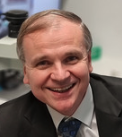 Anthony Gill合作论文数Department of Anatomical Pathology, Royal North Shore Hospital;Faculty of Medicine and Health, University of Sydney6
 Philippe Chanson合作论文数University Paris-Saclay;Bicêtre’s Hospital6
 Richard Harvey合作论文数Development and Stem Cell Laboratory, Victor Chang Cardiac Research Institute;Developmental and Regenerative Biology Division, Victor Chang Cardiac Research Institute;University of New South Wales6
 Niki Karavitaki合作论文数Institute of Metabolism and Systems Research, College of Medical and Dental Sciences, University of Birmingham6
 Jessica Grayson合作论文数Department of Otolaryngology-Head & Neck Surgery, University of Alabama at Birmingham5
 Roderick Clifton-Bligh合作论文数Northern Clinical School, Faculty of Medicine and Health, The University of Sydney;Department of Endocrinology, Royal North Shore Hospital;North Shore Private Hospital5
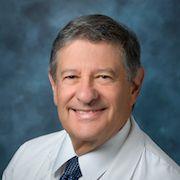 Shlomo Melmed合作论文数Cancer Institute, Cedars-Sinai;Medical Faculty, Cedars-Sinai5
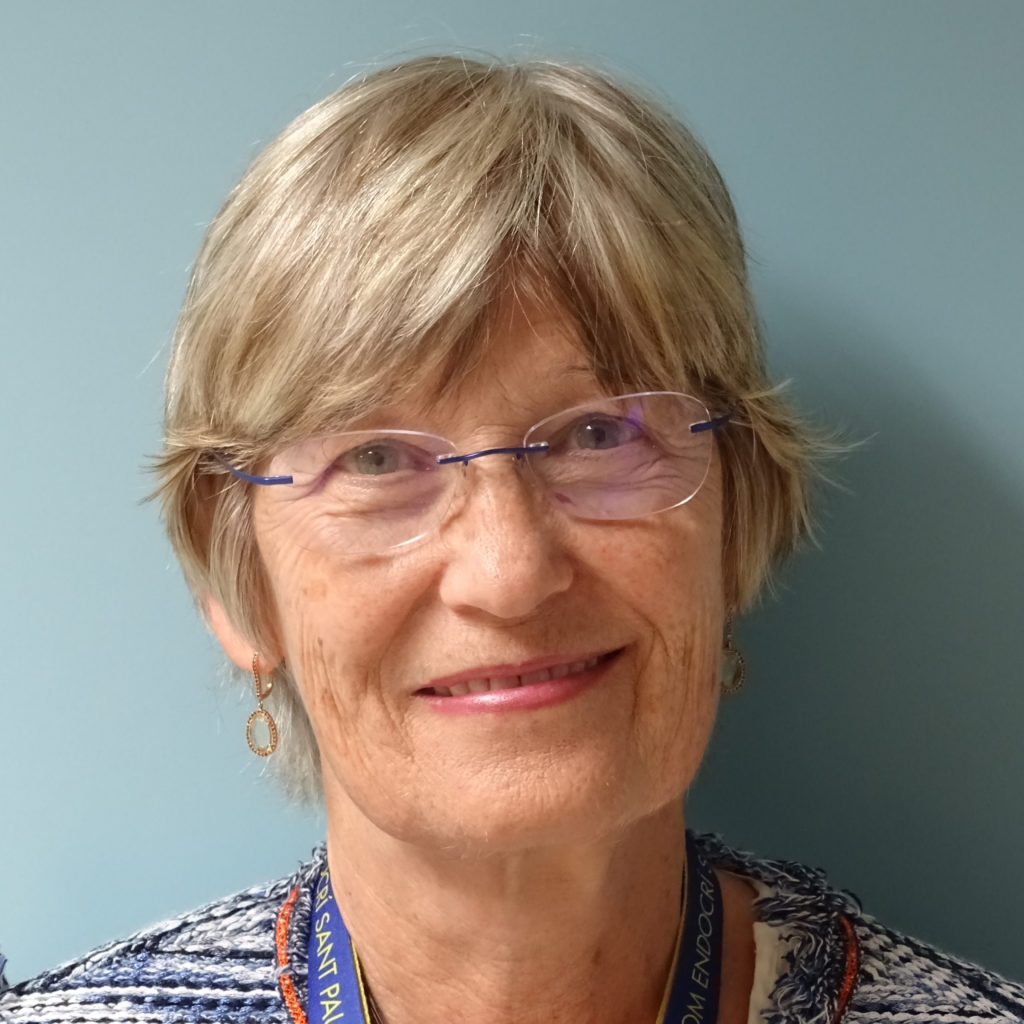 Susan M Webb合作论文数Universitat Autonoma de Barcelona Facultat de Medicina;Centro de Investigacion Biomedica en Red de Enfermedades Raras;Hospital de la Santa Creu i Sant Pau Institut de Recerca5
 Alvarado Raquel合作论文数School of Medical and Molecular Biosciences, University of Technology, Sydney5Jerry R. Greenfield合作论文数Department of Endocrinology, St Vincent’s Hospital5
 Marcel E. Dinger合作论文数School of Biotechnology & Biomolecular Sciences, Faculty of Science, The University of New South Wales5Lydia Lamb合作论文数4
 Anna Stroud合作论文数Rhinol & Skull Base Res Grp, Univ New South Wales4
 Miles Levy合作论文数4
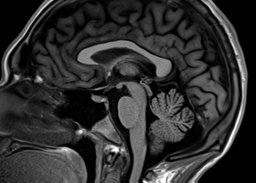 Mendel Castle-Kirszbaum合作论文数Dept Neurosurg, Monash Hlth4Hiroshi Arima合作论文数4
 Mirjam Christ-Crain合作论文数Departement of Klinische Forschung, Universität Basel;Div. of Endocrinology, Diabetes and Metabolism, University Hospital Basel4
 Mônica Gadelha合作论文数Departamento de Clínica Médica - Endocrinologia, Faculdade de Medicina, Universidade Federal do Rio de Janeiro;Ambulatório de Adenomas Hipofisários, Hospital Universitário Clementino Fraga Filho, Universidade Federal do Rio de Janeiro4Marco Losa合作论文数4
 Marily Theodoropoulou合作论文数Dept Endocrinol, Max Planck Inst Psychiat4Aller Javier合作论文数4
 Gayevskiy Velimir合作论文数School of Biological Sciences, University of Auckland4
 Joseph G Verbalis合作论文数Division of Endocrinology and Metabolism, Department of Medicine, Georgetown University4
 Martin Bidlingmaier合作论文数4Peter J Trainer合作论文数4
 Simon J B Aylwin合作论文数4Ken K Y Ho合作论文数3




