Abstract Background and Aims Using data routinely captured in electronic medical records of a large dialysis organization (LDO) in close collaboration with social workers (MSW), we developed a weekly patient acuity score to identify the level of need for psychosocial support in hemodialysis patients to help social workers optimize visits to deliver timely personalized care. We evaluated how interventions by a MSW affected future hospital admission rate in in-center hemodialysis (ICHD) patients with Elevated or High acuity in an LDO. Method Using data from prevalent (vintage >90 days) ICHD patients from Mar-2022 through Dec-2022, a weekly acuity score was computed using 95 routinely captured variables considered critical (e.g., psychosocial, cognitive, clinical, treatment, hospitalization). Each variable was assigned points based on a priori criteria which were summed and categorized based on population distribution for each week. Patient acuity was assigned as Low, Moderate, Elevated, or High based upon percentile distribution. We defined MSW interventions as the number of assessments completed (0, <1, 1, or >1 per month) during the baseline period (BL, Mar-2022 through May 2022). Next, we compared hospital admission rate in the BL period to that in a follow-up period (FU, June 2022 through Dec 2022) for patients whose acuity at start of BL was Elevated or High (E/H), stratified by monthly MSW assessment exposure. This analysis focuses on prevalent ICHD patients in the Elevated and High acuity categories at baseline (BL, March 2022 through May 2022) as they were expected to have been prioritized for MSW assessment. Results We identified 29,665 prevalent ICHD patients whose acuity was E/H at the start of BL; 8.2%, 24.8%, 20.9%, and 46.2% had 0, <1, 1, and >1 MSW assessments per month during BL, respectively. As expected, hospital admission rate was generally high for patients with E/H acuity. Likewise, for patients with E/H acuity, hospital admission rate increases as the number of monthly interventions in BL increases (Figure 1). For patients with E/H acuity, in each category of BL MSW assessment exposure, the hospital admission rate in FU is lower than in the BL period and the magnitude of the decrease is larger when there are more MSW assessments in the BL period; for 0, <1, 1, and >1 respective MSW assessments, the respective rate ratios were 0.99, 0.99, 0.98, and 0.90, and rate ratio was significantly lower for patients with >1 MSW assessment in BL. Conclusion Our results suggest that acuity is helping MSW to identify patients with requiring more psychosocial and other needs as 46.2% of patients with E/H acuity had >1 MSW assessment. Our results also suggest that >1 MSW assessments in E/H acuity patients results in a larger magnitude in the decrease of hospital admission rates compared to other levels of MSW assessment exposure. Future analyses are needed to confirm these results.
This article focuses on how hepatologists view the role of liver biopsy in diagnosis, assessment, and management of chronic and acute liver disease, and its variable use among different etiologies of liver disease and in the evaluation of liver fibrosis.
Background: Radiomics extracts quantitative image features to identify biomarkers for characterizing disease. Our aim was to characterize the ability of radiomic features extracted from magnetic resonance (MR) imaging of the liver and spleen to detect cirrhosis by comparing features from patients with cirrhosis to those without cirrhosis. Methods: This retrospective study compared MR-derived radiomic features between patients with cirrhosis undergoing hepatocellular carcinoma screening and patients without cirrhosis undergoing intraductal papillary mucinous neoplasm surveillance between 2015 and 2018 using the same imaging protocol. Secondary analyses stratified the cirrhosis cohort by liver disease severity using clinical compensation/decompensation and Model for End-Stage Liver Disease (MELD). Results: Of 167 patients, 90 had cirrhosis with 68.9% compensated and median MELD 8. Combined liver and spleen radiomic features generated an AUC 0.94 for detecting cirrhosis, with shape and texture components contributing more than size. Discrimination of cirrhosis remained high after stratification by liver disease severity. Conclusions: MR-based liver and spleen radiomic features had high accuracy in identifying cirrhosis, after stratification by clinical compensation/decompensation and MELD. Shape and texture features performed better than size features. These findings will inform radiomic-based applications for cirrhosis diagnosis and severity.
We aimed to develop a predictive model of disease severity for cirrhosis using MRI-derived radiomic features of the liver and spleen and compared it to the existing disease severity metrics of MELD score and clinical decompensation. The MELD score is compiled solely by blood parameters, and so far, it was not investigated if extracted image-based features have the potential to reflect severity to potentially complement the calculated score. This was a retrospective study of eligible patients with cirrhosis ( $$n=90$$ ) who underwent a contrast-enhanced MR screening protocol for hepatocellular carcinoma (HCC) screening at a tertiary academic center from 2015 to 2018. Radiomic feature analyses were used to train four prediction models for assessing the patient’s condition at time of scan: MELD score, MELD score $$\ge $$ 9 (median score of the cohort), MELD score $$\ge $$ 15 (the inflection between the risk and benefit of transplant), and clinical decompensation. Liver and spleen segmentations were used for feature extraction, followed by cross-validated random forest classification. Radiomic features of the liver and spleen were most predictive of clinical decompensation (AUC 0.84), which the MELD score could predict with an AUC of 0.78. Using liver or spleen features alone had slightly lower discrimination ability (AUC of 0.82 for liver and AUC of 0.78 for spleen features only), although this was not statistically significant on our cohort. When radiomic prediction models were trained to predict continuous MELD scores, there was poor correlation. When stratifying risk by splitting our cohort at the median MELD 9 or at MELD 15, our models achieved AUCs of 0.78 or 0.66, respectively. We demonstrated that MRI-based radiomic features of the liver and spleen have the potential to predict the severity of liver cirrhosis, using decompensation or MELD status as imperfect surrogate measures for disease severity.
Individuals with single-ventricle congenital heart disease who are palliated to a Fontan circulation are at risk for heart failure and liver disease, with recurrent ascites being a potentially debilitating cause of late morbidity. Although ascites associated with heart failure or liver failure is usually characterized by a high serum-ascites albumin gradient (SAAG), we have observed multiple instances of ascites in Fontan patients with low SAAG, suggesting an inflammatory process. We present three cases in which recalcitrant ascites severely and adversely impacted the quality of life and describe our initial experience with intraperitoneal corticosteroids in this setting.
Background:Low-dose methotrexate (LD-MTX) is the most commonly used drug for systemic rheumatic diseases worldwide and is the recommended first-line agent for rheumatoid arthritis. Despite extensive clinical use for more than 30 years, few data on adverse event (AE) rates derive from randomized, placebo-controlled trials, where both causality and magnitude of risk can be inferred.Objective:To investigate AE rates, risk, and risk differences comparing LD-MTX versus placebo.Design:Prespecified secondary analyses of a double-blind, placebo-controlled, randomized trial. (ClinicalTrials.gov: NCT01594333).Setting:North America.Participants:Adults with known cardiovascular disease and diabetes or metabolic syndrome.Intervention:Random allocation to LD-MTX (≤20 mg/wk) or placebo. All participants received folic acid, 1 mg/d, 6 days per week.Measurements:Risks for specific AEs of interest, as well as for all AEs, were compared across treatment groups after blinded adjudication.Results:After an active run-in period, 6158 patients were enrolled and 4786 randomly assigned to a group; median follow-up was 23 months and median dosage 15 mg/wk. Among the randomly assigned participants, 81.2% were male, median age was 65.7 years, and median body mass index was 31.5 kg/m2. Of 2391 participants assigned to LD-MTX, 2080 (87.0%) had an AE of interest, compared with 1951 of 2395 (81.5%) assigned to placebo (hazard ratio [HR], 1.17 [95% CI, 1.10 to 1.25]). The relative hazards of gastrointestinal (HR, 1.91 [CI, 1.75 to 2.10]), pulmonary (HR, 1.52 [CI, 1.16 to 1.98]), infectious (HR, 1.15 [CI, 1.01 to 1.30]), and hematologic (HR, 1.15 [CI, 1.07 to 1.23]) AEs were elevated for LD-MTX versus placebo. With the exception of increased risk for skin cancer (HR, 2.05 [CI, 1.28 to 3.28]), the treatment groups did not differ in risk for other cancer or mucocutaneous, neuropsychiatric, or musculoskeletal AEs. Renal AEs were reduced in the LD-MTX group (HR, 0.85 [CI, 0.78 to 0.93]).Limitation:The trial was done in patients without rheumatic disease who tolerated LD-MTX during an active run-in period.Conclusion:Use of LD-MTX was associated with small to moderate elevations in risks for skin cancer and gastrointestinal, infectious, pulmonary, and hematologic AEs, whereas renal AEs were decreased.Primary Funding Source:National Institutes of Health.
BACKGROUND:Hepatitis B virus (HBV) screening during pregnancy is standard of care to prevent vertical transmission to infants, yet the mothers themselves may not receive appropriate follow-up.GOALS:Using a national database, we sought to determine rates of maternal peripartum follow-up with a HBV specialist and identify factors associated with a lack of follow-up.MATERIALS AND METHODS:We identified women who delivered in 2000 to 2012 and were diagnosed with HBV according to International Classification of Diseases-9 codes using a national database (Optum) derived from commercial insurance claims with ∼46 million members ages 0 to 64 in all 50 states. Our primary outcome was follow-up during or after pregnancy with a HBV specialist (gastroenterology/infectious diseases).RESULTS:The prevalence of HBV was 0.27% (2558/959,747 pregnancies), and median follow-up was 45 months. Only 21% of women had peripartum HBV specialist follow-up. On multivariable regression, predictors of peripartum follow-up at 1-year included younger age [odds ratio (OR), 0.97/y; 95% confidence interval (CI), 0.94, 0.99], Asian race/ethnicity (OR, 1.56 vs. white; 95% CI, 1.13, 2.17), and residing in the Northeast (OR, 1.70; 95% CI, 1.09, 2.66) and Midwest (OR, 1.73; 95% CI, 1.07, 2.81) versus West. Predictors of testing for HBV DNA and alanine aminotransferase at 1 year included Asian race (OR, 1.72; 95% CI, 1.23, 2.41), a primary care physician visit within 2 years of delivery (OR, 1.63; 95% CI, 1.19, 2.22), and peripartum HBV specialist follow-up within 1 year (OR, 15.68; 95% CI, 11.38, 21.60).CONCLUSIONS:Maternal HBV specialist follow-up rates were extremely low in this large, diverse cohort representing all United States regions. Referral to a HBV specialist was the strongest predictor of appropriate postpartum HBV laboratory testing. Follow-up rates may be even lower in uninsured populations.
Objectives Hepatitis B (HBV) remains a significant public health burden, despite effective therapy. Routine HBV screening is recommended during pregnancy to reduce the risk of vertical transmission, but the rates of follow-up care peri-partum are low. The aim of this study was to evaluate physician practices and knowledge regarding HBV in women diagnosed perinatally. Methods A survey was distributed to obstetricians and midwives within the Partners HealthCare system at Brigham and Women's Hospital and Massachusetts General Hospital. Results Of 118 survey respondents (response rate 56%), 97% reported that they always tested for hepatitis B, and 77% referred new diagnoses of HBV during pregnancy to a HBV specialist for further care. Only 10% of respondents reported that there was formal referral mechanism in place to facilitate follow-up care for mothers diagnosed with hepatitis B infection. 91% of survey respondents selected hepatitis B surface antigen as the correct screening test, and 76% selected hepatitis B immune globulin with vaccination for the newborn as the correct prophylaxis regimen. Only 40 and 51% of respondents accurately identified serologies that were consistent with acute and chronic infection, respectively. Conclusions for Practice Routine screening for HBV in this population presents an important opportunity to identify cases and to reduce the public health burden of this disease. Providers were somewhat knowledgeable about HBV, but the lack of formal referral mechanism may explain why HBV follow-up is suboptimal in this healthcare system. Supplemental provider education and formal linkage to care programs may increase rates of follow-up HBV care.
Drug reaction with eosinophilia and systemic symptoms (DRESS) is a severe, potentially life-threatening drug-induced hypersensitivity reaction, characterized by cutaneous eruptions, fever, diffuse lymphadenopathy, along with hypereosinophilia, and elevated liver function tests, which in severe cases may lead to fulminant hepatic failure and death. Although DRESS syndrome has been associated with over 50 different drugs including imatinib, it has never been reported in association with imatinib treatment in solid tumors. We recently treated a patient with metastatic dermatofibrosarcoma protuberans, a rare cutaneous mesenchymal tumor characterized by constitutive activation of the PDGF beta receptor and high sensitivity to imatinib therapy, who had a DRESS reaction to imatinib. Given an initial dramatic clinical and radiological response to treatment and lack of effective alternative targeted therapies, following imatinib discontinuation and resolution of DRESS, we cautiously reintroduced imatinib therapy using a desensitization protocol under the care of the allergy and immunologic clinic. Imatinib was carefully titrated from an initial dose of 50 mg to a target dose of 400 mg daily, while tapering down the prednisone dose. The patient was able to tolerate the treatment without recurrent episodes of DRESS or interruptions, and gained additional 6 months of clinical benefit from imatinib treatment. Although suspected causative drugs should not be reintroduced in DRESS whenever possible, in this case of metastatic disease and lack of effective alternative treatments, a carefully designed drug rechallenge helped minimize the risk of overt clinical reaction and resulted in an overall clinical benefit. Copyright (C) 2018 Wolters Kluwer Health, Inc. All rights reserved.
BACKGROUND/AIMS:Liver biopsy has traditionally been used for determining the degree of fibrosis, however there are several limitations. Endoscopic ultrasound (EUS) real-time elastography (RTE) is a novel technology that uses image enhancement to display differences in tissue compressibility. We sought to assess whether liver fibrosis index (LFI) can distinguish normal, fatty, and cirrhotic liver tissue.METHODS:A total of 50 patients undergoing EUS were prospectively enrolled. RTE of the liver was performed to synthesize the LFI in each patient. Univariate and multivariable analyses were performed. Chi-square and t-tests were performed for categorical and continuous variables, respectively. A p-value of <0.05 was considered significant.RESULTS:Abdominal imaging prior to endoscopic evaluation suggested normal tissue, fatty liver, and cirrhosis in 26, 16, and 8 patients, respectively. Patients with cirrhosis had significantly increased mean LFI compared to the fatty liver (3.2 vs. 1.7, p<0.001) and normal (3.2 vs. 0.8, p<0.001) groups. The fatty liver group showed significantly increased LFI compared to the normal group (3.8 vs. 1.4, p<0.001). Multivariable regression analysis suggested that LFI was an independent predictor of group features (p<0.001).CONCLUSIONS:LFI computed from RTE images significantly correlates with abdominal imaging and can distinguish normal, fatty, and cirrhotic-appearing livers; therefore, LFI may play an important role in patients with chronic liver disease.
Recurrent ascites is a common manifestation of failing Fontan circulation. We present the hemodynamic response to large-volume paracentesis in a patient with Fontan circulation and Fontan-associated liver disease, documenting an immediate and substantial decline in systemic venous pressure and increase in cardiac output. These preliminary observations may have implications for the management of ascites in adults with Fontan circulation.
The prevalence of Hepatitis C Virus (HCV) infection is significantly higher in patients with end-stage renal disease compared to the general population and poses important clinical challenges in patients who undergo kidney transplantation. Historically, interferon-based treatment options have been limited by low rates of efficacy and significant side effects, including risk of precipitating rejection. Limited data exist on the use of all-oral, interferon-free direct-acting antiviral (DAA) therapies in kidney transplant recipients. In this study, we performed a retrospective chart review with prospective clinical follow-up of post-kidney transplant patients treated with DAA therapies at three major hospitals in Boston, MA. A total of 24 kidney recipients with HCV infection received all-oral DAA therapy post-transplant. Patients were predominantly male (79%) with a median age of 60 years (range 34–70 years), median creatinine of 1.2 mg/dL (0.66–1.76), and 42% had advanced fibrosis or cirrhosis. The majority had HCV genotype 1a infection (58%). All patients received full-dose sofosbuvir; it was paired with simeprevir (9 patients without and 3 patients with ribavirin), ledipasvir (7 patients without and 1 patient with ribavirin) or ribavirin alone (4 patients). The overall sustained virologic response (SVR12) was 91% (21 out of 23 patients). One patient achieved SVR4 but demised prior to SVR12 check point due to treatment unrelated cause. Two treatment failures were successfully retreated with alternative DAA regimens and achieved SVR. Both initials failures occurred in patients with advanced fibrosis or cirrhosis, with genotype 1a infection, and prior HCV treatment failure. Adverse events were reported in 11 patients (46%) and were managed clinically without discontinuation of therapy. Calcineurin inhibitor trough levels did not significantly change during therapy. In this multi-center series of patients, all-oral DAA therapy appears to be safe and effective in post-kidney transplant patients with chronic HCV infection.
The prevalence of Hepatitis C Virus (HCV) infection is significantly higher in patients with end-stage renal disease compared to the general population and poses important clinical challenges in patients who undergo kidney transplantation. Historically, interferon-based treatment options have been limited by low rates of efficacy and significant side effects, including risk of precipitating rejection. Limited data exist on the use of all-oral, interferon-free direct-acting antiviral (DAA) therapies in kidney transplant recipients. In this study, we performed a retrospective chart review with prospective clinical follow-up of post-kidney transplant patients treated with DAA therapies at three major hospitals in Boston, MA. A total of 24 kidney recipients with HCV infection received all-oral DAA therapy post-transplant. Patients were predominantly male (79%) with a median age of 60 years (range 34-70 years), median creatinine of 1.2 mg/dL (0.66-1.76), and 42% had advanced fibrosis or cirrhosis. The majority had HCV genotype 1a infection (58%). All patients received full-dose sofosbuvir; it was paired with simeprevir (9 patients without and 3 patients with ribavirin), ledipasvir (7 patients without and 1 patient with ribavirin) or ribavirin alone (4 patients). The overall sustained virologic response (SVR12) was 91% (21 out of 23 patients). One patient achieved SVR4 but demised prior to SVR12 check point due to treatment unrelated cause. Two treatment failures were successfully retreated with alternative DAA regimens and achieved SVR. Both initials failures occurred in patients with advanced fibrosis or cirrhosis, with genotype 1a infection, and prior HCV treatment failure. Adverse events were reported in 11 patients (46%) and were managed clinically without discontinuation of therapy. Calcineurin inhibitor trough levels did not significantly change during therapy. In this multi-center series of patients, all-oral DAA therapy appears to be safe and effective in post-kidney transplant patients with chronic HCV infection.
 Raymond Chung合作论文数Mass General Research Institute, Massachusetts General Hospital;Harvard Medical School12
 Matthew Chang合作论文数Dept. of Computer Science, City U. of Hong Kong, China8
 Robert S. Brown合作论文数Joan and Sanford I. Weill Department of Medicine, Weill Cornell Medicine, Cornell University7
 Karin L Andersson合作论文数7Muthoka L Mutinga合作论文数6Tuomala Ruth E合作论文数6Ukomadu Chinweike合作论文数6
 Emily Oken合作论文数Department of Population Medicine, Harvard Pilgrim Health Care Institute;Department of Nutrition, Harvard School of Public Health;Department of Population Medicine, Harvard Medical School6
 William Lee合作论文数Division of Digestive and Liver Diseases, Department of Internal Medicine, University of Texas Southwestern Medical Center6Ming V. Lin合作论文数5Jordan S Sack合作论文数4
 Lindsay Yount King合作论文数Department of Medicine, Duke University School of Medicine4
 Michael Halle合作论文数Surgical Planning Laboratory, Department of Radiology, Brigham and Women's Hospital, Harvard Medical School4Fengxin Lu合作论文数3Jennifer Nitsch合作论文数3Chang Xu合作论文数3
 Linda S Hynan合作论文数The University of Texas Southwestern Medical Center3Paynter Nina P合作论文数3Heher Eliot C合作论文数3
 Robert J. Glynn合作论文数Division of Preventive Medicine, Brigham and Women's Hospital;Harvard Medical School;Department of Biostatistics, Harvard T.H. Chan School of Public Health3
 Elizabeth Wood Karlson合作论文数Department of Medicine, Brigham and Women's Hospital;Harvard Medical School3
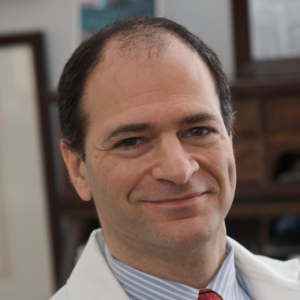 Paul M. Ridker合作论文数Department of Epidemiology, Harvard T.H. Chan School of Public Health, Harvard University;Division of Preventive Medicine, Brigham and Women's Hospital3
 Daniel Hal Solomon合作论文数Orthopaedic and Arthritis Center, Brigham and Women's Hospital;Harvard Medical School3
 Ron Kikinis合作论文数Surgical Planning Laboratory, Department of Radiology, Brigham and Women's Hospital, Harvard Medical School, Harvard University;Massachusetts Institute of Technology3
 Martha Pavlakis合作论文数Beth Israel Deaconess Medical Center, Harvard University3Wenyu Lin合作论文数3Jean G. Macfadyen合作论文数3
 Hans Meine合作论文数Cognitive Systems Laboratory, University of Hamburg3Jasmine Hanifi合作论文数2Kerri Barton合作论文数2Meredith Murray合作论文数2Emma Morton-Eggleston合作论文数2Beth Amundsen合作论文数2April Wall合作论文数2Dong H Suh合作论文数2
 Kathleen Vanni合作论文数Division of Rheumatology, Inflammation, and Immunity, Brigham and Women's Hospital, 60 Fenwood Road, Boston, MA, 02115, USA2Cassandra Corrigan合作论文数2Fang Zhang合作论文数Div Hlth Policy & Insurance Res, Harvard Pilgrim Healthcare Inst2
 Laura E. Riley合作论文数Department of Obstetrics and Gynecology, Weill Cornell Medicine, Cornell University2Wharam J Frank合作论文数2
 M.J. Crockett合作论文数Department of Psychology, Princeton University;University Center for Human Values, Princeton University2
 Leonardo V Riella合作论文数Harvard Med Sch, Brigham & Womens Hosp, Schuster Transplantat Res Ctr, Boston, MA 02115 USA2LeCates Robert F合作论文数2
 Jeffrey A Sparks合作论文数Division of Rheumatology, Immunology and Allergy, Department of Medicine, Brigham and Women׳s Hospital, 45 Francis St, Boston, MA 02115.2Medha Barbhaiya合作论文数Joan and Sanford I. Weill Department of Medicine, Weill Cornell Medicine, Cornell University2
 Fred Ming-Chieh Wu合作论文数Boston Children's Hospital2
 Brendan M. Everett合作论文数Division of Preventive Medicine, Brigham and Women's Hospital;Harvard Medical School2
 Michael P. Curry合作论文数Department of Medicine, Beth Israel Deaconess Medical Center;Harvard Medical School;IHC Research2
 Nancy Berliner合作论文数Brigham and Women's Hospital2




