Epoxyeicosatrienoic acids (EETs) decrease cardiac ischemia-reperfusion injury; however, the mechanism of their protective effect remains elusive. Here, we investigated the cardioprotective action of a novel EET analog, EET-B, in reperfusion and the role of hypoxia-inducible factor (HIF)-1α in such action of EET-B. Adult male rats were subjected to 30 min of left coronary artery occlusion followed by 2 h of reperfusion. Administration of 14,15-EET (2.5 mg/kg) or EET-B (2.5 mg/kg) 5 min before reperfusion reduced infarct size expressed as a percentage of the area at risk from 64.3 ± 1.3% in control to 42.6 ± 1.9% and 46.0 ± 1.6%, respectively, and their coadministration did not provide any stronger effect. The 14,15-EET antagonist 14,15-epoxyeicosa-5( Z)-enoic acid (2.5 mg/kg) inhibited the infarct size-limiting effect of EET-B (62.5 ± 1.1%). Similarly, the HIF-1α inhibitors 2-methoxyestradiol (2.5 mg/kg) and acriflavine (2 mg/kg) completely abolished the cardioprotective effect of EET-B. In a separate set of experiments, the immunoreactivity of HIF-1α and its degrading enzyme prolyl hydroxylase domain protein 3 (PHD3) were analyzed in the ischemic areas and nonischemic septa. At the end of ischemia, the HIF-1α immunogenic signal markedly increased in the ischemic area compared with the septum (10.31 ± 0.78% vs. 0.34 ± 0.08%). After 20 min and 2 h of reperfusion, HIF-1α immunoreactivity decreased to 2.40 ± 0.48% and 1.85 ± 0.43%, respectively, in the controls. EET-B blunted the decrease of HIF-1α immunoreactivity (7.80 ± 0.69% and 6.44 ± 1.37%, respectively) and significantly reduced PHD3 immunogenic signal in ischemic tissue after reperfusion. In conclusion, EET-B provides an infarct size-limiting effect at reperfusion that is mediated by HIF-1α and downregulation of its degrading enzyme PHD3. NEW & NOTEWORTHY The present study shows that EET-B is an effective agonistic 14,15-epoxyeicosatrienoic acid analog, and its administration before reperfusion markedly reduced myocardial infarction in rats. Most importantly, we demonstrate that increased hypoxia-inducible factor-1α levels play a role in cardioprotection mediated by EET-B in reperfusion likely by mechanisms including downregulation of the hypoxia-inducible factor -1α-degrading enzyme prolyl hydroxylase domain protein 3.
SCOPE:Several lines of evidence suggest that the consumption of cruciferous vegetables is beneficial to human health. Yet, underlying mechanisms and key molecular targets that are involved with achieving these benefits in humans are still not fully understood. To accelerate this research, we conduct a human study to identify potential molecular targets of crucifers for further study. This study aims to characterize plasma metabolite profiles in humans before and after consuming fresh broccoli sprouts (a rich dietary source of bioactive sulforaphane).METHODS AND RESULTS:Ten healthy adults consume fresh broccoli sprouts (containing 200 μmol sulforaphane equivalents) at time 0 and provide blood samples at 0, 3, 6, 12, 24, and 48 h. An untargeted metabolomics screen reveals that levels of several plasma metabolites are significantly different before and after sprout intake, including fatty acids (14:0, 14:1, 16:0, 16:1, 18:0, and 18:1), glutathione, glutamine, cysteine, dehydroepiandrosterone, and deoxyuridine monophosphate. Evaluation of all time points is conducted using paired t-test (R software) and repeated measures analysis of variance for a within-subject design (Progenesis QI).CONCLUSION:This investigation identifies several potential molecular targets of crucifers that may aid in studying established and emerging health benefits of consuming cruciferous vegetables and related bioactive compounds.
AIMS:Fibroblast growth factor 1 (FGF1), a heparin/heparan sulfate-binding growth factor, is a potent cardioprotective agent against myocardial infarction (MI). The impact of heparin, the standard of care for MI patients entering the emergency room, on cardioprotective effects of FGF1 is unknown, however. METHODS AND RESULTS:To address this, a rat model of MI was employed to compare cardioprotective potentials (lower infarct size and improve post-ischemic function) of native FGF1 and an engineered FGF1 (FGF1ΔHBS) with reduced heparin-binding affinity when given at the onset of reperfusion in the absence or presence of heparin. FGF1 and FGF1ΔHBS did not alter heparin's anticoagulant properties. Treatment with heparin alone or native FGF1 significantly reduced infarct size compared to saline (P < 0.05). Surprisingly, treatment with FGF1ΔHBS markedly lowered infarct size compared to FGF1 (P < 0.05). Both native and modified FGF1 restored contractile and relaxation function (P < 0.05 versus saline or heparin). Furthermore, FGF1ΔHBS had greater improvement in cardiac function compared to FGF1 (P < 0.05). Heparin negatively impacted the cardioprotective effects (infarct size, post-ischemic recovery of function) of FGF1 (P < 0.05) but not of FGF1ΔHBS. Heparin also reduced the biodistribution of FGF1, but not FGF1ΔHBS, to the left ventricle. FGF1 and FGF1ΔHBS bound and triggered FGFR1-induced downstream activation of ERK1/2 (P < 0.05); yet, heparin co-treatment decreased FGF1-produced ERK1/2 activation, but not that activated by FGF1ΔHBS. CONCLUSION:These findings demonstrate that modification of the heparin-binding region of FGF1 significantly improves the cardioprotective efficacy, even in the presence of heparin, identifying a novel FGF ligand available for therapeutic use in ischemic heart disease.
Intestinal microbiota determine severity of myocardial infarction in rats. We determined whether low molecular weight metabolites derived from intestinal microbiota and transported to the systemic circulation are linked to severity of myocardial infarction. Plasma from rats treated for seven days with the non-absorbed antibiotic vancomycin or a mixture of streptomycin, neomycin, polymyxin B and bacitracin was analyzed using mass spectrometry-based metabolite profiling platforms. Antibiotic-induced changes in the abundance of individual groups of intestinal microbiota dramatically altered the host's metabolism. Hierarchical clustering of dissimilarities separated the levels of 284 identified metabolites from treated vs. untreated rats; 193 were altered by the antibiotic treatments with a tendency towards decreased metabolite levels. Catabolism of the aromatic amino acids phenylalanine, tryptophan and tyrosine was the most affected pathway comprising 33 affected metabolites. Both antibiotic treatments decreased the severity of an induced myocardial infarction in vivo by 27% and 29%, respectively. We then determined whether microbial metabolites of the amino acids phenylalanine, tryptophan and tyrosine were linked to decreased severity of myocardial infarction. Vancomycin-treated rats were administered amino acid metabolites prior to ischemia/reperfusion studies. Oral or intravenous pretreatment of rats with these amino acid metabolites abolished the decrease in infarct size conferred by vancomycin. Inhibition of JAK-2 (AG-490, 10 μM), Src kinase (PP1, 20 μM), Akt/PI3 kinase (Wortmannin, 100 nM), p44/42 MAPK (PD98059, 10 μM), p38 MAPK (SB203580, 10 μM), or KATP channels (glibenclamide, 3 μM) abolished cardioprotection by vancomycin, indicating microbial metabolites are interacting with cell surface receptors to transduce their signals through Src kinase, cell survival pathways and KATP channels. These inhibitors have no effect on myocardial infarct size in untreated rats. This study links gut microbiota metabolites to severity of myocardial infarction and may provide future opportunities for novel diagnostic tests and interventions for the prevention of cardiovascular disease.
Epidemiologic studies have revealed that diets rich in sulforaphane (SFN), an isothiocyanate present in cruciferous vegetables, are associated with a marked decrease in prostate cancer incidence. The chemo-preventive role of SFN is associated with its histone de-acetylase inhibitor activity. However, the effect of SFN on chromatin composition and dynamic folding, especially in relation to HDAC inhibitor activity, remains poorly understood. In this study, we found that SFN can inhibit the expression and activity of human telomerase reverse transcriptase (hTERT), the catalytic subunit of telomerase, in 2 prostate cancer cell lines. This decrease in gene expression is correlated with SFN-induced changes in chromatin structure and composition. The SFN-mediated changes in levels of histone post-translational modifications, more specifically acetylation of histone H3 lysine 18 and di-methylation of histone H3 lysine 4, 2 modifications linked with high risk of prostate cancer recurrence, were associated with regulatory elements within the hTERT promoter region. Chromatin condensation may also play a role in SFN-mediated hTERT repression, since expression and recruitment of MeCP2, a known chromatin compactor, were altered in SFN treated prostate cancer cells. Chromatin immuno-precipitation (ChIP) of MeCP2 showed enrichment over regions of the hTERT promoter with increased nucleosome density. These combined results strongly support a role for SFN in the mediation of epigenetic events leading to the repression of hTERT in prostate cancer cells. This ability of SFN to modify chromatin composition and structure associated with target gene expression provides a new model by which dietary phytochemicals may exert their chemoprevention activity.
Opioids reduce injury from myocardial ischemia-reperfusion in humans. In experimental models, this mechanism involves GSK3β inhibition. HSP90 regulates mitochondrial protein import, with GSK3β inhibition increasing HSP90 mitochondrial content. Therefore, we determined whether morphine-induced cardioprotection is mediated by HSP90 and if the protective effect is downstream of GSK3β inhibition. Male Sprague-Dawley rats, aged 8-10 weeks, were subjected to an in vivo myocardial ischemia-reperfusion injury protocol involving 30 minutes of ischemia followed by 2 hours of reperfusion. Hemodynamics were continually monitored and myocardial infarct size determined. Rats received morphine (0.3 mg/kg), the GSK3β inhibitor, SB216763 (0.6 mg/kg), or saline, 10 minutes prior to ischemia. Some rats received selective HSP90 inhibitors, radicicol (0.3 mg/kg), or deoxyspergualin (DSG, 0.6 mg/kg) alone or 5 minutes prior to morphine or SB216763. Morphine reduced myocardial infarct size when compared to control (42 ± 2% versus 60 ± 1%). This protection was abolished by prior treatment of radicicol or DSG (59 ± 1%, 56 ± 2%). GSK3β inhibition also reduced myocardial infarct size (41 ± 2%) with HSP90 inhibition by radicicol or DSG partially inhibiting SB216763-induced infarct size reduction (54 ± 3%, 47 ± 1%, resp.). These data suggest that opioid-induced cardioprotection is mediated by HSP90. Part of this protection afforded by HSP90 is downstream of GSK3β, potentially via the HSP-TOM mitochondrial import pathway.
Sulforaphane (SFN), an isothiocyanate derived from cruciferous vegetables, has many potential health benefits including cancer prevention. There has been intense study of the molecular and genetic targets of SFN, however, there is limited knowledge around the biological pathways it targets in humans. This study's objective was to identify examine metabolomic profiles in healthy adult before and after consuming fresh broccoli sprouts, a rich and bioavailable dietary source of SFN, to observe how multiple metabolites respond to SFN consumption in vivo. Twenty healthy adults consumed 200 µmol SFN equivalents from fresh broccoli sprouts and provided blood samples at time 0, 3, 6, 12, 24 and 48 hours following consumption. Untargeted metabolomic analysis was performed on plasma samples from each time point using an AB Sciex TripleTOF® 5600 coupled to a Shimadzu ultra‐high performance liquid chromatography system. Following sprout intake, altered levels for metabolites associated with steroid, lipid and protein metabolism, the urea cycle, nucleotide and one‐carbon metabolism, and glutathione synthesis were observed. This research provides important information on novel molecular targets and mechanisms of SFN that can improve understanding of SFN's role in health and disease prevention. R01CA122906, P01CA090890, P30 ES000210
SCOPESulforaphane (SFN), an isothiocyanate derived from crucifers, has numerous health benefits. SFN bioavailability from dietary sources is a critical determinant of its efficacy in humans. A key factor in SFN absorption is the release of SFN from its glucosinolate precursor, glucoraphanin, by myrosinase. Dietary supplements are used in clinical trials to deliver consistent SFN doses, but myrosinase is often inactivated in available supplements. We evaluated SFN absorption from a myrosinase-treated broccoli sprout extract (BSE) and are the first to report effects of twice daily, oral dosing on SFN exposure in healthy adults.METHODS AND RESULTSSubjects consumed fresh broccoli sprouts or the BSE, each providing 200 μmol SFN daily, as a single dose and as two 100-μmol doses taken 12 h apart. Using HPLC-MS/MS, we detected ∼3 x higher SFN metabolite levels in plasma and urine of sprout consumers, indicating enhanced SFN absorption from sprouts. Twelve-hour dosing retained higher plasma SFN metabolite levels at later time points than 24-hour dosing. No dose responses were observed for molecular targets of SFN (i.e. heme oxygenase-1, histone deacetylase activity, p21).CONCLUSIONWe conclude that the dietary form and dosing schedule of SFN may impact SFN absorption and efficacy in human trials.
Previously, opioids were established to reduce myocardial injury in an ischemic preconditioning (IPC)-like manner, involving a central and downstream role of glycogen synthase kinase-3 beta (GSK-3β) inhibition. However, the mechanism of GSK-3β inhibition mediating cardioprotection and the protein partners involved has not been fully elucidated. Hence, we used a non-biased sequence scan of the proteome to determine potential GSK-3β protein partners and tested whether two candidate proteins, heat shock proteins (HSP) 70 and 90, are involved in the mechanism of opioid-induced cardioprotection. A non-biased BLAST search was performed for putative GSK-3β target substrates, based upon the sequence motif S/T-X-X-X-S/T. Approximately 700 proteins were identified to have this moiety, including many of the HSP protein class, including HSP70 and HSP90. To determine whether HSP70 or HSP90 are indeed important in opioid-induced cardioprotection, rats were subjected to an in vivo myocardial ischemia-reperfusion protocol consisting of 30 minutes of ischemia and 2 hours of reperfusion of the left anterior descending coronary artery followed by infarct size assessment. Either morphine (0.3mg/kg) or inhibition of GSK-3β using SB216763 (0.6mg/kg), reduced infarct size compared to control (42.21±1*% and 41.09±2*%, respectively versus control 60.38±1.2, *P<0.01). Inhibition of HSP70 using desoxysperguanalin (DSG), or HSP90 using radicicol (RAD), abrogated morphine-induced protection (56.09±2 and 58.64±1, respectively). Either DSG or RAD partially inhibited protection in the presence of GSK-3β (47.28±1.071 and 49.88±3.09). Our results suggest that morphine-induced cardioprotection occurs by a HSP70 and HSP90- dependent mechanism, with this HSP machinery partially required for GSK3β-inhibition-induced cardioprotection. Further understanding of this mechanism is important, considering many agents targeting HSP are currently in development as novel cancer treatments, which may have detrimental effects on the myocardial salvage mediated by opioids or by GSK3β-inhibition.
Sulforaphane (SFN), an isothiocyanate derived from cruciferous vegetables, has many potential health benefits. Yet, there is limited knowledge about its bioavailability and biological functions in humans. Crucifers contain glucoraphanin (GFN), which is hydrolyzed to SFN by myrosinase (MYR). Study objectives were to determine SFN bioavailability and examine metabolomic profiles in plasma following consumption of a MYR‐treated broccoli sprout extract (BSE) supplement and broccoli sprouts. We have previously shown a 7‐fold decrease in SFN bioavailability from GFN supplements with inactivated MYR than from broccoli sprouts, suggesting MYR activity impacts SFN bioavailability. SFN bioavailability from BSEs was improved over MYR‐inactivated GFN supplements but was ~3 times lower than sprouts. High‐throughput metabolomic analysis revealed alterations in plasma metabolites following SFN consumption. Unique metabolomic profiles following BSE and sprout consumption suggested differential metabolic responses from the supplemental and whole‐food forms of SFN. BSE and sprout consumption was associated with unique biochemical targets, and several common targets of the two SFN forms were altered in opposite directions. This research provides important information for conducting SFN supplementation studies to understand SFN’s role in disease prevention.Grant Funding Source: Supported by R01CA122906, P01CA090890, P30 ES000210
This overarching project was supported by NIH grants CA090890, CA122906, NIEHS grant P30 ES000210. We gratefully acknowledge technical assistance from Lauren Atwell, Dr. Carmen Wong, Dr. Laura Beaver, Karin Hardin and Jeff Morre. Broccoli sprouts were provided by Sprouters NW, Inc.
Epigenetic changes, including aberrant DNA methylation, result in altered gene expression and play an important role in carcinogenesis. Phytochemicals such as sulforaphane (SFN) and 3,3'-diindolylmethane (DIM) are promising chemopreventive agents for the treatment of prostate cancer. Both have been shown to induce re-expression of genes, including tumor suppressor genes silenced in cancer cells, via modulation of epigenetic marks including DNA methylation. However, it remained unclear the effects SFN and DIM on DNA methylation at a genomic scale. The goal of this study was to determine the genome-wide effects of SFN and DIM on promoter methylation in normal prostate epithelial cells and prostate cancer cells. Both SFN and DIM treatment decreased DNA methyltransferase expression in normal prostate epithelial cells (PrEC), and androgen-dependent (LnCAP) and androgen-independent (PC3) prostate cancer cells. The effects of SFN and DIM on promoter methylation profiles in normal PrEC, LnCAP and PC3 prostate cancer cells were determined using methyl-DNA immunoprecipitation followed by genome-wide DNA methylation array. We showed widespread changes in promoter methylation patterns, including both increased and decreased methylation, in all three prostate cell lines in response to SFN or DIM treatments. In particular, SFN and DIM altered promoter methylation in distinct sets of genes in PrEC, LnCAP, and PC3 cells, but shared similar gene targets within a single cell line. We further showed that SFN and DIM reversed many of the cancer-associated methylation alterations, including aberrantly methylated genes that are dysregulated or are highly involved in cancer progression. Overall, our data suggested that both SFN and DIM are epigenetic modulators that have broad and complex effects on DNA methylation profiles in both normal and cancerous prostate epithelial cells. Results from our study may provide new insights into the epigenetic mechanisms by which SFN and DIM exert their cancer chemopreventive effects.
The infarct size‐limiting action of a novel EET analog in reperfusion (pharmacological postconditioning) and the contribution of hypoxia inducible factor‐1 alpha (HIF‐1α) were investigated. Adult male SD rats were subjected to 30 min left coronary artery occlusion and 2 h of reperfusion. The endogenous EET, 14,15‐EET (2.5 mg/kg iv) or the EET analog, EET‐B (2.5 mg/kg iv) administered 5 min before reperfusion reduced infarct size expressed as a percentage of the area at risk (AR) by 29 and 33%, while their co‐administration did not provide stronger effect. On the other hand, EET antagonist 14,15‐EEZE (2.5 mg/kg iv) and HIF‐1α inhibitors, 2‐methoxyestradiol (2.5 mg/kg iv) and acriflavine (2 mg/kg iv) completely abolished the protective effect of EET‐B. In immunohistology, HIF‐1α signal markedly increased in the AR compare to non‐ischemic septum at the end of ischemia (9.3±1.1 vs 0.3±0.1%). After 20 min and 2 h of reperfusion, HIF‐1α immunoreactivity in AR decreased to 2.4±0.5 % and 1.9±0.4%, respectively in the controls. EET‐B administration blunted the decrease of HIF‐1α immunoreactivity in ischemized tissue in both time‐points of reperfusion (7.8±0.7 and 6.4±1.4%, respectively). In conclusion, EET‐B provides strong postconditioning protection against myocardial infarction in rats. We suggest that increased HIF‐1α level plays an important role in this cardioprotective mechanism.
We previously demonstrated that 11,12 and 14,15-epoxeicosatrienoic acids (EETs) produce cardioprotection against ischemia-reperfusion injury in dogs and rats. Several signaling mechanisms have been implicated in the cardioprotective actions of the EETs; however, their mechanisms remain largely elusive. Since nitric oxide (NO) plays a significant role in cardioprotection and EETs have been demonstrated to induce NO production in various tissues, we hypothesized that NO is involved in mediating the EET actions in cardioprotection. To test this hypothesis, we used an in vivo rat model of infarction in which intact rat hearts were subjected to 30-min occlusion of the left coronary artery and 2-hr reperfusion. 11,12-EET or 14,15-EET (2.5 mg/kg) administered 10 min prior to the occlusion reduced infarct size, expressed as a percentage of the AAR (IS/AAR), from 63.9±0.8% (control) to 45.3±1.2% and 45.5±1.7%, respectively. A nonselective nitric oxide synthase (NOS) inhibitor, L-NAME (1.0 mg/kg) or a selective endothelial NOS inhibitor, L-NIO (0.30 mg/kg) alone did not affect IS/AAR but they completely abolished the cardioprotective effects of the EETs. On the other hand, a selective neuronal NOS inhibitor, nNOS I (0.03 mg/kg) and a selective inducible NOS inhibitor, 1400 W (0.10 mg/kg) did not affect IS/AAR or block the cardioprotective effects of the EETs. Administration of 11,12-EET (2.5 mg/kg) to the rats also transiently increased the plasma NO concentration. 14,15-EET (10 μM) induced the phosphorylation of eNOS (Ser1177) as well as a transient increase of NO production in rat cardiomyoblast cell line (H9c2 cells). When 11,12-EET or 14,15-EET was administered at 5 min prior to reperfusion, infarct size was also reduced to 42.8±2.2% and 42.6±1.9%, respectively. Interestingly, L-NAME (1.0 mg/kg) and a mitochondrial KATP channel blocker, 5-HD (10 mg/kg) did not abolish while a sarcolemmal KATP channel blocker, HMR 1098 (6.0 mg/kg) and a mitochondrial permeability transition pore (MPTP) opener, atractyloside (5.0 mg/kg) completely abolished the cardioprotection produced by the EETs. 14,15-EET (1.5 mg/kg) with an inhibitor of MPTP opening, cyclosporin A (CsA, 1.0 mg/kg) produced a greater reduction of infarct size than their individual administration. Conversely, an EET antagonist 14,15-epoxyeicosa-5(Z)-enoic acid (14,15-EEZE, 2.5 mg/kg) completely abolished the cardioprotective effects of CsA, suggesting a role of MPTP in mediating the EET actions. Taken together, these results suggest that the cardioprotective effects of the EETs in an acute ischemia-reperfusion model are mediated by distinct mediators depending on the time of EET administration. The cardioprotective effects of EETs administered prior to ischemia were regulated by the activation of eNOS and increased NO production, while sarcKATP channels and MPTP were involved in the beneficial effects of the EETs when administered just prior to reperfusion.
Deciphering the remote conditioning molecular mechanism may provide targets to develop therapeutics that can broaden the clinical application. To further investigate this, we tested whether two protein kinase C (PKC) isozymes, the ubiquitously expressed epsilon PKC (εPKC) and the neuronal-specific gamma PKC (γPKC), mediate nociceptive-induced remote myocardial conditioning. Male Sprague-Dawley rats were used for both in vivo and ex vivo myocardial ischemia–reperfusion protocols. For the in vivo studies, using a surgical abdominal incision for comparison, applying only to the abdomen either bradykinin or the εPKC activator (ψεRACK) reduced myocardial infarct size (45 ± 1, 44 ± 2 %, respectively, vs. incision: 43 ± 2 %, and control: 63 ± 2 %, P < 0.001). Western blot showed only εPKC, and not γPKC, is highly expressed in the myocardium. However, applying a selective γPKC inhibitor (γV5−3) to the abdominal skin blocked remote protection by any of these strategies. Using an ex vivo isolated heart model without an intact nervous system, only selective εPKC activation, unlike a selective classical PKC isozyme activator (activating α, β, βII, and γ), reduced myocardial injury. Importantly, the classical PKC isozyme activator given to the abdomen in vivo (with an intact nervous system including γPKC) during myocardial ischemia reduced infarct size as effectively as an abdominal incision or ψεRACK (45 ± 1 vs. 45 ± 2 and 47 ± 1 %, respectively). The classical PKC activator-induced protection was also blocked by spinal cord surgical transection. These findings identified potential remote conditioning mimetics, with these strategies effective even during myocardial ischemia. A novel mechanism of nociceptive-induced remote conditioning, involving γPKC, was also identified.
背景 美沙酮是一种阿片激动剂,常用于治疗急慢性疼痛.本文探讨美沙酮是否与吗啡一样剂量依赖地减少心肌梗死面积(infarct size,IS)及其机制是否由δ-阿片受体介导.此外还检测心肌IS的减少是否随美沙酮给药时间或诱发缺血持续时间而发生变化.方法 做好手术准备后,将雄性SD大鼠分为3组.第1组又分为缺血前30分钟接受美沙酮(0.03~3 mg/kg)、吗啡(0.03~3 mg/kg)和水(安慰剂)的3个亚组.第1组的部分动物在给予美沙酮(0.3 mg/kg)、吗啡(0.3 mg/kg)或安慰剂前也注射δ-阿片拮抗剂纳曲吲哚(5 mg/kg).第2组分为再灌注前5分钟或再灌注后10秒接受美沙酮(0.3 mg/kg)治疗亚组.这2组中的动物通过左前降支冠状动脉夹闭造成心肌缺血30分钟,然后再灌注2小时.第3组动物通过夹闭左前降支冠状动脉造成缺血45分钟,于再灌注前5分钟接受安慰剂,美沙酮(0.3 mg/kg),或吗啡(0.3 mg/kg),然后再灌注2小时.用三苯基氯化四唑染色心肌组织评价心肌IS,以危险区(area at risk,AAR)所占百分比表示(均数±标准误).结果 缺血前给予美沙酮或吗啡可减少心肌IS.最大效应出现于0.3 mg/kg剂量组(美沙酮,46%±1%,P<0.001和吗啡,47%±1%,P<0.001,与安慰剂的61%±1%相比).纳曲吲哚(5 mg/kg)阻断美沙酮(0.3 mg/kg)和吗啡(0.3 mg/kg)诱导的心肌保护作用(与美沙酮相比,纳曲吲哚+美沙酮,58%±1%,P<0.001,与吗啡相比,纳曲吲哚+吗啡,58% ± 1%,P< 0.001).再灌注前5分钟给予美沙酮(0.3 mg/kg)时减少心肌IS(与安慰剂相比,46%±1%,P< 0.001,),但再灌注后10秒时给予美沙酮则无这种效应(与安慰剂相比,60%±1%,P=0.675).安慰剂组与45分钟缺血组(64%±1%)和30分钟缺血组(60%±1%,P=0.069)比较,未见心肌IS明显差别.45分钟较长缺血时间抵消了美沙酮(与45分钟缺血安慰剂组比较,64%±2%,P=0.867,)和吗啡(与45分钟缺血安慰剂组比较,65%±1%,P=0.836)诱导的IS减少.结论 这些结果证明美沙酮和吗啡产生类似的保护心肌IS效应,这种效应由δ-阿片受体所介导,依赖于心肌缺血持续时间.
The Community Health Improvement Partnership (CHIP) model has supported community health development in more than 100 communities nationally. In 2011, four rural Oregon CHIPs collaborated with investigators from the Oregon Rural Practice-based Research Network (ORPRN), a component of the Oregon Clinical and Translational Research Institute (OCTRI), to obtain training on research methods, develop and implement pilot research studies on childhood obesity, and explore matches with academic partners. This article summarizes the experiences of the Lincoln County CHIP, established in 2003, as it transitioned from CHIP to Community Health Improvement and Research Partnership (CHIRP). Our story and lessons learned may inform rural community-based health coalitions and academicians who are engaged in or considering Community-based participatory research (CBPR) partnerships. Utilizing existing infrastructure and relationships in community and academic settings provides an ideal starting point for rural, bidirectional research partnerships.
The present study further identified factors involved in the cardioprotective phenomenon of remote preconditioning of trauma (RPCT) with special emphasis on the role of the epoxyeicosatrienoic acids (EETs) in mediating this phenomenon. Remote preconditioning of trauma was produced by an abdominal incision only through the skin. Subsequently, all rats were subjected to 30 minutes of left coronary artery occlusion followed by 2 hours of reperfusion and the infarct size was determined. Remote preconditioning of trauma produced a reduction in infarct size expressed as a percentage of the area at risk from 63.0% +/- 1.1% to 44.7% +/- 1.4%; P < .01 versus control. To test the 3 major triggers of classical preconditioning in mediating RPCT, blockers of the bradykinin B2 receptor (B2BK), (S)-4-[2-[Bis(cyclohexylamino)methyleneamino]-3-(2-naphthalenyl)-1-oxopropylamino]benzyl tributyl phosphonium (WIN 64338, 1 mg/kg, iv), or HOE 140 (50 mg/kg, iv), the nonselective opioid receptor blocker, naloxone (3 mg/kg, iv), or the adenosine A1 receptor blocker, 8-Cyclopentyl-1,3-dipropylxanthine (DPCPX, 1 mg/kg, iv) were administered 10 minutes prior to RPCT. Only the 2 B2BK selective antagonists blocked RPCT (60.2% +/- 1.1%, WIN 64338; 62.3% +/- 2.0%, HOE 140). To test EETs in RPCT, we administered the EET receptor antagonist 14,15-Epoxyeicosa-5(Z)-enoic acid (14,15-EEZE, 2.5 mg/kg, iv) or the EET synthesis inhibitor, N-(Methylsulfonyl)-2-(2-propynyloxy)-benzenehexanamide (MSPPOH, 3.0 mg/kg, iv) 10 minutes prior to RPCT. In both groups, the EET antagonists completely blocked RPCT (62.0% +/- 0.8%, 14,15-EEZE; 61.8% +/- 1.0%, MSPPOH). The EET antagonists also blocked the effect of B2BK activation. We also determined whether the sarcolemmal K-ATP or the mitochondrialK(ATP) channel mediate RPCT by pretreating ratswith 1-[5-[2-(5-Chloro-o-anisamido)ethyl]-2-methoxyphenyl]sulfonyl-3 methylthiourea, sodium salt (HMR1098) or 5-hydroxydecanoic acid (5-HD), respectively. Interestingly, 5-HD blocked RPCT (64.7% +/- 1.3%), whereas, HMR 1098 did not (50.3% +/- 1.3%). The 2 EET antagonists completely blocked capsaicin-induced cardioprotection. These results clearly suggest that EETs mediate RPCT-, bradykinin-and capsaicin-induced cardioprotection in rat hearts.
 Garrett Gross合作论文数Department of Pharmacology and Toxicology, Medical College of Wisconsin39
 Emily Ho合作论文数Department of Medical Social Sciences, Feinberg School of Medicine, Northwestern University16
 Eric R. Gross合作论文数Department of Anesthesiology, Perioperative and Pain Medicine, School of Medicine, Stanford University14
 John E. Baker合作论文数St Thomas' Hospital, The Rayne Institute13
 Roderick H. Dashwood合作论文数Center for Epigenetics and Disease Prevention, Institute of Biosciences and Technology, Texas A&M University12
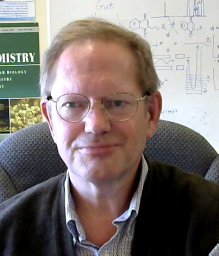 Jan F. Stevens合作论文数Department of Pharmacognosy, University of Groningen10
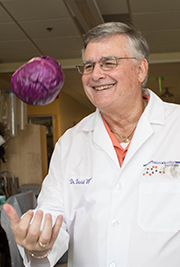 David Williams合作论文数Department of Environmental and Molecular Toxicology, Oregon State University9
 Bella Deborah合作论文数8Kasem Nithipatikom合作论文数8Jidong Su合作论文数8
 Jennifer L Strande合作论文数7
 John Clarke合作论文数7Atwell Lauren L合作论文数7
 John R Falck合作论文数University of Texas Southwestern Medical Center7Xiangping Fu合作论文数6Carmen Wong合作论文数4
 James Tweddell合作论文数4Jo El J. Schultz合作论文数4
 Laura M Beaver合作论文数3
 John D Imig合作论文数Department of Physiology, Tulane University School of Medicine3Ryan M. Fryer合作论文数3Alfred C. Nicolosi合作论文数3Kasi V. Routhu合作论文数3
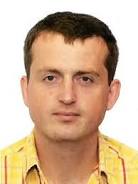 Jan Neckar合作论文数Institute of Physiology, The Czech Academy of Sciences3kimberly j kelsey合作论文数2Erik Bissessar合作论文数2Irina Bobrova合作论文数2
 Yuan Jiang合作论文数Oregon State University2
 Tsopanoglou Nikos E合作论文数Medical School, University of Patras2
 Daria Mochly-Rosen合作论文数Mochly-Rosen Lab,Department of Chemical and Systems Biology, School of Medicine, Stanford University2
 Peart Jason N合作论文数2
 Khan Abdul Quaiyoom合作论文数Department of Medical Elementology and Toxicology, Hamdard University2Wang Yigang合作论文数College of Medicine, University of Cincinnati2Rafiee Parvaneh合作论文数2
 Jaewoo Choi合作论文数Oregon State University, Oregon State University2Small Bryce A合作论文数2Urban Travis J合作论文数2Pfeiffer Adam W合作论文数2
 Nita H. Salzman合作论文数Department of Pediatrics and Microbiology & Immunology, Medical College of Wisconsin2
 Tammy Bray合作论文数2
 Tianwei Yu (于天维)合作论文数School of Data Science, The Chinese University of Hong Kong, Shenzhen2Vy Lam合作论文数2Jackilen Shannon合作论文数2
 Dave Williams合作论文数Department of Chemistry, Faculty of Science, The University of British Columbia2Melinda M. Davis合作论文数1d della bella合作论文数1Daniel Benak合作论文数1
 Dita Sotakova合作论文数1
 Zoraya Palomera-Sanchez合作论文数1




