ABSTRACT Research finds a link between far‐right political partisanship and attitudes towards transnational institutions among European citizens—mainly in relation to the European Union (EU). Citizens that support far‐right parties tend to view the European Union as unjustly subverting national sovereignty, which leads to a higher level of Euroskepticism when compared to supporters of most mainstream parties. In this study, our contribution is that we explore whether the negative attitudes far‐right party supporters have towards the European Union extend towards the United Nations (UN). We utilize the joint Wave 5 European Values Study (EVS)/World Values Survey (WVS) Wave 7 to estimate multiple regression models predicting confidence in the EU and UN across the Nordic countries. The results confirm previous studies showing that confidence in the EU is lower among far‐right partisans. In addition, the results demonstrate that although smaller in size, there are many instances where far‐right partisans also have less confidence in the UN. The analysis shows that far‐right partisans' lack of confidence in supranational organizations also extends to transnational institutions, which is an important area of inquiry given the UN's role in mitigating current global crises.
Suomi määritellään monien muiden valtioiden tavoin pienvaltioksi Yhdistyneiden kansakuntien (YK) kontekstissa. Toisaalta toimiessaan osana Pohjoismaista ryhmää ja Euroopan unionia (EU), Suomi on saanut tunnustettua vaikutusvaltaa ja näkyvyyttä monissa kysymyksissä. Tarkastelemme artikkelissa Suomen 2000-luvun YK-politiikkaa pienvaltioaseman lähtökohdista sekä analysoimme tähän liittyviä strategisia valintoja. Teoreettinen näkökulmamme perustuu pienvaltiokirjallisuuteen, erityisesti keskittyen pienvaltioidentiteettiin ja pienvaltioiden hyödyntämiin toimintamalleihin. Käytämme tutkimusaineistona Suomen YK-politiikan asiakirjoja sekä Suomen lausuntoja keskeisissä YK-elimissä. Täydennämme asiakirja-aineistoa suomalaisten YK-asiantuntijoiden haastatteluilla. Tutkimus osoittaa, että tulkinnat Suomen identiteetistä pienvaltiona vaihtelevat. Toisaalta Suomi pyrkii hyödyntämään toiminnassaan nimenomaan pienvaltioille ominaisia strategioita, kuten priorisointia sekä liittoutumista eri viiteryhmissä, ja on tässä mielessä muiden pienvaltioiden kaltainen.
Debates on the United Nations (UN) often refers to its legitimacy – its right to rule and how it is perceived. The UN and its organs, including the UN Security Council and General Assembly have been considered unrepresentative, not inclusive, and lacking democratic accountability due to the specific institutional settings and normative ideas. Different proposals have been introduced to respond to these acknowledged deficits, including the establishment of a parliamentary assembly within the United Nations following the example of the European Parliament. This article will concentrate on examining the already existing framework of having a parliamentary dimension within an intergovernmental organization, namely the UN, by recognizing the role of parliaments and parliamentarians through the UN’s cooperation with Inter-Parliamentary Union ( ipu ) to provide more inclusiveness to global governance. The article will contribute to the discussions of how recognizing the role of parliaments and parliamentarians could not only strengthen multilateralism but also provide for a more legitimate UN. The article covers not only the institutionalization of the cooperation between the ipu and UN but also the views of the UN member states towards parliamentary dimension in multilateral international cooperation. The article contributes to the ongoing discussions of bridging the gap between executive and legislative in international affairs and the role played by parliaments and parliamentarians in terms of supporting multilateralism.
This article examines how politicians consider political science and political scientists in the United States and more specifically in the United States Congress. The main idea is to examine Congressional debates in the specific timeline starting from the 1980s with an explicit focus on the argumentation of members of Congress. The interest lies in examining how members include references to political science or political theory in the debates and to what extent scholars and their works are cited in the debates. The article contributes to the discussions of political science as a discipline in the United States. Furthermore, it examines how the relationship between political science and politics is not only understood but also defined in the political debates of the United States. The article aims to shed light on how politicians are invoking political science and scholars in plenary session debates in contrast to employing expert statements in committee hearings or in the process of drafting bills and other governmental policies.
Debates on the United Nations (UN) often refers to its legitimacy - its right to rule and how it is perceived. The UN and its organs, including the UN Security Council and General Assembly have been considered unrepresentative, not inclusive, and lacking democratic accountability due to the specific institutional settings and normative ideas. Different proposals have been introduced to respond to these acknowledged deficits, including the establishment of a parliamentary assembly within the United Nations following the example of the European Parliament. This article will concentrate on examining the already existing framework of having a parliamentary dimension within an intergovernmental organization, namely the UN, by recognizing the role of parliaments and parliamentarians through the UN's cooperation with InterParliamentary Union (IPU) to provide more inclusiveness to global governance. The article will contribute to the discussions of how recognizing the role of parliaments and parliamentarians could not only strengthen multilateralism but also provide for a more legitimate UN. The article covers not only the institutionalization of the cooperation between the IPU and UN but also the views of the UN member states towards parliamentary dimension in multilateral international cooperation. The article contributes to the ongoing discussions of bridging the gap between executive and legislative in international affairs and the role played by parliaments and parliamentarians in terms of supporting multilateralism.
Legitimiteetti tai legitiimisyys on yksi Yhdistyneiden kansakuntien (YK) toiminnan kannalta keskeisistä käsitteistä, joka linkittyy myös monenkeskiseen yhteistyöhön ja siihen sitoutumiseen. Tässä katsausartikkelissa tarkastellaan YK:n legitimiteettiä yleiskokouksen näkökulmasta ja kysytään, miten yleiskokouksen uudistamista koskeva keskustelu vaikuttaa puolestaan koko YK:n legitimiteettiin. Erityisenä kiinnostuksen kohteena on kirjallisuudessa vähälle huomiolle jäänyt YK:n yleiskokous kansainvälisen politiikan toimijana ja yleiskokouksen mandaatti toimia eri kansainvälisen politiikan alaan kuuluvissa kysymyksissä. Artikkeli osoittaa, miten yleiskokouksella on tärkeä tehtävä koko YK:n kannalta: se ei ainoastaan luo perusteita legitimiteetille erityisenä globaalina ja universaalina toimijana, jossa kaikilla 193 jäsenmaalla on yhtäläinen ääni- ja puheoikeus, vaan se myös legitimoi YK:ssa tehtäviä päätöksiä ja normeja.
Kriegs- und Notstandsbefugnisse haben im Laufe der Jahrhunderte in verschiedenen Ländern existiert und Fragen nach der damit verbundenen politischen Autorität aufgeworfen. Die Autorin zeigt, wie Kriegs- und Notstandsbefugnisse verstanden wurden und welche Art von Konzepten und Argumenten zur Definition dieser Befugnisse in den politischen Debatten in den USA von den 1970er Jahren über die Terroranschläge vom 11. September bis zur Regierung von Donald J. Trump verwendet wurden. Ziel ist es, die Kontrolle des Kongresses über die Befugnisse des Präsidenten in Ausnahmesituationen aufzuzeigen und damit einen neuen Ansatz für die Untersuchung von Kriegs- und Notstandsbefugnissen zu bieten.
Kriegs- und Notstandsbefugnisse haben im Laufe der Jahrhunderte in verschiedenen Ländern existiert und Fragen nach der damit verbundenen politischen Autorität aufgeworfen. Die Autorin zeigt, wie Kriegs- und Notstandsbefugnisse verstanden wurden und welche Art von Konzepten und Argumenten zur Definition dieser Befugnisse in den politischen Debatten in den USA von den 1970er Jahren über die Terroranschläge vom 11. September bis zur Regierung von Donald J. Trump verwendet wurden. Ziel ist es, die Kontrolle des Kongresses über die Befugnisse des Präsidenten in Ausnahmesituationen aufzuzeigen und damit einen neuen Ansatz für die Untersuchung von Kriegs- und Notstandsbefugnissen zu bieten.
War and emergency powers have existed over the centuries in different countries, raising questions about the political authority related to them. ‘US Congress’ Powers under Debate’ illustrates how war and emergency powers have been understood and what kind of concepts and argumentation have been adopted to define these powers in US political debates from the 1970s to the 9/11 terrorist attacks and the Donald J. Trump administration. Its aim is to show the oversight Congress may have over presidential powers in exceptional situations and thus to offer a novel approach to the study of war and emergency powers.
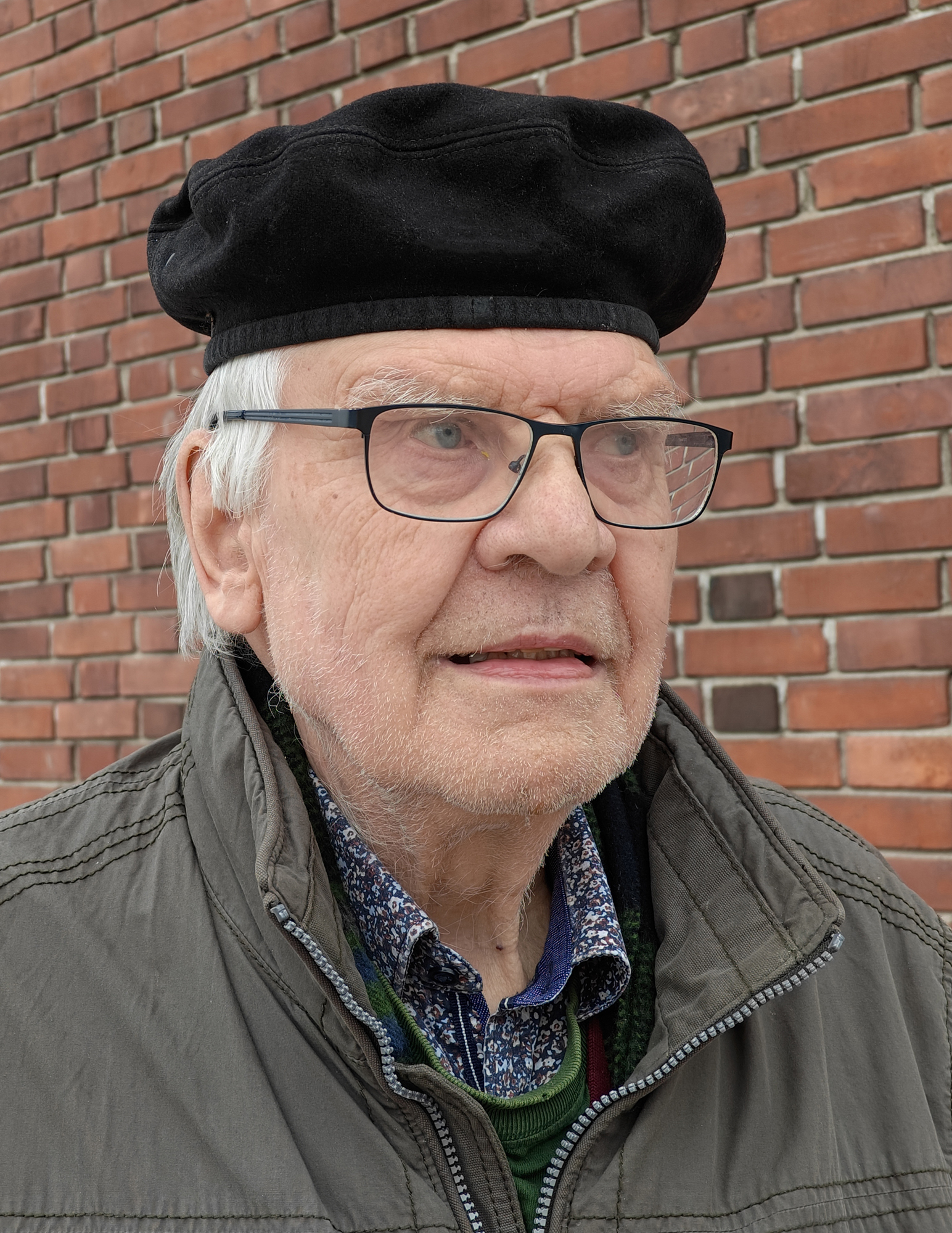 Kari Palonen合作论文数Department of Social Sciences and Philosophy, Faculty of Humanities and Social Sciences, University of Jyvaskyla4
 anna bjork合作论文数3
 Taru Haapala合作论文数Dept Social Sci & Philosophy, Univ Jyvaskyla2Henna-Riikka Pennanen合作论文数1Matti Hyvärinen合作论文数1Eero Palmujoki合作论文数1Suvi Soininen合作论文数1Markku Hyrkkanen合作论文数1Vilho Harle合作论文数1




