Abstract Introduction This study aimed to develop a multiparameter predictive model for spontaneous preterm birth in pregnant women with a history of advanced labor cesarean delivery, using cesarean scar ultrasound characteristics. Material and Methods This prospective observational cohort study included pregnant women with a history of advanced labor cesarean delivery (≥8 cm cervical dilatation) at University College London Hospitals (August 2019–August 2023). Participants underwent transvaginal ultrasound using validated protocols for cesarean scar evaluation. Measurements included scar distance to the internal os, niche dimensions (length, depth, and width), residual and adjacent myometrial thickness, and 3D niche and cervical volumes. Predictive models for spontaneous preterm birth and short cervical length ≤25 mm were developed using multivariable logistic regression, adjusting for potential confounders. Results During the surveillance period, 12.6% (21/166) of women developed a short cervix, and 23.5% (39/166) received preterm birth prophylactic interventions. Spontaneous preterm birth rate was 7.8% (13/166) <37 weeks and 4.8% (8/166) <34 weeks. The cesarean scar was visualized in 89.8% (149/166), with a niche identified in 48.3% (72/149) of women. Scars positioned at or caudal to the internal cervical os were associated with significantly higher risks of short cervix and/or spontaneous preterm birth compared to scars cranial to the internal os (aOR 5.26, 95% CI 1.59, 17.32, p = 0.006; aOR 5.00, 95% CI 1.10, 22.78, p = 0.037, respectively). Traditional predictive models based on cervical length and obstetric history demonstrated modest performance. Scar distance to the internal os consistently emerged as the strongest independent predictor of short cervix across all models (p < 0.001–0.005). Models incorporating 3D ultrasound scar parameters improved predictive accuracy, with the final model achieving AUC 0.91 (95% CI 0.81, 0.98) and 91% (95% CI 0.73, 1.00) sensitivity at FPR of 25% for spontaneous preterm birth. For short cervix prediction, the AUC was 0.89 (95% CI 0.80, 0.96), at 88% (95% CI 0.62, 1.00) sensitivity for the same FPR. Conclusions 3D transvaginal ultrasound assessment of cesarean scar morphology was associated with improved prediction of spontaneous preterm birth in pregnant women with a history of advanced labor cesarean delivery; however, scar position relative to the internal os remained the strongest individual predictor.
Background Approximately 5% of women will be affected by fetal malposition at full cervical dilatation, with the occiput in transverse or posterior positions. These women are more likely to require assistance to give birth to their babies with either rotational vaginal birth or cesarean birth at full dilatation. Three different rotational methods can be used: rotational (Kielland) forceps, rotational vacuum, and manual rotation. Current evidence supporting the use of the 3 rotational methods is only from observational data. To date, no randomized controlled trial (RCT) of rotational methods has been completed. Objective This study aimed to evaluate whether manual rotation of the fetal head in persistent malposition at full cervical dilatation reduces the risk of severe maternal perineal trauma without substantially increasing the risk of cesarean birth, compared with instrumental rotation. Methods ROTATE is a pragmatic, multicenter, 2-arm parallel group, open-label RCT of manual versus instrumental rotation of the fetal head in malposition at birth with an internal pilot and an embedded qualitative process evaluation. The primary outcome is to evaluate whether manual versus instrumental rotation at full cervical dilatation reduces the risk of severe perineal trauma (superiority outcome), defined as a third- or fourth-degree tear, without substantially increasing the risk of cesarean birth at full dilatation (noninferiority coprimary outcome). A sample size calculation found that 4988 participants are required to detect a clinically meaningful reduction of third- or fourth-degree tears from 6% to 4% with 90% power (α=.05). A total sample size of 5200 participants from approximately 40 sites is anticipated, as loss to follow-up is expected to be about 4%. Neonatal trauma, a composite of potential outcomes relating to intrapartum hypoxia and physical trauma, is a safety signal. The setting is National Health Service consultant–led maternity units across the United Kingdom. Randomization is performed after eligibility has been confirmed and verbal consent has been obtained. Randomization is undertaken via a 24-hour telephone service or web-based system. Participants are randomized at an individual level on a 1:1 ratio to manual or instrumental (forceps or vacuum) rotation. Written consent is sought postnatally. Results Data collection took place between September 9, 2022, and November 5, 2024. The total number of recruits is 321. The data analysis of primary and secondary outcomes is ongoing at the time of submission. Conclusions A multicenter RCT of rotational methods has been conducted in the United Kingdom. Although the trial was closed early due to challenges in meeting recruitment targets, the results are still highly anticipated. Trial Registration ISRCTN ISRCTN10193017; https://www.isrctn.com/ISRCTN10193017 International Registered Report Identifier (IRRID) DERR1-10.2196/72505
Broadband NIRS (bNIRS) is an extension of fNIRS that provides the same assessment of oxygenation biomarkers along with a valuable marker for oxygen metabolism at a cellular level, the oxidation state of cytochrome-c-oxidase (oxCCO). bNIRS implements many (100s) wavelengths in the NIR spectrum to address this and provide insight into tissue energetics. To supply these many wavelengths of light, broadband sources are required, and spectrometers are employed to distinguish power per wavelength. Current multi-channel bNIRS instruments are bulky and only semi-portable due to technological limitations. We propose a design for a bNIRS device that has been miniaturised to allow for portable use. This design leverages the innovations in photonic devices that have created a new line of SMD-type micro-spectrometers and broadband NIR high-power LEDs. This first-of-its-kind device, referred to as microCYRIL (after its two predecessors CYRIL and miniCYRIL), has been developed for oxygenation and metabolism measurements with dual channel operation. To validate functionality, concentration changes in oxygenated (HbO2) and deoxygenated (HHb) haemoglobin and oxCCO were successfully tracked during a cuff-induced brachial arterial occlusion.
Objective: To enable bedside, depth-resolved monitoring of placental oxygenation and metabolism, we redesigned the first-generation MAESTROS platform into MAESTROS II, a multispectral time-domain near-infrared spectroscopy (TD-NIRS) system. Methods: MAESTROS II combines a 6.5 W supercontinuum laser and acousto-optic tuneable filters with a four-channel detection block built around hybrid photomultiplier tubes and eight-channel TCSPC electronics. Hardware optimisation, including collimated fibre coupling and an inline reference arm, boosted responsivity and narrowed the instrument-response-function width by more than 40 %. A two-step analysis pipeline, comprising spectrally constrained two-layer modelling followed by gated Beer–Lambert estimation, yields absolute chromophore concentrations and dynamic changes in superficial and placental compartments. Results: Basic Instrument Protocol (BIP) and MEDPHOT testing showed improved light harvesting and a narrower instrument response function (IRF), translating into mean absolute errors below 10% in the retrieval of μa and μs′ in homogeneous media. Monte Carlo simulations across 356 patient-informed anatomies predicted an averaged placental sensitivity of 7.30 ± 12.31% across all anatomies. Two-layer blood phantoms demonstrated separation of superficial and deep oxygenation with the current method. In preliminary clinical use (n = 185 monitoring sessions), a support vector machine (SVM) using both optical features and available metadata achieved 92.1% accuracy for risk prediction and 78% for outcome prediction. A separate model estimated placental depth directly from optical data with mean error 0.42 cm. Restricting analysis to cases with ultrasound or optically measured placental depth below 3.5 cm increased accuracy for both risk and outcome to 93.3% and 78.9%, respectively. Conclusion: MAESTROS II improves photon harvest, temporal response, and clinical usability, enabling longitudinal, radiation-free assessment of in-vivo placental physiology. Significance: These first results are encouraging and outline a practical path toward early detection of placental insufficiency; ongoing work will tighten absolute accuracy and generalisability through refined phantoms, algorithmic updates, and expanded clinical validation.
Hypoxia is a common challenge in fetal development. Short-term acute episodes occur during labour owing to uterine contractions or umbilical cord compression. In response, the fetus prioritizes oxygen and nutrient delivery to the brain, heart and adrenal glands at the expense of other organs, a mechanism known as the fetal brain-sparing response. However, prolonged fetal hypoxia can occur in many conditions, including placental insufficiency, pre-eclampsia, high-altitude pregnancy and fetal congenital heart disease. Chronic hypoxia increases placental and fetal oxidative stress, triggering increased long-term cardiovascular risks in adult offspring, including hypertension and coronary artery disease. Antioxidants could potentially prevent this. However, as reactive oxygen species play a crucial role in the fetal brain-sparing response, excessive antioxidant use could weaken fetal defences against acute hypoxia, increasing the risk of hypoxic-ischaemic encephalopathy. Thus, for clinical use, an antioxidant should protect against programmed cardiovascular disease while preserving fetal brain sparing. This review summarizes preclinical evidence on the efficacy of antioxidants in preventing cardiovascular disease in the offspring of hypoxic pregnancy. We compare their effects on fetal brain sparing, highlighting the ability of the mitochondria-targeted antioxidant MitoQ to protect against programmed cardiovascular disease while preserving fetal brain sparing and outlining steps for clinical translation.This article is part of the discussion meeting issue 'Pregnancy at high altitude: the challenge of hypoxia'.
In Europe, approximately 85-90% of individuals with Osteogenesis Imperfecta (OI) have dominant pathogenic variants in the Col1a1 or Col1a2 genes whilst for Asian, especially Indian and Chinese cohorts, this ratio is much lower. This leads to decreased or abnormal Collagen type I production. Subsequently, bone formation is strongly reduced, causing bone fragility and liability to fractures throughout life. OI is clinically heterogeneous, with the severity ranging from mild to lethal depending on the gene and the type and location of the OI-causative variant and the subsequent effect on (pro) collagen type I synthesis. However, the specific effects on the phenotype and function of osteoblasts are not fully understood. To investigate this, one of the OI murine models was used, i.e. the oim/oim (OIM) mice, which closest resembling severely deforming OI in humans. We showed that in OIM, the Col1a2 mutation results in a multifactorial inhibition of the osteogenic differentiation and maturation as well as inhibition of osteoclastogenesis. The phenotype of differentiated OIM osteoblasts also differs from that of wild type mature osteoblasts, with upregulated oxidative cell stress and autophagy pathways. The extracellular accumulation of defective type I collagen fibres contributes to activation of the TGF-β signalling pathway and activates the inflammatory pathway. These effects combine to destabilise the balance of bone turnover, increasing bone fragility. Together, these findings identify the complex mechanisms underlying OI bone fragility in the OIM model of severe OI and can potentially enable identification of clinically relevant endpoints to assess the efficacy of innovative pro-osteogenic treatment for patients with OI.
The mechanisms by which vaginal microbiota shape spontaneous preterm birth (sPTB) risk remain poorly defined. Using electronic clinical records data from 74,913 maternities in conjunction with metaxanomic (n = 596) and immune profiling (n = 314) data, we show that the B blood group phenotype associates with increased risk of sPTB and adverse vaginal microbiota composition. The O blood group associates with sPTB in women who have a combination of a previous history of sPTB, an adverse vaginal microbial composition and pro-inflammatory cervicovaginal milieu. In contrast, women of blood group A have a higher prevalence of vaginal Lactobacillus crispatus, a lower risk of sPTB, with sPTB cases showing no association with vaginal microbiota composition or inflammation. We found that cervicovaginal fluid contains ABH(O) glycans and shows variable binding to key vaginal bacteria. This indicates that cervicovaginal ABH(O) glycans influence microbiota-host interactions implicated in sPTB risk, suggesting a novel target for sPTB prediction and prevention.
BACKGROUND:Impaired healing of cesarean delivery scars results in long-term complications, including scar niche formation, which may adversely impact future pregnancies and lead to gynecological symptoms such as postmenstrual spotting, dysmenorrhea, and chronic pelvic pain. Moreover, there is increasing evidence that a cesarean delivery scar located close to or within the cervix is associated with an increased risk of subsequent spontaneous preterm birth. The factors influencing cesarean birth scar location and healing remain poorly understood. OBJECTIVE:We explored the impact of antenatal, intrapartum, intraoperative, and postnatal factors on cesarean scar sonographic healing, location, and morphology after cesarean delivery in labor. STUDY DESIGN:This prospective observational cohort study recruited women who underwent cesarean delivery during active labor (cervical dilation 4-10 cm) at the University College London Hospital, UK (January 2021-October 2022). Transvaginal ultrasound was performed 4 to 12 months postpartum to evaluate cesarean delivery scar characteristics and location relative to the internal cervical os. Indicators of impaired scar healing were presence of a scar niche (depth ≥2 mm) and/or a healing ratio (residual/adjacent myometrial or cervical thickness) of ≤0.5. Regression analysis assessed the associations between clinical variables and cesarean scar parameters. RESULTS:Cesarean delivery scars were identified in 96.8% of women recruited (90/93). Advanced labor cesarean delivery (8-10 cm dilatation) was associated with an 8-fold increased likelihood of a scar located at or caudal to the internal os (relative risk, 7.77; 95% confidence interval, 2.59, 23.39; P<.001) compared to cesarean birth performed earlier in labor (4-7 cm dilatation). Cervical dilatation and fetal station at surgery significantly influenced scar position relative to the internal cervical os (P<.001). For each 1 cm increase in cervical dilatation during labor, the scar was positioned 0.88 mm more caudally on the uterus or cervix (95% confidence interval, 0.62, 1.14; P<.001). Similarly, for each 1 cm descent of the fetal part within the maternal pelvis, the cesarean scar was located 1.5 mm more caudally on the uterus or cervix (95% confidence interval, 0.71, 2.33; P<.001). The niche prevalence was 37.8% (34/90), of which 67.6% (23/34) had a healing ratio ≤0.5. Risk factors for suboptimal scar healing included body mass index ≥25, increased uterine artery vascular Doppler resistance, gestational age >40 weeks, the use of locking sutures during surgery, and cesarean delivery scar location caudal to the internal os on postnatal ultrasound (P<.05). Uterine scars, situated cranial to the internal os, had significantly larger niche dimensions compared to those located within the cervix, at or caudal to the internal os (P<.05). CONCLUSION:Advanced cervical dilatation and low fetal station at emergency cesarean delivery in labor are independent predictors of cesarean scar location near or within the cervix, and these cervical scars heal less well than scars located higher in the uterus. Even women having a cesarean birth at 8 to 9 cm have a high risk of the scar being close or within the cervix, which is known to increase the risk of subsequent spontaneous preterm birth. Further research is needed into the impact of cesarean scar characteristics on gynecologic symptoms and future pregnancy outcomes and to develop techniques to improve cesarean scar healing.
Objective: This study aimed to increase understanding of the signs and symptoms that lead pregnant people to seek hospital care in the second trimester of pregnancy. In addition, we aimed to describe management and follow up, to record pregnancy outcomes, and to gather information about symptoms and signs related to second trimester pregnancy loss. Methods: This prospective audit in seven geographically dispersed sites across the UK collected data over two weeks (7th March-20th March 2022 inclusive) on all unscheduled secondary care attendances between 14 and 21 completed weeks' gestation. Data on the number of patients booked at each unit within this 8-week second trimester gestational age range were collected. Descriptive analyses identified common patterns and associations with second trimester pregnancy loss. Results: Of 8,585 patients in the second trimester of their pregnancy, 283 presented acutely at least once over the two-week period (3.3 %) Of these, 19 patients experienced a second trimester pregnancy loss (7 % of those presenting in the second trimester). There were a broad range of presentations and diagnoses and a lack of standardisation of investigation and management of patients. Logistic regression identified associations between previous first trimester miscarriage (OR 2.95 95 % CI 1.15, 7.60), previous first trimester termination of pregnancy (OR 7.00 95 % CI 2.45, 19.98), and presentation with increased vaginal discharge (OR 3.82 CI 1.24, 11.7) with second trimester pregnancy loss. Conclusions: This study has identified that a significant number of pregnant people attend hospital and reattend in the second trimester of pregnancy, with a worrying lack of standardisation of both investigation and management, and a broad range of presenting symptoms and diagnoses. Patients who present in the second trimester have a high rate of second trimester pregnancy loss and the preliminary associations identified would benefit from further research in a larger scale study.
Fetal growth restriction (FGR) is an obstetric condition most frequently caused by placental dysfunction. It is a major cause of perinatal morbidity with limited treatment options, so identifying the underpinning mechanisms is important. Peptidylarginine deiminases (PADs) are calcium-activated enzymes that mediate post-translational citrullination (deimination) of proteins, through conversion of arginine to citrulline. Protein citrullination leads to irreversible changes in protein structure and function and is implicated in many pathobiological processes. Whether placental protein citrullination occurs in FGR is poorly understood. We assessed protein citrullination and PAD isozyme abundance (PAD1, 2, 3, 4 and 6) in human placental samples from pregnancies complicated by early- and late-onset FGR, compared to appropriate-for-gestational-age (AGA) controls. Proteomic mass spectrometry demonstrated that the placental citrullinome profile changed in both early- and late-onset FGR, with 112 and 345 uniquely citrullinated proteins identified in early- and late-onset samples, respectively. Forty-four proteins were citrullinated only in control AGA placentas. The proteins that were uniquely citrullinated in FGR placentas were enriched for gene ontology (GO) terms related to neurological, developmental, immune and metabolic pathways. A greater number of GO and human phenotype pathways were functionally enriched for citrullinated proteins in late- compared with early-onset FGR. Correspondingly, late-onset but not early-onset FGR was associated with significantly increased placental abundance of PAD2 and citrullinated histone H3, determined by Western blotting. PAD3 was downregulated in early-onset FGR while abundance of PAD 1, 4 and 6 was less altered in FGR. Our findings show that placental protein citrullination is altered in FGR placentas, potentially contributing to the pathobiology of placental dysfunction.
ABSTRACT Objective Foetal growth restriction (FGR) affects 10% of pregnancies, contributing to 30% of stillbirths. Current management of early‐onset FGR (< 32 + 0 weeks' gestation) delivers the foetus before stillbirth or irreversible organ damage. The resulting preterm births create additional risks independent of FGR. We determined the economic cost associated with severe early‐onset FGR. Design Economic analysis of EVERREST prospective study, a 6‐year multicentre prospective cohort study. Setting UK, Spain, Germany, Sweden. Population Pregnant women with estimated foetal weight < 3rd centile, 20 + 0–26 + 6 weeks of gestation. Methods Between antenatal recruitment and 2 years post‐delivery, maternal and infant resource use was collected using the Global Pregnancy CoLaboratory (COLAB) data set and an adapted client service receipt inventory (CSRI) questionnaire. Main Outcome Measure Cost differences between gestational age groups with Multivariable Generalised Linear Models. Results Of 135 births, 46% were extremely preterm (EPT, < 28 + 0 weeks), 23% very preterm (VPT, 28 + 0–< 32 + 0 weeks), 16% late/moderate preterm (MLPT, 32 + 0–< 37 + 0 weeks) and 14% term. Neonatal Unit (NNU) costs accounted for the largest costs incurred by either mother or infant, exhibiting the largest differences between gestational age groups. EPT infants costed an additional £157 832 (95% CI: £96 904–£218 760) on average per infant compared to the term group, VPT infants an additional £93 709 (95% CI: £62 656–£124 761) and MLPT infants an additional £20 182 (£11 882–£28 482). Conclusions Early‐onset FGR has substantial costs, predominantly incurred during infants' NNU admissions. Births < 32 + 0 weeks have significantly higher costs than term births, providing economic justification to research therapies that reduce iatrogenic preterm birth. Trial Registration ClinicalTrials.gov identifier: NCT02097667
Reactive hypoglycaemia is a condition where blood glucose drops after a glucose load, and may be associated with adverse pregnancy outcomes. This study aimed to determine the association between gestational reactive hypoglycaemia (GRH) and the risk of adverse pregnancy outcomes including those related to diabetes. We performed a systematic review and meta-analysis by searching 4 databases: Medline, Embase, Web of science, and Maternity infant care database, from inception to 1 December 2023. The outcomes of interest were any reported adverse pregnancy outcomes including large for gestational age (LGA), macrosomia, small for gestational age (SGA), fetal growth restriction (FGR), low birth weight (LBW), caesarean delivery, neonatal intensive care unit (NICU) admission, neonatal hypoglycaemia, polyhydramnios, 5-min APGAR score < 7 and preterm delivery. Risk of bias assessment was performed with Newcastle Ottawa scale. Subgroup analysis was also performed. From 14,746 records, 42 studies were selected for full-text assessment. Thirty studies reporting on 114,148 participants, including 18,878 women with GRH, fulfilled eligibility criteria. Pregnancies with observed GRH had higher risk of SGA (RR = 1.49, 95
MAESTROS is a state-of-the-art in-house developed multi-wavelength time-domain NIRS system. Using NIRS to measure in-vivo placenta oxygenation non-invasively at the bedside could potentially provide valuable insights into the health status of the pregnancy. However, the variable depth of the placenta in the abdomen results in reliability issues for monitoring with NIR. Here, a deep learning model is presented to estimate the placental depth using the Distribution of Time of Flight (DTOF) measurements from the MAESTROS system. The model trained with 108 cases predicted the placental depth in 20 test cases with a mean error of 0.42 cm and a strong statistical correlation between predicted values and the measurements from the ultrasound scans. The model was 100% accurate when identifying the 20% of cases where the placenta is deeper than 3 cm, where the depth is great enough to undermine NIRS. The model could be used to alert TD-NIRS operators early in the acquisition about placental depth or could assist with data cleaning in study analysis. Furthermore, a technique for explainable Artificial Intelligence was applied to provide insight into the features of the DTOF data used by the model to predict placental depth, which were consistent with expectations based on the physics and anatomy of this application.
 Sebastien Ourselin合作论文数London Institute for Healthcare Engineering, School of Biomedical Engineering & Imaging Sciences, Faculty of Life Sciences & Medicine, King’s College London;Wellcome EPSRC Centre for Medical Engineering, King’s College London;Artificial Intelligence Centre for Value Based Healthcare;Hypervision Surgical;Elaitra;OxVent84
 Donald Peebles合作论文数Department of Maternal Fetal Medicine, University College London80
 Andrew Melbourne合作论文数School of Biomedical Engineering & Imaging Sciences, Faculty of Life Sciences & Medicine, King’s College London65
 Jan Deprest合作论文数Institute for Women's Health, University College London;University College London Hospitals63
 Paolo De Coppi合作论文数56
 Tom Vercauteren合作论文数Department of Surgical & Interventional Engineering, School of Biomedical Engineering & Imaging Sciences, Faculty of Life Sciences & Medicine, King’s College London;University College London48
 Adrien Desjardins合作论文数Medical Physics and Biomedical Engineering, Faculty of Engineering Sciences, University College London35
 Rosalind Aughwane合作论文数Department of Medical Physics and Biomedical Engineering University College London London United Kingdom29
 Neil Sebire合作论文数Population, Policy and Practice Research Department, Great Ormond Street Institute of Child Health, Faculty of Population Health Sciences, University College London;Great Ormond Street Hospital for Children NHS Foundation Trust29
 Nada Mufti合作论文数Medical Physics and Biomedical Engineering, Faculty of Engineering Sciences, University College London27
 Ian C. Zachary (Ian Zachary)合作论文数Department of Medicine, Faculty of Medical Sciences, University College London25
 Simon Waddington合作论文数Institute for Women's Health, University College London24
 Wenfeng Xia合作论文数School of Biomedical Engineering & Imaging Sciences, Faculty of Life Sciences & Medicine, King’s College London23
 Dimitra Flouri合作论文数Kings Coll London, Sch Biomed Engn & Imaging Sci, London, England22
 Andrew Shennan合作论文数King’s College London22Mehta Vedanta合作论文数22Charles C. Coutelle合作论文数22
 Rebecca Spencer合作论文数Institute for Women's Health, University College London21Jacqueline M. Wallace合作论文数21
 Michael Aertsen合作论文数Department of Radiology, University Hospitals Leuven20
 Danail Stoyanov合作论文数Surgical Robot Vision Research Group, Department of Computer Science, Faculty of Engineering Sciences, University College London20
 Rosalind Pratt合作论文数UCL, London, England18Shangaris Panicos合作论文数18
 M Themis合作论文数Gene Therapy Research Group, Imperial College London18Raymond P. Aitken合作论文数18
 Boaz Weisz合作论文数Obstetrics and Gynaecology, University College London18
 Dimitris (Siassakos) Siasakos合作论文数Institute for Women's Health, University College London17
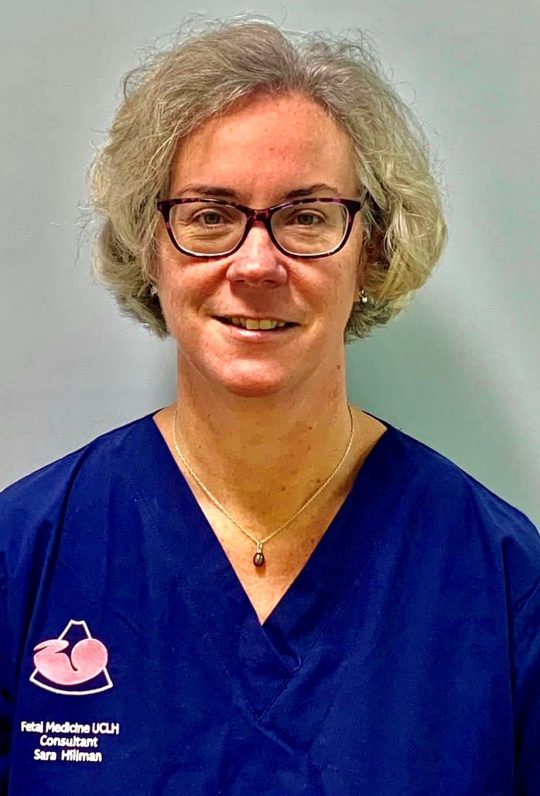 Sara Hillman合作论文数Obstetrics and Maternal and Fetal Medicine, University College London17
 Francisco Porto Guerra E Vasconcelos合作论文数Department of Computer Science, University College London17Sokolska Magdalena J合作论文数17Michael Boyd合作论文数16
 Adalina Sacco合作论文数16Attilakos George合作论文数16
 David Coggin-Carr合作论文数16Charles H. Rodeck合作论文数16
 Tina T Chowdhury合作论文数16Pranav Pandya合作论文数16James Catherine P合作论文数15
 Neil Marlow合作论文数Institute for Women's Health, University College London15
 Simeon West合作论文数University College London, University College Hospital15T. Cook合作论文数14
 Pascale Guillot合作论文数Elizabeth Garrett Anderson Institute for Women's Health, Population Health Sciences, University College London14Efthymios Maneas合作论文数Medical Physics and Biomedical Engineering, Faculty of Engineering Sciences, University College London14
 Rebecca M C Spencer合作论文数University of California at Berkeley14
 Jane Norman合作论文数University of Nottingham;Faculty of Health Sciences, University of Bristol14
 Sarah Stock合作论文数Centre for Reproductive Health, Institute for Regeneration and Repair, University of Edinburgh;Wellcome Leap;Wellcome Trust;NHS Lothian14Yada Kunpalin合作论文数13
 John Ciaran Hutchinson合作论文数Dept Histopathol, Great Ormond St Hosp Sick Children13Abi-Nader Khalil N合作论文数13




