Background:Pediatric brain tumors, particularly pontine diffuse midline glioma (pDMG), remains lethal with limited therapeutic options. Improved stereotactic biopsy techniques and advances in bioinformatics are progressively enabling deeper exploration of immunological vulnerabilities empowering novel strategies, including adoptive cell and gene therapies (ACGTs). We aimed to integrate genomic, transcriptomic, and immunological analyses to identify actionable pathways, surface antigens, and neoantigens that could inform next-generation immunotherapies, including Chimetic Antigen Receptor (CAR)-T cells and T cell Receptor (TCR)-T cell strategies. Methods:Primary pDMG samples (n = 6) underwent whole-genome and RNA sequencing. Transcriptional drug response profiling was used to define targetable transcriptional dependencies. Surface antigen expression and immune cell composition were assessed to evaluate suitability for ACGTs. Neoantigen prediction employed PIOR, integrating somatic variant calling, Human Laukocyte Antigen (HLA) binding, and expression data. Prioritized neoantigens were synthesized and used to stimulate healthy donor T cells. Activated CD137+ T cells were sorted for bulk TCR sequencing to identify clonally expanded TCRs. Results:Transcriptional drug response profiling revealed heterogeneous but actionable pathway dependencies. B4GALNT1 expression varied across tumors, identifying a subset with GD2 levels compatible with CAR-T targeting. Tumor microenvironment profiling showed enrichment of dendritic cells and M2 macrophages, with scarce CD8+ T cells and NK cells. Across samples, 31 somatic variants were identified including alterations in ACVR1, H3K27M, and TP53. Several predicted neoantigens induced T cell activation and clonal expansion. Conclusion:This integrated profiling approach identifies targetable pathways, surface antigens, and neoantigens in pDMG, supporting the development of CAR-T and TCR-T therapies. These insights also suggest potential applicability to other cancers harboring shared mutations.
BackgroundTumour-infiltrating T cells can mediate both antitumour immunity and promote tumour progression by creating an immunosuppressive environment. This dual role is especially relevant in hepatocellular carcinoma (HCC), characterised by a unique microenvironment and limited success with current immunotherapy.ObjectiveWe evaluated T cell responses in patients with advanced HCC by analysing tumours, liver flushes and liver-draining lymph nodes, to understand whether reactive T cell populations could be identified despite the immunosuppressive environment.DesignT cells isolated from clinical samples were tested for reactivity against predicted neoantigens. Single-cell RNA sequencing was employed to evaluate the transcriptomic and proteomic profiles of antigen-experienced T cells. Neoantigen-reactive T cells expressing 4-1BB were isolated and characterised through T-cell receptor (TCR)-sequencing.ResultsBioinformatic analysis identified 542 candidate neoantigens from seven patients. Of these, 78 neoantigens, along with 11 hotspot targets from HCC driver oncogenes, were selected for ex vivo T cell stimulation. Reactivity was confirmed in co-culture assays for 14 targets, with most reactive T cells derived from liver flushes and lymph nodes. Liver flush-derived T cells exhibited central memory and effector memory CD4+ with cytotoxic effector profiles. In contrast, tissue-resident memory CD4+ and CD8+ T cells with an exhausted profile were primarily identified in the draining lymph nodes.ConclusionThese findings offer valuable insights into the functional profiles of neoantigen-reactive T cells within and surrounding the HCC microenvironment. T cells isolated from liver flushes and tumour-draining lymph nodes may serve as a promising source of reactive T cells and TCRs for further use in immunotherapy for HCC.
ABSTRACTCOVID‐19 remains a significant global health problem with uncertain long‐term consequences for convalescents. We investigated the relationships between anti‐N protein antibody levels, severe acute respiratory syndrome (SARS)‐CoV‐2‐associated TCR repertoire parameters, HLA type and epidemiological information from three cohorts of 524 SARS‐CoV‐2‐infected subjects subgrouped in acute phase, seronegative and seropositive convalescents from the Emilia Romagna region. Epidemiological information and anti‐N antibody index were associated with TCR repertoire data. HLA type was inferred from TCR repertoire using the HLA3 tool and its association with clonal breadth (CB) and clonal depth (CD) was assessed. Age above 58 years, male and COVID‐19 hospitalisation were significantly and independently associated with seropositivity (p = 0.004; p = 0.004; p = 0.04), suggesting an association between high antibody titres and symptoms' severity. As for the TCR repertoire analysis, we found no difference in CB among the cohorts, while CD was higher in seronegative than acute (p = 0.04). However, clustering analysis supported that seronegative patients are endowed with broader CB and deeper CD indicating a compensatory mechanism without effective seroconversion. The CD calculated on the TCRs associated with the single SARS‐CoV‐2 ORFs in convalescents is higher when compared to the acute. Lastly, we identified and reported on novel HLAs significantly associated with increased risk of hospitalisation such as HLA‐C*07:02 carriers (OR = 3.9, CI = 1.1–13.4, p = 0.03) and on HLAs that associate significantly with lower or higher TCR repertoire parameters in a population exposed for the first time to SARS‐CoV‐2.
Recent times have witnessed remarkable progress in cancer immunotherapy, drastically changing the cancer treatment landscape. Among the various immunotherapeutic approaches, adoptive cell therapy (ACT), particularly chimeric antigen receptor (CAR) T cell therapy, has emerged as a promising strategy to tackle cancer. CAR-T cells are genetically engineered T cells with synthetic receptors capable of recognising and targeting tumour-specific or tumour-associated antigens. By leveraging the intrinsic cytotoxicity of T cells and enhancing their tumour-targeting specificity, CAR-T cell therapy holds immense potential in achieving long-term remission for cancer patients. However, challenges such as antigen escape and cytokine release syndrome underscore the need for the continued optimisation and refinement of CAR-T cell therapy. Here, we report on the challenges of CAR-T cell therapies and on the efforts focused on innovative CAR design, on diverse therapeutic strategies, and on future directions for this emerging and fast-growing field. The review highlights the significant advances and changes in CAR-T cell therapy, focusing on the design and function of CAR constructs, systematically categorising the different CARs based on their structures and concepts to guide researchers interested in ACT through an ever-changing and complex scenario. UNIVERSAL CARs, engineered to recognise multiple tumour antigens simultaneously, DUAL CARs, and SUPRA CARs are some of the most advanced instances. Non-molecular variant categories including CARs capable of secreting enzymes, such as catalase to reduce oxidative stress in situ, and heparanase to promote infiltration by degrading the extracellular matrix, are also explained. Additionally, we report on CARs influenced or activated by external stimuli like light, heat, oxygen, or nanomaterials. Those strategies and improved CAR constructs in combination with further genetic engineering through CRISPR/Cas9- and TALEN-based approaches for genome editing will pave the way for successful clinical applications that today are just starting to scratch the surface. The frontier lies in bringing those approaches into clinical assessment, aiming for more regulated, safer, and effective CAR-T therapies for cancer patients.
Severe acute respiratory syndrome coronavirus 2 (SARS-CoV-2)-specific neutralizing antibodies (NAbs) lack cross-reactivity between SARS-CoV species and variants and fail to mediate long-term protection against infection. The maintained protection against severe disease and death by vaccination suggests a role for cross-reactive T cells. We generated vaccines containing sequences from the spike or receptor binding domain, the membrane and/or nucleoprotein that induced only T cells, or T cells and NAbs, to understand their individual roles. In three models with homologous or heterologous challenge, high levels of vaccine-induced SARS-CoV-2 NAbs protected against neither infection nor mild histological disease but conferred rapid viral control limiting the histological damage. With no or low levels of NAbs, vaccine-primed T cells, in mice mainly CD8+ T cells, partially controlled viral replication and promoted NAb recall responses. T cells failed to protect against histological damage, presumably because of viral spread and subsequent T cell-mediated killing. Neither vaccine- nor infection-induced NAbs seem to provide long-lasting protective immunity against SARS-CoV-2. Thus, a more realistic approach for universal SARS-CoV-2 vaccines should be to aim for broadly cross-reactive NAbs in combination with long-lasting highly cross-reactive T cells. Long-lived cross-reactive T cells are likely key to prevent severe disease and fatalities during current and future pandemics.
Glioblastoma (GBM) remains a deadly tumor. Treatment with chemo-radiotherapy and corticosteroids is known to impair the functionality of lymphocytes, potentially compromising the development of autologous CAR T cell therapies. We here generated pre-clinical investigations of autologous anti-GD2 CAR T cells tested against 2D and 3D models of GBM primary cells. We detected a robust anti-tumor effect, highlighting the feasibility of developing an autologous anti-GD2 CAR T cell-based therapy for GBM patients.
Objective Chronic HBV/HDV infections are a major cause of liver cancer. Current treatments can only rarely eliminate HBV and HDV. Our previously developed preS1-HDAg immunotherapy could induce neutralising antibodies to HBV in vivo and raise HBV/HDV-specific T-cells. Here, we further investigate if a heterologous prime-boost strategy can circumvent T-cell tolerance and preclude HDV superinfection in vivo. Design A DNA prime-protein boost strategy was evaluated for immunogenicity in mice and rabbits. Its ability to circumvent T-cell tolerance was assessed in immunocompetent hepatitis B surface antigen (HBsAg)-transgenic mice. Neutralisation of HBV and HDV was evaluated both in vitro and in immunodeficient human-liver chimeric mice upon adoptive transfer. Results The prime-boost strategy elicits robust HBV/HDV-specific T-cells and preS1-antibodies that can effectively prevent HBV and HDV (co-)infection in vitro and in vivo. In a mouse model representing the chronic HBsAg carrier state, active immunisation primes high levels of preS1-antibodies and HDAg-specific T-cells. Moreover, transfer of vaccine-induced antibodies completely protects HBV-infected human-liver chimeric mice from HDV superinfection. Conclusion The herein described preS1-HDAg immunotherapy is shown to be immunogenic and vaccine-induced antibodies are highly effective at preventing HBV and HDV (super)infection both in vitro and in vivo. Our vaccine can complement current and future therapies for the control of chronic HBV and HDV infection.
Topic: 25. Gene therapy, cellular immunotherapy and vaccination - Clinical Background: Immunotherapy with chimeric antigen receptor (CAR) T-cells targeting CD19 (CD19 CAR-T) has revolutionized the curative treatment options for chemorefractory B-cell precursor acute lymphoblastic leukemia (B-ALL). However, around half of the patients relapse post CD19 CAR-T, and no CAR-T against T-cell ALL (T-ALL) has yet been approved. In contrast to a CAR, a natural T-cell receptor (TCR) can also target intracellular proteins, presented as peptides on HLA (MHC) molecules on the cell surface, vastly increasing the target repertoire. Our group has recently identified and characterized a TCR specifically recognizing a peptide derived from TdT (terminal deoxynucleotidyl transferase) presented on HLA-A*02:01 (Ali et al., Nat Biotech, 2022). TdT is expressed in most lymphoblastic malignancies. T-cells genetically modified to express the TdT-specific TCR efficiently eradicated B-ALL and T-ALL cells in vitro (primary leukemia samples from patients), and in vivo in advanced mouse models (PDX mice), if the leukemia cells expressed TdT and were HLA*02:01+. In contrast, HLA-A*02:01-negative or TdT-negative leukemia cells, as well as normal naïve and mature T-/B-cells and normal hematopoietic stem cells (naturally lacking TdT expression) were spared. Thymocyte development was unaffected in a humanized mouse model of normal hematopoiesis. Aims: InsighT-1 is a phase I/IIa first-in-human clinical trial to evaluate the safety, feasibility, pharmacodynamics and preliminary efficacy of autologous T-cells transduced to express the specific TdT-targeting TCR in patients aged ≥1 year with relapsed and/or refractory TdT+ B-/T-ALL or B-/T-LBL and who have no standard curative treatment option available, have evaluable disease at screening, are HLA-A*02:01+ (by HLA genotyping) and whose malignant cells express TdT (by immunohistochemistry and/or flow cytometry). Methods: The investigational product, TdT-3, consists of autologous CD8+-enriched T-cells retrovirally transduced to express the TdT TCR. TdT-3 will be manufactured on an automated CliniMACS Prodigy device at Oslo University Hospital, following a non-mobilized leukapheresis. After lymphodepleting chemotherapy with Flu/Cy, patients will be infused with fractionated doses of TdT-3, following a dose-escalation scheme with four dose levels. Dose escalation will be guided by the Bayesian optimal interval (BOIN) design. Primary endpoints are rate of successful provision (i.e. manufacture and release) of TdT-3 within a clinically relevant time frame (intent-to-treat), type, incidence and severity of dose limiting toxicities (DLT), and to establish the maximum tolerated dose (MTD), or highest dose infused if MTD is not reached, and recommended phase 2 dose (RP2D) of TdT-3. Secondary objectives include to determine the feasibility of manufacturing TdT-3 at the intended dose level, to evaluate the pharmacokinetics, pharmacodynamics and biodistribution of TdT-3, and to evaluate the preliminary efficacy of TdT-3. Results: Not yet available (trial-in-progress) Summary/Conclusion: InsighT-1 is a phase I/IIa dose-escalation trial (in-progress) evaluating a novel TCR immunotherapy targeting TdT in HLA-A*02:01+ patients with relapsed/refractory TdT+ T-/B-ALL or T-/B-LBL, which aims to enroll 15 patients over a 3-year period. Recruitment is planned to open in early 2024. Keywords: Adoptive immunotherapy, T-ALL, TCR, Clinical trial
Additional materials and methods. Figure S1. CD4+ T cells responded to USP9X-Y2009C minimal epitope. Figure S2. CD4+ T cells recognized INPP5K-L272V neoantigen. Figure S3. T cells transduced with TCRs recognize Histone H1.5-A71D neoantigen. Figure S4. CD4+ T cells responded to RAPTOR-D654G minimal neoepitope. Figure S5. The p53-G245S minimal neoepitope was mapped to the N-terminus of the 25 amino acid neoantigen. Figure S6. Peptide parsing from Patient 7 demonstrated CTAGE5-E576V, p53-Y220C and HUWE1-F4353S responses.
EDITORIAL article Front. Oncol., 07 March 2023Sec. Molecular and Cellular Oncology Volume 13 - 2023 | https://doi.org/10.3389/fonc.2023.1171907
These tables contain data representing the screening of TIL for recognition of mutated tandem mini-gene constructs.
Gating strategy, Shannon entropy, PD-1 expression, additional co-culture data, primers sequence, Frequency of the top 10 CD8+PD-1+ TCRB in bulk unsorted TIL and sorted TIL subsets, Retrospective analysis of pairing the most frequent TCRB in the CD8+PD-1+ TIL subset with the most frequent TCRA from the same subset, Method of identification of TCR pairs, TCR expression on genetically engineered PBL.
The number of each of the six classes of base substitutions resulting in non-synonymous changes in the whole exome screen is shown.
These tables contain details describing mutations identified by whole exome and RNA sequencing, tandem mini-gene constructs, and HLA peptide binding predictions
A list of genes that were found to be somatically mutated in pt3713 and all of the major information needed for our genomic study
 Steven A. Rosenberg合作论文数Center for Cancer Research, National Cancer Institute, National Institutes of Health;Uniformed Services University of Health Sciences;School of Medicine, George Washington University;Department of Laboratory Medicine, Karolinska Institutet40
 Todd D. Prickett合作论文数35Jared Gartner合作论文数Center for Cancer Research, National Cancer Institute32
 Drew C. Deniger合作论文数26
 Maria R. Parkhurst合作论文数Surgery Branch, Center for Cancer Research, National Cancer Institute, National Institutes of Health25
 Paul F. Robbins合作论文数Center for Cancer Research, National Cancer Institute, National Institutes of Health23
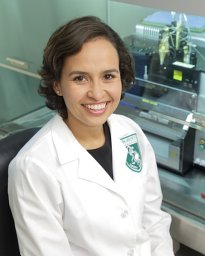 Alena Gros合作论文数National Cancer Institute (NCI),, National Institutes of Health18
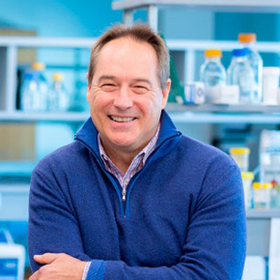 Paul Robbins合作论文数College of Biological Sciences, University of Minnesota;Institute on the Biology of Aging and Metabolism, University of Minnesota18Crystal Jessica S合作论文数15Matti Sällberg合作论文数14Eric Tran合作论文数National Cancer Institute (NCI),, National Institutes of Health14
 Lars Frelin合作论文数13Yong-Chen Lu合作论文数13Parisa Malekzadeh合作论文数11Ahlén Gustaf合作论文数11Li Jia合作论文数10
 Rami Yossef合作论文数NCI, Surg Branch, NIH, Bldg 10, Bethesda, MD 20892 USA10Panagiota Maravelia合作论文数9
 Biman Paria合作论文数National Cancer Institute, National Institutes of Health9
 Satyajit Ray合作论文数9Winifred Lo合作论文数8John R. Wunderlich合作论文数8Robert P. Somerville合作论文数7
 Margaret Sallberg Chen合作论文数7kasia trebskamcgowan合作论文数6
 Daniela Nascimento Silva合作论文数Department of Surgery, Pontifícia Universidade Católica do Rio Grande do Sul (PUCRS),6
 James C. Yang合作论文数Center for Cancer Research, National Cancer Institute6Mona El-Gamil合作论文数6Yong F Li合作论文数5Isaac R. Kriley合作论文数5Katarzyna Trebska-McGowan合作论文数5Scott Kivitz合作论文数NCI, NIH5Gal Cafri合作论文数NCI, Surg Branch, Bldg 10, Bethesda, MD 20892 USA5Langhan Michelle M合作论文数5Yao Xin合作论文数5
 Soo Aleman合作论文数5Thomas E. Shelton合作论文数5Zhiya Yu合作论文数5Noelia Caro Perez合作论文数4Lucia Mazzotti合作论文数4Lien T Ngo合作论文数NCI, Bethesda, MD 20892 USA4Giulia Rovesti合作论文数Clin & Expt Med PhD Program, Univ Modena & Reggio Emilia4
 Anette Brass合作论文数4
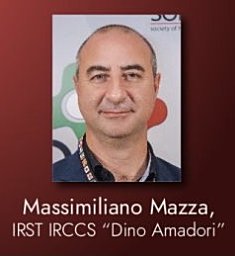 Mazza Massimiliano合作论文数Department of Experimental Oncology, European Institute of Oncology4
 Magnus Johansson合作论文数Department of Laboratory Medicine, Karolinska Institute4Volker Lohmann合作论文数4
 Stephan Urban合作论文数Department of Molecular Virology, University of Heidelberg4
 Cyrille J Cohen合作论文数Center for Cancer Research;National Cancer Institute;Center for Cancer Research, National Cancer Institute4
 Claudio Cerchione合作论文数3




