Male reproductive aging is increasingly recognized as a systemic process in which inflammaging drives progressive dysfunction of urogenital tissues. Key mechanisms include immune-metabolic alterations, activation of the NOD-like receptor protein 3 (NLRP3) inflammasome, as well as epigenetic remodeling. Evidence from experimental and clinical studies suggests that these processes are often investigated independently, and integrative models in humans remain limited. Here, we propose a conceptual framework linking the prostate, testis, and skeletal muscle, in which oxidative stress may act as a mediator amplifying systemic dysregulation at different levels during the aging process. Lifestyle and metabolic interventions, including caloric restriction, resistance exercise, and selected nutraceuticals, may act as key modulators of inflammaging pathways, thus highlighting new potential targets for precision medicine approaches.
In the original publication [...].
Aging is accompanied by a chronic low-grade systemic inflammatory state known as “inflammaging”, driven by the accumulation of pro-inflammatory and immunosenescent cells, oxidative stress, and dysregulation of apoptosis and autophagy. Experimental evidence suggests that caloric restriction (CR) can slow down inflammaging, although its impact on spermatogenesis remains controversial. This study aimed to investigate the effects of CR on age-related testicular inflammation and any effects on germ cells. Fourteen 18-month-old Sprague-Dawley rats were randomly divided into two groups and sacrificed after 6 months: 7 rats on a normal ad libitum diet (ND) and 7 rats on CR (40
Congenital hypogonadotropic hypogonadism (CHH) is a rare and heterogeneous genetic disorder with variable penetrance caused by GnRH deficiency, leading to delayed puberty and infertility. In 50–60% of cases, CHH is associated with non-reproductive abnormalities, most commonly anosmia/hyposmia (Kallmann syndrome, KS). Over 60 genes have been implicated in CHH pathogenesis. We aimed to perform genetic screening in a cohort of 14 patients (10 males, 4 females; mean age 22 ± 7.72 years) with suspected or diagnosed HH/KS. Genetic analysis was conducted using next-generation sequencing (NGS) with a custom panel of 46 candidate genes. Variant interpretation followed ACMG standards and guidelines. Multiple tools were used to predict the structural effects of variants on tertiary protein structure, assessing their pathogenicity. Novel variants were functionally characterized by qRT-PCR on mRNA extracted from peripheral leukocytes. NGS identified nine rare variants and four novel variants in genes previously associated with normosmic isolated HH (nHH) and/or KS (FGFR1, PROK2, TAC3R, DCC, WDR11, IL17RD, DUSP6, KAL1, FGF8, IL17RD and DCC). The variant in TAC3R (p.Trp275Ter) was pathogenic; variants in ANOS1 (c.541+1G>A), IL17RD (c.1303_1304dup, p.Lys436ThrfsTer58), and TAC3R (p.Lys361Ter) were likely pathogenic. Nine variants were classified as variants of uncertain significance (VUS). Our study identified a possible genetic cause in 71% of the CHH/KS cohort, emphasizing the importance of genetic screening and functional characterization of genetic variants in patients with a phenotypically and genetically heterogeneous disorder like CHH.
The nucleotide-binding domain, leucine-rich containing family, pyrin domain-containing-3 (NLRP3) inflammasome, a multiprotein complex belonging to the innate immune system, plays a key role in the chronic inflammatory response through the production of pro-inflammatory cytokines, IL-1β and IL-18, which can elicit their effects through receptor activation, both locally and systemically. Furthermore, it has been demonstrated the interaction of NLRP3 inflammasome components with redox signaling, endoplasmic reticulum stress, and mitochondrial function. A growing literature reported the involvement of NLRP3 platform dysregulation in the pathophysiology of different chronic diseases so it has been proposed that the inhibition of NLRP3 inflammasome could represent a new potential therapeutic target in the management of autoimmune and chronic inflammatory diseases, including cancer. In addition, it has been demonstrated that SARS-CoV-2 preferentially activates NLRP3 inflammasome, strongly contributing to the hyperinflammatory state responsible for COVID-19. Recently, in-vitro and animal models of both infectious and non-infectious male genital tract diseases affecting fertility, demonstrated the activation of the innate immune system, leading to increased levels of pro-inflammatory cytokines, as well as apoptosis and pyroptosis and that it was likely mediated by activation of the NLRP3 inflammasome. The objective of this review was to analyze the evidence on the role and the mechanisms by which NLRP3-inflammasome pathway activation may exert detrimental effects on the male reproductive system. Furthermore, although the literature data are still discordant, this review also highlighted the possible connection between SARS-CoV-2 infection/NLRP3 activation/oxidative stress and male infertility.
Over the past twenty years, owing to the spread of screening programs, the incidence of urogenital cancers has shown an increasing trend, especially for certain types of cancer, such as endometrial and ovarian cancers in women and prostate cancer in men [...]
Background: Plastic pollution driven by human activities has become a critical global issue for human health. A growing literature demonstrates that micro- and nanoplastics (MNPs) contain endocrine-disrupting chemicals (EDCs) and other harmful compounds that enter the body easily, acting as agonists or antagonists for a wide range of hormonal receptors, and promoting endocrine toxicity. Endocrine disruption induced by MNPs occurs through the aberrant activation/inhibition of different signaling pathways that in addition to directly interfering with hormonal balances, trigger apoptosis, oxidative stress, and inflammation in endocrine cells. However, to date, the molecular mechanisms of these contaminants remain not completely elucidated. Furthermore, given the unanimous consensus on the negative impact of MNPs on human health, several methodologies have been developed to detect MNPs and contaminants not only in the environment but also in biological fluids and human tissues. Results: This review comprehensively summarizes the emerging experimental and clinical evidence explaining the mechanisms underlying the toxicity related to chronic plastic pollution in relation to the endocrine system. In addition, the review illustrates the new methodological approaches to detect MNPs in human biological samples, highlighting that employing complementary methods enables the precise characterization and quantification of MNPs. Conclusions: Future studies employing experimental, epidemiological, epigenetic, and multi-omics approaches are essential for understanding the short and long-term effects of MNPs on endocrine glands and developing effective strategies to mitigate their impact on human health.
Cognitive decline, a common consequence of aging, detrimentally affects independence, physical activity, and social interactions. This decline encompasses various cognitive functions, including processing speed, memory, language, and executive functioning. This trial aimed to investigate, with a double-blind, placebo-controlled clinical trial on 96 healthy older adults, the efficacy of once-daily 250 mg of a standardized grape (Vitis vinifera L.) juice extract (Cognigrape®) in improving short- and long-term cognitive functions. The results revealed significant improvements across multiple cognitive domains, notably immediate and delayed memory, visuospatial abilities, language, and attention, with improvements occurring within just 14 days, which continued to improve after 84 days of supplementation. The extract exhibited statistically significant enhancements in the Mini-Mental State Evaluation (MMSE), assessment of neuropsychological status (RBANS), “Esame Neuropsicologico Breve 2 (ENB-2), and Modified Bells Test (MBT) scores, with the latter test revealing a significant improvement in selective attention within just 90 min of the first dose. These positive results highlight the potential this natural grape extract has on improving cognitive function both acutely and chronically in a healthy aging population, which in turn supports a longer health span, at least cognitively.
Gut dysbiosis refers to an imbalance in gut microbiota composition and function. Opuntia ficus-indica extract has been shown to modulate gut microbiota by improving SCFA production in vivo and gastrointestinal discomfort (GD) in humans. The aim of this study was to demonstrate the efficacy of OdiliaTM on gastrointestinal health by changing the microbial diversity of species involved in inflammation, immunity, oxidation, and the brain–gut–muscle axis. A randomized, double-blind clinical trial was conducted in 80 adults with gut dysbiosis. The intervention consisted of a 300 mg daily intake of OdiliaTM (n = 40) or maltodextrin as a placebo (n = 40), administered for 8 weeks. Intervention effect was evaluated using 16S metagenomics and GIQLI/GSAS scores at baseline, at 4 and 8 weeks. Eight weeks of OdiliaTM supplementation positively modulates gut microbiota composition with a significant reduction in the Firmicutes to Bacteroidetes ratio (p = 0.0012). Relative abundances of beneficial bacteria (Bacteroides and Clostridium_XIVa) were significantly increased (p < 0.001), in contrast to a significant reduction in pro-inflammatory bacteria (p < 0.001). Accordingly, GIQLI and GSAS scores revealed successful improvement in GD. OdiliaTM may represent an effective and well-tolerated treatment in subjects with gut dysbiosis.
Strategies for controlling cholesterol and lipid metabolism, including the use of food supplements, are part of the non-pharmacological intervention to ameliorate cardiovascular health. To demonstrate the efficacy of a standardized flavonoids (150 mg/day) extract from Citrus bergamia on cholesterol and lipid management, a placebo-controlled clinical trial on 64 subjects with high cholesterol was carried out. The total study duration was 4 months, with intermediate checkpoints at 1-month intervals. Low-density lipoprotein (LDL-C), high-density lipoprotein (HDL-C) cholesterol, total cholesterol (TC) levels, oxidized low-density lipoprotein (ox-LDL), and paraoxonase activity (PON1) were measured as primary endpoints (efficacy evaluation), while weight, blood pressure, hepatic and renal function blood markers were measured as secondary endpoints (safety evaluation). After 4 months, both TC and LDL-C significantly decreased by 8.8% and 11.5%, respectively, along with a 5.5% increase in HDL-C which was trending towards significance. In addition, ox-LDL was significantly reduced by 2.0%, while PON1 was significantly increased by 6.5%. The secondary endpoints were not changed during the study, demonstrating a good tolerability of the test product. Our findings demonstrate the efficacy of the extract as a natural approach for cholesterol and lipid metabolism management.
Prostate cancer (PCa) is the third highest cause of cancer death in men. PCa is a very heterogeneous tumor form in terms of grade, phenotypes, and genetics, often accompanied by complex networks. PCa is characterized by slow growth that does not compromise the patient’s quality of life, unlike more aggressive forms showing rapid growth and progression. Early diagnosis, even for the most aggressive forms, increases the possibilities of cure with less aggressive treatments and fewer side effects. However, it is important to know how to decrease the exposure to modifiable risk factors, including diet, sedentary life, smoking and alcohol, can represent an effective tool to reduce the incidence of PCa. In addition, the chronic exposure to environmental factors, most of which act as endocrine disruptors, is the focus of recent studies for their potential role in promoting the onset and progression of PCa. Although molecular therapies and clinical trials for biomarker identification have been introduced into the management of PCa, these still lag behind research performed in other solid tumors. This review provides an overview of the modifiable factors of PCa, linked to lifestyle and environmental pollutants, which together with the development of new therapeutic targets, can reduce the incidence of PCa and improve the quality of life of patients.
Numerous animal models have demonstrated that caloric restriction (CR) is an excellent tool to delay aging and increase the quality of life, likely because it counteracts age-induced oxidative stress and inflammation. The aging process can affect the prostate in three ways: the onset of benign prostatic hyperplasia, prostatitis, and prostate cancer. In this study, we used 14 aged male Sprague Dawley rats, which were allocated into two groups, at the age of 18 months old. One group was fed ad libitum (a normal diet (ND)), and the other group followed a caloric restriction diet with a 60% decrease in intake. The rats were sacrificed at the age of 24 months. By immunohistochemical (IHC) and Western blot (WB) analyses, we studied the variations between the two groups in immune inflammation and fibrosis-related markers in aged prostate tissues. Morphological examinations showed lower levels of prostatic hyperplasia and fibrosis in the CR rats vs. the ND rats. The IHC results revealed that the prostates of the CR rats exhibited a lower immune proinflammatory infiltrate level and a reduced expression of the NLRP3 inflammasome pathway, together with significantly reduced expressions of mesenchymal markers and the profibrotic factor TGFβ1. Finally, by WB analysis, we observed a reduced expression of ERα, which is notoriously implicated in prostate stromal proliferation, and increased expressions of SOD1 and Hsp70, both exerting protective effects against oxidative stress. Overall, these data suggest that CR brings potential benefits to prostatic tissues as it reduces the physiological immune–inflammatory processes and the tissue remodeling caused by aging.
Anderson–Fabry disease (AFD) is an X-linked multisystemic disorder with a heterogeneous phenotype, resulting from deficiency of the lysosomal enzyme α-galactosidase A (α-Gal A) and leading to globotriaosylceramide systemic accumulation. Lysosomal storage is not the unique player in organ failure and different mechanisms could drive tissue damage, including endoplasmic reticulum (ER) stress and its related signaling pathway’s activation. We identified a new missense variant in the signal peptide of α-GLA gene, c.13 A/G, in a 55-year-old woman affected by chronic kidney disease, acroparesthesia, hypohidrosis, and deafness and exhibiting normal values of lysoGb3 and αGLA activity. The functional study of the new variant performed by its overexpression in HEK293T cells showed an increased protein expression of a key ER stress marker, GRP78, the pro-apoptotic BAX, the negative regulator of cell cycle p21, the pro-inflammatory cytokine, IL1β, together with pNFkB, and the pro-fibrotic marker, N-cadherin. Transmission electron microscopy showed signs of ER injury and intra-lysosomal inclusions. The proband’s PBMC exhibited higher expression of TGFβ 1 and pNFkB compared to control. Our findings suggest that the new variant, although it did not affect enzymatic activity, could cause cellular damage by affecting ER homeostasis and promoting apoptosis, inflammation, and fibrosis. Further studies are needed to demonstrate the variant’s contribution to cellular and tissue damage.
Renal artery aneurysms (RAAs) are lesions with an incidence of less than 1% in the general population. The co-existence of these clinical entities with renal arteriovenous fistulas (AVF) has been rarely described. Often asymptomatic, these anomalies are commonly diagnosed during abdominal imaging. Endovascular techniques for the treatment of asymptomatic RAA and AVF have been described in sporadic clinical cases. We presented the case of an adult man who presented to our hospital with severe hemorrhagic shock because of a rupture of a giant aneurysm of the left renal artery with a concomitant artero-venous mal-formation and fistula in the urinary tract, requiring emergency nephrectomy.
Partial nephrectomy (PN) is the primary surgical method for renal tumor treatment, typically involving clamping the renal artery during tumor removal, leading to warm ischemia and potential renal function impairment. Off-clamp approaches have been explored to mitigate organ damage, yet few results have emerged about the possible effects on hemoglobin loss. Most evidence comes from retrospective studies using propensity score matching, known to be sensitive to PS model misspecification. The energy balancing weights (EBW) method offers an alternative method to address bias by focusing on balancing all the characteristics of covariate distribution. We aimed to compare on- vs. off-clamp techniques in PN using EB-weighted retrospective patient data. Out of 333 consecutive PNs (275/58 on/off-clamp ratio), the EBW method achieved balanced variables, notably tumor anatomy and staging. No significant differences were observed in the operative endpoints between on- and off-clamp techniques, although off-clamp PNs showed slight reductions in hemoglobin loss and renal function decline, albeit with slightly higher perioperative blood loss. Our findings support previous evidence, indicating comparable surgical outcomes between standard and off-clamp procedures, with the EBW method proving effective in balancing baseline variables in observational studies comparing interventions.
When treating structured health-system-related knowledge, the establishment of an over-dimension to guide the separation of entities becomes essential. This is consistent with the information retrieval processes aimed at defining a coherent and dynamic way – meaning by that the multilevel integration of medical textual inputs and computational interpretation – to replicate the flow of data inserted in the clinical records. This study presents a strategic technique to categorize the clinical entities related to patients affected by neurodegenerative diseases. After a pre-processing range of tasks over paper-based and handwritten medical records, and through subsequent machine learning and, more specifically, natural language processing operations over the digitized clinical records, the research activity provides a semantic support system to detect the main symptoms and locate them in the appropriate clusters. Finally, the supervision of the experts proved to be essential in the correspondence sequence configuration aimed at providing an automatic reading of the clinical records according to the clinical data that is needed to predict the detection of neurodegenerative disease symptoms.
Kidney transplantation is the best available renal replacement therapy for patients with end-stage kidney disease and is associated with better quality of life and patient survival compared with dialysis. However, despite the significant technical and pharmaceutical advances in this field, kidney transplant recipients are still characterized by reduced long-term graft survival. In fact, almost half of the patients lose their allograft after 15–20 years. Most of the conditions leading to graft loss are triggered by the activation of a large immune-inflammatory machinery. In this context, several inflammatory markers have been identified, and the deregulation of the inflammasome (NLRP3, NLRP1, NLRC4, AIM2), a multiprotein complex activated by either whole pathogens (including fungi, bacteria, and viruses) or host-derived molecules, seems to play a pivotal pathogenetic role. However, the biological mechanisms leading to inflammasome activation in patients developing post-transplant complications (including, ischemia-reperfusion injury, rejections, infections) are still largely unrecognized, and only a few research reports, reviewed in this manuscript, have addressed the association between abnormal activation of this pathway and the onset/development of major clinical effects. Finally, the regulation of the inflammasome machinery could represent in future a valuable therapeutic target in kidney transplantation.
Many studies have suggested that SARS-CoV-2, directly or indirectly, can affect the male reproductive system, although the underlined mechanisms have not been completely elucidated yet. The purpose of this review is to provide a summary of the current data concerning the impact of SARS-CoV-2 infection on the male urogenital tract, with a particular emphasis on the testes and male fertility. The main data regarding the morphological alterations in the testes emerged from autoptic studies that revealed interstitial congestion, micro thrombosis, reduction of Sertoli, Leydig, and germinal cells, infiltrated immune cells, and atrophic seminiferous tubules consistent with orchitis. Furthermore, men with severe infection exhibit sperm parameter alterations, together with abnormalities of the hypothalamic–pituitary–testis axis, strongly suggesting that SARS-CoV-2 could increase the risk of male infertility. However, despite the inadequate number of longitudinal studies, spermatogenesis and sex hormone imbalance seem to improve after infection resolution. The yet unresolved question is whether the virus acts in a direct or/and indirect manner, as discordant data related to its presence in the testis and semen have been reported. Regardless of the direct effect, it has been postulated that the cytokine storm and the related local and systemic inflammation could strongly contribute to the onset of testis dysfunction, leading to male infertility. Therefore, multicentric and longitudinal studies involving a large number of patients are needed to understand the real impact of SARS-CoV-2 infection on male reproduction.
 Danilo Lofaro合作论文数Department of Nephrology, Dialysis and Transplantation, “Annunziata” Hospital83
 Renzo Bonofiglio合作论文数Nephrology, Dialysis and Transplant Unit, Annunziata Hospital66
 Antonella La Russa合作论文数53Vizza Donatella合作论文数49Lupinacci Simona合作论文数43Leone Francesca合作论文数42Toteda Giuseppina合作论文数41Gigliotti Paolo合作论文数41
 Martina Bonofiglio合作论文数22
 Vittoria Rago合作论文数Faculty of Pharmacy, University of Calabria20
 Antonio Aversa合作论文数Cattedra di Andrologia;Dipartimento di Fisiopatologia Medica;Cattedra di Andrologia|Dipartimento di Fisiopatologia Medica20P. Gigliotti合作论文数18D. Vizza合作论文数17
 Sabrina Bossio合作论文数15F. Leone合作论文数Osservatorio Astrofisico di Catania14S. Lupinacci合作论文数13Aldo Pinchera合作论文数13Massimo Tonacchera合作论文数12
 Luca Chiovato合作论文数Scientific Clinical Institute Maugeri12
 Patrizia Agretti合作论文数Dipartimento di Endocrinologia e Metabolismo;Centro Eccellenza AMBISEN;Cattedra di Endocrinologia;Cattedra di Endocrinologia, Centro Eccellenza AMBISEN12G. Toteda合作论文数11Teresa Papalia合作论文数11
 Sandro La Vignera合作论文数Policlin G Rodolico, Catania Univ11
 Daniele La Russa合作论文数11T Papalia合作论文数9Francesco Puoci合作论文数Dipartimento di Scienze Farmaceutiche, Università della Calabria9Paolo Vitti合作论文数8Pierangela Presta合作论文数8
 Erika Pasceri合作论文数6
 Antonio Brunetti合作论文数6G De Marco合作论文数6Laura Mazzanti合作论文数6
 Daniela Bonofiglio合作论文数Department of Pharmaco-Biology, University of Calabria6
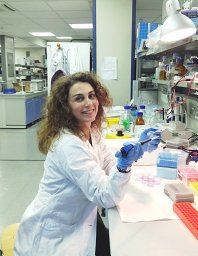 Silvia Di Agostino合作论文数Dipartimento di Biologia, Università `Roma Tre'6Michele Di Dio合作论文数5R Bergamaschi合作论文数5E Cacciari合作论文数5Renzo Bonofilgio合作论文数4Roberta Talarico合作论文数4Agata Mollica合作论文数4C Di Cosmo合作论文数4Claudia Lanza合作论文数4
 Benedetta Aquino合作论文数4Sebastiano Andò合作论文数4
 Emanuela Scarano合作论文数4
 Anna De Bartolo合作论文数4Aquila Saveria合作论文数4Armentano Filomena合作论文数4




