Triple-negative breast cancer (TNBC) is an aggressive subtype characterized by the absence of estrogen receptor, progesterone receptor, and HER2 overexpression. Its poor prognosis arises from a combination of factors, including the lack of targeted therapeutic options, intrinsic tumor aggressiveness, and high recurrence and metastasis rates. Chemotherapy remains the mainstay of treatment; however, drug resistance poses a major clinical challenge. Emerging evidence suggests that Transient Receptor Potential (TRP) channels, key regulators of calcium signaling and cellular stress responses, may contribute to tumor progression and influence sensitivity to anticancer drugs. Therefore, this study aimed to investigate the role of TRP channels in mediating chemotherapy resistance in TNBC. TNBC cell lines (MDA-MB-231, SUM-159PT, and BT-20), Luminal A breast cancer cell lines (MCF-7 and T-47D) and HER2 + breast cancer cell line (SkBr3) were exposed to a chemotherapy regimen consisting of epirubicin, cyclophosphamide, and paclitaxel (ECP) to model treatment conditions. TRP channel expression was quantified by real-time PCR. The functional role of TRPM2 was investigated through siRNA-mediated silencing and pharmacological inhibition using tatM2NX. Cell viability, apoptosis, mitochondrial calcium dynamics, and oxidative stress were assessed using established biochemical and imaging-based assays. In addition, the functional relationship between miR-6791 and TRPM2 was explored through miRNA overexpression experiments, with subsequent evaluation of TRPM2 expression and the effects on cell viability. TRPM2 expression was strongly induced in TNBC cells following ECP treatment compared with untreated controls. This upregulation promoted cell survival and limited apoptosis under chemotherapy stress, in part by supporting mitochondrial function and calcium homeostasis. In contrast, TRPM2 inhibition using siRNA or the peptide inhibitor tatM2NX sensitized TNBC cells to ECP, increased apoptotic cell death, and disrupted mitochondrial calcium balance. In addition, miR-6791 emerged as a negative regulator of TRPM2, and its overexpression reduced TRPM2 levels and partially restored chemosensitivity in resistant TNBC cells. TRPM2 acts as a critical mediator of chemotherapy resistance in TNBC. Targeting TRPM2 directly or through its upstream regulator miR-6791 may represent a promising strategy to enhance chemosensitivity and improve clinical outcomes in TNBC patients.
The tumor microenvironment (TME) modulates immune responses and clinical outcomes. Here, we present a protocol to establish a fully humanized immune-hot and -cold lung TME using the Emulate organ-on-a-chip system by culturing human lung microvascular endothelial cells and human lung tumor cells. We describe steps for perfusing human peripheral blood mononuclear cells (PBMCs), visualizing immune cell recruitment, and analyzing immune infiltration across TME phenotypes through immunofluorescence, flow cytometry, or secretome analysis. This protocol can be adapted to model the TME in different cancer types.
Calcium is essential for cellular homeostasis, orchestrating a vast array of physiological processes through tightly regulated storage, flux, and signaling pathways. Dysregulation of calcium homeostasis disrupts these finely tuned processes, leading to aberrant signaling that contributes to cancer progression. Beyond its role in cellular dysfunction, calcium also regulates the metabolic reprogramming in cancer cells, enabling them to adapt their metabolism to support tumor growth, survival, and resistance. Despite its fundamental role, direct therapeutic targeting of calcium signaling in cancer remains elusive. This review explores the intricate cross talk between calcium signaling and cancer metabolism, dissecting how distinct calcium dynamics drive adaptive oncogenic adaptations. Deciphering this interplay may reveal therapeutic opportunities that leverage calcium-dependent metabolic vulnerabilities in cancer. Given its broad influence, calcium signaling regulation could serve as a multitargeting strategy for anticancer therapy, broadening the range of potential therapeutic interventions.
Expression of concern for ‘An ‘on-demand’ photothermal antibiotic release cryogel patch: evaluation of efficacy on an ex vivo model for skin wound infection’ by Léa Rosselle, et al., Biomater. Sci., 2020, 8, 5911–5919, https://doi.org/10.1039/D0BM01535K.
Obesity and type 2 diabetes are major risk factors for cardiovascular diseases and multiple malignancies, and epidemiology reveals an increasing burden of obesity-related cancers, in particular liver, pancreatic and endometrial. Obesity is also clearly associated with an increased risk of breast cancer, particularly in postmenopausal women. Chronic hyperinsulinemia, systemic inflammation, and metabolic dysregulation create a tumor-promoting environment, emphasizing the need for interventions that target metabolic health and can provide cancer prevention or interception. This review examines the potential cancer-preventive effects of antidiabetic and anti-obesity drugs, summarizing current preclinical and clinical evidence on their mechanisms and efficacy. Among these agents, metformin has been extensively studied, demonstrating anticancer properties through AMP-activated protein kinase activation, mammalian target of rapamycin inhibition, and reduced insulin-like growth factor 1 signaling. Glucagon-like peptide-1 receptor agonists, including semaglutide and tirzepatide, promote weight loss, insulin sensitivity, and anti-inflammatory effects, with emerging evidence suggesting direct tumor-suppressive actions. Sodium-glucose cotransporter 2 inhibitors modulate tumor metabolism by reducing glucose availability and mitigating systemic inflammation. Other agents, including dipeptidyl peptidase-4 inhibitors, thiazolidinediones, sulfonylureas, and alpha-glucosidase inhibitors, have shown mixed evidence regarding their potential anticancer effects, necessitating further investigation. While observational studies and meta-analyses suggest a potential reduction in cancer risk with certain antidiabetic and anti-obesity agents, randomized controlled trials specifically assessing cancer prevention are limited. Additionally, long-term safety concerns, including potential tumor-promoting effects in specific contexts, warrant further investigation. Future research should focus on large-scale clinical trials and mechanistic studies to validate the oncologic benefits and risks of these agents.
Endothelial cells (ECs) are highly plastic, capable of differentiating into various cell types. Endothelial-to-mesenchymal transition (EndMT) is crucial during embryonic development and contributes substantially to vascular dysfunction in many cardiovascular diseases (CVDs). While targeting EndMT holds therapeutic promise, understanding its mechanisms and modulating its pathways remain challenging. Using single-cell RNA sequencing on three in vitro EndMT models, we identified conserved gene signatures. We validated original regulators in vitro and in vivo during embryonic heart development and peripheral artery disease. EndMT induction led to global expression changes in all EC subtypes rather than in mesenchymal clusters. We identified mitochondrial calcium uptake as a key driver of EndMT; inhibiting mitochondrial calcium uniporter (MCU) prevented EndMT in vitro, and conditional Mcu deletion in ECs blocked mesenchymal activation in a hind limb ischemia model. Tissues from patients with critical limb ischemia with EndMT features exhibited significantly elevated endothelial MCU. These findings highlight MCU as a regulator of EndMT and a potential therapeutic target.
The 32nd Ion Channel Meetings were organized by the Ion Channels Association from September 17 to 20, 2023 in the Occitanie region (Sète). Researchers, post-docs and students from France, Europe and non-European countries came together to present and discuss their work on various themes covering the field of neuroscience, stem cells, hypoxia and pathophysiology cardiac. Through the plenary conference given by Professor Emilio Carbone and the 5 conferences organized by the scientific committee, attention was paid this year to autism, neuromotor and cardiac disorders and tumor aggressive processes. The scientific exchanges were enriched by two general conferences on the biometric analysis of publications related to ion channels and a retrospective presentation of proven cases of scientific fraud. These presentations are summarized in this meeting report.
Tumor vessel co-option, a process in which cancer cells "hijack"pre-existing blood vessels to grow and invade healthy tissue, is poorly understood but is a proposed resistance mechanism against anti-angiogenic therapy (AAT). Here, we describe protocols for establishing murine renal (RENCA) and breast (4T1) cancer lung vessel co-option metastases models. Moreover, we outline a reproducible protocol for single-cell isolation from murine lung metastases using magnetic-activated cell sorting as well as immunohistochemical stainings to distinguish vessel co-option from angiogenesis.For complete details on the use and execution of this protocol, please refer to Teuwen et al. (2021).
Emerging evidence indicates that the TRPM8 channel plays an important role in prostate cancer (PCa) progression, by impairing the motility of these cancer cells. Here, we reveal a novel facet of PCa motility control via direct protein-protein interaction (PPI) of the channel with the small GTPase Rap1A. The functional interaction of the two proteins was assessed by active Rap1 pull-down assays and live-cell imaging experiments. Molecular modeling analysis allowed the identification of four putative residues involved in TRPM8-Rap1A interaction. Point mutations of these sites impaired PPI as shown by GST-pull-down, co-immunoprecipitation, and PLA experiments and revealed their key functional role in the adhesion and migration of PC3 prostate cancer cells. More precisely, TRPM8 inhibits cell migration and adhesion by trapping Rap1A in its GDP-bound inactive form, thus preventing its activation at the plasma membrane. In particular, residues E207 and Y240 in the sequence of TRPM8 and Y32 in that of Rap1A are critical for the interaction between the two proteins not only in PC3 cells but also in cervical (HeLa) and breast (MCF-7) cancer cells. This study deepens our knowledge of the mechanism through which TRPM8 would exert a protective role in cancer progression and provides new insights into the possible use of TRPM8 as a new therapeutic target in cancer treatment.
Calcium (Ca2+)-permeable channels are key players in different processes leading to blood vessel formation via sprouting angiogenesis, including endothelial cell (EC) proliferation and migration, as well as in controlling vascular features which are typical of the tumor vasculature.In this review we present an up-to-date and critical view on the role of Ca2+-permeable channels in tumor vascularization, emphasizing on the dual communication between growth factors (mainly VEGF) and Ca2+ signals. Due to the complexity of the tumor microenvironment (TME) as a source of multiple stimuli acting on the endothelium, we aim to discuss the close interaction between chemical and physical challenges (hypoxia, oxidative stress, mechanical stress) and endothelial Ca2+-permeable channels, focusing on transient receptor potential (TRP), store-operated Ca2+ channels (SOCs), and mechanosensitive Piezo channels. This approach will depict their crucial contribution in regulating key properties of tumor blood vessels, such as recruitment of endothelial progenitors cells (EPCs) in the early steps of tumor vascularization, abnormal EC migration and proliferation, and increased vascular permeability. Graphical abstract depicting the functional role of Ca2+-permeable TRP, SOCs and Piezo channels in the biological processes regulating tumor angiogenesis in presence of both chemical (oxidative stress and oxygen levels) and mechanical stimuli (ECM stiffness). SOCs store-operated Ca2+ channels, TRPA transient receptor potential ankyrin, TRPV transient receptor potential vanilloid, TRPC transient receptor potential canonical, TRPM transient receptor potential melastatin, TRPM transient receptor potential vanilloid, O2 oxygen, ECM extracellular matrix.
EDITORIAL article Front. Physiol., 16 July 2021Sec. Vascular Physiology https://doi.org/10.3389/fphys.2021.725531
Tumor vessel co-option is poorly understood, yet it is a resistance mechanism against anti-angiogenic therapy (AAT). The heterogeneity of co-opted endothelial cells (ECs) and pericytes, co-opting cancer andmyeloid cells in tumors growing via vessel co-option, has not been investigated at the single-cell level. Here, we use a murine AAT-resistant lung tumor model, in which VEGF-targeting induces vessel co-option for continued growth. Single-cell RNA sequencing (scRNA-seq) of 31,964 cells reveals, unexpectedly, a largely similar transcriptome of co-opted tumor ECs (TECs) and pericytes as their healthy counterparts. Notably, we identify cell types that might contribute to vessel co-option, i.e., an invasive cancer-cell subtype, possibly assisted by a matrix-remodeling macrophage population, and another M1-like macrophage subtype, possibly involved in keeping or rendering vascular cells quiescent.
Purpose of review Recently, the combination of antiangiogenic agents, chemotherapy and immunotherapy has shown synergistic anticancer effects in non-small cell lung cancer (NSCLC). The future for this approach appears bright in lung cancer treatment; however, many challenges remain to be overcome regarding its true potential, optimal sequence and timing of therapy, and safety profile. In this review, we will discuss the current status and future direction of antiangiogenic therapy for the treatment of NSCLC, and highlight emerging strategies, such as tumor vessel normalization (TVN). Recent findings Bevacizumab was the first antiangiogenic agent approved for the treatment of advanced NSCLC. Recently, the combination of chemotherapy/antiangiogenic therapy with immunotherapy showed high efficacy in first-line settings. A subgroup of patients with liver metastasis and driver mutation-addicted tumors benefited most, suggesting that the metastatic location, as well as the genetic background of the tumor, are key determinants for therapy responses. Summary The efficacy of antiangiogenic therapies in unselected patients is rather limited. The tumor microenvironment has appeared to be more complex and heterogeneous than previously assumed. Only a contextual rather than a cell-specific approach might provide valuable insights towards the clinical validation of combinational therapies.
A myriad of topical therapies and dressings are available to the clinicians for wound healing skin, but only a very few have shown their effectiveness in promoting wound repair due to challenges in controlling drug release. To address this issue, in this work, a near infrared (NIR)-light activable cryogel based on butyl methacrylate (BuMA) and poly(ethylene glycol) methyl ether methacrylate (PEGMEMA) incorporated with reduced graphene oxide (rGO) was fabricated. The obtained cryogel provides the required hydrophilicity beneficial for wound treatment. The excellent photo-thermal properties of rGO allow for heating the cryogel, which results in subsequent swelling of the cryogel (CG) followed by release of the encapsulated drug load, cefepime in our case. Without photothermal activation, no release of payload was observed. The potential of this bandage for wound healing was examined using an ex vivo human skin model infected with Staphylococcus aureus (S. aureus). Apart from the efficacy of the cryogel based wound healing system, our results also suggest that the ex vivo wound model evaluated here provides a rapid and valuable tool to study superficial skin infections in humans and test the efficacy of antimicrobial agents.
RATIONALE:Endothelial cells (ECs) are highly glycolytic and generate the majority of their energy via the breakdown of glucose to lactate. At the same time, a main role of ECs is to allow the transport of glucose to the surrounding tissues. GLUT1 (glucose transporter isoform 1/Slc2a1) is highly expressed in ECs of the central nervous system (CNS) and is often implicated in blood-brain barrier (BBB) dysfunction, but whether and how GLUT1 controls EC metabolism and function is poorly understood.OBJECTIVE:We evaluated the role of GLUT1 in endothelial metabolism and function during postnatal CNS development as well as at the adult BBB.METHODS AND RESULTS:Inhibition of GLUT1 decreases EC glucose uptake and glycolysis, leading to energy depletion and the activation of the cellular energy sensor AMPK (AMP-activated protein kinase), and decreases EC proliferation without affecting migration. Deletion of GLUT1 from the developing postnatal retinal endothelium reduces retinal EC proliferation and lowers vascular outgrowth, without affecting the number of tip cells. In contrast, in the brain, we observed a lower number of tip cells in addition to reduced brain EC proliferation, indicating that within the CNS, organotypic differences in EC metabolism exist. Interestingly, when ECs become quiescent, endothelial glycolysis is repressed, and GLUT1 expression increases in a Notch-dependent fashion. GLUT1 deletion from quiescent adult ECs leads to severe seizures, accompanied by neuronal loss and CNS inflammation. Strikingly, this does not coincide with BBB leakiness, altered expression of genes crucial for BBB barrier functioning nor reduced vascular function. Instead, we found a selective activation of inflammatory and extracellular matrix related gene sets.CONCLUSIONS:GLUT1 is the main glucose transporter in ECs and becomes uncoupled from glycolysis during quiescence in a Notch-dependent manner. It is crucial for developmental CNS angiogenesis and adult CNS homeostasis but does not affect BBB barrier function.
Calcium ion (Ca2+) signaling is critical to many physiological processes, and its kinetics and subcellular localization are tightly regulated in all cell types. All Ca2+ flux perturbations impact cell function and may contribute to various diseases, including cancer. Several modulators of Ca2+ signaling are attractive pharmacological targets due to their accessibility at the plasma membrane. Despite this, the number of specific inhibitors is still limited, and to date there are no anticancer drugs in the clinic that target Ca2+ signaling. Ca2+ dynamics are impacted, in part, by modifications of cellular metabolic pathways. Conversely, it is well established that Ca2+ regulates cellular bioenergetics by allosterically activating key metabolic enzymes and metabolite shuttles or indirectly by modulating signaling cascades. A coordinated interplay between Ca2+ and metabolism is essential in maintaining cellular homeostasis. In this review, we provide a snapshot of the reciprocal interaction between Ca2+ and metabolism and discuss the potential consequences of this interplay in cancer cells. We highlight the contribution of Ca2+ to the metabolic reprogramming observed in cancer. We also describe how the metabolic adaptation of cancer cells influences this crosstalk to regulate protumorigenic signaling pathways. We suggest that the dual targeting of these processes might provide unprecedented opportunities for anticancer strategies. Interestingly, promising evidence for the synergistic effects of antimetabolites and Ca2+-modulating agents is emerging.
Introduction Tumour blood vessels are highly abnormal, they are leaky and poor perfused. This creates a hypoxic microenvironment and limits the delivery of nutrients, chemotherapy and immune cells. Tumour vessel abnormalities are due to pathological angiogenesis by hyperglycolytic tumour endothelial cells (TECs). Cantelmo et al recently showed that blocking the glycolytic activator PFKFB3 in TECs by the small compound 3PO normalised the tumour vasculature, improved oxygenation and the delivery and efficacy of cytoxic agents. Here, we investigate if tumour vessel normalisation (TVN) induced by PFKFB3 blockade enhances intratumoral T cell infiltration and activation, and increases the efficacy of immune-checkpoint inhibition. We also characterised the effect of TVN on cancer cell metabolism, to make them more vulnerable to immune-mediated killing. Material and methods We injected B16 mouse melanoma cells subcutaneously in wild-type mice and treated the tumor-bearing mice with either 3PO or vehicle. We analysed the intratumoral T cell infiltration and activation by immunofluorescence and FACS analysis. We also treated tumor-bearing mice with the immune-checkpoint inhibitor anti-PD1 alone or in combination with 3PO. Cancer cell metabolism upon TVN was assessed by radioactive flux analysis and measurement of oxygen consumption rate in freshly isolated cancer cells exposed to 3PO in vivo. Results and discussions Ongoing work suggests that 3PO treatment significantly increases intratumoral T cell infiltration compared to controls. Tumor-infiltrating T cells appeared to be more activated and proliferative. Furthermore, upon 3PO treatment, cytotoxic short-lived effector (CD44+ KLRG1+ CD127-) and IFNg+ T cells increased compared to controls. The combination of 3PO with anti-PD1 significantly inhibited tumour growth in comparison to 3PO or anti-PD1 monotherapy. Metabolic analysis of isolated cancer cells showed increased oxygen consumption, glucose and fatty acid oxidation in tumours treated with 3PO. Conclusion Our data suggest that TVN induced by PFKFB3 blockade in TECs: (i) increases the immunogenecity of intrinsically resistant tumours, both in terms of T cell infiltration and activation; (ii) reprograms cancer cells towards a more oxidative metabolism. This results in increased cancer cell susceptibility to immune responses and in overall increased efficacy of immune-checkpoint inhibition. Further research will elucidate how TVN regulates T cell activation and reprogramms cancer cell metabolism.
The role of fatty acid synthesis in endothelial cells (ECs) remains incompletely characterized. We report that fatty acid synthase knockdown (FASN(KD)) in ECs impedes vessel sprouting by reducing proliferation. Endothelial loss of FASN impaired angiogenesis in vivo, while FASN blockade reduced pathological ocular neovascularization, at >10-fold lower doses than used for anti-cancer treatment. Impaired angiogenesis was not due to energy stress, redox imbalance, or palmitate depletion. Rather, FASN(KD) elevated malonyl-CoA levels, causing malonylation (a post-translational modification) of mTOR at lysine 1218 (K1218). mTOR K-1218 malonylation impaired mTOR complex 1 (mTORC1) kinase activity, thereby reducing phosphorylation of downstream targets (p70S6K/4EBP1). Silencing acetyl-CoA carboxylase 1 (an enzyme producing malonyl-CoA) normalized malonyl-CoA levels and reactivated mTOR in FASN(KD) ECs. Mutagenesis unveiled the importance of mTOR K1218 malonylation for angiogenesis. This study unveils a novel role of FASN in metabolite signaling that contributes to explaining the anti-angiogenic effect of FASN blockade.
Little is known about the metabolism of quiescent endothelial cells (QECs). Nonetheless, when dysfunctional, QECs contribute to multiple diseases. Previously, we demonstrated that proliferating endothelial cells (PECs) use fatty acid β-oxidation (FAO) for de novo dNTP synthesis. We report now that QECs are not hypometabolic, but upregulate FAO >3-fold higher than PECs, not to support biomass or energy production but to sustain the tricarboxylic acid cycle for redox homeostasis through NADPH regeneration. Hence, endothelial loss of FAO-controlling CPT1A in CPT1AΔEC mice promotes EC dysfunction (leukocyte infiltration, barrier disruption) by increasing endothelial oxidative stress, rendering CPT1AΔEC mice more susceptible to LPS and inflammatory bowel disease. Mechanistically, Notch1 orchestrates the use of FAO for redox balance in QECs. Supplementation of acetate (metabolized to acetyl-coenzyme A) restores endothelial quiescence and counters oxidative stress-mediated EC dysfunction in CPT1AΔEC mice, offering therapeutic opportunities. Thus, QECs use FAO for vasculoprotection against oxidative stress-prone exposure.
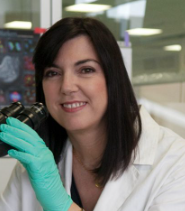 Adriana Albini合作论文数Dipartimento di Medicina e Chirurgia, Università degli Studi di Milano-Bicocca;Istituto Europeo di Oncologia27
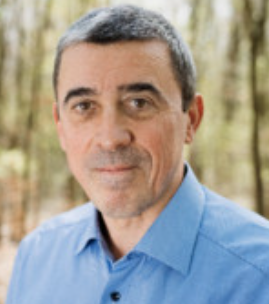 Peter Carmeliet合作论文数Department of Oncology, Faculty of Medicine, KU Leuven;Laboratory of Angiogenesis and Vascular Metabolism, VIB-KU Leuven Center for Cancer Biology22
 Douglas Noonan合作论文数Dipartimento Di Biotecnologie E Scienze Della Vita, Università degli Studi dell’Insubria16
 Mieke Dewerchin合作论文数14Stefan Vinckier合作论文数11
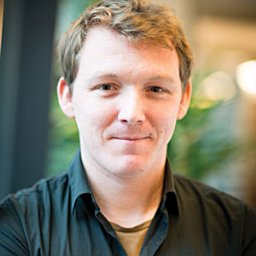 Bart Ghesquière合作论文数Flanders Interuniversity Institute for Bio, Ghent University10
 Katrien De Bock合作论文数Department of Health Sciences and Technology, Eidgenössische Technische Hochschule Zürich9
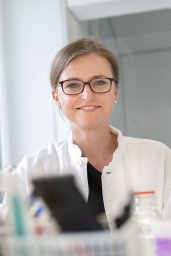 Kalucka Joanna合作论文数Laboratory of Angiogenesis and Vascular Metabolism, VIB Center for Cancer Biology (CCB), VIB, 3000 Leuven, Belgium;Department of Oncology and Leuven Cancer Institute (LKI),, KU Leuven;Department of Oncology and Leuven Cancer Institute (LKI),, KU Leuven9Goveia Jermaine合作论文数9
 Antonino Bruno合作论文数9Luc Schoonjans合作论文数9Schoors Sandra合作论文数8Guy Eelen合作论文数8
 Lena-Christin Conradi合作论文数Department of General, Visceral and Child Surgery, Universitätsmedizin Göttingen7Ilaria Sogno合作论文数6
 Bruning Ulrike合作论文数6
 Focaccetti Chiara合作论文数Dipartimento di Medicina Interna e Specialità Mediche, Sapienza Università di Roma6
 Treps Lucas合作论文数UMR8104, CNRS6
 Brian W Wong合作论文数St. Paul's Hospital, University of British Columbia6Ann Bouché合作论文数5Aleksandra Brajic合作论文数5
 Bifari Francesco合作论文数Vesalius Research Center, University of Leuven;Laboratory of Angiogenesis and Neurovascular link, Vesalius Research Center;Vesalius Research Center, University of Leuven5Cruys Bert合作论文数5Holger Gerhardt合作论文数Integrative Vascular Biology Lab, Max Delbrück Center for Molecular Medicine, Berlin, Germany5Rosaria Cammarota合作论文数5
 Maria Georgiadou合作论文数4
 Laure-Anne Teuwen合作论文数Multidisciplinary Oncol Ctr Antwerp MOCA, Antwerp Univ Hosp UZA4
 Annelies Quaegebeur合作论文数Vesalius Research Center, University of Leuven;Laboratory of Angiogenesis and Neurovascular link, Vesalius Research Center4
 Annalisa Zecchin合作论文数4Kuchnio Anna合作论文数Laboratory of Angiogenesis and Neurovascular Link, KU Leuven;Laboratory of Angiogenesis and Neurovascular Link, Vesalius Research Center;Laboratory of Angiogenesis and Neurovascular Link, Vesalius Research Center4
 Ulrich Pfeffer合作论文数National Cancer Research Institute Functional Genomics Genoa4Andreas Pircher合作论文数4
 Lorenzo Mortara合作论文数Department of Clinical and Biological Sciences, University of Insubria4
 Sandra Cauwenberghs合作论文数4Arianna Pagani合作论文数4
 Sarah-Maria Fendt合作论文数Laboratory of Cellular Metabolism and Metabolic Regulation, Department of Oncology, KU Leuven;Center for cancer Biology, KU Leuven;Faculty of Medicine Services, KU Leuven4
 Xuri Li (李旭日)合作论文数State Key Laboratory of Ophthalmology, Zhongshan Ophthalmic Center, Sun Yat-sen University3R. Cammarota合作论文数3
 Federico Taverna合作论文数3
 Rindert Missiaen合作论文数3
 Charlotte Dubois合作论文数3elena araldi合作论文数3Nadine V Conchinha合作论文数Lab Angiogenesis & Vasc Metab, Katholieke Univ Leuven3
 Xingwu Wang (王兴武)合作论文数School of Medicine, Sun Yat-sen University3Francisco Morales-Rodriguez合作论文数3Maria Prat合作论文数3
 Dimitra Gkika合作论文数Lab Physiol Cellulaire, Univ Lille3
 Peter C Stapor合作论文数Department of Biomedical Engineering, Tulane University3
 Fiorio Pla Alessandra合作论文数Department of Life Sciences and Systems Biology, University of Torino3




