OBJECTIVE:Explore organ-specific SLE burden by assessing health-related quality of life (HRQoL) and fatigue changes associated with Safety of Estrogens in Lupus Erythematosus National Assessment-Systemic Lupus Erythematosus Disease Activity Index (SELENA-SLEDAI) organ system response (score improvement) and belimumab treatment. METHODS:Data from four phase III belimumab trials were pooled for post hoc analysis (GSK Study 217382): BLISS-52 (NCT00424476), BLISS-76 (NCT00410384), BLISS-SC (NCT01484496) and EMBRACE (NCT01632241). Patients with baseline organ system involvement were classed as organ system responders if SELENA-SLEDAI scores for that organ system decreased at any post-baseline visit. HRQoL (36-Item Short Form Health Survey version 2 (SF-36v2)) and fatigue (Functional Assessment of Chronic Illness Therapy-Fatigue (FACIT-Fatigue)) changes over 52 weeks were compared between organ system responders and non-responders, and separately between belimumab versus placebo treatment arms among organ system responders. Group-level differences were compared using analysis of variance; differences were interpreted using published group-level minimal important difference (MID). RESULTS:In these post hoc analyses, musculoskeletal and mucocutaneous organ system responders had greater SF-36v2 improvements than non-responders across most SF-36v2 domains, but differences were largely MID), with FACIT-Fatigue also improving >MID for renal responders receiving belimumab. CONCLUSIONS:SLE disease burden differs with the organ system(s) involved. While these analyses are limited by mutual inclusivity of organ system groupings, differing patient numbers between groups and small numbers in some groups, they suggest that mucocutaneous and musculoskeletal organ system response improves SF-36v2 domain scores; cardiovascular and respiratory organ system response may meaningfully improve fatigue; and belimumab may offer additional HRQoL or fatigue benefits beyond standard therapy for musculoskeletal and renal responders.
Background Limited data exist on quality of life (QoL) improvement in patients with SLE who were organ-specific responders per SELENA-SLEDAI. Here we explore the association between organ-specific SELENA-SLEDAI treatment response and 36-item Short Form Survey version 2 (SF-36v2) components and Functional Assessment of Chronic Illness Therapy-Fatigue (FACIT-Fatigue) scores in adults with SLE. Methods This post hoc analysis (GSK Study 217382) used data from four belimumab trials (BLISS-52, NCT00424476; BLISS-76, NCT00410384; BLISS-SC, NCT01484496; EMBRACE, NCT01632241). Differences in mean changes in SF-36v2 and FACIT-Fatigue scores were compared with published group-level minimum important difference (MID; as defined in table 1) between responders (score decrease in those with baseline organ involvement) versus non-responders for each SELENA-SLEDAI organ domain. Mean score changes and change >MID were also compared between the treatment groups (belimumab [1 and 10 mg/kg intravenous and 200 mg subcutaneous] vs placebo) across SELENA-SLEDAI organ responders. Results At baseline, BLISS-52, BLISS-76, BLISS-SC, and EMBRACE included 864, 818, 834, and 496 patients, respectively. As indicated in table 1, SELENA-SLEDAI central nervous system responders had better (defined as ≥group level MID) SF-36v2 Physical Functioning, Vitality, Mental Health, Mental Component Summary, and FACIT-Fatigue score changes than non-responders. Vascular responders had better SF-36v2 Bodily Pain, General Health Perceptions, Social Functioning, and Physical Component Summary score changes than non-responders. Hematologic responders had better SF-36v2 General Health Perceptions, Vitality, and FACIT-Fatigue score changes than non-responders. Cardiovascular and Respiratory responders had better FACIT-Fatigue score changes than non-responders. Across SELENA-SLEDAI organ systems, patients who were responders and treated with belimumab had a meaningfully better score change than placebo-treated patients on various SF-36v2 domains and/or the FACIT-Fatigue. Conclusions Being an organ responder is associated with QoL benefits experienced by patients with SLE that were more often observed among belimumab-treated patients. Statistical significance was interpreted with caution owing to small sample sizes. Funding GSK
AIM:This post hoc analysis evaluated the efficacy and safety of intravenous belimumab 10 mg/kg in the South Korean subgroup of patients with systemic lupus erythematosus (SLE) enrolled in the North East Asia (NEA) study (GSK Study BEL113750; NCT01345253).METHODS:NEA was a double-blind, placebo-controlled, randomized Phase 3 trial. Patients with active, autoantibody-positive SLE were randomized 2:1 to belimumab or placebo plus standard therapy administered on Days 0, 14, and 28, and then every 28 days up to Week 48. The primary efficacy endpoint in this analysis was SLE Responder Index 4 (SRI-4) response rate at Week 52, defined as the proportion of patients achieving a ≥4-point reduction in Safety of Estrogens in Lupus Erythematosus National Assessment-SLE Disease Activity Index (SELENA-SLEDAI) score, no worsening (<0.3 increase from baseline) in Physician Global Assessment, no new British Isles Lupus Assessment Group (BILAG) A domain and <2 new BILAG B domain scores.RESULTS:Among 100 South Korean patients enrolled in NEA, 54/66 (81.8%) belimumab- and 24/34 (70.6%) placebo-treated patients completed the double-blind phase. Significantly more belimumab- than placebo-treated patients achieved SRI-4 response at Week 52 (n = 35/66, 53.0% vs. n = 8/34, 23.5%; odds ratio [OR; 95% confidence interval (CI)]: 3.67 [1.45, 9.28]; p = .0061). The proportion of patients experiencing ≥1 adverse event was similar between groups (belimumab: n = 60/66, 90.9% vs. placebo: n = 31/34, 91.2%). No new safety signals emerged in this subgroup analysis.CONCLUSION:Belimumab was efficacious for the treatment of SLE and well tolerated among the South Korean subgroup of patients from the NEA study.
OBJECTIVE:Assess the safety and efficacy of belimumab in older adults with SLE. METHODS:This post hoc integrated analysis (GSK Study 116559) included safety data from six randomised, placebo-controlled belimumab trials (BLISS-76, BLISS-52, BLISS-SC, North East Asia study, LBSL02, EMBRACE; n=4170). The BASE study provided additional safety data (n=4003). Efficacy data were from five of the trials. Older adults (≥65 years) were compared with the overall populations of patients with SLE. Patients who had received ≥1 treatment dose were included. RESULTS:Sixty-three older adults (1.5%) were included in the pooled safety analysis population and 156 (3.9%) in the BASE study. At baseline, older adults had lower disease activity but more organ damage than the overall populations. In the pooled safety analysis population, five (18.5%) placebo-treated and ten (27.8%) belimumab-treated older adults experienced ≥1 serious adverse event (SAE), as did 230 (17.0%) placebo-treated and 421 (15.0%) belimumab-treated patients overall. In the BASE study, nine (11.0%) placebo-treated and six (8.1%) belimumab-treated older adults experienced ≥1 SAE, as did 222 (11.1%) placebo-treated and 220 (11.0%) belimumab-treated patients overall. No clinically relevant differences in deaths and adverse events of special interest were observed between older adults and the overall populations. Older adults' SLE Responder Index response rates favoured belimumab versus placebo, consistent with the overall population. CONCLUSION:The safety and efficacy of belimumab in older adults were generally consistent with the overall populations, suggesting belimumab is a treatment option for older patients with SLE. Due to small numbers of older adults, findings should be interpreted with caution.
Background There is a breadth of evidence supporting a key role for abnormal B-cell function in the pathogenesis of systemic sclerosis and associated interstitial lung disease (SSc-ILD) [1,2]. A previous pilot study investigated the efficacy of belimumab, a recombinant human immunoglobulin G1 lambda (IgG1λ) monoclonal antibody that binds to and neutralises B-lymphocyte stimulator (BLyS) subsequently inhibiting the survival of B cells [3], in reducing modified Rodnan skin score (mRSS) in 20 patients with SSc [4]. Belimumab is well tolerated and is approved for the treatment of patients with active systemic lupus erythematosus and active lupus nephritis receiving standard therapy [5].We hypothesise that by reducing the number of B cells and dampening B-cell effector functions in the circulation and tissue, belimumab will reduce inflammation and fibrosis across multiple organ systems in patients with SSc. This will result in the stabilisation of, and/or reduction in, lung function decline and skin thickening in SSc, and improvements in patients' quality of life. Objectives To present the design of a randomised controlled trial that will evaluate the efficacy and safety of subcutaneous (SC) belimumab versus placebo in adult patients with SSc-ILD. Methods In this global, parallel-group, Phase 2/3, randomised, double-blind, placebo-controlled, two-arm, 52-week study (GSK Study 218224), eligible adults with a documented diagnosis of SSc and ILD (as confirmed by high-resolution computed tomography) will be randomised 1:1 to receive either belimumab 200 mg SC weekly (Arm 1), or matching SC placebo weekly (Arm 2), for 52 weeks (Figure 1). Participants will be permitted to continue their stable doses of standard therapy throughout the study. The primary endpoint of the study is absolute change from baseline in forced vital capacity (ml) at Week 52. Key secondary endpoints, analysed at Week 52, include: absolute change from baseline in mRSS, absolute change from baseline in Functional Assessment of Chronic Illness Therapy (FACIT)-Fatigue score, and SSc progression or death. Patient-reported outcomes (listed in the Figure 1) will also be assessed. A comprehensive biomarker approach will be implemented to evaluate the belimumab modulating effects on key biological processes involved in SSc pathogenesis (fibrosis and inflammation) in circulation and in skin biopsies. Safety will be monitored throughout the study. Results Target sample size is planned to be approximately 300 patients, with 150 patients per arm. Conclusion We present the design of a global Phase 2/3 study that will test the efficacy and safety of SC belimumab in patients with SSc-ILD. Together, the study endpoints enable the assessment of the efficacy of belimumab on a broad range of disease manifestations, disease progression, and impact on patient burden and survival. References [1]Thoreau B et al. Front Immunol 2022;13:933468[2]Ebata S et al. J Dermatol 2022;49:179–83[3]Huang W et al. JCI Insight 2018;3:e122525[4]Gordon JK et al. Arthritis Rheumatol 2018;70:308–16[5]GSK. Benlysta US prescribing information. 2022[6]van den Hoogen F et al. Ann Rheum Dis 2013;72:1747–55 Acknowledgements Study funded by GSK (GSK Study 218224). Medical writing support was provided by Olivia Hill, MPharmacol, Fishawack Indicia Ltd, UK, part of Fishawack Health, and was funded by GSK. Disclosure of Interests Christopher P Denton Speakers bureau: Janssen; Boehringer Ingelheim, Consultant of: GSK, CSL Behring, Boehringer Ingelheim, Merck, Roche, Sanofi, Grant/research support from: GSK, CSL Behring, Inventiva, Horizon, Robert Spiera Consultant of: GSK, Regeneron, Abbvie, Sanofi, Chemocentryx, Novartis, Galderma, Vera, Chemomab, Boehringer Ingelheim, BMS, Grant/research support from: Roche-Genentech, AstraZeneca, GSK, Kadmon, Boehringer Ingelheim, Chemocentryx, Corbus, Formation Biologics, Novartis, Inflarx, Principia, Distler Jörg Speakers bureau: AbbVie, AstraZeneca, Bayer Pharma, Boehringer Ingelheim, Janssen and UCB, Consultant of: AbbVie, Active Biotech, Anamar, ARXX, AstraZeneca, Bayer Pharma, Boehringer Ingelheim, Celgene, Galapagos, GSK, Inventiva, Janssen, Novartis, Pfizer, and UCB, Grant/research support from: Anamar, ARXX, BMS, Bayer Pharma, Boehringer Ingelheim, Cantargia, Celgene, CSL Behring, Galapagos, GSK, Inventiva, Kiniksa, Sanofi-Aventis, Tanabe-Mitsubishi RedX, UCB, Employee of: JHWD is stock owner of 4D Science and Scientific Lead of FibroCure, Dinesh Khanna Speakers bureau: Janssen, Consultant of: Actelion, Amgen, Boehringer Ingelheim, GSK, Horizon, Janssen, Prometheus, Talaris, Grant/research support from: BMS, Pfizer, Boehringer Ingelheim, Michael Kreuter Speakers bureau: Boehringer Ingelheim, Roche, Consultant of: Boehringer Ingelheim, Roche, GSK, Grant/research support from: Boehringer Ingelheim, Roche, Masataka Kuwana Speakers bureau: Abbvie, Asahi-Kasei, Astellas, Boehringer Ingelheim, Chugai, Eisai, MBL, Mochida, Nippon Shinyaku, Ono Pharmaceuticals, Tanabe-Mitsubishi, Consultant of: AstraZeneca, Boehringer Ingelheim, Chugai, Corbus, GSK, Horizon, Tanabe-Mitsubishi, Grant/research support from: Boehringer-Ingelheim, Elizabeth Volkmann Speakers bureau: Former member of speakers bureau for Boehringer Ingelheim, Consultant of: Boehringer Ingelheim, Roche, GSK, Galderma, CLS Behring, Grant/research support from: Boehringer Ingelheim, Kadmon, Horizon, Prometheus, Jasna Cotic Employee of: GSK, Olaide Raji Employee of: GSK, Anne Hammer Shareholder of: GSK, Employee of: GSK, Chiara Zeccin Shareholder of: GSK, Employee of: GSK, Andre van Maurik Shareholder of: GSK, Employee of: GSK, Jose Miyar Olaiz Shareholder of: GSK, Employee of: GSK, William Fahy Employee of: GSK, Ryan Tomlinson Shareholder of: GSK, Employee of: GSK, Daniela Dastros-Pitei Shareholder of: GSK, Employee of: GSK, Svetlana Nihtyanova Shareholder of: GSK, Consultant of: Roche, Employee of: GSK, Elaine Irving Employee of: GSK, Toby Maher Speakers bureau: BI, Roche/Genentech,United Therapeutics, Consultant of: BI, Roche, AZ, BMS, GSK, Pfizer, Sanofi, United Therapeutics, Grant/research support from: AZ, GSK.Figure 1Study design*An open-label extension will be performed.FVC, forced vital capacity; R, randomisation
Background Belimumab (BEL) is approved for the treatment of active autoantibody-positive systemic lupus erythematosus (SLE). 1 Four Phase 3 studies have consistently demonstrated greater SLE Responder Index (SRI) response rates with BEL vs placebo (PBO). 2-5 This robust dataset allows for additional exploration of the onset of efficacy of BEL and response rates by patient (pt) characteristics. Objectives To perform a post hoc analysis evaluating the effect of BEL on SRI-4 response across a large, pooled population and pt subgroups. Methods The Belimumab Summary of Lupus Efficacy (Be-SLE) integrated analysis evaluated data from adults with SLE from 5 double-blind, PBO-controlled BEL trials: BLISS-76, BLISS-52, BLISS-NEA, BLISS-SC, and EMBRACE. 2-6 Pts were randomised to BEL (monthly intravenous 10 mg/kg or weekly subcutaneous 200 mg) or PBO, plus standard therapy. Data were collected every 4 weeks (wks) from baseline (BL) to Wk 52. The SRI-4 response rate (a composite measure that includes ≥4-point reduction in Safety of Estrogens in Lupus Erythematosus National Assessment - SLE Disease Activity Index [SELENA-SLEDAI] score, stable Physician Global Assessment [PGA] increase of <0.3, and no new British Isles Lupus Assessment Group [BILAG] 1A/2B organ domain scores) by visit and time to first SRI-4 response maintained through Wk 52 were determined for both treatment groups. SRI-4 response rates at Wk 52 were evaluated by BL characteristic subgroups: SELENA-SLEDAI score; SLE International Collaborating Clinics/American College of Rheumatology Damage Index (SDI) score; disease duration; biomarker levels (anti-dsDNA, complement [C]3/C4); glucocorticoid (GC), immunosuppressant (IS), and antimalarial (AM) use. Results Overall, 3086 pts were included (BEL, n=1869; PBO, n=1217). Most were female (94.4%); mean (standard deviation [SD]) age was 37.0 (11.6) years. Mean (SD) SLE duration was 6.4 (6.4) years. At Wk 52, in the overall population, significantly more BEL vs PBO pts were SRI-4 responders (Figure 1). A significantly greater proportion of SRI-4 responders was observed with BEL vs PBO as early as Wk 8 (38.4% vs 33.3%; odds ratio, OR [95% confidence interval, CI] 1.25 [1.07, 1.46]; p=0.0060), which continued to increase to Wk 52 (54.8% vs 41.6%; OR [95% CI] 1.70 [1.46, 1.98]; p<0.0001). At Wk 52, more BEL vs PBO pts had a 4-point reduction in SELENA-SLEDAI (56.3% vs 43.1%; OR [95% CI] 1.71 [1.47, 2.00]; p<0.0001), no worsening in PGA (76.6% vs 67.9%; OR [95% CI] 1.52 [1.28, 1.79]; p<0.0001), and no new BILAG 1A/2B organ domain scores (77.1% vs 69.4%; OR [95% CI] 1.47 [1.25, 1.74]; p<0.0001). Pts on BEL were 52% more likely to experience an SRI-4 response that was maintained through Wk 52 (hazard ratio, HR [95% CI] 1.52 [1.36, 1.69]; p<0.0001). Figure 1. SRI-4 response at Wk 52 in the overall population and by BL characteristic subgroups. *OR (95% CI) and p-value are from a logistic regression model for BEL vs PBO comparison with covariates of treatment group, study and BL SELENA-SLEDAI score (≤9 vs ≥10) SRI-4 response rates were significantly higher with BEL vs PBO in most subgroups, with the highest response rates observed in pts with SELENA-SLEDAI score of ≥10, low C3 and/or C4 + anti-dsDNA ≥30 IU/ml, and low C3 and/or C4 at BL (Figure 1). Conclusion Significantly more pts receiving BEL had SRI-4 response rates that occurred from Wk 8 and were maintained through Wk 52 compared with pts receiving PBO. The efficacy of BEL was consistent across multiple pt subgroups, with higher response rates in pts with SELENA-SLEDAI scores of ≥10, low C3 and/or C4 + anti-dsDNA ≥30 IU/ml and low C3 and/or C4 at BL. These results further substantiate the benefits of BEL in the treatment of adults with SLE. References [1]GlaxoSmithKline. Benlysta US prescribing information. 2021 [2]Furie R, et al. Arthritis Rheumatol 2011;63(12):3918–30 [3]Navarra SV, et al. Lancet 2011;377(9767):721–31 [4]Stohl W, et al. Arthritis Rheum 2017;69(5):1016–27 [5]Zhang F, et al. Ann Rheum Dis 2018;77(3):355–63 [6] Ginzler E, et al. Arthritis Rheum 2021; doi: 10.1002/art.41900 Acknowledgements This analysis was funded by GlaxoSmithKline (GSK). Medical writing support was provided by Lulu Hill, MPharmacol, Fishawack Indicia Ltd. UK, part of Fishawack Health, and was funded by GSK. Disclosure of Interests Michelle A Petri Consultant of: GSK, Grant/research support from: GSK, George Bertsias Speakers bureau: Pfizer, Aenorasis, UCB, Novartis, Lilly, SOBI, Consultant of: Novartis, GSK, AstraZeneca, Grant/research support from: GSK, Pfizer, Mark Daniels Shareholder of: GSK, Employee of: GSK, Norma Lynn Fox Shareholder of: GSK, Employee of: GSK, Bevra H. Hahn Consultant of: UCB, GSK, Anne Hammer Shareholder of: GSK, Employee of: GSK, Julia Harris Shareholder of: GSK, Employee of: GSK, Holly Quasny Shareholder of: GSK, Employee of: GSK, Chiara Tani Speakers bureau: GSK, AstraZeneca, Anca Askanase Consultant of: AstraZeneca, Aurinia Pharmaceuticals Inc., Amgen, AbbVie Inc., BMS, GSK, Grant/research support from: AstraZeneca, Eli Lilly and Company, GSK, Idorsia Pharmaceuticals Ltd, Janssen Pharmaceuticals, Pfizer
Objectives Systemic lupus erythematosus (SLE) is a chronic, autoimmune disease that affects multiple organ systems. Belimumab, a targeted human monoclonal antibody, binds to and inhibits soluble B-lymphocyte stimulator. The safety and efficacy of belimumab has consistently been demonstrated in multiple clinical trials for the treatment of patients with active SLE. Integration of these data provides an additional opportunity to explore the safety of belimumab in a larger and more diverse population. This post hoc pooled analysis of clinical studies evaluated the safety profile of belimumab versus placebo in adults with SLE. Methods This was a pooled post hoc analysis of 52-week safety data from one Phase 2 and five Phase 3 belimumab trials in adult patients with SLE. Patients received ≥1 dose of placebo or belimumab (1, 4, or 10 mg/kg intravenous or 200 mg subcutaneous), plus standard therapy. Outcomes included the incidence of adverse events (AEs), serious AEs (SAEs), severe AEs, AEs of special interest (AESI), and mortality. Results Across 4170 patients (placebo: N = 1355; belimumab: N = 2815), baseline demographics, disease characteristics, and treatment exposure were similar for placebo and belimumab. Most patients (placebo: 76.6%; belimumab: 81.0%) completed the protocol Week 52 visit. Overall, incidence of AEs, SAEs, severe AEs, AESI, and mortality were similar between groups. In both groups, the most commonly reported SAEs by system organ class were infections and infestations (placebo: 5.9%; belimumab: 5.4%) and renal and urinary disorders (placebo: 2.2%; belimumab: 1.7%). Additionally, a greater proportion of patients experienced AESI with belimumab versus placebo for post-infusion/injection systemic reactions (placebo: 8.1%; belimumab: 10.2%). Mortality rates were similar between groups (placebo: 0.4%; belimumab: 0.6%). Conclusions These results are consistent with those of the individual studies, BASE, BLISS-LN, and long-term extension studies, making belimumab one of the most studied SLE treatments for safety. Collectively, this evidence continues to support a positive benefit–risk profile of belimumab in the treatment of adult patients with SLE.
Objective To assess the efficacy and safety of belimumab in paediatric versus adult patients with systemic lupus erythematosus (SLE). Methods We performed across-study comparisons of patients with active SLE who received belimumab or placebo, plus standard therapy, in PLUTO (paediatric phase II) and BLISS-52, BLISS-76, BLISS-NEA and EMBRACE (adult phase III). Analysed efficacy data included Week 52 SLE Responder Index (SRI)-4 response rate (EMBRACE: SRI with modified Systemic Lupus Erythematosus Disease Activity Index (SLEDAI) proteinuria scoring (SRI-S2K)); SRI-4 response rate (EMBRACE: SRI-S2K) according to baseline disease activity indicators (Safety of Estrogens in Lupus Erythematosus National Assessment-Systemic Lupus Erythematosus Disease Activity Index (SELENA-SLEDAI) score; anti-dsDNA/C3/C4 levels); Week 52 SRI-6 response rate; and time to first severe flare (SELENA-SLEDAI Flare Index) over 52 weeks. Safety data were compared for all aforementioned studies along with adult LBSL02 (phase II) and BLISS-SC (phase III). Results SRI-4 response rates were similar across the paediatric and adult studies; more belimumab-treated patients achieved SRI-4 responses versus placebo (PLUTO: 52.8% vs 43.6%; BLISS-52: 57.6% vs 43.6%; BLISS-76: 43.2% vs 33.8%; BLISS-NEA: 53.8% vs 40.1%; EMBRACE: 48.7% vs 41.6%). Across all studies, SRI-4 response rates were generally greater in patients with baseline SELENA-SLEDAI scores ≥10 than in patients with baseline SELENA-SLEDAI scores ≤9. A similar proportion of belimumab-treated patients achieved SRI-6 across all studies (PLUTO: 41.2%; BLISS-52: 46.2%; BLISS-76: 33.1%; BLISS-NEA: 43.9%; EMBRACE: 37.5%). Belimumab reduced the risk of severe flare versus placebo in all studies. The incidence of adverse events was similar across all studies. Conclusions These analyses demonstrate consistent efficacy and safety of belimumab plus standard therapy across paediatric and adult patients with SLE. Trial registration numbers PLUTO (NCT01649765); BLISS-52 (NCT00424476); BLISS-76 (NCT00410384); BLISS-NEA (NCT01345253); EMBRACE (NCT01632241); BLISS-SC (NCT01484496); and LBSL02 (NCT00071487).
Background: Systemic lupus erythematosus (SLE) is a chronic, autoimmune disease characterised by persistent B-cell activation. Belimumab (BEL), a monoclonal antibody that inhibits B-lymphocyte stimulator, is approved in patients aged ≥5 years with active autoantibody-positive SLE; however, safety and efficacy data of BEL in older adults are limited. Objectives: Assess the safety and efficacy of BEL in older adults with SLE. Methods: A meta-analysis (GSK study 116559) was performed on the subpopulation of patients aged ≥65 years and compared with the overall population pooled from six controlled, repeat-dose (CRD) BEL trials in adults with SLE (GSK studies: 110752, 110751, LBSL02 [safety only], 112341, 113750, and 115471). Additional safety data were obtained from GSK study 115467. In each trial, patients were randomised to BEL or placebo (PBO) and received ≥1 treatment dose (GSK studies 110752 and 110751: intravenous [IV] BEL 1 or 10 mg/kg; LBSL02: IV BEL 1, 4, or 10 mg/kg; GSK study 112341: subcutaneous BEL 200 mg; GSK studies 113750, 115471, and 115467: IV BEL 10 mg/kg) plus standard therapy. Safety assessments included: incidence of serious adverse events (SAE), mortality and adverse events of special interest (AESI). The primary efficacy analysis for the CRD trials was the SLE Responder Index 4 (SRI4) response rate. Results: Older adults (CRD studies: N=63; study 115467: N=156) had lower disease activity and more organ damage compared with the overall populations, and a greater proportion were of white race compared with the overall population in the CRD studies. There were no clinically relevant differences in the incidence of SAE or death between older adults and the overall populations (Table 1). Rates of AESI (post-infusion/injection systemic reactions [PISR], serious infections of special interest, malignancies, psychiatric events) were generally similar or lower in older adults compared with the overall populations with no imbalances between BEL and PBO in older adults (Table 1). No malignancies were reported in older adults. The SRI4 response rate in older adults favoured BEL vs PBO (OR [95% CI], 1.49 [0.49, 4.58]), consistent with the overall populations of the individual CRD studies (110752 and 110751 pooled [10 mg/kg IV]: 1.68 [1.32, 2.15]; 112341: 1.68 [1.25, 2.25]; 113750: 1.99 [1.40, 2.82]; 115471: 1.42 [0.94, 2.15]). Conclusion: In patients with SLE, the safety and efficacy of BEL in older adults were generally consistent with the overall population and suggest a favourable benefit–risk profile. Due to the small number of older adults analysed, these data should be interpreted with caution. Funding: GSK Table 1. SAE, deaths, and AESI N (%)* Study 115467 CRD studies † Older adults (N=156 ) Overall (N=4003 ) Older adults (N=63 ) Overall (N=4170 ) PBO N=82 BEL N=74 PBO N=2001 BEL N=2002 PBO N=27 BEL N=36 PBO N=1355 BEL N=2815 SAE 9 (11.0) 6 (8.1) 222 (11.1) 220 (11.0) 5 (18.5) 10 (27.8) 230 (17.0) 421 (15.0) Death ‡ 1 (1.2) 1 (1.4) 11 (0.5) 12 (0.6) 0 0 6 (0.4) 16 (0.6) AESI PISR §,‖,¶ - - - - 0 2 (5.6) 110 (8.1) 286 (10.2) Serious PISR 0 0 2 (<0.1) 8 (0.4) 0 0 2 (0.1) 13 (0.5) Infections of SI (opportunistic, herpes zoster, tuberculosis, sepsis ) § 0 2 (2.7) 50 (2.5) 36 (1.8) 1 (3.7) 0 97 (7.2) 173 (6.1) Serious infections of SI 0 2 (2.7) 17 (0.8) 17 (0.8) 0 0 17 (1.3) 40 (1.4) Malignancies ex. non-melanoma skin cancer § 0 0 5 (0.2) 5 (0.2) 0 0 2 (0.1) 8 (0.3) Depression (inc. mood disorders /anxiety)/ suicide/self-injury §,¶, ** -‖ - - - 3 (11.1) 3 (8.3) 92 (6.8) 210 (7.5) Serious depression/ suicide/self-injury 0 1 (1.4) 6 (0.3) 18 (0.9) 1 (3.7) 0 5 (0.4) 9 (0.3) *Patients counted once/category; † Pooled data from all studies except 115467; ‡ Study 115467: fatal SAEs that started during on-treatment period; death may have occurred after period end. CRD studies: all deaths during double-blind period; § Per custom MedDRA query; ‖ Occurring on/within 3 days of infusion/injection; ¶ Study 115467: only serious PISR and serious depression/suicide/self-injury events collected; **Per standard MedDRA query. MedDRA, Medical Dictionary for Regulatory Activities; SI, special interest Acknowledgements: Medical writing assistance was provided by Helen Taylor, Fishawack Indicia Ltd., UK, part of Fishawack Health, and was funded by GSK. Disclosure of Interests: David d’cruz Speakers bureau: GSK, Consultant of: GSK, Eli Lilly, Gina Eriksson Shareholder of: GSK, Employee of: GSK, Yulia Green Shareholder of: GSK, Employee of: GSK, Anne Hammer Shareholder of: GSK, Employee of: GSK, Beulah Ji Shareholder of: GSK, Employee of: GSK, Paige Meizlik Shareholder of: GSK, Employee of: GSK, David Roth Shareholder of: GSK, Employee of: GSK
Objectives This ongoing Phase-2, randomised, placebo-controlled, double-blind study evaluated the efficacy, safety and pharmacokinetics of intravenous belimumab in childhood-onset systemic lupus erythematosus (cSLE). Methods Patients (5 to 17 years) were randomised to belimumab 10 mg/kg intravenous or placebo every 4 weeks, plus standard SLE therapy. Primary endpoint: SLE Responder Index (SRI4) response rate (Week 52). Key major secondary endpoints: proportion of patients achieving the Paediatric Rheumatology International Trials Organisation/American College of Rheumatology (PRINTO/ACR) response using 50 and ‘30 alternative’ definitions (Week 52), and sustained response (Weeks 44 to 52) by SRI4 and Parent Global Assessment of well-being (Parent-global). Safety and pharmacokinetics were assessed. Study not powered for statistical testing. Results Ninety-three patients were randomised (belimumab, n=53; placebo, n=40). At Week 52, there were numerically more SRI4 responders with belimumab versus placebo (52.8% vs 43.6%; OR 1.49 (95% CI 0.64 to 3.46)). PRINTO/ACR 30 alternative (52.8% vs 27.5%; OR 2.92 (95% CI 1.19 to 7.17)) and PRINTO/ACR 50 (60.4% vs 35.0%; OR 2.74 (95% CI 1.15 to 6.54)) responses were more frequent with belimumab than placebo, as were sustained responses for SRI4 (belimumab, 43.4%; placebo, 41.0%; OR 1.08 (95% CI 0.46 to 2.52)) and Parent-global (belimumab, 59.1%; placebo, 33.3%; OR 3.49 (95% CI 1.23 to 9.91)). Serious adverse events were reported in 17.0% of belimumab patients and 35.0% of placebo patients; one death occurred (placebo). Week-52, geometric mean (95% CI) belimumab trough concentration was 56.2 (45.2 to 69.8) µg/mL. Conclusion The belimumab intravenous pharmacokinetics and benefit–risk profile in cSLE are consistent with adult belimumab studies and the 10 mg/kg every 4 weeks dose is appropriate. Trial registration number NCT01649765.
Background Belimumab is approved as add-on therapy for patients ≥5 years with active, autoantibody-positive systemic lupus erythematosus (SLE).1 The PLUTO trial (NCT01649765) demonstrated safety and efficacy of belimumab in children with SLE2 as generally consistent with adult studies. The current analysis assessed the efficacy of belimumab 10 mg/kg given intravenously (IV) to patient subgroups with baseline markers of high disease activity in PLUTO versus pooled BLISS-52 (NCT00424476) and BLISS-76 (NCT00410384) SLE trials. Methods Patients 5–17 years (PLUTO) and ≥18 years (BLISS-52 and BLISS-76) with active SLE were randomised to IV belimumab 10 mg/kg or placebo, plus standard of care (SoC) (PLUTO);2 and IV belimumab 10 mg/kg, or placebo, plus SoC (BLISS trials).3 The primary endpoint was SLE Responder Index 4 (SRI4) at Week 52. This post hoc across-trial comparison (intention-to-treat [ITT] population) investigated the treatment effect of belimumab according to baseline disease activity indicators (Safety of Estrogens in Lupus Erythematosus National Assessment-SLE Disease Activity Index [SELENA-SLEDAI] score, anti-dsDNA and complement C3/C4 levels) and steroid use; analyses were descriptive. Results In PLUTO, belimumab demonstrated higher SRI4 response versus placebo; this response was similar for patients with baseline SELENA-SLEDAI scores of ≥10 and ≤9, and for and those receiving steroids, but greater in those with scores ≥13, low anti-dsDNA, or normal/high C3/C4 (table 1). Subgroup analyses from the BLISS adult studies demonstrated similar findings with the exception of patients with high anti-dsDNA or low C3/C4 (table 1). Conclusions Subgroup analyses from the PLUTO trial demonstrated favourable belimumab responses in paediatric patients with high SELENA-SLEDAI scores, similar to those observed in adult belimumab studies. However, these results should be interpreted with caution due to the small sample size of PLUTO, the post hoc nature of the analyses and other limitations. Disclosures DLB, MO, AH, BJ, DR and HQ are employees of GSK. BJ and DLB hold stocks and shares in GSK; MO, AH, DR and HQ hold shares in GSK. Acknowledgements This study was funded by GSK. Medical writing support was provided by Gosia Carless, PhD, Fishawack Indicia Ltd, UK, and was funded by GSK. References Benlysta US prescribing information. GlaxoSmithKline; 2018. Available at: https://www.gsksource.com/pharma/content/dam/GlaxoSmithKline/US/en/Prescribing_Information/Benlysta/pdf/BENLYSTA-PI-MG-IFU-COMBINED.PDF Brunner H.I., Abud-Mendoza C., Viola D.I., Calvo I., Levy D.M., Calderon Gallegos J., et al. Efficacy and safety of intravenous belimumab in children with systemic lupus erythematosus. Arthritis Rheumatol 2018;70(59):3224–3225, Abstract 2867. van Vollenhoven R.F., Petri M.A., Cervera R., Roth D.A., Ji B.N., Kleoudis, et al. Belimumab in the treatment of systemic lupus erythematosus: high disease activity predictors of response. Ann Rheum Dis 2012; 71:1343–1349.
Background: Belimumab (BEL) is a human monoclonal antibody that specifically inhibits B-cell activating factor (BAFF). PLUTO is an ongoing trial evaluating efficacy and safety of intravenous (IV) BEL in children ≥5 years of age with cSLE. Efficacy, and safety endpoints of PLUTO have been reported; 1 briefly, numerically more BEL vs PBO pts met the primary and major secondary efficacy endpoints. We present patient (pt) response to BEL over time. Objectives: To evaluate changes in SLE Responder Index (SRI) 4 and SRI6 responses, and disease activity over 52 weeks, in paediatric pts receiving BEL, or placebo (PBO), plus standard SLE therapy (SST). Methods: PLUTO (GSK Study BEL114055, NCT01649765 ) is a Phase 2, randomised, double-blind, placebo-controlled study. Pts 5–17 years of age with active cSLE were randomised to monthly BEL 10 mg/kg IV, or PBO, plus SST. Endpoints assessed: SRI4 and SRI6 response rate, mean percentage and absolute change from baseline in Safety of Estrogens in Lupus Erythematosus National Assessment (SELENA)-SLE Disease Activity Index (SLEDAI) and Physicians’ Global Assessment (PGA) scores, and percentage of pts with no new British Isles Lupus Assessment Group (BILAG) 1A/2B organ domain scores compared with baseline, all by study visit. The last-observation-carried-forward (LOCF) principle (missing values imputed using the last available non-missing value) was applied to pts who withdrew or received protocol-prohibited medication or a dose of allowable medication that resulted in treatment failure prior to the Week (Wk) 52 visit. Descriptive statistics were used. Results: A total of 93 pts (94.6% female, mean [SD] age 14.0 [2.49] years) were randomised for the intention-to-treat (ITT) population: 53 to BEL and 40 to PBO. Mean (SD) BEL and PBO baseline scores were 10.3 (3.34) and 10.4 (3.63) for SELENA-SLEDAI and 1.3 (0.43) and 1.4 (0.42) for PGA, respectively. Pt number with at least BILAG 1A/2B organ domain involvement at baseline was 37 (69.8%) for BEL and 29 (72.5%) for PBO. SRI4 and SRI6 responses over 52 weeks were mostly numerically higher with BEL than PBO; more BEL than PBO pts were SRI4 and SRI6 responders at Wk 52 ( Figure 1 ). Unadjusted mean (SE) percentage changes from baseline over time in SELENA-SLEDAI and PGA scores generally favoured BEL over PBO, as did unadjusted mean (SE) absolute changes ( Figure 2 ). Wk 52 adjusted mean (95% CI) percentage treatment difference vs PBO was -4.0% (-21.8, 13.9) for SELENA-SLEDAI and -6.1% (-23.9, 11.7) for PGA, while Wk 52 adjusted mean (95% CI) treatment difference vs PBO was -0.7 (-2.4, 1.1) for SELENA-SLEDAI and -0.1 (-0.3, 0.1) for PGA. Over the study duration, numerically more BEL than PBO pts had no new BILAG 1A/2B organ domain scores ( Figure 2 ). Figure 1. SRI4 and SRI6 response by study visit Figure 2. SELENA-SLEDAI and PGA score mean percentage and absolute change from baseline, and no new BILAG 1A/2B organ domain scores compared with baseline, all by study visit Conclusion: In line with the main analyses performed at Wk 52, 1 further analyses of responses over time in SRI4, SRI6 and disease activity generally favoured BEL over PBO. Combined, these results continue to support the efficacy profile of IV BEL in the treatment of children with cSLE. References: [1]Brunner HI, et al . Arthritis Rheumatol. 2018;70(59): 3224–5, Abst. 2867 Acknowledgments: We acknowledge all PLUTO investigators (PRINTO, PRCSG and otherwise affiliated). Study funding: GSK. Disclosure of Interests: Nicolino Ruperto Consultant of: Ablynx, AbbVie, AstraZeneca-Medimmune, Biogen, Boehringer, Bristol-Myers Squibb, Eli-Lilly, EMD Serono, GSK, Hoffmann-La Roche, Janssen, Merck, Novartis, Pfizer, R-Pharma, Sanofi, Servier, Sinergie, Sobi and Takeda, Liza McCann: None declared, Syuji Takei Grant/research support from: Eisai, Consultant of: Novartis, Bristol-Myers Squibb, Speakers bureau: GSK, Sanofi, Tanabe-Mitsubishi, Novartis, Chugai, Ono, Abbvie, Eli-Lilly, Bristol-Myers Squibb, Clarissa Pilkington: None declared, Damon Bass Shareholder of: GSK, Employee of: GSK, Beulah Ji Shareholder of: GSK, Employee of: GSK, Anne Hammer Shareholder of: GSK, Employee of: GSK, Mohamed Okily Shareholder of: GSK, Employee of: GSK, Gina Eriksson Shareholder of: GSK, Employee of: GSK, Holly Quasny Shareholder of: GSK, Employee of: GSK, Hermine Brunner Consultant of: Hoffman-La Roche, Novartis, Pfizer, Sanofi Aventis, Merck Serono, AbbVie, Amgen, Alter, AstraZeneca, Baxalta Biosimilars, Biogen Idec, Boehringer, Bristol-Myers Squibb, Celgene, EMD Serono, Janssen, MedImmune, Novartis, Pfizer, and UCB Biosciences, Speakers bureau: GSK, Roche, and Novartis
Background: Belimumab (BEL) is the first treatment approved in children ≥5 years of age with cSLE. This recent approval was based on favourable results of the PLUTO trial, evaluating efficacy and safety of intravenous (IV) BEL, plus standard SLE therapy (SST), vs placebo (PBO), in children with cSLE. 1 Objectives: To evaluate the SLE Responder Index 4 (SRI4) sensitivity of response for the comparison of BEL vs PBO at Week (Wk) 52. Methods: In PLUTO ( NCT01649765 ; GSK study BEL114055), an ongoing Phase 2, randomised, PBO-controlled, double-blind study, patients (pts) 5–17 years of age with active cSLE were randomised to monthly BEL 10 mg/kg IV, or PBO, plus SST, for 52 weeks. The primary efficacy endpoint was the SRI4 response rate at Wk 52. Pre-specified sensitivity analyses supporting the primary efficacy endpoint for the intention-to-treat (ITT) population included unadjusted, last observation carried forward (LOCF), completer responses, and response using SLE Disease Activity Index (SLEDAI) 2K proteinuria scoring rule (4-point score for proteinuria >0.5 g/24 h), all at Wk 52. Completers were pts who completed 52 weeks of treatment. Any pts who withdrew or received protocol-prohibited medication or a dose of allowable medication that resulted in treatment failure prior to the Wk 52 visit had missing data handled using LOCF (missing values imputed using the last previous non-missing value). Statistics are descriptive. Results: Overall, 93 pts were randomised (BEL, n=53; PBO, n=40). Majority (94.6%) of pts were female, mean (standard deviation [SD]) age was 14.0 (2.49) years and mean (SD) disease duration was 2.4 (1.93) years. By Wk 52, numerically more BEL (52.8%) than PBO (43.6%) pts were SRI4 responders; difference vs PBO 9.24; odds ratio (OR; 95% confidence interval [CI]) vs PBO 1.49 (0.64, 3.46). For each sensitivity analysis (unadjusted, LOCF, completer, and SLEDAI 2K responses) the odds of being a responder at Wk 52 were higher for pts receiving BEL vs PBO (Table). Table. Sensitivity analyses: SRI4 response at Wk 52 PBO (n=40 ) BEL (n=53 ) Unadjusted response (ITT), n* 39 53 n (%) 17 (43.6) 28 (52.8) Observed difference vs PBO 9.24 OR (95% CI) † vs PBO 1.45 (0.63, 3.33) LOCF response (ITT), n* 39 53 n (%) 18 (46.2) 30 (56.6) Observed difference vs PBO 10.45 OR (95% CI) ‡ vs PBO 1.51 (0.65, 3.52) Completer response (completers), n* 30 45 n (%) 17 (56.7) 27 (60.0) Observed difference vs PBO 3.33 OR (95% CI) ‡ vs PBO 1.16 (0.44, 3.09) Response using SLEDAI 2K (ITT), n* 39 53 n (%) 17 (43.6) 28 (52.8) Observed difference vs PBO 9.24 OR (95% CI) ‡ vs PBO 1.49 (0.64, 3.46) *One pt was excluded because they did not have a baseline Safety of Estrogens in Lupus National Assessment (SELENA)-SLEDAI assessment; † calculated from a logistic regression model for the comparison between BEL and PBO without adjustment for any covariates; ‡ calculated from a logistic regression model for the comparison between BEL and PBO with covariates treatment group, baseline age (5–11 years vs 12–17 years), and baseline SELENA-SLEDAI score (≤12 vs ≥13) Conclusion: The results of the SRI4 primary efficacy endpoint sensitivity analyses further support a favourable effect for BEL vs PBO. References: [1]Brunner HI, et al . Arthritis Rheumatol. 2018;70(59): 3224–5, Abst. 2867 Acknowledgments: We acknowledge all PLUTO investigators (PRINTO, PRCSG and otherwise affiliated). Study funding: GSK. Disclosure of Interests: Nicolino Ruperto Consultant of: Ablynx, AbbVie, AstraZeneca-Medimmune, Biogen, Boehringer, Bristol-Myers Squibb, Eli-Lilly, EMD Serono, GSK, Hoffmann-La Roche, Janssen, Merck, Novartis, Pfizer, R-Pharma, Sanofi, Servier, Sinergie, Sobi and Takeda, Hermine Brunner Consultant of: Hoffman-La Roche, Novartis, Pfizer, Sanofi Aventis, Merck Serono, AbbVie, Amgen, Alter, AstraZeneca, Baxalta Biosimilars, Biogen Idec, Boehringer, Bristol-Myers Squibb, Celgene, EMD Serono, Janssen, MedImmune, Novartis, Pfizer, and UCB Biosciences, Speakers bureau: GSK, Roche, and Novartis, Masaaki Mori Grant/research support from: Abbvie Japan, Asahikasei Pharmaceutical, Ayumi Pharmaceutical, CSL Behring, Chugai Pharmaceutical, Japan Blood Products Organization, MSD K.K., Nippon Kayaku, UCB Japan, Consultant of: Daiichi Sankyo, Taisho Pharmaceutical, Jacqueline Clinch Consultant of: Alexion, Speakers bureau: Alexion, Reema Syed: None declared, Naomi Iwata Speakers bureau: Sanofi K.K, Damon Bass Shareholder of: GSK, Employee of: GSK, Beulah Ji Shareholder of: GSK, Employee of: GSK, Anne Hammer Shareholder of: GSK, Employee of: GSK, Mohamed Okily Shareholder of: GSK, Employee of: GSK, Gina Eriksson Shareholder of: GSK, Employee of: GSK, Holly Quasny Shareholder of: GSK, Employee of: GSK
Background: Belimumab (BEL), a monoclonal antibody targeting the B-lymphocyte stimulator, is approved in adults with active systemic lupus erythematosus (SLE). This is the first clinical trial of belimumab in pediatric patients with childhood-onset SLE (cSLE). Objectives: PLUTO, a Phase 2, randomised, double-blind trial (BEL114055; NCT01649765), evaluated the efficacy, safety and pharmacokinetics (PK) of intravenous (IV) BEL vs placebo (PBO), plus standard of care (SoC), in cSLE. Methods: Patients with cSLE 5–17 years of age were randomised to BEL 10 mg/kg IV or PBO every 4 weeks, plus SoC. Primary endpoint: SRI4 at Week 52. Major secondary endpoints: PRINTO/ACR 30 and 50 cSLE evaluation criteria for improvement at Week 52; cSLE core response variables at Week 52; and sustained SRI4 and ParentGA (patient well-being) responses (Weeks 44–52). Other endpoints: components of SRI4 at Week 52; and frequency of severe flares using the modified SELENA-SLEDAI Flare Index. Safety and PK were assessed. Analyses were performed on the intent-to-treat population. The study was not powered to test for differences between groups; p-values were not calculated. Results: 93 patients were included (BEL, n=53; PBO, n=40). Groups (BEL vs PBO) were balanced at baseline for age (mean [standard deviation] 13.5 [2.59] vs 14.8 [2.17] years, respectively) and SELENA-SLEDAI score (10.3 [3.34] vs 10.4 [3.63], respectively). Compared with PBO, there were more SRI4 responders (including all 3 components of SRI4), and PRINTO/ACR 30 and 50 responders in the BEL group (Figure). Likewise, more BEL than PBO recipients had sustained improvement of SRI and patient well-being (ParentGA) (Figure). Changes in cSLE core response variables are shown in the Table. Severe flares were 62% less frequent with BEL vs PBO (hazard ratio 0.38 [95% CI 0.18, 0.82]). PK: BEL exposures in cSLE were similar to adult SLE studies. 9/53 (17%) BEL patients had ≥1 serious adverse event vs 14/40 (35%) PBO patients. One PBO patient died of acute pancreatitis. Conclusion: The benefit:risk profile of BEL IV plus SoC in cSLE is generally consistent with BEL in adult SLE. The 10 mg/kg IV dose used in adults may be an appropriate dose in cSLE. Acknowledgement: The authors would like to acknowledge all investigators (PRINTO, PRCSG and otherwise affiliated) for the PLUTO study. Study funded by GSK. Gosia Carless, PhD, Fishawack Indicia Ltd, UK, provided editorial assistance funded by GSK. Disclosure of Interests: Nicolino Ruperto Grant/research support from: The Gaslini Hospital, where NR works as full-time public employee, has received contributions (> 10.000 USD each) from the following industries in the last 3 years: BMS, Eli-Lilly, GlaxoSmithKline, F Hoffmann-La Roche, Janssen, Novartis, Pfizer, Sobi. This funding has been reinvested for the research activities of the hospital in a fully independent manner, without any commitment with third parties., Consultant for: Received honoraria for consultancies or speaker bureaus (< 10.000 USD each) from the following pharmaceutical companies in the past 3 years: Ablynx, AbbVie, Astrazeneca-Medimmune, Biogen, Boehringer, Bristol-Myers Squibb, Eli-Lilly, EMD Serono, GlaxoSmithKline, Hoffmann-La Roche, Janssen, Merck, Novartis, Pfizer, R-Pharma, SanofiServier, Sinergie, Sobi and Takeda., Speakers bureau: Received honoraria for consultancies or speaker bureaus (< 10.000 USD each) from the following pharmaceutical companies in the past 3 years: Ablynx, AbbVie, Astrazeneca-Medimmune, Biogen, Boehringer, Bristol-Myers Squibb, Eli-Lilly, EMD Serono, GlaxoSmithKline, Hoffmann-La Roche, Janssen, Merck, Novartis, Pfizer, R-Pharma, SanofiServier, Sinergie, Sobi and Takeda., Carlos Abud-Mendoza: None declared, Diego O Viola: None declared, Inmaculada Calvo Grant/research support from: received research grants from Pfizer, Roche, Novartis, Clementia, Sanofi, MSD, BMS and GSK, Consultant for: Advisory boards: Novartis, AbbVie, Speakers bureau: AbbVie, Roche, Novartis, SOBI, Deborah M Levy Consultant for: received consulting fees and/or honoraria from AbbVie and Janssen, Julia Calderon Gallegos: None declared, Manuel Ferrandiz: None declared, Vyacheslav Chasnyk: None declared, Vladimir Keltsev: None declared, Jordi Anton Grant/research support from: JA has received grant/research support, consulting fees and/or honoraria from AbbVie, Alexion, BMS, ChemoCentryx, Gebro, GSK, Novartis, Novimmune, Pfizer, Roche, Sanofi and Sobi, Consultant for: JA has received grant/research support, consulting fees and/or honoraria from AbbVie, Alexion, BMS, ChemoCentryx, Gebro, GSK, Novartis, Novimmune, Pfizer, Roche, Sanofi and Sobi, Maria Gastanaga: None declared, Michael Shishov: None declared, Alina Boteanu: None declared, Michael Henrickson: None declared, Damon Bass Shareholder of: GSK, Employee of: GSK, Ken Clark Shareholder of: GSK, Employee of: GSK, Anne Hammer Shareholder of: GSK, Employee of: GSK, Beulah Ji Shareholder of: GSK, Employee of: GSK, Antonio Nino Shareholder of: GSK, Employee of: GSK, David Roth Shareholder of: GSK, Employee of: GSK, Herbert Struemper Shareholder of: GSK, Employee of: GSK, Mei-Lun Wang Employee of: former employee of GSK, Alberto Martini Consultant for: I do not have any conflict of interest to declare since starting from 1 March 2016 I became the Scientific Director of the G. Gaslini Hospital; therefore, my role does not allow me to render private consultancies resulting in personal income. I perform consultancy activities on behalf of the Gaslini Institute for the companies listed below: AbbVie, Biogen, Boehringer Ingelheim, Bristol-Myers Squibb, EMD Serono, Janssen, Novartis, Pfizer, R-Pharm. The money received for these activities are directly transferred to the Gaslini Institute’s bank account. Before March 2016, I was the head of the Pediatric Rheumatology Department at the G. Gaslini Hospital, where the PRINTO Coordinating Centre is located. For the coordination activity of the PRINTO network, the Gaslini Hospital received contributions from the industries listed in this section. This money has been reinvested for the research activities of the hospital in fully independent manners besides any commitment with third parties., Daniel J Lovell Consultant for: Consulting fees and/or honoraria from Astra Zeneca, Wyeth Pharma, Amgen, Abbott, Pfizer, F. Hoffmann-La Roche, Novartis, UBC, Takeda, GSK, Boehringer, and Celgene, Hermine Brunner Grant/research support from: Bristol-Myers Squibb, Pfizer, Consultant for: Pfizer, Bristol-Myers Squibb, Janssen, Novartis, Lilly, Roche, GlaxoSmithKline, Sanofi, Speakers bureau: Novartis, Roche
 Roth David A合作论文数26Bass Damon合作论文数18Alain Vuong合作论文数17John A. Messenheimer合作论文数15Norma Lynn Fox合作论文数12A Vuong合作论文数12Gordon David N合作论文数11Robert P. Kustra合作论文数11Holly Quasny合作论文数9
 Doria Andrea合作论文数Dipartimento di Medicina - Dimed, Università Degli Studi Di Padova;Academic Postgraduate School of Rheumatology, School of Medicine, Padova University8
 Andreas Schwarting合作论文数Department of Medicine, University of Mainz8R Van Vollenhoven合作论文数8J. Groark合作论文数7Beulah Ji合作论文数7
 William Stohl合作论文数Keck School of Medicine, University of Southern California7Charles T. Molta合作论文数7
 Hermine I. Brunner合作论文数Medical Center, Cincinnati Children’s Hospital7Nicolino Ruperto合作论文数6John a Messenheimer合作论文数6
 Michelle Petri合作论文数Johns Hopkins Lupus Center, Johns Hopkins University School of Medicine6Morton Scheinberg合作论文数6Diego Oscar Viola合作论文数5Mohamed Okily合作论文数5James Groark合作论文数5
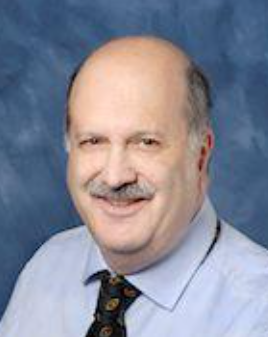 Daniel J. Wallace合作论文数Cedars-Sinai Medical Center5
 Carlos Abud Mendoza合作论文数Faculty of Medicine, Universidad Autónoma de San Luis Potosí5Paul T. Caldwell合作论文数4April Thompson合作论文数4James M. Miller合作论文数4Ferrandiz Manuel A合作论文数4Susan Kerls合作论文数4Thompson April H合作论文数4
 Masato Okada合作论文数Immuno-Rheumatology Center, St. Luke’s International Hospital4Struemper Herbert合作论文数4Christine Henning合作论文数3Gina Eriksson合作论文数3tong tang合作论文数3Paige Meizlik合作论文数3G. Eriksson合作论文数3V. Biton合作论文数3Ja Messenheimer合作论文数3Alberto Martini合作论文数3
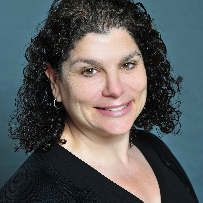 Deborah Levy合作论文数Division of Rheumatology, Department of Paediatrics, University of Toronto;The Hospital for Sick Children, University of Toronto3
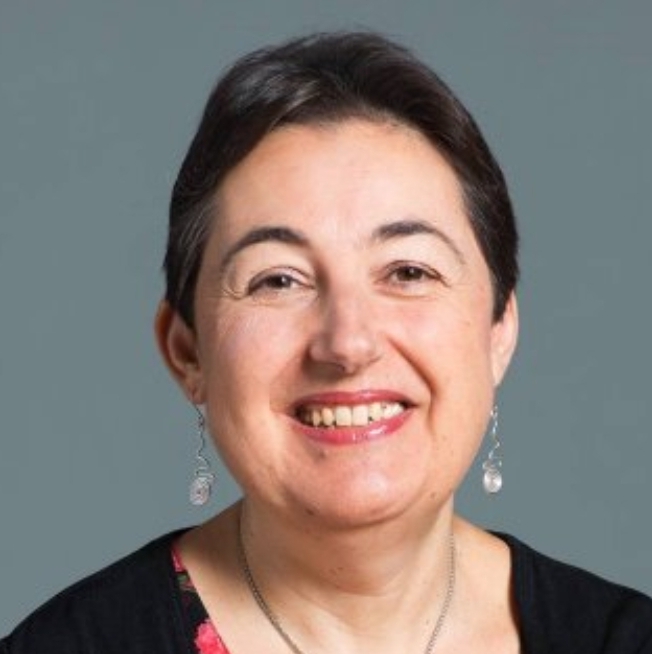 Jacqueline A. French合作论文数Department of Neurology, Grossman School of Medicine, New York University3Shneker Bassel F合作论文数3Ji Beulah N合作论文数3Chasnyk Vyacheslav G合作论文数3
 Alina Lucica Boteanu合作论文数Servicio de Reumatología, Hospital Universitario Ramón y Cajal;Servicio de Urgencias, Hospital Universitario Ramón y Cajal;Servicio de Urgencias, Hospital Universitario Ramón y Cajal3
 Daniel J. Lovell合作论文数Cincinnati Children's Hospital Medical Center;Department of Pediatrics, College of Medicine, University of Cincinnati3




