Mitosis entry is tightly regulated by a complex network of mechanisms involving epigenetic modifications, signaling pathways, transcriptional control, and structural changes. Although substantial progress has been made in understanding these processes individually, the mechanisms integrating chromatin dynamics with mitotic regulators are still not fully understood. Here, we identify a functional antagonism between the deacetylase SIRT2 and the acetyltransferase MOF in the G 2 -M transition and mitotic progression. This interplay, which involves MOF deacetylation by SIRT2, regulates key histone marks, including H4K16ac (histone 4 lysine-16 acetylation) deacetylation and H4K20me1 (histone 4 lysine-20 monomethylation) deposition, condensin II loading, and the stability of the key mitotic regulator PLK1, and contributes to the FOXM1-mediated transcriptional control of mitosis. Our findings reveal a previously unrecognized layer of regulation in G 2 -M progression with possible impact in cancer, highlighting the intricate cross-talk between chromatin dynamics and mitotic control and providing important insights into chromosomal stability.
Heterozygous variants in the KAT6A gene encoding the histone lysine acetyltransferase KAT6A (MOZ, MYST3) cause Arboleda-Tham syndrome, a cognitive impairment syndrome. Histone acetylation is generally associated with active gene transcription. Genetic deletion of both alleles of the Kat6a gene in mice causes developmental defects including anterior homeotic transformation, cleft palate, interrupted aortic arch and cardiac septal defects. Loss of KAT6A impairs expression of HOX, DLX and TBX genes, which are essential for body segment identity specification, palate, heart and aortic arch development. However, the effects of loss of KAT6A on chromatin modifications and gene expression in neural cells, which are relevant to normal brain development and function, is still poorly understood. In this study, we used an automated high-throughput chromatin profiling method and RNA sequencing in mouse neural system and progenitor cells to assess the effects of loss of one or two alleles of Kat6a on gene expression, histone acetylation and methylation. We also assessed occupancy by a trithorax group protein and RNA polymerase II. Our data suggests two modes of action for KAT6A: (1) acetylation of histone H3 on lysine 23 at promoters and enhancers and (2) recruitment of the trithorax group protein MLL1 (KMT2A) to promote the expression of developmental genes, including SOX and homeodomain genes. Together, these two functions appear to be required for normal gene expression in neural progenitors and essential for proliferation and neuronal differentiation.
Pathogenic variants in one allele of the KAT6A gene encoding the histone acetyltransferase KAT6A (MOZ, MYST3) cause Arboleda-Tham syndrome (ARTHS), characterised by developmental delay, cognitive impairment, and autism-like behaviours. As histone acetylation is reversible, and brain development continues after birth, treatments that address deficits in histone acetylation may ameliorate the condition. Here, we examined the effects of ARTHS mutations on histone acetylation in human cells and the effects of heterozygous loss of Kat6a in mice (Kat6a+/-) on learning, memory, activity, and sociability. We found that KAT6A was required for normal levels of histone H3 lysine 23 acetylation (H3K23ac) in human cells and mouse brain. Kat6a+/- mice displayed hyperactivity and learning, memory, and sociability deficits compared with WT mice. Treatment with the acetyl-donor, acetyl-L-carnitine (ALCAR) resulted in the rescue of H3K23ac levels in mouse brain and amelioration of the hyperactivity and learning impairments. Our results suggest that some individuals with ARTHS might benefit from ALCAR treatment. However, the suitability of ALCAR treatment would depend on the specific KAT6A variant and should be discussed with health professionals.
KAT6A (MOZ) and KAT6B (QKF/MORF) are related histone lysine acetyltransferases (KATs) that have a high degree of functional redundancy during development. In the absence of KAT6A, embryos undergo an anterior homeotic transformation of the axial skeleton, develop an interrupted aortic arch, have ventricular septal defects and fail to form definitive hematopoietic stem cells. KAT6B has roles in brain, skeletal and hematopoietic system development. Because loss of KAT6A leads to highly penetrant phenotypes, this allows us to determine whether the acetylation function is essential for all activities. We show that loss of acetyltransferase activity did not phenocopy the loss of the KAT6A protein in mice. Although mutation of the KAT domains of both KAT6A and KAT6B together increased the severity of phenotypes observed, these were milder than complete KAT6A loss of function. KAT domain mutants displayed ventricular septal defects and reduced (but not eliminated) hematopoietic stem cell activity. However, they did not display homeotic transformations or aortic arch defects, suggesting that, while acetylation is important for some functions, others can proceed without this activity. Accordingly, KAT6 proteins appear to have functions beyond acetylation.
Epigenomic dysregulation is widespread in cancer. However, the specific epigenomic regulators and the processes they control to drive cancer phenotypes are poorly understood. We used a novel high-throughput in vivo method to perform iterative functional screens of >250 epigenomic regulators within autochthonous oncogenic Kras-driven lung tumors. We identified many previously unappreciated epigenomic tumor suppressor and tumor dependency genes. We show that a specific HBO1 complex and MLL1 complex are robust tumor suppressors in lung adenocarcinoma. Histone modifications generated by the HBO1 complex are frequently reduced in human lung adenocarcinomas and are associated with worse clinical features. HBO1 and MLL1 complexes co-occupy shared genomic regions, affect chromatin accessibility, and control the expression of canonical tumor suppressor genes and lineage fidelity. The HBO1 complex is epistatic with the MLL1 complex and other tumor suppressor genes in lung adenocarcinoma development. Collectively, these results provide a phenotypic roadmap of epigenomic regulators in lung tumorigenesis in vivo. SIGNIFICANCE:Using a novel functional genomics method in vivo, we investigated epigenomic regulators in lung tumorigenesis. We discovered multiple novel genes that affect tumor growth. We show that the HBO1 and MLL1 complexes interact to suppress lung adenocarcinoma. Our findings provide broad insights into the epigenomic regulatory landscape of lung cancer.
The anti-apoptotic protein MCL-1 (myeloid cell leukemia-1) is essential for embryogenesis and the survival of many cell types that tolerate loss of its relatives, BCL-XL and BCL-2. Apoptosis-unrelated roles of MCL-1 in metabolism may contribute to this requirement, although their relevance for embryogenesis and postnatal life remains unclear. We hypothesized that BCL-XL and BCL-2 may substitute MCL-1's anti-apoptotic but not its apoptosis-unrelated functions. Replacing MCL-1 with BCL-XL or BCL-2 supported embryo development by rescuing the Mcl-1-/- preimplantation lethality. Mcl-1Bcl-xL/Bcl-xL but not Mcl-1Bcl-2/Bcl-2 mice were born on a mixed background, although they showed metabolic defects. Thus MCL-1's apoptosis-unrelated functions appear critical in later development, with BCL-XL, but not BCL-2, partially compensating. These findings clarify MCL-1's distinct physiological roles, critically informing MCL-1 inhibitor development as cancer therapeutics.
Closely related genes typically display common essential functions but also functional diversification, ensuring retention of both genes throughout evolution. The histone lysine acetyltransferases KAT6A (MOZ) and KAT6B (QKF/MORF), sharing identical protein domain structure, are mutually exclusive catalytic subunits of a multiprotein complex. Mutations in either KAT6A or KAT6B result in congenital intellectual disability disorders in human patients. In mice, loss of function of either gene results in distinct, severe phenotypic consequences. Here we show that, surprisingly, 4-fold overexpression of Kat6b rescues all previously described developmental defects in Kat6a mutant mice, including rescuing the absence of hematopoietic stem cells. Kat6b restores acetylation at histone H3 lysines 9 and 23 and reverses critical gene expression anomalies in Kat6a mutant mice. Our data suggest that the target gene specificity of KAT6A can be substituted by the related paralogue KAT6B, despite differences in amino acid sequence, if KAT6B is expressed at sufficiently high levels.
Supplemental Figure 7. Inactivation of the HBO1 complex genes reduces H3K14ac and H4K12ac levels in lung tumors and worsens tumor grade. Supplemental Figure 8. Tumor-suppressive genes in the MLL1 complex are mutated, and genetic alterations in the HBO1JADE2-ING5 and MLL1 complexes are associated with survival in human lung adenocarcinoma. Supplemental Figure 9. H3K14ac is reduced in a subset of human lung adenocarcinomas. Supplemental Figure 10. HBO1 complex target histone modifications and H3K36me3 are disrupted in human lung adenocarcinoma. Supplemental Figure 11. Inactivation of HBO1 or MLL1 complex genes results in highly correlated chromatin accessibility landscapes. Supplemental Figure 12. Inactivating genes in the HBO1 or MLL1 complex alters chromatin accessibility at shared regions enriched for lineage transcription factor motifs and at known tumor suppressor genes. Supplemental Figure 13. Chromatin binding profiles of the HBO1 and MLL1 complexes and their target histone modifications across the genome. Supplemental Figure 14. HBO1 complex catalytic activity functions in suppressing lung cancer cell proliferation. Supplemental Figure 15. Inactivation of HBO1 or MLL1 complex genes alters transcriptional states in lung tumor cells. Supplemental Figure 16. Inactivation of HBO1 or MLL1 complex genes suppresses tumor suppressor gene expression and disrupts lineage fidelity. Supplemental Figure 17. Transcriptional impact of Kat7 deletion in normal lung AT2 cells. Supplemental Figure 18. Cancer dependency score correlation and tumor growth metrics from Lenti-U6BCsgRNAEpistasis/Cre library. Supplemental Figure 19. Kat7 is synthetic lethal with Stag2-Cohesin complex. Supplemental Figure 20. Tumor sizes at different percentiles upon perturbing the HBO1JADE2-ING5 or MLL1 complex in multiple genetic driver contexts.
Loss of the gene encoding the histone acetyltransferase KAT6B (MYST4/MORF/QKF) causes developmental brain abnormalities as well as behavioral and cognitive defects in mice. In humans, heterozygous variants in the KAT6B gene cause two cognitive disorders, Say-Barber-Biesecker-Young-Simpson syndrome (SBBYSS; OMIM:603736) and genitopatellar syndrome (GTPTS; OMIM:606170). Although the effects of KAT6B homozygous and heterozygous mutations have been documented in humans and mice, KAT6B gain-of-function effects have not been reported. Here, we show that overexpression of the Kat6b gene in mice caused aggression, anxiety, and spontaneous epilepsy. Kat6b overexpression led to an increase in histone H3 lysine 9 acetylation and upregulation of genes driving nervous system development and neuronal differentiation. Kat6b overexpression additionally promoted neural stem cell proliferation and favored neuronal over astrocyte differentiation in vivo and in vitro. Our results suggest that, in addition to loss-of-function alleles, gain-of-function KAT6B alleles may be detrimental for brain development.
 Tim Thomas合作论文数Walter & Eliza Hall Inst Med Res, Melbourne, Vic 3050, Australia135
 Sarah E Pierce合作论文数30Emily Shuldiner合作论文数30
 Saswati Karmakar合作论文数Dept Biochem & Mol Biol, Univ Nebraska Med Ctr30
 Matt Van De Rijn合作论文数Maternal & Child Health Research Institute, School of Medicine, Stanford University;Stanford Cancer Institute, Stanford University30
 Gábor Boross合作论文数Department of Surgery, Bács-Kiskun County Hospital30
 Gordon K Smyth合作论文数Bioinformatics Division, Walter and Eliza Hall Institute of Medical Research;School of Mathematics and Statistics, University of Melbourne29
 Andreas Strasser合作论文数Walter and Eliza Hall Institute25
 Bilal Sheikh合作论文数Walter & Eliza Hall Inst Med Res22
 Andrew J. Kueh合作论文数22
 Alexandra L Garnham合作论文数Walter & Eliza Hall Inst Med Res, Parkville, Vic, Australia19Hannah K. Vanyai合作论文数14
 Peter Gruss合作论文数Okinawa Institute of Science and Technology14Dixon Mathew P合作论文数13
 Warren S Alexander合作论文数WEHI.TV13Maria I. Bergamasco合作论文数11
 Helen M McRae合作论文数Walter & Eliza Hall Inst Med Res11Wilcox Stephen合作论文数11Ke Francine合作论文数10
 Caitlin Collin合作论文数Department of Neurobiology, Walter and Eliza Hall Institute of Medical Research10
 Farrah El-Saafin合作论文数9
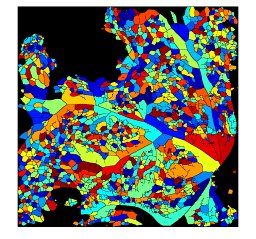 Lachlan Whitehead合作论文数Ohio University;University of Texas - Houston;School of Public Health;Ohio University, University of Texas - Houston9Rose E May合作论文数8
 Dmitri Petrov合作论文数Stanford University8Philippe Bouillet合作论文数8Marco J. Herold合作论文数8
 Joanne Fortune合作论文数Department of Biomedical Sciences, College of Veterinary Medicine, Cornell University7
 John Silke合作论文数La Trobe University;The Walter and Eliza Hall Institute;WEHI;Faculty of Medicine, Dentistry and Health Sciences, University of Melbourne7
 Jozef Gecz合作论文数Robinson Research Institute, University of Adelaide;South Australian Health and Medical Research Institute7
 Waruni Abeysekera合作论文数6
 Tobias D Merson合作论文数Florey Inst Neurosci & Mental Hlth, Univ Melbourne6
 Yifang Hu合作论文数6Falk Hendrik合作论文数6Coultas Leigh合作论文数6Downer Natalie L合作论文数6
 Perry Bartlett合作论文数Queensland Brain Institute, The University of Queensland6Brendon J. Monahan合作论文数Department of Genetics, University of Melbourne6Samantha Eccles合作论文数5Danielle L. Krebs合作论文数5
 David Vaux合作论文数School of Molecular Sciences, La Trobe University;The University of Melbourne;Cell Signalling & Cell Death Division, Walter and Eliza Hall Institute of Medical Research5
 Holly Anderton合作论文数5
 Phipson Belinda合作论文数Bioinformatics Division, Walter and Eliza Hall Institute of Medical Research5
 Marnie Blewitt合作论文数5
 Li Wai Suen Connie S N合作论文数The Walter and Eliza Hall Institute of Medical Research5
 Donald Metcalf合作论文数Walter and Eliza Hall Institute of Medical Research5Tai Lin合作论文数5
 Ian Street合作论文数Department of Chemistry, University of British Columbia5
 Lynn Wong合作论文数Department of Molecular Life Sciences, University of Zurich5
 Rodney L Rietze合作论文数5




