Inclusive postsecondary education (IPSE) programs for students with disabilities have expanded nationwide, yet guidance for their evaluation remains limited. This article introduces Value on Investment (VOI) for IPSE programs as an evaluative orientation to support leaders and evaluators in rethinking how value is defined and examined. A VOI orientation moves beyond traditional outcome-focused or cost-benefit evaluation by attending to three interrelated dimensions of value: student-centered, institution-centered, and field/community/society-centered. VOI is a values-based evaluative stance that shapes which outcomes are prioritized, whose perspectives are centered, and how evidence of impact is interpreted over time. As an orientation rather than a discrete or prescriptive evaluation approach, VOI emphasizes strategic decision-making as a central function of evaluation, rather than the development of fixed metrics or endpoints. The paper further attends to the developmental nature of value identification in IPSE across stakeholders, highlighting the importance of aligning evaluation efforts with program maturity, student trajectories, and broader institutional change processes. Collectively, this evaluative stance complements existing evaluation practices by going beyond only what students may gain to what institutions become capable of sustaining.
The number of inclusive postsecondary education (IPSE) programs across the United States has grown considerably in recent decades, driven by advocacy efforts and federal policy initiatives, effectively increasing access to college opportunities for students with intellectual disabilities (IDs). While IPSE programs typically focus on academic, employment, and self-determination skills, the essential area of social engagement often receives less attention. Current research emphasizes why meaningful social participation promotes a sense of belonging, improved student well-being, and is vital to self-esteem. However, students with ID often enter college with limited experience initiating conversations, forming reciprocal friendships, or navigating complex social situations. Given this, we argue for a shift from opportunity-focused to skills-focused supports by distinguishing informal peer mentorship from structured social engagement coaching (SEC). We propose that trained social engagement coaches serve as intentional facilitators of communication, confidence, autonomy, and long-term social agency. In defining the specific roles of peer mentor and social engagement coach positions, IPSE programs can foster authentic and sustainable social connections between students and peers, which are essential for reciprocal relationships and true campus and community inclusion.
BACKGROUND:The current study aimed to identify the college supports, opportunities, and experiences that students with intellectual and developmental disabilities view as most influential to their sense of belonging in higher education. METHOD:Using the researcher-developed Facilitating Inclusive Reflection and Empowerment-Delphi (FIRE-Delphi) model, 13 students enrolled in an inclusive postsecondary education (IPSE) program engaged in a 3-stage process: semi-structured interviews, a card sort prioritisation activity, and group insight mapping. Each method was adapted to maximise accessibility and ensure participants' voices were centred as sources of expertise. FINDINGS:Across iterative rounds of reflection and consensus building, students emphasised freedom and independence as well as support from coaches employed by the IPSE program to access full campus engagement as paramount in facilitating belonging. CONCLUSION:The study demonstrates that students with intellectual and developmental disabilities experience belonging in college when they are supported to develop independence, build meaningful relationships, and participate fully in campus and work-based opportunities.
As evaluation practices evolve to better reflect the needs, values, and experiences of diverse stakeholders, it is essential for evaluators to recognize the expertise that comes from lived experience. Historically, marginalized communities such as people with disabilities have often been left out of evaluation processes despite the ethical and practical imperative for their meaningful inclusion. To challenge a paradigm of exclusion in evaluation and encourage evaluators to center the voices of people with disabilities in their work, this paper details the core principles of disability-led evaluation and introduces the Continuum of Disability Engagement in Evaluation.
Objective: There is a growing population of individuals with intellectual and developmental disabilities (IDD). Despite growing in prevalence, there remains a significant dearth of evidence-based assessment options to examine a person with IDD's health and wellness. Thus, this study sought to examine the feasibility of an adapted version of the Perceived Wellness Survey (PWS) for individuals with IDD. Method: Adults with IDD (N = 204) took the adapted PWS online. Results: The refined PWS-IDD demonstrated improved model fit over the original version (e.g. CFI increased from .73 to .91), along with acceptable internal consistency reliability (alpha = .61-.82; omega = .69-.84) and evidence of convergent validity of score interpretation with the HRQoL-IDD-16. Invariance testing indicated the revised PWS-IDD performed equivalently across those who did and did not self-report an intellectual disability. Conclusions: Preliminary results support the reliability of PWS-IDD scores and provide evidence for the validity of their interpretation in adults with IDD.
The problems associated with undue and overbroad guardianship for people with intellectual and developmental disability (IDD) have received increasing attention in recent years. In simple terms, guardianship threatens one's ability to exercise self-determination and make important decisions that reflect their own unique values, preferences, and goals. As such, there is both a practical and ethical argument for special education professionals supporting youth with IDD and their families in navigating the transition to legal adulthood using the least restrictive means possible for adult decision-making support. The current study explored responses to an open-ended item from two surveys with special education leaders (n=117) and special education teachers (n=272) on what they perceived to be the most challenging aspects of supporting students and their families to this end. Between these two groups of professionals, 328 responses were collected. Findings from a thematic analysis yielded a total of four themes represented by these responses: (1) lack of professional training, knowledge, or resources; (2) lack of family training, knowledge, or resources; (3) not applicable to teacher population or setting; and (4) infrequent family involvement or low expectations. Each theme is presented alongside illustrative quotes and followed by a discussion of the implications of these challenges for the field and directions for future research.
Over the past 50 years, engaging parents and the families of individuals with disabilities has increasingly been emphasized in U.S. education and rehabilitation systems. Reinforced in the Rehabilitation Act of 1973 as amended in the Workforce Innovation and Opportunity Act (2014) and the Individuals with Disabilities Education Improvement Act (2004), these intertwined laws impact policy initiatives for working with families. The purpose of this article is to explicate strategies for intentionally and meaningfully engaging with families, including siblings as collaborating partners when planning services for individuals with disabilities. Described in this article are prioritized actions to be used for engaging families in collaboration while incorporating continuous communication. The intentional and direct communication with the person with a disability first—always using a person-driven approach to supports—while also including the person’s family as collaborators in planning is an empowering and beneficial course of action to foster successful and well-informed outcomes. The strategies offered here were guided by the Ohio Statewide Family Engagement Center, and the relationships were shaped by positionality, relational autonomy, and interdependence. Rather than absolute independence as the goal, posited instead, as Judy Heumann proclaimed, “independent living is not doing things by yourself. “It is being in control of how things are done.”
Background Centers for Independent Living (CILs) are disability led organizations with broad service offerings for supporting youth with disabilities (YWD) in achieving their postschool goals.Objective The current study was conducted to investigate state-level trends in the youth transition service delivery of CILs.Methods This brief report describes our analysis of publicly available CIL administrative data on consumer ages for federal fiscal years 2015 through 2022.Results Our findings show that there is a great deal of variation in the percentage of youth CIL consumers served over time both within and across states.Conclusions CIL support for transition age youth is continuously evolving across different contexts. Given the importance of interagency collaboration to the positive postschool outcomes of YWD and the potential of CIL service delivery, trends in their services and operations merit the ongoing attention of the field. In this brief report, our results are discussed alongside implications for future research.
The importance of interagency collaboration to support the postschool outcomes of youth with disabilities is underscored in many ways. Perhaps one of the most important among them is the place of interagency collaboration as an evidenced-based predictor of postschool success. Although Centers for Independent Living (CILs) receive federal funding to serve people with disabilities across the lifespan, little research exists to map the nature of their collaboration with local education agencies (LEAs) to this end. The current survey-based study examined perceptions of professionals in both settings (i.e., LEAs and CILs) on their current level of collaboration with one another and the value-based principles they believe influence their work as they support transition-age youth with disabilities (n = 581). Findings indicate a widespread belief in the importance of CILs in youth transition service delivery, a stark contrast between CIL and school-based transition professional perceptions of current collaboration, and a dynamic landscape of shared and divergent ratings of importance across value-based principles of transition practice. Practical implications are outlined to inform CIL and LEA collaboration to support youth with disabilities alongside directions for future research.
A confluence of research and current events in the United States has brought guardianship for people with disabilities into focus in recent years. In the process, the field of special education has been confronted with an unpleasant reality. In their action or inaction, special education professionals may play a role in parents of students with disabilities pursuing undue and overbroad guardianship. The purpose of this study was to work with researchers and practitioners supporting alternatives to guardianship to gather their foremost recommendations for the field of special education on addressing the use of undue guardianship. To this end, the researchers conducted a three-round Delphi study with these established professionals to solicit, rate, and revise their ratings of related recommendations toward achieving consensus. The 30 top recommendations they offered have been collected here and discussed in terms of their relevance for policy, practice, and research in the field.
This literature review examined trends in the curricular focus and type of articles published on secondary curriculum for transition -age students with severe disabilities across a 40 -year time span (1981 - 2020). We analyzed 397 peer -reviewed journal articles by decade. The number of articles published steadily declined from 1981 - 1990 to 2001 - 2010 and then increased from 2011 - 2020. The majority of articles focused on functional curriculum particularly in the area of social, speech, and language skills. Few articles were published in the areas of science, social studies, music/art, safety skills, and sex education. Changes in the percentage of articles published within each curricular area occurred in the areas of curricular issues, recreation and leisure, domestic and daily living skills, and self-determination. Most articles were empirical and utilized single -case design. There was a decline in non -empirical articles over time.
High-quality inclusive postsecondary education programs strive for authentic inclusion of students with intellectual and developmental disabilities. Typicality for students and enhanced integration into the larger institution of higher education are guiding principles outlined in recently developed, national model standards. With these novel and inclusive opportunities, students often need support to navigate and troubleshoot the myriad situations that may arise as a result of this level of inclusion on a college campus. Inclusive college programs typically provide support in academic, employment, and independent living domains but often neglect building skills encapsulated under “personal development.” This paper describes a unique personal development model of support with aligned theoretical underpinnings and interdisciplinary practices derived from social work, counselor education, and education fields.
This paper presents findings from a study utilizing Latent Profile Analysis to examine the value-based principles of transition professionals from two distinct disciplines: special education and Centers for Independent Living (CIL). Specifically, this paper aimed to identify profiles emerging from the value orientations of special education and CIL professionals, and to explore how individual factors such as professional role, disability status, education, and years’ experience differ across these profiles. Findings revealed a taxonomy comprising four distinct profiles within the transition professionals sampled. These profiles delineate varying dominant values that encapsulate the convergence of special education and independent living philosophies. Implications for research and practice are also discussed.
BACKGROUND: Recent state funding opportunities have brought about a renewed interest in the value of collaboration with Centers for Independent Living (CILs) to support the positive postschool outcomes of youth with disabilities. While the potential of CILs in this domain of practice has been well described, their engagement in such collaborative efforts has been limited. OBJECTIVE: The current study was conducted to better understand the involvement of CILs in supporting transition-age youth with disabilities. METHODS: Through an analysis of publicly available CIL administrative data, the authors examined consumer demographics and service categories from 2015 to 2022. RESULTS: Their findings indicated that, on the whole, CIL involvement with youth has remained limited and the disability demographics of consumers have changed little over time. Moreover, while there has been a steady increase in consumers receiving support in the category of "youth/transition services," this upward trend has been slight. CONCLUSION: From these results, it can be argued that CIL support of transition-age youth is an issue that merits the ongoing attention of the field. In this article, these findings are discussed alongside implications for the field and future research.
Transition-age adults with disabilities largely desire the same community employment and community participation outcomes as young adults without disabilities. One common barrier to the manifestation of these desires is the lack of reliable and accessible transportation in their communities. This study used the participatory action research method of photovoice to investigate the experiences of college students with intellectual and developmental disabilities (IDDs) accessing various transportation options within their community. Utilizing a critical constructivist theoretical framework, researchers worked with participants to co-construct situated knowledge. The overall aim of this study was to contribute to the extant literature on transportation barriers and facilitators for this population and to give emerging adults enrolled in an inclusive postsecondary education program an opportunity to share their lived experiences and raise critical consciousness related to their transportation experiences. Limitations and implications for future research, and practice are included.
Self-determination, or the freedom to act as the primary causal agent in one's life, is a well-documented component of enhanced quality of life. Yet young adults with disabilities are often less self-determined than their nondisabled peers. Furthermore, there is an absence of the voices of young adults with disabilities in the literature related to self-determination. While research investigating populations positioned as marginalized has historically been defined by a marked power differential, separating the researcher from the participant, this study utilizes photovoice, a participatory method, to understand how U.S. college students with intellectual disabilities understand self-determination. We seek to trouble the dominant narrative that marginalizes students with intellectual disabilities and instead positions these emerging adults as experts in their own lives. From this study we illuminate how self-determination is enhanced through equality of opportunity and how sense of belonging is related to self-determination.
BACKGROUND: The number of inclusive college programs for students with intellectual and developmental disability (IDD) in the United States has steadily increased in recent years. As access to college becomes a more realistic prospect for people with IDD, there is a pressing need to examine the offerings and impacts of these programs critically. OBJECTIVE: One potential offering of inclusive college programs that has not been given much attention is opportunities for student leadership development (LD). The purpose of this brief report was to evaluate the perspectives of staff members in a program geared towards providing a paid LD opportunity to students with IDD in an inclusive college program in the southeastern United States. METHODS : Semi-structured interviews were conducted with ten student-employees staffing this LD opportunity and constant comparative analysis was employed to organize interview content by themes. RESULTS: Four primary themes arose as a result of the analytic process: character development, communication, opportunities for leading and mentoring others, strategic reflection, and individual empowerment. Each is explored in summation and through exemplary quotes from participants. CONCLUSION: The findings of this study provide important implications for professionals and future research to support maximizing the positive impact of these programs on the lives of students with IDD.
Emerging adulthood is a period of human development ripe for personal identity exploration and a college campus can be a conducive environment for this to take place. Historically, many transition-age adults with intellectual and developmental disabilities (IDD) have been denied access to college, but with the rise in inclusive postsecondary education (IPSE) programs across the country, that is changing. This study uses a combination of semi-structured interviews and photo elicitation discussions with 11 emerging adults enrolled in a southeastern IPSE program to better understand how these individuals understand and express their personal identity as well as the contextual factors contributing to their experiences with personal identity. Using thematic analysis, we uncovered seven salient themes across the data, including a theme related to the complicated nature of the participants’ disability identity.
An increasing amount of attention has been paid in recent years to issues related to decision-making support for students with significant disabilities approaching the age of legal adulthood. Research indicates that special education teachers support practices that minmize the use of undue and overbroad guardianship for their students. However, many are working within environments in which this belief may not be well supported. The purpose of this article is to provide special education teachers with context and strategies for systemic advocacy efforts that support the dignity and autonomy of their students with complex support needs.
Highly qualified and well-prepared transition professionals are arguably the most important piece to improve postsecondary outcomes for youth with diverse needs. A dearth of dynamic field placements for preservice teachers to connect coursework to practice has been identified as a gap in teacher training. This need could be potentially filled by facilitating opportunities for preservice teachers to work in an inclusive postsecondary education program for college students with disabilities as these programs become more prevalent across the country. Researchers used a mixed-methods sequential design to examine the perceptions of graduates from a special education program regarding their experience in working with an inclusive postsecondary education program (IPSE) while completing their coursework. Researchers found that all survey respondents indicated working within an IPSE had an important impact on their current professional lives working with individuals with disabilities. Specifically, four major themes emerged from interviews regarding practices and philosophy shifts. Furthermore, findings showed that building rapport with students, advocating for students and facilitating inclusive outcomes had an impact on them as professionals. Reported changes in overall beliefs before and after working with the IPSE were also found. These findings are discussed and implications are provided.
 Kathleen Marie Oertle合作论文数Dept Special Educ & Rehabil Counseling, Utah State Univ22
 John S Trach合作论文数16
 Charles B. Walters合作论文数14
 Chelsea VanHorn Stinnett合作论文数9Kathleen J Marshall合作论文数8Rebecca B. Smith-Hill合作论文数7
 Allison R. Fleming合作论文数Department of Early Childhood, Special Education, and Rehabilitation Counseling, University of Kentucky7
 Chad A. Rose合作论文数5
 Karrie A. Shogren合作论文数University of Kansas5
 Angela M. T. Prince合作论文数Iowa State Univ Sci & Technol4
 Valerie L. Mazzotti合作论文数4
 Mitchell L. Yell合作论文数Univ S Carolina3
 Stefania D. Petcu合作论文数2Gerda Kumpiene合作论文数2Alexander M. Fields合作论文数2
 Jonathan G. Hakun合作论文数Department of Psychiatry;School of Medicine, University of Pennsylvania;School of Medicine, University of Pennsylvania2
 David Strauser合作论文数Department of Kinesiology and Community Health, College of Applied Health Sciences, University of Illinois at Urbana-Champaign2
 Stacy Dymond合作论文数Department of Special Education, Organization & Leadership, College of Education, University of Illinois at Urbana-Champaign2Susan B. Palmer合作论文数1Stephanie K. Ellis合作论文数1
 Monica Simonsen合作论文数1Molly Bloom合作论文数1youngshil paek合作论文数1Douglas A. Roberts合作论文数1William Bridges合作论文数1Adrianna M Shoemaker合作论文数1Joy Ivester合作论文数1Yvette Rother合作论文数1Olivia Lewis合作论文数1
 Jordan Ezell合作论文数Dept Psychiat & Behav Sci, Med Univ South Carolina1
 Cynthia G. Simpson合作论文数Houston Baptist University1Hyojeong Seo合作论文数1Payal Shah合作论文数Dept Educ Studies, Univ South Carolina1
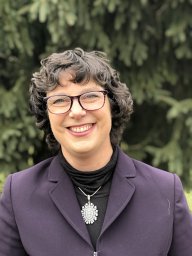 June E Gothberg合作论文数Michigan University1
 Michelle L Bonati合作论文数1Kim RahKyung合作论文数1Abby Layla合作论文数1Thompson Samuel合作论文数1
 Carolyn Hawley合作论文数1
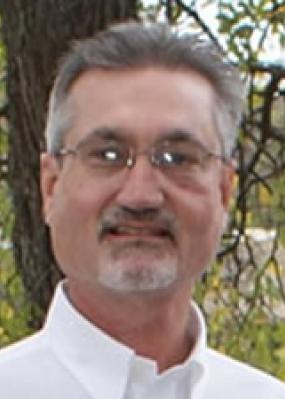 Michael L. Wehmeyer合作论文数Department of Special Education, School of Education and Human Science, The University of Kansas1
 Amy Armstrong合作论文数1David R Strauser合作论文数1
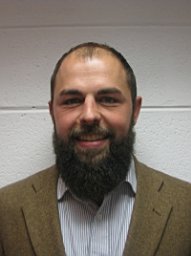 Matthew P. Herring合作论文数Department of Kinesiology, University of Georgia1
 Leslie M. Shaw合作论文数Division of Laboratory Medicine, Department of Pathology and Laboratory Medicine, Perelman School of Medicine, University of Pennsylvania;Clinical Toxicology Laboratory, University of Pennsylvania1Lance S. Neeper合作论文数1
 David M. Richman合作论文数School of Medicine1
 Andrew T Roach合作论文数Georgia State Univ1Wesley H. Dotson合作论文数1
 Cynthia P May合作论文数1




