The far side of the Moon, shielded from terrestrial radio frequency interference and beyond the influence of Earth's ionosphere, should offer a uniquely quiet environment for radio astronomy and cosmological experiments. The radio sky below 30 MHz is largely unexplored and is thought to contain spectral signatures of new physics in the early, high-redshift Universe. Achieving precision measurements in this band requires accurate understanding of antenna performance and systematics. For upcoming lunar surface radio astronomy missions, this modeling will be challenging because antennas will deploy at heights that are only a small fraction of a wavelength above the lunar regolith, where strong coupling between the antenna and the surface can significantly alter impedance, radiation patterns, and efficiency. The challenge is compounded by the layered dielectric structure of the regolith and the tendency for permittivity to increase with depth, both of which are difficult to represent faithfully in numerical simulations. In this work, we review theoretical predictions for the behavior of a simple horizontal dipole above a dielectric half-space, representing the lunar regolith, and compare them with simulation results obtained using the Ansys HFSS integral equation solver. We quantify how the antenna impedance and beam pattern couple to the sky for a representative lunar surface radio astronomy experiment. The results show that surface induced effects decrease rapidly, even for modest increases in antenna height above the regolith. Conversely, a dipole antenna placed on or very near the lunar surface will exhibit complex spectral response that renders systematics control very difficult without detailed information on regolith properties.
We investigate the cosmological constraining power of combined weak galaxy lensing and galaxy clustering probes, i.e. 3×2-point analyses, assuming flexible models for redshift uncertainty, and Lagrangian perturbation theory and hybrid effective field theory models for galaxy intrinsic alignments, galaxy bias and baryonic physics. In this context, we provide a detailed accounting of the limiting systematics on 3×2-point analyses. Our main finding is that in the presence of current levels of uncertainty on baryonic physics, the information content of weak lensing analyses saturates on quasi-linear scales, allowing the use of source galaxy samples that are significantly less dense, e.g. with number densities of 5 arcmin^-2, without sacrificing constraining power, provided that redshift distributions can be calibrated at the σ(⟨ z⟩)=0.005 level. We show that for sufficiently narrow lens and source redshift distributions, intrinsic alignment contributions can be largely self-calibrated, though sufficient flexibility must be given to the redshift and scale dependence of this signal. The near optimality of such relatively sparse source galaxy samples opens the possibility to directly calibrate the redshift distributions and intrinsic alignment contamination of such a sample using a spectroscopic instrument like DESI, thus mitigating the dominant systematics in weak lensing analyses.
Supernovae are observed to occur approximately 1-2 times per century in a galaxy like the Milky Way. Based on historical records, however, the last core-collapse galactic supernova observed by humans occurred almost 1,000 years ago. Luckily, we are well positioned to catch the next one with the advent of new neutrino detectors and astronomical observatories. Neutrino observatories can provide unprecedented triggers for a galactic supernova event as they are likely to see a supernova neutrino signal anywhere from minutes to days before the shock breakout causes the supernova to brighten in optical wavelengths. Given its large etendue, the Vera C. Rubin Observatory is ideally positioned to rapidly localize the optical counterpart based on the neutrino trigger. In this paper we simulate events to study the efficiency with which supernovae are optimally localized by the Vera C. Rubin Observatory. We find that the observatory is ideal for initial localization of nearly all observable supernova triggers and has a 57-97% chance of catching any supernova based on theoretical stellar mass density predictions and observations. We provide an analysis of optimal filter selection and exposure times and discuss observational caveats.
We measure the angular power spectrum and bispectrum of the projected overdensity of photometric DESI luminous red galaxies, and its cross-correlation with maps of the Cosmic Microwave Background lensing convergence from Planck. This analysis is enabled by the use of the “filtered-squared bispectrum” approach, introduced in previous work, which we generalise here to the case of cross-correlations between multiple fields. The projected galaxy bispectrum is detected at very high significance (above 30 σ in all redshift bins), and the galaxy-galaxy-convergence bispectrum is detected above 5 σ in the three highest-redshift bins. We find that the bispectrum is reasonably well described over a broad range of scales by a tree-level prediction using the linear galaxy bias measured from the power spectrum. We carry out the first cosmological analysis combining projected power spectra and bispectra under a relatively simple model, and show that the galaxy bispectrum can be used in combination with the power spectrum to place a constraint on the amplitude of matter fluctuations, σ 8 , an on the non-relativistic matter fraction Ω m . We find that data combinations involving the galaxy bispectrum recover constraints on these parameters that are in good agreement with those found from the traditional “2 × 2-point” combination of galaxy-galaxy and galaxy-convergence power spectra, across all redshift bins.
LuSEE-Night is a pathfinder radio telescope on the lunar far side employing four 3-m monopole antennas arranged as two horizontal cross pseudo-dipoles on a rotational stage and sensitive to the radio sky in the 1-50 MHz frequency band. LuSEE-Night measures the corresponding 16 correlation products as a function of frequency. While each antenna combination measures radiation coming from a large area of the sky, their aggregate information as a function of phase in the lunar cycle and rotational stage position can be deconvolved into a low-resolution map of the sky. We study this deconvolution using linear map-making based on the Wiener filter algorithm. We illustrate how systematic effects can be effectively marginalised over as contributions to the noise covariance and demonstrate this technique on beam knowledge uncertainty and gain fluctuations. With reasonable assumptions about instrument performance, we show that LuSEE-Night should be able to map the sub-50 MHz sky at a ~5-degree resolution.
The Lunar Surface Electromagnetics Experiment (LuSEE-Night) is a joint NASA-DOE-ESA low-frequency radio telescope that will reach the lunar far side in 2027. The unknown dielectric properties of the subsurface at the LuSEE-Night landing site impose the most significant limitation for precision instrument calibration, as reflections from the lunar subsurface can change the primary beam at the 10-20
The NASA/DOE LuSEE Night experiment (Bale et al. (2023), arXiv:2301.10345) will be deployed on the lunar farside in early 2026 to make full-Stokes spectral measurements of the radio sky below 50 MHz using a simple crossed-dipole antenna system. LuSEE Night will be a pathfinder for future farside observatories, demonstrating many of the (quite ambitious) technologies required to make synoptic, radio quiet measurements throughout the lunar night. Additionally, a second experiment LuSEE Lite will make direct measurements of the DC electric field on the lunar surface which is thought to be a controlling factor for the electrostatic dust levitation which gave rise to the lunar ‘horizon glow’ observed by the Apollo astronauts.
The Lunar Surface Electromagnetics Explorer at Night (LuSEE-Night) experiment will reach the lunar farside in 2026 to observe the sky in frequencies between 0.1 and 50 MHz. The radio sky below 20 MHz is largely unexplored, since the ionosphere blocks ground-based observations. LuSEE-Night will observe these new skies from a site remarkably isolated from terrestrial radio interference.
We present the measurements and cosmological implications of the galaxy two-point clustering using over 4.7 million unique galaxy and quasar redshifts in the range 0.1 < z < 2.1 divided into six redshift bins over a similar to 7, 500 square degree footprint, from the first year of observations with the Dark Energy Spectroscopic Instrument (DESI Data Release 1). By fitting the full power spectrum, we extend previous DESI DR1 baryon acoustic oscillation (BAO) measurements to include redshift-space distortions and signals from the matter-radiation equality scale. For the first time, this Full-Shape analysis is blinded at the catalogue-level to avoid confirmation bias and the systematic errors are accounted for at the two-point clustering level, which automatically propagates them into any cosmological parameter. When analysing the data in terms of compressed model-agnostic variables, we obtain a combined precision of 4.7% on the amplitude of the redshift space distortion (RSD) signal reaching a similar precision with just one year of DESI data than with twenty years of observation from the previous generation survey. We also analyse the data to directly constrain the cosmological parameters within the Lambda CDM model using perturbation theory and combine this information with the reconstructed DESI DR1 galaxy BAO. Using a Big Bang Nucleosynthesis Gaussian prior on the baryon density parameter, omega(b), and a weak Gaussian prior on the spectral index, n(s), we constrain the matter density is Omega(m) = 0.296 +/- 0.010 and the Hubble constant H-0 = (68.63 +/- 0.79)[km s(-1)Mpc(-1)]. Additionally, we measure the amplitude of clustering sigma(8) = 0.841 +/- 0.034. The DESI DR1 galaxy clustering results are in agreement with the Lambda CDM model based on general relativity with parameters consistent with those from Planck. The cosmological interpretation of these results in combination with DESI DR1 Ly-alpha forest data and external datasets are presented in the companion paper [1].
The evolved cosmological matter density field is fully determined by the initial matter density field at fixed cosmological parameters. However, the two-dimensional cosmological projected matter density field, relevant for weak-lensing and photometric galaxy studies, is fully determined by the initial projected matter density field only at the linear order. At non-linear order, the entire volume of initial matter contributes. We study a model for the evolved projected density field that is deterministic in the initial projected density fields and probabilistic in the effects of the remaining modes in the initial conditions. We write down predictions for the mean evolved projected field model using Lagrangian perturbation theory. We run a suite of small N-body simulations with fixed projected initial conditions and measure the statistical properties of the ensemble of evolved projected fields. Measurements and theory are in good agreement and show that the information on the initial projected fields is exponentially suppressed on non-linear scales. We implement this approach in a likelihood code and use Hamiltonian Monte-Carlo sampling to show that initial fields can be reconstructed even in the presence of non-trival mask features.
We present cosmological results from the measurement of baryon acoustic oscillations (BAO) in galaxy, quasar and Lyman-$\alpha$ forest tracers from the first year of observations from the Dark Energy Spectroscopic Instrument (DESI), to be released in the DESI Data Release 1. DESI BAO provide robust measurements of the transverse comoving distance and Hubble rate, or their combination, relative to the sound horizon, in seven redshift bins from over 6 million extragalactic objects in the redshift range $0.1-1$ and $w_a<0$. This preference is 2.6$\sigma$ for the DESI+CMB combination, and persists or grows when SN~Ia are added in, giving results discrepant with the $\Lambda$CDM model at the $2.5\sigma$, $3.5\sigma$ or $3.9\sigma$ levels for the addition of Pantheon+, Union3, or DES-SN5YR datasets respectively. For the flat $\Lambda$CDM model with the sum of neutrino mass $\sum m_\nu$ free, combining the DESI and CMB data yields an upper limit $\sum m_\nu < 0.072$ $(0.113)$ eV at 95% confidence for a $\sum m_\nu>0$ $(\sum m_\nu>0.059)$ eV prior. These neutrino-mass constraints are substantially relaxed in models beyond $\Lambda$CDM. [Abridged.]
We use the projected clustering of quasars in the Gaia-unWISE quasar catalog, Quaia, and its cross-correlation with CMB lensing data from Planck, to measure the large-scale turnover of the matter power spectrum, associated with the size of the horizon at the epoch of matter-radiation equality. The turnover is detected with a significance of between $2.3$ and $3.1\sigma$, depending on the method used to quantify it. From this measurement, the equality scale is determined at the $\sim20\%$ level. Using the turnover scale as a standard ruler alone (suppressing information from the large-scale curvature of the power spectrum), in combination with supernova data through an inverse distance ladder approach, we measure the current expansion rate to be $H_0=62.7\pm17.2\,{\rm km}\,{\rm s}^{-1}\,{\rm Mpc}^{-1}$. The addition of information coming from the power spectrum curvature approximately halves the standard ruler uncertainty. Our measurement in combination with calibrated supernovae from Pantheon$+$ and SH0ES constrains the CMB temperature to be $T_{\rm CMB}=3.10^{+0.48}_{-0.36}\,{\rm K}$, independently of CMB data. Alternatively, assuming the value of $T_{\rm CMB}$ from COBE-FIRAS, we can constrain the effective number of relativistic species in the early Universe to be $N_{\rm eff}=3.0^{+5.8}_{-2.9}$.
We present the measurement of Baryon Acoustic Oscillations (BAO) from the Lyman- a (Lya) forest of high-redshift quasars with the first-year dataset of the Dark Energy Spectroscopic Instrument (DESI). Our analysis uses over 420 000 Lya forest spectra and their correlation with the spatial distribution of more than 700 000 quasars. An essential facet of this work is the development of a new analysis methodology on a blinded dataset. We conducted rigorous tests using synthetic data to ensure the reliability of our methodology and findings before unblinding. Additionally, we conducted multiple data splits to assess the consistency of the results and scrutinized various analysis approaches to confirm their robustness. For a given value of the sound horizon ( rd), we measure the expansion at zeff = 2.33 with 2% precision, H(zeff) = (239.2 +/- 4.8) (147.09Mpc/ rd) km/s/Mpc. Similarly, we present a 2.4% measurement of the transverse comoving distance to the same redshift, DM (zeff) = (5.84 +/- 0.14) ( rd/147.09Mpc) Gpc. Together with other DESI BAO measurements at lower redshifts, these results are used in a companion paper to constrain cosmological parameters.
The study of third-order statistics in large-scale structure analyses has been hampered by the increased complexity of bispectrum estimators (compared to power spectra), the large dimensionality of the data vector, and the difficulty in estimating its covariance matrix. In this paper we present the filtered-squared bispectrum (FSB), an estimator of the projected bispectrum effectively consisting of the cross-correlation between the square of a field filtered on a range of scales and the original field. Within this formalism, we are able to recycle much of the infrastructure built around power spectrum measurement to construct an estimator that is both fast and robust against mode-coupling effects caused by incomplete sky observations. Furthermore, we demonstrate that the existing techniques for the estimation of analytical power spectrum covariances can be used within this formalism to calculate the bispectrum covariance at very high accuracy, naturally accounting for the most relevant Gaussian and non-Gaussian contributions in a model-independent manner.
We present the samples of galaxies and quasars used for DESI 2024 cosmological analyses, drawn from the DESI Data Release 1 (DR1). We describe the construction of large-scale structure (LSS) catalogs from these samples, which include matched sets of synthetic reference `randoms' and weights that account for variations in the observed density of the samples due to experimental design and varying instrument performance. We detail how we correct for variations in observational completeness, the input `target' densities due to imaging systematics, and the ability to confidently measure redshifts from DESI spectra. We then summarize how remaining uncertainties in the corrections can be translated to systematic uncertainties for particular analyses. We describe the weights added to maximize the signal-to-noise of DESI DR1 2-point clustering measurements. We detail measurement pipelines applied to the LSS catalogs that obtain 2-point clustering measurements in configuration and Fourier space. The resulting 2-point measurements depend on window functions and normalization constraints particular to each sample, and we present the corrections required to match models to the data. We compare the configuration- and Fourier-space 2-point clustering of the data samples to that recovered from simulations of DESI DR1 and find they are, generally, in statistical agreement to within 2% in the inferred real-space over-density field. The LSS catalogs, 2-point measurements, and their covariance matrices will be released publicly with DESI DR1.
We present the DESI 2024 galaxy and quasar baryon acoustic oscillations (BAO) measurements using over 5.7 million unique galaxy and quasar redshifts in the range 0.1 < z < 2.1. Divided by tracer type, we utilize 300,017 galaxies from the magnitude-limited Bright Galaxy Survey with 0.1 < z < 0.4, 2,138,600 Luminous Red Galaxies with 0.4 < z < 1.1, 2,432,022 Emission Line Galaxies with 0.8 < z < 1.6, and 856,652 quasars with 0.8 < z < 2.1, over a ∼ 7,500 square degree footprint. The analysis was blinded at the catalog-level to avoid confirmation bias. All fiducial choices of the BAO fitting and reconstruction methodology, as well as the size of the systematic errors, were determined on the basis of the tests with mock catalogs and the blinded data catalogs. We present several improvements to the BAO analysis pipeline, including enhancing the BAO fitting and reconstruction methods in a more physically-motivated direction, and also present results using combinations of tracers. We employ a unified BAO analysis method across all tracers. We present a re-analysis of SDSS BOSS and eBOSS results applying the improved DESI methodology and find scatter consistent with the level of the quoted SDSS theoretical systematic uncertainties. With the total effective survey volume of ∼ 18 Gpc 3 , the combined precision of the BAO measurements across the six different redshift bins is ∼0.52%, marking a 1.2-fold improvement over the previous state-of-the-art results using only first-year data. We detect the BAO in all of these six redshift bins. The highest significance of BAO detection is 9.1σ at the effective redshift of 0.93, with a constraint of 0.86% placed on the BAO scale. We find that our observed BAO scales are systematically larger than the prediction of the Planck 2018-ΛCDM at z < 0.8. We translate the results into transverse comoving distance and radial Hubble distance measurements, which are used to constrain cosmological models in our companion paper.
ABSTRACT We present initial results from the Dark Energy Spectroscopic Instrument (DESI) complete calibration of the colour–redshift relation (DC3R2) secondary target survey. Our analysis uses 230 k galaxies that overlap with KiDS-VIKING ugriZYJHKs photometry to calibrate the colour–redshift relation and to inform photometric redshift (photo-z) inference methods of future weak lensing surveys. Together with emission line galaxies (ELGs), luminous red galaxies (LRGs), and the Bright Galaxy Survey (BGS) that provide samples of complementary colour, the DC3R2 targets help DESI to span 56 per cent of the colour space visible to Euclid and LSST with high confidence spectroscopic redshifts. The effects of spectroscopic completeness and quality are explored, as well as systematic uncertainties introduced with the use of common Self-Organizing Maps trained on different photometry than the analysis sample. We further examine the dependence of redshift on magnitude at fixed colour, important for the use of bright galaxy spectra to calibrate redshifts in a fainter photometric galaxy sample. We find that noise in the KiDS-VIKING photometry introduces a dominant, apparent magnitude dependence of redshift at fixed colour, which indicates a need for carefully chosen deep drilling fields, and survey simulation to model this effect for future weak lensing surveys.
The Lunar Surface Electromagnetics Experiment at Night (LuSEE-Night) is a project designed to investigate the feasibility of observing the Cosmic Dark Ages using an instrument on the lunar far-side. LuSEE-Night will measure the redshifted 21 cm transition of neutral hydrogen over a frequency range of 0.1-50 MHz, covering the redshift range 27 < z < 1100. The LuSEE-Night instrument is a radio frequency spectrometer, consisting of four horizontal monopole antennas, arranged to give wide zenith-pointing beams with two orthogonal linear polarizations. This combination of polarization, spectral, and angular sensitivity will be necessary to separate the cosmological signal from significantly stronger foreground emissions. LuSEE-Night will observe in drift scan during lunar night while the moon shields it from radio frequency interference from both the Earth and sun, and will transmit science and telemetry data back to Earth via an orbital relay during the lunar day. LuSEE-Night will have to operate in a challenging environment: its electronics must operate under hard radiation, the instrument must be thermally isolated during the cold 100 K lunar night, and have a thermal rejection path to survive the 390 K daytime temperature, and its photovoltaic and battery systems must provide sufficient power to operate during two weeks of lunar night. Furthermore, the instrument spectrometer must be powered throughout the lunar night using only a 7 kWh battery, due to mass limitations. Here we describe the power generation, storage, and delivery subsystems of the LuSEE-Night instrument, and the simulations of expected power generation, draw, and reserves over time which were performed in order to design the power subsystems, and ensure instrument survival and operation throughout the long lunar night. We also describe the Concept of Operations (ConOps) developed for the LuSEE-Night mission, which derives from the power management simulations.
A major issue in optical astronomical image analysis is the combined effect of the instrument's point spread function (PSF) and the atmospheric seeing that blurs images and changes their shape in a way that is band and time-of-observation dependent. In this work we present a very simple neural network based approach to non-blind image deconvolution that relies on feeding a Convolutional Autoencoder (CAE) input images that have been preprocessed by convolution with the corresponding PSF and its regularized inverse. Compared to our previous work based on Deep Wiener Deconvolution, the new approach is conceptually simpler and computationally much less intensive while achieving only marginally worse results. In this work we also present a new approach for dealing with limited input dynamic range of neural networks compared to the dynamic range present in astronomical images.
The four-point correlation function is the lowest order correlation function for scalar fields that can be used to probe statistical parity invariance in an isotropic universe. There are intriguing claims of detection of parity violation in the 4-point function of BOSS galaxy clustering data. We apply the same estimator to the public SDSS Data Release 16 Lyman-alpha forest data. Lyman-alpha forest data probes a different redshift range and is sensitive to a different density regime using a completely different technique. A detection would therefore be a strong indication of new physics. We identify an accurate covariance matrix as a crucial impediment to performing this measurement accurately, consistent with existing literature on galaxy 4-point function. We discuss several approaches to estimating the covariance matrix, several of which produce spurious detection. Using a robust, but very suboptimal, covariance matrix derived from subsample bootstrapping, we find no evidence for parity violation.
 Kyle S. Dawson合作论文数Department of Physics and Astronomy, The University of Utah51
 Andreu Font-Ribera合作论文数CSIC-IEEC ), Institut de Ciencies de l'Espai48Graziano Rossi合作论文数46
 David Schlegel合作论文数Lawrence Berkeley National Laboratory44
 Edmond Chaussidon合作论文数CEA, Université Paris-Saclay43Palanque-Delabrouille Nathalie合作论文数43
 Matthew M. Pieri合作论文数Department of Astronomy;Ohio State Univer;Department of Astronomy, Ohio State Univer43
 Daniel Eisenstein合作论文数Center for Astrophysics, Harvard University;Department of Astronomy, Harvard University42
 Adam D. Myers合作论文数Department of Physics & Astronomy, College of Engineering and Physical Sciences, University of Wyoming42
 Bob Nichol合作论文数School of Mathematics and Physics, Faculty of Engineering and Physical Sciences, University of Surrey40
 Donald P. Schneider合作论文数Department of Astronomy and Astrophysics, Eberly College of Science, The Pennsylvania State University40
 Will Percival合作论文数Department of Physics and Astronomy, Faculty of Science, University of Waterloo37
 Patrick Petitjean合作论文数Institut d'Astrophysique de Paris37
 Martin White合作论文数Department of Physics, University of California, Berkeley;Department of Astronomy, University of California, Berkeley;Physics Division, Lawrence Berkeley National Laboratory37
 David Kirkby合作论文数Dept Phys & Astron, Univ Calif Irvine34J.M. Le Goff合作论文数European Laboratory for Particle Physics, CERN34
 Shirley Ho合作论文数Flatiron Institute, Center for Computational Astrophysics, Simons Foundation;Department of Astrophysical Sciences, Princeton University;Faculty of Center for Data Science, New York University34
 David H. Weinberg合作论文数Department of Astronomy, College of Arts and Sciences, The Ohio State University;Center for Cosmology and AstroParticle Physics, College of Arts and Sciences, The Ohio State University;Institut d’Astrophysique de Paris34
 Jordan Raddick合作论文数33
 Florian Beutler合作论文数School of Physics and Astronomy, The University of Edinburgh31
 Julián Bautista合作论文数Aix-Marseille University31
 Ashley J. Ross合作论文数Center for Cosmology and AstroParticle Physics, College of Arts and Sciences, The Ohio State University31
 Jeffrey A. Newman合作论文数Department of Physics and Astronomy, University of Pittsburgh31
 Joel R. Brownstein合作论文数Department of Physics And Astronomy, University of Utah;Sloan Digital Sky Survey30
 David Alonso合作论文数Department of Physics, University of Oxford29Isabelle Pâris合作论文数29
 Adam S. Bolton合作论文数SLAC National Accelerator Laboratory, Stanford University;Vera C. Rubin Observatory29James D. Thomas合作论文数27
 Hee-Jong Seo合作论文数College of Arts and Sciences, Ohio University;Astrophysical Institute, Ohio University27
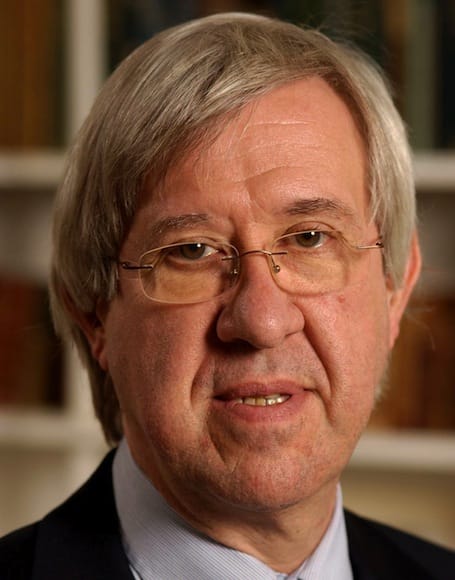 Alexander Szalay合作论文数Department of Physics and Astronomy, Krieger School of Arts and Sciences, Johns Hopkins University;Department of Computer Science, Whiting School of Engineering, Johns Hopkins University;Institute for Data Intensive Engineering and Science, Johns Hopkins University;Eötvös University26
 Kevin Schawinski合作论文数ETH Zurich26
 Nicholas P. Ross合作论文数Department of Physics, Durham University26
 Steven Bamford合作论文数School of Physics & Astronomy, Faculty of Science, The University of Nottingham26A. De La Macorra合作论文数25Jan Vandenberg合作论文数Department of Physics and Astronomy;Johns Hopkins University;Homewood Campus;Department of Physics and Astronomy, Johns Hopkins University25
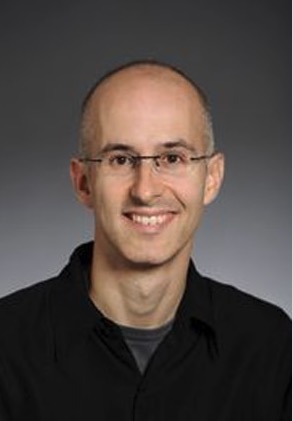 Rupert A. C. Croft合作论文数Department of Physics, Mellon College of Science, Carnegie Mellon University25
 Chris Lintott合作论文数Department of Physics, University of Oxford25Michael Blomqvist合作论文数24Patrick McDonald合作论文数Lawrence Berkeley National Laboratory24Laura Newburgh合作论文数Department of Astronomy, Yale University23
 Uros Seljak合作论文数Department of Physics, University of California, Berkeley23Timothée Delubac合作论文数CEA Saclay, CEA Saclay23Dan Andreescu合作论文数23
 Mariana Vargas Magana合作论文数Inst Fis, Univ Nacl Autonoma Mexico23B. A. Weaver合作论文数23
 Jordi Miralda Escudé合作论文数Institucio Catalana De Recerca I Estudis Avancats;Department of Quantum Physics and Astrophysics, Universitat de Barcelona;Institut De Ci`Encies Del Cosmos, Facultat De F´ısica, Universitat De Barcelona23
 Jeremy Tinker合作论文数Center for Cosmology and Particle Physics, Department of Physics, New York University22
 J.A. Rubiño Martín合作论文数Instituto de Astrofisica de Canarias22Simone Ferraro合作论文数Department of Astronomy, University of California, Berkeley21




