To test the value of non-TBI based reduced intensity stem cell transplantation (RIST) in high risk patients with NHL, CLL and MM, 52 patients were transplanted using fludarabin 25 mg/m2 and cyclophosphamide 500 mg/m2, for 5 days and an undepleted HLA-identical sibling allograft.
In this report we describe a patient with mixed haemolysis, who was subsequently diagnosed with SLE. In addition to aspecific cold and warmth auto-antibodies, rarely occurring specific complement binding warmth auto-antibodies to Jk(a) were found. The clinical presentation and the therapeutic options of mixed haemolysis are discussed.
Unprocessed G-CSF mobilized whole blood (WB) is an easy-to-handle and cost-effective alternative for PBSC cryopreserved after leukapheresis to support high-dose chemo(radio)therapy in various malignant diseases [ 1. Jonkhoff A.R. de Kreuk A.M. Franschman G. et al. Granulocyte colony-stimulating factor mobilized whole blood containing over 0.3 × 10⁶/kg CD34+ cells is a sufficient graft in autologous transplantation for relapsed non-Hodgkin's lymphoma. Br J Haematol. 2002; 118: 90-100 Crossref PubMed Scopus (7) Google Scholar , 2. Pettengell R. Woll P.J. Thatcher N. et al. Multicyclic, dose- intensive chemotherapy supported by sequential reinfusion of hematopoietic progenitors in whole blood. J Clin Oncol. 1995; 13: 148-156 PubMed Google Scholar , 3. Huijgens P.C. Dekker-Van Roessel H.M. Jonkhoff A.R. et al. High- dose melphalan with G-CSF-stimulated whole blood rescue followed by stem cell harvesting and busulphan/cyclopho- sphamide with autologous stem cell transplantation in multiple myeloma. Bone Marrow Transplant. 2001; 27: 925-931 Crossref PubMed Scopus (23) Google Scholar ]. A major disadvantage of unprocessed WB is that its storage time is very limited due to the fact that hematopoietic progenitors deteriorate rather rapidly during liquid storage. Without specific measures, WB can be stored refrigerated for a maximum of 48–72 h [ 1. Jonkhoff A.R. de Kreuk A.M. Franschman G. et al. Granulocyte colony-stimulating factor mobilized whole blood containing over 0.3 × 10⁶/kg CD34+ cells is a sufficient graft in autologous transplantation for relapsed non-Hodgkin's lymphoma. Br J Haematol. 2002; 118: 90-100 Crossref PubMed Scopus (7) Google Scholar , 4. Pettengell R. Woll P.J. O'Connor D.A. et al. Viability of haemopoietic progenitors from whole blood, bone marrow and leukapheresis product: effects of storage media, temperature and time. Bone Marrow Transplant. 1994; 14: 703-709 PubMed Google Scholar ]. Considering the length of most high-dose regimens in hematology and oncology, a storage time of 4–7 days would be preferable. Recently, we developed an infusable-grade solution for liquid storage of WB for up to 7 days [ 5. de Kreuk A.M. Jonkhoff A.R. Zevenbergen A. et al. Storage of unprocessed G-CSF mobilized whole blood in a modified Leibovitz's L1 5 medium preserves clonogenic capacity for at least 7 days. Bone Marrow Transplant. 2001; 28: 145-155 Crossref PubMed Scopus (12) Google Scholar , 6. de Kreuk A.M. Jonkhoff A.R. Zevenbergen A. et al. In vitro safety profile of G-CSF mobilized whole blood after storage for 7 days in an infusable-grade L15 medium. Transfusion. 2002; 42: 433-442 Crossref PubMed Scopus (1) Google Scholar ]. Although we demonstrated improved progenitor survival in comparison with other studies, results were not as optimal as desirable. Experience from ex vivo expansion studies has demonstrated that most cultures benefit from frequent medium exchange [ 7. Schwartz R.M. Emerson S.G. Clarke M.F. Palsson B.O. In vitro myelopoiesis stimulated by rapid medium exchange and supplementation with hematopoietic growth factors. Blood. 1991; 78: 3155-3161 Crossref PubMed Google Scholar , 8. Koller M.R. Palsson M.A. Manchel I. Palsson B.O. Long-term culture-initiating cell expansion is dependent on frequent medium exchange combined with stromal and other accessory cell effects. Blood. 1995; 86: 1784-1793 PubMed Google Scholar ]. Key culture parameters such as dissolved oxygen, pH and metabolite concentrations change dramatically over time without refreshment [ 9. Collins P.C. Nielsen L.K. Patel S.D. et al. Characterization of hematopoietic cell expansion, oxygen uptake, and glycolysis in a controlled, stirred-tank bioreactor system. Biotechnol Prog. 1998; 14: 466-472 Crossref PubMed Scopus (66) Google Scholar , 10. Gloeckner H. Lemke H.D. New miniaturized hollow-fiber bioreactor for in vivo like cell culture, cell expansion, and production of cell-derived products. Biotechnol Prog. 2001; 17: 828-831 Crossref PubMed Scopus (30) Google Scholar ]. In addition, bioactive substances accumulate over time, carrying the risk of producing transfusion reactions in the recipient [ 6. de Kreuk A.M. Jonkhoff A.R. Zevenbergen A. et al. In vitro safety profile of G-CSF mobilized whole blood after storage for 7 days in an infusable-grade L15 medium. Transfusion. 2002; 42: 433-442 Crossref PubMed Scopus (1) Google Scholar ]. Intermittent refreshment of the culture medium can solve these problems, but is laborious and carries the concomitant risk of contamination and physical disruption of the various cell types in WB.
A prospective study was performed, comparing gallium scintigraphy (67Ga) and positron emission tomography (PET) using fluorine-18 fluorodeoxyglucose (18FDG), to monitor the response of aggressive non-Hodgkin's lymphoma during treatment. 67Ga and 18FDG scans were performed in 26 patients after two cycles of CHOP (cyclophosphamide, doxorubicin, vincristine, prednisone) therapy. The scans were reviewed independently by four experienced nuclear physicians, who were blinded for the alternative scan technique and follow-up. Eleven out of 26 patients remained free from progression with a mean follow up of 25 +/- 5 months, whereas 14 patients relapsed, and one died of lung cancer. Interobserver variation was significantly greater for 67Ga than for 18FDG PET. Some 64% of patients who had a negative early restaging 18FDG PET remained free from progression versus 50% of patients with negative 67Ga scans. Only 25% of patients with a positive PET remained disease free versus 42% of 67Ga-positive patients. Time to progression was associated with 18FDG PET results, but not with those by 67Ga. 18FDG PET had better test characteristics than 67Ga for the evaluation of early response in aggressive non-Hodgkin's lymphoma patients.
We present a patient with acute myeloid leukaemia who developed subcutaneously disseminated aspergillosis after allogeneic peripheral stem cell transplantation (PSCT). Disseminated aspergillosis after stem cell transplantation has a high mortality despite treatment with amphotericin B or one of the azoles. Aspergillosis in our patient was refractory to amphotericin B and itraconazole but was successfully treated with caspofungin acetate.
BACKGROUND: G-CSF-mobilized whole blood (WB) is a cost-reducing and simple alternative for peripheral blood progenitor cell transplantation. Recently, it was demonstrated that mobilized WB supplemented with Leibovitz's L15 medium permitted prolonged preservation of clonogenic cells at ambient temperature. In this study, an infusable-grade L15 medium (IG-L15) was developed, and the safety profile of mobilized WB after 7 days of storage was investigated.STUDY DESIGN AND METHODS: IG-L15 was manufactured in a closed system under good manufacturing practice conditions. Proinflammatory cytokine levels and hemolysis in mobilized WB were determined after 7 days of storage in different containers and were compared with current clinical mobilized WB values after 1 to 3 days of storage at 4degreesC.RESULTS: IG-L15 and L15 maintained clonogenic cells equally. In the samples of mobilized WB that were returned to the patient, cytokine levels were not elevated in comparison with freshly collected mobilized WB. By using IG-L15 in polystyrene-coated cell culture bags, median (range) levels of 9.4 (2.2-69.8) pg per mL (IL-1beta), 31.6 (6.1-146.5) pg per mL (TNF-alpha), 76.9 (15.5-934.9) pg per mL (IL-6), and 7195 (104-205,600) pg per mL (IL-8) were found after 7 days. Higher cytokine levels were found with L15 and different containers. Hemolysis was less than 0.5 g per dL in all cases.CONCLUSION: The storage of mobilized WB for 7 days in IG-L15 at ambient temperature is possible with adequate preservation of clonogenic cells, but cytokine levels may require plasma removal before return.
A 70-year-old man with primary myelofibrosis was treated with hydroxycarbamide and blood transfusions. He developed porphyria cutanea tarda.
Stem cell doses necessary for engraftment after myelo-ablative therapy as defined for fresh transplants vary largely. Loss of CD34+ cell quality after cryopreservation might contribute to this variation. With a new early apoptosis assay including the vital stain Syto16, together with the permeability marker 7-AAD, CD34+ cell viability in leucapheresis samples of 49 lymphoma patients receiving a BEAM regimen was analysed. After freeze–thawing large numbers of non-viable, early apoptotic cells appeared, leading to only 42% viability compared to 72% using 7-AAD only. Based on this Syto16 staining in the frozen–thawed grafts, threshold numbers for adequate haematological recovery of 2.8–3.0 × 10⁶ CD34+ cells/kg body weight determined for fresh grafts, now decreased to 1.2–1.3 × 10⁶ CD34+ cells/kg. In whole blood transplantation of lymphoma patients (n = 45) receiving a BEAM-like regimen, low doses of CD34+ cells were sufficient for recovery (0.3–0.4 × 10⁶CD34+ cells/kg). In contrast to freeze–thawing of leucapheresis material, a high viability of CD34+ cells was preserved during storage for 3 days at 4°C, leaving threshold doses for recovery unchanged. In conclusion, the Syto16 assay reveals the presence of many more non-functional stem cells in frozen–thawed transplants than presumed thus far. This led to a factor 2.3-fold adjustment downward of viable CD34+ threshold doses for haematological recovery. Bone Marrow Transplantation (2002) 29, 249–255. doi:10.1038/sj.bmt.1703357
The colony-forming unit (CFU) assay is exposed to a lot of variation, part of which is introduced by several enrichment strategies that are routinely performed before assessment of clonogenic capacity in mobilized peripheral blood (PB), bone marrow (BM), or cord blood (CB). We investigated the possibility to perform a single-step CFU assay by direct plating of PB, BM, or CB into CFU culture medium to obtain more reproducible results than after a standard Ficoll or lysis procedure. Direct plating implies the presence of red blood cells (RBC), white blood cells (WBC), and plasma in the CFU assay, which could possibly influence the outcome of the assay. Of all components, only the RBC was found to negatively influence CFU-GM growth if a concentration of > 0.02 x 10(9)/ml was present in the CFU culture medium. Subsequently, depending on the RBC concentration PB, BM, and CB samples were prediluted in triplicate or quadruplicate and plated into CFU medium. Lysis and/or Ficoll procedures were also performed in triplicate or quadruplicate on the same samples, and the mean colony number and coefficient of variation (CV) of the three techniques were compared. Significantly smaller CV values were found using the direct plating technique (all assays, mean 7.5%, range 1.6-15.6%) than after Ficoll separation (mean 18.0%, range 2.2-62.5%). Intermediate results were obtained with the lysis method (mean CV 11.6%, range 3.3-29%). In most samples, and especially in those with a very low number of clonogenic cells per milliliter, more colonies were detected with the direct plating method than with either the lysis or Ficoll method. In conclusion, the single-step direct plating method significantly enhances reproducibility of the CFU assay for PB, BM, and CB samples in comparison with standard techniques by circumvention of loss of colony formation and by decreasing variability. Furthermore, the direct plating technique is a timesaving assay.
Autologous stem cell transplantation using unprocessed, G-CSF-mobilized whole blood (WB) is a simple, cost-reducing procedure and supports high-dose chemotherapy regimens not exceeding 72 h. Thereafter, clonogenic capacity rapidly decreases if routine anticoagulants are used for storage. In order to increase clinical applicability, we investigated the requirements for optimal preservation of unprocessed WB for 7 days. During storage at 22°C in CPDA-1, a decrease in pH was noted, which was at least partially responsible for the low recovery of clonogenic cells. Subsequently, WB cells were stored in various cell culture media (RPMI 1640, α-MEM, X-VIVO15, CellGro SCGM and Leibovitz's L15 medium) containing either serum, serum-free substitutes or no additives. Leibovitz's L15 showed significantly better CFU-GM recoveries than the other media. Using a calcium-free modification of L15 medium (added 3:10 to WB), 94 ± 24% of CD34+ cells, 41 ± 14% of BFU-E, 56 ± 17% CFU-GM and 90 ± 14% of LTC-IC were preserved during storage for 7 days at 22°C. Storage at 4°C was also feasible, but showed less optimal recoveries of 52 ± 29% (CD34), 32 ± 10% (BFU-E), 13 ± 7% (CFU-GM) and 58 ± 9% (LTC-IC). The expression of CD38, Thy-1, c-kit, AC133, L-selectin and CXCR4 on CD34-positive cells remained unchanged. In conclusion, a modified Leibovitz's L15 medium better meets the metabolic requirements of a high-density cell culture and allows safe storage of G-CSF mobilized WB for at least 7 days. The results encourage further exploration of WB transplants stored for 7 days for clinical use. Bone Marrow Transplantation (2001) 28, 145–155.
 P.C. Huijgens合作论文数30
 Gert Ossenkoppele合作论文数17
 Gerrit Jan Schuurhuis合作论文数15Am Drager合作论文数14JW van Oostveen合作论文数10Am De Kreuk合作论文数8Adri Zevenbergen合作论文数7Kg Vanderhem合作论文数5
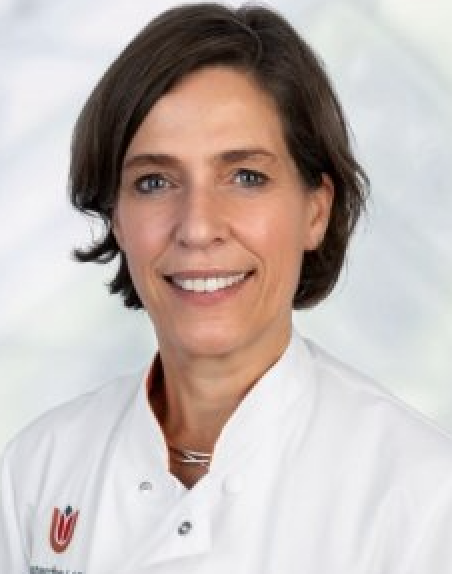 Sonja Zweegman合作论文数Department of Hematology, Amsterdam UMC5GJ Ossenkoppele合作论文数4G J Teule合作论文数4GJJ TEULE合作论文数4MMAC LANGENHUIJSEN合作论文数4Mcjc Legdeur合作论文数4
 Josée Zijlstra-Baalbergen合作论文数Department of Haematology, Amsterdam University Medical Center4ECM Hendriks合作论文数3
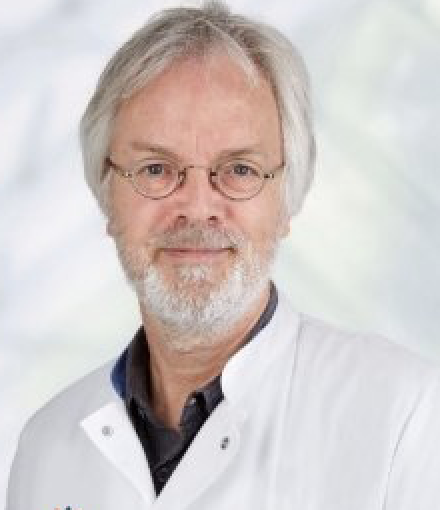 Otto Hoekstra合作论文数Department of Radiology and Nuclear Medicine, Amsterdam UMC3RT Versteegh合作论文数2C R Leemans合作论文数2AC Van Loenen合作论文数2PC HUIJGENS合作论文数2AWJ VisserPlatier合作论文数2EB VANDIEREN合作论文数2Muhammed Hadithi合作论文数2J van der Lelie合作论文数2Huijgens Peter C合作论文数2Visser Otto合作论文数2
 Harm van Tinteren合作论文数Trial and Data Center, Princess Maxima Center for Pediatric Oncology2A. M. Simoons-Smit合作论文数2Joke W Baars合作论文数2
 Martine Chamuleau合作论文数Cancer Center Amsterdam, Amsterdam UMC;Burkitt Lymphoma Network;HOVON2Otto S Hoekstra合作论文数2Jeroen J.W.M. Janssen合作论文数Department of Hematology, VU University Medical Center2
 Adriaan Lammertsma合作论文数Department of Nuclear Medicine and Molecular Imaging, University Medical Center Groningen;Neurobiology Research Unit, Rigshospitalet;Department of Radiology and Nuclear Medicine, Amsterdam University Medical Centers2
 Winald R Gerritsen合作论文数Department of Medical Oncology, VU University Medical Center2AA VANDELOOSDRECHT合作论文数1J.M. Zijlstra-Baalbergen合作论文数1JW Oberink合作论文数1J J Nauta合作论文数1H J Martens合作论文数1M A Plaizier合作论文数1JJM van der Hoeven合作论文数1PC Huijgens合作论文数1Le Van Der Kolk合作论文数1H. M. van Roessel合作论文数1Mg Broekhoven合作论文数1Wendy Deenik合作论文数1GJ OSSENKOPPELE合作论文数1Wlj van Putten合作论文数1




