BACKGROUND:Among patients with advanced prostate cancer (aPC), fatigue is a commonly experienced symptom that may be associated with the disease itself or occur as a side effect of treatment. We aimed to develop evidence-based, consensus-driven statements to support shared decision-making for managing fatigue in patients with aPC. METHODS:To identify potential fatigue-management strategies, we performed a targeted literature review followed by expert advisor interviews, and then conducted a modified Delphi panel. In both the interviews and the modified Delphi panel, participants included oncologists, urologists, exercise scientists, psychologists, nutritionists/dietitians, and nurse practitioners/nurses. The modified Delphi panel comprised 2 survey rounds, with a live panel discussion between them, intended to drive consensus on the statements. In determining consensus for the final statements, each strategy's effectiveness, accessibility for patients, and feasibility for both patients and health care providers were taken into account. Consensus was predefined as ≥75% agreement or disagreement with each statement. RESULTS:The targeted literature review identified 14 fatigue-management strategies derived from 32 articles. These strategies were further refined and expanded by the expert advisors and modified Delphi panelists, who ultimately compiled a final list of 15 statements, each achieving ≥75% agreement. The 15 statements were grouped into 4 categories of fatigue-management strategies: exercise (eg, endurance, strength, aerobic, and resistance training), diet and nutrition (eg, hydration and healthy eating), clinical management (eg, counseling and support groups), and "other strategies" (eg, acupuncture and adopting good sleep habits). CONCLUSIONS:These recommendations and considerations provide practical guidance-grounded in evidence and expert opinion-for managing fatigue in patients with aPC, with the goal of improving quality of life. Future research should prioritize high-quality studies evaluating fatigue-management strategies in aPC, particularly in areas where published evidence remains limited.
Objective: Spiritual distress is common in those with metastatic cancer. We evaluated the sustained effects of an empirically anchored 6-week psychoeducation program, Growing Resilience And CouragE (GRACE), on spiritual well-being, quality of life, and psychosocial symptoms. Methods: Primary and secondary outcomes were assessed at baseline (T0), immediately after GRACE (T1), 1 month after GRACE (T2), and 6 months later (T3). Intervention and waitlist control groups (from the randomized clinical trial) were combined for this analysis. A generalized additive model for location, scale, and shape was used. Results: Data from 54 women with metastatic breast cancer who received GRACE were analyzed. All outcomes (spiritual well-being, quality of life, and psychosocial symptoms) significantly improved at T1, T2, and T3 compared to baseline (p < 0.001). Conclusion: GRACE is beneficial for the spiritual well-being, quality of life, and psychosocial well-being of women with metastatic breast cancer, and these benefits appear to be sustained at 6 months post-intervention.
Physical activity (PA) plays an important role in physical health and well-being for cancer survivors. However, cancer survivors demonstrate low adherence to cancer PA guidelines. Research is needed to understand how to optimize delivery of cancer PA programs to enhance participation and adherence. In this study, we conducted an instrumental qualitative case study of a clinical cancer exercise recovery program (CERP) demonstrating high adherence (over 90
OBJECTIVES: To demonstrate feasibility of the MindCap mobile, digital application for objective and repeated assessment of cognitive function in cancer survivors and assess its sensitivity to cognitive improvement. SAMPLE & SETTING: 57 adults with stage I-III solid tumors or lymphoma who reported cognitive issues six months to five years postchemotherapy. METHODS & VARIABLES: Participants completed three phases of MindCap testing sessions over 14 weeks. Pre-/postintervention data were collected for time and number of MindCap sessions completed for each phase, adherence to required testingfrequency, participant satisfaction, self-report, and MindCap metrics for cognitive domain-specific performance (executive function, attention, memory, verbal ability, visual-spatial ability, and psychomotor function). RESULTS: Feasibility was demonstrated for recruitmentand adherence to MindCap use. Self-report and MindCap metrics correlated positively. MindCap performance metrics were sensitive to improvements in multiple cognitive domains. Post facto analyses indicated a potential MindCap dose effectforcognitive function improvement. IMPLICATIONS FOR NURSING: Future research comparing MindCap metrics to standard neurocognitive testing and investigation for potential dose effect are warranted.
BACKGROUND:Fatigue is a common and long-lasting side effect of cancer. Although fatigue is a multidimensional symptom, biologic mechanisms of fatigue dimensions have not been identified. METHODS:Women recently diagnosed with early stage breast cancer (n = 192) completed assessments before and after adjuvant therapy and at 6-month, 12-month, and 18-month posttreatment follow-up visits. At each assessment, women completed the Multidimensional Fatigue Symptom Inventory and provided blood for protein markers of inflammation (tumor necrosis factor [TNF] alpha [TNF-α], soluble tumor necrosis factor receptor type II [sTNF-RII], interleukin 6 [IL-6], and C-reactive protein [CRP]). Mixed-effect linear models examined within-person and between-person associations between inflammatory markers and dimensions of fatigue. RESULTS:Analyses demonstrated a positive within-person association between general fatigue and TNF-α (b = 1.67; p = .037), sTNF-RII (b = 2.77; p = .002), and IL-6 (b = 0.86; p = .010) when controlling for age, race, education, body mass index, and cancer stage. Similarly, there was a positive within-person association between physical fatigue and TNF-α (b = 1.58; p = .007), sTNF-RII (b = 2.38; p < .001), and CRP (b = 0.43; p = .007). Conversely, there were negative within-person associations between emotional fatigue and TNF-α (b = -1.92; p = .004) and sTNF-RII (b = -2.10; p = .006). General and physical fatigue were positively associated with CRP at the between-person level (b = 0.82, p = .024 for general; b = 0.71; p = .012 for physical). No significant associations between mental fatigue and inflammatory makers were found. CONCLUSIONS:The current findings identified distinct dimensions of fatigue associated with inflammatory activity in women with breast cancer and highlighted individual variability in inflammatory markers as a key predictor of fatigue symptoms.
IntroductionDiscrimination exacerbates disparities among breast cancer survivors (BCS), yet how different reasons for experiencing perceived discrimination (e.g., race, age) influence health remains understudied. We explored the association between self-reported discrimination, psychosocial health, and quality of life (QOL), identified clusters based on reasons for perceived discrimination, and examined differences in QOL and psychosocial outcomes between these clusters.MethodsIn this cross-sectional study, we examined correlations between reasons for perceived discrimination (Everyday Discrimination Scale; EDS), QOL domains (cognitive, physical, social, emotional, and functional QOL measured with FACT-G), social dysfunction (Social Difficulties Inventory), and a psychological distress composite score (included measures of stress [Perceived Stress Scale], anxiety [PROMIS Anxiety], and depression [PROMIS Depression]), among 174 breast cancer survivors (stage 0-IV; ≥21 years). We used k-modes clustering to identify discrimination groups. Differences in demographics, clinical characteristics, and outcomes across clusters were assessed using Chi-square, analysis of variance, covariance, or non-parametric tests, followed by post hoc analyses.ResultsOverall, experiences of discrimination were associated with poorer QOL and psychosocial health (|0.306| 0.05).ConclusionQOL and psychosocial health scores varied between clusters based on reasons for perceived discrimination. Future interventions to improve QOL for breast cancer survivors should consider addressing stigma related to gender, physical appearance, and other forms of discrimination.
Cognitive training and physical activity independently provide benefits in cognitive functioning. However, less is known about the benefits of combining sustained cognitive and physical activity training. The Walk and Play pilot randomized controlled trial compares the preliminary efficacy of combining daily walking and gamified inhibitory control training on cognitive and physical activity outcomes among individuals endorsing cognitive challenges. After a seven-day run-in period, participants were randomly assigned to one of two conditions for three weeks: (1) daily 30-min walks (Walk) or (2) alternating between 30-min walks and 30-min app-based cognitive training (Walk and Play). Participants (n=32; Mage = 61) were majority women (84%), who reported cancer-related cognitive challenges (75%). Participants completed a computer-based cognitive battery at baseline and post-intervention and wore Fitbit devices to monitor physical activity metrics. Daily step count significantly increased in both study arms. The Walk & Play group showed a significant increase in daily active minutes (p=.014), while Walk participants had a significant reduction in daily sedentary time (p=.0006). Walk & Play participants’ performance improved on Rule Switch [t(15) = -3.05, p = 0.028], UCancellation [t(15) = -3.61, p = 0.007], and Corsi [t(15) = -2.91, p = 0.04] tasks. Post-intervention Rule Switch task performance was also significantly higher in the Walk & Play group than in the Walk group [t(15) = 3.15, p = 0.019]. Combining daily walking and gamified inhibitory control training is feasible and promising as a digital, scalable solution for promoting cognitive health and physical activity.
This article aims to describe the role rehabilitation clinicians can play in the care of patients with cancer who also receive palliative care services. We identify the role rehabilitation clinicians can plan in function, pain and symptom management, and in caregiver support to provide comprehensive, whole-person care. Achieving adequate pain and symptom management is done best through a collaborative, multidisciplinary model with clinicians in all disciplines. Addressing pain, anxiety, depression, loss of function, and caregiver distress through a rehabilitation and palliative care lens can and must be part of whole-person care. Providing support to patients with cancer, and their caregivers, is a collaborative process and must be tailored to the individual and family being treated. Research shows that people want to maintain independence and be symptom-free for as long as possible. Rehabilitation services alongside palliative care can help meet this goal.
TPS4235 Background: Individuals who develop pancreatic cancer tend to be older, with 70% of pancreatic diagnoses occurring in those ≥ 65 years (2). Older patients are at increased risk for sarcopenia which is the progressive loss of skeletal muscle mass, tone, quality and strength and has been reported to affect 65% of pancreatic cancer patients (4). PREHAB is the process of improving the functional capability and psychological health of the individual to reduce the incidence and/or severity of future impairments (6). The foundation of PREHAB is functional exercise although components of nutrition and stress reduction may be included (9). PREHAB sessions are typically delivered through structured programs and have been shown to have a number of benefits such as improvements in functional activity and decreased postoperative complications (8). In a study by Ngo-Huang et al, 50 pancreatic cancer participants participated in a home-based multimodal program resulting in improved physical function and health related quality of life (15). Given the numerous benefits, the purpose of this study is to demonstrate the feasibility of a multimodal supervised PREHAB program in pancreatic cancer patients which we believe could have greater benefits than unsupervised programs. Methods: This is a single arm pilot study assessing the feasibility of a supervised prehabilitation program for patients with pancreatic cancer. Inclusion criteria include a diagnosis of any stage pancreatic cancer, independence with ambulation, and a lower level of physical activity as assessed by the Godin-Shepard Leisure-Time Physical Activity Questionnaire. To our knowledge, this is the first study in which all exercises sessions are in-person and supervised by exercise technicians in pancreatic cancer. Additionally, while prehabilitation typically takes place during the neoadjuvant therapy period, this study will also include patients with metastatic disease on continuous chemotherapy. Participants will undergo baseline evaluations testing strength, endurance, balance, subjective measures and sarcopenia measures. This will be immediately followed by one-hour long supervised exercise sessions 3x per week for 6 weeks in which participants will engage in aerobic training and resistance training targeting major muscle groups. Following the intevention, measures will be collected immediately afterwards and at 3 month follow-up. The primary analysis will test the hypothesis of feasibility using an one-sided exact Binomial test at 25% significance level. If 10 or more patients attend a minimum of 60% of exercise sessions during the initial 6-week period, then the study will be declared feasible. 11 of 16 patients have been enrolled to date. Clinical trial information: NCT05692323 .
Research ObjectivesExplore cancer survivor and staff experiences in a clinical cancer exercise recovery program (CERP) with the goal of identifying aspects of program delivery that may be linked to adherence in post-treatment exercise programs.DesignA qualitative case study consisting of one-time semi-structured interviews with program participants and staff.SettingHospital-based exercise and rehabilitation center for cancer survivors in Los Angeles, CA, USA.ParticipantsParticipants were recruited by maximum variation sampling and consisted of cancer survivors (n=18; female n=13; male n=5) and CERP trainers (n=2). Cancer survivors ranged from 34 to 87 years old and had received treatment for diverse types of cancer (e.g., breast, multiple myeloma). Trainers were recruited among current staff members. Identifying demographic information (e.g., gender, age) was not collected for trainers to maintain anonymity.InterventionsNot applicable.Main Outcome MeasuresParticipants engaged in a semi-structured interview of around 45 minutes duration. Data were analyzed using a two-step content analysis. First, data were analyzed using an inductive approach. The data was then examined deductively using the Quality Parasport Participation Framework as a guide. While initially developed for sport among people with disabilities, this Framework has since demonstrated applicability for cancer survivors in exercise settings.ResultsFindings highlight programmatic conditions and delivery strategies that cancer survivors and staff linked to program adherence. Particularly relevant programmatic conditions include the program environment (i.e., safety, comfort), trainer knowledge (i.e., understanding of the cancer experience), and activity characteristics (i.e., no cost for participation). Key strategies included social support, autonomy supportive goal setting, communication guidelines, and individualized tailored programming. These conditions and strategies enhanced the quality of participant experiences and was linked to increased motivation to continue exercising during and after program involvement.ConclusionsAs evidence continues to grow for the benefits of exercise in survivorship, understanding how to optimize exercise programs and experiences can assist in creating interventions that promote adherence to cancer exercise guidelines.Author(s) DisclosuresThe authors declare no relevant conflicts of interest that relate to the research described in this paper.
11120 Background: Anxiety is one of the most commonly reported symptoms among cancer patients, and is a known risk factor for reduced health-related quality of life and other negative patient-reported outcomes (PROs). Mobile health applications (apps) are tools that can be used flexibly in patients’ preferred environments with the potential to reduce anxiety and improve quality of life. The current study sought to examine the feasibility and preliminary efficacy of a mobile audio companion app, Elly, to improve anxiety and other critical PROs among cancer patients. Methods: This was a single-site, single-arm pilot study conducted over 6-months. Adults 18 years or older with a diagnosis of cancer of any type, received treatment within 6 months of consent, and had access to an iPhone were eligible. The primary outcome was change in mean anxiety t-scores (NIH PROMIS anxiety short form (8a)) administered electronically via REDCap at baseline, 1 (primary timepoint), 3, and 6 months. Secondary outcomes included changes in NIH PROMIS depression, loneliness, social support, and perceived stress scores from baseline to 6 months. Changes in NIH PROMIS T-scores at each time point were calculated and analyzed using paired t-tests. Results: Of 53 patients who consented for the study, 38 patients (72%) were included in the analysis ( M age : 52.8 years, SD: 11.7, 84.2% female). Most participants reported a history of breast cancer (50%), followed by ovarian (16%), hematologic (11%), and other cancer types (24%) Phone incompatibility and technological challenges were the most common reasons for screen-fails (n=15). All participants downloaded and used the app at least once, with an average of 154 app usage events across participants recorded over the study period (median: 64, range 11-1186 times). The mean baseline anxiety T-score was 63.5 (SD: 2.1). Anxiety levels decreased among participants over time, with a mean difference in anxiety T-scores of -1.9 at 30 days, -3.3 at 90 days, and -3.0 at 6 months from baseline, which was statistically (p<0.05) and clinically significant. Participants also reported improvements in perceived stress, depression symptomatology, social support, and loneliness, although statistical significance was not reached. Conclusions: Mobile apps, such as Elly, may feasibly be used to support patient-reported anxiety as well as other PROs, especially among those who present with high levels of anxiety at baseline. Efforts to increase access to mobile health apps and provide technical support for patients should be made increase equity across the cancer survivor population. Larger, multi-center randomized controlled trials are needed to build on these findings.
OBJECTIVES:To gather feasibility and preliminary data comparing two virtual delivery methods for providing Emerging From the Haze™ (Haze) to cancer survivors compared to waitlist control (WLC). SAMPLE & SETTING:Eligible participants (N = 93) reported cancer-related cognitive impairment following chemotherapy for stage I-III solid tumors, Hodgkin lymphoma, or non-Hodgkin lymphoma. METHODS & VARIABLES:A three-arm randomized design was used to compare virtual live group presentation of Haze sessions, virtual prerecorded Haze group sessions, and WLC. Data were collected at baseline, week 10, and week 14. RESULTS:Feasibility was demonstrated. Significant cognitive function improvement at week 10 versus WLC was reported for the live group, and clinical improvement was reported for the prerecorded group. The prerecorded group reported significant improvement at week 14 versus WLC in physical activity, sleep, and health-related quality of life. IMPLICATIONS FOR NURSING:Additional pilot and feasibility evidence for cognitive rehabilitation interventions was demonstrated. Prerecorded Haze delivery shows potential for clinical effectiveness and scalability. Future multisite research is warranted.
Purpose of Review This article aims to expand on the role of rehabilitation clinicians in providing whole-person care to the dying cancer patient. We identify symptoms common at the end of life in patients with cancer and demonstrate how rehabilitation specialists can use medications and interventions to ease the dying process. Recent Findings Achieving adequate pain and symptom control can be done through a collaborative, multidisciplinary model with physiatrists, nurses, and therapists in all disciplines. Addressing anxiety, depression, and existential distress can and must be part of the whole-person rehabilitation care. Summary Achieving a “good death” is a collaborative process and one that is unique to each individual. Research has revealed that people want to be as symptom-free as possible, remain as functional and clear-thinking as possible, and contribute to those around them. The rehabilitation team is well-poised to help individuals meet these goals.
Background: Fatigue is a common side effect of cancer and its treatment and is thought to be driven in part by activation of the proinflammatory cytokine network. However, the cellular and molecular underpinnings of cancer -related fatigue (CRF) have not been determined, nor have immune pathways beyond inflammation been carefully investigated. The goal of this study was to examine the association between CRF and activation of canonical proinflammatory gene regulation pathways and Type I interferon (IFN) signaling pathways in breast cancer patients during and after treatment. Methods: Women diagnosed with early -stage breast cancer (n = 181) completed assessments before and after treatment with radiation and/or chemotherapy and at 6, 12, and 18 -month post -treatment follow-ups. Assessments included self -reported fatigue (Multidimensional Fatigue Symptom Inventory - Short Form) and expression of pre -specified sets of Type I IFN and pro -inflammatory immune response genes determined from mRNA sequencing of PBMCs. Mixed effect linear models examined changes in fatigue and immune gene expression over time and tested the hypothesis that fatigue would be associated with increased expression of Type I IFN and inflammatory response genes. Results: There were significant changes in fatigue and immune gene expression across the assessment period; all measures increased from pre- to post -treatment but showed diverging patterns over the follow-up, with declines in fatigue and persistent elevations in Type I IFN and proinflammatory gene expression. In mixed effect linear models, expression of Type I IFN response genes was elevated in association with fatigue across the assessment period, from pre-treatment to 18 -month followup. In contrast, pro -inflammatory gene expression was associated with fatigue only at 6, 12, and 18 -month follow-ups. Analyses controlling for changes in leukocyte subsets continued to show a significant association between fatigue and Type I IFN gene expression but reduced the time -dependent association with proinflammatory gene expression to non -significant. Conclusions: Results revealed unexpected complexity in the immune underpinnings of CRF and identify a novel role for IFN signaling as a robust contributor to this symptom before, during, and after treatment. Pro -inflammatory gene expression emerged as a predictor of fatigue later in the cancer trajectory, and that effect was primarily accounted for by a concurrent increase in monocyte prevalence.
Increased physical activity (PA), improved sleep, and decreased sedentary behavior (SB) are essential compo-nents of supportive care for cancer survivors. However, researchers and health care professionals have achieved limited success in improving these behaviors among cancer survivors. One potential reasoning is that, over the past two decades, guidelines for promoting and measuring PA, sleep, and SB have been largely siloed. With greater understanding of these three behaviors, health behavior researchers have recently developed a new paradigm: the 24-Hour movement approach. This approach considers PA, SB, and sleep as movement behaviors along a continuum that represent low through vigorous intensity activity. Together these three behaviors form the sum of an individual's movement across a 24-hour day. While this paradigm has been studied in the general population, its usage is still limited in cancer populations. Here, we seek to highlight (a) the potential benefits of this new paradigm for clinical trial design in oncology; (b) how this approach can allow for greater integration of wearable technology as a means of assessing and monitoring patient health outside the clinical setting, improving patient autonomy through self-monitoring of movement behavior. Ultimately, implementation of the 24-Hour movement paradigm will allow health behavior research in oncology to better promote and assess critical health behaviors to support the long-term well-being for cancer patients and survivors.
 Celina H. Shirazipour合作论文数Department of Medicine, University of California Los Angeles21
 Gillian K Gresham合作论文数University of Ottawa14
 Jamie S Myers合作论文数School of Nursing, University of Kansas11
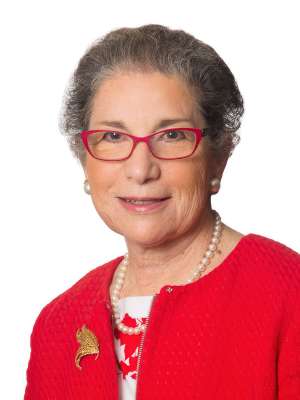 Patricia A. Ganz合作论文数Fielding School of Public Health, University of California, Los Angeles;David Geffen School of Medicine, University of California, Los Angeles;Center for Cancer Prevention and Control Research, Jonsson Comprehensive Cancer Center9
 Michael R. Irwin合作论文数Department of Psychology, College of Life Sciences, University of California8
 Julienne E. Bower合作论文数8
 Catherine M. Crespi合作论文数Department of Biostatistics, Fielding School of Public Health, University of California, Los Angeles7Bailey Charlotte合作论文数7
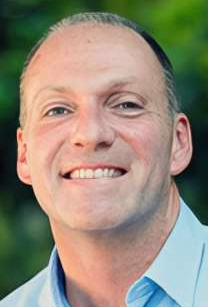 Steven W. Cole合作论文数Department of Medicine, School of Medicine, University of California, Los Angeles;Jonsson Comprehensive Cancer Center, University of California, Los Angeles7
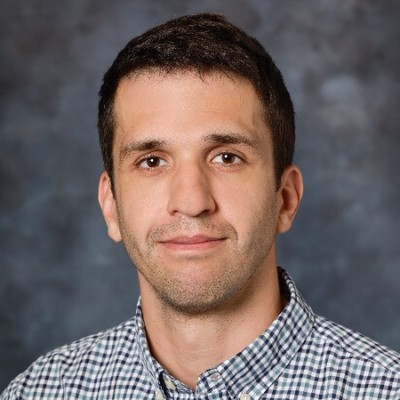 Márcio Augusto Diniz合作论文数Department of Population Health Science and Policy, Icahn School of Medicine at Mount Sinai7
 Stephen J. Freedland合作论文数Cedars-Sinai Medical Center;Institute for Medical Research, Inc.;U.S. Department of Veterans Affairs7Mi-Yeoung Jo合作论文数6
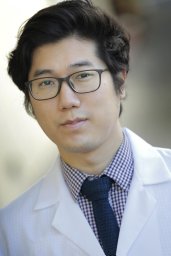 Philip Chang合作论文数Cedars Sinai Medical Center6Petersen Laura A合作论文数6
 Sara A. Hurvitz合作论文数Clinical Research Division, Fred Hutchinson Cancer Center;Division of Hematology and Oncology, Department of Medicine, School of Medicine, University of Washington6Sarah-Jeanne Salvy合作论文数6Rachel Baynes合作论文数5
 Jack B. Fu合作论文数5Novalyn Cruz合作论文数4Jessica M Capaldi合作论文数4Sungjin Kim合作论文数4
 Jun Gong合作论文数Beihang University4
 Jeffrey Wertheimer合作论文数4
 Galen Cook-Wiens合作论文数Cedars-Sinai Medical Center4Carolina Raines合作论文数3
 Rachel M. Ruggieri-Bacani合作论文数3Deborah Garet合作论文数3
 Aubrey Jarman合作论文数3
 Pao-Hwa Lin合作论文数Department of Medicine, Duke University School of Medicine3
 Michael Sobolev合作论文数Cornell3
 Kate Ryan Kuhlman合作论文数3Padgett Lynne S合作论文数3
 Alix Sleight合作论文数Mrs. T.H. Chan Division of Occupational Science and Occupational Therapy, University of Southern California3
 Fong Angela J合作论文数University of Western Ontario, The University of Western Ontario3
 Eduardo Bruera合作论文数Department of Palliative, Rehabilitation and Integrative Medicine, Division of Cancer Medicine, The University of Texas MD Anderson Cancer Center;Department of Supportive Care Center, Division of Cancer Medicine, The University of Texas MD Anderson Cancer Center3Vishwa S. Raj合作论文数3Stephen F. Figoni合作论文数3Charles F. Kunkel合作论文数3
 Kathleen Van Dyk合作论文数Department of Psychiatry, Mount Sinai School of Medicine3
 Andrew Hendifar合作论文数Samuel Oschin Cancer Center, Cedars-Sinai3Rachel M. Ruggieri合作论文数2Eileen Liu合作论文数2Katherine Barnhill合作论文数2Bianca Luna-Lupercio合作论文数2Laurel Finster合作论文数2Jessica Engle合作论文数2Bronwen Jones合作论文数2Laura Lockshon合作论文数2




