BACKGROUND:ICRU-83 notes the lack of methods to consider rotational displacements in planning target volume (PTV) construction. Probabilistic PTVs have been constructed that treat the rotational and translational components independently, but for off-axis (e.g., about the spine) rotations, the components are not independent. PURPOSE:A new method was developed to incorporate the correlations into PTV construction using Euler angles or quaternions to express the displacements and tested using treatment imaging records. METHODS:Ten cases of oropharyngeal cancer with cone beam computed tomography (CBCTs) at approximately weekly intervals were studied. Principal Component Analysis (PCA) was used to form a covariance matrix of displacements from which confidence ellipsoids were derived. A one-out method was used to form a test series consisting of PTVs formed from population records of nine cases and tested against displacements recorded for the excluded case. Motions of a defined C1 landmark were examined on the transaxial plane and applied to the clinical target. A Rotational and Translational Confidence Limit (RTCL) technique treating components independently was compared to a PCA method that considered their covariance and to a simple 3 mm rolling ball expansion. RESULTS:The PCA method spared more of the constrictors than did the RTCL method in 5/10 of cases (median relative difference 50%) and in none of these was there a higher percentage of target boundary points that fell outside the PTV twice or more. In two cases, the RTCL method performed better, but in one with poorer target coverage. A 3 mm expansion inadequately covered the target in most cases. CONCLUSION:A previous assumption of rotational and translational independence is not valid for off-center rotations produced by curving of the spine. Allowing for the covariance of component shifts produces a PTV that more closely tracks the clinical target volume (CTV) pose over the course of treatment, providing better coverage and sparing the constrictors.
Background In 2025, only 142 of 20,368 U.S. MD seniors applied to radiation oncology (RO) in the Match. A commonly cited reason for this is lack of exposure in medical school. We hypothesize that participation in a RO Student Interest Group (ROSIG) is associated with shadowing, research involvement, elective participation, and ultimately application to RO residency. Methods Our ROSIG is led by two 2nd year medical students (M2s) with support from the residency program directors. ROSIG hosts faculty-led talks, departmental tours, M4 post-match panels, and contouring workshops. In addition, the department offers 2- and 4-week electives in RO. In late 2023, ROSIG expanded to include shadowing contacts, research advertisement, and a dedicated newsletter. Medical students who shadowed in RO between July 2023 - January 2026 were surveyed regarding motivations for shadowing, participation in RO research, plans for electives, and specialty interests. Results Forty-five students (46.7% male, 53.3% female) shadowed RO. Shadowing increased from 8 M3 students to 20 M2 students after ROSIG expanded initiatives in late 2023. While only halfway through their first year, 10 M1 students have already shadowed, suggesting a similar trajectory in this class. Forty students (88.9%) responded to our survey. The most common factor influencing 47.5% of students' decision to shadow was ROSIG events. Furthermore, 19 students (47.5%) reported research involvement with a RO faculty, of which 9 (45.0%) credited ROSIG with influencing this decision. Five students not yet involved in research noted that ROSIG was helpful for identifying research opportunities. Of the students who participated, 23 (57.5%) already completed or plan to complete an elective. Among 25 current RO applicants, students planning to apply RO, and students with RO in their top three specialties of interest, 18 (72.0%) cited shadowing as one of the most influential factors in their interest. Ten students (25.0%) reported applying or planning to apply to RO, and of these, 5 credited ROSIG for shadowing and 4 for facilitating RO research. Notably, 100% of M4 RO applicants and current M3s preparing applications to RO shadowed prior. Conclusion Student-led exposure through ROSIG is associated with increased shadowing, research engagement, and eventual application to RO. All recent applicants and students planning to apply from our institution first shadowed in the department, many of whom attribute their decision to shadow RO to ROSIG. Therefore, we believe our ROSIG can serve as a model for other medical schools to help increase exposure to RO.
Purpose/objective(s)The GammaPod™ (GP) system, a contemporary platform dedicated to breast cancer (BC) radiotherapy, facilitates the delivery of accelerated partial breast irradiation (APBI) via the Co-60 prone-based stereotactic partial breast irradiation (CP-sPBI) technique. The precise CP-sPBI configuration permits reduced planning target volume (PTV) margins compared to other APBI techniques, creating an increased separation between PTV and organs at risk (OARs). This study explores the variability of heart-to-PTV distance and its effects on cardiac dosimetry.Materials/methodsAn APBI database of 102 consecutive patients treated with CP-sPBI between March 2019 and February 2023 was queried for retrospective analysis. Statistical analyses were performed to evaluate the mean and maximum (max) heart and left anterior descending artery (LAD) doses based on two parameters: 1) D-H, the minimum distance between the heart and the lumpectomy cavity PTV, and 2) D-LAD, the minimum distance between the LAD and the lumpectomy cavity PTV. The median values of D-H and D-LAD, measured on either axial or sagittal planes, were employed to categorize patients based on cardiac dose levels.ResultsThe analysis revealed a statistically significant difference in the mean and max heart dose between patients with left-sided and right-sided breast cancer. Specifically, in left-sided breast cancer patients, median D-H and D-LAD cutoffs were identified as 2.67 and 3.22 cm, respectively. Patients with D-H less than 2.67 cm exhibited significantly higher mean (1.77 vs. 0.75 Gy; p < 0.01) and max heart doses (15.21 vs. 4.38 Gy; p < 0.01) compared to those with D-H greater than or equal to 2.67 cm. Similarly, lower D-LAD values (<3.22 cm) demonstrated a statistically significant association with increased arterial dose compared to higher D-LAD values (≥3.22 cm).ConclusionsLeveraging its sharp dose fall-off characteristic, the GP treatment delivery system facilitates the delivery of five-fraction APBI while maintaining acceptable cardiac dosimetry parameters. This is particularly advantageous for tumors situated further from the heart because heart doses dissipate with distance. The estimates of heart dose based on the distance to the heart and LAD from PTV have the potential to serve as a valuable tool for clinicians, aiding in more refined risk evaluation and patient selection for CP-sPBI.
Radiation recall phenomenon (RRP) is a rare inflammatory reaction in previously irradiated tissue triggered by agents such as chemotherapy or vaccines. A 67-year-old female patient who had undergone radiation to the right thigh for liposarcoma developed a blister at the same site during whole breast radiation for invasive lobular carcinoma. This occurred three days after receiving COVID-19, respiratory syncytial virus (RSV), and influenza vaccines. The reaction progressed to an ulcer over two months, while her active breast radiation site remained unaffected. This case highlights vaccination as a potential RRP trigger and the selective involvement of prior radiation fields. Awareness of RRP in vaccinated patients with a history of radiation is essential, warranting further research into its mechanisms.
Importance:Single-fraction preoperative ablative stereotactic partial breast irradiation (sPBI) can be safely delivered in early-stage hormone receptor-positive (HR+) breast cancer with delayed time to surgery and high pathologic complete response rates. Objectives:To examine the maximum tolerated dose (MTD) of sPBI and to evaluate clinical outcomes, including pathological complete response (pCR), time to surgery, and toxic effects, associated with dose escalation. Design, Setting, and Participants:This phase 1 nonrandomized clinical trial of dose escalation enrolled patients with HR+, ERBB2-negative, cN0 invasive breast cancer not requiring chemotherapy from a single academic center between December 2019 and April 2024. Interventions:Patients were treated with 30, 34, or 38 Gy using MR-guided linear accelerator (MR-LINAC), robotic radiosurgery, or cobalt stereotactic unit. Patients received endocrine therapy and delayed surgery (≤12 months). Main Outcomes and Measures:The MTD was evaluated using dose-limiting toxicity (DLT), defined as grade 3 or higher toxic effects within 90 days. Additionally, pCR, near pCR (npCR), the association of dose escalation with time to surgery, local control, surgical morbidity, and cosmesis were evaluated. Results:A total of 44 patients (median [range] age, 64.5 [44.0-77.0] years) were treated, with 14 (31.8%) receiving 30 Gy (median [IQR] follow-up, 52.0 [28.2-54.5] months), 15 (34.1%) receiving 34 Gy (median [IQR] follow-up, 40.0 [36.5-41.0] months), and 15 (31.4%) receiving 38 Gy (median [IQR] follow-up, 20.0 [17.0-22.0] months). MTD was not reached. pCR rates were 35.7% (5 patients), 46.7% (7 patients), and 66.7% (10 patients), while pCR with npCR rates were 64.3% (9 patients), 93.3% (14 patients), and 93.3% (14 patients), respectively. Local control was 100%, and surgical morbidity was 2.2% (1 of 44 patients). The mean (SD) Ki-67 was 11.3% (6.4%) at diagnosis, and on evaluable residual disease, it was 1.9% (2.0%) (P < .001). A time-to-surgery threshold of 277 days was the optimal cutoff for pCR (area under the receiver operating characteristic curve, 0.77; 95% CI, 0.62-0.91). In patients with surgery more than 9 months after sPBI, pCR rates were 100% (5 of 5 patients), 66.7% (4 of 6 patients), and 64.3% (9 of 14 patients) (P = .40), and combined pCR and npCR rates were 100%, 83.3% (5 patients), and 92.9% (13 patients) (P = .69) for the 30, 34, and 38 Gy groups, respectively. For all patients who received surgery more than 9 months after sPBI, the pCR rate was 72.0% (18 of 25 patients). Longer time to surgery was associated with pCR (odds ratio, 1.02; 95% CI, 1.01-1.03; P = .005), while higher radiation dose was not. Acute toxic effects included 32 grade 1, 3 grade 2 (breast pain and dermatitis), and 1 late grade 3 (wound dehiscence in patient with uncontrolled diabetes) events. Cosmesis remained stable at 36 months. Conclusions and Relevance:In this nonrandomized clinical trial, the rate of toxic effects was low, and treatments were tolerable up to 38 Gy. Delaying surgery more than 9 months after sPBI with endocrine therapy was associated with increased pCR and npCR (>90%), while higher doses were not. These findings support further investigation of sPBI as a potential nonsurgical approach for selected patients with early-stage HR+ breast cancers. Trial Registration:ClinicalTrials.gov Identifier: NCT04040569.
PURPOSE:Cone beam computed tomography-based online adaptive radiation therapy (ART) allows significantly smaller planning target volume margins for patients treated with adaptive stereotactic partial breast irradiation. However, this approach places increased demands on the treatment team, particularly physicians. We hypothesize that with appropriate training, physicians' involvement at the treatment console can be reduced by delegating contouring and planning tasks to radiation therapy technologists (RTTs) with a physicist copilot without reducing treatment quality. MATERIALS AND METHODS:In this prospective study designed to evaluate an RTT-driven workflow, 23 patients undergoing adaptive stereotactic partial breast irradiation were included, with 2 treatment plans generated per adaptive fraction. The first plan used contours edited by RTTs under physicist supervision (without physician oversight), and the second plan used contours edited by physicians. RTT-modified plans were compared with physician-edited contours for target coverage (V100% and V95%) and organ-at-risk constraints. The Dice coefficient and Hausdorff distance were calculated for target volumes. Following confirmation of RTT contour quality, we initiated the "remote physician" workflow to further reduce physician demand in the on-couch process. Physician review time was recorded to estimate the reduction in time required for ART. The number of treated fractions before and after implementation was also tracked. RESULTS:Analysis of 103 adaptive fractions showed a mean Dice coefficient of 0.96 for the tumor bed. The mean Hausdorff distance was 0.6 mm. Differences in planning target volume coverage were -1.0% ± 2.2% and -0.6% ± 1.3% for V100% and V95%, respectively. Similar metrics for the tumor bed and clinical target volume had differences of <0.4%. Physician time for ART was reduced by 12.3 ± 1.0 minutes per fraction, leading to a 224% increase in ART breast volume at our institution. CONCLUSIONS:Training experienced radiation therapists to perform contouring and planning tasks reduces physician workload without compromising treatment quality during online adaptive stereotactic partial breast irradiation. Remote contour review ensures ongoing quality and consistency.
Few medical students are exposed to evidence-based, multidisciplinary oncology care, and few studies in oncology education reflect consolidated pre-clinical curricula. We developed a four-week curriculum, “Frontiers in Neoplasia,” for fourth-year medical students, which included didactic lectures, interactive site visits, and team-based simulations of tumor boards and clinical trial design. A mixed methods approach was utilized to investigate the course’s impact on students’ understanding and interest in oncology, involving pre- and post-course responses to Likert-scale and open-ended questions. Quantitative results were analyzed using Wilcoxon rank-sum tests, while open-ended course feedback was analyzed using iterative thematic coding analysis. Of the 107 fourth-year medical students enrolled between 2021 and 2024, 94 (88
OBJECTIVES:Determine the utility of low-flip angle "black bone" magnetic resonance imaging (MRI) for cortical mandibular bone assessment compared to computed tomography (CT). METHODS:Quantification of cortical mandibular bone width was performed per Hamada et al. at 15 cross-sectional interdentium locations on pretreatment black bone MRI and CT for 15 oropharyngeal cancer patients, with interobserver analyses on a subset of three patients by 11 observers. CT and MRI measurements were compared using Bland-Altman analysis, Lin's concordance, and Deming regression; interobserver variability was assessed with absolute variance and intraclass correlation coefficient (ICC). RESULTS:Bland Altman and Deming regression analyses showed CT and black bone MRI measurements were comparable within ±0.85mm limits of agreement, and systematically smaller for MRI. ICC (0.60[0.52;0.67]) showed moderate equivalence between modalities. The average absolute variance between the observers was similar on CT (1.13±0.06mm) and MRI (1.15±0.06mm). ICC analysis showed that measurement consistency was significantly higher (p<0.001) for black bone MRI (0.43[0.32;0.56]) than CT (0.22[0.13;0.35]); nonetheless, ICC was poor for both modalities. CONCLUSION:Black bone MRI is a viable alternative to CT for assessing mandibular cortical bone and early detection of anatomical changes like osteoradionecrosis. Both modalities showed similar interobserver variability, which may be reduced through (semi)automated measurement.
Importance Single-fraction preoperative ablative stereotactic partial breast irradiation (sPBI) can be safely delivered in early-stage hormone receptor-positive (HR+) breast cancer with delayed time to surgery and high pathologic complete response rates. Objectives To examine the maximum tolerated dose (MTD) of sPBI and to evaluate clinical outcomes, including pathological complete response (pCR), time to surgery, and toxic effects, associated with dose escalation. Design, Setting, and Participants This phase 1 nonrandomized clinical trial of dose escalation enrolled patients with HR+, ERBB2-negative, cN0 invasive breast cancer not requiring chemotherapy from a single academic center between December 2019 and April 2024. Interventions Patients were treated with 30, 34, or 38 Gy using MR-guided linear accelerator (MR-LINAC), robotic radiosurgery, or cobalt stereotactic unit. Patients received endocrine therapy and delayed surgery (<= 12 months). Main Outcomes and Measures The MTD was evaluated using dose-limiting toxicity (DLT), defined as grade 3 or higher toxic effects within 90 days. Additionally, pCR, near pCR (npCR), the association of dose escalation with time to surgery, local control, surgical morbidity, and cosmesis were evaluated. Results A total of 44 patients (median [range] age, 64.5 [44.0-77.0] years) were treated, with 14 (31.8%) receiving 30 Gy (median [IQR] follow-up, 52.0 [28.2-54.5] months), 15 (34.1%) receiving 34 Gy (median [IQR] follow-up, 40.0 [36.5-41.0] months), and 15 (31.4%) receiving 38 Gy (median [IQR] follow-up, 20.0 [17.0-22.0] months). MTD was not reached. pCR rates were 35.7% (5 patients), 46.7% (7 patients), and 66.7% (10 patients), while pCR with npCR rates were 64.3% (9 patients), 93.3% (14 patients), and 93.3% (14 patients), respectively. Local control was 100%, and surgical morbidity was 2.2% (1 of 44 patients). The mean (SD) Ki-67 was 11.3% (6.4%) at diagnosis, and on evaluable residual disease, it was 1.9% (2.0%) (P < .001). A time-to-surgery threshold of 277 days was the optimal cutoff for pCR (area under the receiver operating characteristic curve, 0.77; 95% CI, 0.62-0.91). In patients with surgery more than 9 months after sPBI, pCR rates were 100% (5 of 5 patients), 66.7% (4 of 6 patients), and 64.3% (9 of 14 patients) (P = .40), and combined pCR and npCR rates were 100%, 83.3% (5 patients), and 92.9% (13 patients) (P = .69) for the 30, 34, and 38 Gy groups, respectively. For all patients who received surgery more than 9 months after sPBI, the pCR rate was 72.0% (18 of 25 patients). Longer time to surgery was associated with pCR (odds ratio, 1.02; 95% CI, 1.01-1.03; P = .005), while higher radiation dose was not. Acute toxic effects included 32 grade 1, 3 grade 2 (breast pain and dermatitis), and 1 late grade 3 (wound dehiscence in patient with uncontrolled diabetes) events. Cosmesis remained stable at 36 months. Conclusions and Relevance In this nonrandomized clinical trial, the rate of toxic effects was low, and treatments were tolerable up to 38 Gy. Delaying surgery more than 9 months after sPBI with endocrine therapy was associated with increased pCR and npCR (>90%), while higher doses were not. These findings support further investigation of sPBI as a potential nonsurgical approach for selected patients with early-stage HR+ breast cancers.
Purpose: Despite easing of COVID-19 travel restrictions and social distancing, medical radiation oncology (RO) residency interviews for the 2023 Match remained exclusively virtual. Virtual interviews can be limited in providing program atmosphere, resident camaraderie, and city culture. Our institution offered a voluntary in-person (IP) second look (SL) to address these concerns and supplement the virtual interview. Methods and Materials: A voluntary IP SL was offered on 3 dates to all applicants who successfully interviewed with the RO department for the 2023 Match (n = 54). Attendees of the SLs (n = 38) were invited to complete a voluntary 10-question anonymous survey after Match Day regarding their perspectives on this opportunity, including motivations for attending, financial burdens, and perceived benefits of SLs. Results: Thirty-eight individuals (70%) attended 1 of the departmental SLs with 19 participants (50%) completing the survey. Sixteen out of 19 (84%) participants traveled >200 miles to attend. All surveyed applicants expressed gratitude for the IP SL opportunity and agreed that such opportunities should continue to be offered with exclusively virtual residency interviews. All participants reported that their decision to attend the SL was influenced by departmental financial support. Two applicants felt pressured to attend the SL to remain competitive for the program. The majority of applicants agreed that they achieved a better understanding of the program culture and the larger institution, resident camaraderie, and the surrounding city from this IP SL encounter compared to the virtual interview alone (18, 94%). Conclusions: These IP SL opportunities were well-attended, well-received, and offered insights and experiences to RO resident applicants in the setting of exclusively virtual interviews. The cost of attendance may be a limiting factor when applicants are deciding to attend IP SLs. Caution is needed to ensure that applicants do not feel obligated to attend and SLs are not used as a platform for inappropriate post-interview communication. (c) 2024 Published by Elsevier Inc. on behalf of American Society for Radiation Oncology. This is an open access article under the CC BY-NC-ND license (http://creativecommons.org/licenses/by-nc-nd/4.0/).
Training for residents in radiation oncology varies broadly across institutions for breast cancer treatment due to the range of treatment options with only a few published guides for training reference. Therefore, in this review, we highlight differences in breast radiation oncology training and provide recommendations to strengthen and standardize resident education. We have identified several areas that have led to a variety in training experiences within breast radiation oncology, such as increasing number of off-site staff, implementation of artificial intelligence (AI) tools, and training in adaptive radiation therapy planning and delivery. Radiation oncology is an ever-changing field with new advances in technology and updates in standard practices. Standardization of resident training, especially in breast radiation oncology, is essential to ensure comprehensive education for future radiation oncologists that is broad and adaptable to such advances. Our recommendation includes dedicated one-on-one time to learn from medical dosimetrists and use of new technology such as AI for residents.
 Rahimi Asal S合作论文数Department of Radiation Oncology, University of Texas Southwestern28
 Prasanna G. Alluri合作论文数22
 Mu-Han Lin合作论文数Department of Biomedical Engineering and Environmental Sciences, National Tsing Hua University16
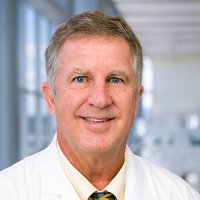 Robert Timmerman合作论文数Department of Radiation Oncology, The University of Texas Southwestern Medical Center14
 Bagheri-Hariri Shahram合作论文数Emergency Medicine Department, Tehran University of Medical Sciences12Justin Visak合作论文数Department of Radiation Medicine, University of Kentucky Lexington11
 David W. Parsons合作论文数Medical Branch Marine Biomedical Institute, University of Texas11
 Shervin Farahmand合作论文数Emergency Department, Tehran University of Medical Sciences11Xingzhe Li合作论文数9Mirfazaelian Hadi合作论文数Department of Emergency Medicine, Tehran University of Medical Sciences8
 Mojtaba Sedaghat合作论文数Endocrinology and Metabolism Research Center, Tehran University of Medical Sciences8Mahtab Fakhari合作论文数7
 Deborah Farr Date合作论文数7Ledderose Carola合作论文数Department of Anesthesiology, Ludwig Maximilians University Munich;Clinical Faculty Mannheim, University of Heidelberg;Ludwig Maximilians University Munich, University of Heidelberg7
 Wolfgang G. Junger合作论文数Department of Surgery, Harvard Medical School;Beth Israel Deaconess Medical Center7Wooldridge Rachel合作论文数7
 Christian John Slubowski合作论文数7Mark Langer合作论文数7Yutaka Kondo合作论文数7
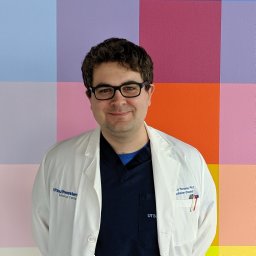 D. Parsons合作论文数Univ Texas Southwestern Med Ctr Dallas6D. W. Nathan Kim合作论文数6
 Stephen Seiler合作论文数6Weiguo Lu合作论文数6
 Strahinja Stojadinovic合作论文数Virginia Commonwealth University6M.P. Langer合作论文数5Chika Nwachukwu合作论文数5
 Jeffrey Ge合作论文数Stony Brook University5
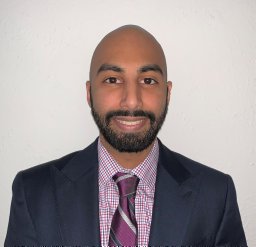 Iqbal Zohaib合作论文数5
 Jonathan D. Schoenfeld合作论文数Dana-Farber Cancer Institute;Harvard Medical School5
 Danielle N. Margalit合作论文数Department of Radiation Oncology, Dana-Farber Cancer Institute;Harvard Medical School;Brigham and Women's Hospital5Tim Lautenschlaeger合作论文数5
 Roy B. Tishler合作论文数Dana-Farber Cancer Institute;Department of Radiation Oncology, Harvard Medical School;Brigham and Women's Hospital5
 s. Sahoo合作论文数Department of Pathology, University of Louisville5Kevin Shiue合作论文数5J A Holmes合作论文数4
 Yulun Liu合作论文数4
 Ghafouri Hamed-Basir合作论文数Seventh Tir Martyrs Hospital, Tehran University of Medical Sciences4
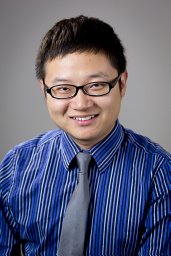 Zhang You合作论文数Medical Physics Graduate Program, Duke University4
 Susannah Ellsworth合作论文数Department of Radiation Oncology &Johns Hopkins Hospital, Johns Hopkins University School of Medicine;Johns Hopkins Hospital, Johns Hopkins University School of Medicine4
 Gregory Kent Bartlett合作论文数4R.M. Rhome合作论文数3Ina Patel合作论文数3Maggie Stein合作论文数3Anvy Nguyen合作论文数3Avinash R. Chaurasia合作论文数3Zihan Yu合作论文数3Austen Maniscalco合作论文数3
 Dan Ngoc Nguyen合作论文数3Nisha Unni合作论文数3




