ImportanceThe effect of higher-dose fluvoxamine in reducing symptom duration among outpatients with mild to moderate COVID-19 remains uncertain.ObjectiveTo assess the effectiveness of fluvoxamine, 100 mg twice daily, compared with placebo, for treating mild to moderate COVID-19.Design, Setting, and ParticipantsThe ACTIV-6 platform randomized clinical trial aims to evaluate repurposed medications for mild to moderate COVID-19. Between August 25, 2022, and January 20, 2023, a total of 1175 participants were enrolled at 103 US sites for evaluating fluvoxamine; participants were 30 years or older with confirmed SARS-CoV-2 infection and at least 2 acute COVID-19 symptoms for 7 days or less.InterventionsParticipants were randomized to receive fluvoxamine, 50 mg twice daily on day 1 followed by 100 mg twice daily for 12 additional days (n = 601), or placebo (n = 607).Main Outcomes and MeasuresThe primary outcome was time to sustained recovery (defined as at least 3 consecutive days without symptoms). Secondary outcomes included time to death; time to hospitalization or death; a composite of hospitalization, urgent care visit, emergency department visit, or death; COVID-19 clinical progression scale score; and difference in mean time unwell. Follow-up occurred through day 28.ResultsAmong 1208 participants who were randomized and received the study drug, the median (IQR) age was 50 (40-60) years, 65.8% were women, 45.5% identified as Hispanic/Latino, and 76.8% reported receiving at least 2 doses of a SARS-CoV-2 vaccine. Among 589 participants who received fluvoxamine and 586 who received placebo included in the primary analysis, differences in time to sustained recovery were not observed (adjusted hazard ratio [HR], 0.99 [95% credible interval, 0.89-1.09]; P for efficacy = .40]). Additionally, unadjusted median time to sustained recovery was 10 (95% CI, 10-11) days in both the intervention and placebo groups. No deaths were reported. Thirty-five participants reported health care use events (a priori defined as death, hospitalization, or emergency department/urgent care visit): 14 in the fluvoxamine group compared with 21 in the placebo group (HR, 0.69 [95% credible interval, 0.27-1.21]; P for efficacy = .86) There were 7 serious adverse events in 6 participants (2 with fluvoxamine and 4 with placebo) but no deaths.Conclusions and RelevanceAmong outpatients with mild to moderate COVID-19, treatment with fluvoxamine does not reduce duration of COVID-19 symptoms.Trial RegistrationClinicalTrials.gov Identifier: NCT04885530
Importance It is unknown whether ivermectin, with a maximum targeted dose of 600 μg/kg, shortens symptom duration or prevents hospitalization among outpatients with mild to moderate COVID-19. Objective To evaluate the effectiveness of ivermectin at a maximum targeted dose of 600 μg/kg daily for 6 days, compared with placebo, for the treatment of early mild to moderate COVID-19. Design, Setting, and Participants The ongoing Accelerating COVID-19 Therapeutic Interventions and Vaccines 6 (ACTIV-6) platform randomized clinical trial was designed to evaluate repurposed therapies among outpatients with mild to moderate COVID-19. A total of 1206 participants older than 30 years with confirmed COVID-19 experiencing at least 2 symptoms of acute infection for less than or equal to 7 days were enrolled at 93 sites in the US from February 16, 2022, through July 22, 2022, with follow-up data through November 10, 2022. Interventions Participants were randomly assigned to receive ivermectin, with a maximum targeted dose of 600 μg/kg (n = 602) daily, or placebo (n = 604) for 6 days. Main Outcomes and Measures The primary outcome was time to sustained recovery, defined as at least 3 consecutive days without symptoms. The 7 secondary outcomes included a composite of hospitalization, death, or urgent/emergent care utilization by day 28. Results Among 1206 randomized participants who received study medication or placebo, the median (IQR) age was 48 (38-58) years, 713 (59.1%) were women, and 1008 (83.5%) reported receiving at least 2 SARS-CoV-2 vaccine doses. The median (IQR) time to sustained recovery was 11 (11-12) days in the ivermectin group and 11 (11-12) days in the placebo group. The hazard ratio (posterior probability of benefit) for improvement in time to recovery was 1.02 (95% credible interval, 0.92-1.13; P = .68). Among those receiving ivermectin, 34 (5.7%) were hospitalized, died, or had urgent or emergency care visits compared with 36 (6.0%) receiving placebo (hazard ratio, 1.0 [95% credible interval, 0.6-1.5]; P = .53). In the ivermectin group, 1 participant died and 4 were hospitalized (0.8%); 2 participants (0.3%) were hospitalized in the placebo group and there were no deaths. Adverse events were uncommon in both groups. Conclusions and Relevance Among outpatients with mild to moderate COVID-19, treatment with ivermectin, with a maximum targeted dose of 600 μg/kg daily for 6 days, compared with placebo did not improve time to sustained recovery. These findings do not support the use of ivermectin in patients with mild to moderate COVID-19. Trial Registration ClinicalTrials.gov Identifier: NCT04885530.
Background:Whether ivermectin, with a maximum targeted dose of 600 μg/kg, shortens symptom duration or prevents hospitalization among outpatients with mild to moderate coronavirus disease 2019 (COVID-19) remains unknown. Our objective was to evaluate the effectiveness of ivermectin, dosed at 600 μg/kg, daily for 6 days compared with placebo for the treatment of early mild to moderate COVID-19. Methods:ACTIV-6, an ongoing, decentralized, randomized, double-blind, placebo-controlled, platform trial, was designed to evaluate repurposed therapies in outpatients with mild to moderate COVID-19. A total of 1206 participants age ≥30 years with confirmed COVID-19, experiencing ≥2 symptoms of acute infection for ≤7 days, were enrolled from February 16, 2022, through July 22, 2022, with follow-up data through November 10, 2022, at 93 sites in the US. Participants were randomized to ivermectin, with a maximum targeted dose of 600 μg/kg (n=602), daily vs. placebo daily (n=604) for 6 days. The primary outcome was time to sustained recovery, defined as at least 3 consecutive days without symptoms. The 7 secondary outcomes included a composite of hospitalization, death, or urgent/emergent care utilization by day 28. Results:Among 1206 randomized participants who received study medication or placebo, median (interquartile range) age was 48 (38-58) years; 713 (59%) were women; and 1008 (84%) reported ≥2 SARS-CoV-2 vaccine doses. Median time to recovery was 11 (11-12) days in the ivermectin group and 11 (11-12) days in the placebo group. The hazard ratio (HR) (95% credible interval [CrI], posterior probability of benefit) for improvement in time to recovery was 1.02 (0.92-1.13; P[HR>1]=0.68). In those receiving ivermectin, 34 (5.7%) were hospitalized, died, or had urgent or emergency care visits compared with 36 (6.0%) receiving placebo (HR 1.0, 0.6- 1.5; P[HR<1]=0.53). In the ivermectin group, 1 participant died and 4 were hospitalized (0.8%); 2 participants (0.3%) were hospitalized in the placebo group and there were no deaths. Adverse events were uncommon in both groups. Conclusions:Among outpatients with mild to moderate COVID-19, treatment with ivermectin, with a maximum targeted dose of 600 μg/kg daily for 6 days, compared with placebo did not improve time to recovery. These findings do not support the use of ivermectin in patients with mild to moderate COVID-19. Trial registration:ClinicalTrials.gov Identifier: NCT04885530 .
 Sean P Collins合作论文数3David Kavtaradze合作论文数3Florence Thicklin合作论文数3Sarah E Dunsmore合作论文数3Jonathan Cohen合作论文数3Rhonda Wilder合作论文数3Allison DeLong合作论文数3Ahab Gabriel合作论文数3Stacey J Adam合作论文数3
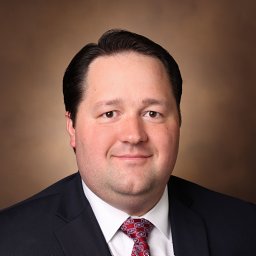 Thomas G Stewart合作论文数School of Data Science, University of Virginia3
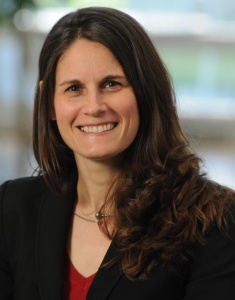 Susanna Naggie合作论文数Department of Medicine, School of Medicine, Duke University School of Medicine3
 Matthew William McCarthy合作论文数Joan and Sanford I. Weill Department of Medicine, Weill Cornell Medicine, Cornell University3
 Kathleen M Mctigue合作论文数3
 David Boulware合作论文数Division of Infectious Diseases and International Medicine, Medical School, University of Minnesota3
 George B. Hanna合作论文数Department of Surgery & Cancer, Faculty of Medicine, Imperial College London3
 Gary Michael Felker合作论文数Division of Cardiology, Department of Medicine, Duke University School of Medicine;Duke Clinical Research Institute, Duke University3Mario Castro合作论文数3
 Christopher Lindsell合作论文数3
 Mark Sulkowski合作论文数Division of Infectious Diseases, Johns Hopkins Bayview Medical Center;Johns Hopkins University School of Medicine3
 Adrian Felipe Hernandez合作论文数Department of Medicine, School of Medicine, Duke University;Duke Clinical Research Institute, School of Medicine, Duke University;Department of Population Health Sciences, School of Medicine, Duke University3Russell L. Rothman合作论文数Vanderbilt University Medical Center3Elizabeth A. Shenkman合作论文数College of Medicine, University of Florida3
 Stephen Lim合作论文数Department of Health Metrics Sciences, University of Washington;Institute for Health Metrics and Evaluation, University of Washington3
 Nina T Gentile合作论文数NINDS, National Institutes of Health3
 Adit Ginde合作论文数Department of Emergency Medicine, School of Medicine, University of Colorado3
 Dushyantha Jayaweera合作论文数Department of Medicine, Miller School of Medicine, University of Miami3April Remaly合作论文数2Sybil Wilson合作论文数2Alex Slandzicki合作论文数2Idania T Garcia Del Sol合作论文数1Arnold Del Pilar合作论文数1Eftim Adhami合作论文数1Mark D'Andrea合作论文数1Amanda Harrington合作论文数1Pradeep Parihar合作论文数1Jessica Marlin合作论文数1Virginia Umana合作论文数1Robin Tragus合作论文数1Samah Ismail合作论文数1Adeolu Adebayo合作论文数1Anita Gupta合作论文数1Sam Nwosu合作论文数1Mitchell Roberts合作论文数1
 Tiffany E Schwasinger-Schmidt合作论文数1Krista Vermillion合作论文数1Jessica Lai合作论文数1Ngozi Oguego合作论文数1Angelina Roche合作论文数1Anthony Vecchiarelli合作论文数1




