SUMMARY OF BACKGROUND DATA:PDAC is the fifth leading cause of cancer-related death in Europe. Surgery is the only possible cure; however, recurrence is common. OBJECTIVE:This systematic review and meta-analysis aimed to assess the value of circulating tumor DNA (ctDNA) in pre- and post-surgery liquid biopsies as a prognostic biomarker for recurrence and survival in patients with PDAC. METHODS:We performed a systematic review and meta-analysis of studies identified in Medline (via PubMed) and Web of Science. The primary outcomes were disease-free survival (DFS) and overall survival (OS). RESULTS:18 studies (965 patients) were included in the analysis. The presence of preoperative ctDNA was significantly associated with lower DFS (HR: 2.08; 95% CI: 1.63-2.65; P<0.00001) and OS (HR: 2.31; 95% CI: 1.66-3.22; P<0.00001). Postoperative ctDNA positivity was correlated with lower DFS (HR: 3.29; 95% CI: 2.10-5.15; P<0.00001) and OS (HR: 3.42; 95% CI: 2.06-5.67; P<0.00001). In a subgroup analysis, ctDNA presence was also significantly associated with worse OS in both upfront resection (HR: 2.04, 95% CI: 1.14-3.66; P=0.02) and neoadjuvant treatment (HR: 2.35; 95% CI: [1.56-3.54]; P<0.00001) subgroups. CONCLUSION:Both preoperative and postoperative ctDNA are significant negative prognostic markers in patients with PDAC undergoing surgery. In subgroup analysis, ctDNA maintained its prognostic value in both the upfront resection and neoadjuvant treatment groups. Monitoring ctDNA can help personalize treatment, specifically in the selection of patients for neoadjuvant, surgical, and adjuvant therapies.
Objective: To investigate patency and clinical outcomes of alloplastic and other venous interposition graft materials in pancreatic surgery.Background: Vascular pancreatic surgery is increasingly performed for locally advanced pancreatic neoplasms. Different than other centers, we prefer to use alloplastic vascular graft materials for superior mesenteric vein and portal vein interposition in pancreatic surgery. Advantages are off-the-shelf availability at any customizable length, different diameters, and ring-enforcement but proposed concerns are their thrombogenicity and fatal complications.Methods: Patients who underwent elective pancreatic resections with mesoportal venous interposition grafts (ISGPS type 4) between 2003 and 2022 were identified from the institutional pancreatectomy registry. Alloplastic vascular grafts imply synthetic materials, either based on polytetrafluorethylene (PTFE) or polyethylene terephthalate (PET). Surgical, clinicopathological, and follow-up data were analyzed. The patients were followed for graft patency by cross-sectional imaging.Results: In this study, 201 patients with venous interposition grafts were included (23% simultaneous arterial resections). Total pancreatectomy (41%) and pancreatoduodenectomy (35%) were the most frequent procedures. Vascular graft materials were alloplastic in 180 patients (83% PTFE and 17% PET) with a median diameter of 10 mm and a median length of 33 mm (measurement by computed tomography scan). Patency rates among all graft materials at 7, 30, and 90 days were 99%, 93%, and 87%, respectively. Alloplastic grafts demonstrated superior patency over other materials (hazard ratio: 2.7, P = 0.009), and PTFE reached a 1-year patency of 78%. The all-cause 90-day mortality rate was 10%. No graft infection occurred.Conclusions: Alloplastic venous vascular grafts are safe and readily available tools in pancreatic surgery, especially for long-segmental mesoportal venous reconstructions.
Esophageal resections are associated with significant postoperative morbidity and mortality. The standard surgical approach is minimally invasive, with a high proportion of robotic resections. The aim of this study was to evaluate the learning curve (LC) in the context of establishing a structured training program. As part of the retrospective analysis, all consecutive hybrid robot-assisted Ivor-Lewis esophageal resections performed by a defined team between May 2023 and October 2025 were evaluated. The LCs for the frequency of postoperative complications Clavien-Dindo (CD) ≥ III, in particular anastomotic leakage, and the textbook outcome rate were analyzed. The LCs for these target variables were evaluated using the cumulative sum (CUSUM) analysis. Between May 2023 and October 2025, a total of 71 patients underwent hybrid robot-assisted Ivor-Lewis esophagectomy. In-hospital mortality in the study population was 1.4
PDAC is the fifth leading cause of cancer-related death in Europe. Surgery is the only possible cure; however, recurrence is common. This systematic review and meta-analysis aimed to assess the value of circulating tumor DNA (ctDNA) in pre- and post-surgery liquid biopsies as a prognostic biomarker for recurrence and survival in patients with PDAC. We performed a systematic review and meta-analysis of studies identified in Medline (via PubMed) and Web of Science. The primary outcomes were disease-free survival (DFS) and overall survival (OS). 18 studies (965 patients) were included in the analysis. The presence of preoperative ctDNA was significantly associated with lower DFS (HR: 2.08; 95% CI: 1.63-2.65; P <0.00001) and OS (HR: 2.31; 95% CI: 1.66-3.22; P <0.00001). Postoperative ctDNA positivity was correlated with lower DFS (HR: 3.29; 95% CI: 2.10-5.15; P <0.00001) and OS (HR: 3.42; 95% CI: 2.06-5.67; P <0.00001). In a subgroup analysis, ctDNA presence was also significantly associated with worse OS in both upfront resection (HR: 2.04, 95% CI: 1.14-3.66; P =0.02) and neoadjuvant treatment (HR: 2.35; 95% CI: [1.56-3.54]; P <0.00001) subgroups. Both preoperative and postoperative ctDNA are significant negative prognostic markers in patients with PDAC undergoing surgery. In subgroup analysis, ctDNA maintained its prognostic value in both the upfront resection and neoadjuvant treatment groups. Monitoring ctDNA can help personalize treatment, specifically in the selection of patients for neoadjuvant, surgical, and adjuvant therapies.
Objective:. To evaluate the presence of pancreatic cancer cells within the TRIANGLE compartment (area between mesenteric-portal axis, celiac trunk, and superior mesenteric artery) and to determine its potential role for locoregional recurrence. Background:. Approximately 30% of patients develop locoregional recurrence after resection of pancreatic ductal adenocarcinoma (PDAC), most of them within the TRIANGLE compartment. The surgical approach to oncologically clean this compartment aims to improve local control by resecting the perineural, lymphatic and soft tissue around and in-between the celiac trunk, superior mesenteric artery, and mesenteric-portal axis, a region not typically addressed in standard pancreatic resections. Methods:. Prospective study of patients who underwent a TRIANGLE compartment resection for PDAC between January 2023 and December 2024. Histopathological analyses were performed to assess cancer involvement in lymph nodes, perineural, adipose, and lymphovascular tissue. Cancer-positive (Tr+) and cancer-negative (Tr−) TRIANGLE patients were compared. Results:. A total of 131 patients received a resection of the TRIANGLE compartment, 56 (43%) after neoadjuvant chemotherapy. The TRIANGLE compartment contained malignant cells in 41 patients (31%) with different tissue types affected. Stratified by tumor stage, 56% with locally advanced (n = 14/25), 40% with borderline resectable (n = 8/20), and 21% with resectable tumors (n = 15/72) harbored cancer cells within the TRIANGLE compartment. Conclusion:. This study is the first to demonstrate that in 1 out of 3 patients with PDAC, the TRIANGLE compartment harbors cancer cells. This might explain the high rates of locoregional recurrence observed after standard pancreatic resection. By incorporating the TRIANGLE compartment into the standard surgical management of PDAC, surgeons might be able to improve local disease control.
Aberrant Notch signaling has been identified as a key driver of cancer development. Genetic studies in Drosophila showed that the knockout of strawberry notch (sno) mimics the loss of notch. Here, we found that Strawberry Notch 1 (SBNO1) is upregulated in several cancer entities and elucidated the role of SBNO1 in liver cancer development. In hepatocellular carcinoma (HCC) and cholangiocarcinoma (CCA), SBNO1 protein was significantly increased and localized to the nucleus suggesting its involvement in gene regulation. SBNO1-inhibition reduced cell viability, colony formation and migration and induced distinct expression patterns in HCC and CCA cell lines. However, BioID revealed that SBNO1 similarly modulates gene regulation in HCC and CCA by binding to general transcription factors TAF4 and TAF3. Deletion of Sbno1 in murine liver cancer cells Hep55.1C reduced tumor growth in vivo. In addition, inhibition of Sbno1 significantly reduced liver tumor development in three different mouse models of HCC and CCA. Furthermore, Sbno1-deletion reduced biliary differentiation and angiogenesis in the tumor margin, underscoring the necessity of Sbno1 in Notch-driven CCA formation. Thus, we identified SBNO1 as a transcriptional regulator required for liver cancer development and progression.
Background The 2007 International Study Group of Pancreatic Surgery (ISGPS) consensus definition for Post-Pancreatectomy Hemorrhage has become the global standard for reporting this event. However, it may no longer accurately reflect outcomes and has been found difficult to use in clinical practice. Objective The goal of the present study is to critically evaluate the variables involved in the 2007 classification system. Additionally, we aim to use these data to develop a proposal for an updated ISGPS definition. Methods A retrospective analysis of a prospective maintained database was conducted. Hemorrhage events were analyzed based on the 2007 ISGPS parameters (timing, location, severity) and correlated with surgical outcomes. A new classification based on clinical consequences was developed, consisting of Grade A (PPH with no consequences), Grade B (PPH with clinical intervention required), and Grade C (Life-Threatening PPH) categories. An exploratory internal validation was performed to assess the correlation of the new proposed classification system with surgical outcomes. Results A total of 763 pancreatic resections were included. Analysis of 2007 ISGPS variables showed no statistically significant differences in outcomes between early vs. late onset or intraluminal vs. extraluminal location. Notably, hemorrhages classified as "mild" (2007 ISGPS criteria) exhibited high major morbidity (71.7%) and mortality (5.7%). On exploratory internal validation, the proposed new classification showed a significant increase in median hospital stay, major morbidity and mortality rates from proposed Grade B to Grade C, demonstrating an excellent correlation with surgical outcomes. Conclusion The individual variables of the 2007 ISGPS PPH classification—timing, location, and severity—do no longer accurately correlate with surgical outcomes. The proposed consequence-based classification provides a simplified and accurate prognostic tool for grading PPH events.
In the face of growing transplant waitlists and aging donors, sound pre-transplant evaluation of organ offers is paramount. However, many transplant centres lack clear criteria on organ acceptance. Often, previous scores for donor characterisation have not been validated for the Eurotransplant population and are not established to support graft acceptance decisions. Here, we investigated 1353 kidney transplantations at three different German centres to develop and validate novel statistical models for the prediction of early adverse graft outcome (EAO), defined as graft loss or CKD ≥4 within three months. The predictive models use generalised estimating equations (GEE) accounting for potential correlations between paired grafts from the same donor. Discriminative accuracy and calibration were determined via internal and external validation in the development (935 recipients, 309 events) and validation cohort (418 recipients, 162 events) respectively. The expert model is based on predictor ratings by senior transplant nephrologists, while for the data-driven model variables were selected via high-dimensional lasso generalised estimating equations (LassoGee). Both models show moderate discrimination for EAO (C-statistic expert model: 0,699, data-driven model 0,698) with good calibration. In summary, we developed novel statistical models that represent current clinical consensus and are tailored to the older deceased donor population. Compared to KDRI, our described models are sparse with only four and three predictors respectively and account for paired grafts from the same donor, while maintaining a discriminative accuracy equal or better than the established KDRI-score.
BACKGROUND:Associating liver partition and portal vein ligation (PVL) for staged hepatectomy (ALPPS) and selective PV embolization (PVE) are important clinical strategies in liver surgery. Even though it has been demonstrated that ALPPS induces a more rapid and expressed hypertrophy than PVL/PVE, this phenomenon is still not well understood. AIM:In the present study, we aimed to characterize enhanced regeneration patterns in a rat model. METHODS:Male Wistar rats were used (n = 84; 220-250 g). Selective PVL and ALPPS were achieved using microsurgical techniques (RML-regenerating/LML-non-regenerating). Parameters of liver regeneration, microcirculation, hepatocyte morphology, hepatocellular injury, and activation status of certain protein kinases involved in liver regeneration were investigated. RESULTS:Right median lobe (RMLs) in the ALPPS group exhibited a more significant and rapid hypertrophy compared to PVL (regeneration ratio, 1.669 ± 0.155 vs. 1.980 ± 0.189, p = 0.009, PVL vs. ALPPS). ALPPS led to a more prominent hepatocellular injury. Hypertrophy was associated with increased microcirculation of the RML and a prominent increase of hepatocellular size (300.43 ± 31.92 μm2 vs. 374.48 ± 58.34 μm2, PVL vs. ALPPS) and morphology. There was an early pAkt/Akt activation after surgery which was significantly higher in ALPPS (5 ± 2 vs. 9.7 ± 3 RQ-fold-change, p = 0.0087, PVL vs. ALPPS). CONCLUSIONS:Our results suggest that the enhanced regeneration in ALPPS is associated with characteristic changes in liver microcirculation, cell division, hepatocyte morphology, and activation of pAkt/Akt.
Most minimally invasive surgery (MIS) training curricula involve practical training (PT) and cognitive learning (CL) to different extents. It has been proven that acquiring and training specific skills through CL can improve MIS skills. This study aimed to discover the most efficient combination of these two approaches and examine their effects on acquiring MIS skills in novices. Sixty medical students without MIS experience participated in this randomized controlled study and were divided into three groups. The first group received the same amount of PT (50
Objective: Intraabdominal drainage following left pancreatectomy (LP) has been a longstanding practice to mitigate postoperative complications, particularly postoperative pancreatic fistulas (POPF). Summary Background Data: Recent studies challenge the necessity of routine drainage, suggesting potential benefits in omitting drains. Methods: The PANDRA II trial was a randomized controlled non-inferiority study conducted at the University Hospital Heidelberg between 2017 and 2023. It compared outcomes between patients undergoing open or minimally-invasive LP with and without abdominal drainage. The primary endpoint was overall postoperative morbidity assessed by the Comprehensive Complication Index (CCI). Results: A total of 246 patients were included in the intention-to-treat analysis (125 with drainage, 121 without drainage). The no-drain group demonstrated non-inferiority to the drain group in terms of CCI (13.90 ± 16.51 vs. 19.43 ± 16.92, P <0.001 for non-inferiority). Moreover, the no-drain group had lower overall complication rates (50.41% vs. 78.40%, P <0.001). Specific complications such as POPF (14.88% vs. 20.8%, P =0.226) and postpancreatectomy hemorrhage (PPH) (4.96% vs. 4.80%, P >0.999) did not differ significantly between groups. Conclusion: The results of the PANDRA II trial demonstrate that omitting routine abdominal drainage after LP is non-inferior to placing a routine abdominal drainage regarding morbidity measured by the CCI. Omitting a routine abdominal drainage even led to a significant reduction of the overall complication rate.
BACKGROUND:Tumor regression after neoadjuvant chemoradiotherapy can improve the long-term outcomes of rectal cancer. However, it is unclear how the tumor regression grade (TRG) relates to long-term outcomes. We evaluated how the TRG affects overall survival in patients with rectal cancer who underwent neoadjuvant chemoradiotherapy prior to radical surgery. METHODS:All patients who underwent low anterior resection for rectal cancer after chemoradiotherapy over a 13-year period were included in this study. Perioperative and histopathological data of patients, including the TRG (categorized as no regression, minimal regression, moderate regression, near complete regression and complete regression) were evaluated. The correlation of TRG with overall survival was assessed using the log-rank test and Cox proportional hazards regression analysis. RESULTS:During the study period,193 patients underwent low anterior rectal resection after neoadjuvant chemoradiotherapy. The 90-day mortality rate was 1.5 % and the median follow up was 69.5 months. The 5-year and 10-year overall survival rates were 85.0 % and 69.8 %, respectively. Patients with complete regression had a significantly higher 10-year overall survival rate than other patients (87.3 % vs. 66.5 %, p = 0.031). Multivariate analysis revealed that older age (hazard ratio [HR] = 2.4,95 % confidence interval [95 % CI] = 1.3-4.6, p = 0.007) and complete pathological response (HR = 0.23, 95 % CI = 0.06-0.96, p = 0.044) were independent predictors of overall survival. CONCLUSION:Complete pathological response after neoadjuvant therapy for rectal cancer improves overall survival after surgery. Further studies are needed to determine the factors that predict complete TRG to identify patients who would benefit most from neoadjuvant chemoradiotherapy.
Objective: We analyzed perioperative outcomes of patients undergoing pancreatectomy with portal vein resection for pancreatic cancer using temporary intraoperative mesoportal or mesocaval bypass. Summary Background Data: Pancreatectomy for advanced pancreatic cancer with long-segment involvement or complete occlusion of the mesoportal venous axis and cavernous transformation represents a major technical challenge. To avoid major bleeding as well as to overcome severe bowel congestion or ischemia due to long portal venous clamping, a mesoportal or mesocaval venous bypass graft first approach has been proposed. If an additional hepatic arterial resection needs to be considered, the mesoportal bypass seems preferable to ensure portal venous flow avoiding complete temporary vascular exclusion of the liver. However, the mesocaval approach appears to be a technically easier alternative. Methods: All consecutive patients who underwent pancreatectomy with venous bypass were identified from a prospectively maintained database. Patient characteristics, perioperative data, and postoperative short-term outcomes were analyzed. Results: Between 2011 and 2024, 63 patients were operated with temporary construction of an alloplastic venous bypass, including 34 patients with mesoportal and 29 patients with mesocaval bypass. Severe complications (Clavien-Dindo >3a) occurred in 16 of 63 patients (25.4%). No postoperative liver failure was observed. The median length of ICU and hospital stays were 2 and 21 days, respectively. The 90-day mortality rate was 6.3%. There were no differences in complication rates, median length of stays, and 90-day mortality rates between mesoportal and mesocaval shunts. Conclusions: Temporary intraoperative venous bypass graft first techniques are important surgical approaches for safe resection of advanced pancreatic tumors. Mesoportal and mesocaval shunts are both safe with comparable postoperative morbidity and mortality rates. The decision for mesoportal versus mesocaval bypass should be made according to the anatomy, particularly taking into account the extent of arterial involvement and the potential need for concomitant arterial resection.
Abstract Background and aims Liver cancer is the third leading cause of cancer related death due to treatment resistance and late onset of symptoms (Rumgay in J Hepatol 77: 1598–1606, 2022). The role of external beam radiotherapy (EBRT) in treatment of unresectable liver cancer needs to be defined. The use of particle therapy such as carbon ion radiation therapy (CIRT) with high linear energy transfer (LET) could increase efficacy of EBRT while limiting the toxic effects of radiation on non-cancerous liver tissue. Promising effects of CIRT have been described in several studies during the past decades, mostly in Japan. To date, no standardized treatment protocol has been established and European data on CIRT for liver cancer is lacking. This retrospective analysis aims to investigate efficacy and safety of hypofractionated CIRT compared to photon-based stereotactic body radiation (SBRT) in primary liver cancer. Method Thirty-six (n = 36) and twenty (n = 20) patients with primary malignant liver tumors were treated with hypofractionated CIRT (4 fractions) and photon-based SBRT, respectively, between 2011 and 2022 and were retrospectively evaluated for survival, local control, and toxicity. Results Two-year local control rate after CIRT was 92.3%. Compared to photon- based SBRT, CIRT scores with a significantly longer median distant progression free survival (3.1 versus 0.9 years). In a matched pair comparison of the two treatment regimens, the CIRT cohort demonstrated both longer 2-year overall survival (100% versus 59.6%) and longer 2-year distant PFS (75.7% versus 22.9%). No significant impairment of liver function was observed in either cohort. Conclusion In this retrospective analysis, patients who received CIRT presented excellent local tumor control and had better oncologic outcomes than patients who received photon-based SBRT. SBRT with carbon ions is a promising local ablative treatment option that needs further investigation in large prospective trials.
BACKGROUND:The necessity of performing simultaneous cholecystectomy (simCCE) during esophagectomy remains controversial, as postoperative biliary complications may occur due to vagal denervation and anatomical alterations. However, the incidence and need for subsequent cholecystectomy (subCCE) in these patients remain unclear. This meta-analysis aims to provide a pooled estimate of gallstone formation and subCCE rates following esophagectomy for cancer. METHODS:A systematic literature search was conducted following PRISMA guidelines using PubMed, Embase, Web of Science, and CENTRAL. Studies reporting the incidence of symptomatic gallstones and subCCE after esophagectomy for cancer were included. A meta-analysis of proportions was conducted to estimate the pooled incidence of gallstone formation and subCCE rates. Random-effects models were applied, with heterogeneity quantified using the I2 statistic and further explored through meta-regression. Results were visually presented using forest plots. Risk of bias was assessed using Joanna Briggs Institute Critical Appraisal Checklist. RESULTS:In five studies comprising 1557 patients the overall pooled subCCE proportion was estimated to be 2.0 % (95 % CI: 0.8 %-5.1 %). The pooled analysis of gallstone formation compromised four studies with 1493 patients and estimated a pooled gallstone formation rate of 9.3 % (95 % CI: 4.6 %-18.1 %). Among patients who developed gallstones (n = 109), 14.5 % (95 % CI: 4.0 %-41.0 %) required a subCCE. CONCLUSION:High heterogeneity was observed among studies reporting subCCE rates, and most lacked data on surgical access and procedure-related complications. A risk-adapted approach to simCCE should be considered, and future prospective studies are needed to refine patient selection, explore medical prophylaxis strategies and evaluate long-term and patient-reported outcomes.
Background: Despite the significant advancements of liver surgery in the last few decades, the survival rate of patients with liver and pancreatic cancers has improved by only 10% in 30 years. Precision medicine offers a patient-centered approach, which, when combined with machine learning, could enhance decision making and treatment outcomes in surgical management of ihCC. This study aims to develop a decision support model to optimize treatment strategies for patients with ihCC, a prevalent primary liver cancer. Methods: The decision support model, named MedMax, was developed using three data sources: studies retrieved through a systematic literature review, expert opinions from HPB surgeons, and data from ihCC patients treated at Heidelberg University Hospital. Expert opinions were collected via surveys, with factors rated on a Likert scale, while patient data were used to validate the model’s accuracy. Results: The model is structured into four decision-making phases, assessing diagnosis, treatment modality, surgical approach, and prognosis. Prospectively, 44 patients with ihCC were included for internal primary validation of the model. MedMax could predict the appropriate treatment considering the resectability of the lesions in 100% of patients. Also, MedMax could predict a decent surgical approach in 77% of the patients. The model proved effective in making decisions regarding surgery and patient management, demonstrating its potential as a clinical decision support tool. Conclusions: MedMax offers a transparent, personalized approach to decision making in HPB surgery, particularly for ihCC patients. Initial results show high accuracy in treatment selection, and the model’s flexibility allows for future expansion to other liver tumors and HPB surgeries. Further validation with larger patient cohorts is required to enhance its clinical utility.
Minimally invasive surgery (MIS) is the standard approach in bariatric surgery. The most common bariatric procedures are sleeve gastrectomy and Roux-en-Y-Gastric Bypass (RYGB). Simulation training, including virtual reality (VR), is useful when learning MIS. Training in pairs has proven beneficial in acquiring basic MIS skills. However, this has not been tested on more complex procedures such as MIS RYGB. The study aimed to assess the learning effects of training MIS RYGB on a VR trainer in pairs compared to solo training. Medical students (n = 60) were randomized into the intervention group, trained in pairs (n = 30), and the control group, trained solo (n = 30). Both groups needed to train MIS RYGB on a VR trainer under the supervision of trained tutors until proficiency was reached. The MIS RYGB proficiency was defined as 105/110 points according to the Bariatric Objective Structured Assessment of Technical Skills (BOSATS) score. The primary outcome was the number of exercise repetitions until proficiency was reached. Secondary outcomes compared the BOSATS scores, bleeding incidents, and the validated score on current motivation. The intervention group achieved proficiency with significantly fewer repetitions than the control group (p = 0.002). Most participants in the intervention group reached proficiency by the fifth repetition, and none required an eighth repetition. The intervention group had better BOSATS scores than the control group after the second, fourth, and fifth MIS RYGB (91.1 ± 6.4 vs. 87.1 ± 7.0 points, p = 0.025; 104.0 ± 4.7 vs. 100.3 ± 6.1 points, p = 0.014; 106.2 ± 2.8 vs. 101.9 ± 5.8 points, p = 0.026), respectively. Additionally, the intervention group experienced fewer bleeding complications in the fifth and sixth MIS RYGB repetitions than the control group (2 vs. 10, p = 0.001; 0 vs. 8, p < 0.001, respectively). Training MIS RYGB on a VR trainer in pairs enables trainees to reach procedural proficiency with fewer exercise repetitions than training alone.
 Markus Büchler合作论文数Department of Surgery, Heidelberg University139
 Mohammad Golriz合作论文数Department of General, Visceral and Transplantation Surgery, University of Heidelberg131
 Jan Schmidt合作论文数Department of Visceral and Transplantation Surgery, University of Heidelberg116
 Khajeh Elias合作论文数100
 Peter Schemmer合作论文数Liver Clinic Switzerland;Pancreas Clinic Switzerland;Hirslanden Clinic Beau-Site97Martin Zeier合作论文数University Hospital Heidelberg, Heidelberg, Germany92
 Markus Mieth合作论文数71
 Karl Heinz Weiss合作论文数Salem Medical Center64
 Hamidreza Fonouni合作论文数62Katrin Hoffmann合作论文数61
 Peter Schirmacher合作论文数Translational Spatial Profiling Center, Universität Heidelberg;Pathologisches Institut, Universität Heidelberg;Institute of Pathology, Universität Heidelberg57E Klar合作论文数55
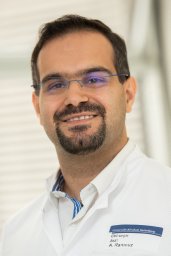 Ramouz Ali合作论文数55
 Omid Ghamarnejad合作论文数Department of General, Visceral and Transplant Surgery, University Hospital Heidelberg53
 Benjamin Goeppert合作论文数53
 Christian Morath合作论文数Department of Nephrology Im Neuenheimer Feld, University of Heidelberg53
 Thilo Hackert合作论文数Department of General, Visceral and Thoracic Surgery, Universitätsklinikum Hamburg-Eppendorf;Center for Surgical Sciences, Universitätsklinikum Hamburg-Eppendorf52Thomas W Kraus合作论文数48Jurgen Weitz合作论文数48
 Markus Golling合作论文数Department of Surgery, University of Heidelberg45C Herfarth合作论文数44Carsten N. Gutt合作论文数42
 Ali Majlesara合作论文数Department of General, Visceral and Transplantation Surgery, University of Heidelberg42Ulf Hinz合作论文数40
 Christoph Springfeld合作论文数Klinik für Medizinische Onkologie, Universität Heidelberg;Department of Medical Oncology, National Center for Tumor Diseases, University Hospital Heidelberg;Liver Cancer Center Heidelberg, University Hospital Heidelberg40
 Stephanie Roessler合作论文数Inst Pathol, Univ Hosp Heidelberg39Thomas Longerich合作论文数39
 Martin Loos合作论文数38
 Al-Saeedi Mohammed合作论文数Department of Surgery, University Hospital Heidelberg37
 Strobel Oliver合作论文数36
 Volker Daniel合作论文数35
 Peter Sauer合作论文数Universitats klinikum Heidelberg35Hani Oweira合作论文数35
 Arash Nickkholgh合作论文数Department of General Surgery, Ruprecht-Karls University35Mm Gebhard合作论文数34Christoph Berchtold合作论文数33
 Sadeghi Mahmoud合作论文数Institute of Immunology, University of Heidelberg33
 Majid Esmaeilzadeh合作论文数Department of General, Visceral and Transplantation Surgery, University of Heidelberg32
 Rupp Christian合作论文数30Gerhard Opelz合作论文数Institute of Immunology University of Heidelberg30
 Markus K. Diener合作论文数Klinikum Nürnberg30
 Mohammadreza Hafezi合作论文数29A Kashfi合作论文数29G Otto合作论文数28Bruno M. Schmied合作论文数28Uta Merle合作论文数27Pfeiffenberger Jan合作论文数26F Kallinowski合作论文数25




