A brief historical overview of physical chemistry at the University of Geneva as well as a description of the present research activities at the department of physical chemistry are presented.
The fatty acid composition and distribution in phospholipids isolated from the leaves of evergreen woody plants were investigated for seven temperate-zone and six tropical species. The relative amounts of the major phospholipids, i.e. phosphatidyl-ethanolamine (PE), phosphatidyl-choline (PC), phosphatidyl-glycerol (PG) and phosphatidyl-inositol (PI) and the fatty acid composition of each of these classes were determined. In all thirteen plants, the main fatty acid components were 16:0, 16:1(t), 18:0, 18:1, 18:2 and 18:3. The results showed a significant difference in the proportion of unsaturated fatty acids relative to saturated ones, especially in PG. For chilling-sensitive tropical plants, the unsaturated fatty acid content (SU = 18:1+18:2+18:3) for PG ranged from 32.4 to 44.6%, while for chilling-resistant species it was between 48.3 and 56.9%. Positional distribution of fatty acids in PG was also investigated by enzymatic hydrolysis using phospholipase A2. The results showed that 18:1, 18:2 and 18:3 are generally attached to the sn-1 carbon atom, whereas 16:1(t) is attached exclusively to the sn-2 carbon atom.
To determine the limitations of electrospray mass spectrometry for the study of condensed-phase chemistry, it is important to understand the origin of cases for which the electrospray mass spectra, which are a measure of the relative abundances of gas-phase ions, do not reflect the equilibrium ion abundances in the solution electrosprayed, One such divergent case is that of free-base octaethylporphyrin, Under conditions for which this porphyrin is present in solution predominantly as the doubly charged, diprotonated molecule, the predominant ionic species observed in the electrospray mass spectrum is the singly charged, monoprotonated molecule, In this paper, direct optical spectroscopic measurements of the ions in solution (absorption spectra) and in the electrospray plume (fluorescence excitation spectra) are correlated with the ion distribution observed in the gasphase (as reflected in the electrospray mass spectra) to determine at what point in the electrospray process and by what mechanism(s) the transformation from dication to monocation occurs, The data indicate that the major portion of the doubly protonated porphyrin species originally present in solution are converted to singly protonated species relatively fate in the electrospray process, during the latter stages of droplet desolvation in the atmospheric/vacuum interface of the mass spectrometer, via the loss of a charged solvent molecule/cluster.
Supercritical fluid extraction (SFE) of hydrocarbons is an attractive substitute for conventional solvent extraction. Here, an attempt is made to extend SFE to the extraction of more polar biological markers. SFE conditions, using chlorodifluoromethane (Freon-22) and carbon dioxide (CO2 as solvent, were optimized for the extraction of free carboxylic acids and sterols from a plant tissue and a recent sediment sample. Analyses of the extracts were carried out by GC-FID and GC-MS and the results were compared to those obtained by solvent extraction. The highest recoveries were obtained extracting in dynamic mode during 20 min, at 400 bar and 40°C, with a flow rate of 2 ml/min. For the sediment, extraction with CO2 is improved by addition of methanol as modifier. Our results show that supercritical fluid extraction is a valuable technique which can be applied in a routine way to the extraction of polar lipids from natural matrices.
Chlorins in a sedimentary mixture were characterized, without prior isolation of individual components, using electrospray ionization combined with ion trap mass spectrometry. Collision-induced dissociation in the atmospheric sampling interface and multi-step mass spectrometry (i.e. MS(n) where n greater than or equal to 2) were used in order to obtain structural information about the macrocycle. Fragmentation pathways are proposed for different macrocycle types based on data from model chlorins. Three unknown chlorins (RMM = 888, 844 and 790) are assigned as having bacteriochlorophyll macrocycle types esterified to unusual side-chains (i.e, dihydrophytol for the unknown with a bacteriopheophorbide a structure, phytol and an alcohol with a molecular mass of 242 u for the two unknowns with a proposed bacteriopyropheophorbide d structure).
alpha- and beta (or gamma)-Tocopherols esterified with saturated monocarboxylic acids ranging from C-12 to C-18 were identified for the first time in the flowers and the leaves of Nuphar luteum and in the leaves and the stems of Nymphea alba using high temperature GC-FID and GC-MS mass fragmentography.
We report the isolation and the characterisation by D/MS, HR-MS and 1H-NMR of a new sedimentary lacustrine chlorin with a seven membered ring. A geochemical degradation pathway is proposed on the basis of the seven membered ring resistance to degradation.
Two ring-B aromatized triterpenes related to the arborane/fernane series were isolated from an Italian Triassic black shale (4 and 7) and a French Jurassic laminated bituminous limestone (7). They were identified by MS and NMR spectroscopy. These compounds, 25-norferna-5,7,9-triene 7 (C29) and 22,25,29,30-tetranor-18beta-ferna-5,7,9-triene 4 (C26), in the case of the Italian sediment, belong to a family which extends to at least C32 as shown by GC-MS.The presence of higher homologs and ring-A methylated structures in the Italian Triassic shale is analogous with the hopane series, which together with carbon isotopic data obtained by gas chromatography-isotope ratio mass spectrometry (GC-IRMS), strongly support a bacterial origin for most of these compounds. This suggests that 4 and 7 may result from a yet unrecognized rearrangement of sedimentary hopenes which have subsequently undergone ring-B aromatization. As an alternative, the C29 compound 7 could arise from C30 precursors not necessarily of bacterial origin (fernenes?). This hypothesis would apply particularly to the case of the Jurassic limestone, which does not show any trace of 4 nor of compounds with an extended side chain or a methyl group on ring A. Related structures also bearing an isopropyl group could derive by microbiological transformations from the corresponding fernen-3beta-ols or isoarborinol as can be deduced from the occurrence of ring-A degraded monoaromatic hydrocarbons 3 and 5.
Lipid analyses of several aquatic plants growing in a freshwater lake allowed us to show that Utricularia neglecta L. (Lentibulariaceae), a world-wide distributed submerged aquatic plant, is an important potential source for sedimentary 4-methyl sterols in lacustrine environments. This plant contains, besides the 4-desmethyl sterols, high proportions of 4-methyl sterols, 4α-methyl-24-ethyl-5α-cholestan-3β-ol (citrostanol) being predominant. Other 4-methyl sterols include 4α-methyl-5α-cholestan-3β-ol, 4α,24-dimethyl-5α-cholestan-3β-ol, 4α,23,24-trimethyl-5α-cholest-22-en-3β-ol (dinosterol) and 4α,23,24-trimethylcholesta-5,22-dien-3β-ol. Steroidal ketones comprising both 4-desmethyl and 4-methyl components are also present in significant amounts. The similarity of the distribution of the 4-methyl sterols in the surface sediment with those in U. neglecta L. suggests that this plant is an important source for sedimentary 4-methyl sterols.
Supercritical fluid extraction of rocks with CO2 (SFE-CO2) can advantageously replace the organic solvent extraction technique (SE) which is generally used for the analysis of the biomarkers. The powdered rock is extracted by carbon dioxide supercritical fluid at 55°C and a pressure of 31 MPa. After decompression in a capillary restrictor, the CO2 is volatilized and the extracted compounds are trapped in hexane. An aliquot can then be directly injected into a dual GC-FID-FPD or GC-MS system. The total extraction procedure takes only 45 min and the results obtained for hopanes and steranes are in very good agreement with those of liquid solvent extraction, which requires several hours. A comparison with thermodesorption is also presented.
Polar carboxylic acid fractions of lipids extracted from samples from a 4000-year-old Nubian mummy were investigated by capillary gas chromatography-mass spectrometry. They contain series of α,ω-dicarboxy, monohydroxy, dihydroxy and keto fatty acids, some of which were found for the first time outside the synthetic laboratory. Their chromatographic and mass spectrometric characteristic properties are reported.
Substituted (hydroxy-, epoxy- and dicarboxy) fatty acids have been analyzed in the needles of two gymnosperms (Pinus sylvestris andJuniperus communis) and the leaves of four angiosperms (Betula verrucosa, Populus nigra, Quercus petraea andCorylus avellana) growing in the Lake Léman basin. The differences in the distributions of the acids that have been analyzed are greater between the various species than between the spring and autumn samples of a given species. Moreover, the isomeric composition of the 8,16-, 9,16- and 10,16-dihy-droxypalmitic acid mixture is specific for each species.
Samples of a lacustrine sediment characterized by a high content of desmethylstanols, Δ5-, Δ5,22-desmethylsterols and 4-methylstanols were heated from 12 to 48 hours at 175°C under anoxic conditions in order to measure the thermal degradation rates of the various free sterols. The results show that: i) the thermal degradation of sterols under these conditions follows first order kinetics; ii) desmethylstanols and Δ5-desmethylsterols degrade with similar rate constants; iii) Δ5,22-desmethylsterols are less stable than desmethylstanols; iv) 4-desmethylstanols are significantly more stable than desmethylsterols with regard to thermal degradation; and v) the fact that the steroidal ketones do not seem to be degraded is due to the balance of their oxidative formation from the sterols and their degradation.
After the solvent extraction of the unbound lipids contained in a Recent lacustrine sediment, the remaining bound monocarboxylic acids were released by applying multi-step hydrolysis procedures. The relative and absolute abundances of these acids in the various hydrolysates differ greatly, thus clearly demonstrating that reliable comparisons of the fatty acid contents and distributions in various sediments require identical extraction methods. Systematic investigations show that after mild hydrolysis using either 5% KOH - methanol or 2 N HCl, the sediment still retains a large part of its fatty acids, which can be extracted after either hydrolysis in 6 N HCl or thermal treatment in 2 N KOH. The hydrolysis in HCl is much more efficient, but produces artifacts. The amounts of tightly bound fatty acids released by such treatments are important with respect to the total acid content and most of these acids are of bacterial origin. Their incomplete extraction would thus lead to greatly underestimating the microbial contribution to the sedimentary fatty acids.
Some unexpected stanols, 22,23-methylene-23,24-dimethyl-5α(H)-cholestan-3β-ol (gorgostanol and the related stenol), 24,26-dimethyl-5α(H)-cholestan-3β-ol (aplystanol) and most probably 24-isopropyl-5α(H)-cholest-22-en-3β-ol, have been found in the sediment of a eutrophic pond. These compounds possess side chains which have until now been considered to belong exclusively to sterols of marine origin. The presence of these stanols in a freshwater sediment suggests that considering their side chain structures as specific marine input markers can lead to erroneous conclusions. The vertical distribution of these compounds along a 6 m core shows that they arise from organisms which still exist except for aplystanol which was found only in the sections below 5 m.
Unsubstituted as well as α-, β- and (ω-1)-hydroxy substituted fatty acids were analyzed in a 5 m long sediment core taken from Lake Léman (Switzerland). All these acids occur in three forms: unbound, bound and tightly bound and our results show that there is no conversion from one form to another. The fact that below a burial depth of 30 cm the abundance profiles show no decreasing trend indicates that the diagenetic reactions do not operate below that depth. On the basis of our results, compared with other published data, source correlations are postulated for each of the acid classes. The presence of unsubstituted monounsaturated acids in the C20 to C32 range probably indicates that long chain fatty acids cannot be considered only as indicators of inputs from higher plants. Finally, C27, C29 and C31 (ω-1)-hydroxyacids with unusual structures have also been found in these sediments, as well as 2-methyl nonacosanoic acid; their origin has not yet been established.
 FO GULACAR合作论文数21Alain Glangetas合作论文数11Fazil O. Gülaçar合作论文数11G�Rard A. Singy合作论文数10Jean M.J. Tronchet合作论文数10F. Mermoud合作论文数9
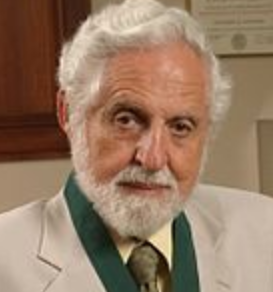 Carl Djerassi合作论文数Department of Chemistry, Stanford University8E Charollais合作论文数7Am Duffield合作论文数6
 Bruce Buchanan合作论文数Department of Computer Science, School of Computing and Information, University of Pittsburgh;Keck Center for Advanced Training in Computational Biology, University of Pittsburgh6Pierre-Alain Blanc合作论文数5Ab Delfino合作论文数5Allan B. Delfino合作论文数5Ga Singy合作论文数4F. J. Winkler合作论文数4F. O. GUELACAR合作论文数3F. O. Gülaçar合作论文数3Feigenba.Ea合作论文数3Samuel Siles合作论文数3R Chessex合作论文数2G Schroll合作论文数2Sutherla.Gl合作论文数2Zi-Ling Hu合作论文数2
 Ned D. Heindel合作论文数Heindel Research Group, Department of Chemistry, College of Arts and Sciences, Lehigh University2Th. Posternak合作论文数2G. Klink合作论文数2
 Edward A Feigenbaum (爱德华·费根鲍姆)合作论文数Stanford University2Michel Delaloye合作论文数2F. Dreier合作论文数2Olivier Clerc合作论文数2Neil A. B. Gray合作论文数2Yery A. Mendoza合作论文数2
 Dennis Smith合作论文数Department of Chemistry, Mississippi State University;Hand Technologies, LLC2L. Wünsche合作论文数2
 Joshua Lederberg合作论文数The Rockefeller University2Gustav Schroll合作论文数2G. L. Sutherland合作论文数2Younus M. Sheikh合作论文数2Etienne J. Charollais合作论文数2Zhongliang Hu合作论文数2
 Gerard Hopfgartner合作论文数Department of Inorganic and Analytic Chemistry, University of Geneva2Michel Pfau合作论文数2Deniel Braem合作论文数2Y. A. Mendoza合作论文数2J Noetzlin合作论文数1B Chassaing合作论文数1C Lawiberger合作论文数1E Stephanou合作论文数1Théodore Posternak合作论文数1




