The Cs4AuIIAuIII 2Cl12 perovskite (1), featuring AuCl4 trimers separated by vacancies, enables the first high-pressure study of Au2+/3+mixed-valence. Our computational analysis of the gold frontier orbitals suggests that the Au2+→Au3+ intervalence charge transfer (IVCT) occurs across the vacancies. Computational structures indicate that these vacancies rapidly shrink with pressure and the Au2+ and Au3+ coordination spheres become very similar at the phase transition to nearly cubic symmetry at ca. 15 GPaenabling facile IVCT. Although the activation energy of conductivity of 0.73(4) meV and far-infrared absorption indicate a small but nonzero bandgap, ambient thermal energy drives the IVCT, affording metallic properties: prominent infrared reflectivity and transport values of 102 S·cm-1. This prompted us to perform the first high-pressure studies of magnetoresistance (MR) and Hall effect in halide perovskites. At 16 GPa, the MR increases by 9.3% at 2 K and 9 T; this value is maintained up to 27 GPa, when a local distortion drives electronic localization. By globally fitting the MR and Hall resistance to a two-carrier model we quantify how the carrier densities and mobilities evolve with pressure. Thus, metal-like transport and MR in 1 is driven by a pressure-induced transition from localized to partially delocalized mixed-valence.
Although Cu2+ is ubiquitous, the relativistic destabilization of the 5d orbitals makes the isoelectronic Au(2+)exceedingly rare, typically stabilized only through Au-Au bonding or by using redox non-innocent ligands. Here we report the perovskite (Cs4AuAu2Cl12)-Au-II-Cl-III, an extended solid with mononuclear Au(2+)sites, which is stable to ambient conditions and characterized by single-crystal X-ray diffraction. The 2+ oxidation state of Au was assigned using Au-197 M & ouml;ssbauer spectroscopy, electron paramagnetic resonance, and magnetic susceptibility measurements, with comparison to paramagnetic and diamagnetic analogues with Cu2+ and Pd2+, respectively, as well as to density functional theory calculations. This gold perovskite offers an opportunity to study the optical and electronic transport of the uncommon Au(2+/3+)mixed-valence state and the characteristics of the elusive Au2+ ion coordinated to simple ligands. Compared with the perovskite (Cs2AuAuCl6)-Au-I-Cl-III, which has been studied since the 1920s, Cs(4)Au(II)Au(III)2Cl(12) exhibits a 0.7 eV reduction in optical absorption onset and a 10(3)-fold increase in electronic conductivity.
Spatial models where growth is limited to the population edge have been instrumental to understanding the population dynamics and the clone size distribution in growing cellular populations, such as microbial colonies and avascular tumours. A complete characterization of the coalescence process generated by spatial growth is still lacking, limiting our ability to apply classic population genetics inference to spatially growing populations. Here, we start filling this gap by investigating the statistical properties of the cell lineages generated by the two dimensional Eden model, leveraging their physical analogy with directed polymers. Our analysis provides quantitative estimates for population measurements that can easily be assessed via sequencing, such as the average number of segregating sites and the clone size distribution of a subsample of the population. Our results not only reveal remarkable features of the genealogies generated during growth, but also highlight new properties that can be misinterpreted as signs of selection if non-spatial models are inappropriately applied.
 Alexander G. Smith合作论文数1Kurt P Lindquist合作论文数Dept Chem, Stanford Univ1Alexander Heyer合作论文数Dept Chem, Stanford Univ1
 Jayson Paulose合作论文数Inst Lorentz, Leiden Univ1
 Jiajia Wen合作论文数Meta1
 Young Lee合作论文数Department of Applied Physics, School of Humanities and Sciences, Stanford University;Stanford Institute for Materials and Energy Sciences, Stanford University1
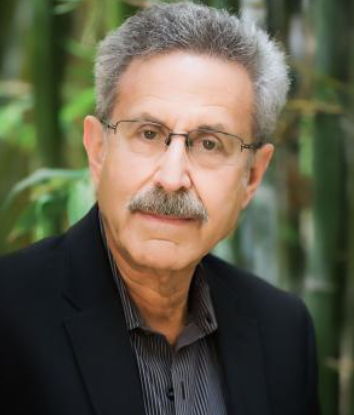 Edward I. Solomon合作论文数Department of Chemistry, Stanford University1D. H. Ryan合作论文数Physics Department;Centre for the Physics of Materials;McGill University;Centre for the Physics of Materials, McGill University1
 Diana Fusco合作论文数Department of Physics, University of Cambridge1
 Jeffrey Neaton合作论文数Department of Physics, University of California Berkeley;Department of Energy Nanoscale Science Research Center, Lawrence Berkeley National Laboratory1
 Hemamala Karunadasa合作论文数Department of Chemistry, School of Humanities & Sciences, Stanford University;SLAC National Accelerator Laboratory1




