The open abdomen (OA) has become an integral component of modern acute care, trauma, and vascular surgery. Since 2009, the Björck classification, amended in 2016, has provided a common language for describing the status and progression of the OA and remains the most widely used system worldwide. More than fifteen years of international experience, together with advances in temporary abdominal closure, negative pressure wound therapy, mesh-mediated fascial traction, critical care, more timely effective septic source control and abdominal wall reconstruction, have broadened the spectrum of patients encountered and altered the natural history of the OA. In this setting, certain concepts within the classification—particularly developing fixation and the frozen abdomen—are interpreted inconsistently among surgeons and institutions. In this narrative review, we revisit the contemporary application of the Björck classification and argue that its principal current challenge is one of interpretive consistency rather than validity. We distinguish OA from complex abdomen, clarify the practical meaning of each grade, and emphasise that anatomical grade describes a current state rather than an inevitable trajectory. The aim is to preserve the simplicity and structure of the original framework while improving communication, research comparability, and clinical decision-making in the management of patients with complex OA conditions. To this end we propose that interpretation is enhanced by considering two complementary domains: a contamination domain, already embedded in the amended system, and a surgical accessibility domain that describes the progressive loss of operative access from free access through developing fixation to loss of lateral access (the frozen abdomen).
BACKGROUND AND AIMS:Acute kidney injury (AKI) is a key contributor to multiorgan dysfunction and mortality in ruptured abdominal aortic aneurysm (rAAA). Intra-abdominal hypertension and abdominal compartment syndrome (ACS), complications potentially resulting in AKI, can be prevented or managed with open abdomen treatment (OAT). Using consensus-based definitions, this study characterizes AKI in rAAA patients managed with OAT and examines the impact of abdominal wall closure on renal function. METHODS:A single-center observational cohort study including all consecutive patients treated with OAT after open surgical repair for rAAA from September 2009 to January 2024. AKI was diagnosed and staged based on urine output (UO) and S-creatinine (SCr) as defined by the KDIGO classification, reassessed at closure of the abdomen and at discharge. RESULTS:Seventy-three patients (mean age 73 years, 85% male) received OAT, prophylactically in 63 (85%) and due to ACS in 11 (15%). AKI occurred in 71 patients (97%) at a median of 2 (IQR, 2-3) days of admittance; 22 patients (30%) had stage 3 AKI, including 13 (18%) needing renal replacement therapy. The multivariable logistic regression showed SCr at admittance (p = .034) and perioperative diuresis (p = .018) as predictors of stage 3 AKI. The UO criterion diagnosed more patients than SCr alone (p = .001). Abdominal closure did not aggravate kidney function. In AKI stage 3, 90-day survival was 46% versus 80% in AKI stage 1 and 2 (p = .008). Forty-seven out of 51 survivors (92%) had resolution of their AKI before discharge. CONCLUSIONS:Defined by KDIGO, AKI developed in 71/73 (97%) of rAAA patients with OAT after surgical repair. UO was the most sensitive parameter. AKI was diagnosed at median 2 days of admittance and was transient in majority of survivors. There was no aggravation of kidney function at delayed primary abdominal closure.
Objective:Growing interest in quantitative Doppler assessment has underscored the need for reliable, operator-independent tools to evaluate peripheral arterial circulation. This study aimed to evaluate the reliability of a novel ultrasound Doppler device (earlybird) for measuring blood-flow velocity in lower-extremity arteries and to validate its consistency across raters. We further explored multiple hemodynamic parameters derived from the Doppler spectrogram to examine their reproducibility and potential clinical applicability. Methods:Thirty-five participants, including 25 with varying degrees of peripheral arterial disease (PAD) and 10 healthy individuals, were recruited. Four raters performed independent measurements of the peripheral blood-flow velocity in each participant (280 measurements). Six blood-flow parameters were extracted from the Doppler spectrograms: peak systolic velocity (PSV), time-averaged velocity (TAV), end-diastolic velocity (EDV), pulsatility index (PI), resistive index (RI), and acceleration time (AT). The intraclass correlation coefficient (ICC) was used to assess reliability, which was visualized in scatter plots and Bland-Altman plots with 95% limits of agreement. Results:Good correlation and agreement among the different raters were observed, with inter-rater reliability ranging from an ICC of 0.755-0.835 (p < 0.001). Intra-rater reliability showed poor to excellent correlation, with ICCs ranging from 0.450 to 0.961, (p < 0.001). Bland-Altman plots revealed wide 95% limits of agreement for PSV, TAV, EDV, and PI, but narrower limits for RI (-9.8% to 9.8%) and AT (-17.3% to 17.1%). Conclusion:Earlybird was shown to be a reliable tool for assessing peripheral arteries across raters, with good inter- and intra-rater reliability. The angle-independent variables, RI and AT, showed narrow 95% limits of agreement, which justifies further exploration.
Objective Test the impact of clutter filtering and feasibility of ultrasound blood speckle tracking (BST) to evaluate flow patterns in abdominal aortic aneurysms. Methods Data were acquired for 7 patients diagnosed with an abdominal aortic aneurysm with minor intraluminal thrombus (ILT) volume, and 6 patients having substantial ILT volume, of which 10 patients were included in the assessment. A multi-observer assessment was done to tune and compare the performance of clutter filtering based on singular value decomposition (SVD) and polynomial regression, prior to BST. The quality of the resulting vector flow images was assessed in a second multi-observer assessment. Results After selecting a suitable filter threshold for each patient recording, only two out of 10 measurements had remaining clutter in the spectrograms during systole, and in one case during diastole. During systole, for 8 out of 10 patients 80% of the lumen area or more was deemed to have physiologically correct vector flow imaging (VFI) estimates. During diastole, this was only the case for 2 patients. For 4 patients, this percentage was lower than 50% during diastole. Conclusion During systole, BST can be applied to get accurate VFI results in the abdominal aortic aneurysm. Quantifying the lower velocity flow during diastole was less successful.
OBJECTIVE:For patients with ruptured abdominal aortic aneurysm (rAAA), rapid transfer to a vascular centre and evaluation for endovascular repair is recommended. The aim of this study was to evaluate the effect of pre-surgical time and interfacility transfer on the mortality rate in patients with rAAA. METHODS:This was a population based cohort study of consecutive patients admitted alive with rAAA in the Central Norway Regional Health Authority (2012 - 2022). Patient trajectories from symptom onset to arrival in the emergency department (pre-hospital time) were noted for all patients, and total pre-surgical time from symptom onset to start of surgery was noted for surgical patients. The impact of pre-surgical time and interfacility transfer on outcomes was evaluated, as well as reasons for palliation and outcomes after open and endovascular repair. RESULTS:Of 315 patients, 135 (42.9%) received palliative care and 180 (57.1%) underwent surgery. Overall thirty day mortality was 59.0%. In operated patients, thirty and ninety day mortality rates were 31.7% and 36.1%. Of 180 surgical patients, 73 (40.6%) had interfacility transfer before repair, no deaths occurred during interfacility transfer, and thirty and ninety day mortality rates did not differ between transferred patients and those directly admitted to a vascular centre (32% vs. 31.8%, p = 1.0; 38% vs. 34.6%, p = .75). Longer pre-surgical time was associated with haemodynamic stability at presentation, while no increase in mortality rate was observed with delayed intervention. Endovascular repair had lower thirty and ninety day mortality rates compared with open surgery (10% vs. 37.9%, p <.001; 18% vs. 41.4%, p = .005). CONCLUSION:In a healthcare region with considerable transfer distances, most patients with rAAA reaching hospital alive were sufficiently stable to undergo interfacility transfer and evaluation for endovascular repair. The results argue against using a fixed time threshold when deciding transfer to a vascular care centre. Safe transfer protocols and maximising access to endovascular repair should be the focus.
Objective: The multibranched off-the-shelf Zenith (R) t-Branch (Cook Medical, Bloomington, IN) device is commonly chosen for endovascular repair of thoracoabdominal aortic aneurysms. The aim of this study was to report early and mid-term outcomes in all patients treated with the t-Branch in Norway; Design and Methods: A retrospective multicenter study with Norwegian centers performing complex endovascular aortic repair was undertaken. T-Branch patients from 2014 to 2020 were included. All postoperative computed tomography angiography images were reviewed, and demographic, anatomical, perioperative and follow-up data were analyzed; Results: Seventy patients were treated in a single-step (n = 55) or staged (n = 15) procedure. Symptomatic presentation was seen in 20 patients, six of which had a contained rupture. Technical success was 87% (n = 59), with failures caused by unsuccessful bridging of target vessels (n = 4), target vessel bleeding (n = 3), persisting type 1c endoleak (n = 1) and t-Branch malrotation (n = 1). 30-day mortality was 9% (n = 6) and was associated with high BMI (p = .038). The spinal cord ischemia rate was 21% (n = 15) and was associated with type II aneurysms (OR 5.4, 95% CI 1.1-26.7, p = .04), smoking (OR 6.0, 95% CI 1.3-27.6, p = .02) and intraoperative blood loss (OR 1.1, 95% CI 1.0-1.3, p = .01). Survival at one, two and three years was 84 +/- 4%, 70 +/- 6% and 67 +/- 6%, respectively. Freedom from aortic-related reinterventions at one, two and three years was 80 +/- 5%, 65 +/- 7% and 50 +/- 8%, respectively; Conclusion: The study showed low early mortality (9%) and satisfactory mid-term survival. Technical success was achieved in acceptable 87% of procedures. The rate of spinal cord ischemia was high, occurring in 21% of patients. HIGHLIGHTS This paper provides a national experience of all TAAA patients treated with the multibranched t-Branch stent graft in Norway in a multi-center study. As we aimed at including all Norwegian patients operated with the device, the paper adds real-world data on t-Branch outcomes from four regional smaller-volume vascular centers. The paper provides technical and clinical mid-term results with several patients being followed up for >3 years. Technical success was achieved in 87% of procedures. The 30-day mortality rate was 9% and survival at one, two and three years was 85 +/- 4%, 70 +/- 6% and 67 +/- 6%, respectively. Spinal cord ischemia was associated with Crawford type II aneurysms, smoking and intraoperative blood loss.
BACKGROUND:Leakage of intestinal fluid is a challenging event when it appears in an open abdomen (OA) and surgical deviation does not seem possible. Intestinal contents in the abdominal cavity maintain inflammation and drainage is there for essential. We have developed a method, ChimneyVAC, to treat both deep and superficial enteroatmospheric fistulas (EAF) AIMS: To describe this innovative surgical technique and our 10-year experience.MATERIAL & METHODS:This single-center observational cohort study included all 16 consecutive patients treated with ChimneyVAC. Seven women and 9 men; median age: 47; (interquartile range [IQR]:39-63) years, 15 with a small bowel fistula and 1 with a large bowel fistula. All except of the colonic fistula were classified as a high output fistula; 14 were deep and 2 superficial. In this technique, a negative-pressure source is applied directly above the fistula opening, in addition to negative pressure wound therapy for the OA. This controls the leakage of intestinal fluid by direct drainage into a vacuum system, thereby avoiding contamination of the abdomen. A controlled enterocutaneous fistula (ECF) then forms as the traction from the ChimneyVAC brings the fistula opening to skin level.RESULTS:In 14 patients, an ECF formed after a median of 42 (IQR:28-55) days and 12 (IQR:7-16) dressing changes. The median length of hospitalization was 103 (IQR:58-143) days. Two patients died of multiorgan failure and 14 initially survived.DISCUSSION:This study showed that 14 out of 16 patients survived the initial treatment for enteric leakage with the ChimneyVAC method. The outcome of ChimneyVAC treatment is a controlled ECF, which was then corrected after a median of six months. However, hospitalization is lengthy, the patients undergo several dressing changes and many needs additional parenteral nutrition until intestinal continuity is reestablished.CONCLUSION:ChimneyVAC is a feasible method for treatment of EAF in an OA, with favorable survival.
Objective: Open abdomen therapy (OAT) is commonly used to prevent or treat abdominal compartment syndrome (ACS) in patients with ruptured abdominal aortic aneurysms (rAAAs). This study aimed to evaluate the incidence, treatment, and outcomes of OAT after rAAA from 2006 to 2021. Investigating data on resuscitation fluid, weight gain, and cumulative fluid balance could provide a more systematic approach to determining the timing of safe abdominal closure. Methods: This was a single centre observational cohort study. The study included all patients treated for rAAA followed by OAT from October 2006 to December 2021. Results: Seventy-two of the 244 patients who underwent surgery for rAAA received OAT. The mean age was 72 +/- 7.85 years, and most were male (n = 61, 85%). The most frequent comorbidities were cardiac disease (n = 31, 43%) and hypertension (n = 31, 43%). Fifty-two patients (72%) received prophylactic OAT, and 20 received OAT for ACS (28%). There was a 25% mortality rate in the prophylactic OAT group compared with the 50% mortality in those who received OAT for ACS (p = .042). The 58 (81%) patients who survived until closure had a median of 12 (interquartile range [IQR] 9, 16.5) days of OAT and 5 (IQR 4, 7) dressing changes. There was one case of colocutaneous fistula and two cases of graft infection. All 58 patients underwent successful abdominal closure, with 55 (95%) undergoing delayed primary closure. In hospital survival was 85%. Treatment trends over time showed the increased use of prophylactic OAT (p <= .001) and fewer ACS cases (p = .03) assessed by Fisher's exact test. In multivariable regression analysis fluid overload and weight reduction predicted 26% of variability in time to closure. Conclusion: Prophylactic OAT after rAAA can be performed safely, with a high rate of delayed primary closure even after long term treatment.
OBJECTIVE:Despite the increasing number of fenestrated and branched endovascular aortic repair (F/B-EVAR) procedures, evidence on post-operative antiplatelet therapy is very limited. This study aimed to investigate the role of single antiplatelet therapy (SAPT) vs. double antiplatelet therapy (DAPT) after F/B-EVAR in 30 day and follow up outcomes. METHODS:A multicentre retrospective analysis was conducted, including F/B-EVAR patients managed from 1 January 2018 to 31 December 2022. Comparative outcomes were assessed according to post-operative antiplatelet therapy. The cohort was divided into the SAPT group (acetylsalicylic acid [ASA] or clopidogrel) and DAPT group (ASA and clopidogrel). The duration of SAPT or DAPT was one to six months. Primary outcomes were 30 day death, and cardiovascular ischaemic and major haemorrhagic events. Secondary outcomes were survival and target vessel (TV) patency during follow up. RESULTS:A total of 1 430 patients were included: 955 under SAPT and 475 under DAPT. The 30 day mortality rate was similar (SAPT 2.1% vs. DAPT 1.5%; p = .42). Cardiovascular ischaemic events were lower in the DAPT group (SAPT 11.9% vs. DAPT 8.2%; p = .040), with DAPT being an independent protector for acute mesenteric (p = .009) and lower limb ischaemia (p = .020). No difference was found in 30 day major haemorrhagic events (SAPT 7.5% vs. DAPT 6.3%; p = .40). The mean follow up was 21.8 ± 2.9 months. Cox regression showed no survival confounders, with similar rates between groups (log rank p = .71). DAPT patients enjoyed higher TV patency (SAPT 93.4%, standard error [SE] 0.7% vs. DAPT 97.0%, SE 0.6%; log rank p = .007) at thirty six months. Cox regression revealed B-EVAR as a predictor of worse TV patency (hazard ratio 2.03, 95% confidence interval 1.36 - 3.03; p < .001). DAPT was related to higher patency within B-EVAR patients (SAPT 87.2%, SE 2.1% vs. DAPT 94.9%, SE 1.9%; p < .001). CONCLUSION:DAPT after F/B-EVAR was associated with lower risk of cardiovascular ischaemic events and higher TV patency, especially in B-EVAR cases. No difference in major haemorrhagic events was observed at 30 days.
Background: An accessible tool is required to analyze volume flow trends in arteriovenous fistulas for hemodialysis. Earlybird, an easy-to-place ultrasound Doppler device, has shown comparable accuracy to duplex ultrasound. In this study, we compared volume flow measurements obtained with duplex ultrasound and the dilution technique to an enhanced earlybird device, featuring a dual Doppler probe system, eliminating the requirement for a known insonation angle. Methods: Nine patients with a distal radiocephalic arteriovenous fistula were monitored for 12 months with regular volume flow measurements. Correlation and inter- and intra-class reliability analyses were conducted. Results: An overall moderate correlation was observed between earlybird and duplex ultrasound or dilution technique (intraclass correlation coefficient = 0.606 (95% confidence interval 0.064, 0.721) and 0.581 (0.039, 0.739), respectively). Duplex ultrasound compared to dilution measurements, demonstrated an overall moderate correlation (0.725 (0.219, 0.843)). Correlation between earlybird and duplex ultrasound was stronger for the arteriovenous fistula (0.778 (0.016, 0.901)) than the brachial artery (0.381 (−0.062, 0.461)). For earlybird, inter-rater reliability was excellent for the arteriovenous fistula (0.907 (0.423, 0.930)) and poor for the brachial artery (0.430 (0.241, 0.716)). Duplex ultrasound showed a good inter-rater reliability (arteriovenous fistula: 0.843 (0.610, 0.871), brachial artery: 0.819 (0.477, 0.864)). The overall intra-rater reliability was good for duplex ultrasound (rater A: 0.893 (0.727, 0.911); rater B: 0.853 (0.710, 0.891)), while excellent for earlybird (rater A: 0.905 (0.819, 0.928); rater B: 0.921 (0.632, 0.969)). Conclusion: We observed a weaker correlation in the measurements of volume flow rates in arteriovenous fistulas when obtained using earlybird compared to dilution technique, unlike the comparison between duplex ultrasound and the dilution technique. However, inter-rater reliability for the arteriovenous fistula was excellent with earlybird and good with duplex ultrasound, indicating the potential of earlybird as a tool for frequent measurements, enabling trend surveillance and predicting adverse outcomes.
OBJECTIVE:This population based retrospective cohort study aimed to investigate the association between combined treatment with lipid lowering drugs and antiplatelet or anticoagulation therapy and long term survival following vascular surgery in Norway. METHODS:The study included all patients who were registered for the treatment of carotid stenosis, abdominal aortic aneurysm (AAA), and atherosclerotic lower extremity arterial disease (LEAD) in the Norwegian Registry for Vascular Surgery between 2015 and 2019 and who were discharged alive. Clinical and medication details were retrieved from the register. Survival was assessed with Kaplan-Meier analysis and a multivariable Cox regression model. Stratification was according to treatment group, patient sex, and if patients received the recommended medications or not. Recommended medications were defined as lipid lowering drugs, usually statins, and antiplatelets, or sometimes anticoagulants, when comorbidity indicated anticoagulation therapy. RESULTS:In total, 15 810 patients had LEAD, 4 080 patients AAA, and 2 194 patients had carotid stenosis. In all treatment groups, survival was superior for patients who used the recommended medications upon discharge. The difference was greatest in patients with LEAD with mean survival periods of 4.33 (95% CI 4.29 - 4.36) and 3.7 (95% CI 3.64 - 3.77) years in patients discharged with and without the recommended medications, respectively (p < .001). The mean survival periods were 4.67 (95% CI 4.61 - 4.73) and 4.34 (95% CI 4.24 - 4.44) years in patients with AAA discharged with and without the recommended medications, respectively (p < .001). Cox regression analysis showed a statistically significantly lower mortality rate for patients discharged with the recommended medications for LEAD (HR 0.58; p < .001) and AAA (HR 0.57; p < .001). CONCLUSION:The recommended medications were associated with improved survival in all treatment groups and both sexes. The survival difference was statistically significant in patients with LEAD and AAA. Patients with LEAD had the greatest improvement; therefore, the recommended secondary prophylaxis is especially important in these patients.
Background: Controversy exists regarding surveillance of arteriovenous fistulas for hemodialysis to increase patency. A significant reduction in volume flow rate (VFR) should lead to diagnostic evaluation and eventually intervention. Several methods are available for VFR measurements, but all of them are associated with low reproducibility. VFR trend analysis is suggested as an improved solution. It is therefore a need to find user-friendly, cost and time-effective modalities. We present a novel Doppler ultrasound device (earlybird) which could bridge this gap. It includes an easy-to-use and light-weight single element transducer. Methods: In an experimental and clinical setting, we compared earlybird to duplex ultrasound to assess VFR. In a closed circuit of blood-mimicking fluid, 36 paired calculations of calibrated, duplex ultrasound and earlybird VFR was measured. In addition, 23 paired recordings of duplex ultrasound and earlybird VFR was measured in 16 patients with underarm arteriovenous fistulas. Pearson correlation, intraclass correlation coefficient, root-mean-square and Bland-Altman plots were analyzed. Results: Strong correlation ( r = 0.991, p < 0.001), and excellent level of agreement (ICC = 0.970 (95% CI 0.932 - 0.985), p < 0.001) between earlybird and the calibrated VFR was found in the experimental setup. This was confirmed in the clinical setting, with a strong correlation ( r = 0.781, p < 0.001) and moderate to good level of agreement (ICC = 0.750 (95% CI 0.502–0.885), p < 0.001) between earlybird and duplex ultrasound VFR measured at the arteriovenous fistulas outflow veins. In the Bland-Altman plot-analysis for the experimental setup, we found smaller limits of agreement, a smaller consistent and proportional bias, as well as greater accuracy of earlybird than DUS when compared to the calibrated VFR. Conclusion: Earlybird is a feasible tool for VFR measurements and could be a future promising device for easy assessment and surveillance of AVF for hemodialysis.
OBJECTIVE:To investigate the occurrence of limb graft occlusion (LGO) and intra-prosthetic thrombus (IPT) formation in Zenith Alpha and Endurant II stent graft limbs. METHODS:A single centre retrospective study was conducted on patients treated with the Zenith Alpha and Endurant II stent grafts between 2017 and 2019. All post-operative computed tomography angiography images were re-investigated for thrombus formation. Demographic, aneurysm, and stent graft data were collected and compared. LGO was defined as complete occlusion or significant stenosis (≥ 50% lumen diameter reduction). Logistic regression on pro-thrombotic risk factors was conducted. Freedom from LGO and overall limb IPT were compared using Kaplan-Meier analyses. RESULTS:Seventy-eight Zenith Alpha and eighty-six Endurant II patients were studied. The median follow up was 33 (IQR 25, 44) months for Zenith Alpha patients and 36 (IQR 22, 46) months for Endurant II patients (p = .53). LGO was seen in 15% (n = 12) of Zenith Alpha patients and 5% (n = 4) of Endurant II patients (p = .032), and freedom from LGO was significantly higher among Endurant II patients (p = .024). The Zenith Alpha stent graft was an independent risk factor for LGO (OR 3.9, 95% CI 1.1 - 13.4; p = .032). Among Zenith Alpha patients, limb flare compression within the main body gate was over represented in LGO patients (p = .011). There was no difference in freedom from overall limb IPT between the stent graft systems. For Endurant II limbs, IPT was significantly less common in the integrated ipsilateral limbs (without ETLW/ETEW stent graft limbs) (p = .044). Main endograft body IPT was correlated with overall limb IPT (p = .035). CONCLUSION:LGO was significantly more common among Zenith Alpha than Endurant II patients. Zenith Alpha limbs was an independent risk factor for LGO. There was no difference between stent grafts in overall limb IPT formation.
OBJECTIVE:Treatment of abdominal aortic aneurysm (AAA) in nonagenarians has become more frequent. This national observational cohort study aimed to investigate peri-operative mortality and survival after AAA surgery in nonagenarians in Norway. METHODS:All AAA repairs registered in the Norwegian Registry for Vascular Surgery from 2015 to 2021 were identified and stratified into nonagenarians > 90 years old (n = 77), octogenarians 80 - 89 years old (n = 1 362), and patients < 80 years old (n = 4 590). The patient characteristics and comorbidities were recorded, and the 30 and 90 day mortality rates were calculated. Kaplan-Meier analysis was performed to obtain the estimated median survival and survival curves. RESULTS:In the nonagenarians, the 30 day mortality rates were 2.5% in asymptomatic patients, 33.3% in symptomatic patients, and 59.1% in the patients with a ruptured AAA (rAAA). The estimated median survival (years) were 3.3 (95% confidence interval [CI] 1.95 - 4.59) for asymptomatic AAA, 2.9 (interquartile range [IQR] 2.82, 5.80) for symptomatic AAA, and 0.1 for rAAA (IQR 0.01, 3.04). For nonagenarians surviving the first 90 days, the estimated median survival (years) were 4.2 (95% CI 2.56 - 5.88) for asymptomatic AAA, 3.4 (IQR 2.86, 5.80) for symptomatic AAA, and 3.8 (IQR 1.49, 4.85) for rAAA. The 90 day mortality rates were 100.0%, 80.0%, and 62.5% for asymptomatic, symptomatic, and rAAA, respectively, after open surgical repair (OSR), and 5.1%, 10.0%, and 50.0%, respectively, after endovascular aortic repair (EVAR). CONCLUSION:Peri-operative mortality and survival results after AAA surgery in nonagenarians support treatment of selected asymptomatic patients. The 90 day survivors had an expected survival of more than three years, enabling balanced decision making regarding surgical vs. conservative treatment options in this challenging cohort. EVAR is the treatment method of choice for AAA in nonagenarians because most of them would probably live longer untreated than if treated by OSR.
 Erik Mulder Pettersen合作论文数11
 Jonny Hisdal合作论文数Institute of Basic Medical Sciences, University of Oslo8
 Martin Altreuther合作论文数7
 Hans Garmann Torp合作论文数Institutt for Sirkulasjon og Bildediagnostikk, Norwegian University of Science and Technology6Henrik Hoel合作论文数4
 Jorgen Avdal合作论文数MI Lab., Norwegian Univ. of Sci. & Technol.;c;MI Lab., Norwegian Univ. of Sci. & Technol.4Håvard Ulsaker合作论文数3Martin Björck合作论文数3
 Høiseth Lars Ø合作论文数Oslo University Hospital, University of Oslo3Iacob Mathiesen合作论文数3Pal Klepstad合作论文数3Frode Manstad-Hulaas合作论文数3Lars Cato Rekstad合作论文数2Turi Saltnes合作论文数2
 Stefano Fiorentini合作论文数2
 Øyvind Olav Salvesen合作论文数Department of Public Health and Nursing, Norwegian University of Science and Technology2Ystgaard Brynjulf合作论文数2
 Anders Wanhainen合作论文数Department of Surgical Sciences, Uppsala University2
 Arne Wibe合作论文数St. Olavs Hospital Trondheim, Trondheim University Hospital2
 Reidar Brekken合作论文数Medical Faculty, Norwegian University of Science and Technology (NTNU),2Hans H. Wasmuth合作论文数2K Djavani合作论文数1
 Nikolaos Tsilimparis合作论文数1Stéphan Haulon合作论文数1
 Tilo Kolbel合作论文数1D L Halvorsen合作论文数1L C Rekstad合作论文数1Henrik Halvorsen合作论文数1Martin Herje合作论文数1Mina Lam合作论文数1Skule Mo合作论文数1Audun Braaten合作论文数1Tore Stornes合作论文数1Tingting Feng合作论文数1
 Enrico Gallitto合作论文数1Henriette Fagertun合作论文数1Anne-Katrine Lislegaard Næs合作论文数1Beate Lindberg合作论文数1Leena Vikatmaa合作论文数1William J Lossius合作论文数1Linn Åldstedt Nyrønning合作论文数1
 Stefan Acosta合作论文数Department of Clinical Sciences, Malmö, Faculty of Medicine, Lund University1Petroula Nana合作论文数1
 Nuno Dias合作论文数1
 Bijan Modarai合作论文数School of Cardiovascular Medicine & Sciences, Faculty of Life Sciences & Medicine, King’s College London1
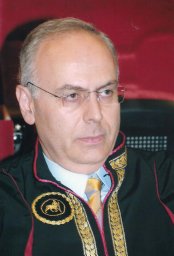 Giannoukas Athanasios D合作论文数University Hospital of Larissa, University of Thessalia Medical School1Myrvold Helge E合作论文数1Eric Dorenberg合作论文数Department of Radiology and Nuclear Medicine, Oslo University Hospital;Department of Radiology, Rikshospitalet University Hospital1




